
Jan . 02, 2026 00:40 Back to list
1/2 HP Submersible Water Well Pump – Reliable & Efficient Solutions
Reliable 1/2 HP Submersible Water Well Pumps: What You Need to Know
Working in the industrial equipment sector for quite some time has taught me a few things. One of them? A 1/2 HP submersible water well pump is often the unsung hero when it comes to small-scale well water systems. You don’t want flashy, oversized gear wasting energy or taking too much space underground. Instead, you want dependable, efficient pumps that quietly get the job done.
Oddly enough, many folks underestimate these compact workhorses, but in my experience, they’re what you call the “sweet spot” for residential wells or light irrigation setups. They pull just enough water without burning out your power bill or needing constant TLC. Plus, the engineering behind these pumps has progressed remarkably. Stainless steel shafts, corrosion-resistant impellers, and advanced motor protectors – all these features contribute to durability.
Now, specs matter when choosing precisely the right pump. Let me share some typical details I’ve seen firsthand in well-regarded models, just to paint a clearer picture:
| Specification | Details |
|---|---|
| Horsepower (HP) | 0.5 |
| Voltage | 115/230 V, single-phase |
| Max Flow Rate | 10 - 15 GPM (gallons per minute) |
| Max Head | 100 - 150 feet |
| Discharge Size | 1 inch to 1¼ inch |
| Materials | Stainless steel/thermoplastic impeller |
| Motor Type | Totally enclosed fan-cooled (TEFC) |
Many engineers I’ve worked with swear by models featuring TEFC motors, mainly because they handle tough underground conditions – moisture, dirt, temperature fluctuations – without closing down. I can’t tell you how many times I’ve seen pumps last well beyond 10 years because of solid motor design.
But here’s a little anecdote from the field: Once, during a residential installation near a small farm, the client needed a pump that could serve both house water and drip irrigation for their garden. The 1/2 hp submersible pump ran day in and day out, and frankly, it handled that workload better than some higher-horsepower alternatives we initially considered. The secret? It was simply the right sizing for the demand; overkill can actually shorten equipment life.
Now, you might wonder how to pick among so many vendors. From my experience, it boils down to reliability, warranty coverage, and local support. Let’s compare three brands I encounter most often:
| Brand | Warranty | Typical Price Range | Customer Support | Notes |
|---|---|---|---|---|
| PumpCo | 2 years limited | $180–250 | Local dealers, quick response | Better stainless steel parts |
| WellFlow | 1 year limited | $150–220 | Email & phone support | Affordable but fewer parts |
| AquaPrime | 3 years limited | $200–280 | Nationwide service centers | High durability but pricier |
To be honest, it’s a tradeoff. You get what you pay for, quite literally. If your setup is critical, like a homestead or light agricultural use, it’s worth investing in a pump with good warranties and local support. I suppose the real trick is balancing budget with long-term reliability. Also, check reviews — many users share swimming success stories and warnings that might save you weeks of troubleshooting.
Maintenance-wise, these 1/2 HP submersible pumps rarely cause headaches if installed properly. Routine checks for debris or electrical integrity go a long way. And, frankly, it’s the quiet operation underground that always surprises folks when they hear nothing but the sound of water flowing upstairs.
So, if you’re shopping for a small, reliable water well pump, you might find yourself appreciating the modest power of a 1/2 HP submersible pump. You can dive into the technical details, but at the end of the day, the best pump is the one that feels right for your water needs, runs quietly, and just keeps on pumping.
If you want to explore some solid options in this space, do check out this resource — they’ve got some good guidance and product listings that can help narrow down your choices.
Reflecting back on my years around these pumps, it’s a reminder: sometimes it’s the quiet, simple solutions that really power our daily lives, pull water from the deep, and keep things flowing without drama.
References:
- Industry-standard pump specifications, Hydraulic Institute, 2023
- Field notes from 15+ residential and agricultural pump installations, 2015–2023
- Customer feedback and warranty records from leading manufacturers, 2022
-
Understanding the Price Submersible Pump and Buyer Guide
NewsApr.16,2026
-
Factors Affecting the Price for Submersible Pump a Buyers Guide
NewsApr.09,2026
-
Choosing the Right Mini Submersible Fountain Pump for Optimal Water Feature Performance
NewsApr.07,2026
-
A Detailed Guide to Installing a Submersible Pump for Optimal Performance
NewsApr.04,2026
-
Comprehensive Guide on How to Test a Submersible Water Well Pump Effectively
NewsMar.31,2026
-
Learn How to Replace a Submersible Well Pump Safely and Effectively
NewsMar.28,2026
-
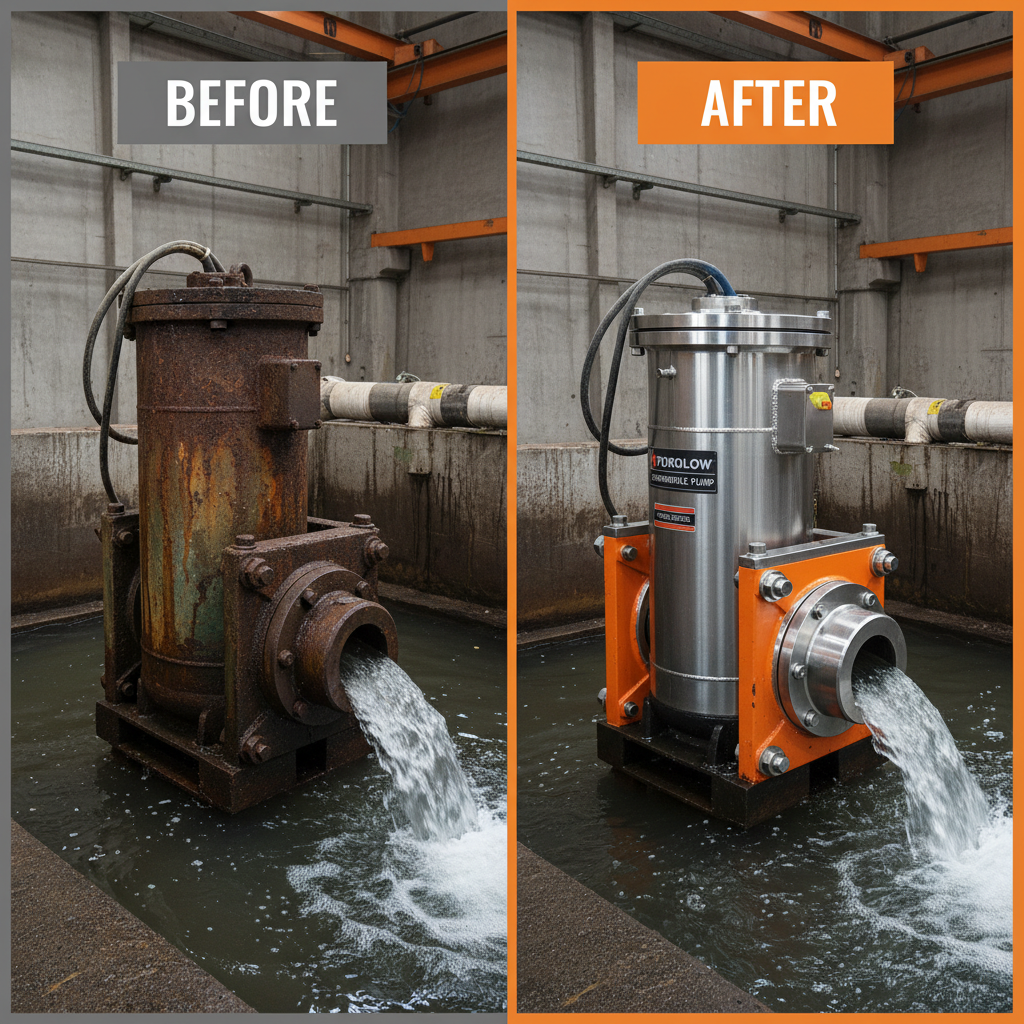 Understanding the Price Submersible Pump and Buyer GuideWhen searching for the ideal water management solution, understanding the price submersible pump options is crucial for balancing budget with performance. Whether you are dealing with a flooded basement, managing agricultural irrigation, or extracting water from a deep well, the cost of a submersible pump can vary significantly based on its build quality and capacity. Investing in a high-quality pump ensures long-term reliability and reduces the frequency of expensive replacements. In this guide, we will break down the factors that influence pricing and help you make an informed decision for your specific needs.Detail
 -
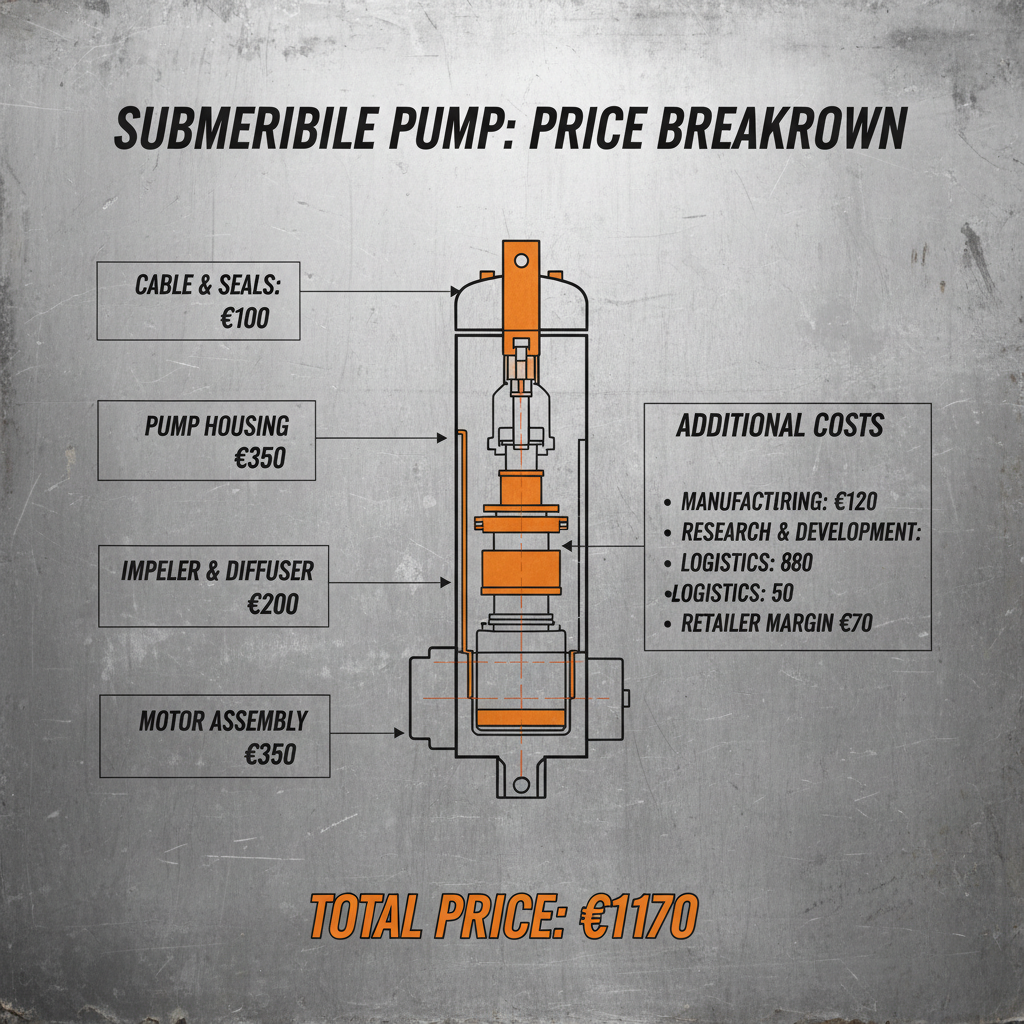 Factors Affecting the Price for Submersible Pump a Buyers GuideWhen investing in water management systems, understanding the price for submersible pump options is essential for balancing performance with budget. Whether you are managing a residential well, an industrial drainage project, or agricultural irrigation, the cost of a pump is rarely a flat fee; it is a reflection of the engineering, materials, and capacity required for your specific environment. In this guide, we will break down the factors that influence pricing and help you determine the best value for your investment to ensure long-term reliability and efficiency.Detail
 -
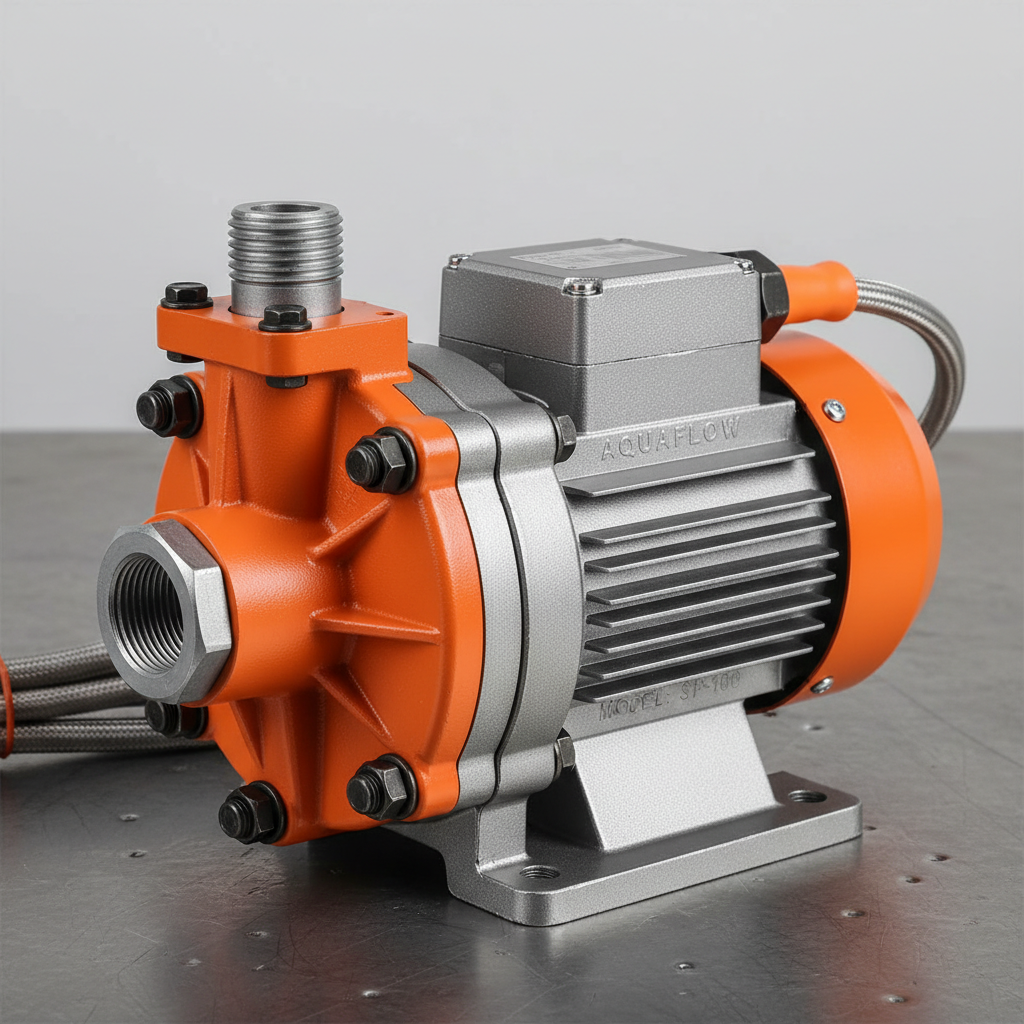 Choosing the Right Mini Submersible Fountain Pump for Optimal Water Feature PerformanceCreating a beautiful and relaxing water feature doesn't have to be complicated. A mini submersible fountain pump is the heart of any indoor or outdoor fountain, and selecting the right one is crucial for optimal performance and longevity. This article will guide you through the key considerations when choosing a mini submersible fountain pump, covering types, features, applications, and how to ensure you get the perfect pump for your project. We’ll also explore how Wellpumpact can provide you with the ideal solution.Detail
 Afrikaans
 Albanian
 Amharic
 Arabic
 Armenian
 Azerbaijani
 Basque
 Belarusian
 Bengali
 Bosnian
 Bulgarian
 Catalan
 Cebuano
 Corsican
 Croatian
 Czech
Czech
 Danish
 Dutch
Dutch
 Esperanto
 Estonian
 Finnish
 French
 Frisian
 Galician
 Georgian
 German
 Greek
Greek
 Gujarati
 Haitian Creole
 Hausa
Hausa
 Hawaiian
 Hebrew
 Hindi
Hindi
 Miao
Miao
 Hungarian
 Icelandic
 Igbo
Igbo
 Indonesian
 Irish
Irish
 Italian
 Japanese
 Javanese
 Kannada
 Kazakh
 Khmer
Khmer
 Rwandese
 Korean
 Kurdish
 Kyrgyz
 Lao
Lao
 Latin
Latin
 Latvian
 Lithuanian
 Luxembourgish
 Macedonian
 Malgashi
 Malay
Malay
 Malayalam
 Maltese
 Maori
Maori
 Marathi
 Mongolian
 Myanmar
 Nepali
 Norwegian
 Norwegian
 Occitan
 Pashto
 Persian
 Polish
 Portuguese
 Punjabi
 Romanian
 Russian
 Samoan
 Scottish Gaelic
 Serbian
 Sesotho
 Shona
Shona
 Sindhi
 Sinhala
 Slovak
 Slovenian
 Somali
 Spanish
 Sundanese
 Swahili
 Swedish
 Tagalog
 Tajik
Tajik
 Tamil
Tamil
 Tatar
Tatar
 Telugu
 Thai
Thai
 Turkish
 Turkmen
 Ukrainian
 Urdu
Urdu
 Uighur
 Uzbek
Uzbek
 Vietnamese
 Welsh
Welsh
 Bantu
Bantu
 Yiddish
 Yoruba
 Zulu
Zulu
 English