
Feb . 19, 2025 04:15 Back to list
3in submersible well pump
Testing a submersible pump with a multimeter is crucial for ensuring its functionality and efficiency in various water management applications. With years of expertise in electrical diagnostics, I will guide you through the process with a structured, professional approach that covers safety, technical details, and troubleshooting tips.
Checking for Insulation Resistance A critical aspect of testing is checking the insulation resistance. This ensures there's no current leaking to the pump frame, which can be hazardous. Set the multimeter to measure resistance, attach one probe to the pump casing (ground) and another to each motor lead (S, R, C) in turn. Ideally, you should observe high resistance readings (typically in the Mega-Ohm range). Low or zero readings indicate a potential short circuit or insulation failure. Testing the Capacitor (For Single Phase Pumps) If your submersible pump is a single-phase model, it likely has a start capacitor. Use the multimeter’s capacitance setting. Disconnect the capacitor from the circuit, discharge it, then attach the multimeter probes to the capacitor terminals. The multimeter should display a capacitance value close to the manufacturer's rating. Any significant deviation indicates a faulty capacitor. Troubleshooting Common Issues If your initial tests reveal anomalies, additional steps may be required. Re-examine connections for corroded or loose terminals, which can affect readings. Ensure there’s no moisture within the connection box, as this can compromise electrical integrity. Further, investigate thermal protection devices and overload switches in the circuit. These safeguards might engage if there is excessive resistance or heat build-up, leading to unexpected pump behavior. Interpreting Results and Taking Action Any inconsistencies found using a multimeter should be addressed promptly to avoid further pump damage. Depending on your diagnostic results, solutions might include rewinding motor coils, replacing damaged cables, or installing a new capacitor. For persistent issues, consulting a pump specialist or an electrician is advisable. Regularly scheduled maintenance and testing contribute significantly to the reliable operation and longevity of your submersible pump. By mastering these testing techniques, pump owners and technicians can ensure optimal performance, minimize downtime, and enhance the operating efficiency of their water management systems.


Checking for Insulation Resistance A critical aspect of testing is checking the insulation resistance. This ensures there's no current leaking to the pump frame, which can be hazardous. Set the multimeter to measure resistance, attach one probe to the pump casing (ground) and another to each motor lead (S, R, C) in turn. Ideally, you should observe high resistance readings (typically in the Mega-Ohm range). Low or zero readings indicate a potential short circuit or insulation failure. Testing the Capacitor (For Single Phase Pumps) If your submersible pump is a single-phase model, it likely has a start capacitor. Use the multimeter’s capacitance setting. Disconnect the capacitor from the circuit, discharge it, then attach the multimeter probes to the capacitor terminals. The multimeter should display a capacitance value close to the manufacturer's rating. Any significant deviation indicates a faulty capacitor. Troubleshooting Common Issues If your initial tests reveal anomalies, additional steps may be required. Re-examine connections for corroded or loose terminals, which can affect readings. Ensure there’s no moisture within the connection box, as this can compromise electrical integrity. Further, investigate thermal protection devices and overload switches in the circuit. These safeguards might engage if there is excessive resistance or heat build-up, leading to unexpected pump behavior. Interpreting Results and Taking Action Any inconsistencies found using a multimeter should be addressed promptly to avoid further pump damage. Depending on your diagnostic results, solutions might include rewinding motor coils, replacing damaged cables, or installing a new capacitor. For persistent issues, consulting a pump specialist or an electrician is advisable. Regularly scheduled maintenance and testing contribute significantly to the reliable operation and longevity of your submersible pump. By mastering these testing techniques, pump owners and technicians can ensure optimal performance, minimize downtime, and enhance the operating efficiency of their water management systems.
Latest news
-
Understanding the Price Submersible Pump and Buyer Guide
NewsApr.16,2026
-
Factors Affecting the Price for Submersible Pump a Buyers Guide
NewsApr.09,2026
-
Choosing the Right Mini Submersible Fountain Pump for Optimal Water Feature Performance
NewsApr.07,2026
-
A Detailed Guide to Installing a Submersible Pump for Optimal Performance
NewsApr.04,2026
-
Comprehensive Guide on How to Test a Submersible Water Well Pump Effectively
NewsMar.31,2026
-
Learn How to Replace a Submersible Well Pump Safely and Effectively
NewsMar.28,2026
-
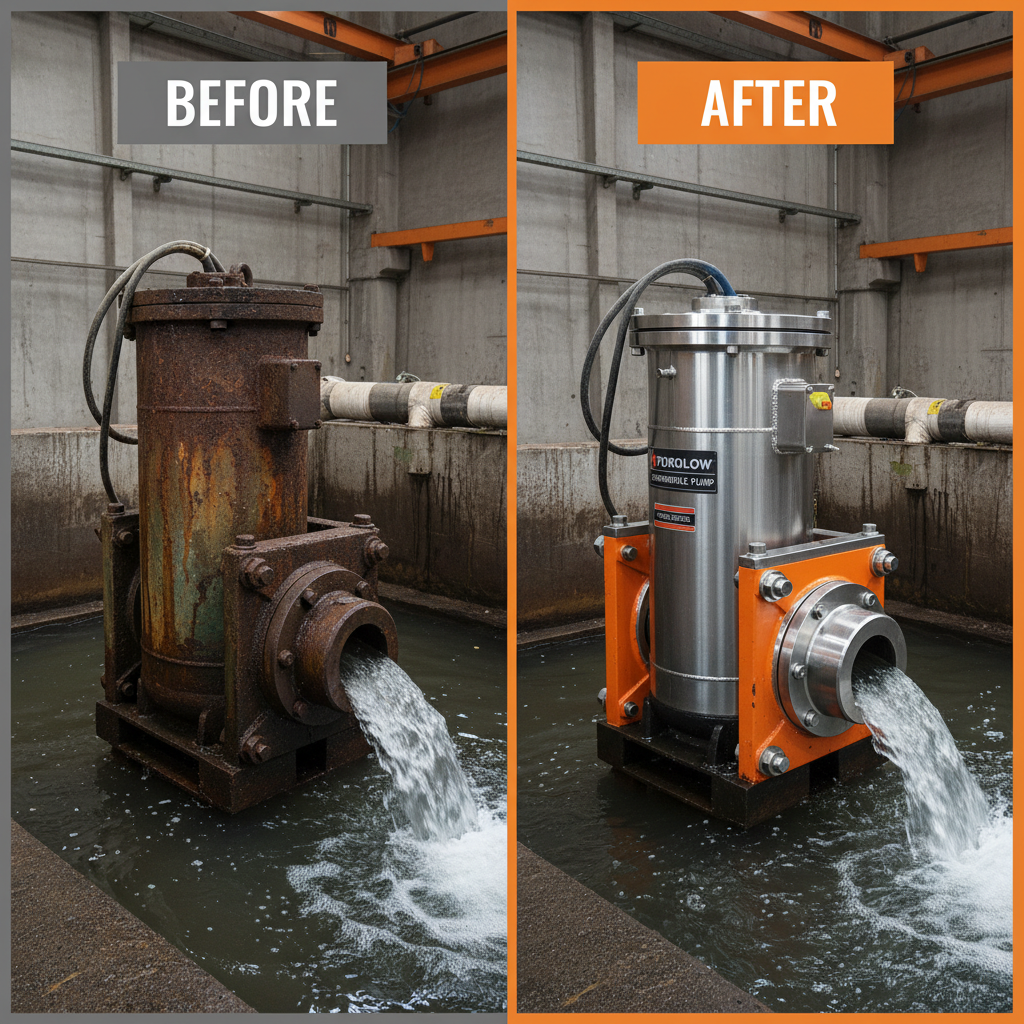 Understanding the Price Submersible Pump and Buyer GuideWhen searching for the ideal water management solution, understanding the price submersible pump options is crucial for balancing budget with performance. Whether you are dealing with a flooded basement, managing agricultural irrigation, or extracting water from a deep well, the cost of a submersible pump can vary significantly based on its build quality and capacity. Investing in a high-quality pump ensures long-term reliability and reduces the frequency of expensive replacements. In this guide, we will break down the factors that influence pricing and help you make an informed decision for your specific needs.Detail
 -
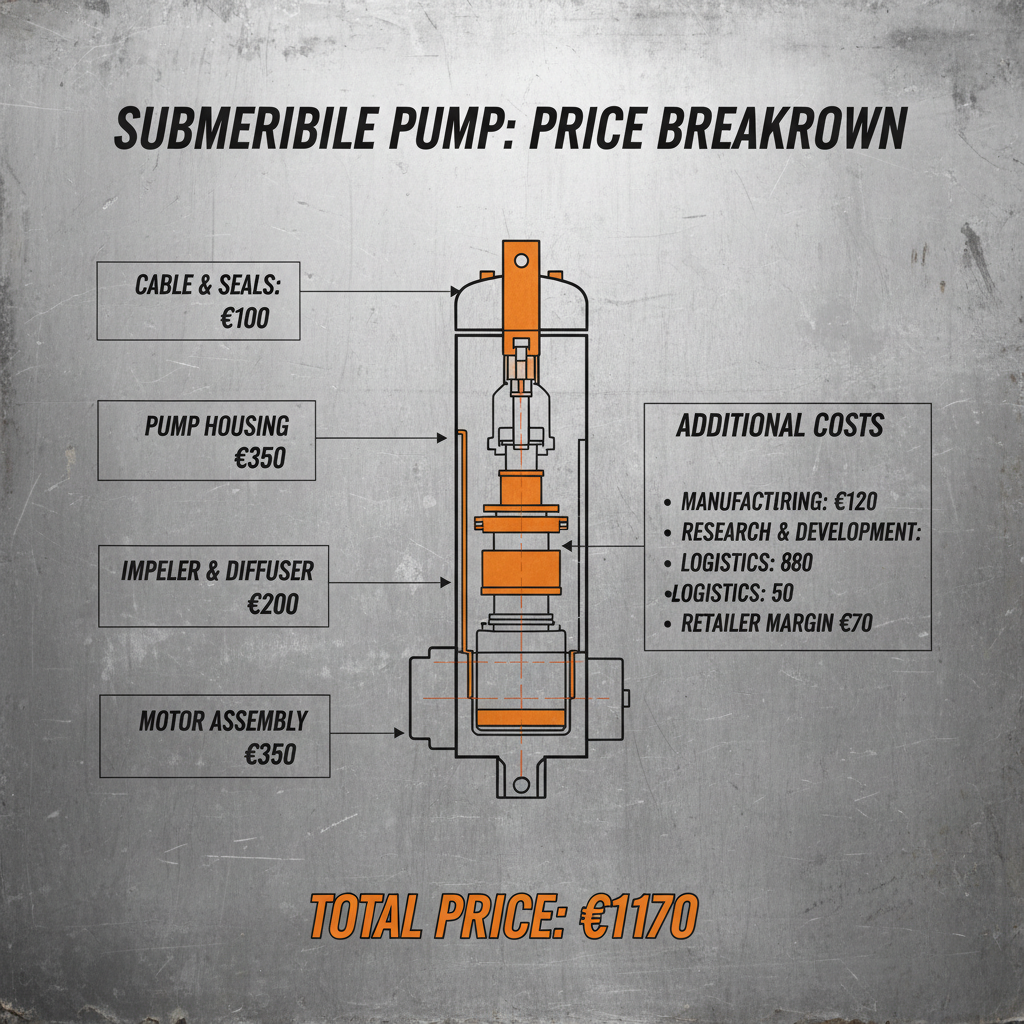 Factors Affecting the Price for Submersible Pump a Buyers GuideWhen investing in water management systems, understanding the price for submersible pump options is essential for balancing performance with budget. Whether you are managing a residential well, an industrial drainage project, or agricultural irrigation, the cost of a pump is rarely a flat fee; it is a reflection of the engineering, materials, and capacity required for your specific environment. In this guide, we will break down the factors that influence pricing and help you determine the best value for your investment to ensure long-term reliability and efficiency.Detail
 -
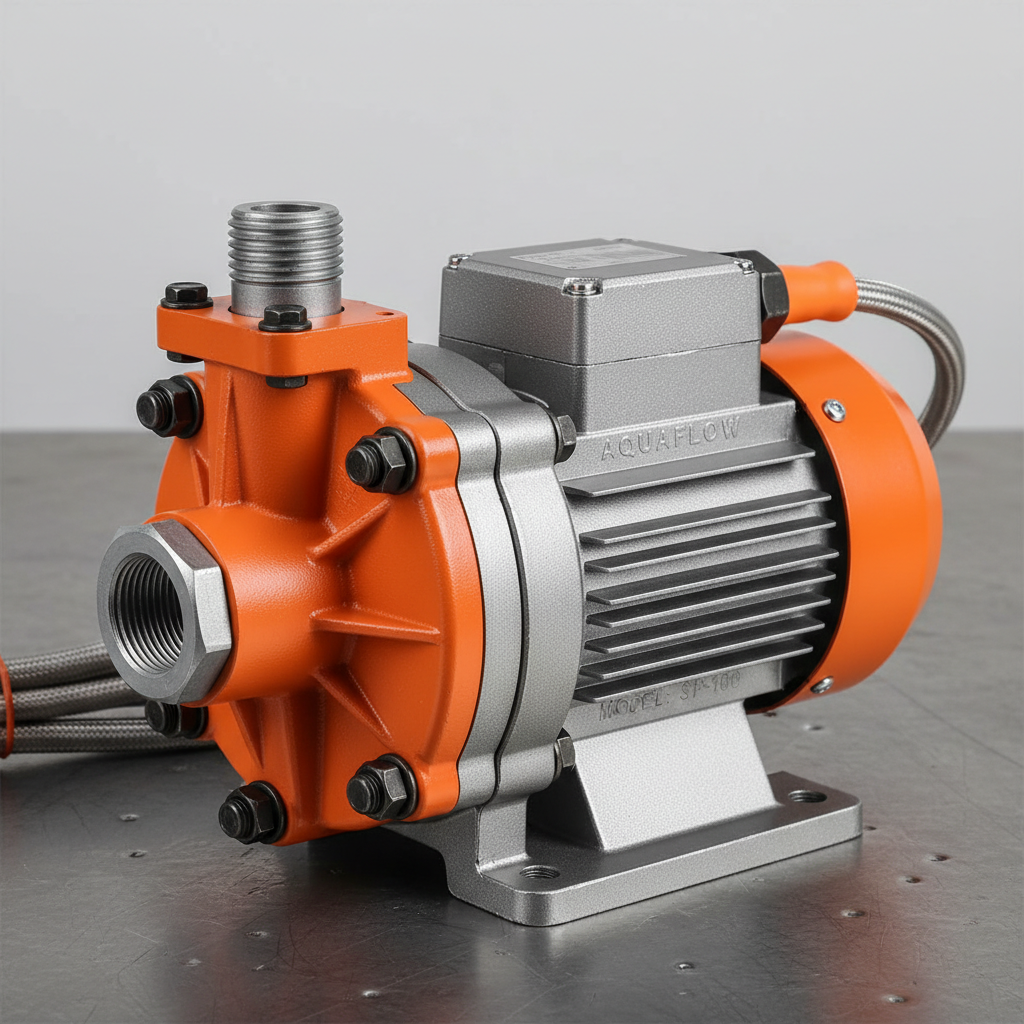 Choosing the Right Mini Submersible Fountain Pump for Optimal Water Feature PerformanceCreating a beautiful and relaxing water feature doesn't have to be complicated. A mini submersible fountain pump is the heart of any indoor or outdoor fountain, and selecting the right one is crucial for optimal performance and longevity. This article will guide you through the key considerations when choosing a mini submersible fountain pump, covering types, features, applications, and how to ensure you get the perfect pump for your project. We’ll also explore how Wellpumpact can provide you with the ideal solution.Detail
 Afrikaans
 Albanian
 Amharic
 Arabic
 Armenian
 Azerbaijani
 Basque
 Belarusian
 Bengali
 Bosnian
 Bulgarian
 Catalan
 Cebuano
 Corsican
 Croatian
 Czech
Czech
 Danish
 Dutch
Dutch
 Esperanto
 Estonian
 Finnish
 French
 Frisian
 Galician
 Georgian
 German
 Greek
Greek
 Gujarati
 Haitian Creole
 Hausa
Hausa
 Hawaiian
 Hebrew
 Hindi
Hindi
 Miao
Miao
 Hungarian
 Icelandic
 Igbo
Igbo
 Indonesian
 Irish
Irish
 Italian
 Japanese
 Javanese
 Kannada
 Kazakh
 Khmer
Khmer
 Rwandese
 Korean
 Kurdish
 Kyrgyz
 Lao
Lao
 Latin
Latin
 Latvian
 Lithuanian
 Luxembourgish
 Macedonian
 Malgashi
 Malay
Malay
 Malayalam
 Maltese
 Maori
Maori
 Marathi
 Mongolian
 Myanmar
 Nepali
 Norwegian
 Norwegian
 Occitan
 Pashto
 Persian
 Polish
 Portuguese
 Punjabi
 Romanian
 Russian
 Samoan
 Scottish Gaelic
 Serbian
 Sesotho
 Shona
Shona
 Sindhi
 Sinhala
 Slovak
 Slovenian
 Somali
 Spanish
 Sundanese
 Swahili
 Swedish
 Tagalog
 Tajik
Tajik
 Tamil
Tamil
 Tatar
Tatar
 Telugu
 Thai
Thai
 Turkish
 Turkmen
 Ukrainian
 Urdu
Urdu
 Uighur
 Uzbek
Uzbek
 Vietnamese
 Welsh
Welsh
 Bantu
Bantu
 Yiddish
 Yoruba
 Zulu
Zulu
 English