
Feb . 24, 2026 10:55 Back to list
Comprehensive Guide to Choosing the Right 110 Volt Submersible Water Well Pump
Choosing the Right 110 Volt Submersible Water Well Pump
Selecting the appropriate 110 volt submersible water well pump is crucial for reliable water access. Whether for residential use, irrigation, or agricultural needs, understanding the key factors will ensure optimal performance and longevity. This article provides a comprehensive guide to navigating the selection process, covering different types, applications, and essential considerations. Investing in the right pump can save you time, money, and frustration in the long run. We’ll explore the nuances of these pumps to help you make an informed decision.
Understanding Submersible Well Pumps
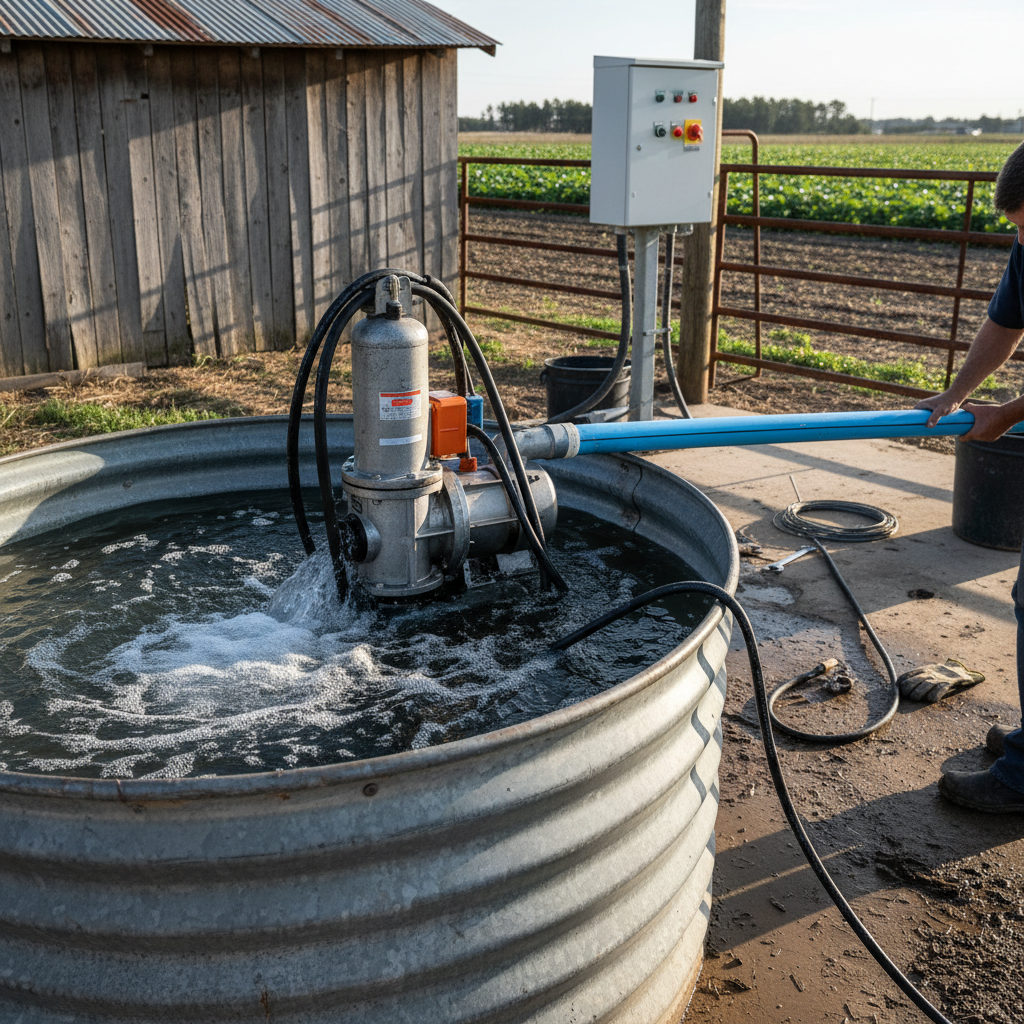
Submersible well pumps are designed to be fully submerged in the water within the well casing. This contrasts with jet pumps which are located above ground. The main advantage of a submersible pump is its efficiency. Because the pump is submerged, it doesn't need to “pull” the water up, which requires energy and can limit the maximum depth it can draw from. Well Pump Act offers a wide range of submersible pumps tailored to various well depths and water needs. These pumps are also generally quieter than jet pumps because they operate underwater, reducing noise pollution.
Key Highlights: Efficient operation, quiet operation, no priming required, suitable for deep wells.
Key Considerations When Choosing a 110 Volt Submersible Well Pump
Before purchasing a 110 volt submersible well pump, several factors need careful consideration. First, determine the well depth. The pump must be able to effectively lift water from that depth. Second, assess your water needs – how much water do you use daily? This will determine the pump’s required flow rate (gallons per minute - GPM). Third, consider the well casing diameter to ensure the pump will fit. Finally, check the voltage requirements of your electrical system; while we focus on 110V, some pumps may require 220V.
Essential Factors:
• Well Depth
• Water Usage (GPM)
• Well Casing Diameter
• Voltage Compatibility
Comparing Popular 110 Volt Submersible Well Pump Models
Several models excel in different applications. Comparing features, GPM, and price points is vital. Here’s a comparison of three popular models available at Well Pump Act:
Installation and Maintenance Tips
Proper installation is critical for optimal performance and longevity. Always follow the manufacturer's instructions. Ensure the pump is adequately supported within the well casing and that the electrical connections are secure and waterproof. Regular maintenance, such as inspecting the pump for corrosion and debris, can prevent premature failure. Well Pump Act provides detailed installation guides and maintenance advice.
Choosing the Right Pump for Your Needs
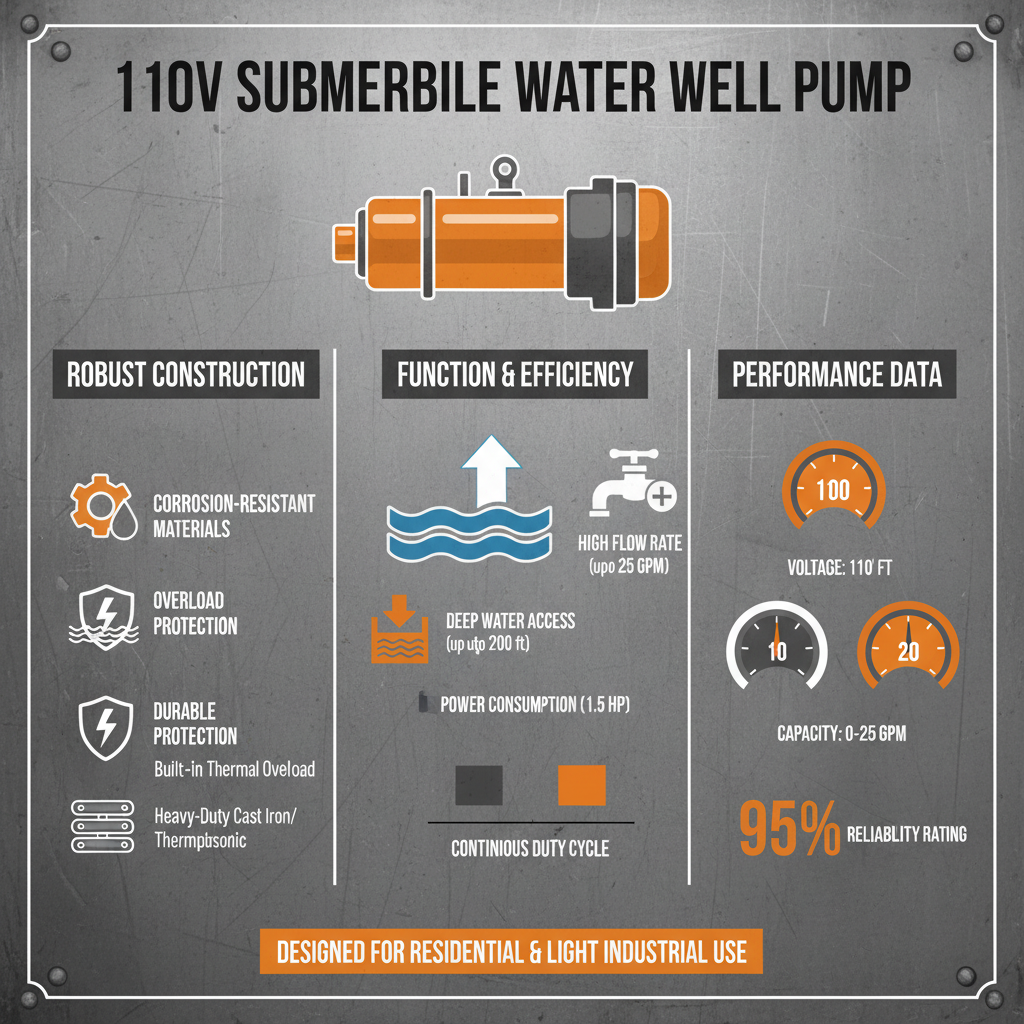
Ultimately, the best 110 volt submersible water well pump depends on your specific requirements. By carefully considering well depth, water usage, and budget, you can select a pump that provides reliable performance for years to come. Don’t hesitate to contact the experts at Well Pump Act for personalized recommendations and support.
Conclusion: Powering Your Water Supply with Confidence
Investing in a quality submersible water well pump from Well Pump Act is a smart move for ensuring a consistent and reliable water supply. By understanding your needs and choosing the right model, you can enjoy years of trouble-free operation. Don’t compromise on quality – choose Well Pump Act for all your well pump needs.
Frequently Asked Questions (FAQs)
What is the typical lifespan of a 110V submersible well pump?
The typical lifespan of a 110V submersible well pump ranges from 10 to 15 years, depending on usage, water quality, and maintenance. Regularly checking for signs of wear and tear, such as reduced flow rate or unusual noises, can help you identify potential issues early on. Poor water quality (high sediment or corrosive elements) can significantly shorten the pump's lifespan. Proper installation and adherence to the manufacturer's maintenance schedule are crucial for maximizing longevity.
Can I install a 110V submersible well pump myself?
While it's possible to install a 110V submersible well pump yourself, it is generally recommended to hire a qualified well pump technician. This ensures proper installation, adherence to local codes, and safe electrical connections. Incorrect installation can lead to pump failure, electrical hazards, or contamination of your water supply. A professional will also be able to properly size the pump and ensure it’s configured for optimal performance.
What causes a submersible well pump to lose pressure?
Several factors can cause a submersible well pump to lose pressure. These include a clogged intake screen, a leak in the well casing or plumbing, a pressure switch malfunction, or a failing pump motor. A partially clogged intake screen restricts water flow, reducing pressure. Leaks allow water to escape before reaching the pressure tank. A faulty pressure switch may not be activating the pump when pressure drops. It’s best to have a professional diagnose the issue and recommend appropriate repairs or replacement.
How often should I inspect my submersible well pump?
You should visually inspect your submersible well pump and associated components at least once a year, or more frequently if you notice any unusual noises, reduced water flow, or fluctuating pressure. Check for any signs of corrosion, leaks, or damage to the wiring. Ensure the well casing is properly sealed to prevent contamination. A professional inspection every few years can also help identify potential issues before they become major problems.
-
Understanding the Price Submersible Pump and Buyer Guide
NewsApr.16,2026
-
Factors Affecting the Price for Submersible Pump a Buyers Guide
NewsApr.09,2026
-
Choosing the Right Mini Submersible Fountain Pump for Optimal Water Feature Performance
NewsApr.07,2026
-
A Detailed Guide to Installing a Submersible Pump for Optimal Performance
NewsApr.04,2026
-
Comprehensive Guide on How to Test a Submersible Water Well Pump Effectively
NewsMar.31,2026
-
Learn How to Replace a Submersible Well Pump Safely and Effectively
NewsMar.28,2026
-
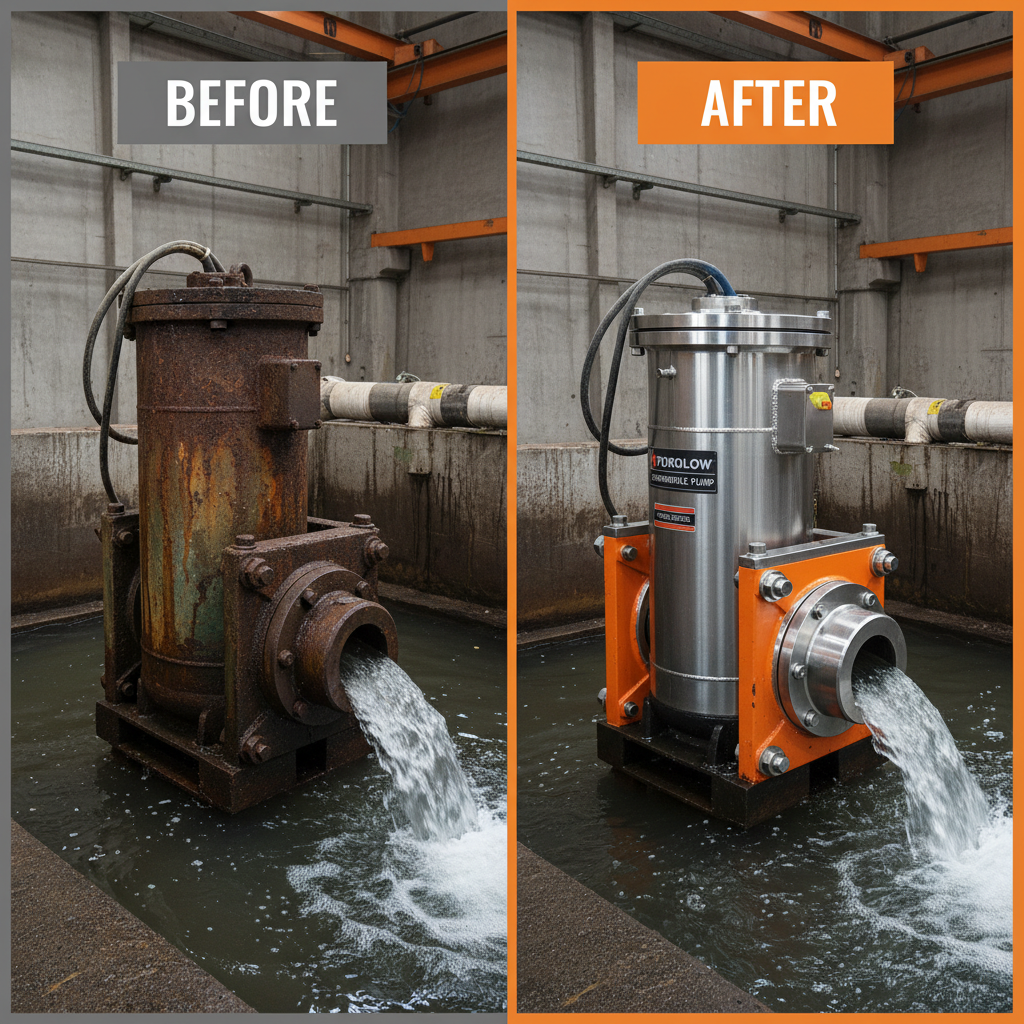 Understanding the Price Submersible Pump and Buyer GuideWhen searching for the ideal water management solution, understanding the price submersible pump options is crucial for balancing budget with performance. Whether you are dealing with a flooded basement, managing agricultural irrigation, or extracting water from a deep well, the cost of a submersible pump can vary significantly based on its build quality and capacity. Investing in a high-quality pump ensures long-term reliability and reduces the frequency of expensive replacements. In this guide, we will break down the factors that influence pricing and help you make an informed decision for your specific needs.Detail
 -
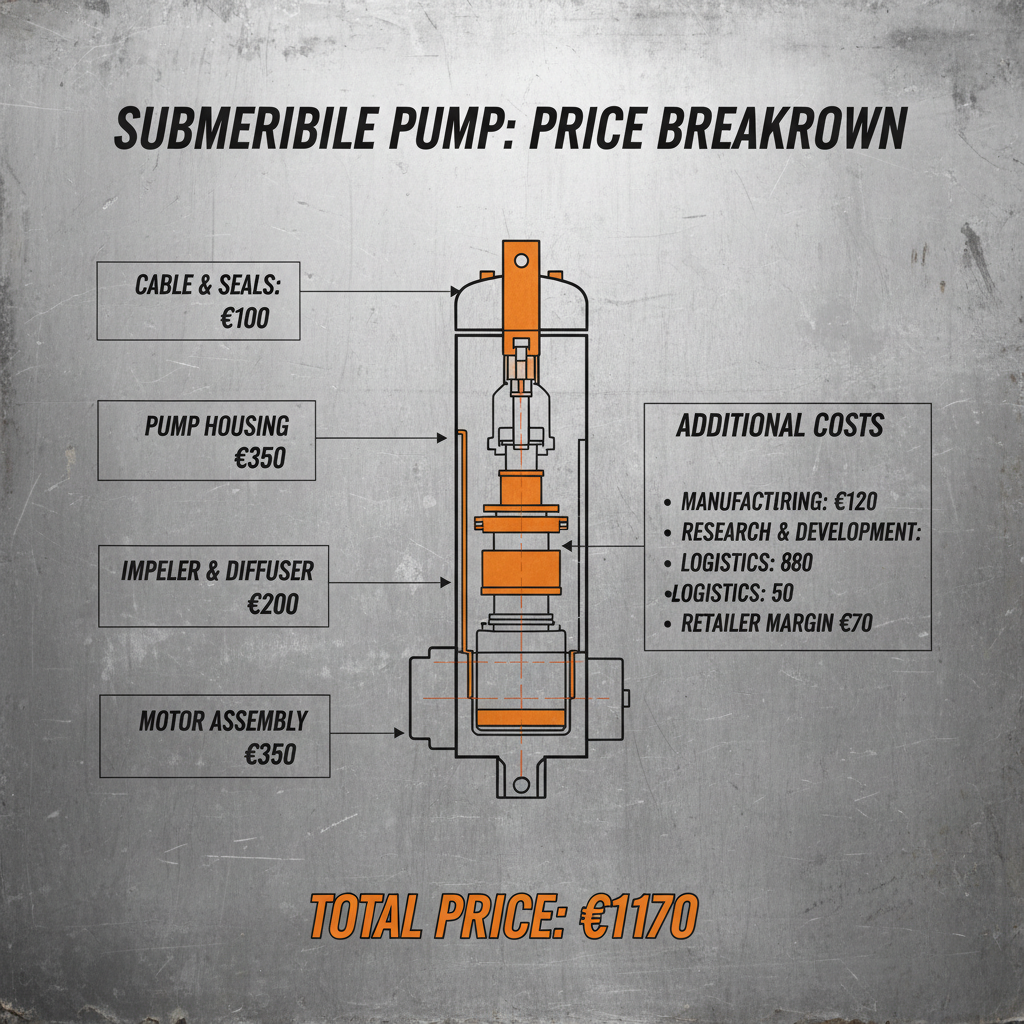 Factors Affecting the Price for Submersible Pump a Buyers GuideWhen investing in water management systems, understanding the price for submersible pump options is essential for balancing performance with budget. Whether you are managing a residential well, an industrial drainage project, or agricultural irrigation, the cost of a pump is rarely a flat fee; it is a reflection of the engineering, materials, and capacity required for your specific environment. In this guide, we will break down the factors that influence pricing and help you determine the best value for your investment to ensure long-term reliability and efficiency.Detail
 -
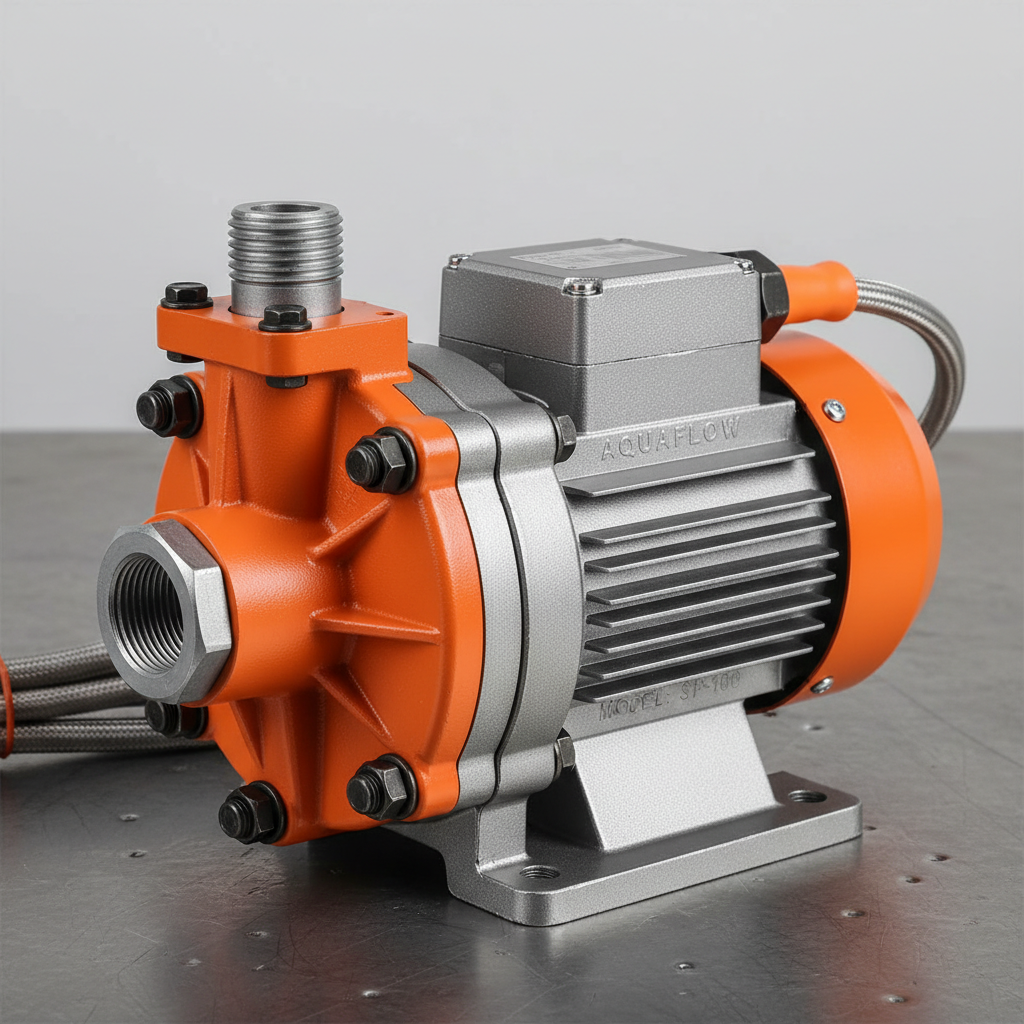 Choosing the Right Mini Submersible Fountain Pump for Optimal Water Feature PerformanceCreating a beautiful and relaxing water feature doesn't have to be complicated. A mini submersible fountain pump is the heart of any indoor or outdoor fountain, and selecting the right one is crucial for optimal performance and longevity. This article will guide you through the key considerations when choosing a mini submersible fountain pump, covering types, features, applications, and how to ensure you get the perfect pump for your project. We’ll also explore how Wellpumpact can provide you with the ideal solution.Detail
 Afrikaans
 Albanian
 Amharic
 Arabic
 Armenian
 Azerbaijani
 Basque
 Belarusian
 Bengali
 Bosnian
 Bulgarian
 Catalan
 Cebuano
 Corsican
 Croatian
 Czech
Czech
 Danish
 Dutch
Dutch
 Esperanto
 Estonian
 Finnish
 French
 Frisian
 Galician
 Georgian
 German
 Greek
Greek
 Gujarati
 Haitian Creole
 Hausa
Hausa
 Hawaiian
 Hebrew
 Hindi
Hindi
 Miao
Miao
 Hungarian
 Icelandic
 Igbo
Igbo
 Indonesian
 Irish
Irish
 Italian
 Japanese
 Javanese
 Kannada
 Kazakh
 Khmer
Khmer
 Rwandese
 Korean
 Kurdish
 Kyrgyz
 Lao
Lao
 Latin
Latin
 Latvian
 Lithuanian
 Luxembourgish
 Macedonian
 Malgashi
 Malay
Malay
 Malayalam
 Maltese
 Maori
Maori
 Marathi
 Mongolian
 Myanmar
 Nepali
 Norwegian
 Norwegian
 Occitan
 Pashto
 Persian
 Polish
 Portuguese
 Punjabi
 Romanian
 Russian
 Samoan
 Scottish Gaelic
 Serbian
 Sesotho
 Shona
Shona
 Sindhi
 Sinhala
 Slovak
 Slovenian
 Somali
 Spanish
 Sundanese
 Swahili
 Swedish
 Tagalog
 Tajik
Tajik
 Tamil
Tamil
 Tatar
Tatar
 Telugu
 Thai
Thai
 Turkish
 Turkmen
 Ukrainian
 Urdu
Urdu
 Uighur
 Uzbek
Uzbek
 Vietnamese
 Welsh
Welsh
 Bantu
Bantu
 Yiddish
 Yoruba
 Zulu
Zulu
 English