
Sep . 14, 2025 09:20 Back to list
Efficient Deep Well Submersible Pumps for Reliable Water Supply
Understanding the Deep Well Submersible Pump: A B2B Perspective
In industrial, agricultural, and municipal water management, the reliability and efficiency of water extraction systems are paramount. Central to these operations is the deep well submersible pump, an engineering marvel designed to operate entirely submerged within a water source. This design offers significant advantages in terms of prime retention, noise reduction, and energy efficiency, making it the preferred choice for drawing water from considerable depths. This comprehensive overview delves into the technical intricacies, application versatility, and strategic considerations for B2B stakeholders in the procurement and deployment of these essential pumping solutions.
Current Industry Trends and Market Dynamics
The market for deep well pumps is experiencing dynamic shifts, driven by increasing demands for water resources, stricter environmental regulations, and advancements in material science and digital control. Key trends include a strong emphasis on energy efficiency, with manufacturers integrating IE3 and IE4 compliant motors to reduce operational costs and carbon footprints. Furthermore, there's a growing demand for smart pumping systems featuring integrated sensors, variable frequency drives (VFDs), and IoT connectivity for real-time monitoring, predictive maintenance, and optimized performance.
Material innovation also plays a critical role, with a focus on corrosion-resistant alloys (e.g., duplex stainless steel, Super Duplex) to extend service life in aggressive water chemistries. The expansion of agricultural irrigation, industrial cooling, and potable water supply projects, particularly in developing economies, continues to fuel the demand for robust and reliable deep well pumps. Manufacturers are increasingly offering modular designs and customized solutions to meet diverse application requirements, from high-pressure water injection in mining to large-scale municipal water supply.
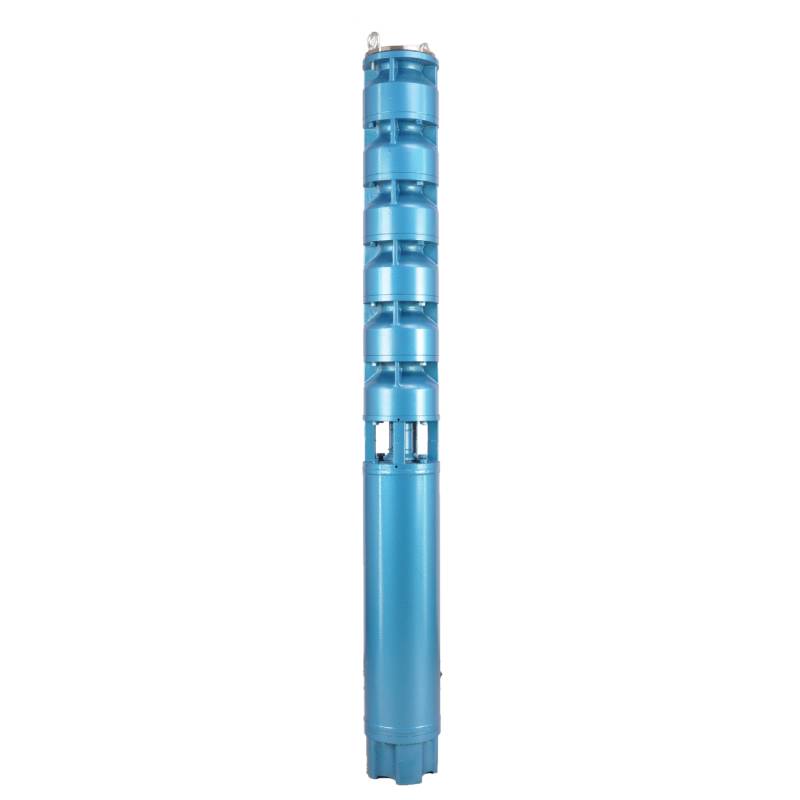
Illustration of a deep well submersible pump system installation.
Manufacturing Process: Precision Engineering for the Deep Well Submersible Pump
The production of a deep well submersible pump is a highly intricate process, demanding precision engineering, advanced metallurgy, and rigorous quality control. It encompasses several critical stages to ensure the final product delivers optimal performance, longevity, and reliability in challenging subterranean environments.
- Material Selection and Preparation: The foundation of pump durability lies in superior material choice. Common materials include various grades of stainless steel (e.g., AISI 304, 316, 316L for corrosion resistance; Duplex and Super Duplex stainless steels for highly aggressive media like seawater or brackish water), cast iron, and specialized bronze alloys. Impellers, diffusers, and pump casings are carefully selected based on expected water chemistry and abrasive conditions. Raw materials undergo stringent quality checks to ensure compliance with international standards such as ASTM and EN.
-
Component Manufacturing (Casting, Forging, CNC Machining):
- Casting: Major components like pump housings, impellers, and diffusers are often produced through precision casting processes, ensuring intricate geometries and high structural integrity. Foundries adhere to strict metallographic and dimensional control.
- Forging: Critical shaft components and connecting rods may be forged for enhanced strength and fatigue resistance, particularly important for high-speed rotating parts.
- CNC Machining: Modern multi-axis CNC machines are utilized for precise machining of impellers, diffusers, motor components, and seal housings. This ensures tight tolerances (often within microns) for optimal hydraulic performance, minimal vibration, and extended service life. Surface finishes are meticulously controlled to reduce friction losses.
- Motor Winding and Assembly: The submersible motor, a key component, is meticulously wound with high-grade copper wire and insulated to withstand extreme temperatures and pressures. Stator and rotor assemblies are balanced to prevent vibration. The motor is then hermetically sealed, often oil-filled, to protect internal components from water ingress.
- Pump Section Assembly: Multi-stage impellers and diffusers are carefully stacked and assembled within the pump casing. Precision bearings and shaft seals (e.g., mechanical seals, sand-resistant seals) are integrated to prevent leakage and ensure smooth operation.
- Integrated Assembly: The completed motor section is coupled with the pump section. This integration demands precise alignment to minimize mechanical stress and maximize efficiency.
-
Rigorous Testing and Quality Assurance:
Every deep well submersible pump undergoes a comprehensive suite of tests to ensure compliance with performance specifications and international standards like ISO 9906 (rotodynamic pumps – hydraulic performance acceptance tests) and ANSI/HI (Hydraulic Institute).
- Hydraulic Performance Tests: Measuring head, flow, efficiency, and power consumption across various operating points.
- Motor Electrical Tests: Insulation resistance, winding resistance, dielectric strength, and power factor.
- Vibration and Noise Tests: Ensuring smooth, quiet operation within acceptable limits.
- Leakage Tests: Pressure testing of seals and casings.
- Endurance Tests: Prolonged operation under simulated load conditions to verify service life and reliability.
- Finishing and Packaging: Pumps are cleaned, surface treated (if required), and meticulously packaged to prevent damage during transit. Documentation, including operating manuals and test certificates, is prepared for shipment.
This meticulous process ensures that pumps destined for industries such as petrochemical, metallurgy, and water supply & drainage not only meet but exceed demanding operational requirements, delivering advantages like exceptional energy saving and superior corrosion resistance in typical application scenarios.
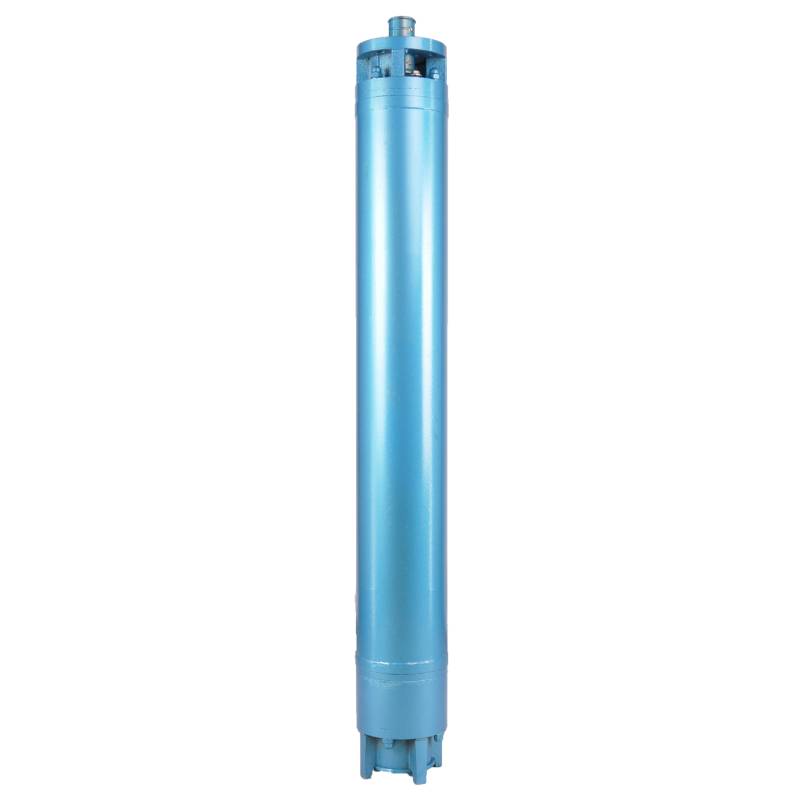
Internal components of a submersible pump showcasing precision engineering.
Technical Specifications: The 175QJ Deep Well Submersible Pump
The 175QJ series represents a class of high-performance deep well submersible pump designed for efficiency and durability in demanding conditions. Its robust construction and optimized hydraulic design make it suitable for a wide range of industrial and agricultural applications.
Key Specifications for 175QJ Series (Representative Model)
| Parameter | Description | Typical Value Range |
|---|---|---|
| Model Series | 175QJ Submersible Well Pump | (Specific models vary by stage number) |
| Rated Flow Rate (Q) | Volume of water delivered per unit time | 10 - 200 m³/h |
| Rated Head (H) | Vertical distance water is lifted | 20 - 400 m |
| Motor Power | Electrical power consumed by motor | 5.5 - 110 kW |
| Motor Voltage | Operating voltage of the motor | 380V / 415V / 660V (3-phase AC) |
| Frequency | Electrical frequency requirement | 50 Hz / 60 Hz |
| Impeller Material | Material of the rotating component | Stainless Steel (SS304/316/316L), Cast Iron, Bronze |
| Pump Casing Material | Material of the pump housing | Stainless Steel (SS304/316/316L), Cast Iron |
| Shaft Material | Material of the central rotating rod | Stainless Steel (SS3304/316/Duplex) |
| Max. Water Temp. | Maximum permissible water temperature | Up to 30°C (Standard), higher for special variants |
| Max. Submergence Depth | Maximum operational depth below water level | Up to 100-200 m (standard), deeper for engineered solutions |
| Outlet Diameter | Size of the pump's discharge pipe connection | DN65 - DN200 (2.5" - 8") |
| Protection Class | Degree of protection against solids and liquids | IP68 |
| Insulation Class | Thermal endurance of insulation materials | Class F |
These parameters highlight the robust design and engineering precision inherent in modern submersible well pumps. The multi-stage centrifugal design is typical, allowing for high heads over extensive depths, while material choices like stainless steel ensure durability in abrasive or corrosive environments.
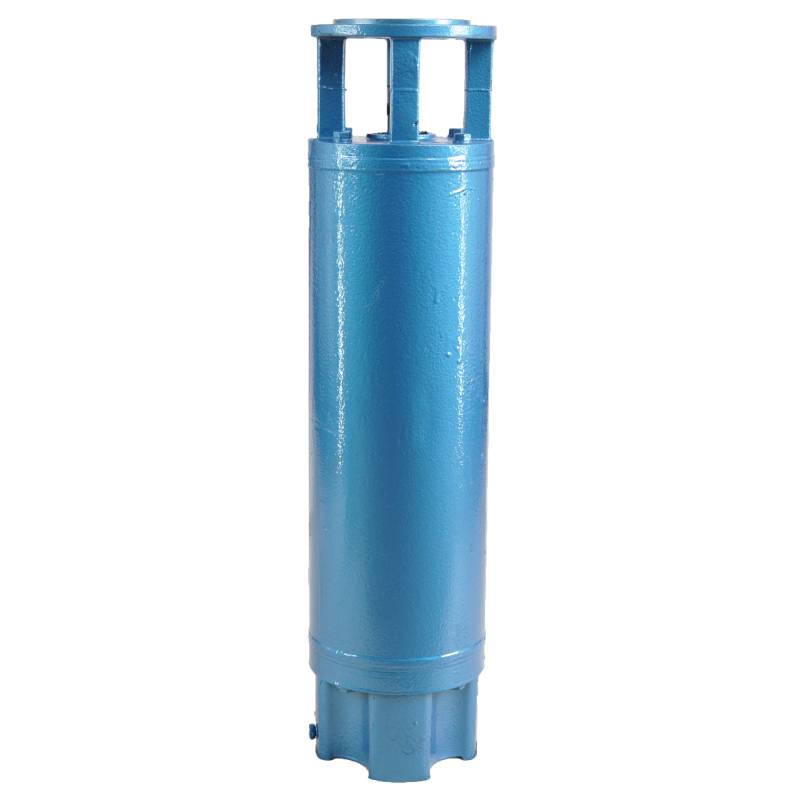
Detailed view of a deep well submersible pump assembly.
Application Scenarios Across Industries
The versatility of the deep well submersible pump makes it indispensable across a spectrum of industrial and public sector applications. Its ability to handle high-head requirements and operate submerged makes it ideal for challenging water extraction tasks.
- Municipal Water Supply: Essential for drawing potable water from deep aquifers to supply urban and rural populations. Their reliability and low maintenance are critical for continuous service.
- Agricultural Irrigation: Powering large-scale irrigation systems for crop cultivation, particularly in regions reliant on groundwater. High flow rates and consistent pressure are key.
- Mining and Dewatering: Used for dewatering open-pit mines, underground shafts, and quarries, handling water laden with abrasive solids in some specialized designs.
- Industrial Process Water: Supplying cooling water for power plants, process water for chemical manufacturing, and general utility water in various industrial complexes.
- Oil and Gas Sector: For water injection to enhance oil recovery, supplying water for drilling operations, and produced water management. Specialized materials are often required due to corrosive fluids.
- Aquaculture: Supplying fresh or brackish water for fish farms and other aquaculture operations, requiring pumps resistant to specific water chemistries.
In these diverse environments, the choice of pump series and materials is crucial, often requiring customization to meet specific head, flow, temperature, and fluid composition requirements.
Technical Advantages of Modern Deep Well Submersible Pumps
Modern deep well submersible pump technology offers a distinct set of advantages that significantly impact operational efficiency, longevity, and overall cost-effectiveness for B2B applications.
- High Efficiency and Energy Savings: Designed with optimized hydraulic passages and often paired with high-efficiency motors (e.g., permanent magnet motors or IE3/IE4 compliant induction motors), these pumps minimize energy consumption. Operating submerged, they eliminate the need for priming and reduce suction losses, translating into lower electricity bills.
- Reduced Noise and Vibration: Because the pump and motor operate entirely below the water surface, mechanical noise and vibration are significantly attenuated, making them ideal for noise-sensitive areas or residential proximity.
- Compact Footprint and Space Saving: The integrated design of pump and motor allows for a much smaller surface footprint compared to traditional line-shaft turbine pumps, freeing up valuable space at the wellhead.
- Corrosion and Abrasion Resistance: Advanced material options, including various grades of stainless steel and specialized coatings, provide excellent resistance to corrosion from aggressive water chemistries and erosion from abrasive solids, significantly extending the pump's service life.
- Enhanced Reliability and Durability: With fewer moving parts exposed to external elements and often oil-filled motors for cooling and lubrication, submersible pumps offer superior reliability and reduced maintenance requirements. They are less prone to issues like shaft misalignment and bearing wear seen in vertical turbine pumps.
- Protection Against Freezing: Being submerged, the pump is naturally protected from freezing temperatures, eliminating the need for complex winterization procedures.
- Consistent Water Pressure: Due to their inherent design for high head applications, these pumps deliver consistent and reliable water pressure, crucial for stable industrial processes and irrigation systems.
These technical advantages underscore why deep well submersible pumps are a strategic investment for long-term, reliable water resource management.
Vendor Comparison: Selecting the Right Deep Well Submersible Pump Supplier
Choosing the right supplier for deep well pumps for sale involves evaluating not just product specifications but also service capabilities, industry reputation, and long-term support. A comparative analysis helps decision-makers identify partners that align with their operational needs and strategic objectives.
Comparative Analysis Factors (Example)
| Feature/Service | Leading Manufacturer (e.g., WellPumpAct) | Standard Industry Provider | Budget-Oriented Supplier |
|---|---|---|---|
| Product Range | Comprehensive (10-inch to 20-inch+, wide head/flow) | Standard range (6-inch to 12-inch) | Limited range (4-inch to 8-inch) |
| Material Options | SS304/316/316L, Duplex, Super Duplex, Bronze | SS304/316, Cast Iron | Cast Iron, basic SS |
| Efficiency Ratings | IE3/IE4 Motors, optimized hydraulics | IE2/IE3 Motors | IE1/IE2 Motors |
| Customization | Extensive (materials, controls, specific duty points) | Limited modifications | Minimal to none |
| Certifications | ISO 9001, CE, local/regional approvals (e.g., CSA) | ISO 9001, basic CE | Basic compliance |
| After-Sales Support | Global network, 24/7 technical support, spare parts availability, training | Regional support, limited spare parts | Basic support, long lead times for parts |
| Warranty | 12-24 months standard, extended options | 12 months standard | 6-12 months, often limited scope |
This comparison highlights the importance of evaluating a vendor's capability to deliver not just a product, but a complete solution that includes engineering support, robust logistics, and reliable after-sales service.
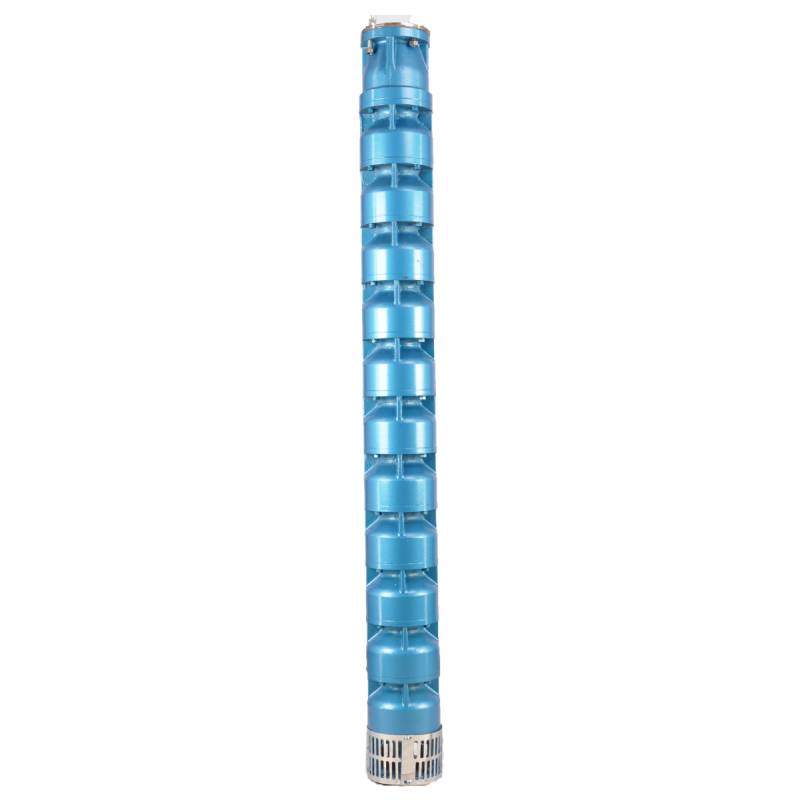
A typical deep well submersible pump installation diagram for industrial use.
Customized Solutions for Unique Demands
While standard deep well submersible pump models cater to many applications, unique operational environments often necessitate customized solutions. Leading manufacturers specialize in tailoring pumps to precise client specifications, optimizing performance and extending service life in challenging conditions.
Customization options typically include:
- Special Material Construction: For highly corrosive fluids (e.g., seawater, acidic mine water), components can be manufactured from Duplex or Super Duplex stainless steels, Hastelloy, or titanium alloys. For abrasive fluids, impellers and diffusers might be hardened or coated with ceramic-based materials.
- Motor Variations: High-temperature motors for geothermal applications, specific voltage/frequency requirements, or explosion-proof (ATEX-certified) motors for hazardous environments.
- Hydraulic Design Optimization: Tailoring impeller stages and diffuser geometries to achieve precise head-flow characteristics for specific duty points, maximizing efficiency for the intended application.
- Integrated Control Systems: Custom-designed control panels with VFDs, soft starters, advanced sensor integration (pressure, temperature, flow), and remote monitoring capabilities (SCADA, IoT).
- Special Shaft Seals and Bearings: Enhanced mechanical seals for high-pressure applications, sand-resistant bearings for wells with high sediment content, or specific lubricants.
Engaging with a manufacturer that possesses strong engineering and R&D capabilities ensures that these bespoke requirements are met with precision, resulting in a pumping solution perfectly aligned with the project's unique demands and extending overall system longevity.
Application Case Studies: Proven Performance
Real-world deployments demonstrate the tangible benefits of investing in high-quality deep well submersible pump technology.
Case Study 1: Large-Scale Municipal Water Supply in Arid Region
A major municipal water authority in a water-stressed region faced challenges with declining water tables and the need to extract water from depths exceeding 150 meters. Their existing surface pumps were proving inefficient and prone to cavitation due to extended suction lifts. They deployed multiple units of 175QJ series deep well submersible pump, configured with high-head stages and powered by IE4 efficiency motors controlled by VFDs.
- Challenge: Deep water table, high energy consumption, inconsistent supply.
- Solution: 175QJ-series pumps with customized head-flow characteristics and VFD integration.
- Outcome: 25% reduction in energy costs, stable water pressure throughout the distribution network, and a 15% increase in overall system reliability. Customer feedback highlighted the seamless integration and minimal operational oversight required.
Case Study 2: Industrial Wastewater Management in a Chemical Plant
A chemical processing plant required reliable extraction of treated wastewater from a deep collection pit for discharge. The water presented mild corrosive properties. Standard pumps showed premature wear. The client installed a specialized 175QJ pump with 316L stainless steel components and an advanced mechanical seal designed for chemical resistance.
- Challenge: Corrosive wastewater, frequent pump failures, high maintenance.
- Solution: Customized 175QJ with specialized materials and seals.
- Outcome: Pump service life extended by over 200%, maintenance intervals doubled, and a significant reduction in spare parts inventory. The plant manager praised the robust construction and reduced operational downtime.
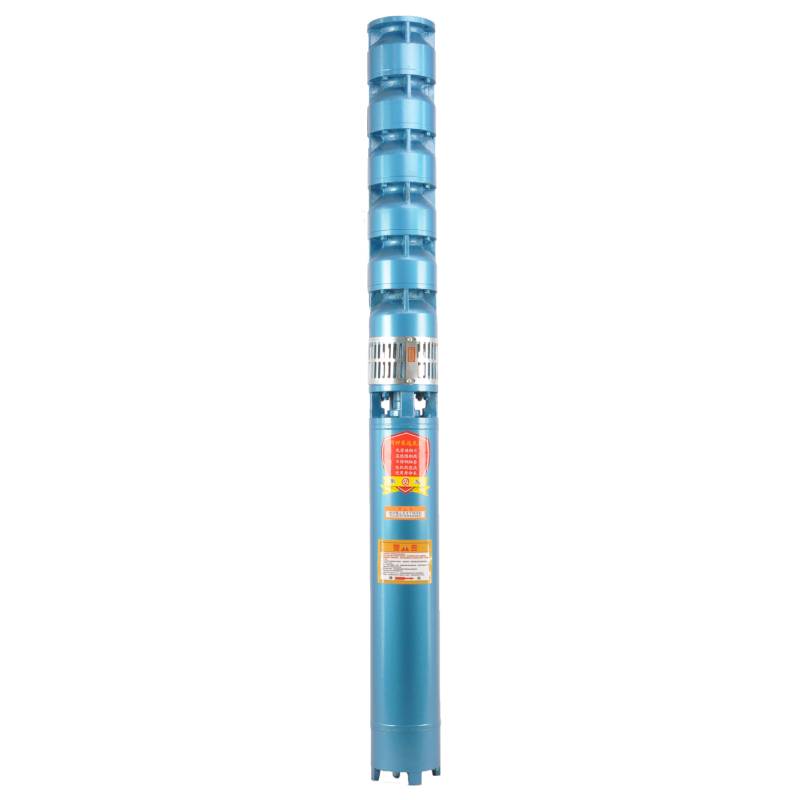
Deep well pump installation with associated control panel and piping.
Ensuring Trustworthiness: FAQs, Lead Time, Warranty & Support
Frequently Asked Questions (FAQs)
- Q1: What is the typical service life of a deep well submersible pump?
- A1: With proper installation, regular maintenance, and operation within design parameters, a quality deep well submersible pump can last 10-15 years or even longer. Factors like water quality, motor type, and material selection significantly influence longevity.
- Q2: How do I select the correct size and model for my application?
- A2: Accurate selection requires knowing your required flow rate (Q), total dynamic head (H), well diameter, water quality, and power supply. Our engineering team can provide a detailed hydraulic analysis and recommend the optimal 175QJ or other series model.
- Q3: Are these pumps suitable for potable water applications?
- A3: Yes, pumps with stainless steel construction (SS304 or SS316) are widely used for potable water and comply with relevant health and safety standards. Certifications like NSF/ANSI 61 can be provided for specific regions.
- Q4: What maintenance is typically required for a deep well submersible pump?
- A4: Due to their submerged nature, maintenance is minimal. Routine checks include monitoring system performance (pressure, flow, power consumption), annual electrical checks, and inspecting control panels. Major maintenance or repair typically requires pulling the pump from the well.
Lead Time & Fulfillment
Standard 175QJ series pumps generally have a lead time of 4-6 weeks from order confirmation to shipment, depending on stock availability and order volume. Customized solutions, requiring special materials or engineering, may extend lead times to 8-12 weeks. We maintain robust logistics networks to ensure timely and secure delivery to global destinations, with options for expedited shipping if required. Detailed project timelines are provided upon request.
Warranty Commitments
All our 175QJ deep well submersible pump products come with a standard 12-month warranty covering manufacturing defects from the date of installation or 18 months from shipment, whichever comes first. Extended warranty options are available for critical infrastructure projects, offering enhanced peace of mind. Our warranty terms are transparent and align with industry best practices, ensuring client investment protection.
Customer Support & After-Sales Service
We are committed to providing unparalleled customer support. Our dedicated technical support team is available via phone and email during business hours, with emergency support options for critical installations. Services include:
- Remote diagnostics and troubleshooting.
- On-site installation and commissioning support.
- Comprehensive spare parts availability and rapid dispatch.
- Training programs for client operation and maintenance staff.
- Regular performance audits and preventive maintenance contracts.
Our global network of service partners ensures that expert assistance is always within reach, minimizing downtime and optimizing the operational life of your deep well pump systems.
References
- Hydraulic Institute (HI) Standards. "ANSI/HI 11.6 Rotodynamic Submersible Pumps for Water Wells - Tests." Available at pump.org.
- International Organization for Standardization. "ISO 9906: Rotodynamic pumps - Hydraulic performance acceptance tests - Grades 1, 2 and 3." Available at iso.org.
- United States Environmental Protection Agency (EPA). "Water Treatment Manual: Deep Well Pumps." Available at epa.gov.
- Journal of Water Resources Planning and Management. "Energy Efficiency Improvements in Submersible Pumping Systems for Deep Wells."
- National Sanitation Foundation (NSF International). "NSF/ANSI Standard 61: Drinking Water System Components – Health Effects." Available at nsf.org.
-
Understanding the Price Submersible Pump and Buyer Guide
NewsApr.16,2026
-
Factors Affecting the Price for Submersible Pump a Buyers Guide
NewsApr.09,2026
-
Choosing the Right Mini Submersible Fountain Pump for Optimal Water Feature Performance
NewsApr.07,2026
-
A Detailed Guide to Installing a Submersible Pump for Optimal Performance
NewsApr.04,2026
-
Comprehensive Guide on How to Test a Submersible Water Well Pump Effectively
NewsMar.31,2026
-
Learn How to Replace a Submersible Well Pump Safely and Effectively
NewsMar.28,2026
-
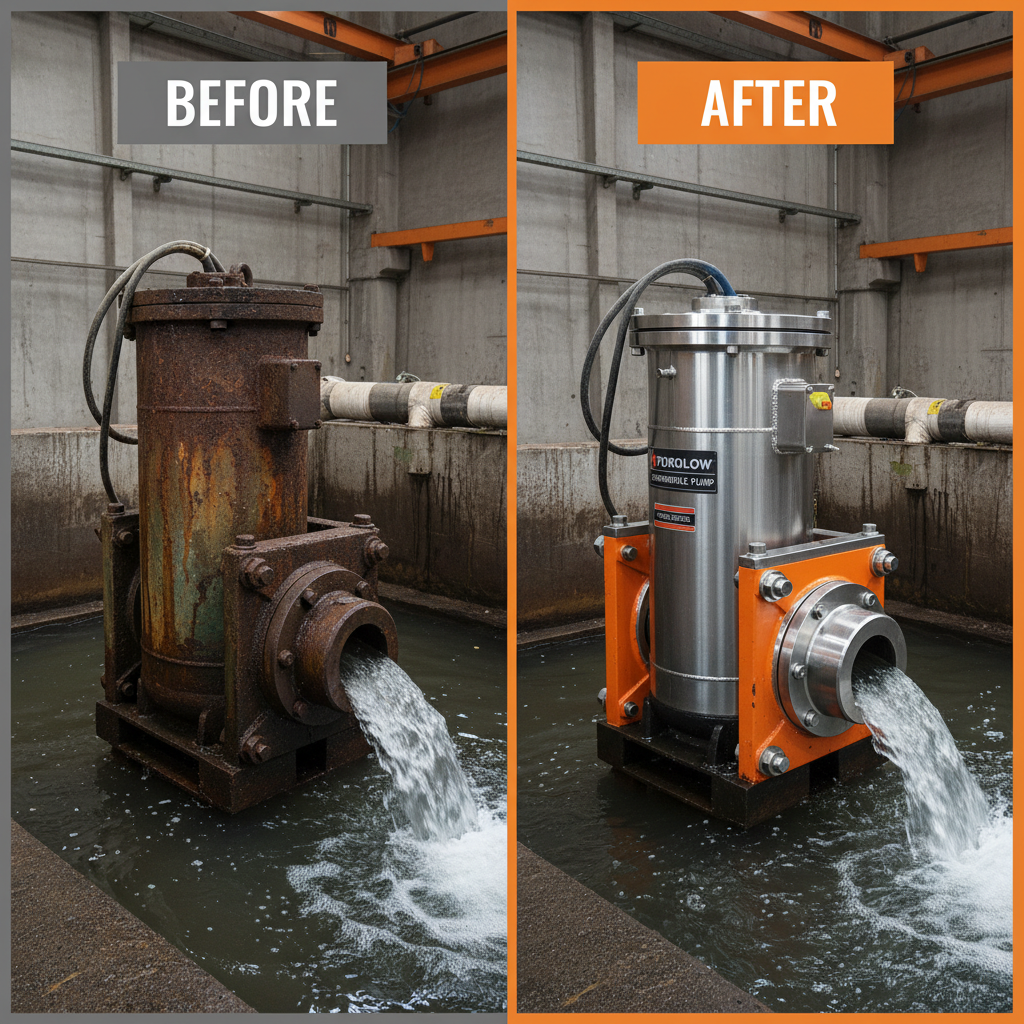 Understanding the Price Submersible Pump and Buyer GuideWhen searching for the ideal water management solution, understanding the price submersible pump options is crucial for balancing budget with performance. Whether you are dealing with a flooded basement, managing agricultural irrigation, or extracting water from a deep well, the cost of a submersible pump can vary significantly based on its build quality and capacity. Investing in a high-quality pump ensures long-term reliability and reduces the frequency of expensive replacements. In this guide, we will break down the factors that influence pricing and help you make an informed decision for your specific needs.Detail
 -
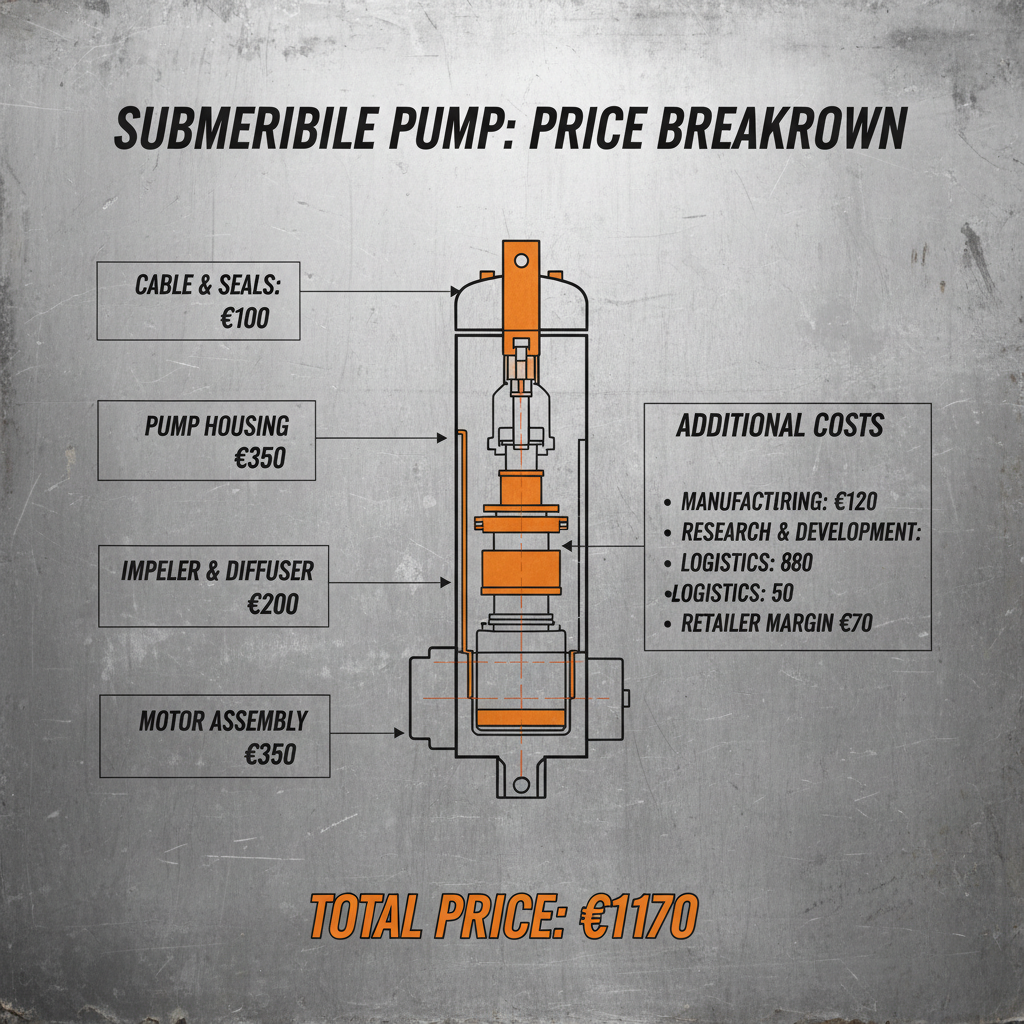 Factors Affecting the Price for Submersible Pump a Buyers GuideWhen investing in water management systems, understanding the price for submersible pump options is essential for balancing performance with budget. Whether you are managing a residential well, an industrial drainage project, or agricultural irrigation, the cost of a pump is rarely a flat fee; it is a reflection of the engineering, materials, and capacity required for your specific environment. In this guide, we will break down the factors that influence pricing and help you determine the best value for your investment to ensure long-term reliability and efficiency.Detail
 -
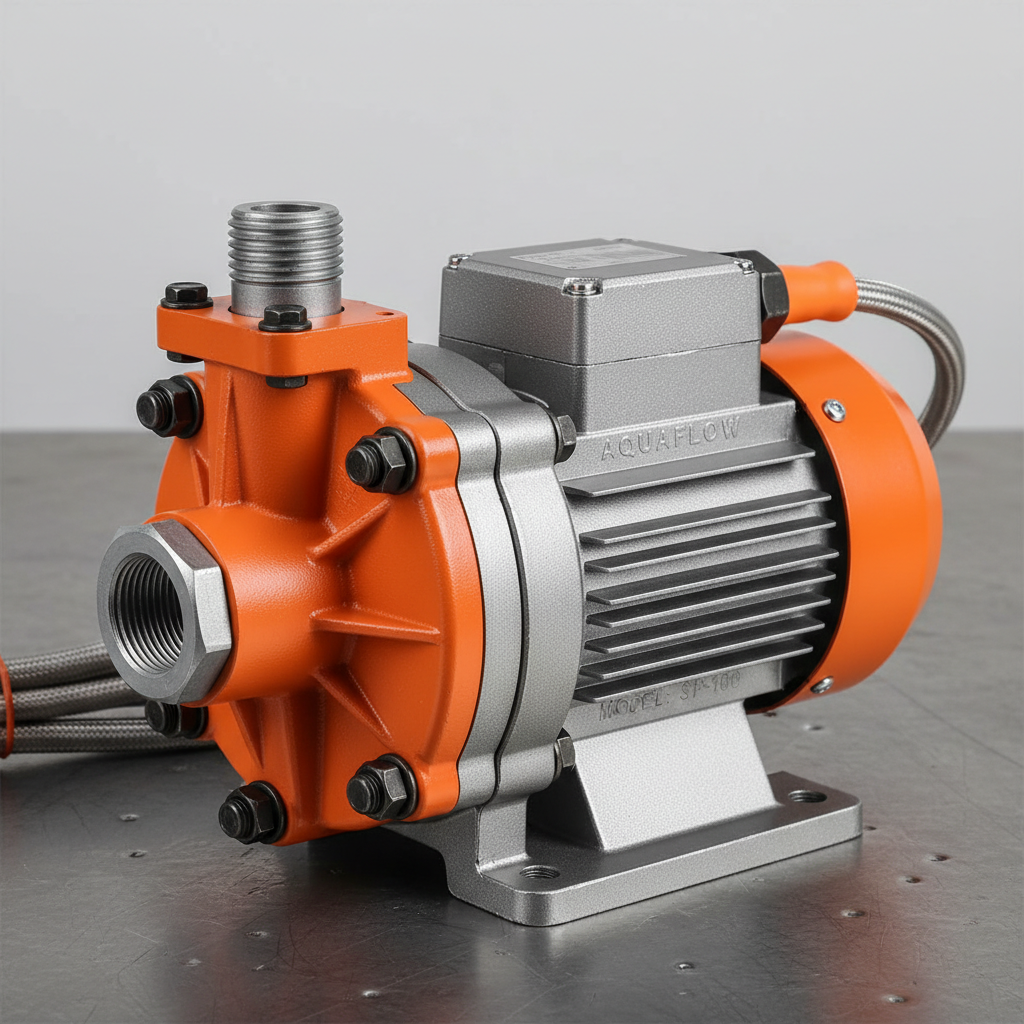 Choosing the Right Mini Submersible Fountain Pump for Optimal Water Feature PerformanceCreating a beautiful and relaxing water feature doesn't have to be complicated. A mini submersible fountain pump is the heart of any indoor or outdoor fountain, and selecting the right one is crucial for optimal performance and longevity. This article will guide you through the key considerations when choosing a mini submersible fountain pump, covering types, features, applications, and how to ensure you get the perfect pump for your project. We’ll also explore how Wellpumpact can provide you with the ideal solution.Detail
 Afrikaans
 Albanian
 Amharic
 Arabic
 Armenian
 Azerbaijani
 Basque
 Belarusian
 Bengali
 Bosnian
 Bulgarian
 Catalan
 Cebuano
 Corsican
 Croatian
 Czech
Czech
 Danish
 Dutch
Dutch
 Esperanto
 Estonian
 Finnish
 French
 Frisian
 Galician
 Georgian
 German
 Greek
Greek
 Gujarati
 Haitian Creole
 Hausa
Hausa
 Hawaiian
 Hebrew
 Hindi
Hindi
 Miao
Miao
 Hungarian
 Icelandic
 Igbo
Igbo
 Indonesian
 Irish
Irish
 Italian
 Japanese
 Javanese
 Kannada
 Kazakh
 Khmer
Khmer
 Rwandese
 Korean
 Kurdish
 Kyrgyz
 Lao
Lao
 Latin
Latin
 Latvian
 Lithuanian
 Luxembourgish
 Macedonian
 Malgashi
 Malay
Malay
 Malayalam
 Maltese
 Maori
Maori
 Marathi
 Mongolian
 Myanmar
 Nepali
 Norwegian
 Norwegian
 Occitan
 Pashto
 Persian
 Polish
 Portuguese
 Punjabi
 Romanian
 Russian
 Samoan
 Scottish Gaelic
 Serbian
 Sesotho
 Shona
Shona
 Sindhi
 Sinhala
 Slovak
 Slovenian
 Somali
 Spanish
 Sundanese
 Swahili
 Swedish
 Tagalog
 Tajik
Tajik
 Tamil
Tamil
 Tatar
Tatar
 Telugu
 Thai
Thai
 Turkish
 Turkmen
 Ukrainian
 Urdu
Urdu
 Uighur
 Uzbek
Uzbek
 Vietnamese
 Welsh
Welsh
 Bantu
Bantu
 Yiddish
 Yoruba
 Zulu
Zulu
 English