
Jan . 27, 2026 17:45 Back to list
Comprehensive Guide to Well Submersible Pumps for Optimal Water Extraction
Understanding Well Submersible Pumps: A Comprehensive Guide
When selecting a pump for water extraction, well submersible pumps offer a reliable and efficient solution, particularly for deep well applications. These pumps are designed to be fully submerged in the water, offering several advantages over surface pumps. This article explores the features, benefits, applications, and considerations when choosing a well submersible pump. Understanding the nuances of these pumps will ensure you select the optimal system for your needs, whether for residential, agricultural, or industrial purposes.
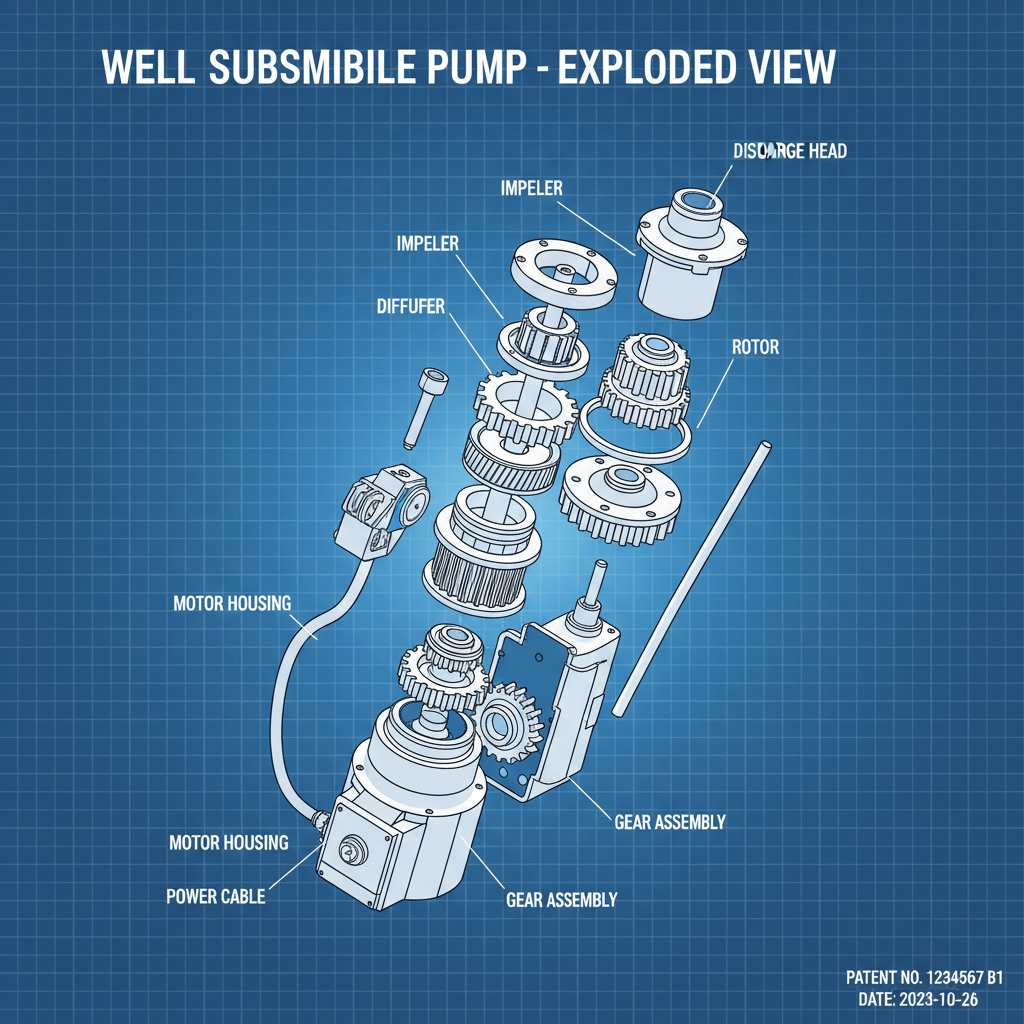
Key Features of Well Submersible Pumps
Well submersible pumps are engineered for efficiency and durability. A key feature is their sealed motor design, which prevents overheating and corrosion when submerged. These pumps utilize a multistage design, efficiently increasing water pressure for deeper wells. They are constructed from robust materials like stainless steel, ensuring longevity even in challenging well conditions. Moreover, they are generally more quiet in operation compared to surface pumps because the water itself provides cooling and dampens noise. Choosing the right well submersible pump involves considering these factors and aligning them with your specific application.
Key Highlights: Sealed motor design, multistage operation for efficient pressure, durable stainless steel construction, quiet operation due to water submersion.
Choosing the Right Size: Head vs. Flow Rate
Selecting the appropriate size well submersible pump requires careful consideration of both head and flow rate. ‘Head’ refers to the total vertical distance the pump needs to lift the water, plus friction losses in the piping. ‘Flow rate’ indicates the volume of water the pump delivers per unit of time (typically gallons per minute or GPM). A pump that’s too small won’t provide sufficient water pressure or volume, while an oversized pump can be inefficient and costly. It's crucial to accurately calculate your water needs to ensure optimal performance and longevity.
Understanding Head and Flow Rate:
• Head: Total vertical lift + friction losses
• Flow Rate: Volume of water delivered per time (GPM)
• Accurate calculation ensures optimal performance
Well Submersible Pump vs. Jet Pump: A Comparison
While both well submersible pumps and jet pumps are used for water extraction, they operate differently and have distinct advantages and disadvantages. Jet pumps are typically surface-mounted and use suction to draw water from the well, making them less effective for deep wells. Well submersible pumps, as discussed, are submerged, pushing water to the surface. This makes them ideal for wells exceeding 25 feet in depth. Submersible pumps are also generally more energy-efficient and quieter than jet pumps. Choosing the right pump depends on the well depth, water demand, and energy considerations.
Typical Applications for Well Submersible Pumps
Well submersible pumps serve a wide range of applications, including residential water supply, irrigation for agriculture, livestock watering, and industrial processes. They are frequently used in rural areas where connection to a municipal water supply is unavailable or impractical. In agricultural settings, they provide the necessary water for crop irrigation and maintaining livestock. Industrial applications range from cooling systems to process water supply. The versatility and reliability of well submersible pumps make them a vital component in numerous sectors.
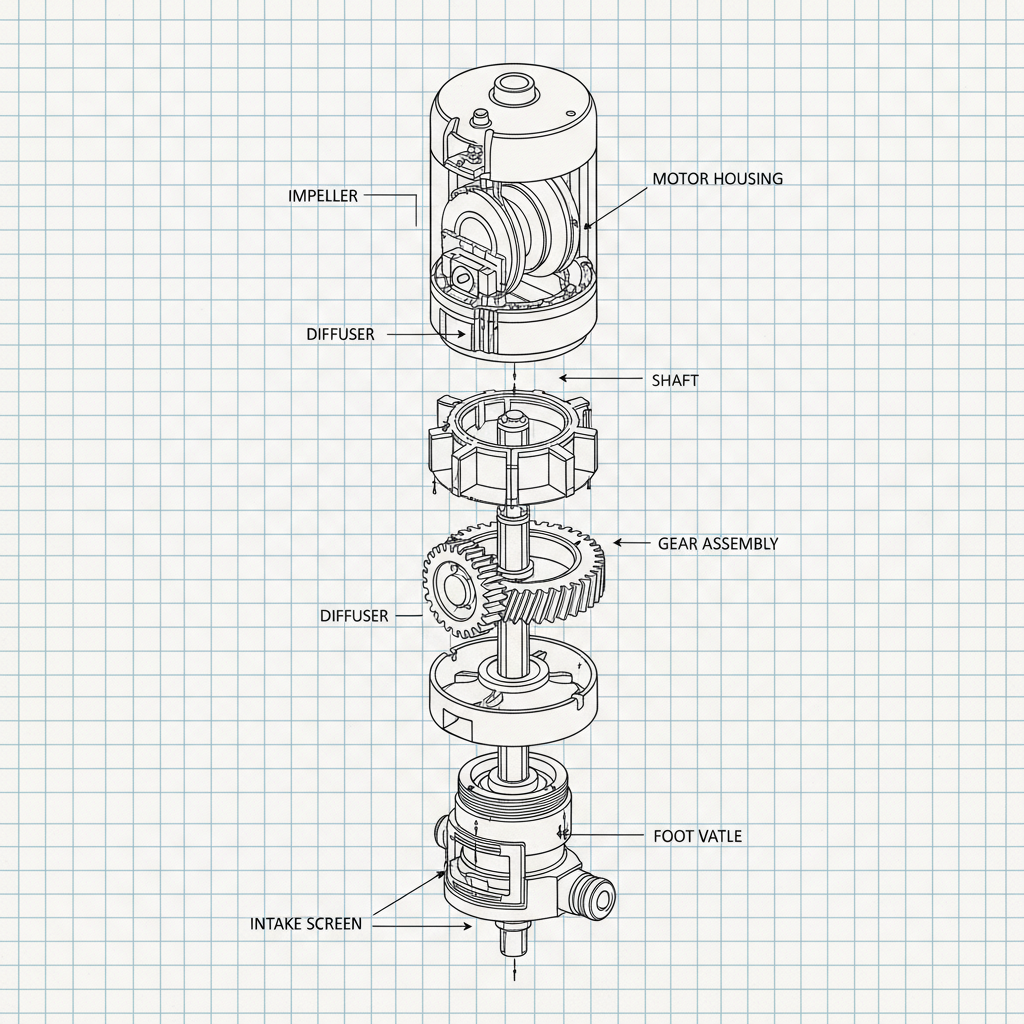
Maintenance and Longevity Considerations
Proper maintenance is crucial for maximizing the lifespan of your well submersible pump. This includes regular inspection of the power cable for damage, ensuring the pump is adequately protected from debris, and checking the well water for sediment buildup. Periodic cleaning of the pump intake screen prevents clogging and maintains optimal flow. Consider professional well pump services for more complex maintenance tasks. Following these guidelines will help you avoid costly repairs and ensure years of reliable performance.
Conclusion: Choosing the Right Well Submersible Pump for Your Needs
Investing in a quality well submersible pump is a crucial step toward a reliable water supply. By carefully considering your well depth, water demand, and the factors outlined in this guide, you can select a pump that delivers consistent performance and long-term value. Remember to prioritize maintenance to maximize the lifespan of your investment and ensure a continuous supply of clean water.
Frequently Asked Questions (FAQs)
What is the typical lifespan of a well submersible pump?
The lifespan of a well submersible pump typically ranges from 10 to 20 years, but this can vary significantly depending on water quality, usage frequency, and maintenance practices. Pumps operating in wells with high sediment levels or corrosive water may have a shorter lifespan. Regular maintenance, including cleaning the intake screen and inspecting the power cable, can help extend the pump’s life. Properly sized and installed pumps generally last longer. If you notice decreased performance or unusual noises, it's best to consult a professional.
How do I determine the correct pump size for my well?
Determining the correct pump size involves calculating the total dynamic head (TDH) and the required flow rate. TDH is the total vertical distance the water needs to be lifted, plus friction losses in the piping. Flow rate is the volume of water you need per minute. You can use online calculators or consult with a well pump professional to accurately assess your needs. Factors like the number of fixtures in your home, irrigation requirements, and well depth all contribute to the calculation. Choosing the wrong size can result in poor performance or premature pump failure.
Can a well submersible pump be repaired, or does it need to be replaced?
Depending on the nature of the issue, some well submersible pump components can be repaired. Common repairs include replacing the motor, impeller, or seals. However, in many cases, especially with older pumps or extensive damage, replacement is often more cost-effective and reliable. A professional well pump technician can diagnose the problem and advise you on the best course of action. They can also assess whether the cost of repair is justified compared to the cost of a new pump.
What safety precautions should I take when working with a well submersible pump?
Working with well submersible pumps involves electrical and water hazards. Always disconnect the power supply before performing any maintenance or inspection. Never enter a well without proper safety training and equipment. Wear appropriate personal protective equipment (PPE), such as gloves and eye protection. If you are not comfortable working with electricity or confined spaces, it’s best to hire a qualified professional. Regularly inspect the power cable for damage and ensure it is properly grounded.
-
Understanding the Price Submersible Pump and Buyer Guide
NewsApr.16,2026
-
Factors Affecting the Price for Submersible Pump a Buyers Guide
NewsApr.09,2026
-
Choosing the Right Mini Submersible Fountain Pump for Optimal Water Feature Performance
NewsApr.07,2026
-
A Detailed Guide to Installing a Submersible Pump for Optimal Performance
NewsApr.04,2026
-
Comprehensive Guide on How to Test a Submersible Water Well Pump Effectively
NewsMar.31,2026
-
Learn How to Replace a Submersible Well Pump Safely and Effectively
NewsMar.28,2026
-
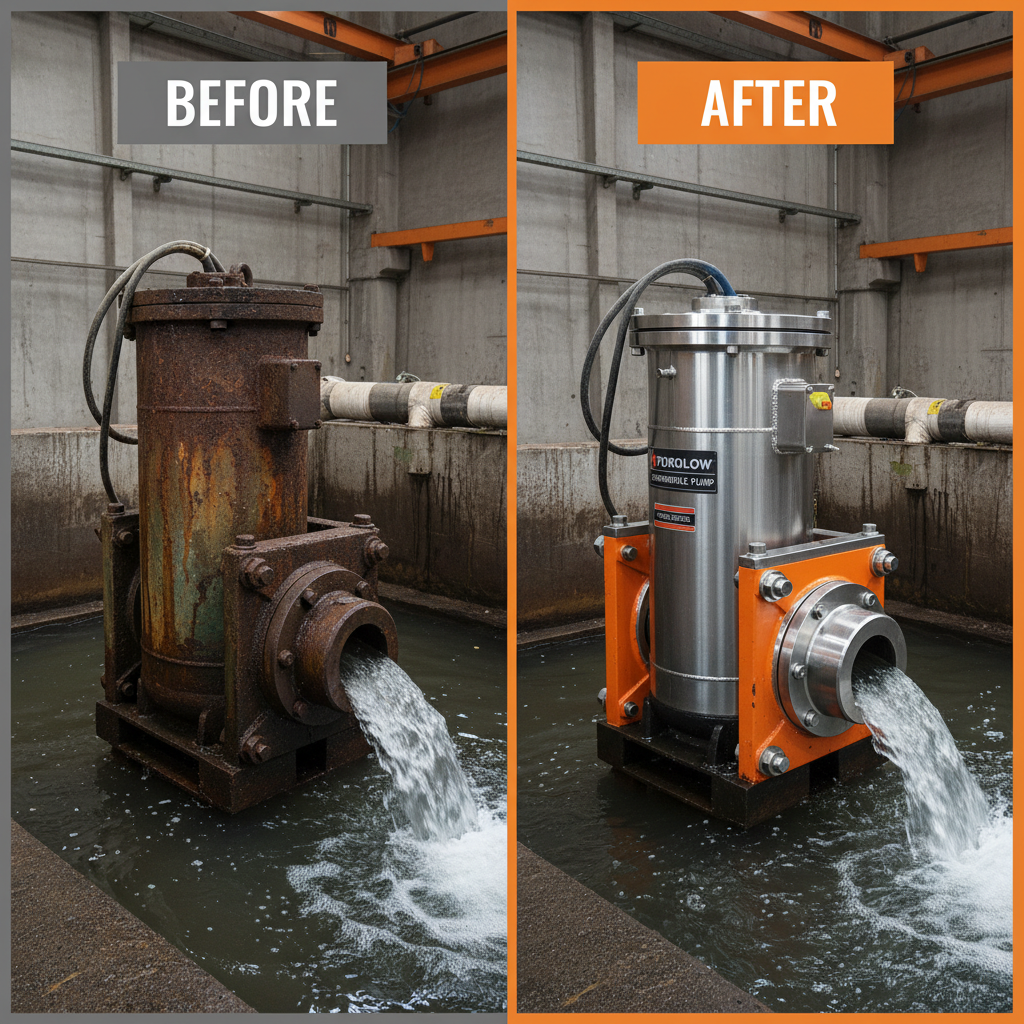 Understanding the Price Submersible Pump and Buyer GuideWhen searching for the ideal water management solution, understanding the price submersible pump options is crucial for balancing budget with performance. Whether you are dealing with a flooded basement, managing agricultural irrigation, or extracting water from a deep well, the cost of a submersible pump can vary significantly based on its build quality and capacity. Investing in a high-quality pump ensures long-term reliability and reduces the frequency of expensive replacements. In this guide, we will break down the factors that influence pricing and help you make an informed decision for your specific needs.Detail
 -
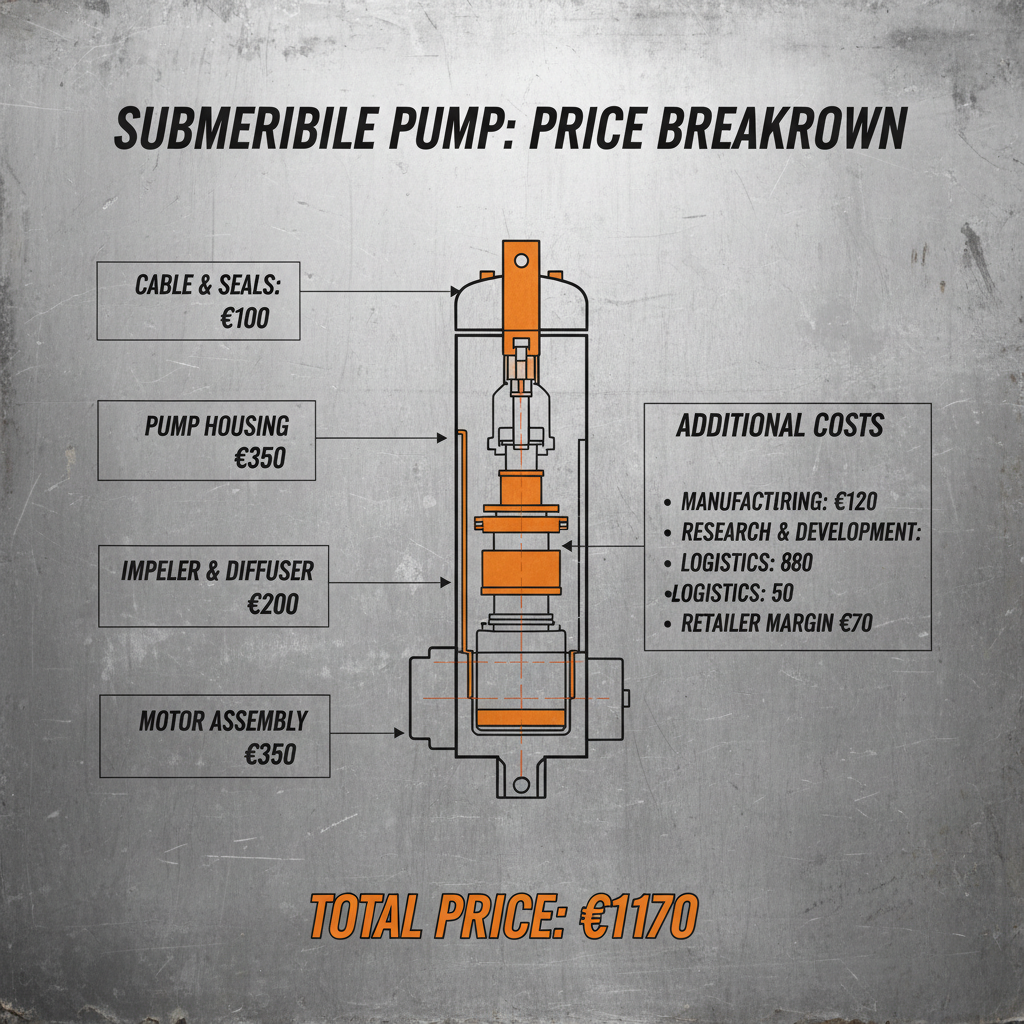 Factors Affecting the Price for Submersible Pump a Buyers GuideWhen investing in water management systems, understanding the price for submersible pump options is essential for balancing performance with budget. Whether you are managing a residential well, an industrial drainage project, or agricultural irrigation, the cost of a pump is rarely a flat fee; it is a reflection of the engineering, materials, and capacity required for your specific environment. In this guide, we will break down the factors that influence pricing and help you determine the best value for your investment to ensure long-term reliability and efficiency.Detail
 -
 Choosing the Right Mini Submersible Fountain Pump for Optimal Water Feature PerformanceCreating a beautiful and relaxing water feature doesn't have to be complicated. A mini submersible fountain pump is the heart of any indoor or outdoor fountain, and selecting the right one is crucial for optimal performance and longevity. This article will guide you through the key considerations when choosing a mini submersible fountain pump, covering types, features, applications, and how to ensure you get the perfect pump for your project. We’ll also explore how Wellpumpact can provide you with the ideal solution.Detail
 Afrikaans
 Albanian
 Amharic
 Arabic
 Armenian
 Azerbaijani
 Basque
 Belarusian
 Bengali
 Bosnian
 Bulgarian
 Catalan
 Cebuano
 Corsican
 Croatian
 Czech
Czech
 Danish
 Dutch
Dutch
 Esperanto
 Estonian
 Finnish
 French
 Frisian
 Galician
 Georgian
 German
 Greek
Greek
 Gujarati
 Haitian Creole
 Hausa
Hausa
 Hawaiian
 Hebrew
 Hindi
Hindi
 Miao
Miao
 Hungarian
 Icelandic
 Igbo
Igbo
 Indonesian
 Irish
Irish
 Italian
 Japanese
 Javanese
 Kannada
 Kazakh
 Khmer
Khmer
 Rwandese
 Korean
 Kurdish
 Kyrgyz
 Lao
Lao
 Latin
Latin
 Latvian
 Lithuanian
 Luxembourgish
 Macedonian
 Malgashi
 Malay
Malay
 Malayalam
 Maltese
 Maori
Maori
 Marathi
 Mongolian
 Myanmar
 Nepali
 Norwegian
 Norwegian
 Occitan
 Pashto
 Persian
 Polish
 Portuguese
 Punjabi
 Romanian
 Russian
 Samoan
 Scottish Gaelic
 Serbian
 Sesotho
 Shona
Shona
 Sindhi
 Sinhala
 Slovak
 Slovenian
 Somali
 Spanish
 Sundanese
 Swahili
 Swedish
 Tagalog
 Tajik
Tajik
 Tamil
Tamil
 Tatar
Tatar
 Telugu
 Thai
Thai
 Turkish
 Turkmen
 Ukrainian
 Urdu
Urdu
 Uighur
 Uzbek
Uzbek
 Vietnamese
 Welsh
Welsh
 Bantu
Bantu
 Yiddish
 Yoruba
 Zulu
Zulu
 English