
Dec . 03, 2025 15:40 Back to list
Durable Submersible Pump in Shallow Well – Expert Insights & Comparisons
Choosing the Right submersible pump in shallow well: Tried and True Insights
After spending over a decade working hands-on in the industrial equipment field, I can say this: not all submersible pumps for shallow wells are created equal. In fact, I distinctly remember a project from a few years ago where the initial pump choice just didn’t cut it. The user complained of frequent clogs and premature motor burnout — classic signs of underestimating the unique challenges shallow well environments can throw at you.
Shallow wells, which typically range from a few feet to around 25 feet deep, require a pump that’s durable but also carefully engineered to handle varying water levels and debris. Frankly, the industry tends to focus a lot on deep well pumps, but when you’re dealing with a shallow well, your options and expectations should shift.
What Makes a Submersible Pump in Shallow Well Work Well?
First off, material matters. Most pumps in this category use stainless steel and reinforced thermoplastics to withstand corrosion and abrasion. Oddly enough, the motor’s seal design often determines the pump’s lifespan more than anything else — many engineers (including myself) suggest going for models with double mechanical seals.
Efficiency is also top of mind. Since these pumps often run intermittently — watering gardens, powering small irrigation systems, or supplying household water — they need to balance power consumption with steady flow rates. You might find a submersible pump rated for 1/2 to 1 HP will often do the trick for wells under 25 feet deep.
Lastly, in real terms, ease of installation and maintenance can't be overstated. My own experience has taught me that simpler wiring and modular components make a huge difference when you’re on-site and fighting against weather or cramped spaces.
Typical Product Specifications
| Specification | Typical Range | Notes |
|---|---|---|
| Motor Power | 0.5 – 1 HP | Powerful enough for shallow depths, energy-efficient |
| Max Depth | Up to 25 ft (7.6 m) | Optimized specifically for shallow wells |
| Flow Rate | 10 – 25 GPM | Depends on pump model and well conditions |
| Material | Stainless steel, reinforced plastic | Corrosion-resistant, durable |
| Power Supply | 120V or 240V | Single-phase motors common |
| Weight | 10 – 15 lbs | Light enough for easy handling onsite |
Vendor Comparison: What to Consider
Picking the right manufacturer means more than just specs on paper. From my interactions and sourcing experience, I’ve jotted down a quick vendor comparison to help cut through the noise. The key factors? Warranty, service network, and pump design innovation.
| Vendor | Warranty | Customer Support | Design Highlights | Price Range |
|---|---|---|---|---|
| PumpCo | 3 years | Nationwide service centers | Double mechanical seal, modular motor | $$$ |
| AquaFlow | 2 years | 24/7 online support | Energy-saving motor design | $$ |
| WellSpring | 1 year | Regional dealers | Lightweight, corrosion-resistant housing | $ |
I once worked on a small farm installation where the customer picked a WellSpring pump initially — it was affordable but struggled with sediment. After upgrading to a PumpCo unit, the difference was night and day: smoother operation, less downtime. Just goes to show you, sometimes spending a bit more pays off in the long haul.
For anyone hunting for a reliable submersible pump in shallow well setups, keep in mind that balancing price, durability, and service access is key. You want a pump that’s not just built tough but won’t leave you stranded if something goes off.
In the end, it all comes down to understanding the practical nuances of your site, and a trustworthy vendor who stands behind their product. If you keep those front and center, you’re already far ahead of the curve.
My takeaway? Don’t underestimate the little details — they’re the difference between a pump that merely works and one that keeps your system humming for years.
- Industry guide: Selecting submersible pumps for shallow wells, PumpTech Journal, 2021
- Material and design trends in water pumps, Engineering Monthly, 2022
- Customer case studies and performance reports, WellPumpAct internal data, 2023
-
Understanding the Price Submersible Pump and Buyer Guide
NewsApr.16,2026
-
Factors Affecting the Price for Submersible Pump a Buyers Guide
NewsApr.09,2026
-
Choosing the Right Mini Submersible Fountain Pump for Optimal Water Feature Performance
NewsApr.07,2026
-
A Detailed Guide to Installing a Submersible Pump for Optimal Performance
NewsApr.04,2026
-
Comprehensive Guide on How to Test a Submersible Water Well Pump Effectively
NewsMar.31,2026
-
Learn How to Replace a Submersible Well Pump Safely and Effectively
NewsMar.28,2026
-
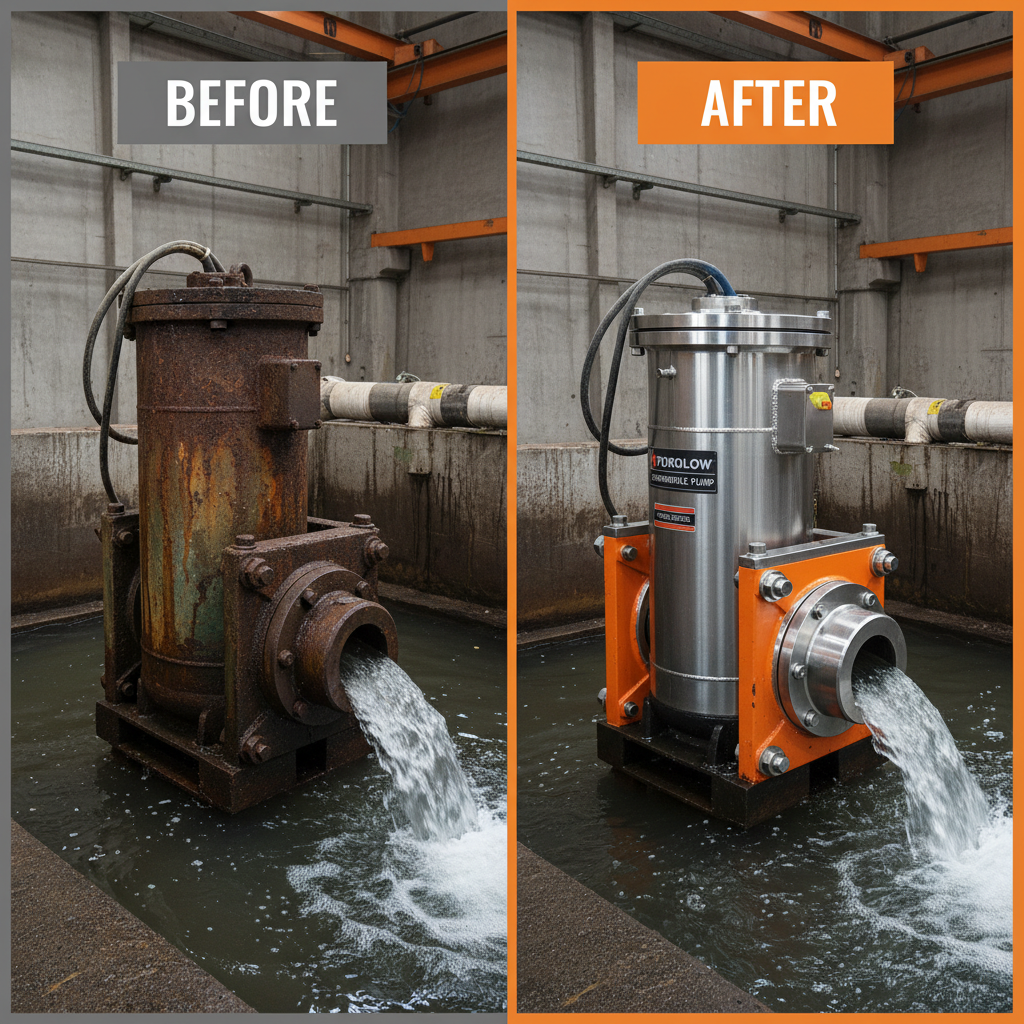 Understanding the Price Submersible Pump and Buyer GuideWhen searching for the ideal water management solution, understanding the price submersible pump options is crucial for balancing budget with performance. Whether you are dealing with a flooded basement, managing agricultural irrigation, or extracting water from a deep well, the cost of a submersible pump can vary significantly based on its build quality and capacity. Investing in a high-quality pump ensures long-term reliability and reduces the frequency of expensive replacements. In this guide, we will break down the factors that influence pricing and help you make an informed decision for your specific needs.Detail
 -
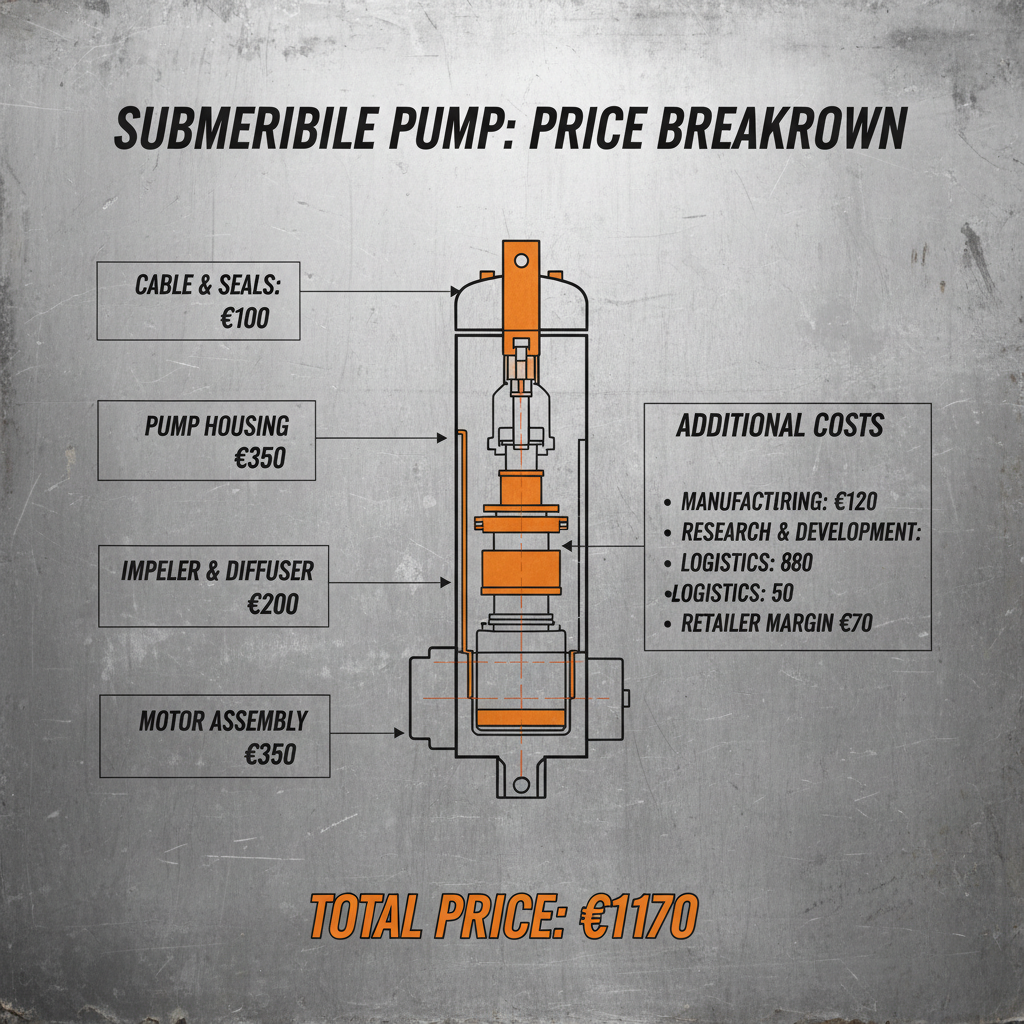 Factors Affecting the Price for Submersible Pump a Buyers GuideWhen investing in water management systems, understanding the price for submersible pump options is essential for balancing performance with budget. Whether you are managing a residential well, an industrial drainage project, or agricultural irrigation, the cost of a pump is rarely a flat fee; it is a reflection of the engineering, materials, and capacity required for your specific environment. In this guide, we will break down the factors that influence pricing and help you determine the best value for your investment to ensure long-term reliability and efficiency.Detail
 -
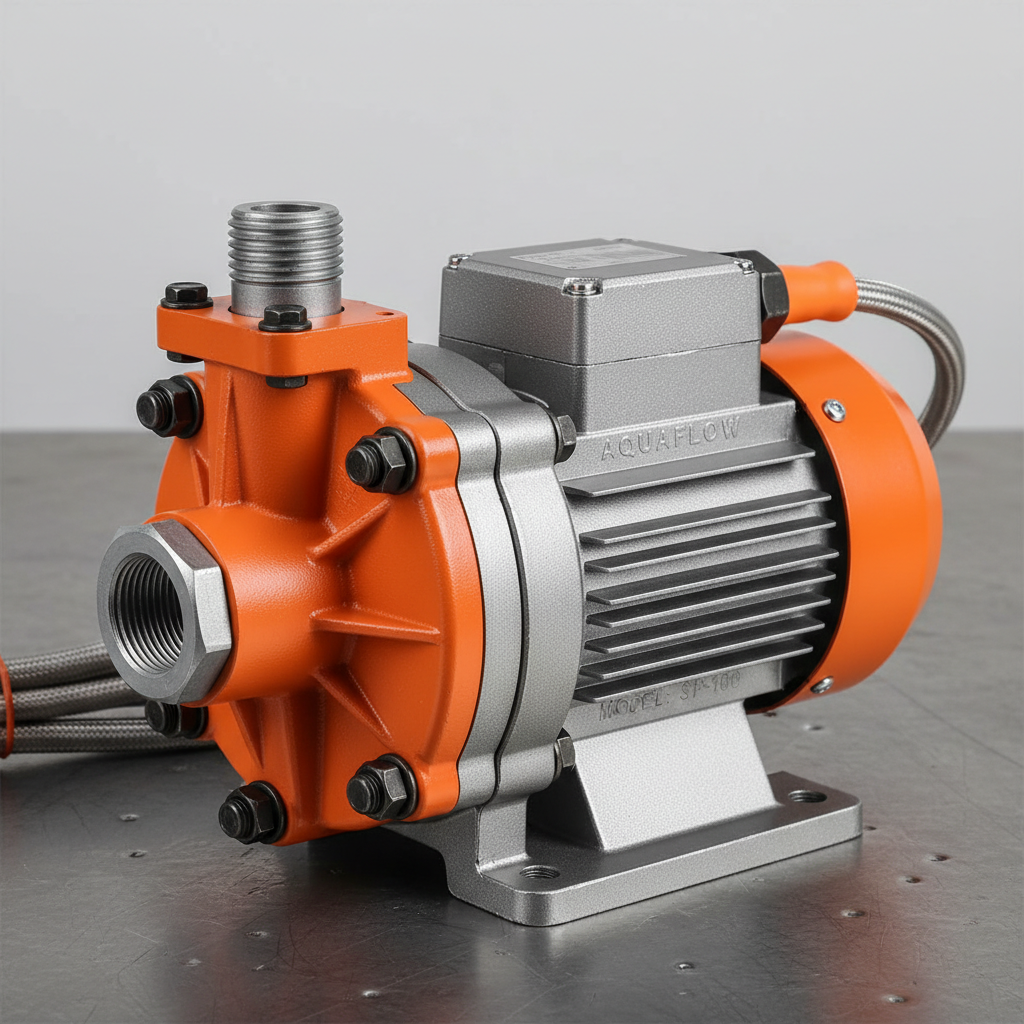 Choosing the Right Mini Submersible Fountain Pump for Optimal Water Feature PerformanceCreating a beautiful and relaxing water feature doesn't have to be complicated. A mini submersible fountain pump is the heart of any indoor or outdoor fountain, and selecting the right one is crucial for optimal performance and longevity. This article will guide you through the key considerations when choosing a mini submersible fountain pump, covering types, features, applications, and how to ensure you get the perfect pump for your project. We’ll also explore how Wellpumpact can provide you with the ideal solution.Detail
 Afrikaans
 Albanian
 Amharic
 Arabic
 Armenian
 Azerbaijani
 Basque
 Belarusian
 Bengali
 Bosnian
 Bulgarian
 Catalan
 Cebuano
 Corsican
 Croatian
 Czech
Czech
 Danish
 Dutch
Dutch
 Esperanto
 Estonian
 Finnish
 French
 Frisian
 Galician
 Georgian
 German
 Greek
Greek
 Gujarati
 Haitian Creole
 Hausa
Hausa
 Hawaiian
 Hebrew
 Hindi
Hindi
 Miao
Miao
 Hungarian
 Icelandic
 Igbo
Igbo
 Indonesian
 Irish
Irish
 Italian
 Japanese
 Javanese
 Kannada
 Kazakh
 Khmer
Khmer
 Rwandese
 Korean
 Kurdish
 Kyrgyz
 Lao
Lao
 Latin
Latin
 Latvian
 Lithuanian
 Luxembourgish
 Macedonian
 Malgashi
 Malay
Malay
 Malayalam
 Maltese
 Maori
Maori
 Marathi
 Mongolian
 Myanmar
 Nepali
 Norwegian
 Norwegian
 Occitan
 Pashto
 Persian
 Polish
 Portuguese
 Punjabi
 Romanian
 Russian
 Samoan
 Scottish Gaelic
 Serbian
 Sesotho
 Shona
Shona
 Sindhi
 Sinhala
 Slovak
 Slovenian
 Somali
 Spanish
 Sundanese
 Swahili
 Swedish
 Tagalog
 Tajik
Tajik
 Tamil
Tamil
 Tatar
Tatar
 Telugu
 Thai
Thai
 Turkish
 Turkmen
 Ukrainian
 Urdu
Urdu
 Uighur
 Uzbek
Uzbek
 Vietnamese
 Welsh
Welsh
 Bantu
Bantu
 Yiddish
 Yoruba
 Zulu
Zulu
 English