
Nov . 27, 2025 16:40 Back to list
Benefits and Applications of 3 Phase Water Pumps | WellPumpAct
Understanding the 3 Phase Water Pump: Why It Matters
Water pumps are the unsung heroes behind everything from agricultural irrigation to municipal water supply and industrial processing. Among these, the 3 phase water pump stands out as a powerhouse, literally and figuratively. But why exactly is this technology so pivotal globally? Well, for one, it underpins large-scale water movement with remarkable efficiency and reliability. In a world where water scarcity and infrastructure challenges often come head to head, understanding what makes 3 phase water pumps tick — and why they’re preferred in many sectors — is crucial.
Beyond simple mechanics, these pumps can mean the difference between sustainable agriculture in drought-prone regions and crop failure, or between a flourishing factory and costly downtime. So, let’s dive into what these pumps are, what makes them special, and how they’re shaping industries worldwide.
The Global Context: Why 3 Phase Water Pumps Are Essential Today
Worldwide demand for efficient water management solutions grows every year. According to the United Nations Water Report, over 2 billion people live in countries experiencing high water stress. Industrial sectors alone consume roughly 20% of all freshwater globally, drawing a lot on pumping technologies that can handle high volume and long operational hours without failure.
The 3 phase water pump offers a robust solution here. Unlike single-phase motors, three-phase pumps deliver higher power density and more consistent torque. That means they don’t just move water — they do it with greater energy efficiency and lower maintenance interruptions. In regions with erratic power supply, the reliability of this technology reduces costly breakdowns or the need for backups.
Industries face growing pressure for sustainability — yet they rarely want to sacrifice output or reliability. That clash is exactly where advanced 3 phase water pumps enter the scene, making a quiet but critical impact worldwide.
What Exactly Is a 3 Phase Water Pump?
In simplest terms, a 3 phase water pump refers to a pump powered by a three-phase electric motor. The “three-phase” bit means the motor receives electric power through three alternating currents, each offset by 120 degrees. This configuration gives the motor a smoother and more consistent power flow than single-phase systems.
Why does this matter? A smoother power delivery translates to less vibration, better starting torque, and enhanced efficiency—all vital for pumping water over long distances or through complex systems. For example, think of irrigation on farms, where the pump might be running for hours powering sprinklers or drip systems. A 3 phase motor simply handles the job better.
Please note that these pumps come in many types—centrifugal, submersible, and vertical turbine pumps among them—but their 3 phase motor technology is consistent in offering industrial-grade performance.
Core Features That Define Top-Performing 3 Phase Water Pumps
1. Durability
Because many applications require pumps to run almost non-stop—think municipal water supplies or mining operations—the mechanical and electrical components need to withstand rough treatment and constant use. Vibration-resistant designs, corrosion-proof casing materials, and sealed bearings are part of the package.
2. Scalability
These pumps vary in capacity from a few kilowatts for small factories to hundreds of kilowatts serving entire cities. Their modular design means you can size pumps precisely for the job, adding inverters or control systems to tailor performance. This flexibility reduces wasted energy and cost.
3. Cost Efficiency
Though initial installation costs can be higher than single-phase pumps, the long-term energy savings are significant. Three-phase motors often boast efficiencies above 90%, meaning less electricity wasted. Lower maintenance means fewer expensive repairs over a pump’s lifetime—key when uptime is money.
4. Ease of Integration
Modern 3 phase water pumps often come equipped to integrate with SCADA systems or smart monitoring—great when customers want real-time performance data or predictive maintenance alerts.
Mini Takeaway:
Durability meets smart design. The best 3 phase water pumps deliver consistent, scalable performance with a keen eye on lifetime costs.
Worldwide Applications: Where and How These Pumps Shine
Water is needed everywhere, but the way it’s moved varies by context. For example:
- Agriculture: In regions like California’s Central Valley or India’s Punjab region, 3 phase water pumps are the heart of irrigation systems delivering steady water supply.
- Municipal Water Systems: Urban centers in Europe and Asia often rely on these pumps for water treatment plants and distribution networks.
- Industrial Facilities: Factories and power plants require reliable cooling water circulation — and the consistent torque from a 3 phase pump makes that happen.
- Disaster Relief: Organizations deploying emergency water supply systems in flood or drought zones often depend on these pumps team to manage high-volume needs rapidly and reliably.
For instance, a recent project in sub-Saharan Africa saw the installation of solar-powered 3 phase water pumps to bring clean water to remote villages—a life-changing innovation for communities long forced to trek miles for water.
Advantages You Can Count On
Okay, let’s get real about why “3 phase water pump” is more than just tech jargon:
- Energy Savings: Smoother power draws reduce electricity bills over time.
- Reliability: Less frequent breakdowns maintain continuous water flow.
- Environmental Impact: Energy-efficient operation lowers carbon footprints, especially when renewed alongside green power sources.
- Operational Safety & Peace of Mind: Reduced motor vibrations mean less wear and safer work environments.
- Social Impact: In humanitarian projects, timely water access means better health outcomes and community trust.
It kinda feels like these pumps are doing quiet, constant social good in the background while industries hum along.
Emerging Trends and Innovations in 3 Phase Pumping Systems
Suddenly, 3 phase water pumps aren’t just iron and wires anymore — think smart sensors, IoT connectivity, and green energy integration. Leading-edge models now incorporate variable frequency drives (VFDs) that optimize motor speed to match demand, saving even more energy. Coupled with solar or wind farms, these pumps can operate off-grid, scaling much smaller or growing large as needed.
Materials advances—like corrosion-resistant composites or self-lubricating bearings—also reduce downtime and maintenance complexity. Plus, governments worldwide are adopting ISO efficiency standards to encourage these high-performance pumping solutions.
Addressing Challenges: What to Watch For
Despite all the good stuff, there are bumps to smooth out:
- Installation Complexity: Three-phase systems require correct wiring and protection devices, and in rural or developing areas, power availability can be inconsistent.
- Upfront Cost: The initial investment might intimidate some smaller operators.
- Maintenance Knowledge: Skilled technicians are needed to service the motor systems regularly.
That said, many vendors and engineers now offer package solutions with training and remote support—making these challenges manageable.
Practical FAQ: What Customers Often Ask About 3 Phase Water Pumps
- 1. Why choose a 3 phase water pump over single-phase options?
- Because 3 phase pumps provide more consistent torque and higher efficiency, they’re better suited for heavy-duty or continuous applications. They handle larger volumes with less strain and typically last longer with fewer breakdowns.
- 2. Can a 3 phase pump operate on renewable energy sources?
- Absolutely. When combined with inverters and battery storage, 3 phase water pumps can be powered by solar or wind energy, especially for off-grid water supply projects.
- 3. What size pump do I need for an industrial facility?
- Pump sizing depends on flow rate, pressure requirements, and system design. Consulting with a supplier or engineer is best—but typically, pump power ranges from a few kW to several hundred kW.
- 4. How often do 3 phase pumps require maintenance?
- Regular inspections, typically every 6 to 12 months, are recommended. This includes checking bearings, seals, and electrical connections to avoid surprises.
- 5. Are 3 phase water pumps suitable for remote or disaster relief situations?
- Yes, especially portable or submersible versions designed for rapid deployment. Their reliability in tough conditions makes them a top choice for NGOs and emergency teams.
Product Specification Table
| Feature | Typical Range | Notes |
|---|---|---|
| Motor Power | 1 kW – 500 kW | Wide range for residential to industrial |
| Voltage | 380V – 480V AC | Standard three-phase voltages |
| Flow Rate | 10 – 5,000 m³/hr | Dependent on pump design and application |
| Max Head | 50 – 150 m | Varies by model and installation |
| Material | Cast Iron / Stainless Steel | For corrosion resistance and durability |
| Protection | IP55 – IP68 | Ingress protection for outdoor use |
Vendor Comparison Table
| Vendor | Price Range | Warranty | Service Network | Unique Feature |
|---|---|---|---|---|
| HydroMax | $$$ | 5 years | Global | Integrated IoT monitoring |
| ClearFlow Pumps | $$ | 3 years | Regional (Europe & Asia) | Corrosion-resistant composite housing |
| AquaDrive | $$$ | 4 years | North America & Australia | High-efficiency VFD integration |
Final Thoughts: Why Investing in a 3 Phase Water Pump Makes Sense
So, having been around the block a few times with these pumps, it feels clear that the 3 phase water pump is not just a niche industrial gadget—it’s foundational for modern water management. Between energy efficiency, reliability, and the ability to integrate with the latest smart technologies, these pumps offer a compelling long-term solution for farmers, municipalities, and industries alike.
Whether you’re aiming to improve your irrigation system, upgrade factory water circuits, or support humanitarian operations, the 3 phase water pump can be a gamechanger. And in a world juggling sustainability with productivity, that counts for a lot.
If you want to explore the latest models or get expert advice, do yourself a favor and visit our website—we’ve got detailed specs and support waiting.
References
-
Understanding the Price Submersible Pump and Buyer Guide
NewsApr.16,2026
-
Factors Affecting the Price for Submersible Pump a Buyers Guide
NewsApr.09,2026
-
Choosing the Right Mini Submersible Fountain Pump for Optimal Water Feature Performance
NewsApr.07,2026
-
A Detailed Guide to Installing a Submersible Pump for Optimal Performance
NewsApr.04,2026
-
Comprehensive Guide on How to Test a Submersible Water Well Pump Effectively
NewsMar.31,2026
-
Learn How to Replace a Submersible Well Pump Safely and Effectively
NewsMar.28,2026
-
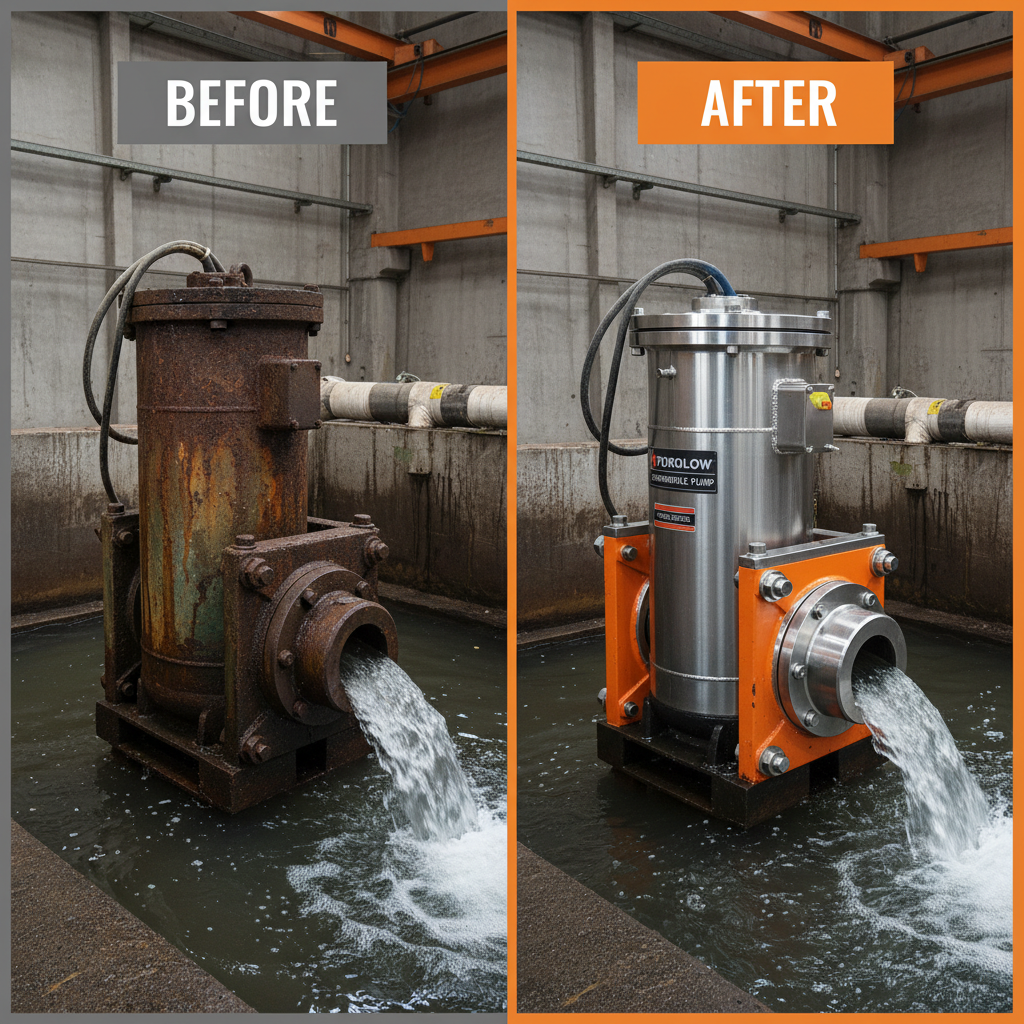 Understanding the Price Submersible Pump and Buyer GuideWhen searching for the ideal water management solution, understanding the price submersible pump options is crucial for balancing budget with performance. Whether you are dealing with a flooded basement, managing agricultural irrigation, or extracting water from a deep well, the cost of a submersible pump can vary significantly based on its build quality and capacity. Investing in a high-quality pump ensures long-term reliability and reduces the frequency of expensive replacements. In this guide, we will break down the factors that influence pricing and help you make an informed decision for your specific needs.Detail
 -
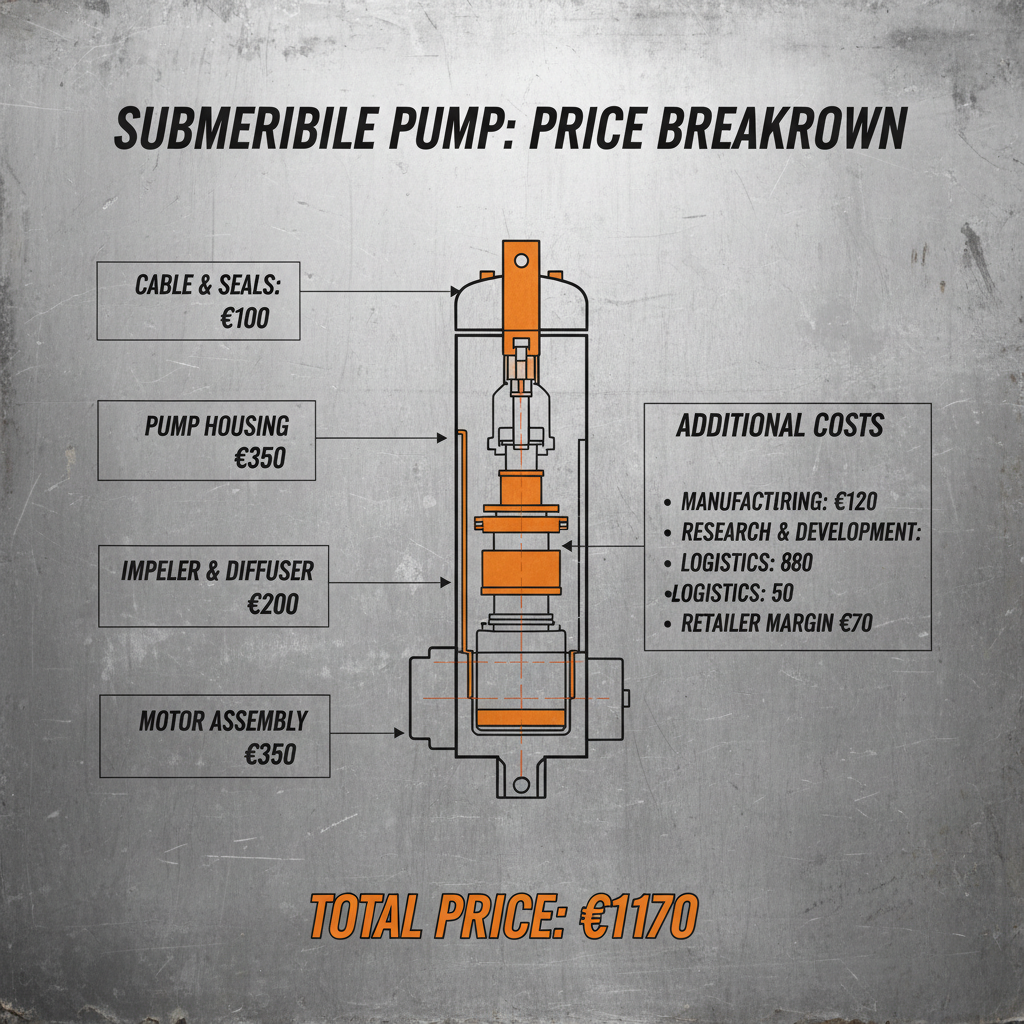 Factors Affecting the Price for Submersible Pump a Buyers GuideWhen investing in water management systems, understanding the price for submersible pump options is essential for balancing performance with budget. Whether you are managing a residential well, an industrial drainage project, or agricultural irrigation, the cost of a pump is rarely a flat fee; it is a reflection of the engineering, materials, and capacity required for your specific environment. In this guide, we will break down the factors that influence pricing and help you determine the best value for your investment to ensure long-term reliability and efficiency.Detail
 -
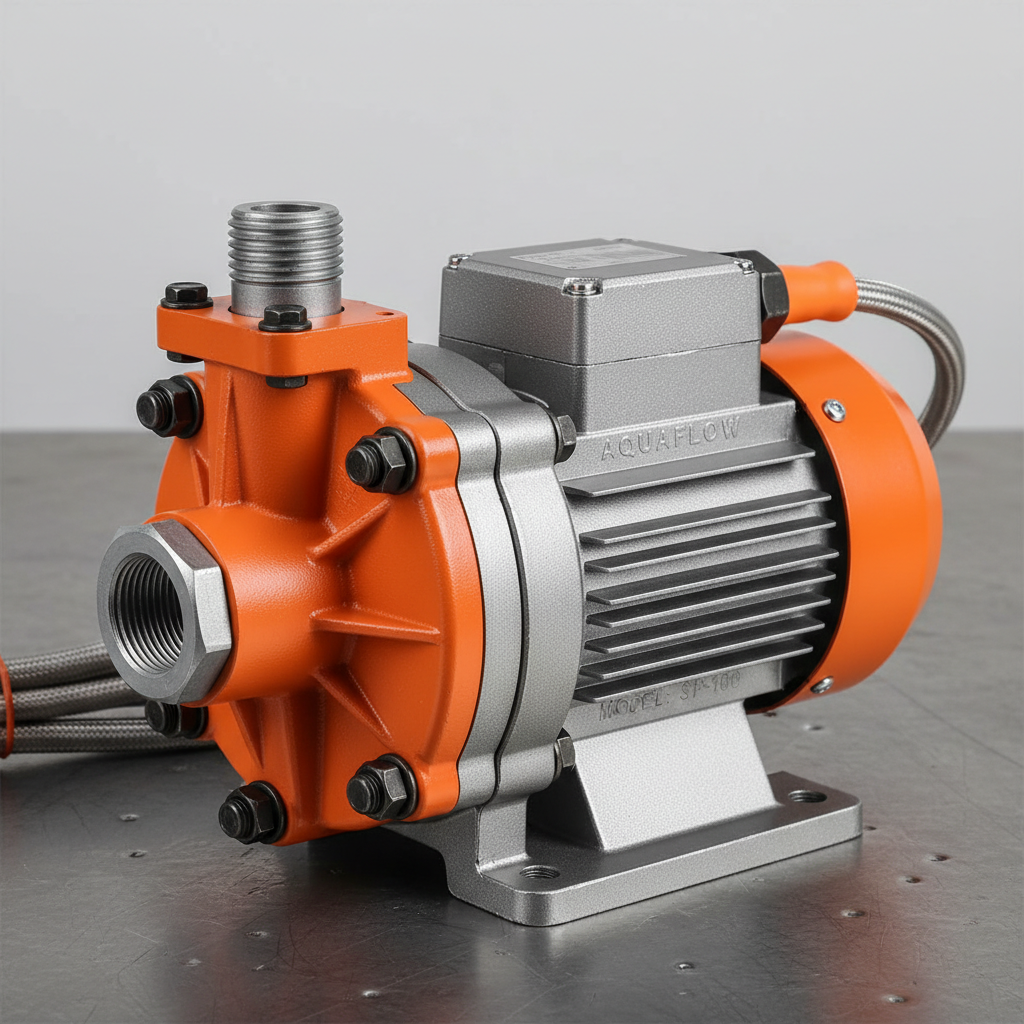 Choosing the Right Mini Submersible Fountain Pump for Optimal Water Feature PerformanceCreating a beautiful and relaxing water feature doesn't have to be complicated. A mini submersible fountain pump is the heart of any indoor or outdoor fountain, and selecting the right one is crucial for optimal performance and longevity. This article will guide you through the key considerations when choosing a mini submersible fountain pump, covering types, features, applications, and how to ensure you get the perfect pump for your project. We’ll also explore how Wellpumpact can provide you with the ideal solution.Detail
 Afrikaans
 Albanian
 Amharic
 Arabic
 Armenian
 Azerbaijani
 Basque
 Belarusian
 Bengali
 Bosnian
 Bulgarian
 Catalan
 Cebuano
 Corsican
 Croatian
 Czech
Czech
 Danish
 Dutch
Dutch
 Esperanto
 Estonian
 Finnish
 French
 Frisian
 Galician
 Georgian
 German
 Greek
Greek
 Gujarati
 Haitian Creole
 Hausa
Hausa
 Hawaiian
 Hebrew
 Hindi
Hindi
 Miao
Miao
 Hungarian
 Icelandic
 Igbo
Igbo
 Indonesian
 Irish
Irish
 Italian
 Japanese
 Javanese
 Kannada
 Kazakh
 Khmer
Khmer
 Rwandese
 Korean
 Kurdish
 Kyrgyz
 Lao
Lao
 Latin
Latin
 Latvian
 Lithuanian
 Luxembourgish
 Macedonian
 Malgashi
 Malay
Malay
 Malayalam
 Maltese
 Maori
Maori
 Marathi
 Mongolian
 Myanmar
 Nepali
 Norwegian
 Norwegian
 Occitan
 Pashto
 Persian
 Polish
 Portuguese
 Punjabi
 Romanian
 Russian
 Samoan
 Scottish Gaelic
 Serbian
 Sesotho
 Shona
Shona
 Sindhi
 Sinhala
 Slovak
 Slovenian
 Somali
 Spanish
 Sundanese
 Swahili
 Swedish
 Tagalog
 Tajik
Tajik
 Tamil
Tamil
 Tatar
Tatar
 Telugu
 Thai
Thai
 Turkish
 Turkmen
 Ukrainian
 Urdu
Urdu
 Uighur
 Uzbek
Uzbek
 Vietnamese
 Welsh
Welsh
 Bantu
Bantu
 Yiddish
 Yoruba
 Zulu
Zulu
 English