
Nov . 29, 2025 19:25 Back to list
The Ultimate Guide to Submersible Oil Pumps: Efficiency, Applications, and Innovations
Submersible Oil Pumps: What They Are and Why They Matter Globally
Submersible oil pumps may not be a topic that comes up at every cocktail party, but their role in modern industry and resource management is quietly vital. These devices help extract and transport oil, often from deep reservoirs or underwater environments—basically the unsung heroes beneath the surface. Understanding submersible oil pumps sheds light on safer, more efficient, and environmentally conscious oil extraction, which remains a global priority as energy demands grow and sustainability takes center stage.
The Bigger Picture: Why Submersible Oil Pumps Shape Global Industry
Globally, the energy sector accounts for around 40% of economic activity, with oil still making up a significant chunk of that mix, according to the International Energy Agency. Submersible oil pumps play a critical role within this context. They address a major challenge: efficiently and safely extracting oil from wells that are often miles below the surface or submerged underwater.
Frankly, the issue of declining oil reservoir pressure has required clever engineering—in this case, pumps that can operate reliably in hostile conditions. The International Organization for Standardization (ISO) sets rigorous standards for equipment durability, and submersible pumps meet these to ensure consistent global performance. One could say these pumps literally keep the fuel flowing, powering everything from national economies to everyday transportation.
Mini takeaway:
In short, submersible oil pumps directly affect global energy security, making their development and use highly significant beyond just “machinery” terms.
What Is a Submersible Oil Pump, Exactly?
Put simply, a submersible oil pump is an electric or hydraulic device designed to be submerged in oil reservoirs or wells. Unlike surface pumps, these units operate deep beneath the ground or underwater, pushing oil to the surface through pipelines. This design reduces the risk of cavitation (an annoying and damaging phenomenon where vapor bubbles form) and increases efficiency by working right where the oil is.
These pumps are essential for both traditional oil extraction and newer applications like offshore drilling. Beyond heavy industry, they can be vital in humanitarian scenarios where stable fuel supplies enable emergency power and heat—in rugged, off-grid locations.
Mini takeaway:
Think of submersible oil pumps as the stealthy backbone of modern oil production, marrying engineering with practicality.
Core Components That Make Submersible Oil Pumps Tick
1. Durability
These pumps face pressures, corrosive fluids, and extreme temperatures. So, manufacturers often use corrosion-resistant materials like stainless steel and special seals. It’s not just a “nice-to-have”—durability directly impacts maintenance costs and uptime.
2. Scalability
Submersible pumps come in a range of sizes—from small units for shallow wells to massive designs handling thousands of barrels daily. This scalability means they fit various operation sizes, industrial or otherwise.
3. Energy Efficiency
With years of improvements, modern pumps minimize energy consumption. For many operations, energy costs are a significant part of the budget, so efficiency isn’t just green talk; it shapes profitability.
4. Control Systems
Increasingly, these pumps integrate with digital control systems. Automation, remote monitoring, and real-time diagnostics help operators track performance and preempt breakdowns—a true game changer in remote or offshore operations.
5. Maintenance & Longevity
Ease of maintenance and long service life matter, especially in challenging field conditions. Designs are increasingly modular, allowing parts to be replaced without a full unit swapout.
Mini takeaway:
Efficiency, durability, and smart control are the pillars that support practical submersible pump use worldwide.
Application Spotlight: Where and How Submersible Oil Pumps Are Used
This tech isn’t stuck in one spot. For example:
- Offshore platforms: In harsh seas, pumps reliably extract oil miles below the surface.
- Onshore wells: Conventional fields reactivating older reservoirs rely on these pumps to boost declining pressure.
- Remote industrial zones: Mining camps and exploration sites use submersible pumps to maintain fuel supply where delivery is tough.
- Post-disaster relief: Emergency fuel provision to power hospitals or shelters depends on dependable oil pumping.
Mini takeaway:
Simply put, wherever oil must travel safely and efficiently from tough-to-reach places, submersible pumps deliver.
Advantages & Long-Term Value of Submersible Oil Pumps
What’s exciting is that these pumps bring a whole load of benefits:
- Cost savings: Reduced downtime and lower energy costs increase margins.
- Sustainability: Accurate pressure control and electronic monitoring help avoid spills and leaks.
- Safety: Operating underwater means less risk of dangerous surface leaks or fires.
- Pioneering trust: Industries know these pumps are about reliability and dignified working environments.
There’s an emotional angle here, as well — safe, stable energy supplies enable communities to thrive, which literally changes lives.
Looking Forward: Innovations Set to Change the Game
Currently, the biggest buzz revolves around integrating green energy sources to power submersible pumps, cutting carbon footprints. Sensor technology and IoT-connected pumps allow operators to diagnose and fix issues remotely, an especially big deal offshore where access is tricky.
Materials science is pushing boundaries, too—new composites promise corrosion resistance that lasts decades. Also, modular designs make upgrades fast and less costly, meaning downtime shrinks.
Challenges & Clever Fixes
Of course, nothing’s perfect. Most submersible oil pumps grapple with:
- Wear & tear: Even top materials have limits in abrasive oil sands or seawater.
- Power supply: Remote locations can mean shaky power, compromising performance.
- Cost of installation: Deep wells and offshore platforms require expensive deployment techniques.
But the tech community is inventive. Hybrid power sourcing, predictive maintenance software, and 3D printing spare parts on-site are all reducing these hurdles.
Submersible Oil Pump Product Specifications
| Specification | Typical Range | Notes |
|---|---|---|
| Flow Rate | 500 - 5,000 barrels/day | Depends on pump size and application |
| Operating Depth | Up to 5,000 meters | Used in deep offshore wells |
| Power Supply | Electric / Hydraulic | Electric most common; hydraulics used offshore |
| Material | Stainless steel & composites | Prioritize corrosion resistance |
| Energy Efficiency | Up to 90% | Improving with sensor integration |
Vendor Comparison: Leading Submersible Oil Pump Manufacturers
| Manufacturer | Strengths | Weaknesses | Price Range |
|---|---|---|---|
| PumpTech Inc. | High durability, strong after-sales | Slightly higher upfront cost | $25,000–$50,000 |
| OceanFlow Systems | Specializes in offshore, innovative sensors | Limited onshore options | $30,000–$55,000 |
| EnergyPump Co. | Affordable, modular designs | Shorter lifespan on some parts | $20,000–$40,000 |
Common Questions About Submersible Oil Pumps
Q: How long do submersible oil pumps typically last?
A: With proper maintenance, many pumps can operate continuously for 5 to 10 years. Lifespan depends on well conditions, fluid abrasiveness, and adherence to recommended servicing schedules. Advances in materials mean newer models often boast longer durability.
Q: Can submersible pumps be repaired on-site?
A: Partial repairs and component replacements are possible if the design supports modularity. However, full retrieval and refurbishment require specialized equipment, especially for deep or offshore installations.
Q: Are these pumps energy efficient?
A: Yes, modern submersible oil pumps have efficiencies reaching up to 90%, thanks to improved motor designs and electronic controls that optimize power use in real time.
Q: What safety measures are in place for underwater pumps?
A: Safety features include explosion-proof motors, corrosion resistant casings, and sensors that detect anomalies. Strict international standards ensure compliance, minimizing risk to personnel and environment.
Q: Where can I find more information or purchase a quality submersible oil pump?
Visit our partner site for detailed specs, vendor options, and expert advice tailored to your needs.
Final Thoughts: Why Invest in a Submersible Oil Pump?
Submersible oil pumps are not just pieces of industrial equipment, but keystones in the global energy puzzle. Balancing durability, efficiency, and advanced tech, they enable smoother extraction processes that power economies and communities. Their ongoing innovations hint at a future with smarter, greener, and more reliable oil production — a fascinating intersection of engineering and environment to watch.
For anyone involved in energy, industrial supply, or even humanitarian work needing reliable fuel delivery, these pumps offer strong long-term value.
Interested? Check out more at https://www.wellpumpact.com and see how these devices might fit your next big project.
References:
- International Energy Agency — global energy data and trends.
- ISO Standards — equipment durability and safety baselines.
- Wikipedia: Submersible Pumps — basic overview and history.
-
Understanding the Price Submersible Pump and Buyer Guide
NewsApr.16,2026
-
Factors Affecting the Price for Submersible Pump a Buyers Guide
NewsApr.09,2026
-
Choosing the Right Mini Submersible Fountain Pump for Optimal Water Feature Performance
NewsApr.07,2026
-
A Detailed Guide to Installing a Submersible Pump for Optimal Performance
NewsApr.04,2026
-
Comprehensive Guide on How to Test a Submersible Water Well Pump Effectively
NewsMar.31,2026
-
Learn How to Replace a Submersible Well Pump Safely and Effectively
NewsMar.28,2026
-
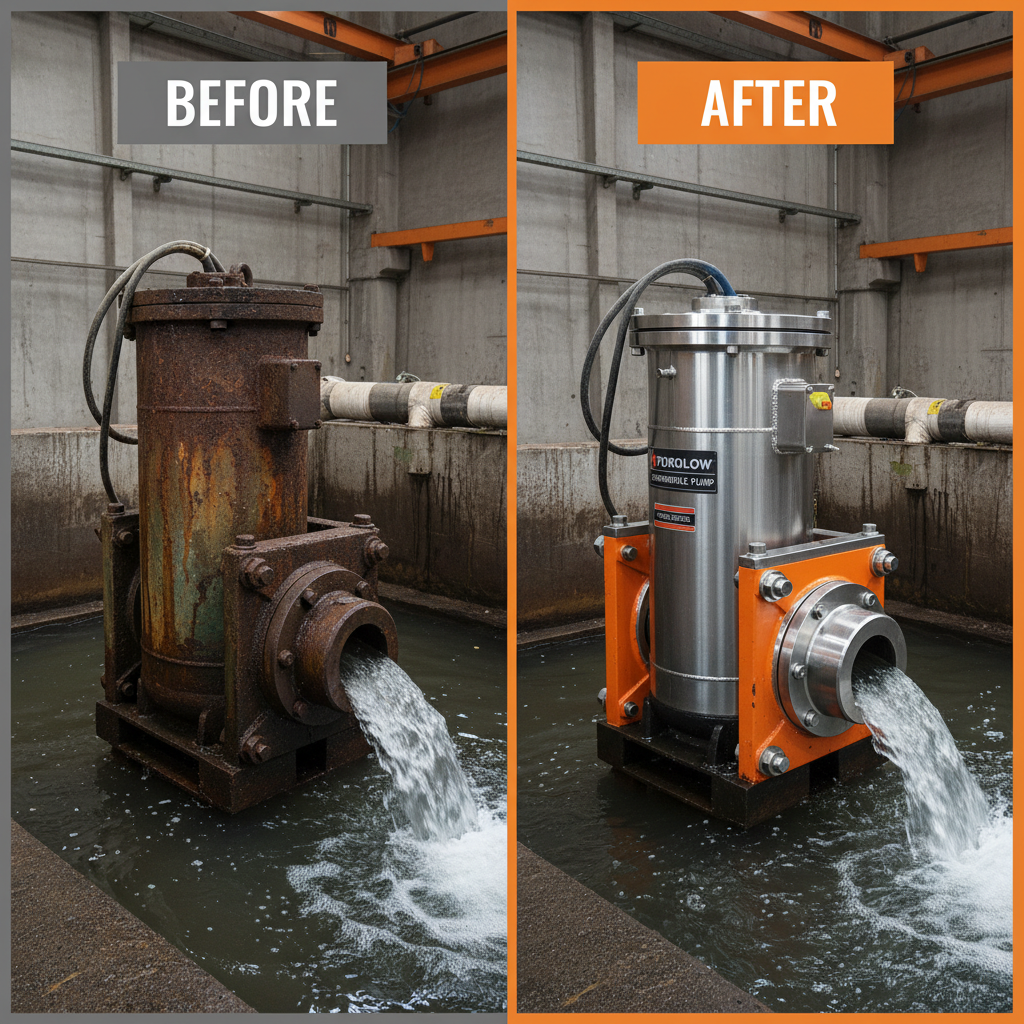 Understanding the Price Submersible Pump and Buyer GuideWhen searching for the ideal water management solution, understanding the price submersible pump options is crucial for balancing budget with performance. Whether you are dealing with a flooded basement, managing agricultural irrigation, or extracting water from a deep well, the cost of a submersible pump can vary significantly based on its build quality and capacity. Investing in a high-quality pump ensures long-term reliability and reduces the frequency of expensive replacements. In this guide, we will break down the factors that influence pricing and help you make an informed decision for your specific needs.Detail
 -
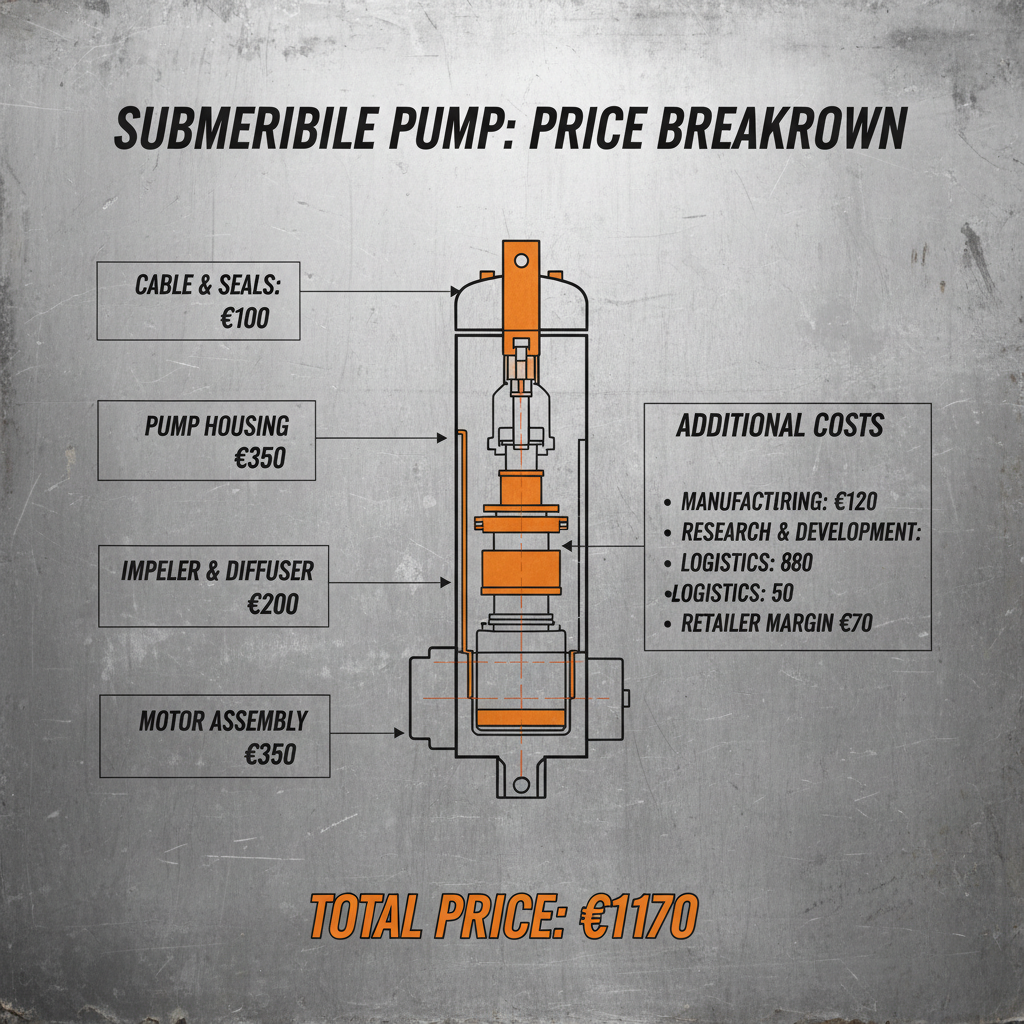 Factors Affecting the Price for Submersible Pump a Buyers GuideWhen investing in water management systems, understanding the price for submersible pump options is essential for balancing performance with budget. Whether you are managing a residential well, an industrial drainage project, or agricultural irrigation, the cost of a pump is rarely a flat fee; it is a reflection of the engineering, materials, and capacity required for your specific environment. In this guide, we will break down the factors that influence pricing and help you determine the best value for your investment to ensure long-term reliability and efficiency.Detail
 -
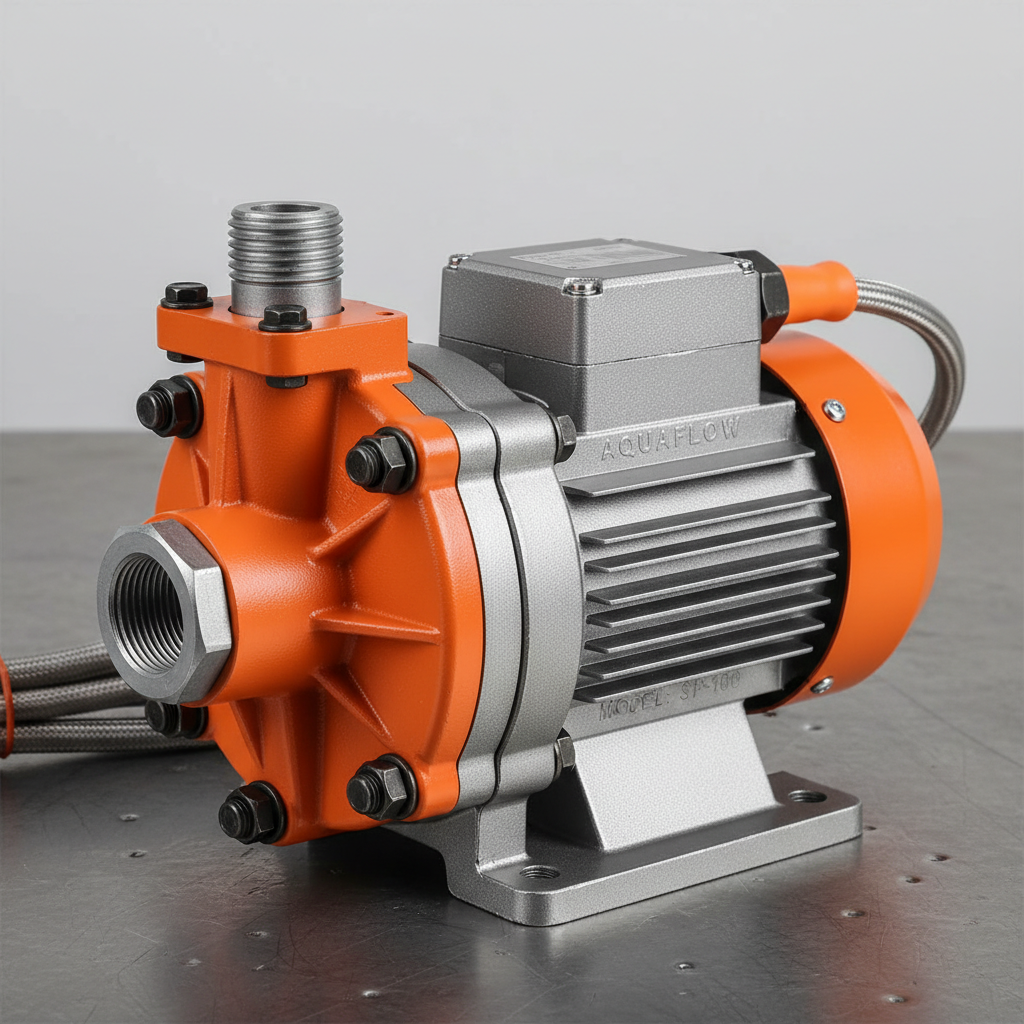 Choosing the Right Mini Submersible Fountain Pump for Optimal Water Feature PerformanceCreating a beautiful and relaxing water feature doesn't have to be complicated. A mini submersible fountain pump is the heart of any indoor or outdoor fountain, and selecting the right one is crucial for optimal performance and longevity. This article will guide you through the key considerations when choosing a mini submersible fountain pump, covering types, features, applications, and how to ensure you get the perfect pump for your project. We’ll also explore how Wellpumpact can provide you with the ideal solution.Detail
 Afrikaans
 Albanian
 Amharic
 Arabic
 Armenian
 Azerbaijani
 Basque
 Belarusian
 Bengali
 Bosnian
 Bulgarian
 Catalan
 Cebuano
 Corsican
 Croatian
 Czech
Czech
 Danish
 Dutch
Dutch
 Esperanto
 Estonian
 Finnish
 French
 Frisian
 Galician
 Georgian
 German
 Greek
Greek
 Gujarati
 Haitian Creole
 Hausa
Hausa
 Hawaiian
 Hebrew
 Hindi
Hindi
 Miao
Miao
 Hungarian
 Icelandic
 Igbo
Igbo
 Indonesian
 Irish
Irish
 Italian
 Japanese
 Javanese
 Kannada
 Kazakh
 Khmer
Khmer
 Rwandese
 Korean
 Kurdish
 Kyrgyz
 Lao
Lao
 Latin
Latin
 Latvian
 Lithuanian
 Luxembourgish
 Macedonian
 Malgashi
 Malay
Malay
 Malayalam
 Maltese
 Maori
Maori
 Marathi
 Mongolian
 Myanmar
 Nepali
 Norwegian
 Norwegian
 Occitan
 Pashto
 Persian
 Polish
 Portuguese
 Punjabi
 Romanian
 Russian
 Samoan
 Scottish Gaelic
 Serbian
 Sesotho
 Shona
Shona
 Sindhi
 Sinhala
 Slovak
 Slovenian
 Somali
 Spanish
 Sundanese
 Swahili
 Swedish
 Tagalog
 Tajik
Tajik
 Tamil
Tamil
 Tatar
Tatar
 Telugu
 Thai
Thai
 Turkish
 Turkmen
 Ukrainian
 Urdu
Urdu
 Uighur
 Uzbek
Uzbek
 Vietnamese
 Welsh
Welsh
 Bantu
Bantu
 Yiddish
 Yoruba
 Zulu
Zulu
 English