
Nov . 15, 2025 00:30 Back to list
Understanding Submersible Pump Price: Key Factors & Industry Insights
Why Understanding Submersible Pump Price Matters Globally
Water is, of course, life. But getting water where it’s needed — especially underground or in flood zones — requires technology, and that’s where submersible pumps come into play. Their price tag is more than just a dollar figure; it’s a reflection of durability, technology, and accessibility worldwide. From irrigating fields in remote areas to pumping out floodwaters in urban centers, understanding submersible pump price helps institutions, businesses, and governments make the right investment—and sometimes, that means the difference between success or costly downtime.
In an era where water demand is rising and infrastructure investments face tighter budgets, knowing what influences these pump prices is essential not only for economic efficiency but for social impact.
The Global Context: Why Submersible Pump Price Is a Key Industry Metric
Worldwide, the demand for effective water pump solutions has escalated, especially as climate change intensifies droughts and floods alike. Over 2 billion people still lack safe drinking water according to the World Health Organization. On the flip side, municipal and industrial sectors are forced to plan infrastructure under tighter environmental standards (ISO 14001 guidelines, anyone?). These factors combine to create a complex market for pumps, where submersible pump price serves as a crucial benchmark.
Take, for example, the agricultural sector — which consumes roughly 70% of global freshwater—where affordable, reliable submersible pumps make all the difference in crop viability. Yet, the challenge remains in balancing upfront investment with long-term performance to avoid costly failures or water waste.
What Exactly Is Submersible Pump Price?
Simply put, the submersible pump price refers to the cost of purchasing and installing a pump designed to operate fully underwater. Unlike surface pumps, submersible pumps are sealed units that push water to the surface from wells, tanks, or flooded areas.
This price is not just the pump’s market value but includes factors like technical specifications, materials, power rating, and installation complexity — all of which affect both initial purchase and ongoing maintenance costs. For industries ranging from mining to flood control, knowing the true submersible pump price helps in budgeting and ensuring resilience.
Key Factors That Influence Submersible Pump Price
1. Durability and Build Quality
Materials used—stainless steel, high-grade plastics, or even exotic alloys—affect both corrosion resistance and longevity. Pumps designed for harsh environments naturally cost more but save money down the line on repairs and downtime.
2. Power and Capacity
The horsepower rating and flow capacity impact the price. Higher power pumps draw more energy and require sturdier motors, pushing costs up accordingly. For example, a 5 HP pump differs vastly from a 20 HP heavy-duty unit designed for industrial mining.
3. Installation Complexity
Factors such as depth of submersion, control system sophistication, and required safety features add to the overall pump price. Remote or hazardous locations demand special considerations here.
4. Energy Efficiency and Technology
Modern pumps with energy-saving motors, digital monitoring, or IoT-based predictive maintenance systems usually cost more initially but promise long-term operational savings.
5. Brand and Certifications
Reputable manufacturers following ISO or CE standards tend to have higher prices but offer reliability—there’s value in that peace of mind.
Typical Submersible Pump Specifications
| Specification | Typical Range | Notes |
|---|---|---|
| Power Rating | 1 HP – 50 HP | Higher HP for industrial use |
| Maximum Depth | Up to 300 meters | Depends on cable length and design |
| Flow Rate | 100 – 1000+ liters/min | Varies by impeller size and motor |
| Material | Stainless steel, cast iron | Corrosion and abrasion resistant |
| Average Cost Range | $500 – $10,000+ | Based on size & features |
Real-World Applications of Submersible Pumps
It’s always interesting to see where these pumps actually make a difference. Around the world, from the rice paddies of Southeast Asia to remote mining camps in South America, submersible pumps serve vital roles. NGOs often deploy pumps during flooding to help with evacuation and water sanitation quickly, while municipalities use them for wastewater management to meet rising environmental standards.
In inland fisheries, these pumps maintain water levels in breeding ponds; in oil and gas extraction, they help move fluids where surface pumping is impossible. The utility is broad—but so are the regional differences, with prices and specs tailored intensely to the local environment and economic realities.
Comparing Vendors: What to Expect on Submersible Pump Price and Features
| Vendor | Price Range | Key Features | Warranty |
|---|---|---|---|
| AquaFlow Pumps | $700 – $4,000 | Energy-efficient motors, corrosion resistant | 3 years |
| DeepWell Solutions | $1,200 – $8,500 | High flow, digital monitoring, IoT-ready | 5 years |
| HydroMax Inc. | $500 – $3,500 | Basic models, fast delivery, installation services | 2 years |
Advantages and Long-Term Value of Investing in Quality Submersible Pumps
Yes, the sticker shock can be real. But think about the long game. Durable pumps mean less replacement and repair downtime—translating into real savings. Plus, a good pump minimizes energy consumption, making it easier to hit sustainability targets.
Beyond dollars, there’s reliability, which is priceless. Safe drinking water or flood control? It’s safety, health, and dignity of communities on the line. Investments here become investments in social trust and innovation—something many engineers quietly celebrate but often goes unmentioned in price discussions.
Emerging Trends Impacting Future Submersible Pump Price
- Green Energy Integration: Solar-powered submersible pumps are gradually lowering operational costs in off-grid areas.
- Smart Pumping Technology: IoT-based monitoring is helping predict failures before they happen, saving money and headaches.
- Advanced Materials: New composites promise lighter, corrosion-free pumps — potentially lowering manufacturing costs and improving durability.
- Policy Incentives: Governments providing subsidies for water-saving tech may affect pump pricing indirectly.
Common Challenges and Solutions When Purchasing Submersible Pumps
One challenge many face is the balance between initial cost and total cost of ownership. Sometimes a cheaper pump can mean expensive maintenance. To fix this, many engineers recommend prioritizing durability and manufacturer support over upfront savings.
Installation in hard-to-reach locations can also be tricky, necessitating modular or custom designs—which slightly bump up the submersible pump price but make life easier in the field.
Finally, energy costs can creep up, but choosing pumps with adjustable speeds or variable frequency drives (VFDs) can alleviate this problem efficiently.
FAQ: Frequently Asked Questions About Submersible Pump Price
- Q1: What factors most influence the overall cost of submersible pumps?
- A1: The key cost drivers include power rating, materials, installation depth, and additional features such as automation or corrosion resistance. More advanced and durable pumps generally cost more but offer better performance over time.
- Q2: How can I find affordable submersible pump options without sacrificing quality?
- A2: Look for mid-range products from reputable brands, and consider the total cost of ownership including maintenance and energy consumption. Sometimes spending a bit more initially saves a lot later.
- Q3: Are submersible pumps suitable for flood relief efforts?
- A3: Absolutely. Their design makes them ideal for quickly removing water in flooded areas, especially when pumps need to be submerged and protected from debris.
- Q4: Can newer technologies lower the submersible pump price?
- A4: Emerging materials and IoT-enabled maintenance can reduce operational costs, though initial prices might be higher. Over time, these innovations help keep total expenses down.
Conclusion: Why Knowing Your Submersible Pump Price Is a Smart Business Move
Getting submersible pump price right is about more than just budgeting. It’s about choosing a solution that lasts, that saves energy, that keeps people safe. I suppose, in today’s world, that’s the kind of value every business and community should be aiming for. If you want to explore options, understand your needs, or get quotes, check out submersible pump price listings — your future water management will thank you.
References:
1. World Health Organization, Water Sanitation Facts, 2023
2. ISO 14001 Environmental Management Standards, ISO.org
3. United Nations Water Report, 2022
-
Understanding the Price Submersible Pump and Buyer Guide
NewsApr.16,2026
-
Factors Affecting the Price for Submersible Pump a Buyers Guide
NewsApr.09,2026
-
Choosing the Right Mini Submersible Fountain Pump for Optimal Water Feature Performance
NewsApr.07,2026
-
A Detailed Guide to Installing a Submersible Pump for Optimal Performance
NewsApr.04,2026
-
Comprehensive Guide on How to Test a Submersible Water Well Pump Effectively
NewsMar.31,2026
-
Learn How to Replace a Submersible Well Pump Safely and Effectively
NewsMar.28,2026
-
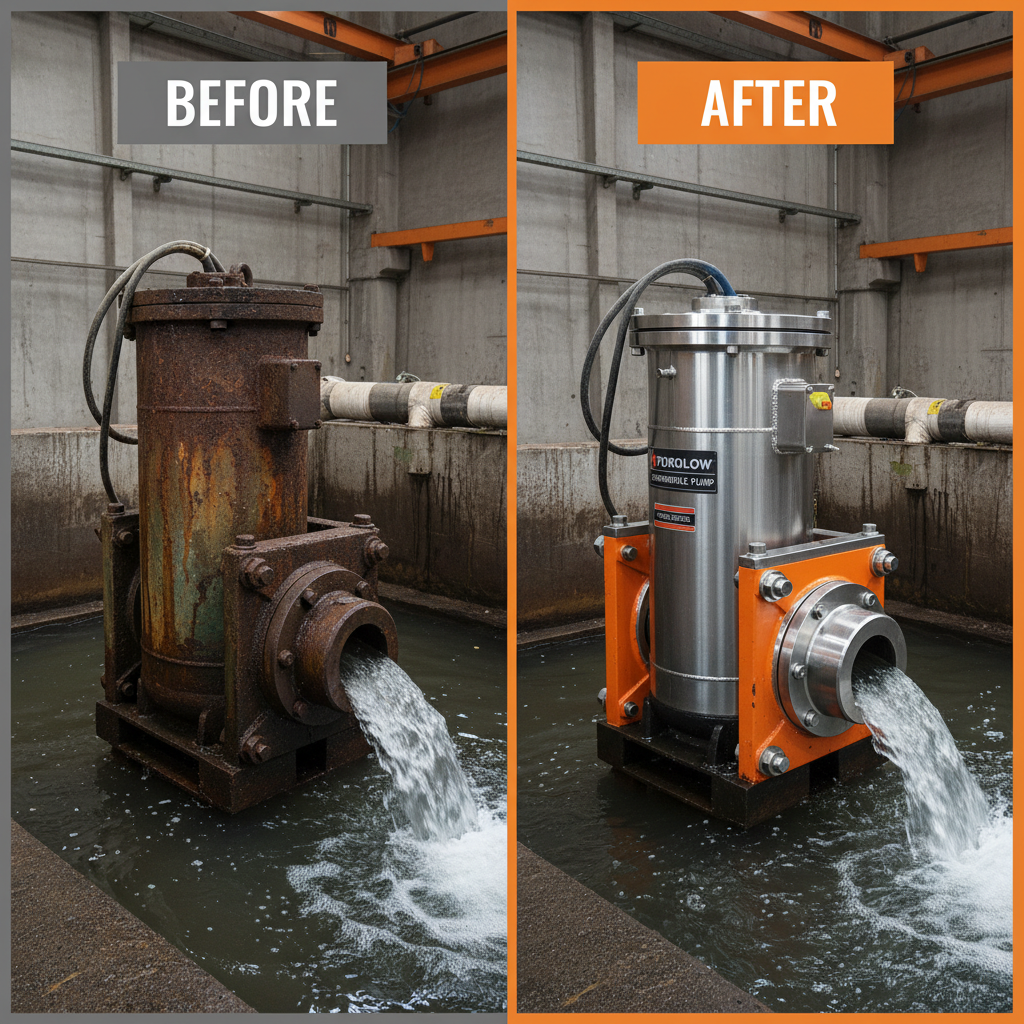 Understanding the Price Submersible Pump and Buyer GuideWhen searching for the ideal water management solution, understanding the price submersible pump options is crucial for balancing budget with performance. Whether you are dealing with a flooded basement, managing agricultural irrigation, or extracting water from a deep well, the cost of a submersible pump can vary significantly based on its build quality and capacity. Investing in a high-quality pump ensures long-term reliability and reduces the frequency of expensive replacements. In this guide, we will break down the factors that influence pricing and help you make an informed decision for your specific needs.Detail
 -
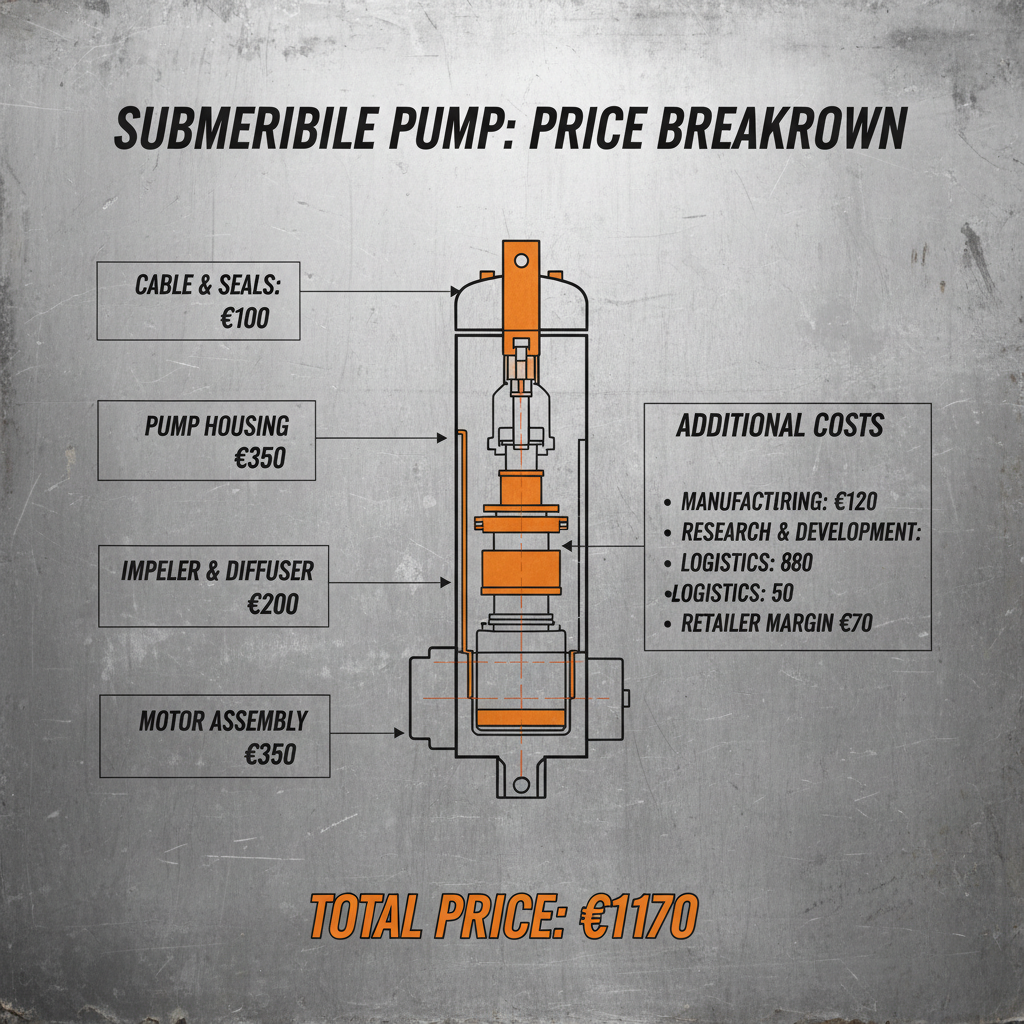 Factors Affecting the Price for Submersible Pump a Buyers GuideWhen investing in water management systems, understanding the price for submersible pump options is essential for balancing performance with budget. Whether you are managing a residential well, an industrial drainage project, or agricultural irrigation, the cost of a pump is rarely a flat fee; it is a reflection of the engineering, materials, and capacity required for your specific environment. In this guide, we will break down the factors that influence pricing and help you determine the best value for your investment to ensure long-term reliability and efficiency.Detail
 -
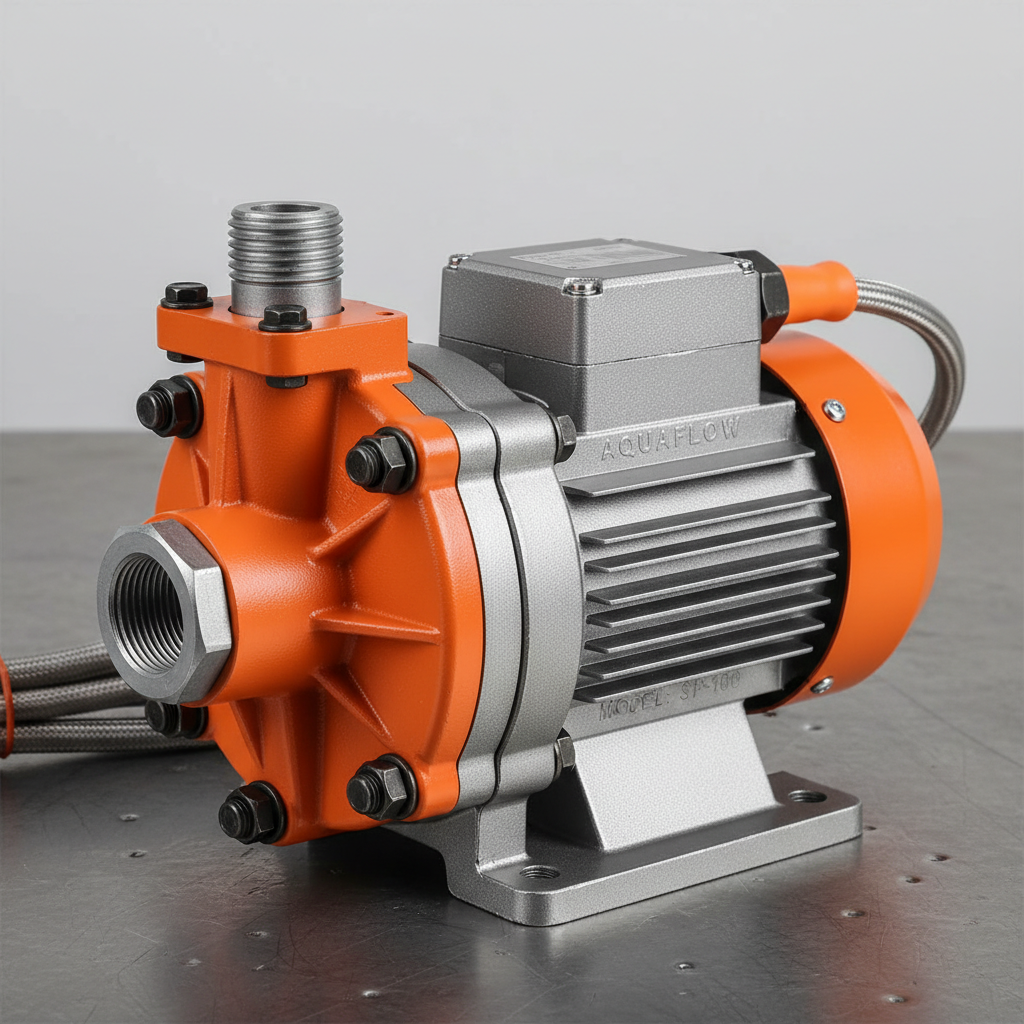 Choosing the Right Mini Submersible Fountain Pump for Optimal Water Feature PerformanceCreating a beautiful and relaxing water feature doesn't have to be complicated. A mini submersible fountain pump is the heart of any indoor or outdoor fountain, and selecting the right one is crucial for optimal performance and longevity. This article will guide you through the key considerations when choosing a mini submersible fountain pump, covering types, features, applications, and how to ensure you get the perfect pump for your project. We’ll also explore how Wellpumpact can provide you with the ideal solution.Detail
 Afrikaans
 Albanian
 Amharic
 Arabic
 Armenian
 Azerbaijani
 Basque
 Belarusian
 Bengali
 Bosnian
 Bulgarian
 Catalan
 Cebuano
 Corsican
 Croatian
 Czech
Czech
 Danish
 Dutch
Dutch
 Esperanto
 Estonian
 Finnish
 French
 Frisian
 Galician
 Georgian
 German
 Greek
Greek
 Gujarati
 Haitian Creole
 Hausa
Hausa
 Hawaiian
 Hebrew
 Hindi
Hindi
 Miao
Miao
 Hungarian
 Icelandic
 Igbo
Igbo
 Indonesian
 Irish
Irish
 Italian
 Japanese
 Javanese
 Kannada
 Kazakh
 Khmer
Khmer
 Rwandese
 Korean
 Kurdish
 Kyrgyz
 Lao
Lao
 Latin
Latin
 Latvian
 Lithuanian
 Luxembourgish
 Macedonian
 Malgashi
 Malay
Malay
 Malayalam
 Maltese
 Maori
Maori
 Marathi
 Mongolian
 Myanmar
 Nepali
 Norwegian
 Norwegian
 Occitan
 Pashto
 Persian
 Polish
 Portuguese
 Punjabi
 Romanian
 Russian
 Samoan
 Scottish Gaelic
 Serbian
 Sesotho
 Shona
Shona
 Sindhi
 Sinhala
 Slovak
 Slovenian
 Somali
 Spanish
 Sundanese
 Swahili
 Swedish
 Tagalog
 Tajik
Tajik
 Tamil
Tamil
 Tatar
Tatar
 Telugu
 Thai
Thai
 Turkish
 Turkmen
 Ukrainian
 Urdu
Urdu
 Uighur
 Uzbek
Uzbek
 Vietnamese
 Welsh
Welsh
 Bantu
Bantu
 Yiddish
 Yoruba
 Zulu
Zulu
 English