You know, the deep well submersible pump business... it’s really heating up. Everyone's talking about variable frequency drives, better motor windings, and those fancy polymer housings. To be honest, it feels like every other week someone’s claiming to have a pump that’ll last a lifetime. I’ve been running around construction sites for fifteen years now, and I’ve learned to take those claims with a grain of salt.
There's a lot of talk about 'smart' pumps too, with remote monitoring and predictive maintenance. Sounds great on paper, right? But have you noticed how many sites still struggle with basic internet connectivity? It’s like offering a spaceship to someone who can barely operate a bicycle. And then there’s the whole issue of cybersecurity...forget it, I won’t mention it.
The biggest problem I keep seeing is people getting hung up on peak flow rates. They chase the biggest numbers, forgetting that consistent, reliable performance is way more important. Especially in agricultural applications.
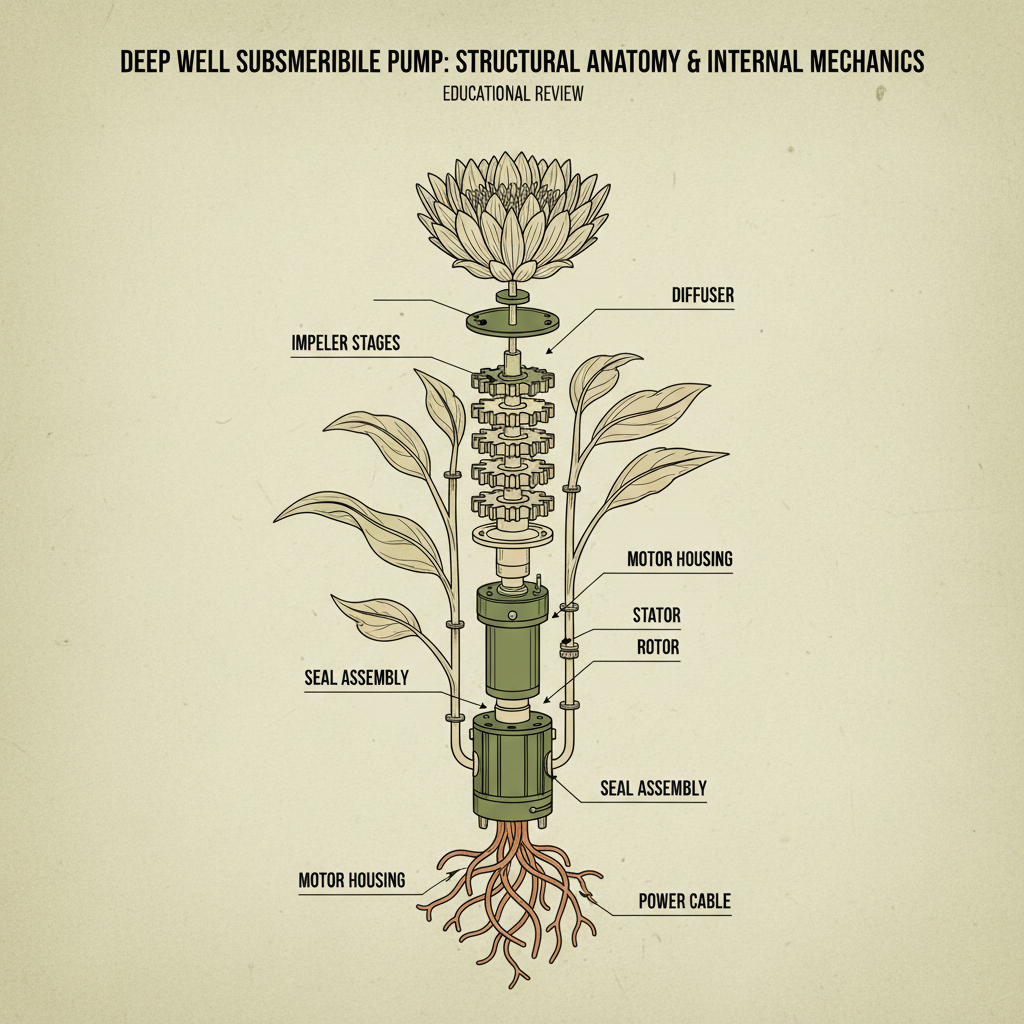
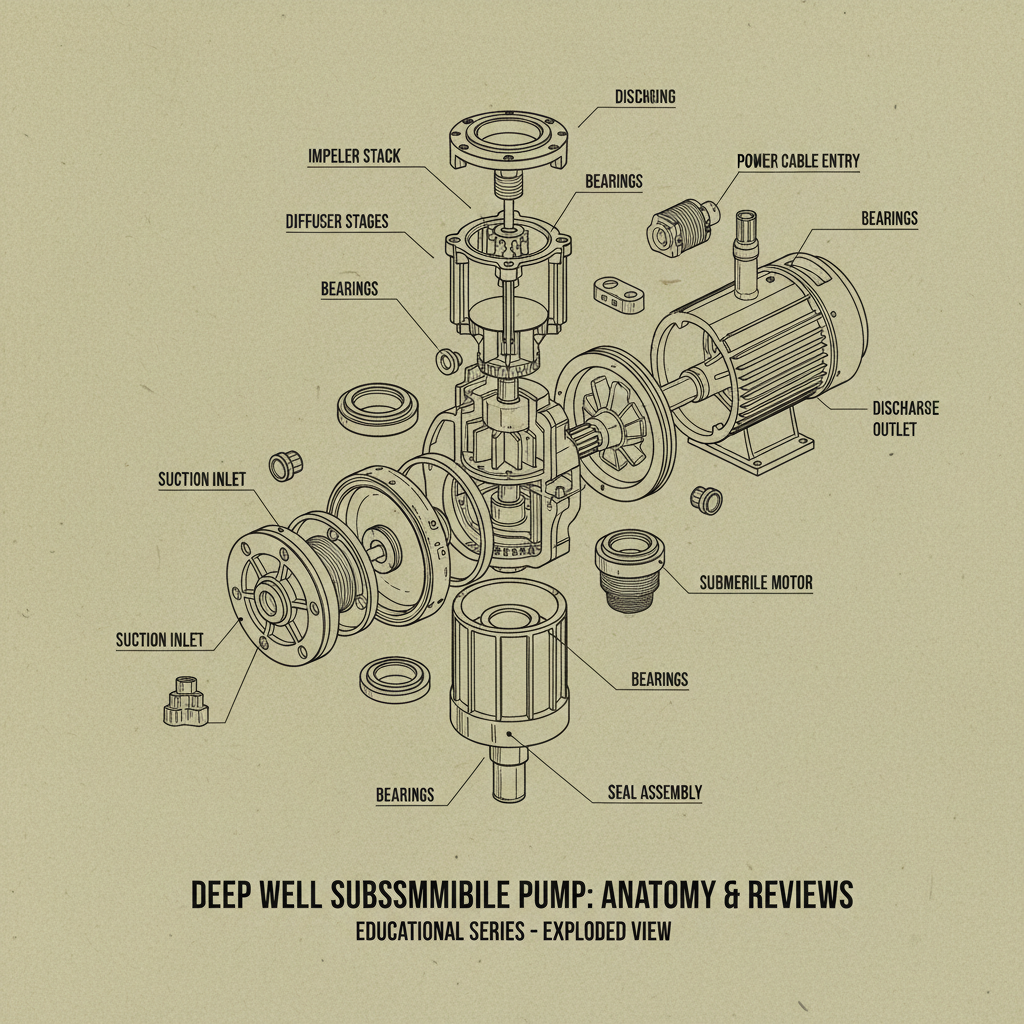
Strangely enough, energy efficiency is finally getting the attention it deserves. It used to be all about cheap, brute force motors. Now, with electricity prices going up, everyone’s asking about IE3 and IE4 motors. Plus, you're seeing a big push towards pumps that can handle sand and sediment better – a huge issue in a lot of rural areas. And, of course, everyone wants longer warranties, but let's be real, those warranties are only as good as the company backing them.
Another thing? The demand for smaller diameter pumps is growing. People are drilling narrower wells these days, and they need pumps that can fit. It’s forcing manufacturers to get more creative with their designs, which isn’t always a bad thing.
The lifespan varies wildly, honestly. With regular maintenance, a good quality pump should last 10-15 years. But it depends on water quality, usage patterns, and how well it’s installed. I've seen some fail after just a couple of years because of bad water, and others still going strong after 20. It’s all about preventative care and choosing the right pump for the job.
Don't just go for the biggest one! You need to consider the well's diameter, the depth of the water, and your daily water demand. A pump that’s too powerful can damage the well casing. It’s best to consult with a professional well driller or pump installer to get an accurate assessment. They'll measure your well’s static and dynamic water levels, and then recommend a pump that’s properly sized.
Aside from cheap materials, the most common culprits are sand and sediment, corroded cables, and worn-out shaft seals. Regular inspection and maintenance can prevent most of these issues. Make sure your well is properly screened to prevent sediment from entering the pump, and always use a high-quality cable. And don’t forget to check the shaft seal for leaks.
Sometimes they can be repaired, but it’s often more cost-effective to replace it, especially if the motor is damaged. Pulling the pump out of the well is a major job, so you need to weigh the cost of repair against the cost of replacement. It depends on the extent of the damage and the age of the pump.
VFDs are fantastic if you have fluctuating water demand. They allow the pump to adjust its speed, saving energy and extending its life. They're especially useful for agricultural irrigation and large residential properties. But they’re not essential for everyone. If you have a constant water demand, a standard pump will probably suffice.
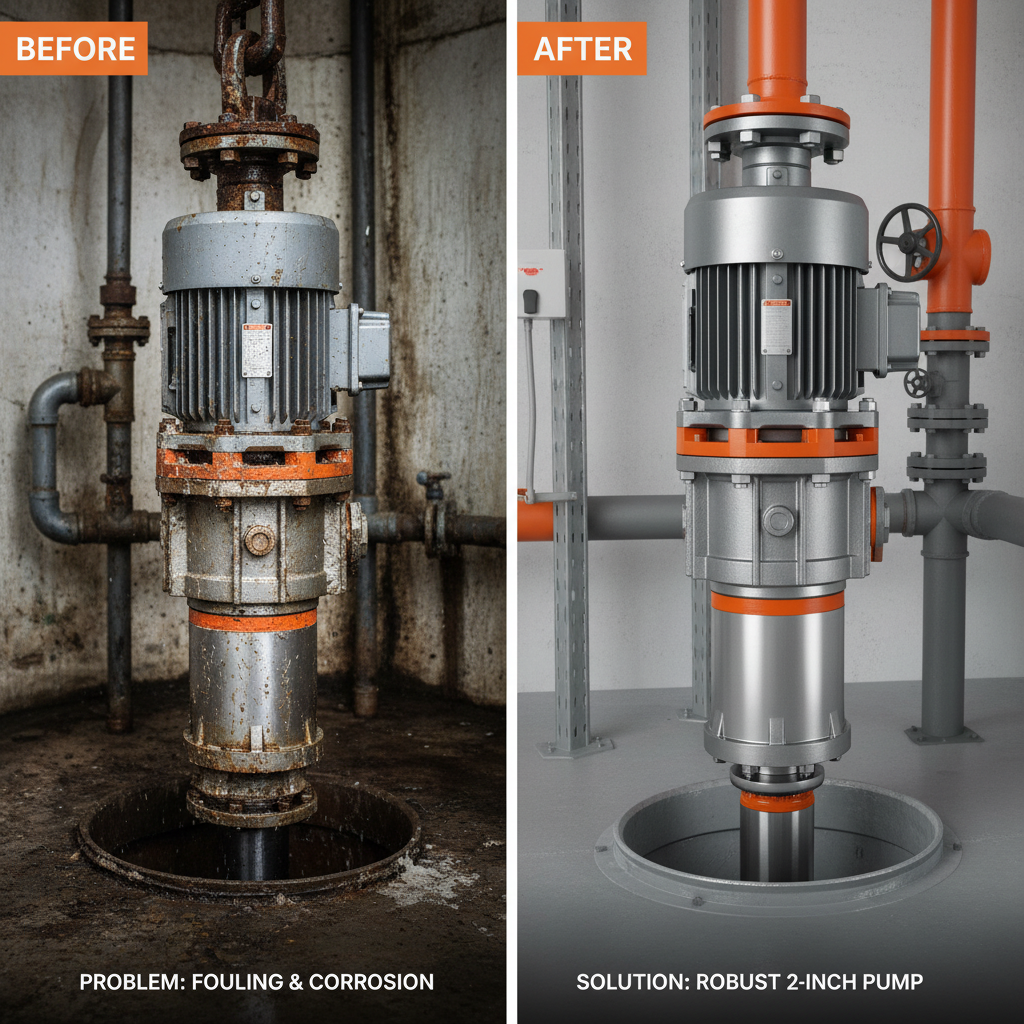
Use a pump made from corrosion-resistant materials, like stainless steel or engineered polymers. Make sure the well water is properly treated to prevent corrosion. And consider using a sacrificial anode to protect the pump from corrosion. These are relatively inexpensive and can significantly extend the pump’s life.
So, what does all this boil down to? Deep well submersible pumps are essential for providing water to millions of people around the world. The market is evolving rapidly, with new technologies and materials constantly emerging. But at the end of the day, it's not about the bells and whistles. It’s about choosing a pump that’s reliable, efficient, and properly sized for the job.
Ultimately, whether this thing works or not, the worker will know the moment he tightens the screw. That's just the truth of it. And if you want to learn more about finding the right pump for your needs, visit our website at www.wellpumpact.com.

 Afrikaans
 Albanian
 Amharic
 Arabic
 Armenian
 Azerbaijani
 Basque
 Belarusian
 Bengali
 Bosnian
 Bulgarian
 Catalan
 Cebuano
 Corsican
 Croatian
 Czech
Czech
 Danish
 Dutch
Dutch
 Esperanto
 Estonian
 Finnish
 French
 Frisian
 Galician
 Georgian
 German
 Greek
Greek
 Gujarati
 Haitian Creole
 Hausa
Hausa
 Hawaiian
 Hebrew
 Hindi
Hindi
 Miao
Miao
 Hungarian
 Icelandic
 Igbo
Igbo
 Indonesian
 Irish
Irish
 Italian
 Japanese
 Javanese
 Kannada
 Kazakh
 Khmer
Khmer
 Rwandese
 Korean
 Kurdish
 Kyrgyz
 Lao
Lao
 Latin
Latin
 Latvian
 Lithuanian
 Luxembourgish
 Macedonian
 Malgashi
 Malay
Malay
 Malayalam
 Maltese
 Maori
Maori
 Marathi
 Mongolian
 Myanmar
 Nepali
 Norwegian
 Norwegian
 Occitan
 Pashto
 Persian
 Polish
 Portuguese
 Punjabi
 Romanian
 Russian
 Samoan
 Scottish Gaelic
 Serbian
 Sesotho
 Shona
Shona
 Sindhi
 Sinhala
 Slovak
 Slovenian
 Somali
 Spanish
 Sundanese
 Swahili
 Swedish
 Tagalog
 Tajik
Tajik
 Tamil
Tamil
 Tatar
Tatar
 Telugu
 Thai
Thai
 Turkish
 Turkmen
 Ukrainian
 Urdu
Urdu
 Uighur
 Uzbek
Uzbek
 Vietnamese
 Welsh
Welsh
 Bantu
Bantu
 Yiddish
 Yoruba
 Zulu
Zulu
 English