
Nov . 28, 2025 11:40 Back to list
Comprehensive Guide to 2 Inch Submersible Well Pumps – Specs, Uses & Innovations
The Role of 2 Inch Submersible Well Pumps in Water Accessibility Worldwide
When you hear “2 inch submersible well pump,” you might imagine technical machinery buried deep underground. But frankly, these devices quietly solve one of humanity’s oldest challenges: accessing clean water efficiently and sustainably. Their impact isn’t limited to one country or continent — from small farms in Africa to industrial sites across North America and Asia, these pumps keep water flowing, crops growing, and lives thriving. Understanding their function and value helps us appreciate how such a small diameter pump can make a big difference in diverse global contexts.
Introduction: Why Does the 2 Inch Submersible Well Pump Matter Globally?
Access to potable water remains a concern for nearly 2 billion people globally, according to the UN (2023). UN Water data shows groundwater is a crucial source, especially in arid or disaster-affected regions. Enter the 2 inch submersible well pump — a compact yet powerful tool in this narrative. In rural areas where large borehole wells aren’t practical or affordable, these smaller pumps bring a scalable, cost-effective solution. Plus, as the World Bank notes, water infrastructure investments under $500 are more feasible for low-income households, highlighting why smaller submersible pumps matter so much.
But there are challenges: these pumps must be reliable, energy-efficient, and resistant to tough water conditions. So industry leaders and humanitarian organizations alike watch innovations here closely.
Mini takeaway: The 2 inch submersible well pump is an unassuming but vital piece of water infrastructure, critical for sustainable global access to groundwater.
What Exactly Is a 2 Inch Submersible Well Pump?
Simply put, a 2 inch submersible well pump is a water pump designed to fit inside boreholes or wells with a diameter around 2 inches. They operate fully submerged — literally underwater inside the well — which helps cool the motor and reduces noise. These pumps push or pull water from deep below the surface up to where it’s needed without priming. They are often electric and designed to withstand constant water exposure without corrosion or mechanical failure.
In humanitarian aid or remote industrial setups, their compact size means easier transport and installation — plus access to wells smaller than traditional pumps can handle. For small-scale irrigation or household water supply, they’re often the go-to choice.
Mini takeaway: These pumps are small in size but versatile and essential for efficient groundwater extraction in tight spaces.
Core Components and Key Factors Defining the 2 Inch Submersible Well Pump
1. Durability & Material Quality
Most 2 inch submersible pumps are built from stainless steel or high-grade thermoplastics to resist corrosion, especially in iron or sulfur-rich groundwater. Their seals and bearings usually feature specialized materials like Viton or ceramic to withstand wear — because a failed seal means water infiltration and motor failure down the line.
2. Motor Power and Efficiency
The power rating usually ranges from 0.5 to 1 HP, balancing the need for strong water pressure with energy consumption. More efficient motors translate to lower electricity costs and longer pump life — a key factor considering many rural areas rely on limited or intermittent power supplies.
3. Pump Head and Flow Rate
Depending on application, pumps can provide between 10 to 30 gallons per minute (GPM) and lift water vertically 50 to 300 feet. Selecting a pump depends on the well depth and desired output volume — an engineer’s sweet spot that often requires onsite measurements.
4. Ease of Installation and Maintenance
Compact design means lighter weight (~10-15 lbs), allowing single-person handling and faster deployment. Maintenance routines usually involve checking electrical connections and seal integrity, which can be challenging in remote areas — so pumps that minimize service intervals are preferred.
5. Cost Considerations
Prices vary from roughly $150 to $500 per unit, depending on quality and specs. While you can find cheaper options, investing in trusted brands often saves money long-term on replacements and downtime.
Mini takeaway: The magic lies in balancing durability, power efficiency, and user-friendliness for demanding real-world conditions.
Real-World Applications: Where and Who Uses These Pumps?
- Rural Smallholder Farming: In India and Sub-Saharan Africa, where wells often bore 2 inches or less, these pumps irrigate fields, grow food, and improve livelihoods.
- Disaster Relief Efforts: In post-flood or drought zones, NGOs rely on portable, easily deployed pumps to provide emergency water access swiftly.
- Remote Industrial and Mining Operations: Heavy industries often need water in inaccessible locations, so pumps like these supply water for dust control or processing.
- Residential Water Supply: Off-grid homes use these pumps for daily drinking, cooking, and sanitation needs.
- Environmental Monitoring and Research Stations: Scientists install these pumps in shallow monitoring wells to obtain groundwater samples.
Mini takeaway: The 2 inch submersible well pump’s adaptability is its greatest strength, bridging gaps between rural needs and industrial demands.
Advantages and Long-Term Value of Using 2 Inch Submersible Well Pumps
There’s a lot going on under the hood here, but the benefits are clear. Low upfront and operating costs make these pumps accessible for communities that might otherwise use manual or unsafe water sources. Their energy efficiency means less environmental footprint and long-term sustainability. Reliability ensures dignity and safety by guaranteeing water availability without daily worry — something that is especially poignant in vulnerable populations.
Emotionally, clean water access is linked to health and educational outcomes (think about kids spending days fetching water). And logically, investing in trusted technology reduces future costs from illnesses and infrastructure repairs. Many engineers say a well-chosen pump like this can be the backbone of community resilience.
Product Specification Table
| Specification | Value / Range |
|---|---|
| Pump Diameter | 2 inches (50.8 mm) |
| Power | 0.5 - 1 HP (0.37 - 0.75 kW) |
| Flow Rate | 10 - 30 gallons per minute (37 - 114 L/min) |
| Max Vertical Lift | Up to 300 feet (91 meters) |
| Material | Stainless steel; corrosion-resistant seals |
| Weight | 10-15 lbs (4.5-6.8 kg) |
Comparing Leading Vendors of 2 Inch Submersible Well Pumps
| Vendor | Price Range | Warranty | Typical Use Case | Special Features |
|---|---|---|---|---|
| AquaFlow Pumps | $200 - $450 | 2 years | Rural irrigation & residential | Energy-efficient motor; corrosion-resistant body |
| HydroMax Solutions | $250 - $500 | 3 years | Industrial & mining applications | Reinforced seals; high head pressure capability |
| WellSpring Tech | $180 - $400 | 18 months | NGO & humanitarian use | Lightweight; easy install kit; portable design |
Innovations and Future Trends to Watch
The humble 2 inch submersible pump feels poised for a tech upgrade or two. As energy grids become greener, look for solar-powered and hybrid models growing popular in off-grid contexts. IoT integration combined with smart sensors might help monitor pump health remotely — potentially preventing failures before they happen, saving hours of manual checks.
Materials science continues to push boundaries on corrosion-resistant coatings and lighter composites, cutting the pump weight without sacrificing durability. Lastly, modular designs that allow faster part swaps could become a game changer in field repairs.
Mini takeaway: The next generation of these pumps aims for smarter, cleaner, and longer-lasting water solutions.
Challenges and How Industry Experts are Addressing Them
Despite their advantages, 2 inch submersible well pumps face typical hurdles: sediment and debris ingression, power outages, and installation challenges in very narrow or deep wells. Many pumps struggle when water quality is poor or contains suspended solids.
Manufacturers and engineers respond with improved filtration systems, variable speed motors to adapt to changing conditions, and better technical documentation for easier field installation. Partnering with local technicians for training programs also helps communities maintain their pumps longer — which is often the unstated key to success.
Frequently Asked Questions About 2 Inch Submersible Well Pumps
- Q: Can a 2 inch submersible well pump be used in a well deeper than 200 feet?
- A: Yes, many models are designed to pump water from depths up to 300 feet or more. However, the pump’s power rating and motor size must match the depth and flow requirements to ensure reliable performance.
- Q: How often should maintenance be performed on these pumps in rural settings?
- Routine checks every 6 months are advisable, focusing on electrical connections, seals, and wear parts. In harsh water conditions, more frequent inspection may be warranted to prevent failures.
- Q: Are 2 inch submersible pumps compatible with solar power systems?
- Many modern pumps can be integrated with DC powered solar pumps setups, which is ideal for off-grid use. It’s important to confirm voltage compatibility and choose suitable solar controllers for efficiency.
- Q: What is the typical lifespan of a well-maintained 2 inch submersible pump?
- With good installation and regular maintenance, these pumps often last 5 to 10 years, but lifespan varies widely based on water quality and operational frequency.
Wrapping It Up: Why the 2 Inch Submersible Well Pump Remains a Reliable Choice
In a world where water access is still a mountain to climb, the 2 inch submersible well pump stands out as a quiet hero. Its small size belies a sturdy, efficient design that meets practical needs across farming, industrial, humanitarian, and residential domains. Whether you’re charting new wells in remote places or upgrading existing water systems, it makes sense to consider the benefits of these pumps — and keep an eye out for evolving tech that might just transform how we move water around the globe.
For those curious to explore models or technical specs further, visit our detailed pump resources page. It’s a good place to start on making water flow easier, smarter, and more sustainable.
References
-
Understanding the Price Submersible Pump and Buyer Guide
NewsApr.16,2026
-
Factors Affecting the Price for Submersible Pump a Buyers Guide
NewsApr.09,2026
-
Choosing the Right Mini Submersible Fountain Pump for Optimal Water Feature Performance
NewsApr.07,2026
-
A Detailed Guide to Installing a Submersible Pump for Optimal Performance
NewsApr.04,2026
-
Comprehensive Guide on How to Test a Submersible Water Well Pump Effectively
NewsMar.31,2026
-
Learn How to Replace a Submersible Well Pump Safely and Effectively
NewsMar.28,2026
-
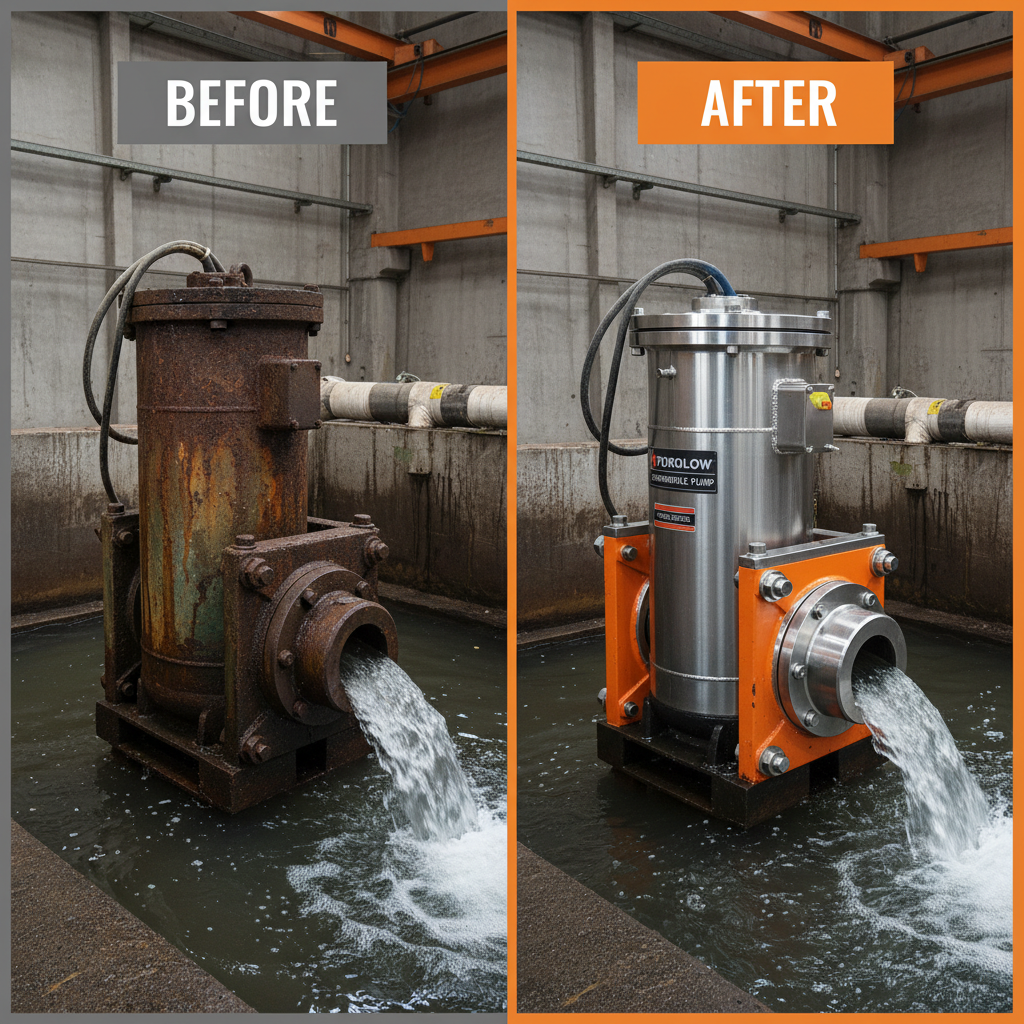 Understanding the Price Submersible Pump and Buyer GuideWhen searching for the ideal water management solution, understanding the price submersible pump options is crucial for balancing budget with performance. Whether you are dealing with a flooded basement, managing agricultural irrigation, or extracting water from a deep well, the cost of a submersible pump can vary significantly based on its build quality and capacity. Investing in a high-quality pump ensures long-term reliability and reduces the frequency of expensive replacements. In this guide, we will break down the factors that influence pricing and help you make an informed decision for your specific needs.Detail
 -
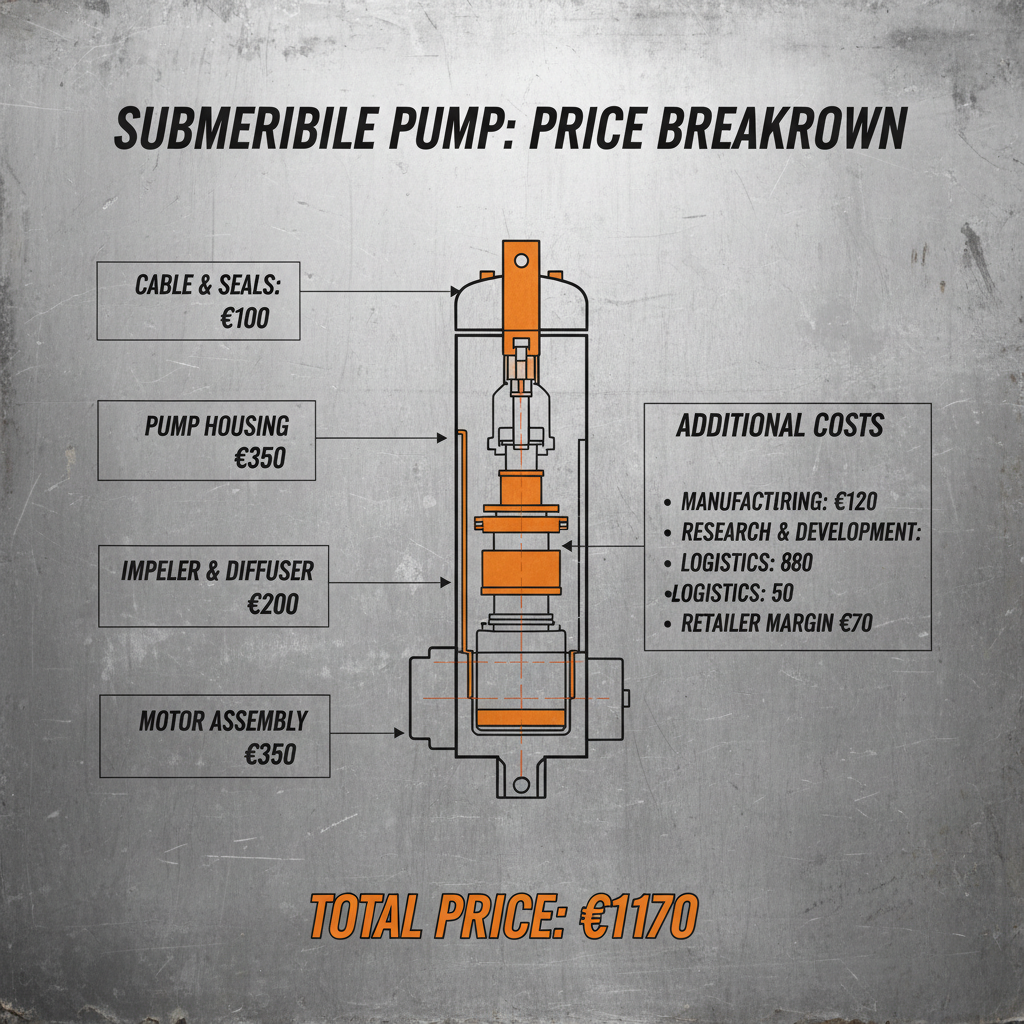 Factors Affecting the Price for Submersible Pump a Buyers GuideWhen investing in water management systems, understanding the price for submersible pump options is essential for balancing performance with budget. Whether you are managing a residential well, an industrial drainage project, or agricultural irrigation, the cost of a pump is rarely a flat fee; it is a reflection of the engineering, materials, and capacity required for your specific environment. In this guide, we will break down the factors that influence pricing and help you determine the best value for your investment to ensure long-term reliability and efficiency.Detail
 -
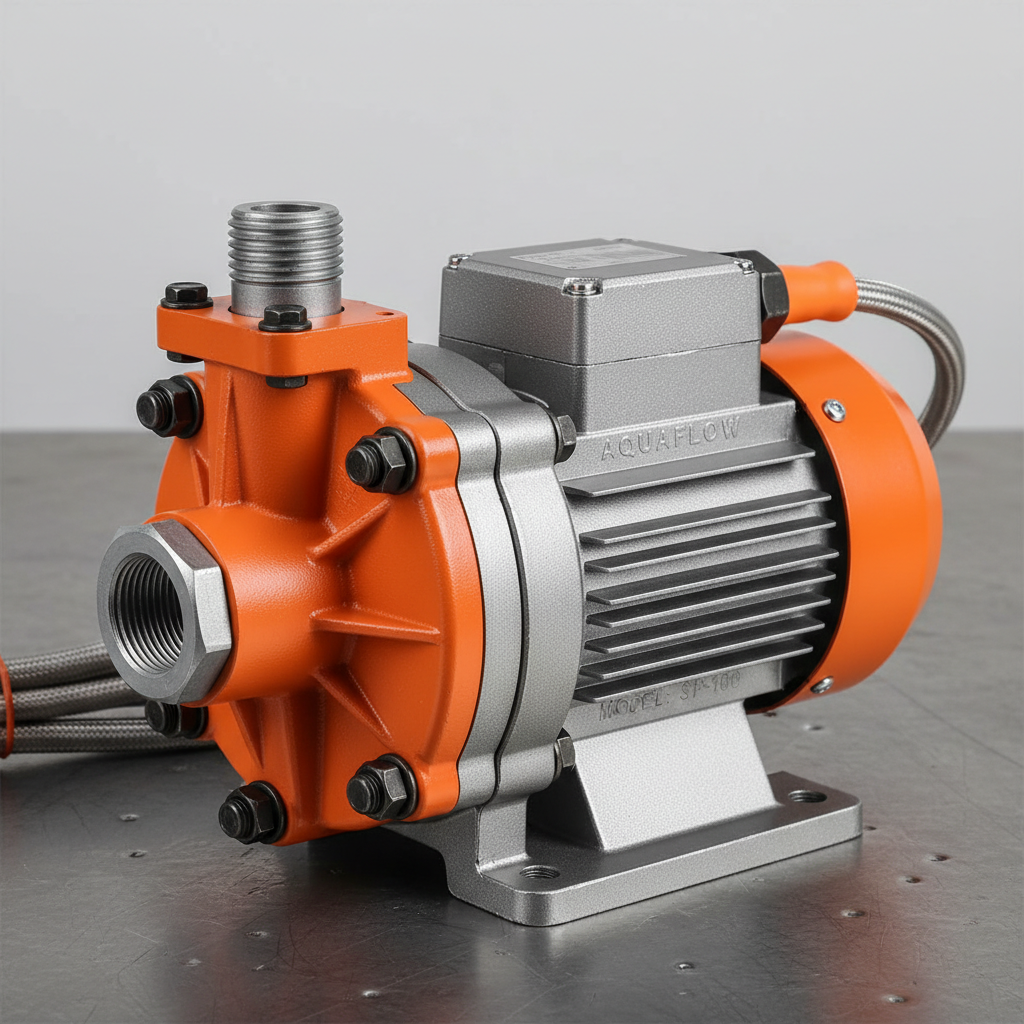 Choosing the Right Mini Submersible Fountain Pump for Optimal Water Feature PerformanceCreating a beautiful and relaxing water feature doesn't have to be complicated. A mini submersible fountain pump is the heart of any indoor or outdoor fountain, and selecting the right one is crucial for optimal performance and longevity. This article will guide you through the key considerations when choosing a mini submersible fountain pump, covering types, features, applications, and how to ensure you get the perfect pump for your project. We’ll also explore how Wellpumpact can provide you with the ideal solution.Detail
 Afrikaans
 Albanian
 Amharic
 Arabic
 Armenian
 Azerbaijani
 Basque
 Belarusian
 Bengali
 Bosnian
 Bulgarian
 Catalan
 Cebuano
 Corsican
 Croatian
 Czech
Czech
 Danish
 Dutch
Dutch
 Esperanto
 Estonian
 Finnish
 French
 Frisian
 Galician
 Georgian
 German
 Greek
Greek
 Gujarati
 Haitian Creole
 Hausa
Hausa
 Hawaiian
 Hebrew
 Hindi
Hindi
 Miao
Miao
 Hungarian
 Icelandic
 Igbo
Igbo
 Indonesian
 Irish
Irish
 Italian
 Japanese
 Javanese
 Kannada
 Kazakh
 Khmer
Khmer
 Rwandese
 Korean
 Kurdish
 Kyrgyz
 Lao
Lao
 Latin
Latin
 Latvian
 Lithuanian
 Luxembourgish
 Macedonian
 Malgashi
 Malay
Malay
 Malayalam
 Maltese
 Maori
Maori
 Marathi
 Mongolian
 Myanmar
 Nepali
 Norwegian
 Norwegian
 Occitan
 Pashto
 Persian
 Polish
 Portuguese
 Punjabi
 Romanian
 Russian
 Samoan
 Scottish Gaelic
 Serbian
 Sesotho
 Shona
Shona
 Sindhi
 Sinhala
 Slovak
 Slovenian
 Somali
 Spanish
 Sundanese
 Swahili
 Swedish
 Tagalog
 Tajik
Tajik
 Tamil
Tamil
 Tatar
Tatar
 Telugu
 Thai
Thai
 Turkish
 Turkmen
 Ukrainian
 Urdu
Urdu
 Uighur
 Uzbek
Uzbek
 Vietnamese
 Welsh
Welsh
 Bantu
Bantu
 Yiddish
 Yoruba
 Zulu
Zulu
 English