
Mar . 31, 2026 02:05 Back to list
Comprehensive Guide on How to Test a Submersible Water Well Pump Effectively
How to Test a Submersible Water Well Pump
Ensuring your submersible water well pump is functioning correctly is vital for a consistent water supply. A failing pump can lead to inconvenience, potential water damage, and costly repairs. This article will guide you through several methods to test your submersible water well pump, covering basic checks to more in-depth electrical assessments. Regularly testing your pump can help identify issues early on, saving you time and money. Maintaining a reliable water supply is crucial, and understanding how to assess your pump’s performance is the first step.

Basic Visual Inspection and Pressure Checks
Before diving into electrical tests, start with a visual inspection. Check the pressure tank for water level and ensure the pressure switch is functioning. A common initial test involves observing the water pressure at a faucet when the pump cycles on and off. A significant drop in pressure or inconsistent cycling could indicate a problem with the pump, well, or pressure tank. Listen for unusual noises coming from the well – humming, grinding, or rattling sounds can signal potential issues. Inspect the wiring connections at the well head for corrosion or damage. These simple checks provide a baseline understanding of your pump’s status.
Quick Check List: Begin with a thorough visual examination of the pressure tank, pressure switch, and all visible wiring. Listen attentively for unusual noises from the pump while it operates.
Testing Pump Amperage with a Multimeter
A critical step in testing a submersible well pump involves checking its amperage draw. Locate the pump’s electrical panel and disconnect the power. Using a multimeter set to measure amperage, connect the meter in series with the pump’s power supply. Restore power and observe the amperage reading while the pump is running. Compare this reading to the pump’s nameplate amperage. A significantly higher or lower reading indicates a potential issue – a high reading suggests a locked impeller or motor overload, while a low reading could indicate a failing motor. Always exercise extreme caution when working with electricity.
Understanding Amperage Readings:
• Higher than nameplate amperage: Potential motor overload or impeller issue.
• Lower than nameplate amperage: Possible failing motor.
• Consistent with nameplate amperage: Pump operating within normal parameters.
Voltage Testing at the Well Head
Insufficient voltage can severely impact a pump’s performance. Using a multimeter set to measure voltage, check the voltage at the well head while the pump is running. Compare this reading to the voltage rating of the pump. A significant drop in voltage indicates a problem with the wiring, the power supply, or a voltage drop due to distance. Low voltage can cause the pump to overheat and fail prematurely. Ensure all connections are tight and free of corrosion. This test helps identify electrical supply issues impacting the pump's operation.
How to Test a Submersible Pump for Shorts to Ground
A short to ground is a dangerous condition that can damage the pump and pose a safety hazard. To test for this, you'll need a megohmmeter (also known as an insulation resistance tester). With the pump disconnected from power, connect one lead of the megohmmeter to the pump's casing (ground) and the other lead to each of the pump's wires. A low resistance reading indicates a short to ground. If a short is detected, the pump needs to be repaired or replaced. This test should only be performed by qualified personnel due to the risk of electrical shock.
When to Call a Professional
While these tests can help diagnose common issues, some problems require professional attention. If you are uncomfortable working with electricity, or if you encounter a short to ground, immediately contact a qualified well pump technician. Similarly, if you suspect a problem with the well itself, such as a low water level or a clogged screen, professional assessment is essential. Attempting repairs beyond your skillset can be dangerous and potentially void your pump’s warranty. WellPumpAct offers expert repair and maintenance services to ensure your well system operates efficiently and reliably.
Conclusion: Proactive Pump Testing for Long-Term Reliability
Regularly testing your submersible well pump is a proactive measure that can save you significant time and money in the long run. By performing basic visual inspections and electrical tests, you can identify potential problems early on and prevent costly repairs or system failures. Remember to prioritize safety and consult a qualified professional when necessary. WellPumpAct is dedicated to providing reliable well pump services and ensuring you have a consistent and safe water supply.
Frequently Asked Questions (FAQs)
How often should I test my submersible well pump?
It's recommended to perform a basic visual inspection and pressure check monthly. More comprehensive tests, such as amperage and voltage checks, should be conducted at least annually, or more frequently if you notice any changes in water pressure or pump performance. Regular testing helps identify minor issues before they escalate into major problems. Keeping a log of your test results can also help you track your pump’s performance over time and identify potential trends.
What does a humming sound from the well indicate?
A humming sound often indicates that the pump is trying to run but is unable to do so due to a blockage, a locked impeller, or a low voltage supply. It could also suggest a problem with the pump’s motor. Do not continue running the pump if it's only humming, as this can cause further damage. Check the voltage supply first. If that’s adequate, it’s best to contact a professional to diagnose and address the underlying issue. Continuing to operate the pump under these conditions can lead to motor burnout and costly repairs.
Can I test the pump myself if I’m not an electrician?
You can safely perform basic visual inspections and pressure checks without being an electrician. However, any testing involving electrical components, such as amperage and voltage measurements, or testing for shorts to ground, should only be performed by a qualified electrician or well pump technician. Working with electricity can be dangerous, and improper procedures can lead to electrical shock or damage to the pump. Prioritize your safety and seek professional help when needed.
What are the signs that my well pump needs to be replaced?
Several signs indicate it's time to replace your well pump. These include frequent cycling (the pump turning on and off repeatedly), a significant drop in water pressure, a pump that runs constantly without delivering water, unusual noises (grinding, rattling), and low amperage readings. If the pump is old (typically over 15-20 years), it's also a good idea to consider replacement, even if it's still functioning. Regularly scheduled maintenance and inspections from WellPumpAct can help you determine the best course of action.
-
Understanding the Price Submersible Pump and Buyer Guide
NewsApr.16,2026
-
Factors Affecting the Price for Submersible Pump a Buyers Guide
NewsApr.09,2026
-
Choosing the Right Mini Submersible Fountain Pump for Optimal Water Feature Performance
NewsApr.07,2026
-
A Detailed Guide to Installing a Submersible Pump for Optimal Performance
NewsApr.04,2026
-
Comprehensive Guide on How to Test a Submersible Water Well Pump Effectively
NewsMar.31,2026
-
Learn How to Replace a Submersible Well Pump Safely and Effectively
NewsMar.28,2026
-
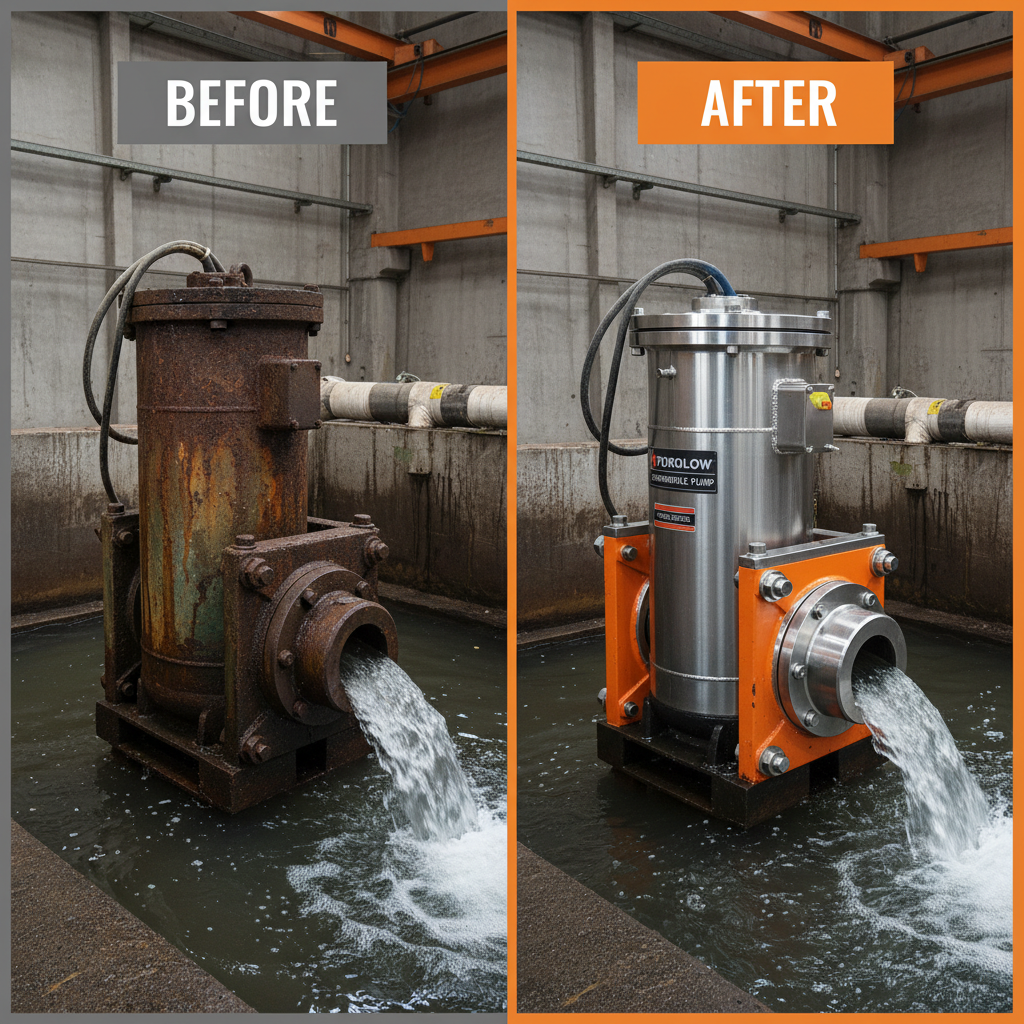 Understanding the Price Submersible Pump and Buyer GuideWhen searching for the ideal water management solution, understanding the price submersible pump options is crucial for balancing budget with performance. Whether you are dealing with a flooded basement, managing agricultural irrigation, or extracting water from a deep well, the cost of a submersible pump can vary significantly based on its build quality and capacity. Investing in a high-quality pump ensures long-term reliability and reduces the frequency of expensive replacements. In this guide, we will break down the factors that influence pricing and help you make an informed decision for your specific needs.Detail
 -
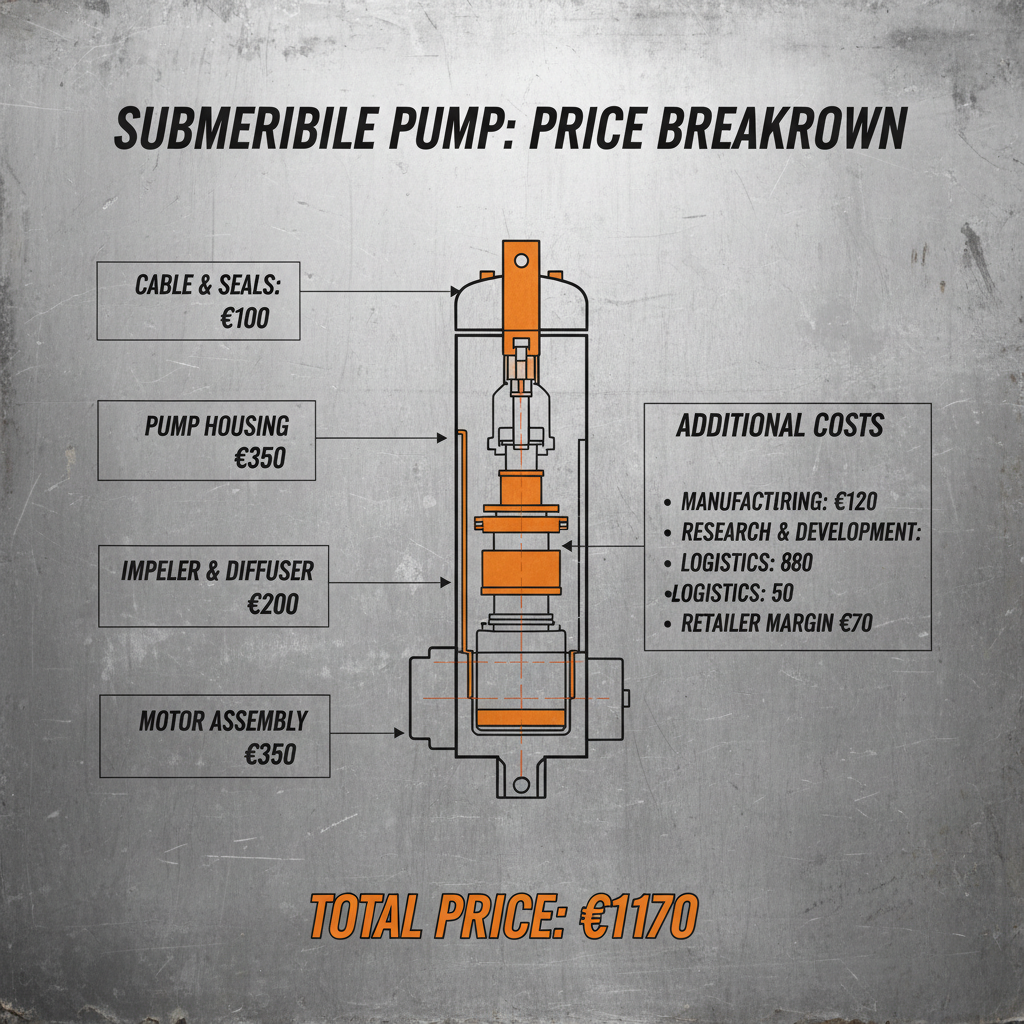 Factors Affecting the Price for Submersible Pump a Buyers GuideWhen investing in water management systems, understanding the price for submersible pump options is essential for balancing performance with budget. Whether you are managing a residential well, an industrial drainage project, or agricultural irrigation, the cost of a pump is rarely a flat fee; it is a reflection of the engineering, materials, and capacity required for your specific environment. In this guide, we will break down the factors that influence pricing and help you determine the best value for your investment to ensure long-term reliability and efficiency.Detail
 -
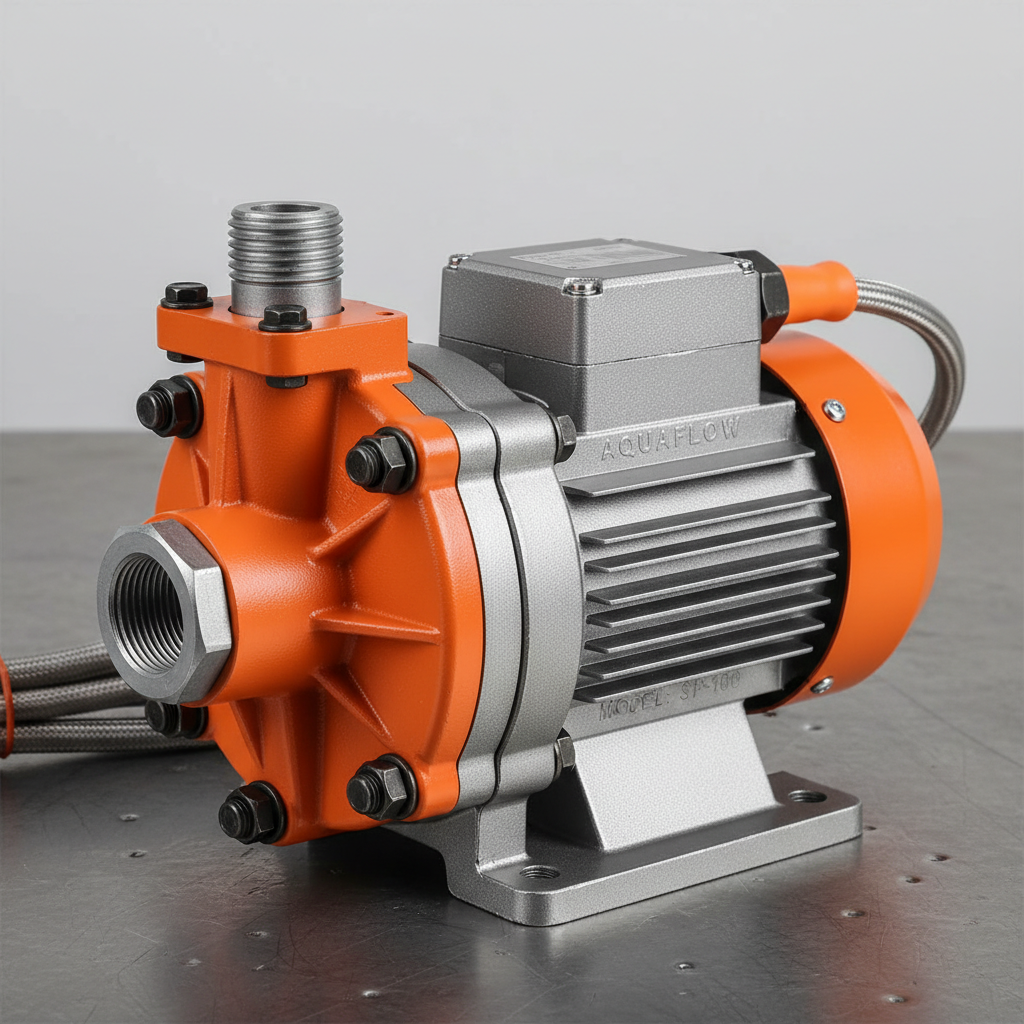 Choosing the Right Mini Submersible Fountain Pump for Optimal Water Feature PerformanceCreating a beautiful and relaxing water feature doesn't have to be complicated. A mini submersible fountain pump is the heart of any indoor or outdoor fountain, and selecting the right one is crucial for optimal performance and longevity. This article will guide you through the key considerations when choosing a mini submersible fountain pump, covering types, features, applications, and how to ensure you get the perfect pump for your project. We’ll also explore how Wellpumpact can provide you with the ideal solution.Detail
 Afrikaans
 Albanian
 Amharic
 Arabic
 Armenian
 Azerbaijani
 Basque
 Belarusian
 Bengali
 Bosnian
 Bulgarian
 Catalan
 Cebuano
 Corsican
 Croatian
 Czech
Czech
 Danish
 Dutch
Dutch
 Esperanto
 Estonian
 Finnish
 French
 Frisian
 Galician
 Georgian
 German
 Greek
Greek
 Gujarati
 Haitian Creole
 Hausa
Hausa
 Hawaiian
 Hebrew
 Hindi
Hindi
 Miao
Miao
 Hungarian
 Icelandic
 Igbo
Igbo
 Indonesian
 Irish
Irish
 Italian
 Japanese
 Javanese
 Kannada
 Kazakh
 Khmer
Khmer
 Rwandese
 Korean
 Kurdish
 Kyrgyz
 Lao
Lao
 Latin
Latin
 Latvian
 Lithuanian
 Luxembourgish
 Macedonian
 Malgashi
 Malay
Malay
 Malayalam
 Maltese
 Maori
Maori
 Marathi
 Mongolian
 Myanmar
 Nepali
 Norwegian
 Norwegian
 Occitan
 Pashto
 Persian
 Polish
 Portuguese
 Punjabi
 Romanian
 Russian
 Samoan
 Scottish Gaelic
 Serbian
 Sesotho
 Shona
Shona
 Sindhi
 Sinhala
 Slovak
 Slovenian
 Somali
 Spanish
 Sundanese
 Swahili
 Swedish
 Tagalog
 Tajik
Tajik
 Tamil
Tamil
 Tatar
Tatar
 Telugu
 Thai
Thai
 Turkish
 Turkmen
 Ukrainian
 Urdu
Urdu
 Uighur
 Uzbek
Uzbek
 Vietnamese
 Welsh
Welsh
 Bantu
Bantu
 Yiddish
 Yoruba
 Zulu
Zulu
 English