
Nov . 30, 2025 21:15 Back to list
Submersible Dewatering Pumps: Critical Solutions for Water Management and Flood Control
Understanding the Importance of Submersible Dewatering Pumps
Globally, water management remains one of the most pressing challenges facing industries, governments, and humanitarian organizations alike. Among the many tools that help tackle this issue, the submersible dewatering pump stands out as a critical piece of equipment. These pumps not only protect construction sites, mining operations, and disaster zones by removing unwanted water efficiently, but they also play a vital role in preventing soil erosion, flooding, and infrastructure damage worldwide.
Why should you care? Because everywhere from urban Africa to remote parts of Southeast Asia, this pump quietly ensures progress goes on uninterrupted and communities stay safe. Understanding how these devices work and what makes a quality submersible dewatering pump can save time, money, and sometimes even lives.
Why Submersible Dewatering Pumps Matter in Today's World
Consider these numbers: The UN estimates that around 1.6 billion people live in areas hit by water-related disasters at least once every five years. Meanwhile, construction activity worldwide is booming — the World Bank points out infrastructure investments are set to reach trillions in the coming decade. Both realities need solid water control solutions.
Enter the submersible dewatering pump. This seemingly humble device addresses the constant problem of unwanted water accumulation, which not only delays projects but can lead to serious safety hazards. With climate change increasing weather extremes, the demand for reliable dewatering solutions skyrockets too.
What Exactly Is a Submersible Dewatering Pump?
Simply put, a submersible dewatering pump is a pump designed to be completely submerged in water or liquid to remove or relocate it efficiently. Unlike surface pumps, submersible types are sealed to prevent water ingress, offering a compact and mobile solution for draining flooded areas, mines, or construction pits.
In practical terms, these pumps combine a motor and pump unit sealed into one body — a design that minimizes noise, reduces cavitation risk, and allows for deep operation where surface pumps can’t reach. They're crucial not just for heavy industry but also for emergency and humanitarian responses, ensuring timely drainage and mitigating water damage.
Core Components and Key Features of Dewatering Pumps
1. Durability and Material Quality
These pumps often face harsh environments — abrasive sludge, sediment, or chemicals. Manufacturers typically choose cast iron, stainless steel, or specialized polymers for casings and impellers to withstand corrosion and wear.
2. Pumping Capacity and Efficiency
Measured in liters per minute (L/min) or gallons per minute (GPM), a pump’s capacity determines how quickly it can clear water. Efficiency also involves power consumption, which impacts operating costs, especially on longer jobs.
3. Portability and Ease of Deployment
Whether it’s an emergency flood or ongoing mining, how quickly you can move and set up the pump matters. Lightweight designs with integrated handles or hoists improve mobility on tight job sites.
4. Power Source Flexibility
Energizing the pump can be via electric (corded or battery), diesel, or solar systems — each with trade-offs around environmental impact and fuel availability.
5. Safety Features
Automatic shut-off sensors for dry running prevention or overheating help avoid costly damage. Thermal protection and insulation also ensure longevity and dependable operation.
6. Scalability and Customization
From small portable models to large industrial pumps, customization for discharge height, hose diameter, and power ratings ensures the pump fits the project scope.
Product Specification Table: Example Submersible Dewatering Pumps
| Model | Power Source | Max Flow Rate (GPM) | Max Head (ft) | Weight (lbs) | Material |
|---|---|---|---|---|---|
| AquaMove X100 | Electric (Corded) | 500 | 65 | 40 | Cast Iron |
| DrainMaster 2500 | Diesel | 1200 | 80 | 110 | Stainless Steel |
| EcoFlow Mini | Solar/Battery | 150 | 30 | 25 | Composite Polymer |
Mini takeaway: Different projects demand different pumps — balancing power, durability, and portability is key to success.
Where Are Submersible Dewatering Pumps Making a Difference?
Applications run the gamut, but a few stand out:
- Mining sites in Australia and South America rely heavily on these pumps to keep pits dry and safe.
- Construction industries worldwide — whether in urban skyscraper foundations or infrastructure projects like subway tunnels.
- Disaster relief operations: In flood-prone regions like Bangladesh and coastal U.S. states, rapid water removal is lifesaving.
- Agricultural drainage for maintaining soil quality and protecting crops, particularly across India and parts of Africa.
For example, after Typhoon Haiyan in 2013, NGOs swiftly deployed submersible dewatering pumps to drain flooded communities, enabling faster recovery and reducing disease risks.
Advantages of Using Submersible Dewatering Pumps
Besides the obvious (draining water), these pumps deliver a host of benefits:
- Cost-effectiveness: Minimizing delays on projects saves money and resources.
- Environmental sustainability: Modern pumps with solar options reduce fuel dependence and emissions.
- Reliability and safety: With built-in protections, workers face fewer hazards.
- Social impact: Keeping areas flood-free safeguards communities’ health and dignity.
It feels like a simple tool, but trust me, when you’re knee-deep in mud at 3 a.m. trying to keep things moving, that reliability is priceless.
Innovations Shaping the Future of Dewatering Pumps
Emerging tech isn’t ignoring these trusty workhorses. Some trends I’ve noticed:
- Smart sensors and IoT integration: Pumps that report operational status remotely help avoid downtime.
- More eco-friendly power options: Solar-powered pumps with battery backups are becoming mainstream.
- Advanced materials: Lightweight composites that resist corrosion and abrasion extend pump lifespans.
- Automation and remote control: For dangerous or hard-to-reach sites, removing the operator from hazardous zones.
Common Challenges and How Experts Overcome Them
Of course, nothing is perfect:
- Clogging: Abrasive debris or sludge can jam pumps. Solution? Pumps with agitators or vortex impellers handle solids better.
- Power availability: Remote sites may lack electricity. Hybrid or solar pumps help bridge this gap.
- Cost of maintenance: Keeping seals and motors in top shape is crucial—routine checks and modular parts make repair easier.
Many engineers advocate for comprehensive training and scheduled maintenance to keep operations smooth — makes sense, right?
Vendor Comparison: Leading Submersible Dewatering Pump Providers
| Vendor | Price Range | Warranty | Focus Market | Special Features |
|---|---|---|---|---|
| PumpTech Solutions | $1,200–$5,000 | 2 years | Mining, Construction | Smart Monitor |
| GreenFlow Pumps | $900–$3,500 | 1.5 years | Agriculture, Disaster Relief | Solar Powered Models |
| HydroMax | $1,500–$6,200 | 3 years | Industrial, Emergency Services | Heavy Duty, High Head Pumps |
Frequently Asked Questions About Submersible Dewatering Pumps
Q1: How do I choose the right size submersible dewatering pump?
A: You need to consider the volume of water to be removed, the depth of dewatering (head), and the nature of the fluid (clean or slurry). Always check the pump’s flow rate and maximum head in the specs to match your project requirements.
Q2: Can these pumps handle solids or debris?
A: Many submersible dewatering pumps are designed with vortex impellers or agitators to handle suspended solids, but if heavy sludge or large debris is expected, choose models specifically rated for solids handling.
Q3: What maintenance is required to keep the pump running smoothly?
A: Routine inspections for seal integrity, lubrication of bearings, and cleaning of intakes are vital. Manufacturers’ manuals typically recommend regular maintenance intervals to ensure longevity.
Q4: Are solar-powered submersible dewatering pumps viable for remote areas?
A: Definitely. Modern solar pumps paired with battery storage provide an eco-friendly, independent power source, especially useful in regions lacking reliable grid electricity.
Q5: How quickly can a submersible pump be deployed in emergency situations?
A: Many portable units are designed for fast setup, sometimes under an hour, allowing rapid floodwater removal. Pre-planning and training help maximize efficiency during crisis.
Wrapping Up: Why the Submersible Dewatering Pump Is a Game-Changer
In real terms, the value of a solid submersible dewatering pump goes beyond pumping water. It’s about ensuring safety, accelerating progress, and protecting communities from one of nature’s most troublesome elements. Whether you’re managing a construction site, responding to a disaster, or maintaining farmland, these pumps offer a blend of innovation, durability, and versatility few other tools can match.
If you’re ready to explore options that fit your needs — from portable to industrial grades — visit https://www.wellpumpact.com and dive into detailed specs, user reviews, and expert guidance. Because sometimes the best flood control solution is just a well-chosen pump away.
Mini takeaway: The right submersible dewatering pump isn’t just a purchase; it’s an investment in reliability and peace of mind under watery pressure.
References
-
Understanding the Price Submersible Pump and Buyer Guide
NewsApr.16,2026
-
Factors Affecting the Price for Submersible Pump a Buyers Guide
NewsApr.09,2026
-
Choosing the Right Mini Submersible Fountain Pump for Optimal Water Feature Performance
NewsApr.07,2026
-
A Detailed Guide to Installing a Submersible Pump for Optimal Performance
NewsApr.04,2026
-
Comprehensive Guide on How to Test a Submersible Water Well Pump Effectively
NewsMar.31,2026
-
Learn How to Replace a Submersible Well Pump Safely and Effectively
NewsMar.28,2026
-
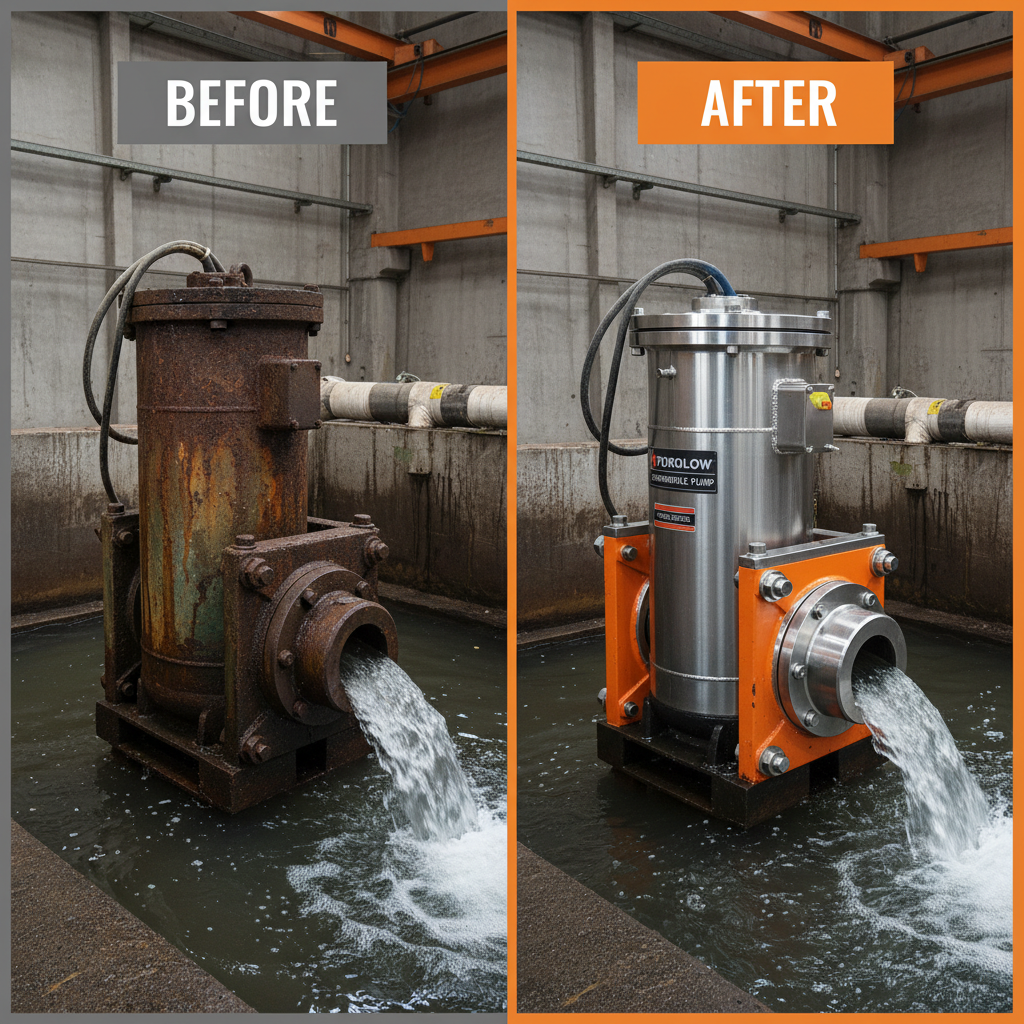 Understanding the Price Submersible Pump and Buyer GuideWhen searching for the ideal water management solution, understanding the price submersible pump options is crucial for balancing budget with performance. Whether you are dealing with a flooded basement, managing agricultural irrigation, or extracting water from a deep well, the cost of a submersible pump can vary significantly based on its build quality and capacity. Investing in a high-quality pump ensures long-term reliability and reduces the frequency of expensive replacements. In this guide, we will break down the factors that influence pricing and help you make an informed decision for your specific needs.Detail
 -
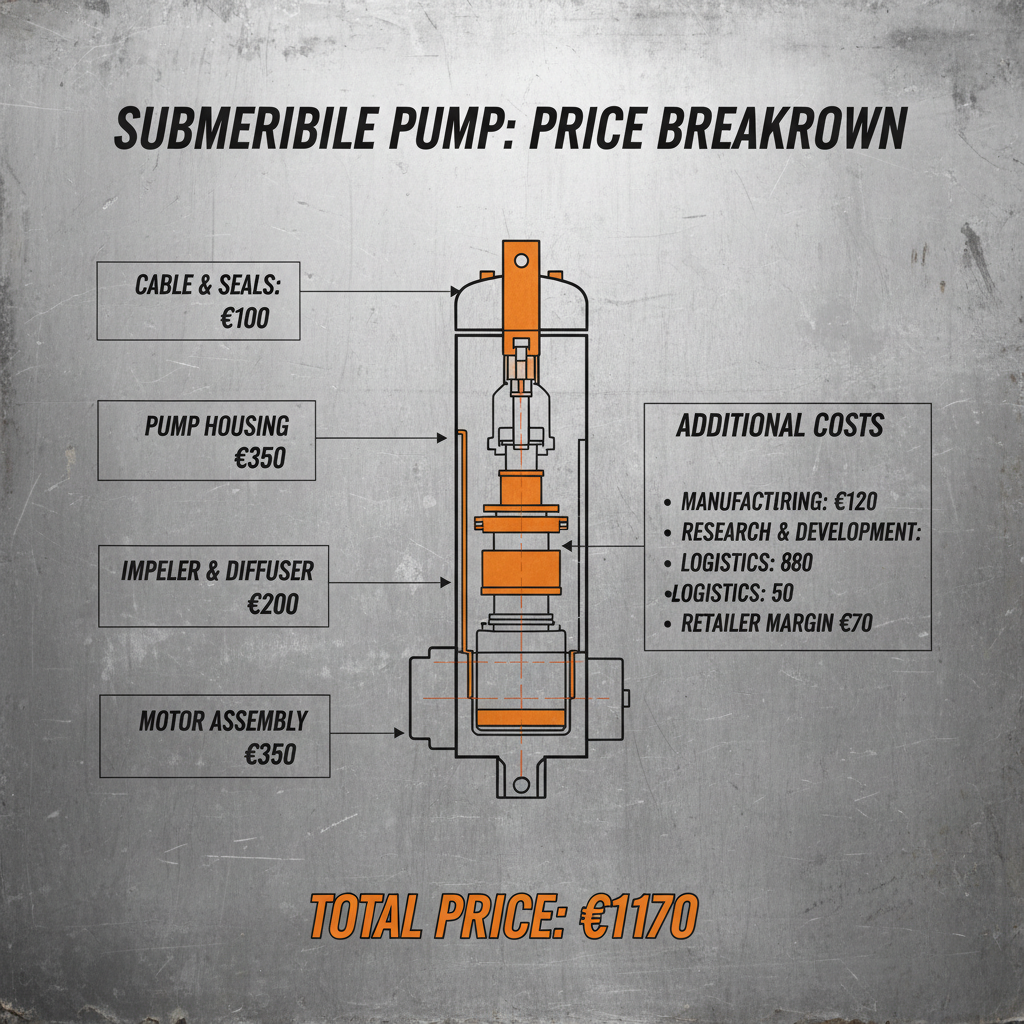 Factors Affecting the Price for Submersible Pump a Buyers GuideWhen investing in water management systems, understanding the price for submersible pump options is essential for balancing performance with budget. Whether you are managing a residential well, an industrial drainage project, or agricultural irrigation, the cost of a pump is rarely a flat fee; it is a reflection of the engineering, materials, and capacity required for your specific environment. In this guide, we will break down the factors that influence pricing and help you determine the best value for your investment to ensure long-term reliability and efficiency.Detail
 -
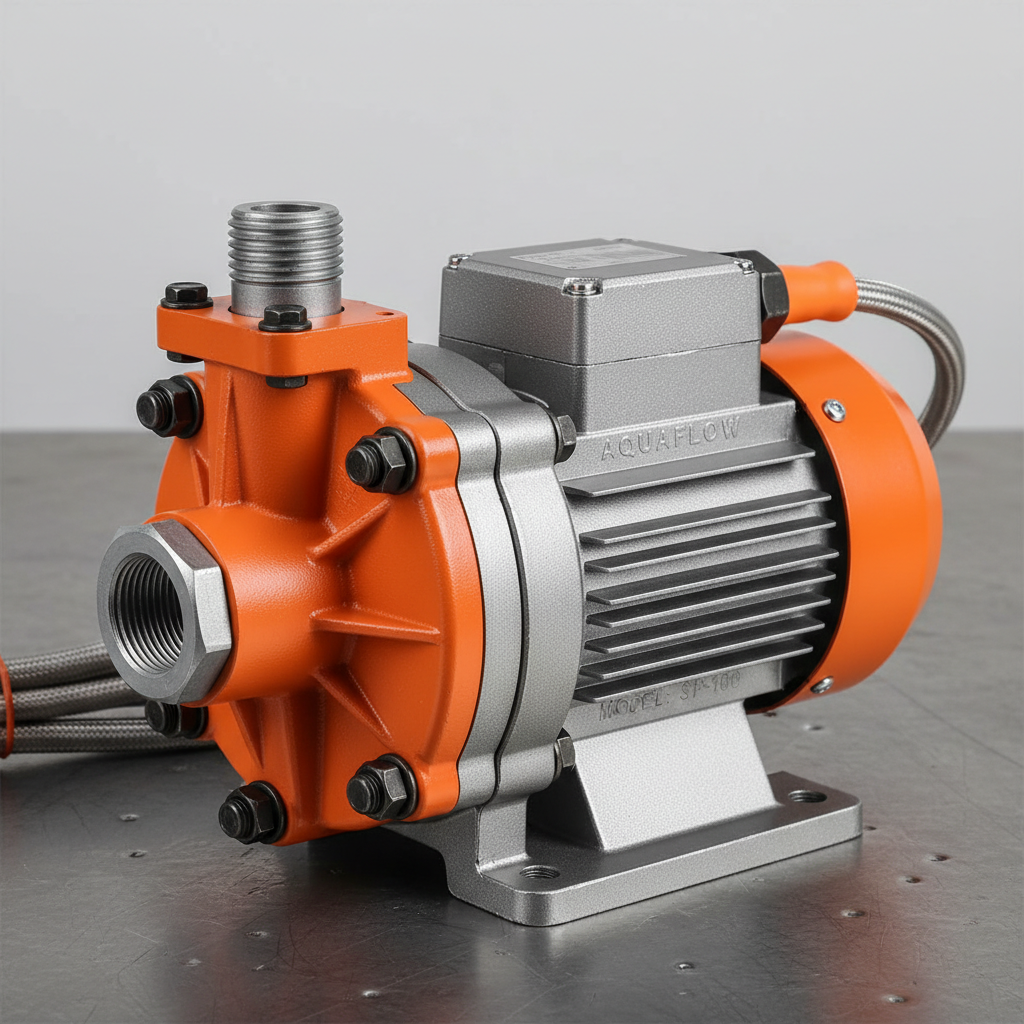 Choosing the Right Mini Submersible Fountain Pump for Optimal Water Feature PerformanceCreating a beautiful and relaxing water feature doesn't have to be complicated. A mini submersible fountain pump is the heart of any indoor or outdoor fountain, and selecting the right one is crucial for optimal performance and longevity. This article will guide you through the key considerations when choosing a mini submersible fountain pump, covering types, features, applications, and how to ensure you get the perfect pump for your project. We’ll also explore how Wellpumpact can provide you with the ideal solution.Detail
 Afrikaans
 Albanian
 Amharic
 Arabic
 Armenian
 Azerbaijani
 Basque
 Belarusian
 Bengali
 Bosnian
 Bulgarian
 Catalan
 Cebuano
 Corsican
 Croatian
 Czech
Czech
 Danish
 Dutch
Dutch
 Esperanto
 Estonian
 Finnish
 French
 Frisian
 Galician
 Georgian
 German
 Greek
Greek
 Gujarati
 Haitian Creole
 Hausa
Hausa
 Hawaiian
 Hebrew
 Hindi
Hindi
 Miao
Miao
 Hungarian
 Icelandic
 Igbo
Igbo
 Indonesian
 Irish
Irish
 Italian
 Japanese
 Javanese
 Kannada
 Kazakh
 Khmer
Khmer
 Rwandese
 Korean
 Kurdish
 Kyrgyz
 Lao
Lao
 Latin
Latin
 Latvian
 Lithuanian
 Luxembourgish
 Macedonian
 Malgashi
 Malay
Malay
 Malayalam
 Maltese
 Maori
Maori
 Marathi
 Mongolian
 Myanmar
 Nepali
 Norwegian
 Norwegian
 Occitan
 Pashto
 Persian
 Polish
 Portuguese
 Punjabi
 Romanian
 Russian
 Samoan
 Scottish Gaelic
 Serbian
 Sesotho
 Shona
Shona
 Sindhi
 Sinhala
 Slovak
 Slovenian
 Somali
 Spanish
 Sundanese
 Swahili
 Swedish
 Tagalog
 Tajik
Tajik
 Tamil
Tamil
 Tatar
Tatar
 Telugu
 Thai
Thai
 Turkish
 Turkmen
 Ukrainian
 Urdu
Urdu
 Uighur
 Uzbek
Uzbek
 Vietnamese
 Welsh
Welsh
 Bantu
Bantu
 Yiddish
 Yoruba
 Zulu
Zulu
 English