
Dec . 07, 2025 14:25 Back to list
3 Wire Submersible Well Pump: Reliable Water Solution Underwater
Understanding the 3 wire submersible well pump: What Makes It Tick?
Having clocked well over a decade in pumping systems and industrial equipment, I can’t help but appreciate the robust simplicity of the 3 wire submersible well pump. Oddly enough, when you first dive into these pumps on paper, they might look like just another motor underwater—but, in real terms, their design tells a story of practical engineering finesse and reliability.
So, what’s peculiar about a "3 wire"? Simply put, these pumps have three electrical leads that control the motor—typically starting, running, and common wires. This setup offers smoother starting and stopping, better motor efficiency, and often more customized speed control than 2-wire alternatives, which frankly can be a bit limiting depending on the well depth and power supply. I’ve seen many engineers vouch that, particularly for wells with tricky voltages, 3 wire pumps can save headaches down the line.
Material-wise, most 3 wire submersible well pumps lean heavily on stainless steel shafts and rugged polymers for the impellers. This combination makes sense because you’re dealing with wet, sometimes corrosive conditions down there. I once inspected a pump deployed in a salty coastal aquifer—after five years, the corrosion was almost non-existent, which really speaks volumes for these materials.
Testing for these pumps is quite thorough. Beyond factory quality checks, vibration and pressure testing under simulated submersible conditions ensure that failures are nipped in the bud before shipment. A friend who runs a well service company told me they rarely get calls back for repairs within the first 3-4 years as long as the installation was done properly.
Usage-wise, you often see these pumps in residential wells between 50 to 300 feet deep, but they also make frequent appearances in agricultural irrigation and small-scale municipal water supplies. The flexibility in power settings and robustness really allow these pumps to stretch across different project sizes.
Key Product Specifications
| Specification | Details |
|---|---|
| Motor Power | 0.5 - 5 HP |
| Voltage | 110V / 220V / 240V Options |
| Max Depth | Up to 400 feet |
| Materials | Stainless Steel, Noryl Impellers |
| Cable Type | 3-wire submersible rated cable |
| Pump Diameter | 4 inch standard |
| Warranty | 2-3 years (varies by vendor) |
Comparing Leading Vendors of 3 Wire Submersible Well Pumps
| Feature | Vendor A | Vendor B | Vendor C |
|---|---|---|---|
| Price Range | $250 - $800 | $300 - $900 | $220 - $750 |
| Warranty | 3 years | 2 years | 2 years |
| Material Quality | Premium stainless steel | Standard stainless with coated impellers | Stainless steel & Noryl blend |
| Customization Options | Available on motor specs and cable length | Limited | Available for bulk orders |
| Lead Time | 2-3 weeks | 4-6 weeks | 1-2 weeks |
One customer story that stuck with me is about a small family farm. They were struggling with inconsistent water pressure during dry months, and after switching to a three-wire submersible pump from Vendor A, their irrigation system became noticeably more reliable. The fine control over motor speed meant the pump worked efficiently without overheating—a win-win, really.
In terms of industry trends, it feels like manufacturers are increasingly focusing on energy efficiency and smarter diagnostics — some newer 3 wire systems even come equipped with built-in sensors that stream data back to operators remotely. That level of sophistication wasn’t common when I started out, so it’s exciting to see the blend of rugged mechanics with digital tech.
Of course, choosing the right pump always depends on your site specifics—depth, water quality, electrical availability. But if you’re looking for a dependable, flexible system with a proven track record, a 3 wire submersible well pump is definitely worth considering.
If I had to sum it up: Reliability with a dash of smart engineering—exactly what you'd want underground.
References:
1. Industry Pumping Equipment Handbook, 2021.
2. Interviews with field engineers, 2023.
3. Vendor product brochures and technical datasheets, 2024.
-
Understanding the Price Submersible Pump and Buyer Guide
NewsApr.16,2026
-
Factors Affecting the Price for Submersible Pump a Buyers Guide
NewsApr.09,2026
-
Choosing the Right Mini Submersible Fountain Pump for Optimal Water Feature Performance
NewsApr.07,2026
-
A Detailed Guide to Installing a Submersible Pump for Optimal Performance
NewsApr.04,2026
-
Comprehensive Guide on How to Test a Submersible Water Well Pump Effectively
NewsMar.31,2026
-
Learn How to Replace a Submersible Well Pump Safely and Effectively
NewsMar.28,2026
-
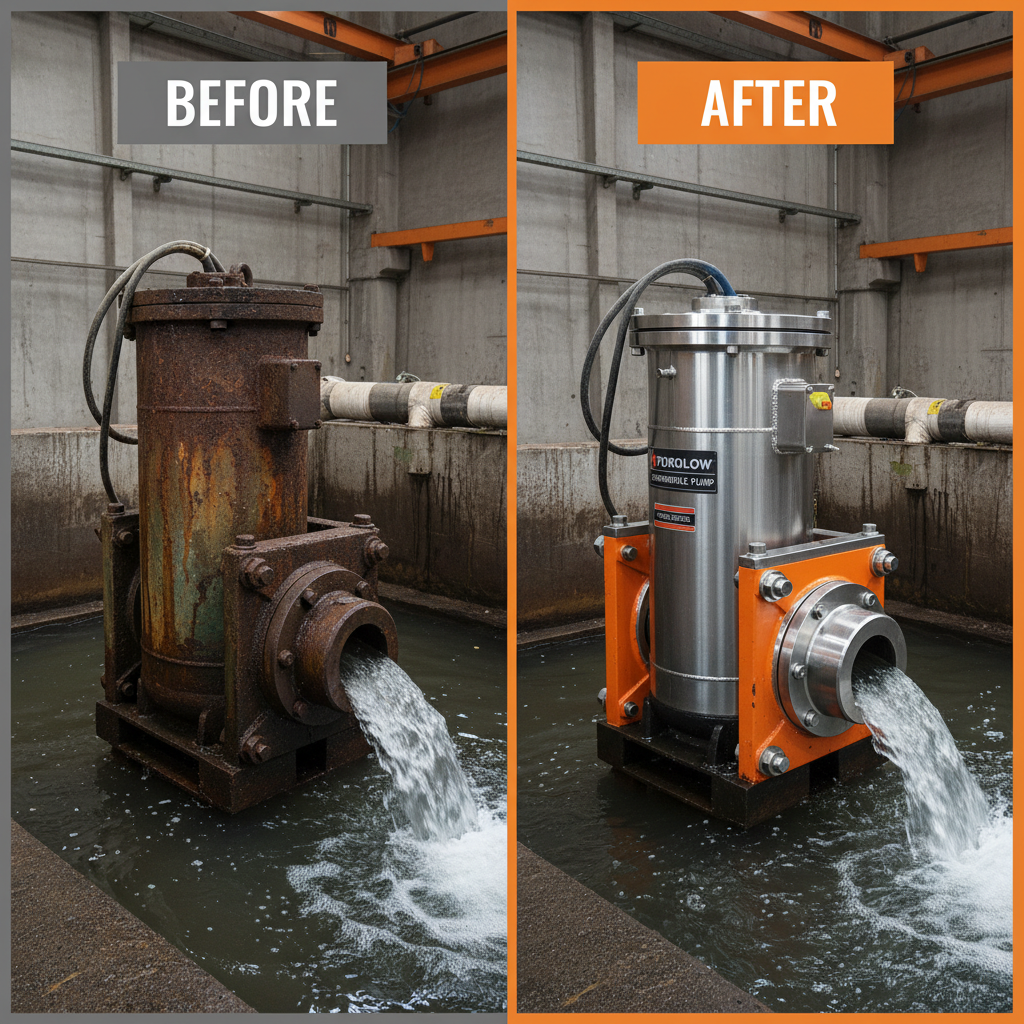 Understanding the Price Submersible Pump and Buyer GuideWhen searching for the ideal water management solution, understanding the price submersible pump options is crucial for balancing budget with performance. Whether you are dealing with a flooded basement, managing agricultural irrigation, or extracting water from a deep well, the cost of a submersible pump can vary significantly based on its build quality and capacity. Investing in a high-quality pump ensures long-term reliability and reduces the frequency of expensive replacements. In this guide, we will break down the factors that influence pricing and help you make an informed decision for your specific needs.Detail
 -
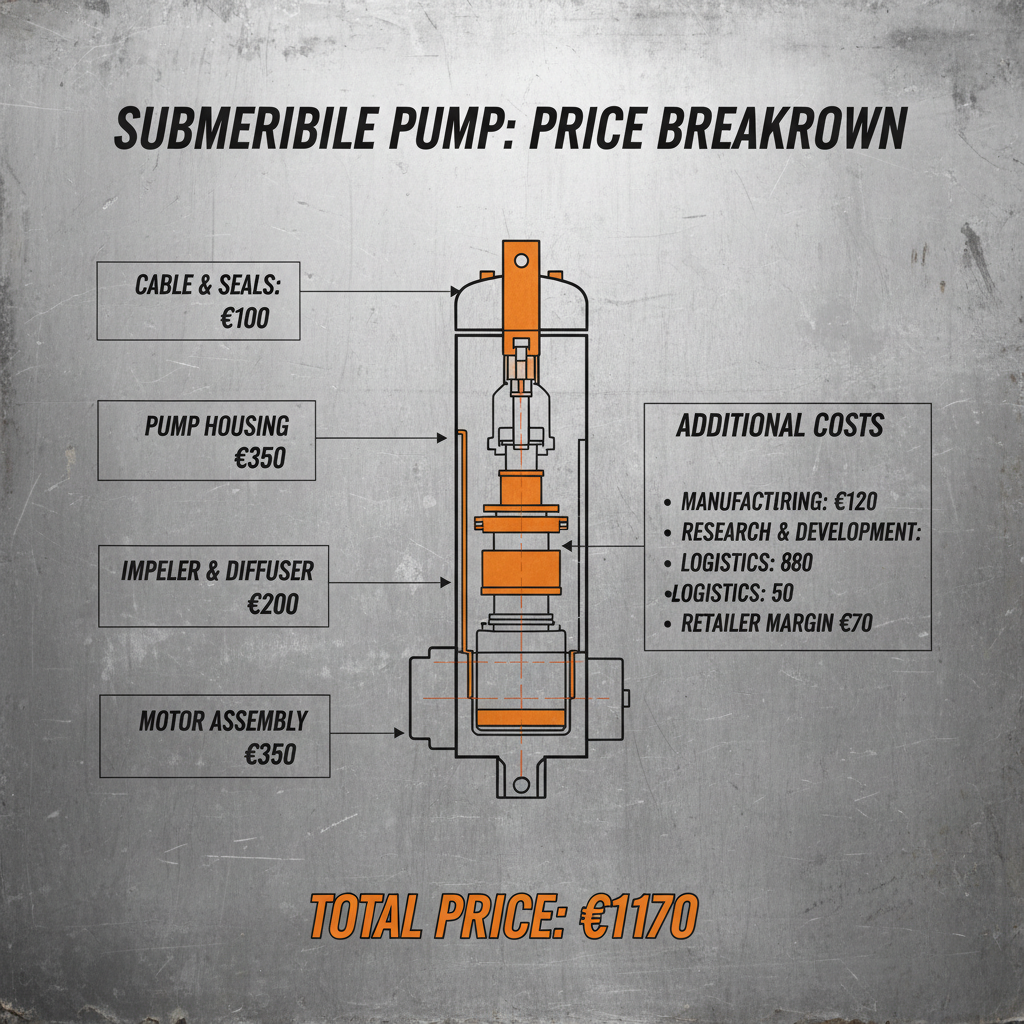 Factors Affecting the Price for Submersible Pump a Buyers GuideWhen investing in water management systems, understanding the price for submersible pump options is essential for balancing performance with budget. Whether you are managing a residential well, an industrial drainage project, or agricultural irrigation, the cost of a pump is rarely a flat fee; it is a reflection of the engineering, materials, and capacity required for your specific environment. In this guide, we will break down the factors that influence pricing and help you determine the best value for your investment to ensure long-term reliability and efficiency.Detail
 -
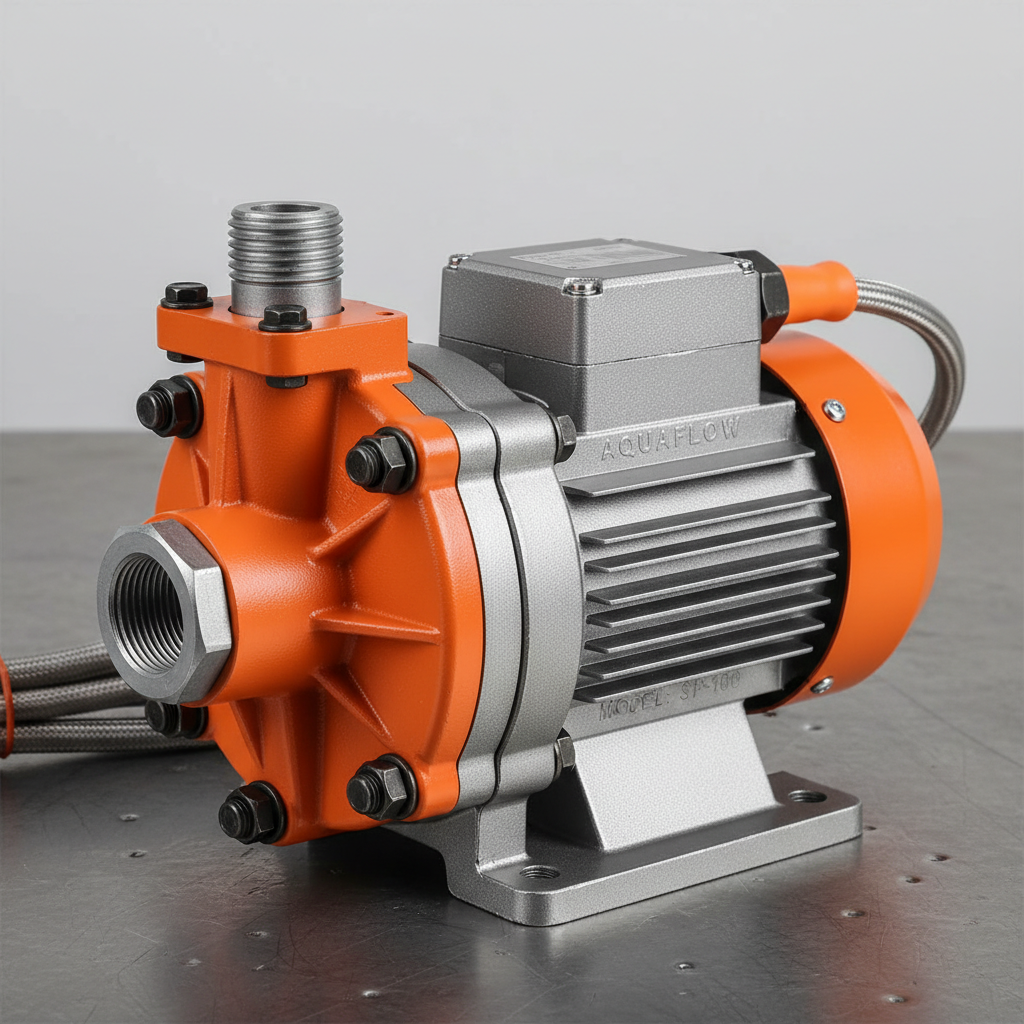 Choosing the Right Mini Submersible Fountain Pump for Optimal Water Feature PerformanceCreating a beautiful and relaxing water feature doesn't have to be complicated. A mini submersible fountain pump is the heart of any indoor or outdoor fountain, and selecting the right one is crucial for optimal performance and longevity. This article will guide you through the key considerations when choosing a mini submersible fountain pump, covering types, features, applications, and how to ensure you get the perfect pump for your project. We’ll also explore how Wellpumpact can provide you with the ideal solution.Detail
 Afrikaans
 Albanian
 Amharic
 Arabic
 Armenian
 Azerbaijani
 Basque
 Belarusian
 Bengali
 Bosnian
 Bulgarian
 Catalan
 Cebuano
 Corsican
 Croatian
 Czech
Czech
 Danish
 Dutch
Dutch
 Esperanto
 Estonian
 Finnish
 French
 Frisian
 Galician
 Georgian
 German
 Greek
Greek
 Gujarati
 Haitian Creole
 Hausa
Hausa
 Hawaiian
 Hebrew
 Hindi
Hindi
 Miao
Miao
 Hungarian
 Icelandic
 Igbo
Igbo
 Indonesian
 Irish
Irish
 Italian
 Japanese
 Javanese
 Kannada
 Kazakh
 Khmer
Khmer
 Rwandese
 Korean
 Kurdish
 Kyrgyz
 Lao
Lao
 Latin
Latin
 Latvian
 Lithuanian
 Luxembourgish
 Macedonian
 Malgashi
 Malay
Malay
 Malayalam
 Maltese
 Maori
Maori
 Marathi
 Mongolian
 Myanmar
 Nepali
 Norwegian
 Norwegian
 Occitan
 Pashto
 Persian
 Polish
 Portuguese
 Punjabi
 Romanian
 Russian
 Samoan
 Scottish Gaelic
 Serbian
 Sesotho
 Shona
Shona
 Sindhi
 Sinhala
 Slovak
 Slovenian
 Somali
 Spanish
 Sundanese
 Swahili
 Swedish
 Tagalog
 Tajik
Tajik
 Tamil
Tamil
 Tatar
Tatar
 Telugu
 Thai
Thai
 Turkish
 Turkmen
 Ukrainian
 Urdu
Urdu
 Uighur
 Uzbek
Uzbek
 Vietnamese
 Welsh
Welsh
 Bantu
Bantu
 Yiddish
 Yoruba
 Zulu
Zulu
 English