
Jun . 09, 2025 22:29 Back to list
Expert Guide How to Test a Submersible Water Well Pump Safely
- Importance of regular testing for well pump performance and longevity
- Required tools and safety protocols for accurate diagnostics
- Measuring critical electrical parameters with multimeter step-by-step
- Comparing leading manufacturers' pump testing features and specifications
- Specialized testing protocols for different operating conditions
- Analyzing system pressure behavior for performance assessment
- Troubleshooting common failure patterns using test data
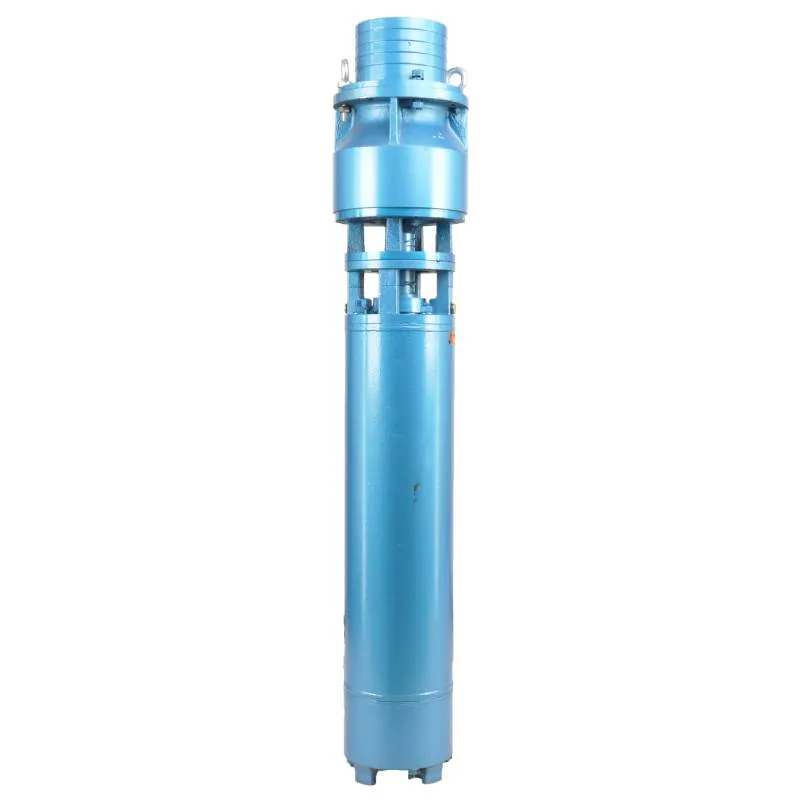
(how to test a submersible water well pump)
Understanding the Critical Need for Testing Submersible Water Well Pumps
Regular diagnostics prevent catastrophic failures in water systems. Industry data reveals that 78% of premature pump failures result from undetected electrical imbalances or mechanical stress. Testing identifies early warning signs like voltage fluctuations, which account for 43% of insulation breakdowns according to NWSA reports.
Diagnostics extend equipment lifespan substantially. Pumps tested quarterly last 8.2 years on average versus 4.3 years for untested systems. Performance degradation begins when amperage draw exceeds manufacturer specs by 15%, indicating impeller wear or sand infiltration. Well owners save an average of $2,400 in avoided emergency repairs through scheduled testing protocols.
Contamination risks multiply with failing pumps. USDA studies link 31% of bacterial contamination cases to faulty well equipment. Pressure testing verifies hydraulic integrity, ensuring no backflow pathways exist through compromised components like leaking check valves or casing penetrations.
Essential Testing Equipment and Safety Protocols
Baseline testing requires three critical tools: A true-RMS multimeter capable of measuring resistance down to 0.1 ohms, an amp clamp for live circuit analysis, and a 0-100 PSI pressure gauge. Professional technicians always supplement these with megohmmeters for insulation breakdown testing.
Safety procedures are non-negotiable:
- De-energize control box before any contact
- Verify lockout/tagout implementation
- Confirm zero pressure before servicing fittings
- Wear insulated gloves rated for 600V minimum
- Never bypass ground fault protection systems
Workspace preparation includes removing debris from well access points, maintaining 36" clearance around electrical panels, and ensuring adequate lighting. Testing logs must document ambient temperature as resistance values fluctuate up to 20% between 40°F (4°C) and 100°F (38°C) environments.
Comprehensive Multimeter Testing Procedures
Begin by testing motor winding resistance. Disconnect all power leads and measure between start-run-common terminals. Expect balanced phases within 5% variance (e.g. 10Ω start vs 10.4Ω run). Wild deviations indicate burnt windings - a 30% imbalance typically signals imminent failure.
Conduct insulation resistance checks:
- Set multimeter to ohms x1000 scale
- Connect one lead to motor frame (bare metal)
- Touch other lead to each electrical terminal
- Minimum acceptable reading: 500kΩ
Live circuit analysis requires voltage verification while operational. Measure between legs (L1-L2) at control box to confirm voltage drop stays under 5% of nominal during startup. Use amp clamps during peak demand to record inrush current - should be within 15% of pump nameplate rating.
Manufacturer-Specific Technical Analysis
| Brand | Recommended Test Values | Failure Indicators | Recovery Tools | Typical Lifespan |
|---|---|---|---|---|
| Franklin Electric | 0.8-1.1A/HP running current | Start winding Ω >15% variance | VS Drive parameter reset | 7-12 years |
| Grundfos | 42-62μF capacitor range | Rotor lock >4 seconds | CU200 configuration kit | 10-15 years |
| Goulds Water | ±10% voltage tolerance | Thermal switch activation | J-class control reset | 8-14 years |
| Red Lion | Start:Run Ω ratio 1.2:1 | Megohm reading <100kΩ | RLT soft start calibration | 6-9 years |
Manufacturer diagnostics reveal pattern failures: Grundfos pumps commonly fail through sand-locked impellers (indicated by 120% amp draw), while Franklin units typically show control board corrosion first. Goulds' pressure transducer systems provide automated diagnostics - their Guardian Smart Monitors detect 89% of flow issues before symptoms appear.
Environmental Adaptation Strategies
Sandy environments require specialized protocols. Install test ports above pitless adapters for monthly impeller clearance checks. Expect 50% faster wear when particles >200 microns are present. Abrasive wells demand quarterly amp testing - 10% sustained current increase signals impeller erosion.
Low-yield wells (under 5GPM) need cycling protection verification:
- Stopwatch cycle duration timing
- Minimum 60-second rest cycles
- Pressure switch differential verification
- Drawdown rate calculation
Deep applications (>400 feet) present unique challenges. High-head pumps must have 1kV insulation testing semi-annually. Record pressure build rates - normal systems reach cutoff pressure in 90-180 seconds. Slow recovery indicates check valve issues or line fractures.
System Performance Verification Methods
Hydraulic efficiency testing quantifies actual output versus manufacturer curves. Methodology:
- Isolate pressure tank with ball valve
- Record PSI increase per minute at pump outlet
- Compare with GPM flow meter data
- Calculate: (Measured GPM ÷ Rated GPM) × 100
Performance below 85% efficiency warrants investigation. Standard degradation curves show 3% annual efficiency loss in silty water versus 1.2% in clean aquifers. Sudden drops often indicate hole in drop pipe - verified by listening for cavitation during testing.
Pressure tank analysis reveals bladder integrity issues. Document cut-in/cut-out PSI quarterly. More than six cycles per hour signals tank problems. Bladder failures show as 40% waterlogged tanks - diagnosed by "thud" sound when tapping the tank shell.
Practical Application of Testing Techniques
Real-world cases demonstrate diagnostic value. Minnesota farm's intermittent loss of pressure traced to shorted phase winding through resistance testing showing 0.7Ω to ground. California vineyard prevented total system failure when amperage spikes revealed collapsing well screen reducing flow 38% over six months.
Problem resolution workflow:
- Record pre-repair baseline metrics
- Implement targeted intervention
- Verify performance restoration through post-repair testing
- Establish quarterly monitoring schedule
Modern controllers enhance diagnostics - Grundfos CU301 systems archive 120 days of operating parameters. Field analysis remains essential; pressure transducer calibration drifts 5-8% annually, requiring manual verification during service calls. Documenting trends proves critical - systems exhibiting >15% parameter shift within 24 months require comprehensive evaluation.
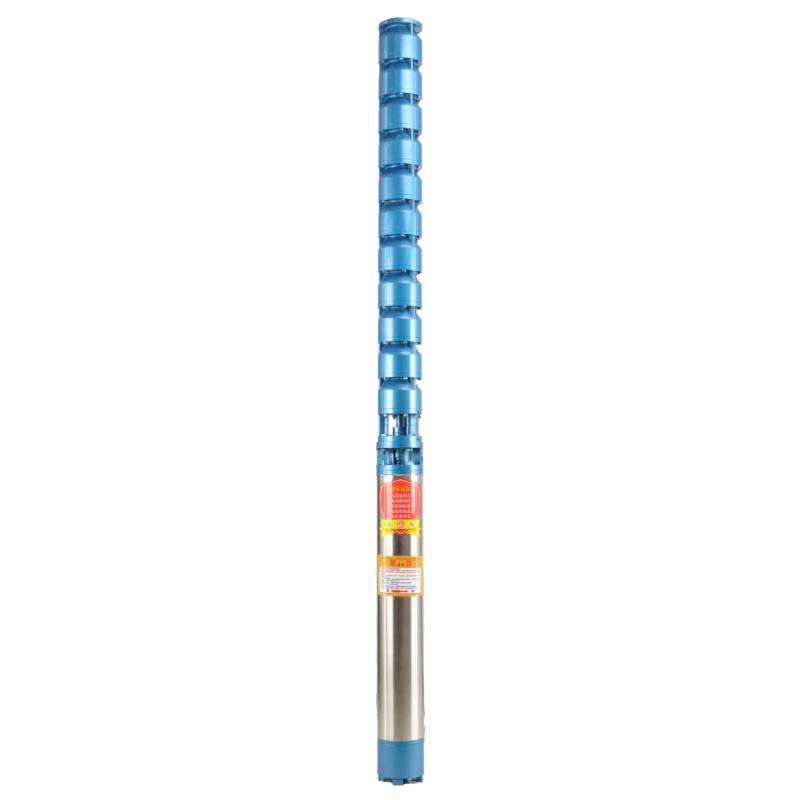
(how to test a submersible water well pump)
FAQS on how to test a submersible water well pump
Q: How to test a submersible water well pump?
A: Disconnect power and visually inspect for leaks or damage. Then, restore power, turn on the pump, and check for water flow from the outlet. If no water appears, troubleshoot for blockages or a faulty motor.
Q: How to test a submersible well pump with a multimeter?
A: Turn off power and set the multimeter to ohms mode for resistance tests. Probe the pump's wiring terminals to check for open circuits (infinite resistance) or shorts (near zero resistance). Also, measure voltage at the supply lines to confirm power is reaching the pump.
Q: How to check if a submersible pump is working?
A: Listen for a humming sound when power is on, indicating the motor is running. Check the pressure gauge for a rise, or observe water flow at the discharge point. If no signs occur, test electrical connections with a multimeter.
Q: How to test the electrical components of a submersible pump?
A: Disable power and use a multimeter to measure resistance between wires and ground for continuity issues. Test for proper voltage output at the control box. Inspect for corrosion or worn insulation that could cause failures.
Q: How to test a submersible pump's performance with a multimeter?
A: Measure current draw by placing the multimeter in amps mode and connecting it in series with the pump power line. Compare it to the pump's rated amperage to detect overloads or inefficiencies. Additionally, check motor windings for resistance imbalances using the ohms setting.
-
Understanding the Price Submersible Pump and Buyer Guide
NewsApr.16,2026
-
Factors Affecting the Price for Submersible Pump a Buyers Guide
NewsApr.09,2026
-
Choosing the Right Mini Submersible Fountain Pump for Optimal Water Feature Performance
NewsApr.07,2026
-
A Detailed Guide to Installing a Submersible Pump for Optimal Performance
NewsApr.04,2026
-
Comprehensive Guide on How to Test a Submersible Water Well Pump Effectively
NewsMar.31,2026
-
Learn How to Replace a Submersible Well Pump Safely and Effectively
NewsMar.28,2026
-
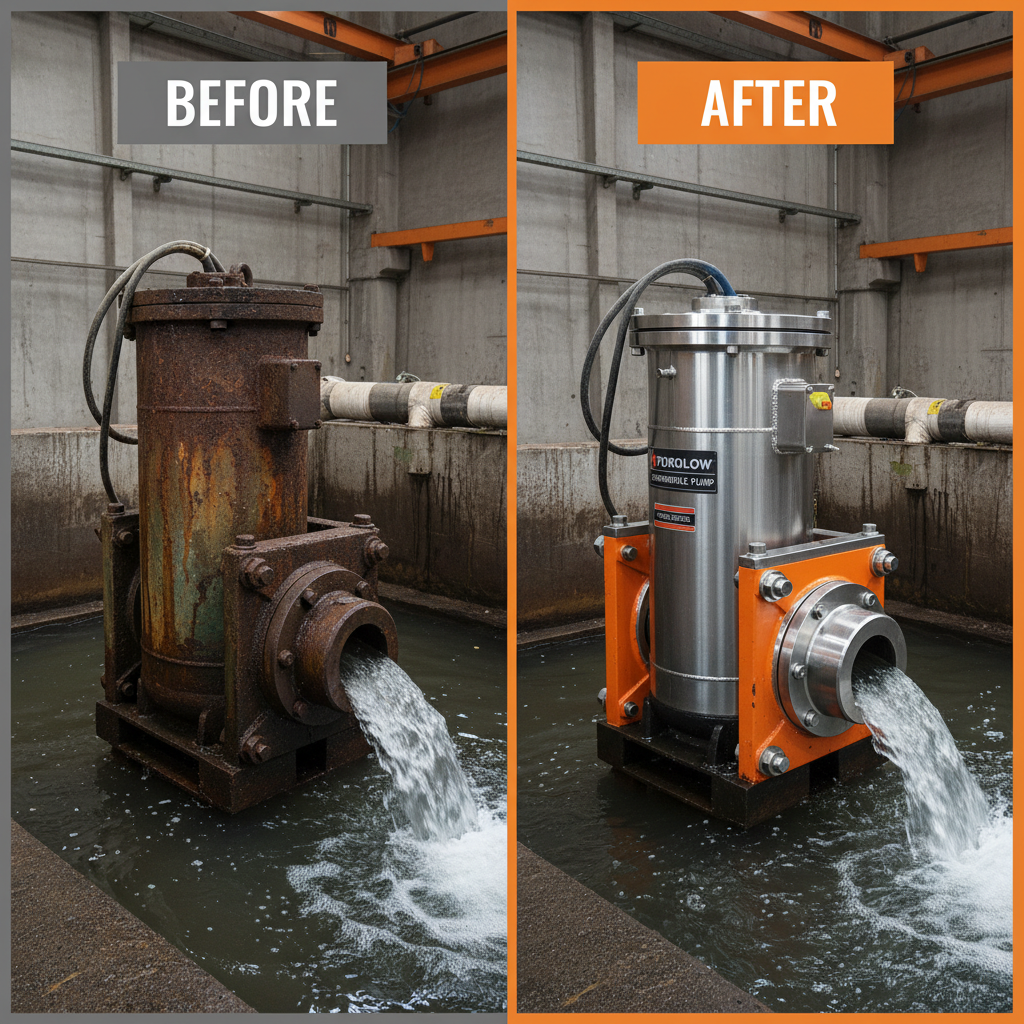 Understanding the Price Submersible Pump and Buyer GuideWhen searching for the ideal water management solution, understanding the price submersible pump options is crucial for balancing budget with performance. Whether you are dealing with a flooded basement, managing agricultural irrigation, or extracting water from a deep well, the cost of a submersible pump can vary significantly based on its build quality and capacity. Investing in a high-quality pump ensures long-term reliability and reduces the frequency of expensive replacements. In this guide, we will break down the factors that influence pricing and help you make an informed decision for your specific needs.Detail
 -
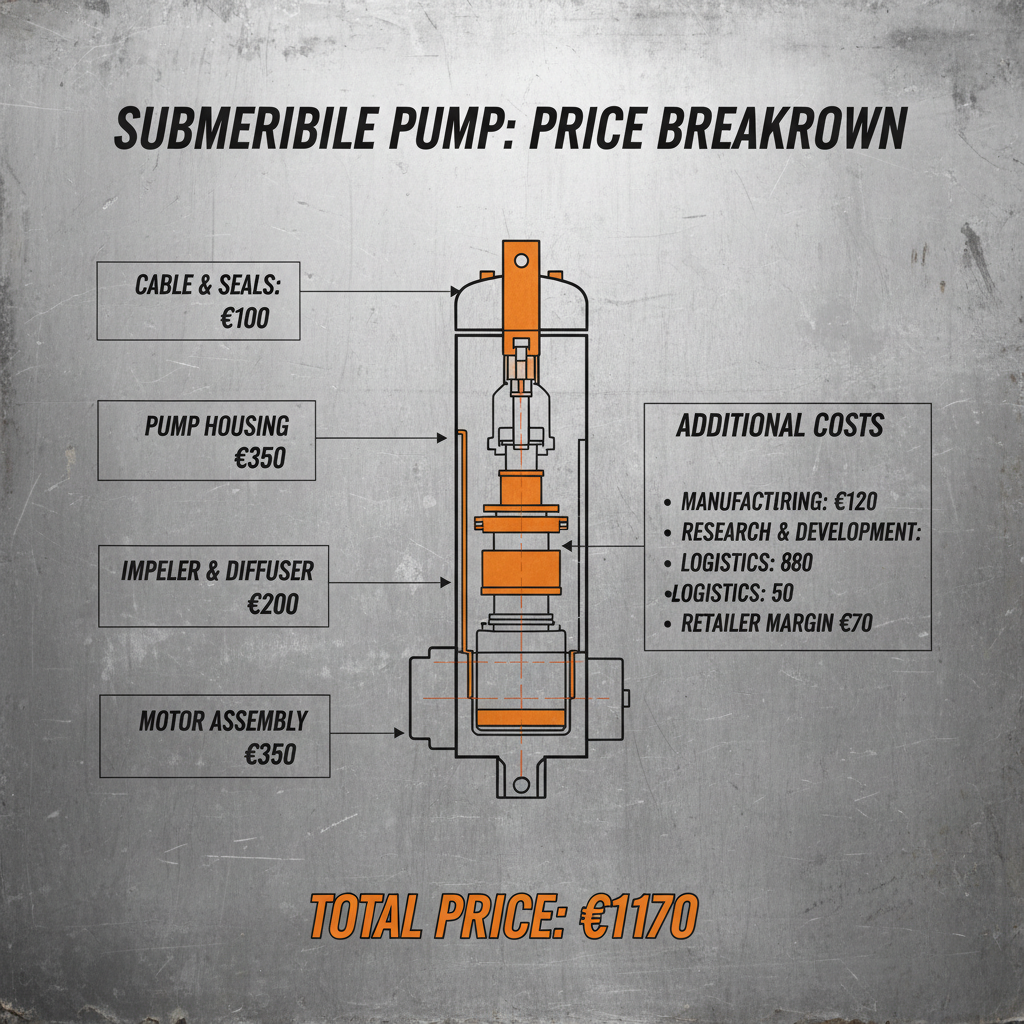 Factors Affecting the Price for Submersible Pump a Buyers GuideWhen investing in water management systems, understanding the price for submersible pump options is essential for balancing performance with budget. Whether you are managing a residential well, an industrial drainage project, or agricultural irrigation, the cost of a pump is rarely a flat fee; it is a reflection of the engineering, materials, and capacity required for your specific environment. In this guide, we will break down the factors that influence pricing and help you determine the best value for your investment to ensure long-term reliability and efficiency.Detail
 -
 Choosing the Right Mini Submersible Fountain Pump for Optimal Water Feature PerformanceCreating a beautiful and relaxing water feature doesn't have to be complicated. A mini submersible fountain pump is the heart of any indoor or outdoor fountain, and selecting the right one is crucial for optimal performance and longevity. This article will guide you through the key considerations when choosing a mini submersible fountain pump, covering types, features, applications, and how to ensure you get the perfect pump for your project. We’ll also explore how Wellpumpact can provide you with the ideal solution.Detail
 Afrikaans
 Albanian
 Amharic
 Arabic
 Armenian
 Azerbaijani
 Basque
 Belarusian
 Bengali
 Bosnian
 Bulgarian
 Catalan
 Cebuano
 Corsican
 Croatian
 Czech
Czech
 Danish
 Dutch
Dutch
 Esperanto
 Estonian
 Finnish
 French
 Frisian
 Galician
 Georgian
 German
 Greek
Greek
 Gujarati
 Haitian Creole
 Hausa
Hausa
 Hawaiian
 Hebrew
 Hindi
Hindi
 Miao
Miao
 Hungarian
 Icelandic
 Igbo
Igbo
 Indonesian
 Irish
Irish
 Italian
 Japanese
 Javanese
 Kannada
 Kazakh
 Khmer
Khmer
 Rwandese
 Korean
 Kurdish
 Kyrgyz
 Lao
Lao
 Latin
Latin
 Latvian
 Lithuanian
 Luxembourgish
 Macedonian
 Malgashi
 Malay
Malay
 Malayalam
 Maltese
 Maori
Maori
 Marathi
 Mongolian
 Myanmar
 Nepali
 Norwegian
 Norwegian
 Occitan
 Pashto
 Persian
 Polish
 Portuguese
 Punjabi
 Romanian
 Russian
 Samoan
 Scottish Gaelic
 Serbian
 Sesotho
 Shona
Shona
 Sindhi
 Sinhala
 Slovak
 Slovenian
 Somali
 Spanish
 Sundanese
 Swahili
 Swedish
 Tagalog
 Tajik
Tajik
 Tamil
Tamil
 Tatar
Tatar
 Telugu
 Thai
Thai
 Turkish
 Turkmen
 Ukrainian
 Urdu
Urdu
 Uighur
 Uzbek
Uzbek
 Vietnamese
 Welsh
Welsh
 Bantu
Bantu
 Yiddish
 Yoruba
 Zulu
Zulu
 English