
Apr . 04, 2026 02:15 Back to list
A Detailed Guide to Installing a Submersible Pump for Optimal Performance
Installing a Submersible Pump: A Comprehensive Guide
A submersible pump is a versatile piece of equipment used in a variety of applications, from draining flooded basements to providing water for irrigation. Proper installation is crucial for optimal performance and longevity. This guide will walk you through the essential steps involved in installing a submersible pump, ensuring a safe and effective setup. Understanding the process will save you time, money, and potential headaches down the road. Whether you’re a DIY enthusiast or a professional, this information will be valuable.
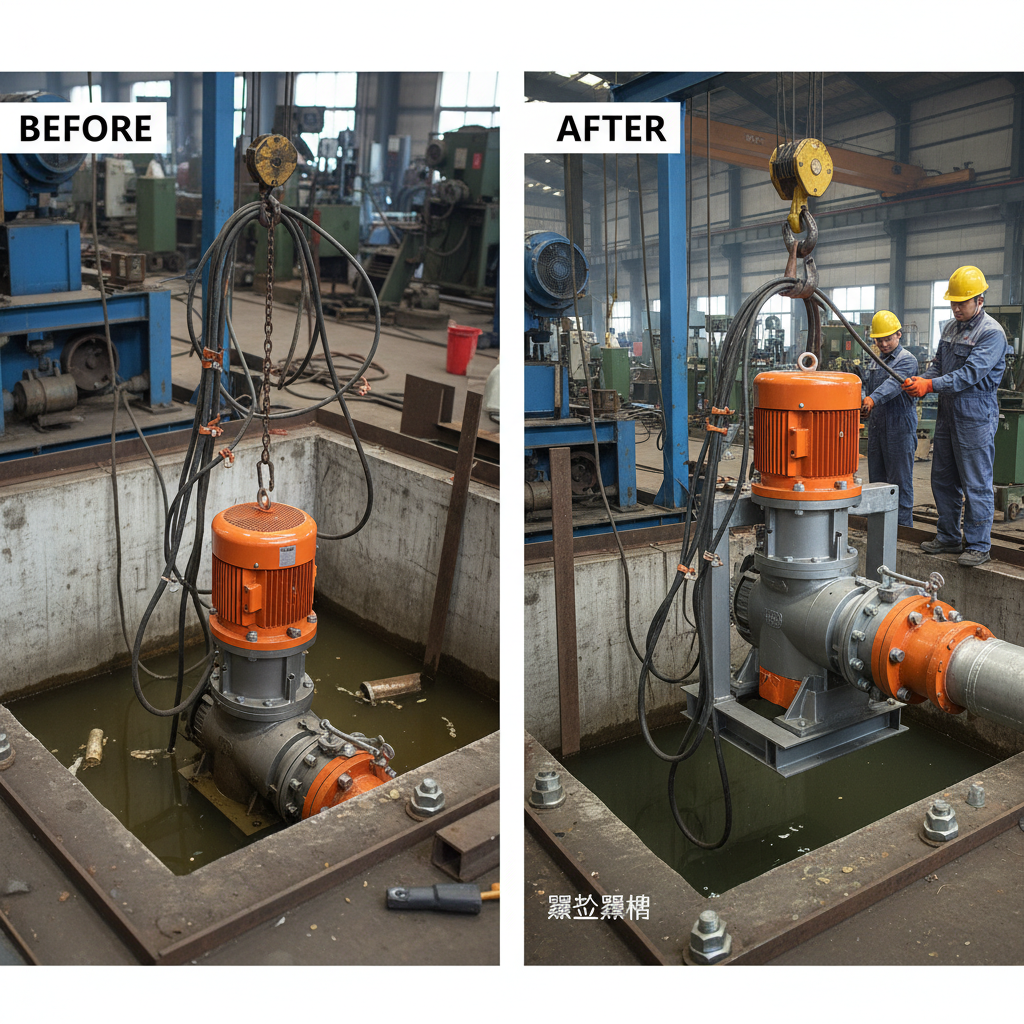
Essential Tools and Materials
Before you begin, gather the necessary tools and materials. This includes the submersible pump itself, appropriately sized discharge piping (PVC or flexible hose), a check valve, a power cable suitable for submersible applications, stainless steel cable or rope for suspending the pump, pipe fittings (couplings, elbows, etc.), electrical tape, wire connectors, and a submersible pump controller. Safety gear is also vital: wear safety glasses, gloves, and appropriate footwear. Ensure all electrical work complies with local codes and regulations, and if you're not comfortable with electrical connections, consult a qualified electrician. Using the right tools will make the installation process much smoother and safer.
Key Highlights: Gathering the right tools and materials upfront saves time and ensures a safe and efficient installation process.
Step-by-Step Installation Guide
The installation process involves several key steps. First, attach the discharge piping to the pump's outlet using appropriate fittings. Install a check valve in the discharge line to prevent backflow. Next, securely attach the power cable to the pump, using submersible-rated connectors and watertight seals. Suspend the pump using stainless steel cable or rope, ensuring it is positioned above the bottom of the well or sump to avoid drawing in sediment. Finally, connect the power cable to the pump controller and test the system. Always follow the manufacturer's instructions specific to your pump model. It’s crucial to double-check all connections before powering up the pump.
Choosing the Right Pump: A Comparison of Types
Submersible pumps come in various types, each suited for different applications. There are centrifugal pumps, vortex pumps, and positive displacement pumps. Centrifugal pumps are ideal for high-volume, low-head applications, while vortex pumps are better at handling liquids with solids. Positive displacement pumps are used for high-head, low-volume applications. Selecting the right pump depends on factors such as the depth of the well, the flow rate required, and the type of liquid being pumped. Consider these factors carefully to ensure optimal performance. Well Pump Act can help you find the perfect fit for your needs.
Safety Precautions When Installing a Submersible Pump
Safety should always be your top priority. Before working with electrical components, always disconnect the power supply. Use a ground fault circuit interrupter (GFCI) to protect against electrical shock. Be careful when handling the pump, as it can be heavy. Ensure the suspension cable is strong enough to support the pump's weight. Avoid dropping the pump, as this can damage internal components. Never operate the pump without water, as this can cause overheating and damage. Consult a qualified electrician if you are unsure about any electrical connections.
Safety Reminders:
• Disconnect power before working with electrical components.
• Use a GFCI for electrical protection.
• Ensure secure suspension cabling.
• Never operate without water.
Troubleshooting Common Issues with Submersible Pumps
Sometimes, even with careful installation, issues can arise. Common problems include the pump not starting, low flow rate, or excessive noise. If the pump doesn’t start, check the power supply, the circuit breaker, and the pump controller. A low flow rate could indicate a clogged intake or a problem with the discharge piping. Excessive noise might be caused by debris inside the pump or a worn-out impeller. Consult the pump’s manual for specific troubleshooting steps. Regular maintenance, such as cleaning the intake screen, can prevent many of these issues. For complex problems, contact a qualified pump technician.
Conclusion: Ensuring Reliable Pump Operation
Proper installing a submersible pump is essential for its long-term performance and reliability. By following the steps outlined in this guide and prioritizing safety, you can ensure a smooth and efficient installation. Remember to select the right pump for your application and perform regular maintenance to prevent problems. With careful planning and execution, your submersible pump will provide years of dependable service.
Frequently Asked Questions (FAQs)
What is the proper depth to submerge a submersible pump?
The ideal submersion depth depends on the pump’s design and the specific application. Generally, the pump should be submerged at least a few feet below the water level to prevent it from running dry. However, it’s crucial to keep the pump elevated off the bottom to avoid drawing in sediment. Check the manufacturer's specifications for the recommended submersion depth for your particular model. Insufficient submersion can lead to overheating and damage, while excessive depth may reduce efficiency.
How often should I inspect the pump's power cable?
The power cable should be inspected regularly, ideally at least once a year, or more frequently if the pump is used heavily or in harsh conditions. Look for signs of damage, such as cracks, abrasions, or exposed wires. Pay particular attention to the connections, ensuring they are watertight and secure. A damaged power cable poses a serious electrical hazard and should be replaced immediately by a qualified electrician. Preventative maintenance can save you from costly repairs and potential safety issues.
What is a check valve and why is it important?
A check valve is a device installed in the discharge line that allows water to flow in one direction only, preventing backflow. It's crucial for maintaining prime in the pump and preventing water from draining back into the well or sump when the pump is turned off. This prevents the pump from having to work harder to re-prime each time it starts, extending its lifespan and improving efficiency. Without a check valve, the pump may cycle on and off frequently, leading to premature wear and tear.
Can I use any type of rope or cable to suspend the pump?
No, it’s essential to use stainless steel cable or rope specifically designed for submersible pump suspension. Other materials, such as nylon rope, may not be strong enough to support the pump’s weight and can deteriorate over time when exposed to water. Stainless steel is corrosion-resistant and provides a reliable and long-lasting suspension system. Ensure the cable or rope is rated for the pump’s weight and is properly secured to the well casing or support structure.
-
Understanding the Price Submersible Pump and Buyer Guide
NewsApr.16,2026
-
Factors Affecting the Price for Submersible Pump a Buyers Guide
NewsApr.09,2026
-
Choosing the Right Mini Submersible Fountain Pump for Optimal Water Feature Performance
NewsApr.07,2026
-
A Detailed Guide to Installing a Submersible Pump for Optimal Performance
NewsApr.04,2026
-
Comprehensive Guide on How to Test a Submersible Water Well Pump Effectively
NewsMar.31,2026
-
Learn How to Replace a Submersible Well Pump Safely and Effectively
NewsMar.28,2026
-
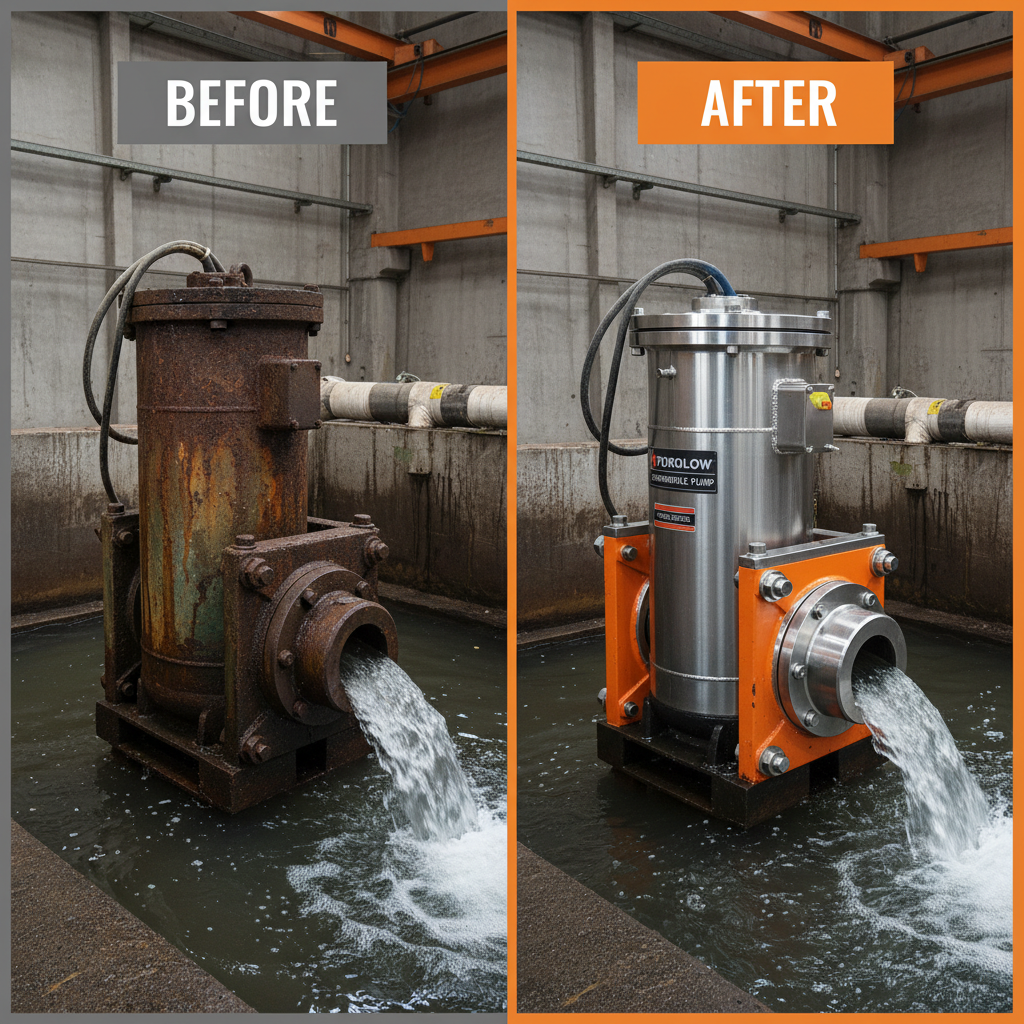 Understanding the Price Submersible Pump and Buyer GuideWhen searching for the ideal water management solution, understanding the price submersible pump options is crucial for balancing budget with performance. Whether you are dealing with a flooded basement, managing agricultural irrigation, or extracting water from a deep well, the cost of a submersible pump can vary significantly based on its build quality and capacity. Investing in a high-quality pump ensures long-term reliability and reduces the frequency of expensive replacements. In this guide, we will break down the factors that influence pricing and help you make an informed decision for your specific needs.Detail
 -
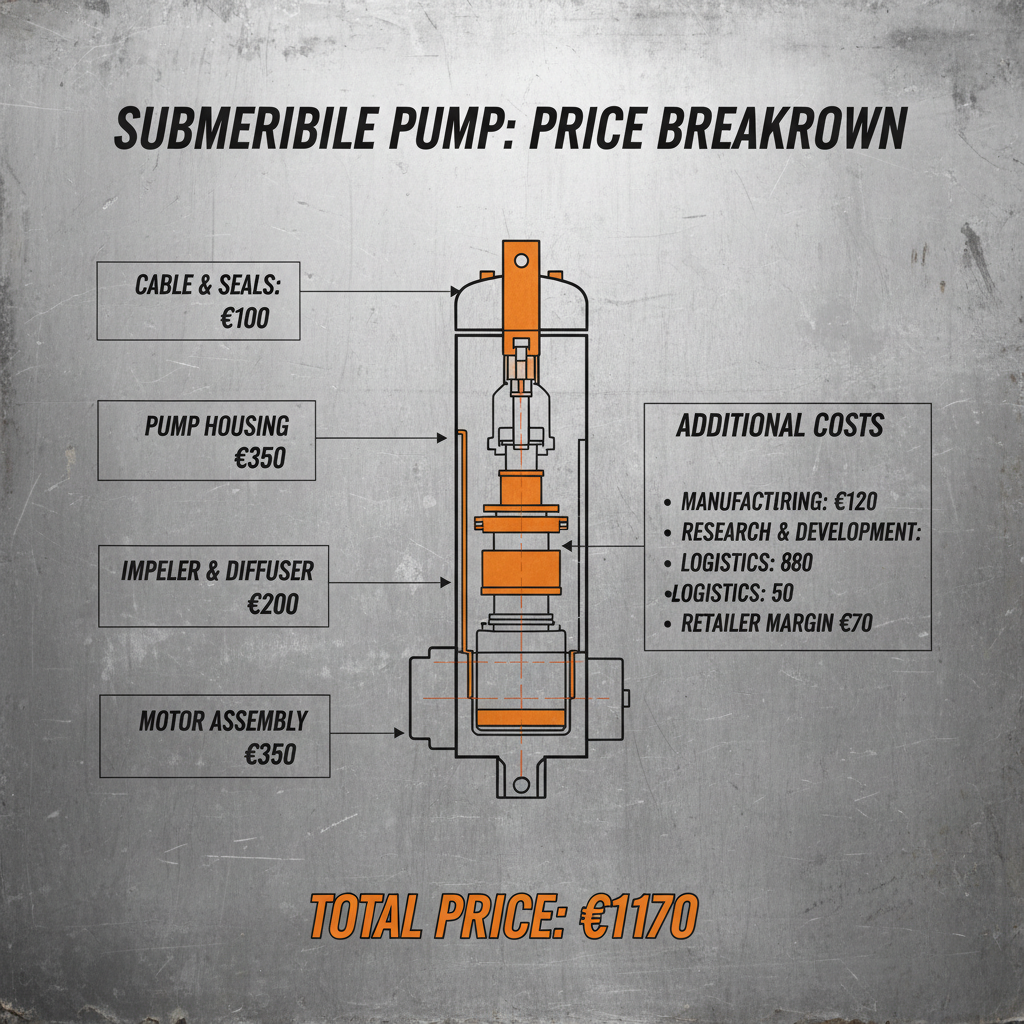 Factors Affecting the Price for Submersible Pump a Buyers GuideWhen investing in water management systems, understanding the price for submersible pump options is essential for balancing performance with budget. Whether you are managing a residential well, an industrial drainage project, or agricultural irrigation, the cost of a pump is rarely a flat fee; it is a reflection of the engineering, materials, and capacity required for your specific environment. In this guide, we will break down the factors that influence pricing and help you determine the best value for your investment to ensure long-term reliability and efficiency.Detail
 -
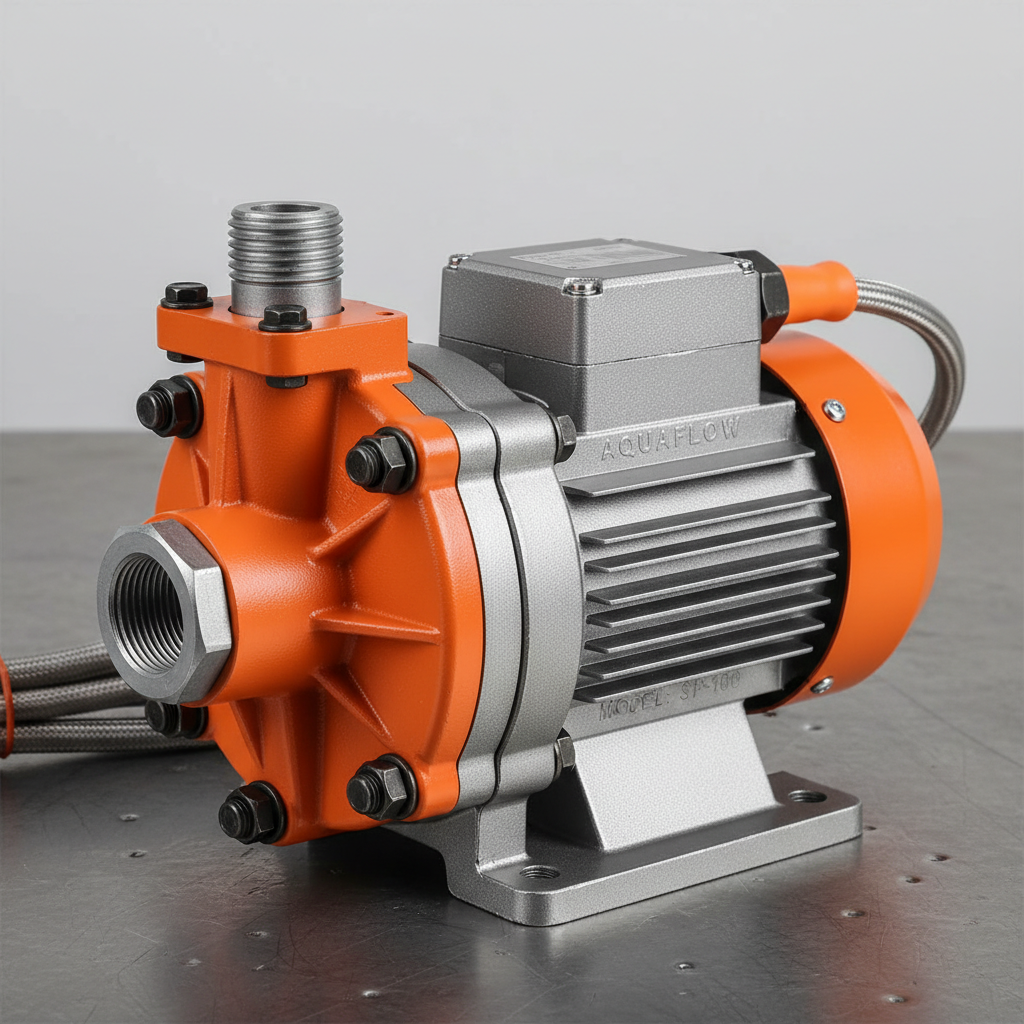 Choosing the Right Mini Submersible Fountain Pump for Optimal Water Feature PerformanceCreating a beautiful and relaxing water feature doesn't have to be complicated. A mini submersible fountain pump is the heart of any indoor or outdoor fountain, and selecting the right one is crucial for optimal performance and longevity. This article will guide you through the key considerations when choosing a mini submersible fountain pump, covering types, features, applications, and how to ensure you get the perfect pump for your project. We’ll also explore how Wellpumpact can provide you with the ideal solution.Detail
 Afrikaans
 Albanian
 Amharic
 Arabic
 Armenian
 Azerbaijani
 Basque
 Belarusian
 Bengali
 Bosnian
 Bulgarian
 Catalan
 Cebuano
 Corsican
 Croatian
 Czech
Czech
 Danish
 Dutch
Dutch
 Esperanto
 Estonian
 Finnish
 French
 Frisian
 Galician
 Georgian
 German
 Greek
Greek
 Gujarati
 Haitian Creole
 Hausa
Hausa
 Hawaiian
 Hebrew
 Hindi
Hindi
 Miao
Miao
 Hungarian
 Icelandic
 Igbo
Igbo
 Indonesian
 Irish
Irish
 Italian
 Japanese
 Javanese
 Kannada
 Kazakh
 Khmer
Khmer
 Rwandese
 Korean
 Kurdish
 Kyrgyz
 Lao
Lao
 Latin
Latin
 Latvian
 Lithuanian
 Luxembourgish
 Macedonian
 Malgashi
 Malay
Malay
 Malayalam
 Maltese
 Maori
Maori
 Marathi
 Mongolian
 Myanmar
 Nepali
 Norwegian
 Norwegian
 Occitan
 Pashto
 Persian
 Polish
 Portuguese
 Punjabi
 Romanian
 Russian
 Samoan
 Scottish Gaelic
 Serbian
 Sesotho
 Shona
Shona
 Sindhi
 Sinhala
 Slovak
 Slovenian
 Somali
 Spanish
 Sundanese
 Swahili
 Swedish
 Tagalog
 Tajik
Tajik
 Tamil
Tamil
 Tatar
Tatar
 Telugu
 Thai
Thai
 Turkish
 Turkmen
 Ukrainian
 Urdu
Urdu
 Uighur
 Uzbek
Uzbek
 Vietnamese
 Welsh
Welsh
 Bantu
Bantu
 Yiddish
 Yoruba
 Zulu
Zulu
 English