
Nov . 28, 2025 20:50 Back to list
Hydraulic Submersible Pump: Reliable Solutions for Industry & Relief
Understanding Hydraulic Submersible Pumps: Why They Matter Globally
The hydraulic submersible pump — if you’re hearing this term for the first time, don’t worry; I was there once too. At its core, it’s a specialized pump designed to operate fully submerged, using hydraulic power instead of direct electric motors. This little engineering marvel quietly supports industries from mining to disaster relief, pumping water or other fluids where traditional pumps just can’t keep up.
Globally, as water scarcity intensifies and infrastructure demands grow, hydraulic submersible pumps emerge as vital tools. They’re efficient, reliable, and adaptable — and that means better access to clean water, improved industrial operations, and even humanitarian aid. Understanding them goes beyond just appreciating neat engineering; it’s about knowing a piece of technology helping solve massive, real-world challenges.
The Global Context: Why Hydraulic Submersible Pumps Are More Relevant Than Ever
Look around — over 2 billion people globally face water shortages (UN Water Statistics). That’s a staggering figure, and pumping solutions matter. Hydraulic submersible pumps come into play especially in places where electric power isn’t reliable or where hazardous conditions require explosion-proof solutions.
Mining, oil & gas, and municipal water management sectors also push demand. For instance, in remote mining operations in Australia or sub-Saharan Africa, these pumps handle huge volumes of slurries without needing external electricity. Frankly, it’s about powering on even when conventional infrastructure falters — the kind of resilience industry and relief workers crave.
Yet, challenges like wear and tear in abrasive environments and energy costs remain. So engineers and operators keep innovating, tweaking the designs to balance power, longevity, and eco-friendliness.
What Exactly Is a Hydraulic Submersible Pump?
Put simply, a hydraulic submersible pump (HSP) is a submerged pump powered by high-pressure hydraulic fluid instead of electricity. You can think of it as an under-the-water piston powered by liquid — usually oil — pushed from a surface power unit through hoses down to the pump.
This arrangement keeps the pump compact and safe in hazardous or wet environments. No electrical cables run underwater, making them ideal where sparks could be dangerous — think oilfields or chemical plants. Plus, because hydraulic power can be generated remotely, they’re used where electricity is too unreliable or costly.
Core Components that Make Hydraulic Submersible Pumps Work
1. Durability
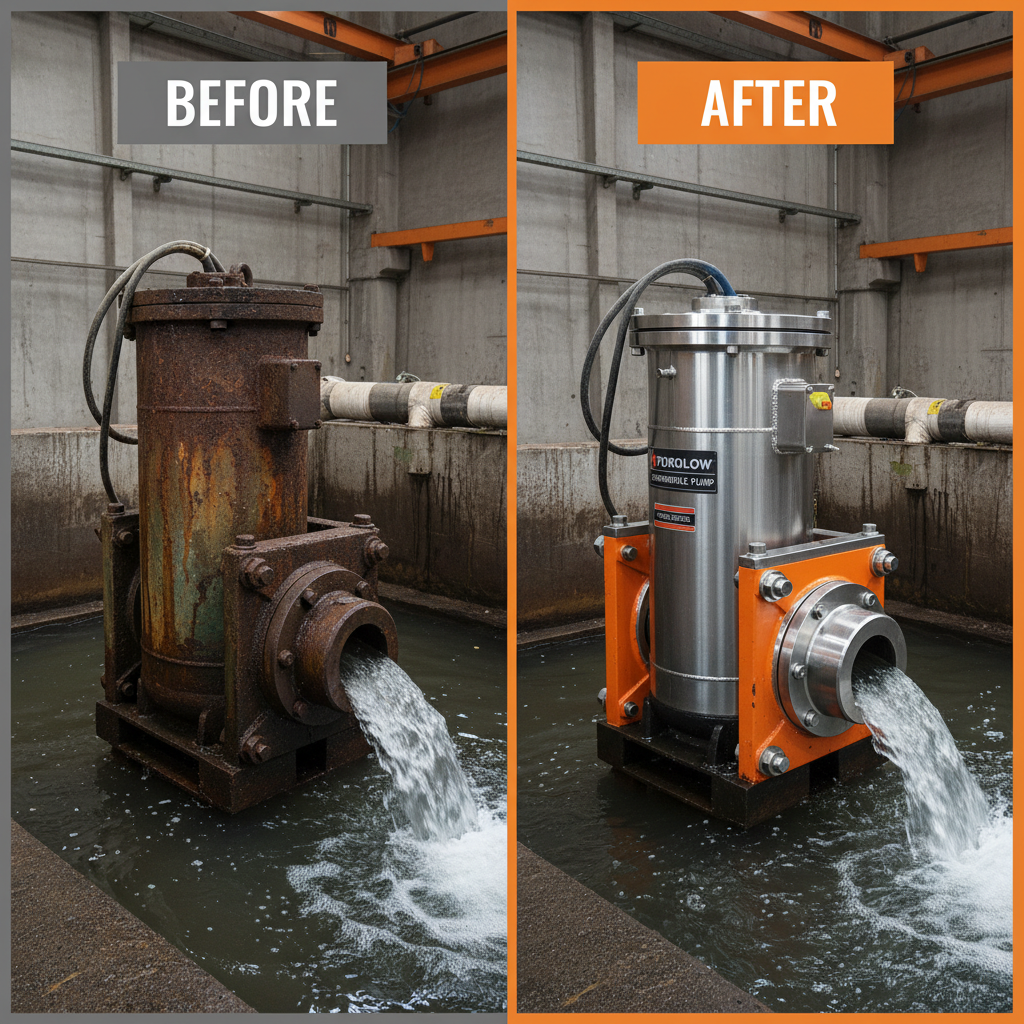
Engineered for tough environments, these pumps use corrosion-resistant materials like stainless steel and hardy composites to survive abrasive slurries and corrosive waters. Durability translates directly into fewer replacements and less downtime — two factors no operator wants to overlook.
2. Scalability
Pumps come in a variety of sizes — from small units pumping a few hundred gallons per minute to massive industrial-sized systems moving millions. This scalability means they fit everything from small well operations to large municipal waterworks.
3. Cost Efficiency
Hydraulic submersible pumps are surprisingly cost-effective compared to electrically powered alternatives, especially when factoring in maintenance, downtime, and energy cost savings. The setup might be pricier upfront but pays off over years.
4. Safety
Without electrical wiring underwater, the risk of sparks and related hazards is drastically cut. This is key in volatile industries like mining or offshore oil rigs where environment risks run high.
5. Portability and Deployment
Many pumps can be rapidly deployed and extracted — important in emergency or disaster relief settings. This feature supports adaptability and fast response actions.
Hydraulic Submersible Pumps in the Real World: Applications and Use Cases
- Mining and Mineral Processing: Pumps handle thick slurries underground or in tailings ponds in Canada and Australia where electric motors struggle.
- Water and Wastewater Management: Many cities in Asia and Africa depend on hydraulic pumps to move polluted or stormwater safely.
- Disaster Relief Efforts: Post-flood emergencies in Southeast Asia use rapidly deployable pumps to drain water and restore access — saving lives and property.
- Oil and Gas Industry: Hazardous offshore platforms use hydraulic pumps for fluid transfers safely without risking electrical sparks.
- Remote Industries: In isolated arid regions, solar-powered hydraulic systems pump groundwater, aiding agriculture and community drinking water.
For more in-depth technical details and supply options, consider checking trusted suppliers like hydraulic submersible pump specialists, which often have tailored solutions for these industries.
Advantages & Long-Term Value of Using Hydraulic Submersible Pumps
There’s a lot to like here:
- Reliable Operation: Working underwater and in adverse situations without frequent failures means operational confidence.
- Energy Savings: Hydraulic systems often run more efficiently, reducing fuel or electricity consumption overall.
- Environmental Benefits: Less risk of electrical hazards and potential fluid contamination means safer ecosystems.
- Social Impact: By providing steady water access or enabling safe industrial activity, these pumps indirectly uplift local communities.
- Safety and Trust: Operators can count on these robust designs to keep working under pressure, quite literally.
Product Specification Table: Typical Hydraulic Submersible Pump Model
| Specification | Model HSP-1000 | Model HSP-2000 |
|---|---|---|
| Max Flow Rate | 1000 GPM | 2000 GPM |
| Max Head | 150 m | 175 m |
| Material | 316 Stainless Steel | 316 Stainless Steel |
| Power Supply | Hydraulic Fluid 3000 PSI | Hydraulic Fluid 3500 PSI |
| Weight | 180 kg | 300 kg |
Comparing Leading Hydraulic Submersible Pump Vendors
| Vendor | Product Range | Service & Support | Price Level | Special Features |
|---|---|---|---|---|
| PumpTech Corp. | Small to large-scale pumps | 24/7 global support | Mid-range | Customized corrosion resistance |
| HydroFlow Solutions | Modular pump units | On-site maintenance training | Premium | Smart diagnostic sensors |
| AquaPumps Ltd. | Industrial scale units | Regional service centers | Budget-friendly | Rapid deployment kits |
What’s Next? Trends & Innovations on the Horizon
The future feels electric, ironically: hydraulic submersible pumps are integrating smarter controls, IoT monitoring, and even remote diagnostics. This not only extends pump life but reduces surprise breakdowns and maintenance trips.
Also worth noting — greener angle: many manufacturers are now optimizing hydraulic fluids for biodegradability and exploring solar-hydraulic hybrids, marrying renewable energy with rugged hydraulic tech.
Automated pumping stations with predictive maintenance? Yes, please. As regulations tighten on water usage and emissions, this tech’s going to grow in complexity but also in sustainability and efficiency.
Common Challenges & How Experts Address Them
Of course, nothing’s perfect. Pump clogging by solids, seal wear, occasional hydraulic hose failures, and initial high purchase cost are challenges.
But here’s where things get interesting: engineers are designing modular seal kits and abrasion-resistant liners, plus better filtration upstream to prolong life. Innovations in hydraulic hose materials also cut failure rates. And smart monitoring alerts operators before small issues turn into big outages.
One expert I spoke to recently emphasized, “It’s about planning long-term maintenance, not just short-term fixes.” This proactive mindset, combined with evolving design, feels like the winning formula.
Frequently Asked Questions About Hydraulic Submersible Pumps
- Q: How do hydraulic submersible pumps differ from electric submersible pumps?
A: Hydraulic pumps are powered by pressurized fluid conveyed from a separate surface unit, eliminating the need for underwater electrical cables. This enhances safety in explosive environments and provides flexibility where electricity is unreliable. - Q: Can hydraulic submersible pumps handle abrasive materials?
A: Yes, many models are designed with abrasion-resistant materials like hardened steel or special coatings, making them ideal for handling slurries in mining or wastewater operations. - Q: What maintenance is typically required?
A: Regular checks focus on hydraulic hoses, seals, and lubrication. Smart monitoring systems now help identify wear before failure, reducing downtime and repair costs. - Q: Are hydraulic submersible pumps energy efficient?
A: They tend to be more efficient in hazardous or remote sites by avoiding electrical losses and providing precise hydraulic power on demand, especially when paired with modern monitoring and control systems. - Q: Is installation complex for these pumps?
A: Installation requires hydraulic lines from the surface, but many systems today use modular designs for faster setup and easier transport, making deployment quicker than you’d expect.
Wrap-Up: Why Hydraulic Submersible Pumps Are Worth Knowing About
To sum up, hydraulic submersible pumps punch above their weight by offering a blend of safety, scalability, and reliability where it counts most. They may not be glamorous like some shiny new tech, but they keep industries moving and communities safe.
Thinking about getting one? Or just curious how to improve a current setup? Do take a stroll over to hydraulic submersible pump providers for more insight — it’s a world full of potential and practical power under the surface.
1. UN Water - Water Scarcity Facts: https://www.un.org/waterforlifedecade/scarcity.shtml
2. ISO Standards on Pumps and Pumping Systems
3. World Bank - Water Sector Overview
-
Understanding the Price Submersible Pump and Buyer Guide
NewsApr.16,2026
-
Factors Affecting the Price for Submersible Pump a Buyers Guide
NewsApr.09,2026
-
Choosing the Right Mini Submersible Fountain Pump for Optimal Water Feature Performance
NewsApr.07,2026
-
A Detailed Guide to Installing a Submersible Pump for Optimal Performance
NewsApr.04,2026
-
Comprehensive Guide on How to Test a Submersible Water Well Pump Effectively
NewsMar.31,2026
-
Learn How to Replace a Submersible Well Pump Safely and Effectively
NewsMar.28,2026
-
 Understanding the Price Submersible Pump and Buyer GuideWhen searching for the ideal water management solution, understanding the price submersible pump options is crucial for balancing budget with performance. Whether you are dealing with a flooded basement, managing agricultural irrigation, or extracting water from a deep well, the cost of a submersible pump can vary significantly based on its build quality and capacity. Investing in a high-quality pump ensures long-term reliability and reduces the frequency of expensive replacements. In this guide, we will break down the factors that influence pricing and help you make an informed decision for your specific needs.Detail
 -
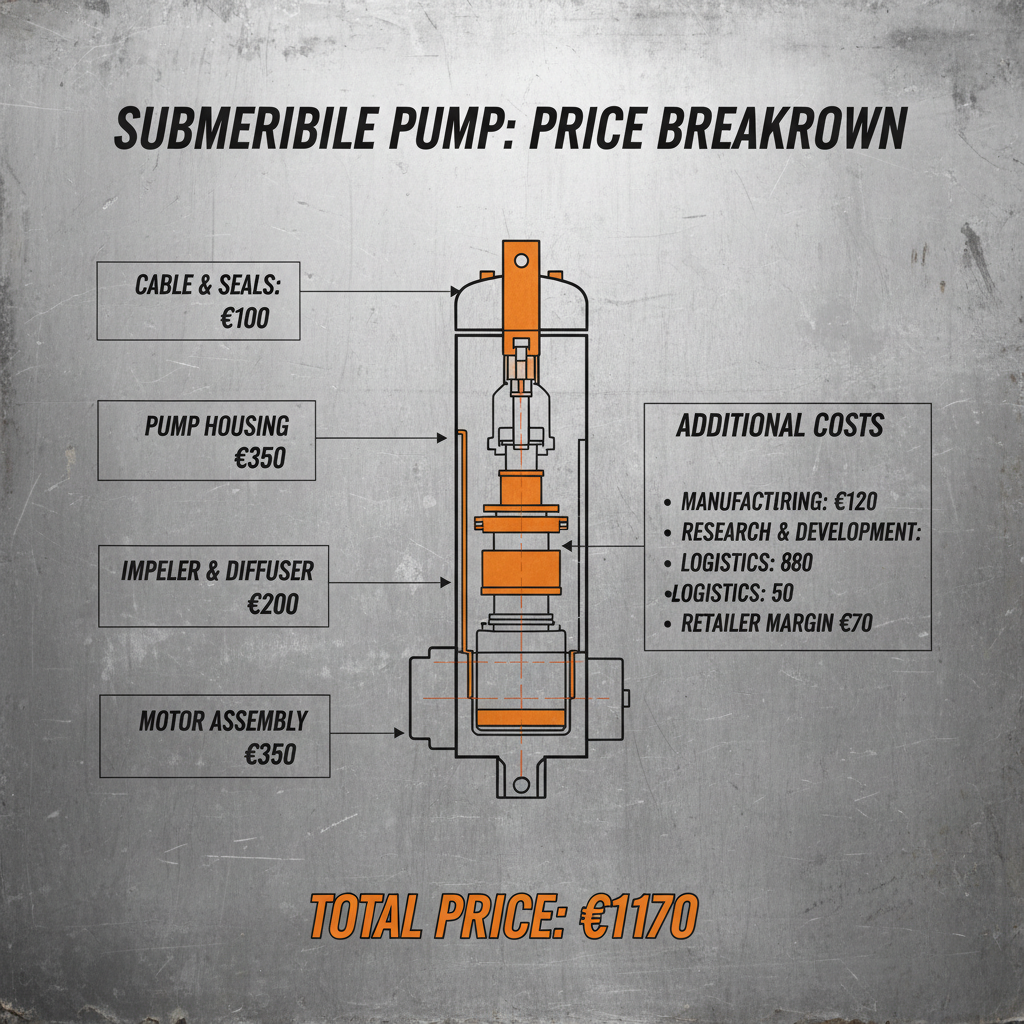 Factors Affecting the Price for Submersible Pump a Buyers GuideWhen investing in water management systems, understanding the price for submersible pump options is essential for balancing performance with budget. Whether you are managing a residential well, an industrial drainage project, or agricultural irrigation, the cost of a pump is rarely a flat fee; it is a reflection of the engineering, materials, and capacity required for your specific environment. In this guide, we will break down the factors that influence pricing and help you determine the best value for your investment to ensure long-term reliability and efficiency.Detail
 -
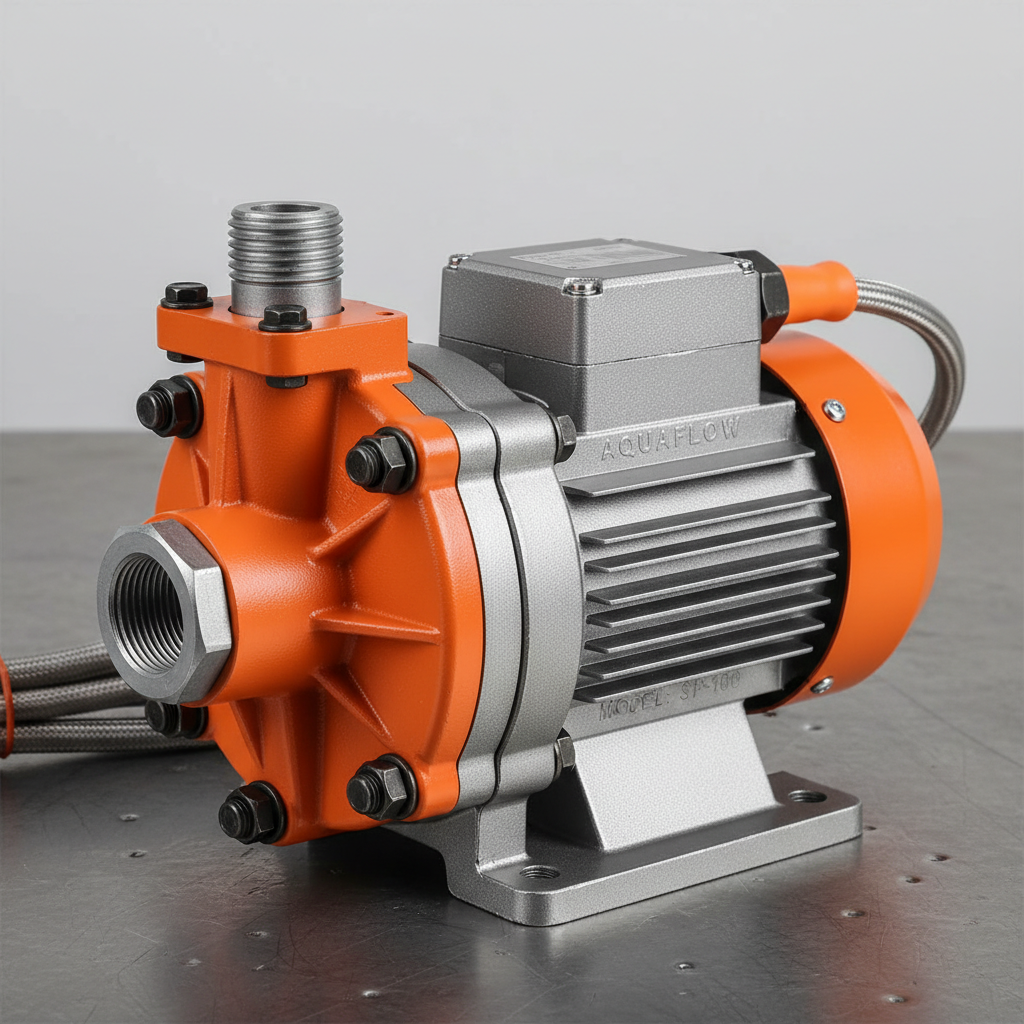 Choosing the Right Mini Submersible Fountain Pump for Optimal Water Feature PerformanceCreating a beautiful and relaxing water feature doesn't have to be complicated. A mini submersible fountain pump is the heart of any indoor or outdoor fountain, and selecting the right one is crucial for optimal performance and longevity. This article will guide you through the key considerations when choosing a mini submersible fountain pump, covering types, features, applications, and how to ensure you get the perfect pump for your project. We’ll also explore how Wellpumpact can provide you with the ideal solution.Detail
 Afrikaans
 Albanian
 Amharic
 Arabic
 Armenian
 Azerbaijani
 Basque
 Belarusian
 Bengali
 Bosnian
 Bulgarian
 Catalan
 Cebuano
 Corsican
 Croatian
 Czech
Czech
 Danish
 Dutch
Dutch
 Esperanto
 Estonian
 Finnish
 French
 Frisian
 Galician
 Georgian
 German
 Greek
Greek
 Gujarati
 Haitian Creole
 Hausa
Hausa
 Hawaiian
 Hebrew
 Hindi
Hindi
 Miao
Miao
 Hungarian
 Icelandic
 Igbo
Igbo
 Indonesian
 Irish
Irish
 Italian
 Japanese
 Javanese
 Kannada
 Kazakh
 Khmer
Khmer
 Rwandese
 Korean
 Kurdish
 Kyrgyz
 Lao
Lao
 Latin
Latin
 Latvian
 Lithuanian
 Luxembourgish
 Macedonian
 Malgashi
 Malay
Malay
 Malayalam
 Maltese
 Maori
Maori
 Marathi
 Mongolian
 Myanmar
 Nepali
 Norwegian
 Norwegian
 Occitan
 Pashto
 Persian
 Polish
 Portuguese
 Punjabi
 Romanian
 Russian
 Samoan
 Scottish Gaelic
 Serbian
 Sesotho
 Shona
Shona
 Sindhi
 Sinhala
 Slovak
 Slovenian
 Somali
 Spanish
 Sundanese
 Swahili
 Swedish
 Tagalog
 Tajik
Tajik
 Tamil
Tamil
 Tatar
Tatar
 Telugu
 Thai
Thai
 Turkish
 Turkmen
 Ukrainian
 Urdu
Urdu
 Uighur
 Uzbek
Uzbek
 Vietnamese
 Welsh
Welsh
 Bantu
Bantu
 Yiddish
 Yoruba
 Zulu
Zulu
 English