
Dec . 02, 2025 02:20 Back to list
Submersible Pressure Pump: Global Applications, Benefits & Innovations
Understanding the Submersible Pressure Pump: A Critical Technology in Water Management
Water is, quite literally, the essence of life—and how we manage it can make a world of difference globally. Among the many tools that keep this precious resource flowing reliably is the submersible pressure pump. These seemingly modest machines play a quietly vital role in ensuring clean water delivery, sustaining agriculture, and powering industries across continents.
In this article, we’ll dig into what a submersible pressure pump is, why it’s so important globally, and the factors shaping its design and application today. It’s a topic worth knowing about, especially with increasing water scarcity, infrastructure demands, and sustainability goals on everyone’s mind.
Global Context: Why Submersible Pressure Pumps Matter Worldwide
The global water crisis is no secret. According to the UN, over 2 billion people live in water-stressed countries, a number expected to rise with population growth and climate challenges (1). Enter the submersible pressure pump—a cornerstone in helping communities access groundwater safely and efficiently.
ISO standards for pump performance and safety also highlight how crucial reliable, energy-efficient pumping systems are in contemporary water management (2). From rural villages in Africa to sprawling industrial sites in Asia, these pumps meet the challenge of moving water with minimal mechanical fuss and often in harsh environments.
Oddly enough, despite their importance, many remain unaware of how these pumps directly influence daily water availability and economic activity worldwide. Essentially, they address one of the core problems: lifting and pressurizing water from below ground without contamination or excessive energy costs.
What Is a Submersible Pressure Pump?
Simply put, a submersible pressure pump is an electric pump designed to operate underwater—usually inside wells or boreholes—to push water upward at consistent pressure. The motor is sealed in a watertight casing, allowing it to sit fully submerged, which helps avoid cavitation and promotes efficiency.
In practical terms, these pumps are integral to modern farming irrigation, municipal water supply, and industrial cooling. Their design means they’re less prone to overheating and can function quietly under pressures that might stress surface pumps.
Key Components and Design Factors Explained
- Durability: Waterproof sealing and corrosion-resistant materials ensure long operational life even in chemically aggressive or sandy water.
- Scalability: Pumps come in various sizes and power ratings, from small units suitable for household wells to large industrial ones handling thousands of liters per minute.
- Cost Efficiency: Their ability to operate submerged saves on extensive piping and infrastructure, also lowering energy losses.
- Pressure Management: Often equipped with built-in pressure sensors or switches to maintain consistent output, crucial for household and industrial safety.
- Ease of Maintenance: Some models prioritize modular parts for faster service, reducing downtime.
Each factor contributes directly to where and how these pumps are best used. For example, a saltwater-resistant pump is a must for coastal communities relying on underground brackish aquifers.
Product Specification Table: Typical Submersible Pressure Pump
| Specification | Typical Value | Notes |
|---|---|---|
| Motor Power | 0.5 - 10 HP | Varies by application scale |
| Discharge Pressure | 20 - 80 PSI | Adjustable with pressure switches |
| Max Depth | Up to 300 feet | Depends on cable length and motor type |
| Material | Stainless Steel / Composite | Corrosion resistance critical |
| Flow Rate | 10 - 100 GPM | Scaled to demand |
Global Uses and Real-World Examples of Submersible Pressure Pumps
Worldwide, these pumps are a staple for drinking water in remote villages; many African communities depend on them for clean borehole water. In post-disaster relief scenarios, teams deploy submersible pumps quickly to restore water access after earthquakes or floods.
Industrial zones across India and China use them extensively for cooling systems, tapping underground water reserves through deep well installations. Even commercial greenhouses leverage them to automate irrigation, enhancing crop yields in water-limited areas.
One interesting use is in offshore oil rigs, where they help manage ballast water and cooling—corrosion-resistant models are a must here.
Comparing Leading Vendors
| Vendor | Price Range | Warranty | Special Features |
|---|---|---|---|
| HydroPump Inc. | $500 - $2000 | 3 Years | Smart pressure control, corrosion proof |
| AquaTech Solutions | $650 - $2500 | 5 Years | Energy efficient motors, modular parts |
| GreenFlow Pumps | $450 - $1800 | 2 Years | Eco-friendly materials, quiet operation |
Benefits and Lasting Value
Installing a submersible pressure pump is often a one-way ticket to greater water reliability. They tend to reduce the total cost of ownership by cutting back on repairs, preventing downtime, and conserving energy. The sustainable angle is significant, too—many modern pumps comply with green energy standards or can be paired with solar power setups, making them ideal for off-grid use.
On a human level, think about safety and dignity. Reliable water pumps mean fewer trips to unsafe or distant water sources, reducing risks especially for women and children. It promotes community health and enables economic activities reliant on clean water—farms flourish, small industries thrive, schools stay open.
The Horizon: Innovations and Industry Trends
Frankly, the pump industry isn’t standing still. We see increasing integration of smart sensors for real-time monitoring, so operators can catch problems before failure. Materials science has brought lighter, tougher composites, which extend pump life and reduce environmental impact.
Also, the push for renewable energy integration means more pumps optimized for solar PV systems, enabling water access in remote locations without grid power. Automation—connected to the Internet of Things (IoT)—is another trend, making remote control and diagnostics the new norm.
Common Challenges and How Experts Tackle Them
No technology is perfect. Submersible pumps often face issues like clogged intakes, overheating if run dry, or electrical failures due to moisture ingress over time. Many engineers insist on routine inspections and emphasize choosing quality seals and cables to extend life.
Innovative solutions include built-in dry-run protection, debris filters, and more user-friendly modular designs for quick part swaps. It’s always a balance of upfront investment vs. maintenance ease—something experienced operators really appreciate.
FAQ: Addressing Your Curiosities About Submersible Pressure Pumps
- Q: How deep can submersible pressure pumps typically operate?
A: Most standard models work up to depths of 300 feet, though specialized pumps can go deeper depending on motor capability and cable length. - Q: Can these pumps handle sandy or dirty water?
A: Some pumps are designed with sand-resistant impellers or pre-filters, but heavy sediment generally reduces lifespan; regular maintenance is key. - Q: What kind of power sources do these pumps use?
A: Usually electric—either grid-powered or solar-compatible. Solar pumps are increasingly popular in off-grid settings. - Q: Are submersible pressure pumps energy efficient?
A: Modern pumps often feature energy-saving motors and controls to optimize power use and reduce operational costs. - Q: How do I choose the right pump for my well?
A: Consider well depth, desired flow rate, water quality, and pressure needs. Consulting with a professional dealer helps ensure the best fit.
Wrapping Up: Why Every Modern Water System Deserves a Reliable Submersible Pressure Pump
In real terms, the quiet workhorse that is the submersible pressure pump keeps water flowing, economies growing, and communities healthy. Its adaptability, efficiency, and growing technological sophistication will only make it more indispensable as water challenges mount worldwide.
If you’re considering upgrading or installing a new system, I recommend visiting https://www.wellpumpact.com to explore pumps designed to meet today’s demands and tomorrow’s challenges.
-
Understanding the Price Submersible Pump and Buyer Guide
NewsApr.16,2026
-
Factors Affecting the Price for Submersible Pump a Buyers Guide
NewsApr.09,2026
-
Choosing the Right Mini Submersible Fountain Pump for Optimal Water Feature Performance
NewsApr.07,2026
-
A Detailed Guide to Installing a Submersible Pump for Optimal Performance
NewsApr.04,2026
-
Comprehensive Guide on How to Test a Submersible Water Well Pump Effectively
NewsMar.31,2026
-
Learn How to Replace a Submersible Well Pump Safely and Effectively
NewsMar.28,2026
-
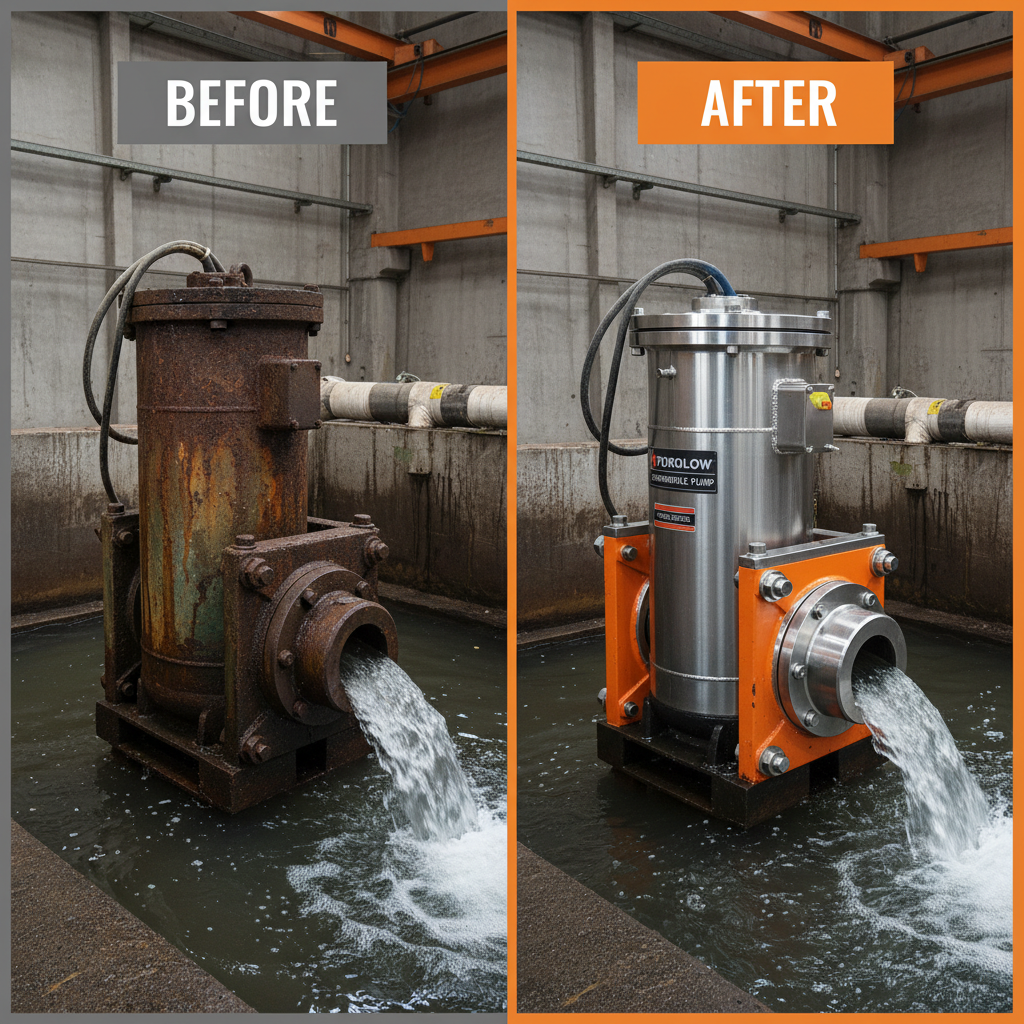 Understanding the Price Submersible Pump and Buyer GuideWhen searching for the ideal water management solution, understanding the price submersible pump options is crucial for balancing budget with performance. Whether you are dealing with a flooded basement, managing agricultural irrigation, or extracting water from a deep well, the cost of a submersible pump can vary significantly based on its build quality and capacity. Investing in a high-quality pump ensures long-term reliability and reduces the frequency of expensive replacements. In this guide, we will break down the factors that influence pricing and help you make an informed decision for your specific needs.Detail
 -
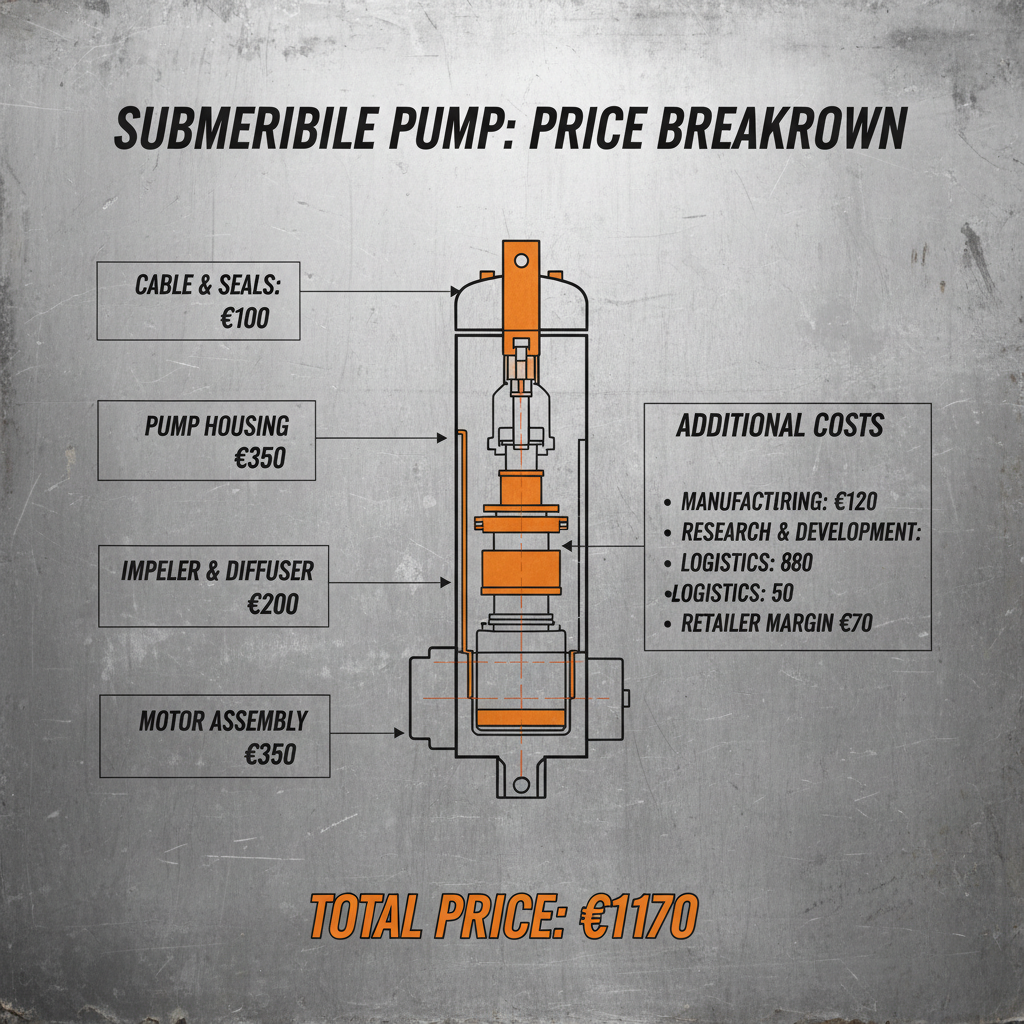 Factors Affecting the Price for Submersible Pump a Buyers GuideWhen investing in water management systems, understanding the price for submersible pump options is essential for balancing performance with budget. Whether you are managing a residential well, an industrial drainage project, or agricultural irrigation, the cost of a pump is rarely a flat fee; it is a reflection of the engineering, materials, and capacity required for your specific environment. In this guide, we will break down the factors that influence pricing and help you determine the best value for your investment to ensure long-term reliability and efficiency.Detail
 -
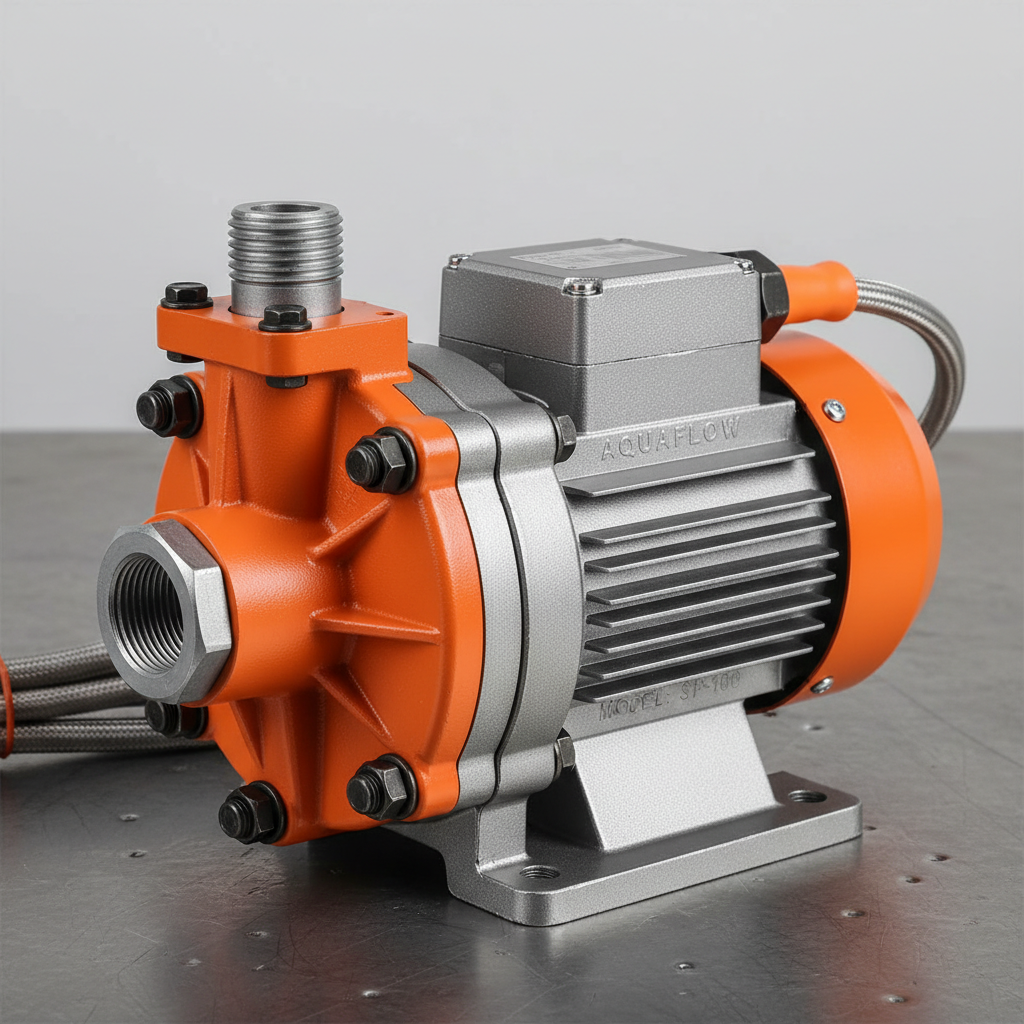 Choosing the Right Mini Submersible Fountain Pump for Optimal Water Feature PerformanceCreating a beautiful and relaxing water feature doesn't have to be complicated. A mini submersible fountain pump is the heart of any indoor or outdoor fountain, and selecting the right one is crucial for optimal performance and longevity. This article will guide you through the key considerations when choosing a mini submersible fountain pump, covering types, features, applications, and how to ensure you get the perfect pump for your project. We’ll also explore how Wellpumpact can provide you with the ideal solution.Detail
 Afrikaans
 Albanian
 Amharic
 Arabic
 Armenian
 Azerbaijani
 Basque
 Belarusian
 Bengali
 Bosnian
 Bulgarian
 Catalan
 Cebuano
 Corsican
 Croatian
 Czech
Czech
 Danish
 Dutch
Dutch
 Esperanto
 Estonian
 Finnish
 French
 Frisian
 Galician
 Georgian
 German
 Greek
Greek
 Gujarati
 Haitian Creole
 Hausa
Hausa
 Hawaiian
 Hebrew
 Hindi
Hindi
 Miao
Miao
 Hungarian
 Icelandic
 Igbo
Igbo
 Indonesian
 Irish
Irish
 Italian
 Japanese
 Javanese
 Kannada
 Kazakh
 Khmer
Khmer
 Rwandese
 Korean
 Kurdish
 Kyrgyz
 Lao
Lao
 Latin
Latin
 Latvian
 Lithuanian
 Luxembourgish
 Macedonian
 Malgashi
 Malay
Malay
 Malayalam
 Maltese
 Maori
Maori
 Marathi
 Mongolian
 Myanmar
 Nepali
 Norwegian
 Norwegian
 Occitan
 Pashto
 Persian
 Polish
 Portuguese
 Punjabi
 Romanian
 Russian
 Samoan
 Scottish Gaelic
 Serbian
 Sesotho
 Shona
Shona
 Sindhi
 Sinhala
 Slovak
 Slovenian
 Somali
 Spanish
 Sundanese
 Swahili
 Swedish
 Tagalog
 Tajik
Tajik
 Tamil
Tamil
 Tatar
Tatar
 Telugu
 Thai
Thai
 Turkish
 Turkmen
 Ukrainian
 Urdu
Urdu
 Uighur
 Uzbek
Uzbek
 Vietnamese
 Welsh
Welsh
 Bantu
Bantu
 Yiddish
 Yoruba
 Zulu
Zulu
 English