
Dec . 02, 2025 07:50 Back to list
Battery Operated Submersible Pump: Off-Grid Water Solutions for Industry & Relief
Understanding Battery Operated Submersible Pumps: Powering Water Access Everywhere
In a world where reliable access to water remains a critical challenge — whether in remote rural villages, disaster zones, or industrial sites — the battery operated submersible pump emerges as a quietly transformative technology. These pumps don’t rely on grid electricity, making them incredibly versatile when power infrastructures are unreliable or non-existent. Understanding how they work, their benefits, and where they’re applied sheds light on a vital piece of equipment with global importance.
Why Battery Operated Submersible Pumps Matter Globally
Water scarcity affects over 2 billion people worldwide, according to the UN-Water. In many of these regions, traditional pumping methods simply aren’t feasible. Battery operated submersible pumps provide a clean, portable, and robust solution that can be deployed quickly and maintained with relative ease. They support agriculture, emergency response, and industrial tasks — essentially sustaining lives and livelihoods. Frankly, as climate change and infrastructural gaps widen, having reliable, off-grid water pumping technology is more than a convenience; it’s a necessity.
What Is a Battery Operated Submersible Pump?
Simply put, a battery operated submersible pump is a waterproof pump powered entirely by rechargeable batteries. It sits underwater — often inside wells, boreholes, or water tanks — and pushes water up to the surface without the need for external power. This technology slices dependency from fuel or grid electricity and can run off renewable energy sources indirectly if batteries are charged accordingly. It’s a key enabler in places where electricity is intermittent or unavailable.
The connection to modern industry and humanitarian needs is close. Whether pumped water irrigates remote fields or supports communities after floods, the pump’s portability and independence make it invaluable. Some models even integrate smart controls, letting operators monitor usage remotely to optimize efficiency.
Key Factors That Define Effective Battery Operated Submersible Pumps
1. Durability
Operating underwater exposes pumps to corrosive environments, so materials like stainless steel or high-grade polymers are common. This durability ensures pumps last longer even in harsh conditions — salty water, dirt, or debris — improving total cost of ownership.
2. Battery Life & Power Capacity
A core aspect is how long the battery can power the pump before needing recharge. Newer lithium-ion technologies allow for longer runtimes and faster charging cycles. Battery capacity affects flow rate and pumping height, so manufacturers balance it to meet target applications.
3. Scalability & Portability
These pumps come in various sizes — from small portable units useful in emergency relief to large systems for industrial water extraction. The pump’s weight and size influence how easy it is to deploy in the field.
4. Cost Efficiency
While initial purchase prices might seem higher than traditional pumps, savings on fuel, electricity, and maintenance often result in lower lifetime costs. Plus, the environmental benefit of reduced emissions can’t be overlooked.
5. Ease of Maintenance and Operation
Since the units often work in remote areas, simplicity is key. Modular designs and easy-to-replace battery packs are common features that reduce downtime and operational complexity.
Product Specifications Snapshot: Typical Battery Operated Submersible Pump
| Specification | Value |
|---|---|
| Pump Type | Submersible Centrifugal |
| Power Source | Rechargeable Lithium-ion Battery |
| Max Flow Rate | 3,000 liters/hour |
| Max Head (Pump Height) | 40 meters |
| Pump Housing | Stainless Steel / High-Density Polymer |
| Battery Run Time | Up to 6 hours continuous operation |
Mini Takeaway: Balancing robust materials, battery power, and portability is the heart of designing dependable battery operated submersible pumps.
Who’s Using These Pumps? Global Applications and Real-World Use Cases
- Emergency and Disaster Relief: After hurricanes or floods, when power grids fail, organizations like the Red Cross deploy battery operated submersible pumps to quickly restore water access.
- Agriculture in Remote Areas: Farmers in sub-Saharan Africa or parts of Asia use these pumps to irrigate fields where electric grids never reached. It’s often linked with solar panels that recharge the batteries.
- Mining and Industrial Sites: In remote mines or construction zones far from power sources, these pumps handle dewatering effectively.
- Developing Countries’ Rural Water Supply: NGOs increasingly promote these pumps to provide clean water wells or boreholes in villages.
In all these scenarios, portability and off-grid operation are critical — it feels empowering to bring water pumping wherever it’s needed, no matter the infrastructure.
Vendor Comparison Table: Leading Battery Operated Submersible Pumps in 2024
| Brand | Battery Life (hours) | Max Flow Rate (L/hr) | Weight (kg) | Price Range (USD) |
|---|---|---|---|---|
| HydroFlowX | 6 | 2,800 | 12 | $1,100 - $1,400 |
| AquaPulse | 5.5 | 3,000 | 15 | $1,300 - $1,600 |
| EcoPump Pro | 7 | 2,500 | 10 | $1,000 - $1,300 |
Advantages & Long-Term Value of Battery Operated Submersible Pumps
Beyond the technical specs, it's worth pondering what these pumps actually do for communities and industries. They save money over time by eliminating fuel costs and reducing maintenance complexity. They minimize carbon footprints, supporting global sustainability efforts (hello, ISO 14001 principles). Equally important, they preserve dignity—imagine no longer needing to haul water manually for hours. Reliability in critical times builds trust among users. It's a fairly rare mix of innovation and empathy wrapped into one device.
Future Trends & Innovations to Watch
Looking ahead, I’m excited about several developments. Battery tech is improving rapidly — think solid-state batteries promising higher density and safety. Integration with solar charging stations is becoming standard, ensuring sustainability and independence from fossil fuels. There’s also growing use of IoT and smart sensors enabling remote monitoring of pump health and water levels, reducing manual checks. Automation in pumping schedules based on demand could optimize energy consumption province-wide. And, policies worldwide increasingly incentivize off-grid green solutions, so expect funding and adoption to accelerate.
Challenges & Solutions in the Current Landscape
No tech is perfect, and battery operated pumps face hurdles. Battery degradation over time leads to performance drops — replacements can be costly or slow to source in remote areas. Also, upfront costs remain a barrier for some communities and small businesses. One inventive answer is pay-as-you-go models or community funds spreading expense over time. Plus, modular battery packs that are standardized could ease repairs globally. Training users in maintenance and troubleshooting is another key approach; many pumps come with user-friendly manuals now. In short, the solutions blend tech improvements and smart deployment.
FAQ: Common Questions About Battery Operated Submersible Pumps
- How long can a battery operated submersible pump run before needing a recharge?
- The runtime typically ranges from 5 to 7 hours depending on pump size, battery capacity, and flow rate. Lithium-ion batteries improve this compared to older lead-acid models. Charging time usually takes 4–6 hours with dedicated chargers or solar setups.
- Can these pumps handle dirty or sediment-heavy water?
- Most pumps are designed to handle some sediments, but heavy debris can damage internal components. Models with filters or abrasive-resistant housings are better suited for tougher conditions. Regular cleaning helps extend pump life.
- Are battery operated submersible pumps cost-effective compared to fuel-powered ones?
- Although upfront costs are higher, they save money over time by eliminating fuel expenses, reducing maintenance, and often lasting longer. They also emit no pollutants during operation, aligning with environmental goals.
- How portable are these pumps for emergency use?
- Weights range from 10 to 15 kg for typical models—portable by one or two people. Designed for rapid deployment, they usually come with carry handles or cases and don’t need complex installation.
- Where can I find trusted vendors or purchase these pumps?
- Reputable brands include HydroFlowX, AquaPulse, and EcoPump Pro as shown in our comparison. Many vendors distribute through specialized retailers or NGOs, and you can explore options online for your region. For more info, check battery operated submersible pump resources.
Conclusion: Why Battery Operated Submersible Pumps Matter More Than Ever
In the end, these pumps represent more than just technology; they are lifelines for millions. Their portability, sustainability, and reliability empower communities, industries, and responders to meet pressing water challenges today and tomorrow. If you’re looking to improve water access or sustainability in your projects or operations, the battery operated submersible pump is worth serious consideration.
Ready to explore options? Visit our website: https://www.wellpumpact.com.
Reflection: It feels like the convergence of green tech, smart design, and humanitarian need has propelled these pumps from niche gadgets to essential tools. And there’s more innovation coming — I’ll be watching this space closely.
-
Understanding the Price Submersible Pump and Buyer Guide
NewsApr.16,2026
-
Factors Affecting the Price for Submersible Pump a Buyers Guide
NewsApr.09,2026
-
Choosing the Right Mini Submersible Fountain Pump for Optimal Water Feature Performance
NewsApr.07,2026
-
A Detailed Guide to Installing a Submersible Pump for Optimal Performance
NewsApr.04,2026
-
Comprehensive Guide on How to Test a Submersible Water Well Pump Effectively
NewsMar.31,2026
-
Learn How to Replace a Submersible Well Pump Safely and Effectively
NewsMar.28,2026
-
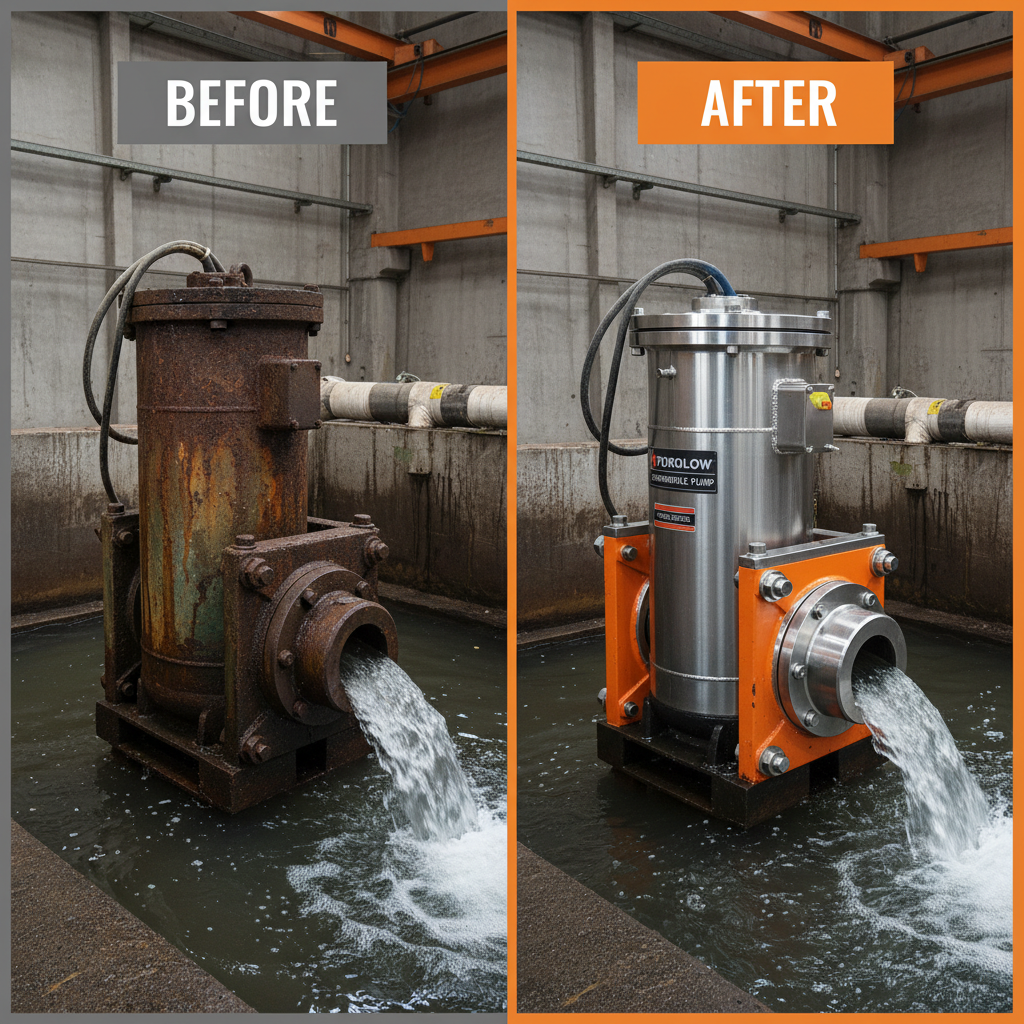 Understanding the Price Submersible Pump and Buyer GuideWhen searching for the ideal water management solution, understanding the price submersible pump options is crucial for balancing budget with performance. Whether you are dealing with a flooded basement, managing agricultural irrigation, or extracting water from a deep well, the cost of a submersible pump can vary significantly based on its build quality and capacity. Investing in a high-quality pump ensures long-term reliability and reduces the frequency of expensive replacements. In this guide, we will break down the factors that influence pricing and help you make an informed decision for your specific needs.Detail
 -
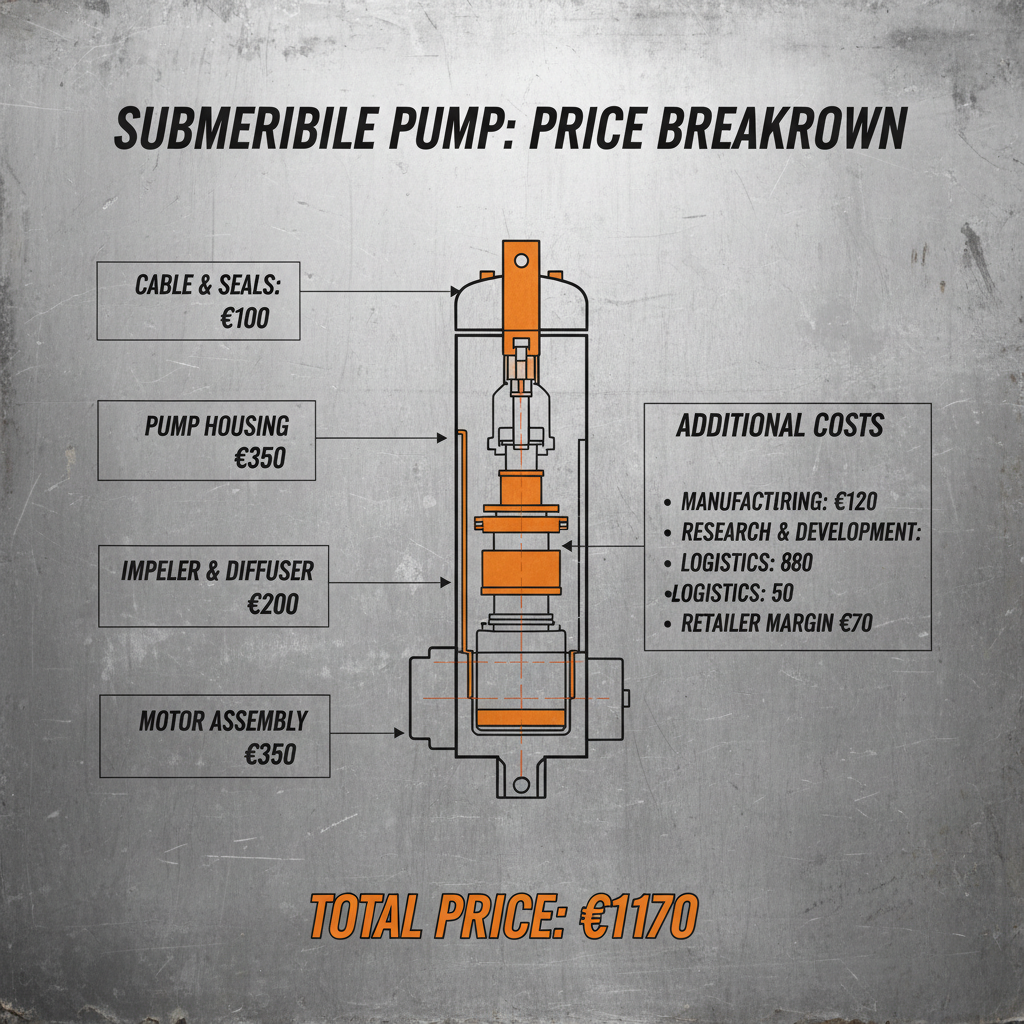 Factors Affecting the Price for Submersible Pump a Buyers GuideWhen investing in water management systems, understanding the price for submersible pump options is essential for balancing performance with budget. Whether you are managing a residential well, an industrial drainage project, or agricultural irrigation, the cost of a pump is rarely a flat fee; it is a reflection of the engineering, materials, and capacity required for your specific environment. In this guide, we will break down the factors that influence pricing and help you determine the best value for your investment to ensure long-term reliability and efficiency.Detail
 -
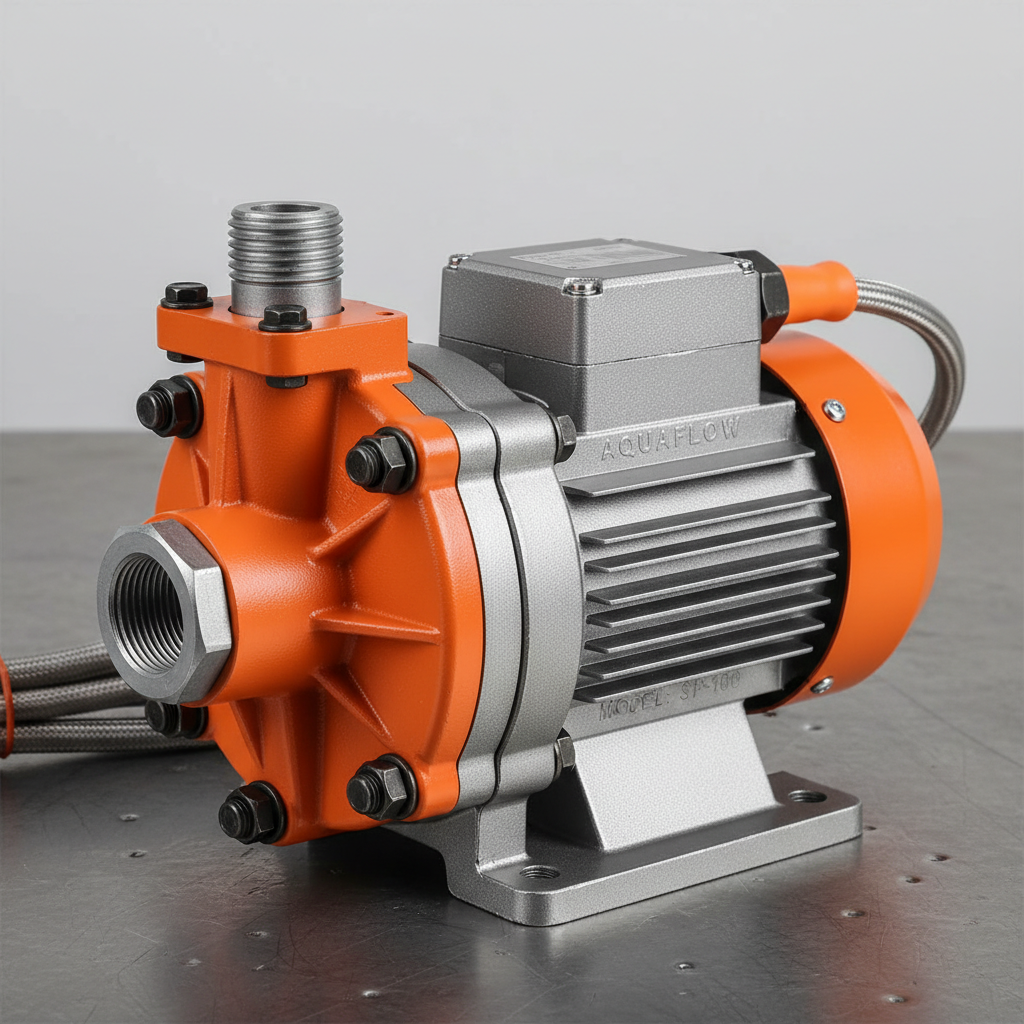 Choosing the Right Mini Submersible Fountain Pump for Optimal Water Feature PerformanceCreating a beautiful and relaxing water feature doesn't have to be complicated. A mini submersible fountain pump is the heart of any indoor or outdoor fountain, and selecting the right one is crucial for optimal performance and longevity. This article will guide you through the key considerations when choosing a mini submersible fountain pump, covering types, features, applications, and how to ensure you get the perfect pump for your project. We’ll also explore how Wellpumpact can provide you with the ideal solution.Detail
 Afrikaans
 Albanian
 Amharic
 Arabic
 Armenian
 Azerbaijani
 Basque
 Belarusian
 Bengali
 Bosnian
 Bulgarian
 Catalan
 Cebuano
 Corsican
 Croatian
 Czech
Czech
 Danish
 Dutch
Dutch
 Esperanto
 Estonian
 Finnish
 French
 Frisian
 Galician
 Georgian
 German
 Greek
Greek
 Gujarati
 Haitian Creole
 Hausa
Hausa
 Hawaiian
 Hebrew
 Hindi
Hindi
 Miao
Miao
 Hungarian
 Icelandic
 Igbo
Igbo
 Indonesian
 Irish
Irish
 Italian
 Japanese
 Javanese
 Kannada
 Kazakh
 Khmer
Khmer
 Rwandese
 Korean
 Kurdish
 Kyrgyz
 Lao
Lao
 Latin
Latin
 Latvian
 Lithuanian
 Luxembourgish
 Macedonian
 Malgashi
 Malay
Malay
 Malayalam
 Maltese
 Maori
Maori
 Marathi
 Mongolian
 Myanmar
 Nepali
 Norwegian
 Norwegian
 Occitan
 Pashto
 Persian
 Polish
 Portuguese
 Punjabi
 Romanian
 Russian
 Samoan
 Scottish Gaelic
 Serbian
 Sesotho
 Shona
Shona
 Sindhi
 Sinhala
 Slovak
 Slovenian
 Somali
 Spanish
 Sundanese
 Swahili
 Swedish
 Tagalog
 Tajik
Tajik
 Tamil
Tamil
 Tatar
Tatar
 Telugu
 Thai
Thai
 Turkish
 Turkmen
 Ukrainian
 Urdu
Urdu
 Uighur
 Uzbek
Uzbek
 Vietnamese
 Welsh
Welsh
 Bantu
Bantu
 Yiddish
 Yoruba
 Zulu
Zulu
 English