
Dec . 03, 2025 11:36 Back to list
Electrical Submersible Pump Solutions for Industry | WellPumpAct
Electrical Submersible Pump is a key solution in the industry, specifically within sectors like oil & gas, water management, and mining. This article explores how https://www.wellpumpact.com supports professionals with durable, high-performance products, and explains why this product is an ideal choice for businesses in these sectors.
Table of Contents
- Electrical Submersible Pump Overview
- Benefits & Use Cases of Electrical Submersible Pump
- Cost, Maintenance & User Experience
- Sustainability & Market Trends
Electrical Submersible Pump Overview
Electrical Submersible Pumps (ESPs) are essentially electric-driven pumps submerged directly into the fluid, often deep underground or underwater. They’re tailor-made to handle tough conditions where other pumps might choke or seize. These pumps play a vital role in boosting fluid flow from wells or reservoirs to surface operations — think oil wells or municipal water supplies.
Technically, the ESP system comprises several components: a multi-stage centrifugal pump, an electric motor directly coupled to it, a seal chamber, and a power cable. The motor’s sealed and cooled by the very fluid it pumps — which is an elegant way to avoid overheating. For instance, in one mining operation case study, ESPs lifted heavy slurry hundreds of meters, outperforming older mechanical pump setups while reducing downtime significantly.
| Specification | Details |
|---|---|
| Max Depth | 4500 meters |
| Flow Rate | Up to 15,000 m³/day |
| Motor Power | Up to 1500 HP |
| Temperature Range | Up to 120°C fluid temp |
| Material | Stainless steel & corrosion-resistant alloys |
Benefits & Use Cases of Electrical Submersible Pump
The benefits of Electrical Submersible Pumps really come into focus when used in demanding applications. They excel in oil extraction, where boosting production is crucial, and in wastewater treatment plants, where reliability and longevity minimize costly downtimes. I noticed many companies choose ESPs for their ability to run submerged, avoiding cavitation issues typical in surface pumps.
One standout feature is the high efficiency achieved by multistage centrifugal designs, which make them suitable for variable flow and pressure requirements. Thanks to advances from vendors like WellPumpAct, customization is easier, from motor power to materials to suit harsh chemicals or abrasive fluids. This adaptability often means lower operational costs and fewer replacements over time.
Cost, Maintenance & User Experience
Speaking frankly, the total cost of ownership (TCO) for an Electrical Submersible Pump can feel high upfront, especially with custom options. But in real terms, the durability and performance cuts down maintenance intervals dramatically. Clients often report ROI periods shorter than expected because these pumps keep running where others fail or require constant attention.
Moreover, WellPumpAct’s commitment to quality means many users experience less vibration, fewer seal failures, and longer motor life. From speaking with some engineers, it’s clear the ease of installation and remote monitoring options make ESPs preferable over traditional rod or centrifugal pumps. You kind of get a sense these pumps “just work” once deployed properly.
| Vendor | Material Options | Customization | Warranty | Typical Lead Time |
|---|---|---|---|---|
| WellPumpAct | Stainless steel, duplex, titanium | High (motor & stage design) | 24 months | 6-8 weeks |
| Vendor B | Carbon steel, standard alloys | Medium | 12 months | 8-12 weeks |
| Vendor C | Standard alloys only | Low | 18 months | 10+ weeks |
Sustainability & Market Trends
The push for energy efficiency and lower emissions is shaping Electrical Submersible Pump technology. Many manufacturers, including https://www.wellpumpact.com, invest in smarter motors and better materials to reduce wasted energy and extend pump life.
Also, environmental regulations encourage using equipment with lower environmental footprints — which ESPs can satisfy given their sealed systems and reduced leak risks. Sustainability aside, demand for ESPs is growing, partly driven by expanding oil production fields and water infrastructure upgrades worldwide.
Frequently Asked Questions about Electrical Submersible Pump
- What is Electrical Submersible Pump and how does it work?
- It’s a pump driven by an electric motor submerged in fluid, pushing liquids up through wells or pipes. The motor turns an impeller that pressurizes fluid, and the whole system is sealed to work underwater or in wells.
- What are the main benefits of using Electrical Submersible Pump in industrial applications?
- They offer high efficiency, can handle tough fluids, reduce downtime thanks to fewer mechanical parts exposed outside fluid, and can be customized for specific needs.
- How does Electrical Submersible Pump compare to traditional alternatives?
- Unlike surface pumps or rod pumps, ESPs operate submerged, which avoids cavitation and increases reliability. They also often achieve higher flow rates and deeper pumping depths.
- What industries can benefit most from Electrical Submersible Pump implementation?
- Oil & gas, mining, water treatment, and agriculture all benefit as these sectors require reliable pumping at depth with varying fluid types.
Conclusion on Electrical Submersible Pump from china
To sum up, Electrical Submersible Pumps, especially those available at https://www.wellpumpact.com, represent a high-value investment. Their reliability, customizability, and sustained performance make them crucial for many demanding industrial needs. For B2B decision makers evaluating pump solutions, ESPs offer a compelling combination of efficiency and durability.
- Recap the value of Electrical Submersible Pump.
- - "Visit our website: https://www.wellpumpact.com"
Reflecting on the evolution of ESPs, it’s clear they’ve become indispensable tools — not just pumps, but linchpins in operational efficiency and sustainability. For some sectors, switching to quality ESPs is less an option and more a necessity.
- Industry insights from oilfield engineering journals, 2023.
- Customer case studies, WellPumpAct internal data, 2024.
- Global pump market trend analyses, Pump Industry Reports, 2023.
-
Understanding the Price Submersible Pump and Buyer Guide
NewsApr.16,2026
-
Factors Affecting the Price for Submersible Pump a Buyers Guide
NewsApr.09,2026
-
Choosing the Right Mini Submersible Fountain Pump for Optimal Water Feature Performance
NewsApr.07,2026
-
A Detailed Guide to Installing a Submersible Pump for Optimal Performance
NewsApr.04,2026
-
Comprehensive Guide on How to Test a Submersible Water Well Pump Effectively
NewsMar.31,2026
-
Learn How to Replace a Submersible Well Pump Safely and Effectively
NewsMar.28,2026
-
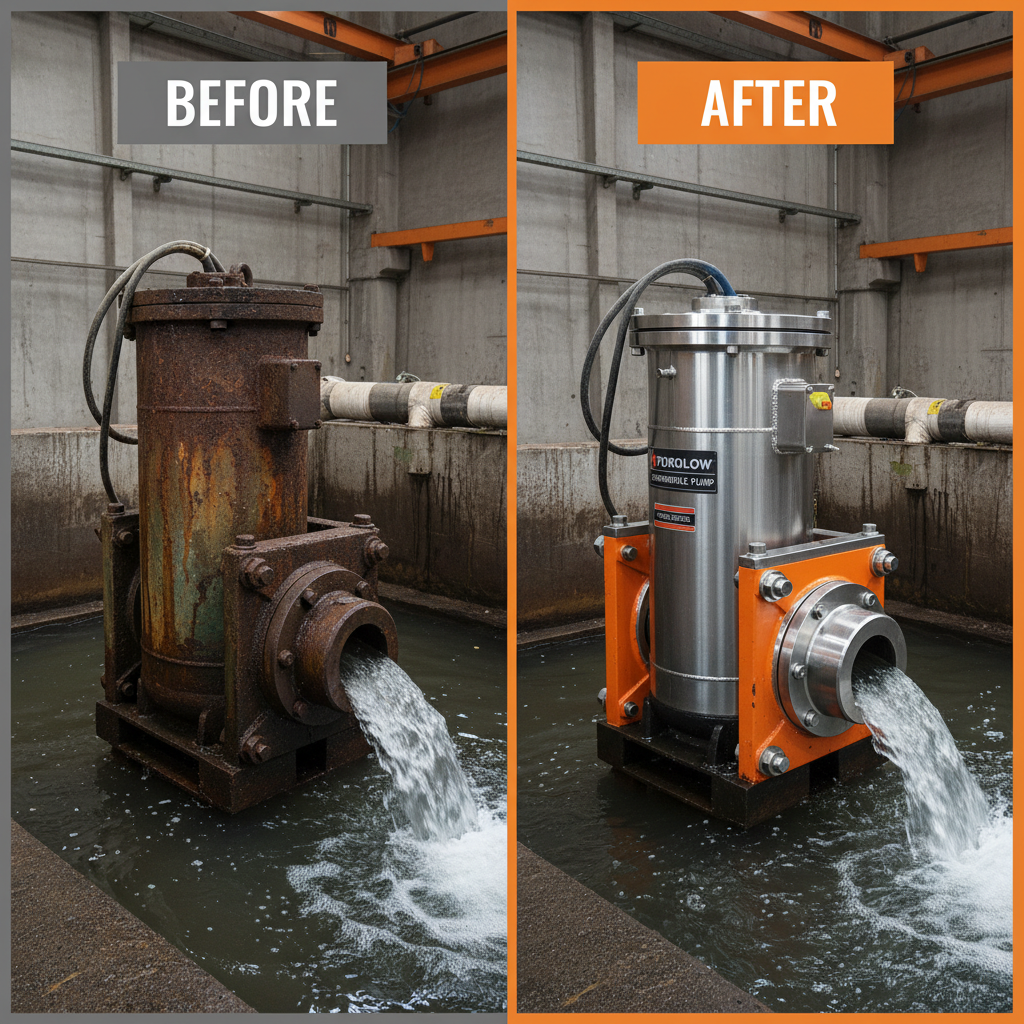 Understanding the Price Submersible Pump and Buyer GuideWhen searching for the ideal water management solution, understanding the price submersible pump options is crucial for balancing budget with performance. Whether you are dealing with a flooded basement, managing agricultural irrigation, or extracting water from a deep well, the cost of a submersible pump can vary significantly based on its build quality and capacity. Investing in a high-quality pump ensures long-term reliability and reduces the frequency of expensive replacements. In this guide, we will break down the factors that influence pricing and help you make an informed decision for your specific needs.Detail
 -
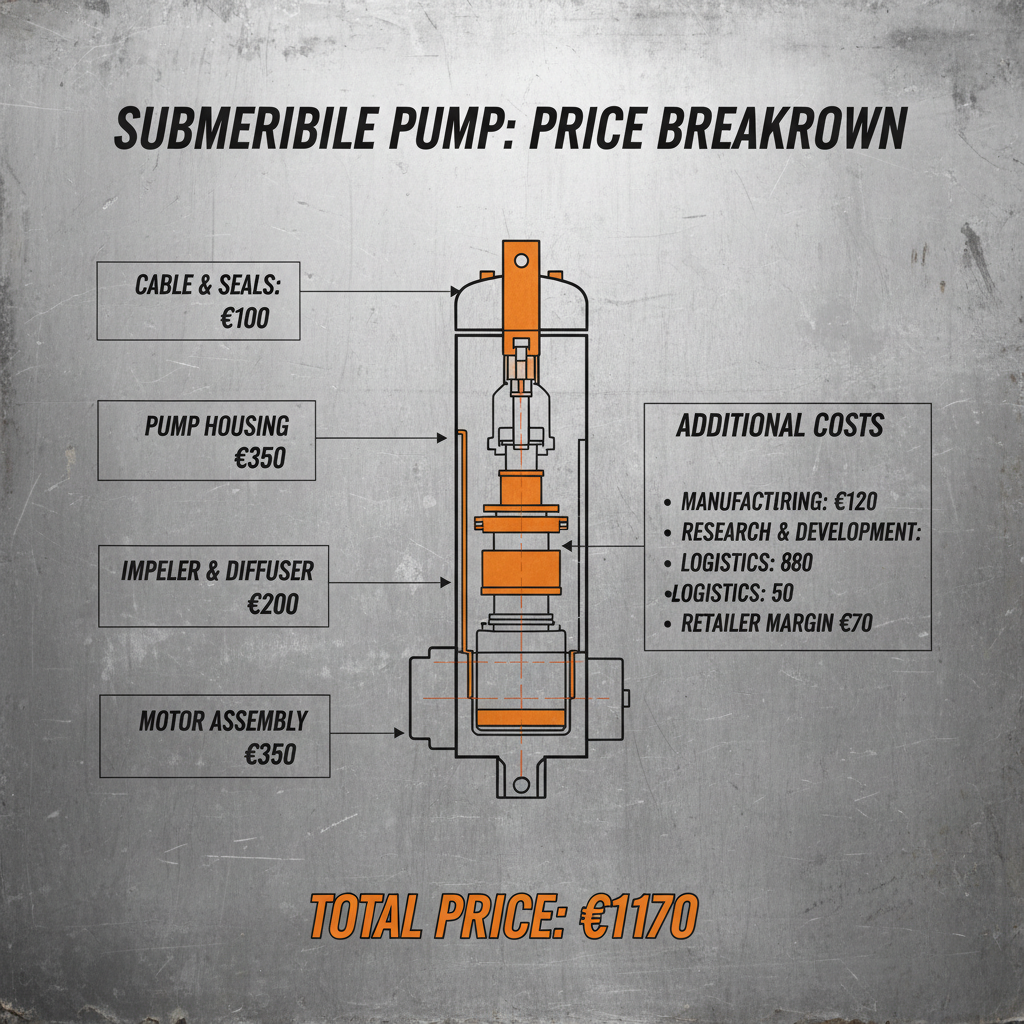 Factors Affecting the Price for Submersible Pump a Buyers GuideWhen investing in water management systems, understanding the price for submersible pump options is essential for balancing performance with budget. Whether you are managing a residential well, an industrial drainage project, or agricultural irrigation, the cost of a pump is rarely a flat fee; it is a reflection of the engineering, materials, and capacity required for your specific environment. In this guide, we will break down the factors that influence pricing and help you determine the best value for your investment to ensure long-term reliability and efficiency.Detail
 -
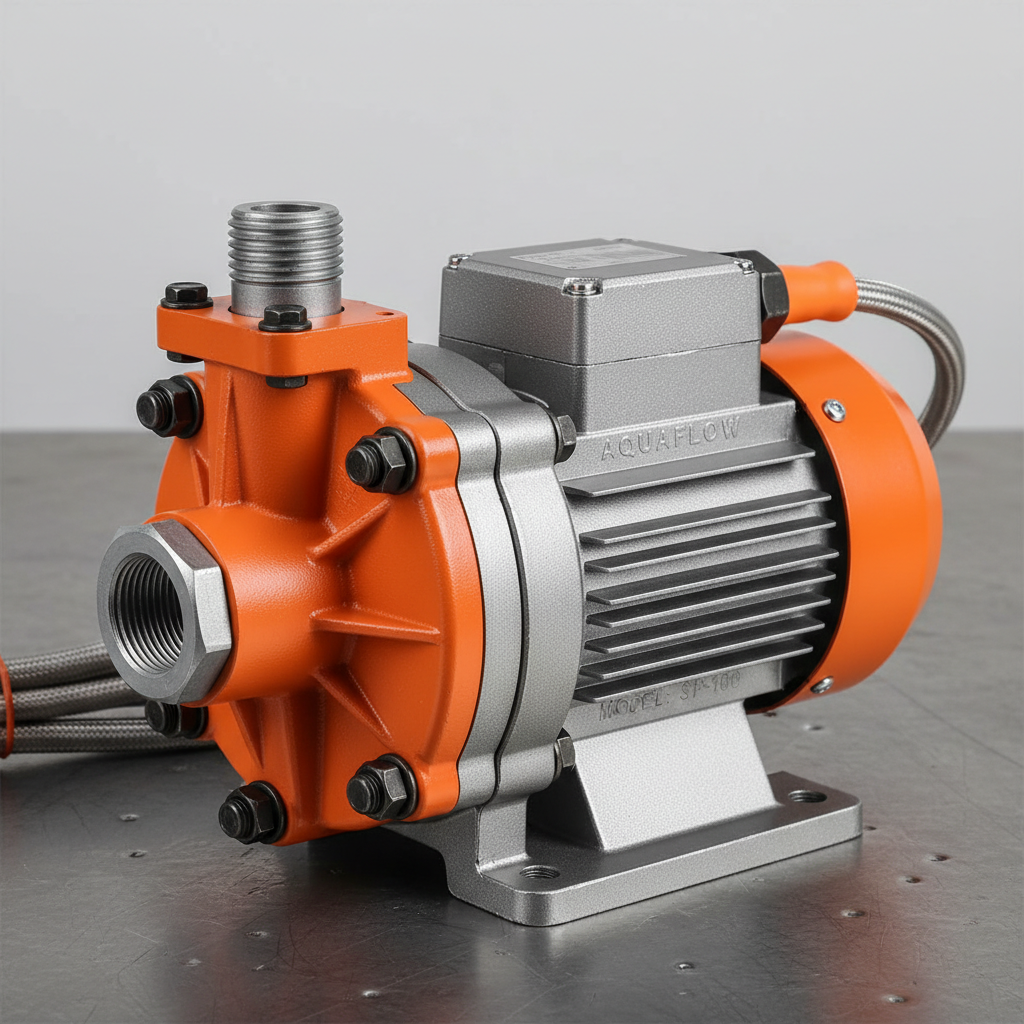 Choosing the Right Mini Submersible Fountain Pump for Optimal Water Feature PerformanceCreating a beautiful and relaxing water feature doesn't have to be complicated. A mini submersible fountain pump is the heart of any indoor or outdoor fountain, and selecting the right one is crucial for optimal performance and longevity. This article will guide you through the key considerations when choosing a mini submersible fountain pump, covering types, features, applications, and how to ensure you get the perfect pump for your project. We’ll also explore how Wellpumpact can provide you with the ideal solution.Detail
 Afrikaans
 Albanian
 Amharic
 Arabic
 Armenian
 Azerbaijani
 Basque
 Belarusian
 Bengali
 Bosnian
 Bulgarian
 Catalan
 Cebuano
 Corsican
 Croatian
 Czech
Czech
 Danish
 Dutch
Dutch
 Esperanto
 Estonian
 Finnish
 French
 Frisian
 Galician
 Georgian
 German
 Greek
Greek
 Gujarati
 Haitian Creole
 Hausa
Hausa
 Hawaiian
 Hebrew
 Hindi
Hindi
 Miao
Miao
 Hungarian
 Icelandic
 Igbo
Igbo
 Indonesian
 Irish
Irish
 Italian
 Japanese
 Javanese
 Kannada
 Kazakh
 Khmer
Khmer
 Rwandese
 Korean
 Kurdish
 Kyrgyz
 Lao
Lao
 Latin
Latin
 Latvian
 Lithuanian
 Luxembourgish
 Macedonian
 Malgashi
 Malay
Malay
 Malayalam
 Maltese
 Maori
Maori
 Marathi
 Mongolian
 Myanmar
 Nepali
 Norwegian
 Norwegian
 Occitan
 Pashto
 Persian
 Polish
 Portuguese
 Punjabi
 Romanian
 Russian
 Samoan
 Scottish Gaelic
 Serbian
 Sesotho
 Shona
Shona
 Sindhi
 Sinhala
 Slovak
 Slovenian
 Somali
 Spanish
 Sundanese
 Swahili
 Swedish
 Tagalog
 Tajik
Tajik
 Tamil
Tamil
 Tatar
Tatar
 Telugu
 Thai
Thai
 Turkish
 Turkmen
 Ukrainian
 Urdu
Urdu
 Uighur
 Uzbek
Uzbek
 Vietnamese
 Welsh
Welsh
 Bantu
Bantu
 Yiddish
 Yoruba
 Zulu
Zulu
 English