
Nov . 29, 2025 16:15 Back to list
Industrial Submersible Pumps: Reliable Liquid Handling for Global Industries
What Exactly Is an Industrial Submersible Pump and Why Should You Care?
At first glance, an industrial submersible pump sounds like just another piece of heavy machinery—but it’s so much more. These pumps work silently underwater, tirelessly moving liquids from one place to another in factory tanks, construction sites, or even disaster zones. Understanding their function matters on a global scale, especially as industries look for robust, energy-efficient solutions to move water, chemicals, or wastewater safely and reliably.
Think of it this way: without these pumps, many manufacturing processes would slow down, flood management would become costlier, and even humanitarian water supply efforts would face huge challenges. Getting the hang of how and why these pumps matter offers perks like smoother operations, environmental protection, and cost savings over time. So, let’s dive a little deeper.
The Global Importance of Industrial Submersible Pumps
Submersible pumps aren’t just a niche tool; they are vital in every corner of the world. According to a recent ISO report, the global market for industrial pumping solutions is expected to grow by over 5% annually over the next decade, driven largely by urbanization and water management needs. In fact, the UN highlights how effective water management—including pumping—is crucial to sustainable development goals like clean water and sanitation.
Industries face challenges like groundwater depletion, wastewater disposal, and hazardous chemical handling, all of which need reliable, safe pumping solutions. Industrial submersible pumps address these by being built for extreme conditions, reducing leak risk and minimizing energy waste. That’s why you’ll find them from factories in Europe to mining operations in South America, and even infrastructure rebuilds after natural disasters in Asia.
Mini Takeaway:
Industrial submersible pumps are globally indispensable for sustainable water and industrial liquid handling, meeting challenges from environmental regulations to operational efficiency.
What Is an Industrial Submersible Pump, Simply Put?
In essence, an industrial submersible pump is a machine designed to operate underwater, submerged directly within the fluid it needs to move. Unlike traditional pumps that sit above the liquid, these are built to withstand immersion, pushing liquids upwards through pipes to the surface or onward to treatment and usage points.
They combine a motor and pump into a single compact assembly, which makes them efficient and less prone to overheating. Industrial versions are sturdily engineered for tough fluids—think sludge, chemicals, raw water—and technical challenges such as high pressures or corrosive environments. Because modern industries demand both performance and safety, these pumps are often essential, whether you’re refining oil, dewatering a mine, or supplying water in a crisis zone.
Core Components and Key Factors That Matter
Durability
One of the first things engineers notice is that an industrial submersible pump has to last. Fabricated with corrosion-resistant materials like stainless steel or special polymers, these pumps endure harsh chemicals, abrasive particles, and long operation hours. They often feature sealed motor housings and critical bearings that keep water out and life extended.
Energy Efficiency
Energy consumption isn’t just a cost factor—it’s an environmental one. Well-designed submersible pumps incorporate optimized impellers and motors that reduce power draw while maintaining flow rates. This means companies can trim operational expenses and shrink their carbon footprint, quite a win-win.
Scalability
Depending on the need, these pumps come in varied sizes — from small units for light-duty water transfer to gigantic beasts used in mining and wastewater plants. This scalability helps industries adapt to fluctuating demands, making the pump a flexible, long-term asset.
Ease of Maintenance
Because these pumps work underwater, accessibility is a real concern. Manufacturers often design them for simpler disassembly or with monitoring sensors to catch issues early. This attention to serviceability prevents costly downtime and keeps workflows smooth.
Safety Features
Electrical and mechanical safety features — like thermal overload protection or automatic shutoffs — protect workers and infrastructure alike, especially in hazardous environments where leaks or failures can be catastrophic.
Mini Takeaway:
Durability, efficiency, and safety come together in the industrial submersible pump to provide reliable liquid handling that fits the exacting standards of modern industries.
How Industrial Submersible Pumps Are Used Around the World
From the arid zones of the Middle East to the damp coastal regions of Europe, these pumps find indispensable roles. In post-disaster relief operations, for instance, submersible pumps help clear floodwaters quickly, allowing communities to recover and rebuild faster. Remote mining operations in places like Australia rely on high-capacity pumps to dewater deep shafts safely, preserving worker safety and equipment integrity.
Chemical plants in North America use specialized corrosion-resistant pumps to handle toxic fluids without leaks, while agricultural sectors in Africa apply submersible pumps for irrigation, boosting crop yields sustainably.
Industrial Submersible Pump: Typical Specifications at a Glance
| Specification | Typical Values | Notes |
|---|---|---|
| Power Range | 1 kW – 250 kW | Varies by application |
| Flow Rate | 10 L/s – 500 L/s | Depends on size/model |
| Maximum Depth | Up to 200 m | Limited by cable length and pressure |
| Material | Stainless Steel, Cast Iron, Polymers | Chemical resistance varies |
| Voltage | 230 V – 480 V | Three-phase typically used |
| Protection | IP68 or Higher | Fully dust and water resistant |
Comparing Leading Industrial Submersible Pump Vendors
| Vendor | Key Strength | Typical Applications | Warranty |
|---|---|---|---|
| PumpCo Solutions | High efficiency motors | Water treatment, Mining | 3 years |
| AquaFlow Tech | Robust corrosion resistance | Chemical plants, Wastewater | 2 years |
| DeepWater Pumps Ltd. | Heavy-duty, large capacity | Mining, Flood Control | 5 years |
| EcoPump Industries | Energy-saving designs | Agriculture, Municipal Utilities | 3 years |
Advantages and Lasting Value of Industrial Submersible Pumps
The advantages are rarely just about moving water or fluids. Cost savings come quickly with energy-efficient motors and minimized maintenance downtime—two big wins for any operator. And because many industrial submersible pumps are made with sustainability in mind, the environmental impact is lessened, protecting workers and communities alike.
From an emotional standpoint, manufacturers and communities find reassurance in equipment that won’t suddenly fail or pollute. Reliable pumps often symbolize trust—after all, when entire operations depend on pumping systems, there’s a lot on the line.
Where Are Industrial Submersible Pumps Heading? The Future Looks Bright
We’re on the cusp of an electrifying pivot in pump technology—literally. Advances in smart sensors mean pumps can now self-monitor, alerting maintenance crews before minor issues become big problems. Emerging materials, like graphene coatings and advanced composites, promise even longer life and better chemical resistance.
And would you believe it? Green energy integration lets some pumps run off solar power or smart grids, cutting costs and carbon footprints simultaneously. Industry 4.0’s automation is no stranger here, with remote control and real-time data analytics transforming how pumps are managed worldwide.
Common Challenges—and How to Beat Them
It’s not all smooth sailing. Submersible pumps need quality power supply, and in remote sites, inconsistency can lead to failure. Plus, tough fluids may wear them down faster than expected. Thankfully, modular designs and predictive analytics help anticipate wear, while properly engineered electrical protection guards motors against irregular currents.
Innovative sealing techniques and easy-to-replace parts are also game changers, helping operators extend pump life without deep technical overhauls.
FAQs About Industrial Submersible Pumps
Q: How do I choose the right industrial submersible pump for my project?
A: Consider the fluid type, flow rate, depth, and power requirements first. Matching these with manufacturer specs and environmental conditions will help identify the best fit. Don't hesitate to contact vendors for custom recommendations.
Q: What maintenance routines ensure longevity in submersible pumps?
A: Regular inspection of seals, cables, and impellers is crucial. Many recommend quarterly checks and yearly overhauls, but conditions may dictate more frequent service. Remote monitoring can also alert you to issues before they cause downtime.
Q: Are industrial submersible pumps safe to use with hazardous chemicals?
A: Yes, provided they’re made of corrosion-resistant materials and feature appropriate sealing and safety certifications. Always verify chemical compatibility with the manufacturer before selection.
Q: Can these pumps be used in emergency flood relief operations?
A: Absolutely. Their waterproof design and high-capacity pumping ability make them ideal for quickly clearing floodwaters, helping speed recovery and minimize damage.
Q: How energy-intensive are industrial submersible pumps compared to surface pumps?
A: Typically, submersible pumps are more efficient since the motor works directly in the liquid, reducing losses due to suction lift and priming. This often translates to lower operational costs.
Wrapping It Up: Why Industrial Submersible Pumps Still Matter Tomorrow
In a world where industries constantly push for higher efficiency, better safety, and greener solutions, the industrial submersible pump stands out as a quiet hero—engineered to solve complex fluid challenges underwater. The mix of reliability, energy savvy, and adaptability means it’s not just a piece of equipment; it’s a long-term partner in progress.
If you’re curious or ready to upgrade your pumping systems, I highly recommend checking out what’s new on our site. Sometimes what’s hidden beneath the surface makes all the difference.
Thanks for sticking around. Hopefully, next time you hear “industrial submersible pump,” there’s a little less mystery and a bit more appreciation.
References
-
Understanding the Price Submersible Pump and Buyer Guide
NewsApr.16,2026
-
Factors Affecting the Price for Submersible Pump a Buyers Guide
NewsApr.09,2026
-
Choosing the Right Mini Submersible Fountain Pump for Optimal Water Feature Performance
NewsApr.07,2026
-
A Detailed Guide to Installing a Submersible Pump for Optimal Performance
NewsApr.04,2026
-
Comprehensive Guide on How to Test a Submersible Water Well Pump Effectively
NewsMar.31,2026
-
Learn How to Replace a Submersible Well Pump Safely and Effectively
NewsMar.28,2026
-
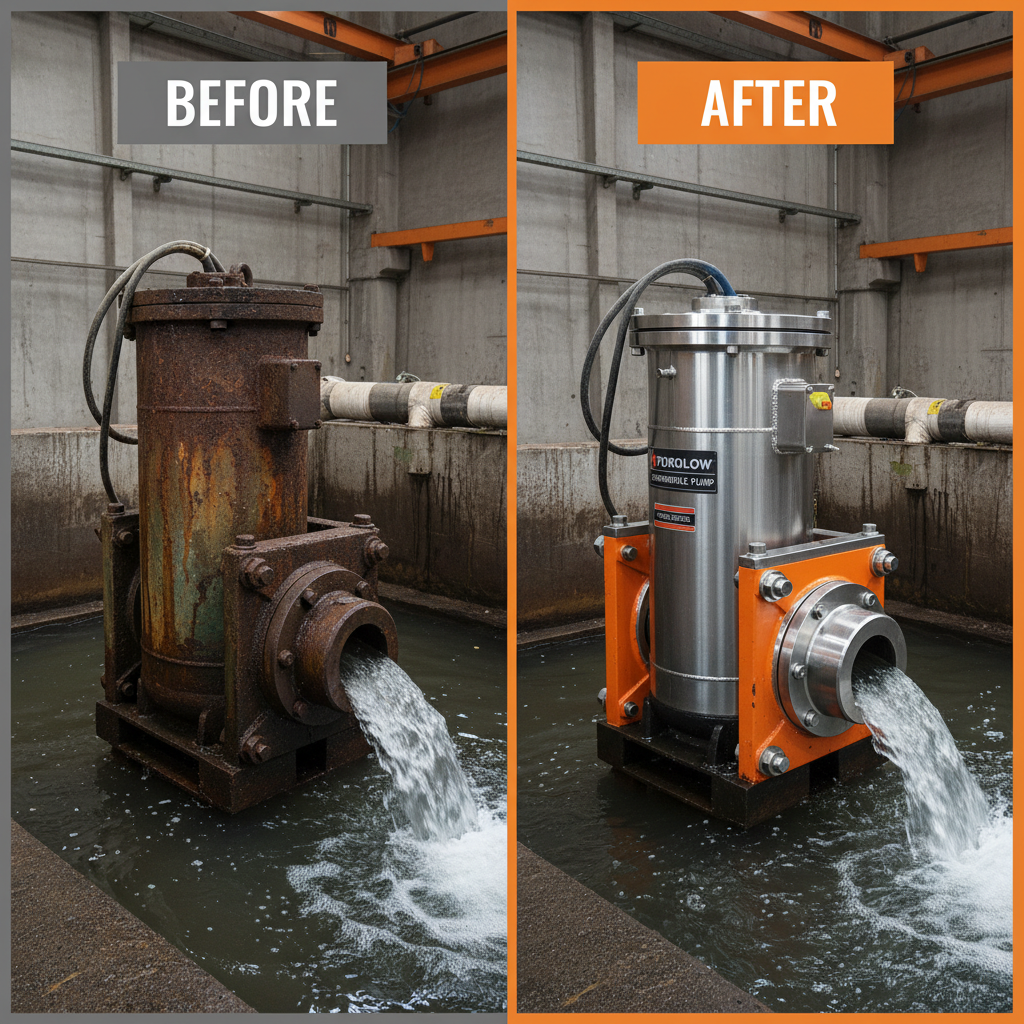 Understanding the Price Submersible Pump and Buyer GuideWhen searching for the ideal water management solution, understanding the price submersible pump options is crucial for balancing budget with performance. Whether you are dealing with a flooded basement, managing agricultural irrigation, or extracting water from a deep well, the cost of a submersible pump can vary significantly based on its build quality and capacity. Investing in a high-quality pump ensures long-term reliability and reduces the frequency of expensive replacements. In this guide, we will break down the factors that influence pricing and help you make an informed decision for your specific needs.Detail
 -
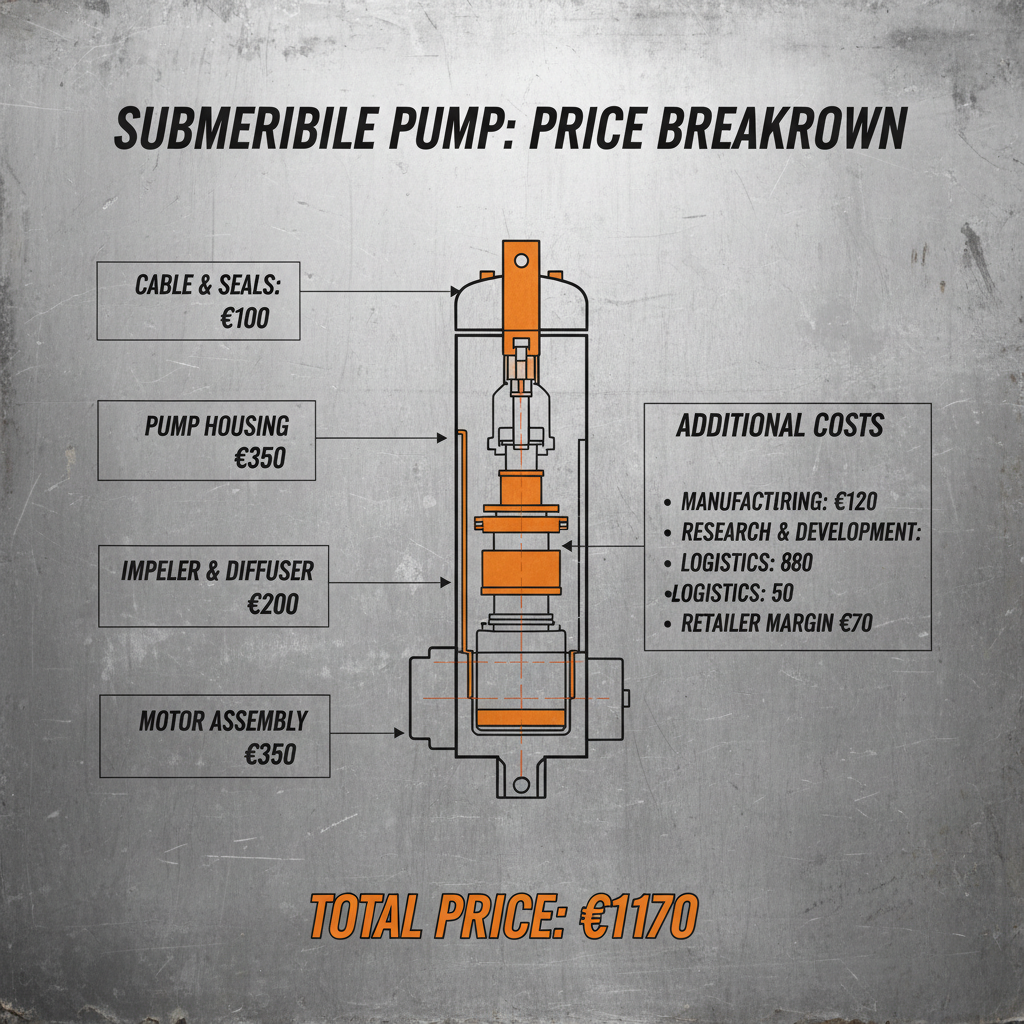 Factors Affecting the Price for Submersible Pump a Buyers GuideWhen investing in water management systems, understanding the price for submersible pump options is essential for balancing performance with budget. Whether you are managing a residential well, an industrial drainage project, or agricultural irrigation, the cost of a pump is rarely a flat fee; it is a reflection of the engineering, materials, and capacity required for your specific environment. In this guide, we will break down the factors that influence pricing and help you determine the best value for your investment to ensure long-term reliability and efficiency.Detail
 -
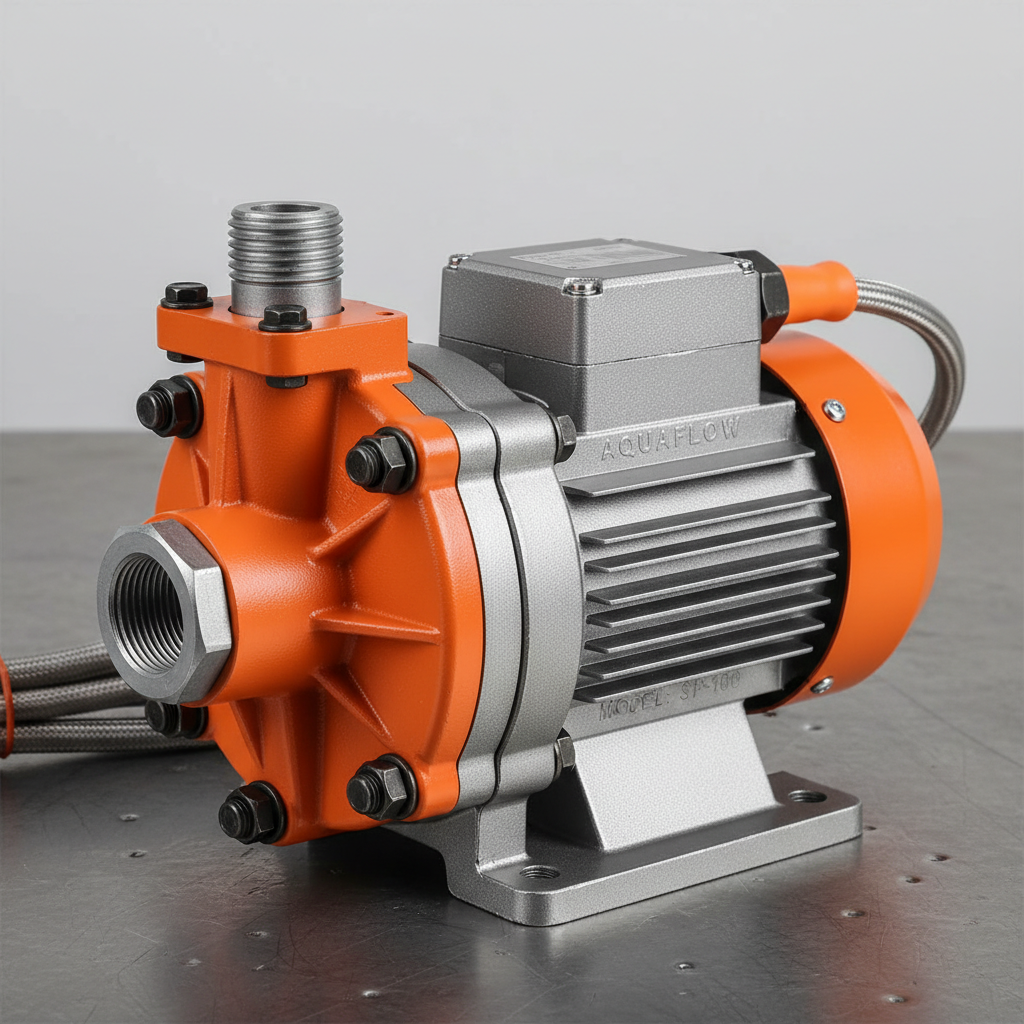 Choosing the Right Mini Submersible Fountain Pump for Optimal Water Feature PerformanceCreating a beautiful and relaxing water feature doesn't have to be complicated. A mini submersible fountain pump is the heart of any indoor or outdoor fountain, and selecting the right one is crucial for optimal performance and longevity. This article will guide you through the key considerations when choosing a mini submersible fountain pump, covering types, features, applications, and how to ensure you get the perfect pump for your project. We’ll also explore how Wellpumpact can provide you with the ideal solution.Detail
 Afrikaans
 Albanian
 Amharic
 Arabic
 Armenian
 Azerbaijani
 Basque
 Belarusian
 Bengali
 Bosnian
 Bulgarian
 Catalan
 Cebuano
 Corsican
 Croatian
 Czech
Czech
 Danish
 Dutch
Dutch
 Esperanto
 Estonian
 Finnish
 French
 Frisian
 Galician
 Georgian
 German
 Greek
Greek
 Gujarati
 Haitian Creole
 Hausa
Hausa
 Hawaiian
 Hebrew
 Hindi
Hindi
 Miao
Miao
 Hungarian
 Icelandic
 Igbo
Igbo
 Indonesian
 Irish
Irish
 Italian
 Japanese
 Javanese
 Kannada
 Kazakh
 Khmer
Khmer
 Rwandese
 Korean
 Kurdish
 Kyrgyz
 Lao
Lao
 Latin
Latin
 Latvian
 Lithuanian
 Luxembourgish
 Macedonian
 Malgashi
 Malay
Malay
 Malayalam
 Maltese
 Maori
Maori
 Marathi
 Mongolian
 Myanmar
 Nepali
 Norwegian
 Norwegian
 Occitan
 Pashto
 Persian
 Polish
 Portuguese
 Punjabi
 Romanian
 Russian
 Samoan
 Scottish Gaelic
 Serbian
 Sesotho
 Shona
Shona
 Sindhi
 Sinhala
 Slovak
 Slovenian
 Somali
 Spanish
 Sundanese
 Swahili
 Swedish
 Tagalog
 Tajik
Tajik
 Tamil
Tamil
 Tatar
Tatar
 Telugu
 Thai
Thai
 Turkish
 Turkmen
 Ukrainian
 Urdu
Urdu
 Uighur
 Uzbek
Uzbek
 Vietnamese
 Welsh
Welsh
 Bantu
Bantu
 Yiddish
 Yoruba
 Zulu
Zulu
 English