
Jan . 02, 2026 09:30 Back to list
Reliable 12 3 Submersible Pump Wire for Industrial Use | Expert Insights
Understanding 12 3 Submersible Pump Wire: A Field Veteran’s Take
After spending more than a decade working around industrial equipment—much of it submerged well beyond the surface—it’s fair to say I’ve seen my share of wiring, especially the 12 3 submersible pump wire. Frankly, that’s where things get interesting, because this seemingly simple cable has a huge impact on the reliability and safety of submersible pumps, which are often the unsung heroes in countless water, irrigation, and industrial systems.
So what makes the 12 3 wire such a staple in this sector? For starters, it’s all about the balance between flexibility, durability, and electrical capacity. I recall working on a municipal project years ago where the choice of wiring literally made the difference between months of downtime and a smooth installation. The 12-gauge, three-conductor setup provides just enough heft to handle voltage drops over considerable depths without being needlessly bulky.
Why 12 3? Breaking Down the Basics
The designation “12 3” tells you a lot if you know what to look for. “12” is the gauge of the wire—thicker than a 14 or 16 gauge—meaning it can handle higher current loads without excessive heat. The “3” means three conductors: typically two hot wires and one ground. This configuration aligns perfectly with the demands of a 230V submersible pump motor. I’ve often said it feels like the sweet spot for residential and light commercial pumping.
Oddly enough, the wire insulation and jacket materials sometimes cause more headaches than the gauge itself. In submersible applications, the entire cable is exposed to moisture, sometimes to harsh chemicals or well water with various pHs. Most reputable manufacturers use thermoplastic or cross-linked polyethylene (XLPE) insulation that resists water intrusion and soil acids, and that’s something I always double-check before recommending a brand.
| Specification | Details |
|---|---|
| Wire Gauge | 12 AWG |
| Number of Conductors | 3 (Two hots + Ground) |
| Voltage Rating | 600V Max |
| Insulation Material | XLPE or THHN/THWN-2 |
| Temperature Range | -40°C to +90°C |
| Typical Use | Submersible pump motors in wells & boreholes |
Comparing Popular Vendors of 12 3 Submersible Pump Wire
In my experience, not all 12 3 submersible pump wires are created equal. I’ve tested and fielded wires from several well-known suppliers. Here’s a quick rundown with a little comparison on price, durability, and warranty support. It’s this kind of info that many engineers and contractors really appreciate before placing an order:
| Vendor | Price per 100ft | Warranty | Notable Feature |
|---|---|---|---|
| WellPump High-Duty | $85 | 5 Years | Superior water resistance |
| Industrial Wire Co. | $79 | 3 Years | Extra UV protection for exposed runs |
| AquaTech Cables | $90 | 7 Years | Reinforced jacket, good abrasion resistance |
A Word from the Field
Years ago, I worked with a small farm client facing recurring pump motor failures. The culprit? Substandard wiring. Switching them over to a properly rated 12 3 submersible pump wire from a trusted vendor like WellPumpAct transformed their whole irrigation setup. No more shorts, fewer interruptions—and frankly, a lot less frustration for all involved.
It's often easy to overlook wiring until something shorts out or burns, but in real terms, getting the wire right from the start can save you in downtime, repair costs, and even safety headaches.
Final Thoughts on Choosing Your Submersible Pump Wire
When you’re out in the field—or ordering parts remotely—it feels good to know that the wiring you use isn’t just “okay,” but genuinely designed and tested for the harsh realities of submersible conditions. The 12 3 submersible pump wire remains a versatile, reliable option if you pick the right specs and trusted vendors. I suppose it comes down to remembering: the wire may be hidden, but it’s never behind the scenes in importance.
If you’re sourcing wiring for your next pump project, always check insulation ratings, conductor certifications, and vendor support. Those might not be the flashiest specs, but they make all the difference.
That’s my two cents from the field—hope it helps!
References:
- National Electrical Code (NEC) Article 310 – Wire Gauge and Insulation Requirements
- UL Standards for Submersible Pump Cables
- Industry case studies on submersible pump installations, various manufacturers
-
Understanding the Price Submersible Pump and Buyer Guide
NewsApr.16,2026
-
Factors Affecting the Price for Submersible Pump a Buyers Guide
NewsApr.09,2026
-
Choosing the Right Mini Submersible Fountain Pump for Optimal Water Feature Performance
NewsApr.07,2026
-
A Detailed Guide to Installing a Submersible Pump for Optimal Performance
NewsApr.04,2026
-
Comprehensive Guide on How to Test a Submersible Water Well Pump Effectively
NewsMar.31,2026
-
Learn How to Replace a Submersible Well Pump Safely and Effectively
NewsMar.28,2026
-
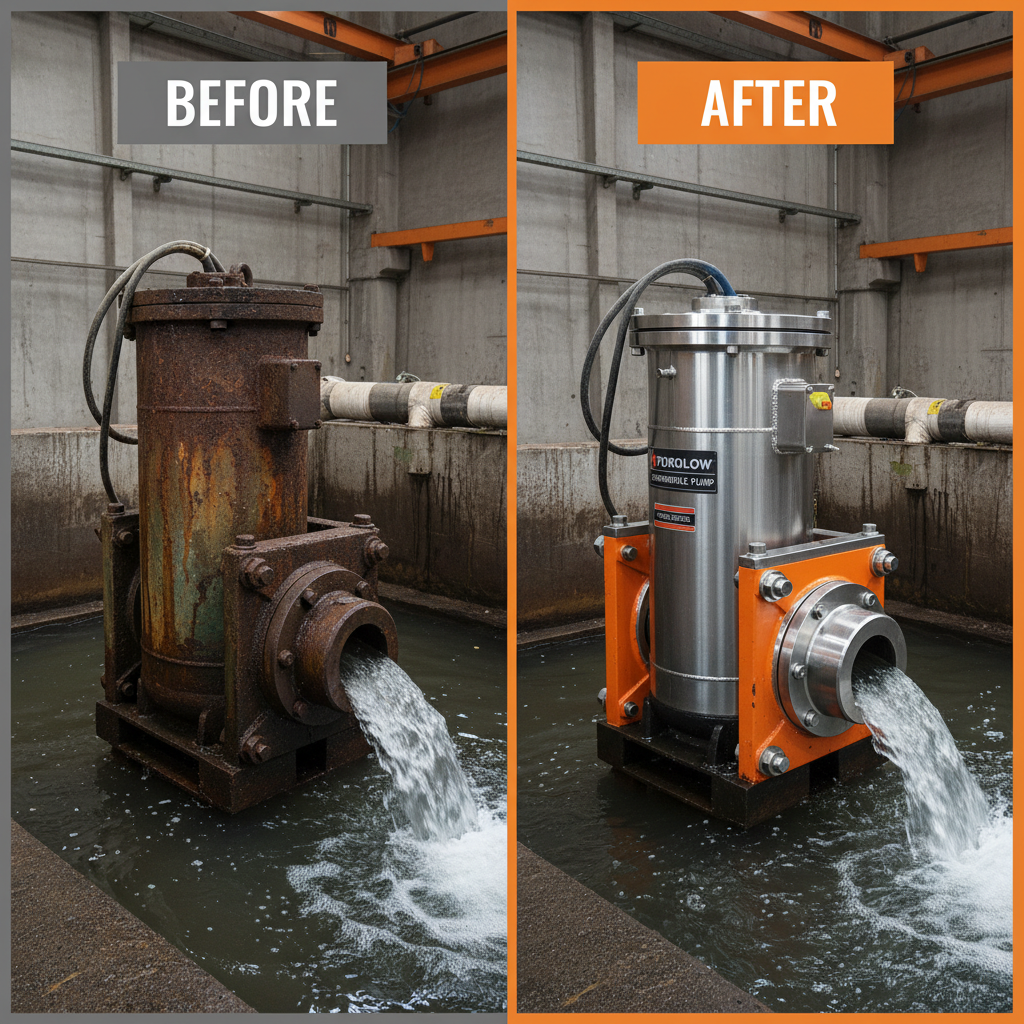 Understanding the Price Submersible Pump and Buyer GuideWhen searching for the ideal water management solution, understanding the price submersible pump options is crucial for balancing budget with performance. Whether you are dealing with a flooded basement, managing agricultural irrigation, or extracting water from a deep well, the cost of a submersible pump can vary significantly based on its build quality and capacity. Investing in a high-quality pump ensures long-term reliability and reduces the frequency of expensive replacements. In this guide, we will break down the factors that influence pricing and help you make an informed decision for your specific needs.Detail
 -
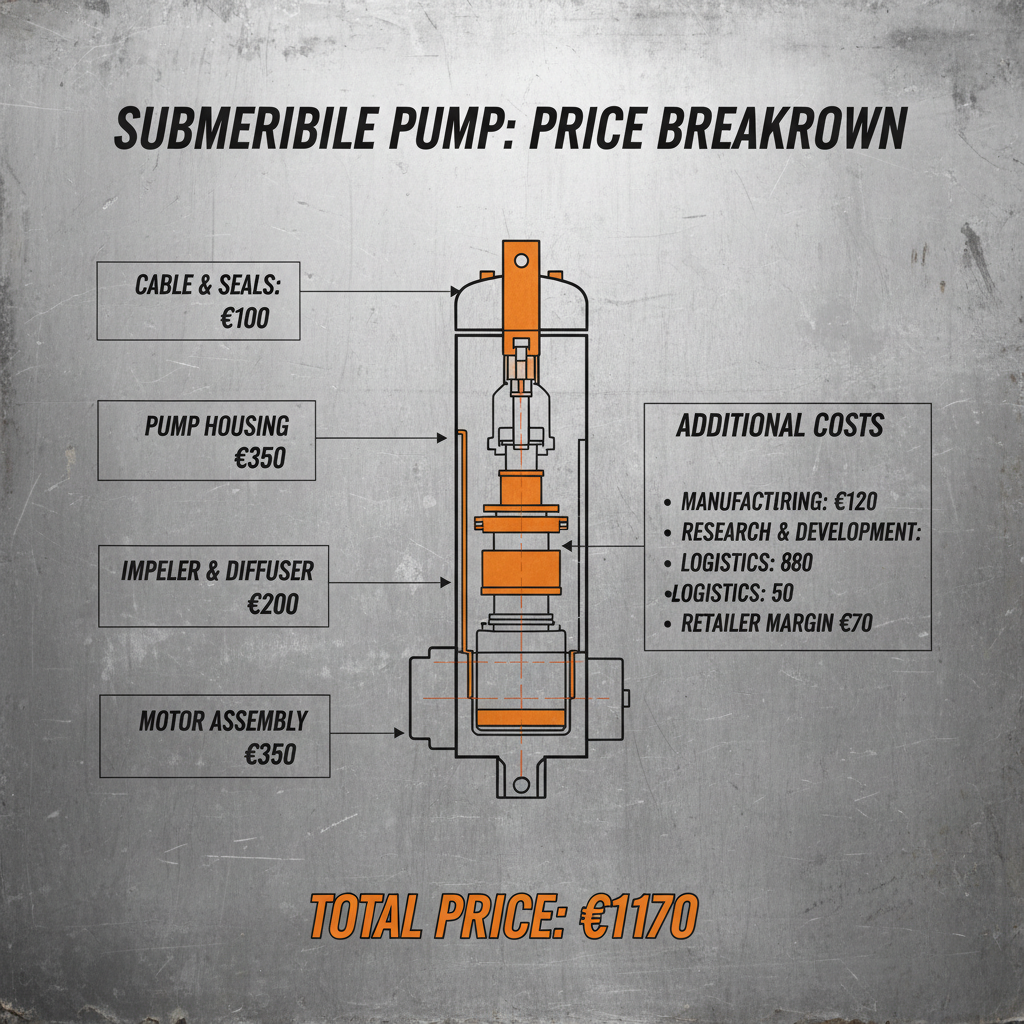 Factors Affecting the Price for Submersible Pump a Buyers GuideWhen investing in water management systems, understanding the price for submersible pump options is essential for balancing performance with budget. Whether you are managing a residential well, an industrial drainage project, or agricultural irrigation, the cost of a pump is rarely a flat fee; it is a reflection of the engineering, materials, and capacity required for your specific environment. In this guide, we will break down the factors that influence pricing and help you determine the best value for your investment to ensure long-term reliability and efficiency.Detail
 -
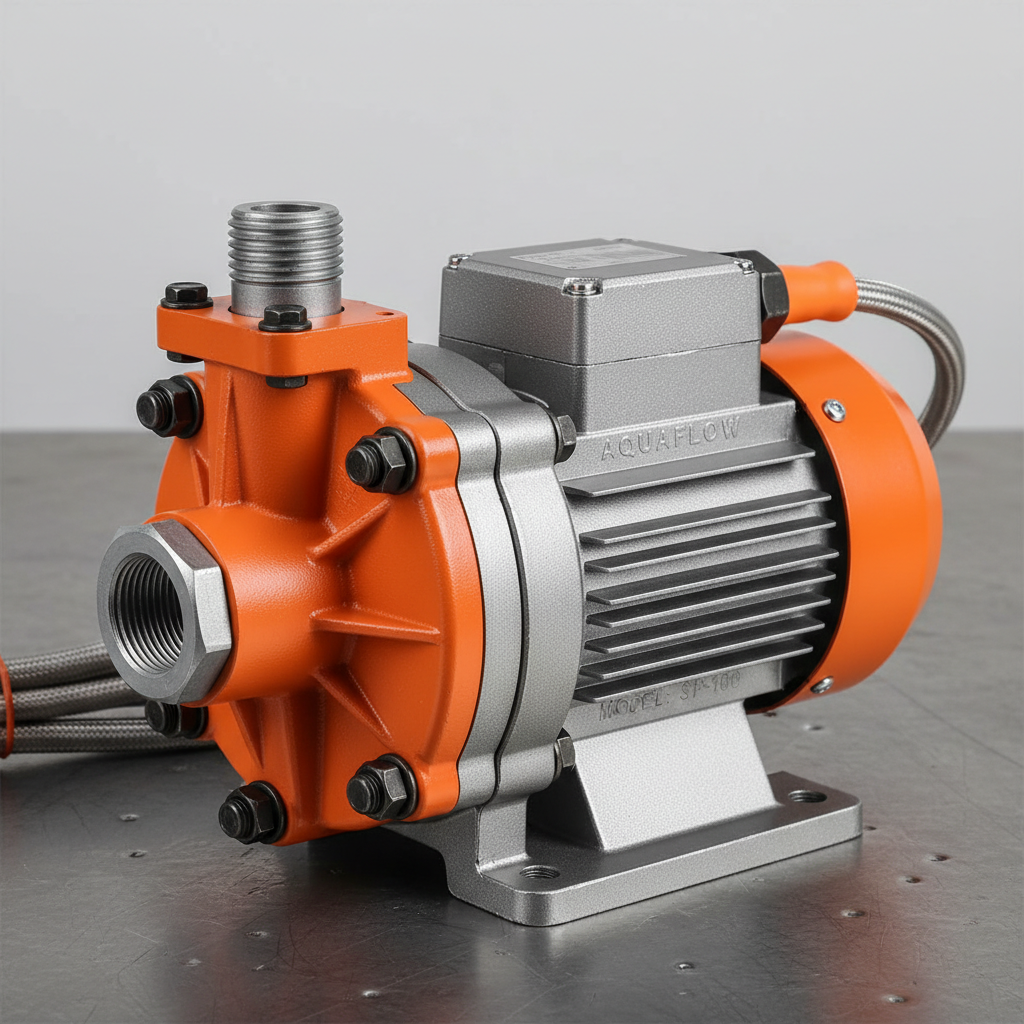 Choosing the Right Mini Submersible Fountain Pump for Optimal Water Feature PerformanceCreating a beautiful and relaxing water feature doesn't have to be complicated. A mini submersible fountain pump is the heart of any indoor or outdoor fountain, and selecting the right one is crucial for optimal performance and longevity. This article will guide you through the key considerations when choosing a mini submersible fountain pump, covering types, features, applications, and how to ensure you get the perfect pump for your project. We’ll also explore how Wellpumpact can provide you with the ideal solution.Detail
 Afrikaans
 Albanian
 Amharic
 Arabic
 Armenian
 Azerbaijani
 Basque
 Belarusian
 Bengali
 Bosnian
 Bulgarian
 Catalan
 Cebuano
 Corsican
 Croatian
 Czech
Czech
 Danish
 Dutch
Dutch
 Esperanto
 Estonian
 Finnish
 French
 Frisian
 Galician
 Georgian
 German
 Greek
Greek
 Gujarati
 Haitian Creole
 Hausa
Hausa
 Hawaiian
 Hebrew
 Hindi
Hindi
 Miao
Miao
 Hungarian
 Icelandic
 Igbo
Igbo
 Indonesian
 Irish
Irish
 Italian
 Japanese
 Javanese
 Kannada
 Kazakh
 Khmer
Khmer
 Rwandese
 Korean
 Kurdish
 Kyrgyz
 Lao
Lao
 Latin
Latin
 Latvian
 Lithuanian
 Luxembourgish
 Macedonian
 Malgashi
 Malay
Malay
 Malayalam
 Maltese
 Maori
Maori
 Marathi
 Mongolian
 Myanmar
 Nepali
 Norwegian
 Norwegian
 Occitan
 Pashto
 Persian
 Polish
 Portuguese
 Punjabi
 Romanian
 Russian
 Samoan
 Scottish Gaelic
 Serbian
 Sesotho
 Shona
Shona
 Sindhi
 Sinhala
 Slovak
 Slovenian
 Somali
 Spanish
 Sundanese
 Swahili
 Swedish
 Tagalog
 Tajik
Tajik
 Tamil
Tamil
 Tatar
Tatar
 Telugu
 Thai
Thai
 Turkish
 Turkmen
 Ukrainian
 Urdu
Urdu
 Uighur
 Uzbek
Uzbek
 Vietnamese
 Welsh
Welsh
 Bantu
Bantu
 Yiddish
 Yoruba
 Zulu
Zulu
 English