
Nov . 30, 2025 03:35 Back to list
Understanding the Essential Role of Underwater Pumps in Global Water Solutions
Why the Underwater Pump is More Important Than You Think
When you first hear the term underwater pump, most people imagine some high-tech gadget far beneath the waves, probably linked to big oceanographic projects. But the reality is far richer—and frankly, a bit more down-to-earth (pun intended). These pumps are quietly essential across the globe, deeply embedded in everything from drinking water supply in remote villages to disaster relief efforts and industrial operations under challenging conditions.
Understanding the role and design of an underwater pump isn’t just a niche technical curiosity. It touches upon global sustainability, economic development, and even human dignity. Why? Because water access and fluid transport are foundational to life and growth — and these pumps make it happen efficiently.
The Global Context: Why Underwater Pumps Matter Worldwide
According to the United Nations, nearly 2.2 billion people globally lack safely managed drinking water services. Many of these communities depend on groundwater and underwater pumping technology to bridge that gap. Industrially, underwater pumps are vital to offshore oil rigs, desalination plants, and the aquaculture sector, supporting billions in economic activities every year. The World Bank notes that improving infrastructure for water access can boost productivity and health outcomes dramatically.
At the same time, climate change is stressing water resources and flood control systems, and underwater pumps become critical players in both disaster mitigation and recovery efforts. Think about hurricane-hit zones, or areas suffering prolonged drought: underwater pumps can quickly mobilize water supplies or drain flooded terrain.
However, although these pumps sound ideal, the challenge arises in engineering equipment that can survive harsh underwater environments — where corrosion, pressure, and difficult access can derail even the most well-planned projects.
So, What Exactly is an Underwater Pump?
In its simplest sense, an underwater pump is a device designed to move fluids—most commonly water—from submerged points to higher elevations or different systems. Often termed submersible pumps, these machines operate fully underwater, contrasting with conventional pumps that sit outside water sources. They consist of a sealed motor attached to a pumping mechanism, engineered to resist water ingress and work reliably in underwater conditions.
Aside from industrial uses, underwater pumps serve humanitarian needs by enabling wells, municipal water supply, flood drainage, and even remote irrigation systems, creating an invisible but vital flow of life-sustaining fluids.
Key Components and Considerations of Underwater Pumps
Durability and Materials
Given harsh underwater conditions—ranging from saltwater corrosion to sediment abrasion—designers usually use stainless steel, composite plastics, or specialized alloys. Many engineers I know highlight that material choice is a “make or break” factor for pump lifespan. Even small impurities or imperfections can lead to catastrophic leaks.
Power and Motor Types
The motor’s design is critical; submersible pumps use sealed electric motors, often with insulation classes rated for deep underwater use. There’s also a rising trend toward energy-efficient motors, which reduce operational costs, especially for continuous uses like municipal water treatment.
Scalability and Flow Capacity
From small hand-held units helping rural wells to industrial-size pumps moving thousands of liters per minute, underwater pumps are tailored to fit a wide range of scales. Scalability influences cost and logistics dramatically, so it pays to match the right size to your application.
Installation and Maintenance Access
Since these pumps are submerged, their installation often requires specialized equipment, like cranes or divers. Designing pumps with modularity or remote control capabilities can greatly reduce downtime and maintenance costs, especially in inaccessible regions or hazardous conditions.
Cost Efficiency and Lifecycle
Purchasing price is only one part of the equation; running costs, power consumption, and maintenance frequency often carry more weight over the pump’s lifespan. Many organizations conducting infrastructure projects nowadays consider total cost of ownership rather than upfront cost alone.
Where Underwater Pumps Make a Global Impact
- Water Supply and Sanitation: In regions of Africa, Asia, and Latin America, underwater pumps help tap shallow and deep groundwater to supply clean water.
- Disaster Relief: After floods or hurricanes, rapidly deployable submersible pumps drain water, enabling clean-up and reducing health risks.
- Industrial Uses: Offshore oil and gas rigs depend heavily on these pumps for cooling and fluid transfer, often in corrosive saltwater environments.
- Aquaculture and Fisheries: These pumps maintain water circulation and oxygenation in fish farms worldwide.
To give a practical example, after the 2010 earthquake in Haiti, portable underwater pump systems played a crucial role in restoring functioning water wells in dangerously unstable conditions—bringing immediate relief where conventional supply lines failed.
The Clear Advantages and Long-Term Benefits
Underwater pumps don’t just move water; they foster sustainability. By enabling efficient groundwater extraction, they alleviate pressure on diminishing surface sources, protect ecosystems, and reduce energy waste compared to older systems.
Socially, these pumps can mean the difference between children spending hours fetching water versus attending school. They promote dignity by supporting hygiene and health in vulnerable communities. Plus, for industries, they increase reliability and safety, lowering accident risks associated with manual water handling.
Peeking Into the Future: Innovations & Trends
Green energy integration is a significant trend. Solar-powered underwater pumps are growing popular in off-grid areas, coupling renewable energy with reliable irrigation or water supply. Then there’s the rise of IoT-enabled pumps — smart controls that monitor flow, pressure, and maintenance needs remotely.
Material science innovations such as graphene coatings or biofouling-resistant surfaces may soon push the durability envelope even further. Not to mention stricter environmental regulations pushing for quieter, less disruptive underwater equipment — all part of an evolving technical landscape looking to blend power with sustainability.
Challenges and How Experts are Tackling Them
Corrosion has long been the enemy of underwater pumps. Some companies use cathodic protection (think: a sacrificial anode) to minimize the damage. Additionally, maintenance is tough if a pump is out in deep or dangerous waters, so remote diagnostics and modular designs that can be swapped quickly are increasingly popular.
Costs remain a barrier for some low-income applications, but innovations in manufacturing, local assembly, and financing models help bring pumps to underserved regions. Still, installing pumps requires trained technicians — and that's a human asset often in short supply.
Frequently Asked Questions About Underwater Pumps
- What is the typical lifespan of an underwater pump?
- Underwater pumps designed and maintained properly usually last 5 to 10 years. Lifespan depends heavily on water quality, pump materials, and operational conditions.
- Can underwater pumps work in saline (salt) water?
- Yes! Pumps built with corrosion-resistant materials like stainless steel or special composites are designed specifically for seawater applications such as offshore platforms or desalination plants.
- How energy efficient are underwater pumps compared to surface pumps?
- Generally, underwater pumps can be more energy-efficient because they push water rather than pulling it, reducing strain on motors. Newer models also incorporate energy-saving motor designs.
- Are underwater pumps suitable for emergency disaster response?
- Definitely. Their portability, rapid deployment, and ability to operate submerged make them ideal for flood drainage and emergency water supply restoration in disaster zones.
Underwater Pumps: The Bottom Line
In real terms, these pumps do so much more than just move water. They catalyze development, support life, and underpin resilient infrastructure globally. The technical complexities and challenges exist, sure—but so does the promise of innovation that makes underwater pumping smarter, greener, and more accessible every year. Whether you’re a humanitarian, an engineer, or an industrial buyer, understanding these devices pays dividends.
So if you want to dive a bit deeper into underwater pumps, check out our site for resources, product options, and industry insights.
Underwater Pump Product Specification Table
| Specification | Model AQS-300 | Model OCEANX-500 | Model RIVERFLOW-200 |
|---|---|---|---|
| Max Flow Rate (L/min) | 300 | 500 | 200 |
| Max Depth (m) | 50 | 100 | 30 |
| Power Consumption (kW) | 1.2 | 2.5 | 0.9 |
| Materials | Stainless Steel | Marine-grade Alloy | Composite Plastics |
| Weight (kg) | 12 | 25 | 8 |
Vendor Comparison Table
| Vendor | Product Range | Warranty Period | Global Reach | Price Level |
|---|---|---|---|---|
| AquaFlow | Small to Medium Pumps | 3 Years | Regional (Europe, Africa) | Mid-Range |
| OceanPump Inc. | Medium to Large Pumps | 5 Years | Global | Premium |
| RiverTech Systems | Compact and Portable Pumps | 2 Years | Global (Focus on Asia & Americas) | Affordable |
References:
1. United Nations - Human Right to Water
2. World Bank - Water Supply & Sanitation
3. Wikipedia - Submersible Pump Overview
-
Understanding the Price Submersible Pump and Buyer Guide
NewsApr.16,2026
-
Factors Affecting the Price for Submersible Pump a Buyers Guide
NewsApr.09,2026
-
Choosing the Right Mini Submersible Fountain Pump for Optimal Water Feature Performance
NewsApr.07,2026
-
A Detailed Guide to Installing a Submersible Pump for Optimal Performance
NewsApr.04,2026
-
Comprehensive Guide on How to Test a Submersible Water Well Pump Effectively
NewsMar.31,2026
-
Learn How to Replace a Submersible Well Pump Safely and Effectively
NewsMar.28,2026
-
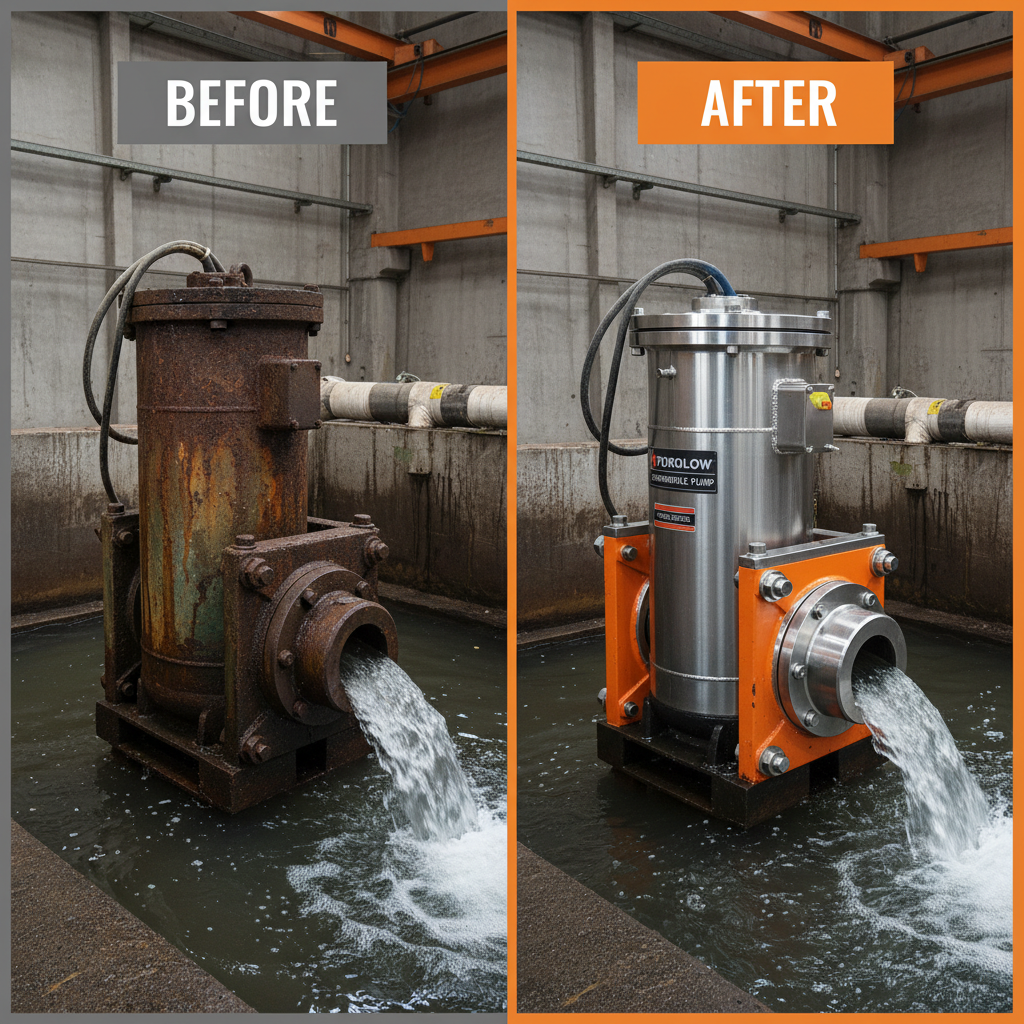 Understanding the Price Submersible Pump and Buyer GuideWhen searching for the ideal water management solution, understanding the price submersible pump options is crucial for balancing budget with performance. Whether you are dealing with a flooded basement, managing agricultural irrigation, or extracting water from a deep well, the cost of a submersible pump can vary significantly based on its build quality and capacity. Investing in a high-quality pump ensures long-term reliability and reduces the frequency of expensive replacements. In this guide, we will break down the factors that influence pricing and help you make an informed decision for your specific needs.Detail
 -
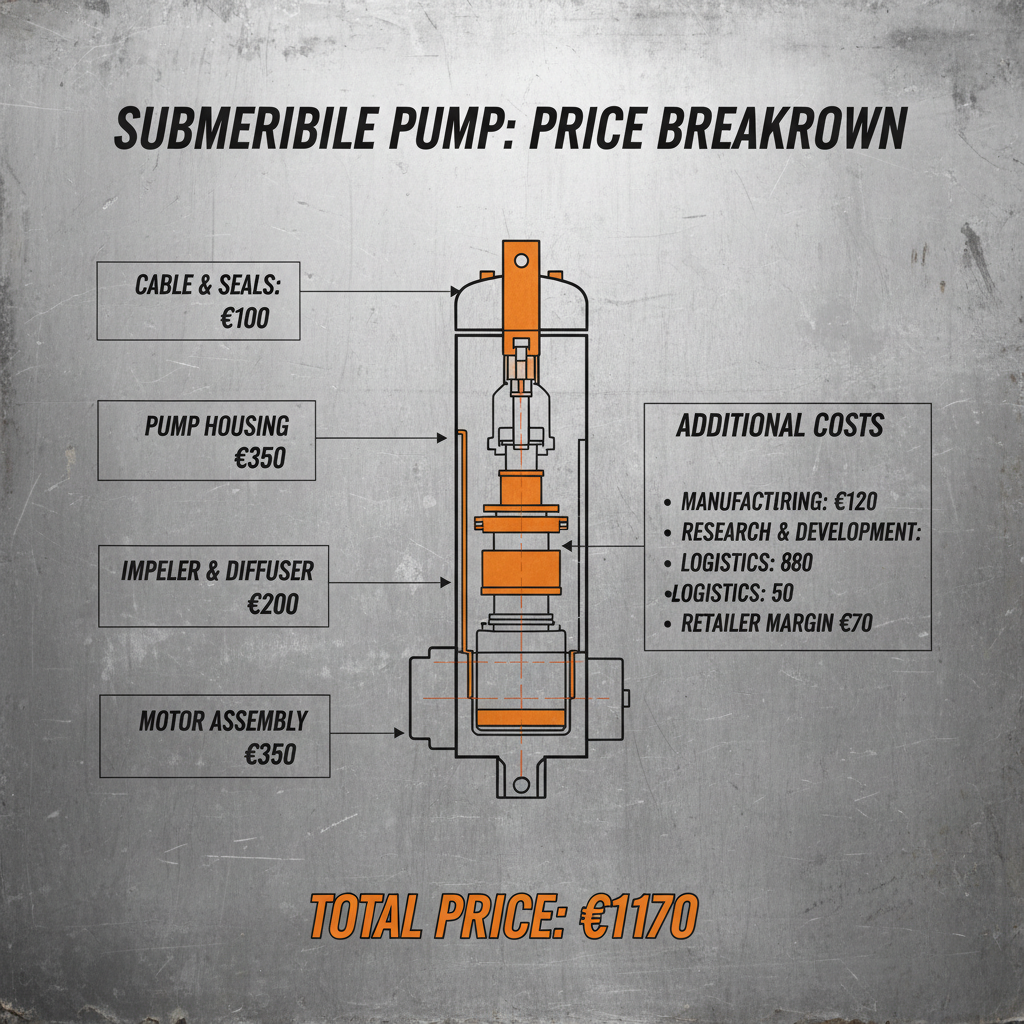 Factors Affecting the Price for Submersible Pump a Buyers GuideWhen investing in water management systems, understanding the price for submersible pump options is essential for balancing performance with budget. Whether you are managing a residential well, an industrial drainage project, or agricultural irrigation, the cost of a pump is rarely a flat fee; it is a reflection of the engineering, materials, and capacity required for your specific environment. In this guide, we will break down the factors that influence pricing and help you determine the best value for your investment to ensure long-term reliability and efficiency.Detail
 -
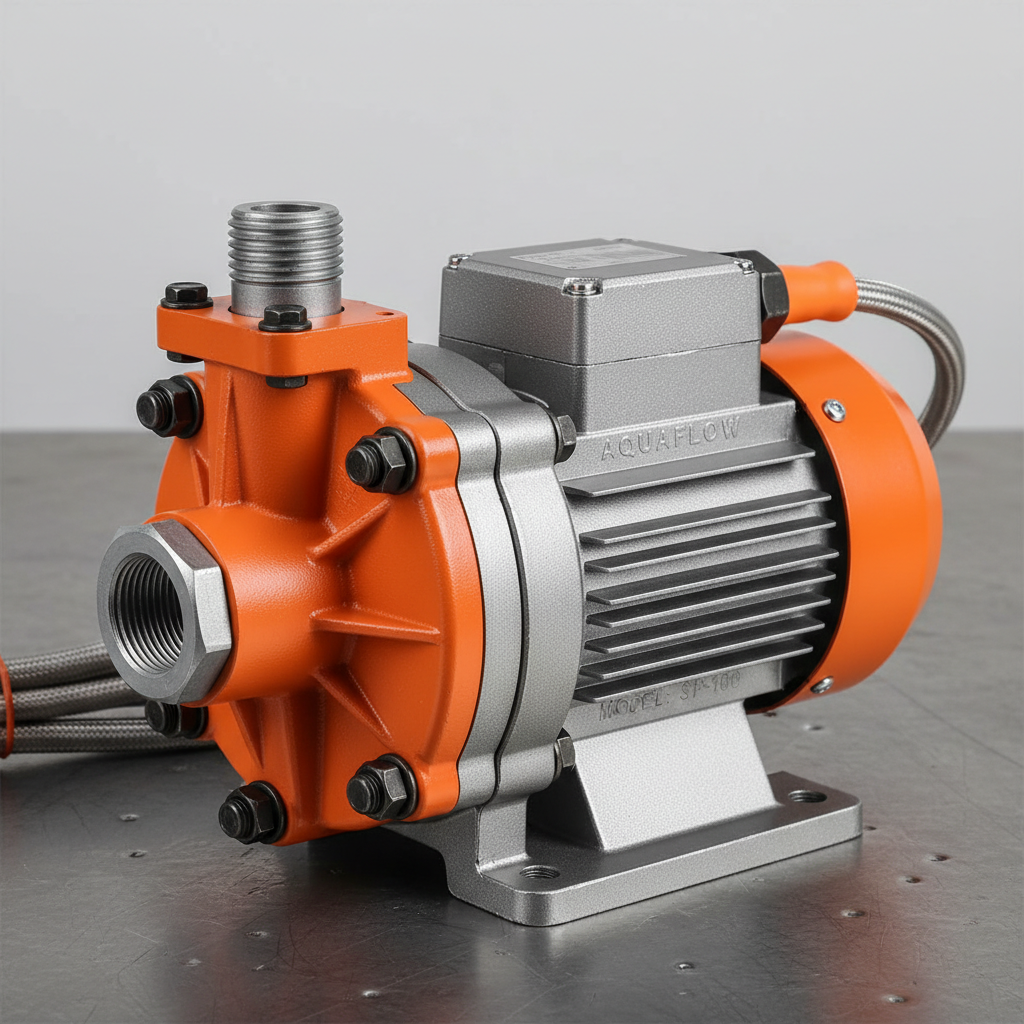 Choosing the Right Mini Submersible Fountain Pump for Optimal Water Feature PerformanceCreating a beautiful and relaxing water feature doesn't have to be complicated. A mini submersible fountain pump is the heart of any indoor or outdoor fountain, and selecting the right one is crucial for optimal performance and longevity. This article will guide you through the key considerations when choosing a mini submersible fountain pump, covering types, features, applications, and how to ensure you get the perfect pump for your project. We’ll also explore how Wellpumpact can provide you with the ideal solution.Detail
 Afrikaans
 Albanian
 Amharic
 Arabic
 Armenian
 Azerbaijani
 Basque
 Belarusian
 Bengali
 Bosnian
 Bulgarian
 Catalan
 Cebuano
 Corsican
 Croatian
 Czech
Czech
 Danish
 Dutch
Dutch
 Esperanto
 Estonian
 Finnish
 French
 Frisian
 Galician
 Georgian
 German
 Greek
Greek
 Gujarati
 Haitian Creole
 Hausa
Hausa
 Hawaiian
 Hebrew
 Hindi
Hindi
 Miao
Miao
 Hungarian
 Icelandic
 Igbo
Igbo
 Indonesian
 Irish
Irish
 Italian
 Japanese
 Javanese
 Kannada
 Kazakh
 Khmer
Khmer
 Rwandese
 Korean
 Kurdish
 Kyrgyz
 Lao
Lao
 Latin
Latin
 Latvian
 Lithuanian
 Luxembourgish
 Macedonian
 Malgashi
 Malay
Malay
 Malayalam
 Maltese
 Maori
Maori
 Marathi
 Mongolian
 Myanmar
 Nepali
 Norwegian
 Norwegian
 Occitan
 Pashto
 Persian
 Polish
 Portuguese
 Punjabi
 Romanian
 Russian
 Samoan
 Scottish Gaelic
 Serbian
 Sesotho
 Shona
Shona
 Sindhi
 Sinhala
 Slovak
 Slovenian
 Somali
 Spanish
 Sundanese
 Swahili
 Swedish
 Tagalog
 Tajik
Tajik
 Tamil
Tamil
 Tatar
Tatar
 Telugu
 Thai
Thai
 Turkish
 Turkmen
 Ukrainian
 Urdu
Urdu
 Uighur
 Uzbek
Uzbek
 Vietnamese
 Welsh
Welsh
 Bantu
Bantu
 Yiddish
 Yoruba
 Zulu
Zulu
 English