
Dec . 02, 2025 09:05 Back to list
Battery Submersible Pump - Efficient, Portable Water Pumping Solutions
battery submersible pump: Essential Tech for Modern Water Management
When we talk about effective water extraction, especially from wells or boreholes in remote or tricky locations, one term keeps popping up: battery submersible pump. Now, you might wonder—why does this relatively niche device matter on a global scale? Well, the truth is, whether you’re onsite in a drought-affected village in Africa or managing agricultural irrigation in dusty farmlands, access to reliable, mobile, and off-grid pumping really moves the needle in human welfare and industry sustainability.
Understanding the ins and outs of battery-operated submersible pumps unveils many benefits: portability, energy independence, ease of maintenance, and in many cases, a leap toward greener water systems. Let’s dive in.
Global Context: Why Battery Submersible Pumps Are More Relevant Than Ever
According to the United Nations, over 2 billion people worldwide lack safely managed drinking water services—a rather sobering statistic.[1] In parallel, industries and rural communities increasingly find access to electricity unreliable, which consequently impacts water pumping operations. Battery submersible pumps fill an important gap here, enabling continuous water extraction where grid power is absent or unstable.
Oddly enough, despite massive investments in infrastructure, many regions still depend on diesel-fueled pumps that are noisy, polluting, and costly to run. Battery-powered pumps offer a quieter, cleaner, and sometimes more affordable alternative. Plus, with technological advancements and falling battery costs, their adoption is on the rise globally.
What Is a Battery Submersible Pump?
Put simply, a battery submersible pump is an electric water pump designed to be fully submerged inside the water source. Unlike traditional surface pumps, these devices operate underwater, typically inside wells or boreholes, pushing water to the surface efficiently.
The “battery” part means they run independently of the electrical grid, using rechargeable battery packs—often lithium-ion now, though lead-acid has been common. This autonomy is crucial for locations without consistent power or during emergency deployments.
They serve diverse sectors: agriculture, humanitarian aid, remote mining operations, even private homes in off-grid communities.
Core Components & Key Factors
- Durability: Since these pumps stay submerged, robust corrosion-resistant materials (like stainless steel or specialized plastics) and waterproof sealing are non-negotiable. In fact, many engineers report that the longevity of these pumps often hinges on quality sealing techniques that keep out silt and water intrusion into motor parts.
- Battery Technology: Battery choice impacts pump runtime, recharge cycles, and weight. Lithium-ion cells are lighter and last longer but cost more upfront compared to lead-acid alternatives.
- Flow Rate & Head: This measures how much water the pump can move per minute (flow rate) and the vertical distance it can push water (head). Optimal specs vary widely depending on depth and intended use.
- Control Systems: Modern pumps often integrate smart controllers that manage power usage intelligently and provide remote monitoring—super useful for farmers or operators managing multiple sites.
- Portability: Battery submersible pumps come in sizes that allow easy transport by hand or vehicle, which matters a lot during disaster relief or fieldwork.
Mini takeaway: A quality battery submersible pump balances strength, efficiency, and convenience—making them adaptable to various on-the-ground realities.
Global Applications & Practical Use Cases
Across Sub-Saharan Africa and Southeast Asia, NGOs utilize these pumps in water projects where power grids are unreliable or missing. For example, post-disaster relief teams rely on them to restore clean water quickly when infrastructure is damaged.
In agriculture, tiny battery submersible pumps help irrigate smallholder farms without high fuel costs or needing grid connections, which can be prohibitively expensive.
Mining firms in remote areas appreciate these pumps for keeping groundwater at bay without bringing diesel generators that add noise and pollution to fragile ecosystems.
Even recreational users, like tiny off-grid homes or remote lodges, adopt battery submersible pumps for domestic water supply.
Advantages & Long-Term Value
- Cost Efficiency: Yes, the initial investment in batteries and tech might be higher than diesel pumps, but running costs plunge drastically since electricity (or solar charging) often beats fuel prices and logistics.
- Sustainability: Clean energy operation reduces carbon emissions and environmental footprint.
- Reliability: Battery pumps are less affected by fuel shortages and can be paired with solar panels, making them near self-sufficient.
- Social Impact: By secure water access, communities experience better hygiene, health, and dignity—a factor often underappreciated.
There’s also an emotional comfort in using a silent, clean pump rather than a loud, stinky diesel alternative—people notice that immediately.
Product Specification Table
| Specification | Typical Values | Notes |
|---|---|---|
| Pump Diameter | 75mm - 150mm | Fits common borehole sizes |
| Flow Rate | 5 - 15 m³/hour | Depends on pump model and battery |
| Battery Type | Li-ion or Lead-Acid | Li-ion preferred for weight and lifespan |
| Operating Time | 6 - 12 hours per charge | Varies with battery capacity |
| Weight (including battery) | 10 - 35 kg | Portable but heavy for one person at upper end |
Vendor Comparison: Key Players in Battery Submersible Pumps
| Brand | Battery Type | Flow Rate (m³/h) | Remarks | Price Range (USD) |
|---|---|---|---|---|
| HydroPump Solutions | Li-ion | 8 - 12 | Smart controllers; remote monitoring | $1300 - $2300 |
| AquaFlow Tech | Lead-Acid | 6 - 10 | Robust, cost-effective | $900 - $1500 |
| EcoPump Innovations | Li-ion | 10 - 15 | Solar-compatible; modular design | $1800 - $2700 |
Future Trends & Innovations
Battery submersible pumps are riding the wave of the green energy transition. Solar charging stations integrated with these pumps are gaining traction, especially for remote applications—lifting the need for external fuel and grid dependence.
Additionally, IoT and AI-enhanced control systems help in predictive maintenance and optimizing battery use; that’s big for ensuring uptime and reducing service costs. I noticed that newer waterproof connectors and self-cleaning mechanisms are becoming standard features, improving reliability even further.
Challenges & Their Solutions
Of course, it’s not all perfect. Batteries degrade, especially in harsh environments, and replacing them can be expensive. Depth and sediments can reduce efficiency, and pump weight can limit portability for some models.
Innovations in battery chemistry (like solid-state batteries) promise longer lifespans. Smart solar hybrid charging reduces downtime. And modular designs let users swap parts quickly in the field, a game changer in disaster zones and remote industries.
FAQ: Common Questions about Battery Submersible Pumps
- How long can a battery submersible pump run on one charge?
- Typically, these pumps operate 6 to 12 hours depending on battery capacity and load. Solar charging can extend this operational window significantly, especially during sunny days.
- Can battery submersible pumps be used in saltwater?
- Saltwater applications require pumps with corrosion-resistant materials like stainless steel or high-grade polymers. Many battery pumps are designed mainly for freshwater but some models accommodate brackish or saltwater with protective coatings.
- What maintenance does a battery submersible pump need?
- Routine maintenance includes checking seals, cleaning intake screens, monitoring battery health, and ensuring charging systems work properly. Smart pumps often notify users when service is needed, which is handy.
- Are these pumps more expensive than traditional diesel pumps?
- Initial costs are generally higher, especially for lithium-ion battery models. However, operational costs are lower, making them more affordable over the long term, especially where fuel and maintenance logistics are a challenge.
Conclusion: Empowering Water Access for the Future
In real terms, battery submersible pumps offer a practical, sustainable, and increasingly accessible solution to one of humanity’s most fundamental needs: water. Their rise is no accident but a reflection of converging demands for green technology, portable infrastructure, and strong social impact.
If you want to deepen your understanding or explore the best units available, visit our website: battery submersible pump.
Whether you’re an NGO field engineer, a farmer, or an industrial manager, these pumps can redefine your water access strategy—and frankly, that’s something worth learning about.
Mini takeaway: Battery submersible pumps bring clean, reliable water pumping to places power grids can’t, making a difference one well at a time.
References:
-
Understanding the Price Submersible Pump and Buyer Guide
NewsApr.16,2026
-
Factors Affecting the Price for Submersible Pump a Buyers Guide
NewsApr.09,2026
-
Choosing the Right Mini Submersible Fountain Pump for Optimal Water Feature Performance
NewsApr.07,2026
-
A Detailed Guide to Installing a Submersible Pump for Optimal Performance
NewsApr.04,2026
-
Comprehensive Guide on How to Test a Submersible Water Well Pump Effectively
NewsMar.31,2026
-
Learn How to Replace a Submersible Well Pump Safely and Effectively
NewsMar.28,2026
-
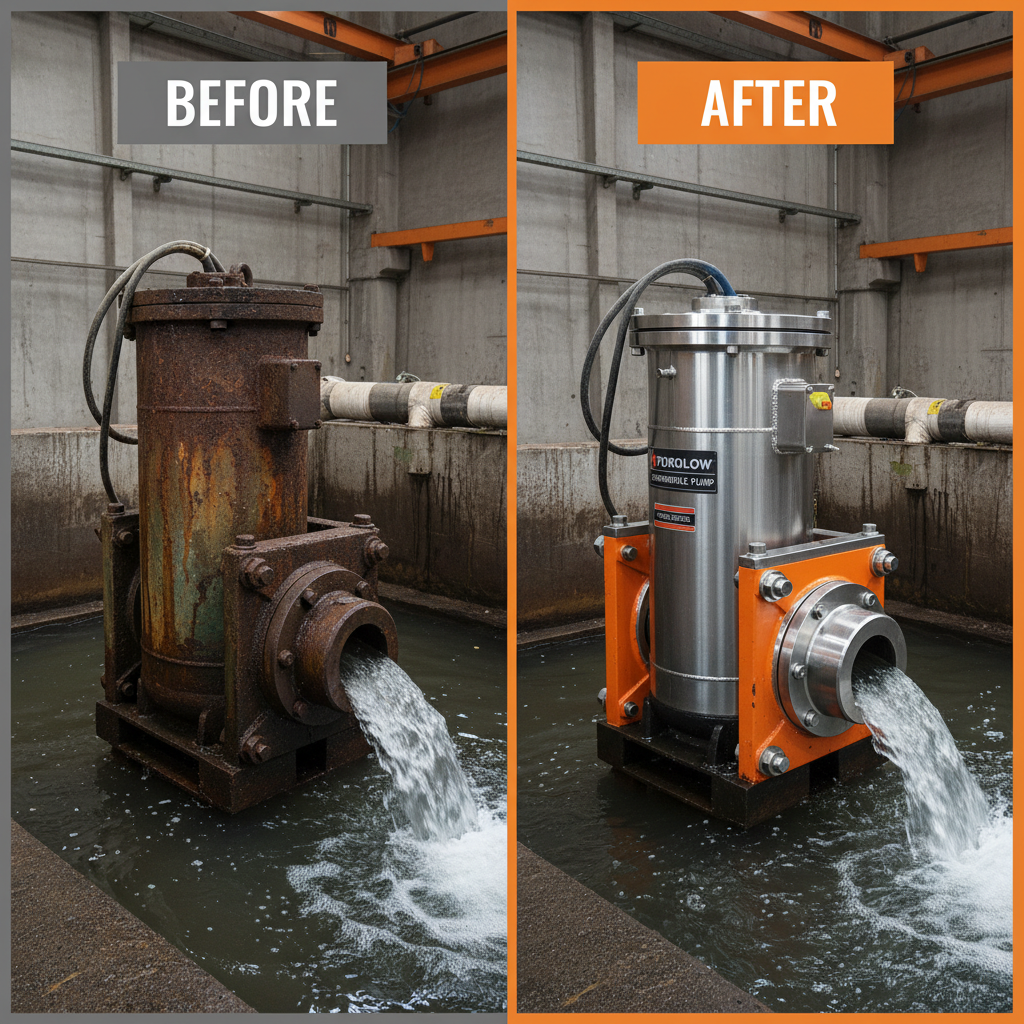 Understanding the Price Submersible Pump and Buyer GuideWhen searching for the ideal water management solution, understanding the price submersible pump options is crucial for balancing budget with performance. Whether you are dealing with a flooded basement, managing agricultural irrigation, or extracting water from a deep well, the cost of a submersible pump can vary significantly based on its build quality and capacity. Investing in a high-quality pump ensures long-term reliability and reduces the frequency of expensive replacements. In this guide, we will break down the factors that influence pricing and help you make an informed decision for your specific needs.Detail
 -
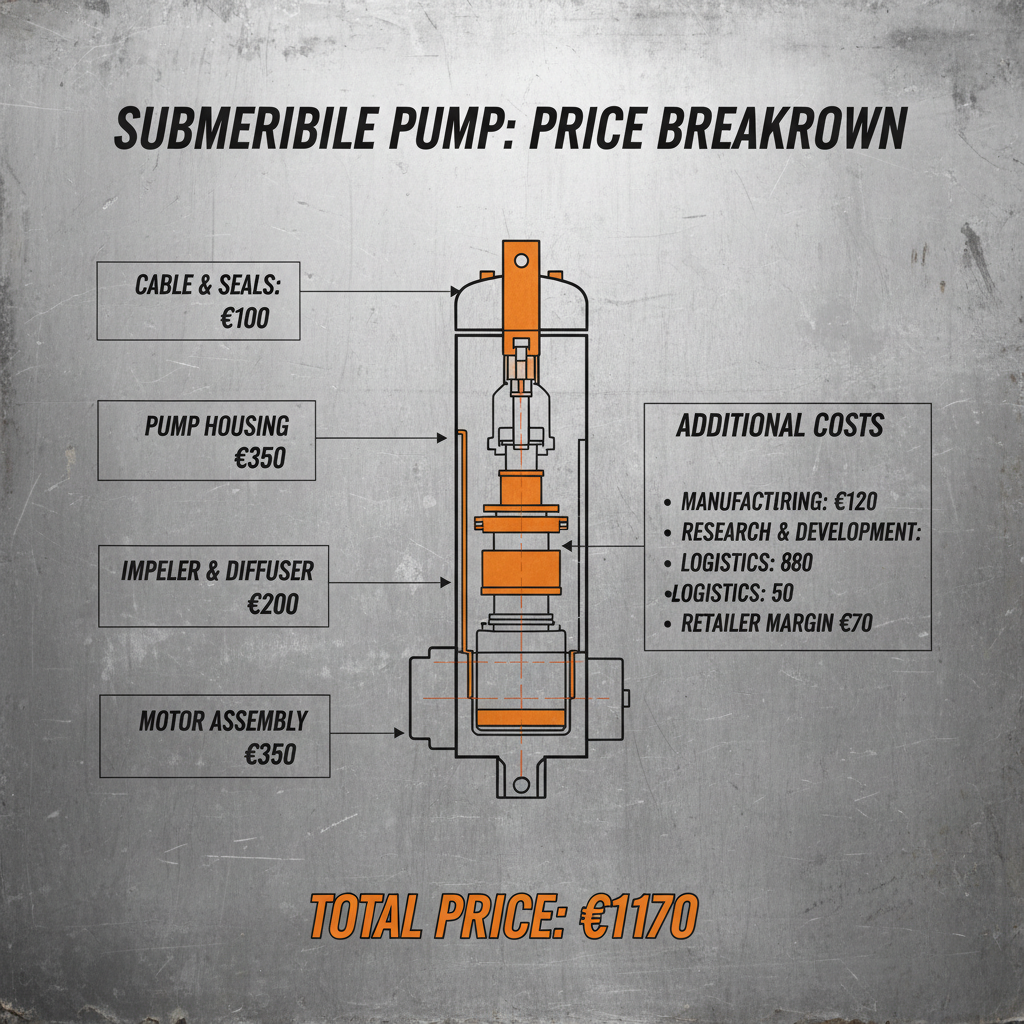 Factors Affecting the Price for Submersible Pump a Buyers GuideWhen investing in water management systems, understanding the price for submersible pump options is essential for balancing performance with budget. Whether you are managing a residential well, an industrial drainage project, or agricultural irrigation, the cost of a pump is rarely a flat fee; it is a reflection of the engineering, materials, and capacity required for your specific environment. In this guide, we will break down the factors that influence pricing and help you determine the best value for your investment to ensure long-term reliability and efficiency.Detail
 -
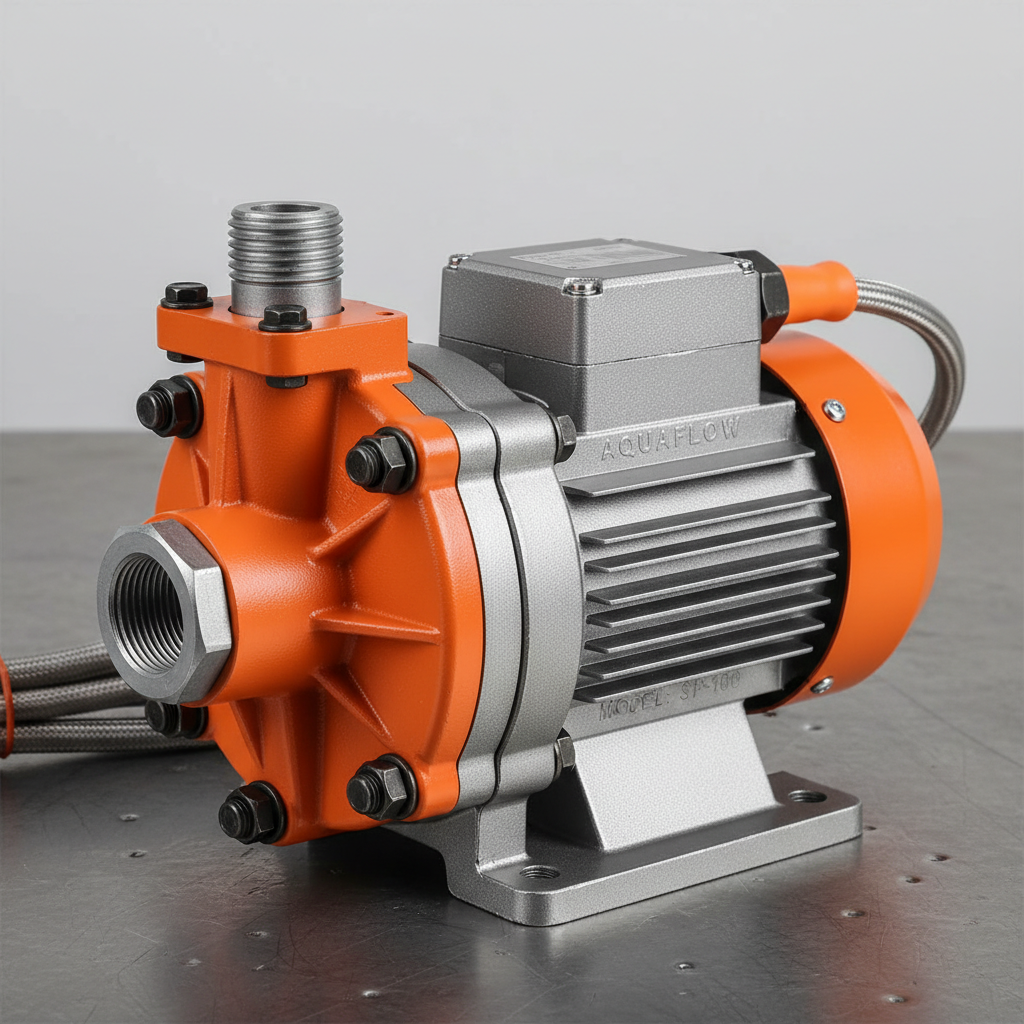 Choosing the Right Mini Submersible Fountain Pump for Optimal Water Feature PerformanceCreating a beautiful and relaxing water feature doesn't have to be complicated. A mini submersible fountain pump is the heart of any indoor or outdoor fountain, and selecting the right one is crucial for optimal performance and longevity. This article will guide you through the key considerations when choosing a mini submersible fountain pump, covering types, features, applications, and how to ensure you get the perfect pump for your project. We’ll also explore how Wellpumpact can provide you with the ideal solution.Detail
 Afrikaans
 Albanian
 Amharic
 Arabic
 Armenian
 Azerbaijani
 Basque
 Belarusian
 Bengali
 Bosnian
 Bulgarian
 Catalan
 Cebuano
 Corsican
 Croatian
 Czech
Czech
 Danish
 Dutch
Dutch
 Esperanto
 Estonian
 Finnish
 French
 Frisian
 Galician
 Georgian
 German
 Greek
Greek
 Gujarati
 Haitian Creole
 Hausa
Hausa
 Hawaiian
 Hebrew
 Hindi
Hindi
 Miao
Miao
 Hungarian
 Icelandic
 Igbo
Igbo
 Indonesian
 Irish
Irish
 Italian
 Japanese
 Javanese
 Kannada
 Kazakh
 Khmer
Khmer
 Rwandese
 Korean
 Kurdish
 Kyrgyz
 Lao
Lao
 Latin
Latin
 Latvian
 Lithuanian
 Luxembourgish
 Macedonian
 Malgashi
 Malay
Malay
 Malayalam
 Maltese
 Maori
Maori
 Marathi
 Mongolian
 Myanmar
 Nepali
 Norwegian
 Norwegian
 Occitan
 Pashto
 Persian
 Polish
 Portuguese
 Punjabi
 Romanian
 Russian
 Samoan
 Scottish Gaelic
 Serbian
 Sesotho
 Shona
Shona
 Sindhi
 Sinhala
 Slovak
 Slovenian
 Somali
 Spanish
 Sundanese
 Swahili
 Swedish
 Tagalog
 Tajik
Tajik
 Tamil
Tamil
 Tatar
Tatar
 Telugu
 Thai
Thai
 Turkish
 Turkmen
 Ukrainian
 Urdu
Urdu
 Uighur
 Uzbek
Uzbek
 Vietnamese
 Welsh
Welsh
 Bantu
Bantu
 Yiddish
 Yoruba
 Zulu
Zulu
 English