
Dec . 10, 2025 00:40 Back to list
Safe & Practical Guide to Removing Submersible Pumps from Wells
How to Remove a Submersible Pump from a Well
You know, anyone who's spent a handful of years in the industrial equipment sector quickly realizes that removing a submersible pump from a well isn’t always straightforward. If you asked me when I started, I’d probably have underestimated the nuances involved. Frankly, it takes a bit of patience, the right tools, and a touch of know-how to get the job done without damaging the equipment—or the well casing. I suppose that’s why I wanted to share some practical insights for fellow operators and technicians.
For starters, the design of submersible pumps makes them ideal for deep wells—they're sealed, efficient, and pretty durable. But that sealing and depth can also complicate removal. In real terms, you’re often working with limited space, muddy water, and sometimes decades-old infrastructure. So, you want to make sure you prep well, literally.
Essential Tools & Safety Gear
Before you even think about pulling the pump, gather these essentials:
- Strong lifting rope or cable rated for your pump’s weight
- Winch or tripod hoist (depending on depth)
- Pipe wrench and adjustable spanners
- Locking pliers for securing attachments
- Personal protective gear – gloves, eye protection, and boots
Oddly enough, many technicians underestimate the importance of checking cable integrity before the lift. I once saw a seasoned crew start a pump retrieval only to have a frayed cable snap mid-pull — almost catastrophic, honestly. Safety first, always.
Step-by-Step guide to pump removal
So, how do you remove that stubborn submersible pump? The general process goes like this:
- Power down: Switch off any electrical supply and confirm there’s no current running to the pump.
- Detach the pump cable: You'll find the electrical lines bundled and sealed; carefully disconnect these to avoid damage or short circuits.
- Remove the discharge pipe: Depending on the installation, this might be threaded or clamped. Use the appropriate wrench and tools to detach carefully.
- Set up lifting equipment: Secure your hoist or tripod with lifting rope attached tightly around the pump’s cable or lifting point.
- Slowly pull the pump up: Smooth and steady is the key phrase. Avoid jerking or sudden movements that risk damage.
- Inspect the pump: Once out, check for obvious wear, corrosion, or broken parts—this can save headaches down the road.
One trick I learned early on is to label all wires and pipes as you disconnect them for easier re-installation. You know, a little extra care that pays off big time.
Product Specifications of Common Submersible Pumps
| Specification | Typical Value |
|---|---|
| Pump Type | Multi-stage centrifugal |
| Motor Power | 1.5 - 10 HP (varies by model) |
| Voltage | 230V / 460V (three-phase options) |
| Max Depth | Up to 400 feet (depending on pump size) |
| Material | Stainless steel & cast iron components for corrosion resistance |
| Weight | 60-150 lbs (model-dependent) |
Comparing Top Submersible Pump Vendors
| Vendor | Product Range | Typical Warranty | Price Level |
|---|---|---|---|
| Grundfos | Wide (small residential to large industrial) | 2 Years | Moderate to High |
| Franklin Electric | Focused on commercial and agricultural | 1-3 Years | Moderate |
| Pentair | Specializes in water systems and irrigation | 2 Years | Moderate |
| DAB Pumps | Residential & light industrial | 2 Years | Budget-friendly |
In my experience, the best vendor really depends on your specific needs and budget. For example, one customer of mine was pulling a 300-foot-deep pump installed years ago, and they opted for Franklin Electric’s gear because of their agricultural reputation and decent warranty. It held up well, and removal wasn’t a nightmare.
Finally, I want to stress the importance of routine maintenance and checks—which frankly, can make the whole removal process way less painful. If you catch signs of wear early, you might avoid full pump retrievals or at least be better prepared for them.
So, all things considered: removing a submersible pump from a well isn’t just about brute strength. It’s a bit of an art and a science combined with on-the-ground experience. To wrap up, always prep thoroughly, use the right equipment, and take your time. Your pump – and your back – will thank you.
— A note from someone who's been in the trenches of industrial water equipment for over a decade.
References:
1. Industry field manuals on pump maintenance
2. Vendor product documentation and warranty guides
3. Personal experience and client case studies
-
Understanding the Price Submersible Pump and Buyer Guide
NewsApr.16,2026
-
Factors Affecting the Price for Submersible Pump a Buyers Guide
NewsApr.09,2026
-
Choosing the Right Mini Submersible Fountain Pump for Optimal Water Feature Performance
NewsApr.07,2026
-
A Detailed Guide to Installing a Submersible Pump for Optimal Performance
NewsApr.04,2026
-
Comprehensive Guide on How to Test a Submersible Water Well Pump Effectively
NewsMar.31,2026
-
Learn How to Replace a Submersible Well Pump Safely and Effectively
NewsMar.28,2026
-
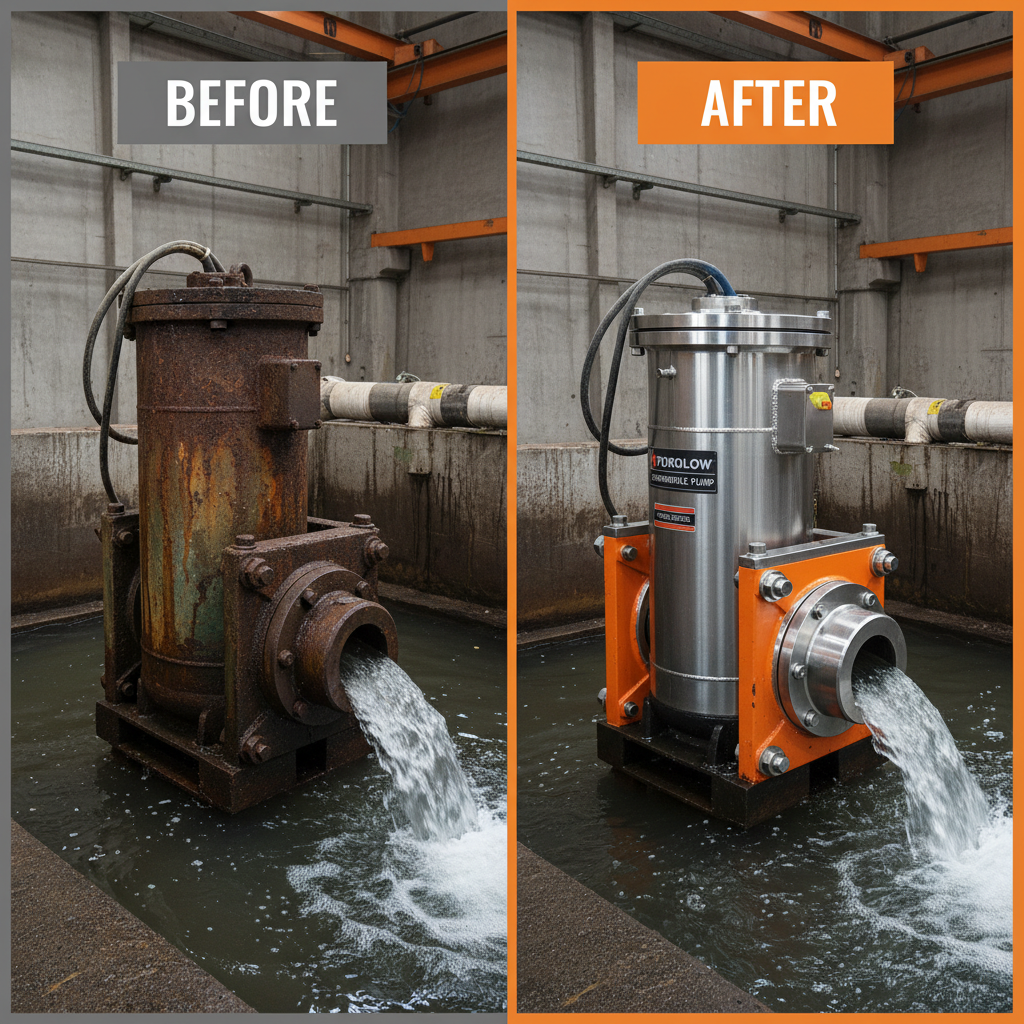 Understanding the Price Submersible Pump and Buyer GuideWhen searching for the ideal water management solution, understanding the price submersible pump options is crucial for balancing budget with performance. Whether you are dealing with a flooded basement, managing agricultural irrigation, or extracting water from a deep well, the cost of a submersible pump can vary significantly based on its build quality and capacity. Investing in a high-quality pump ensures long-term reliability and reduces the frequency of expensive replacements. In this guide, we will break down the factors that influence pricing and help you make an informed decision for your specific needs.Detail
 -
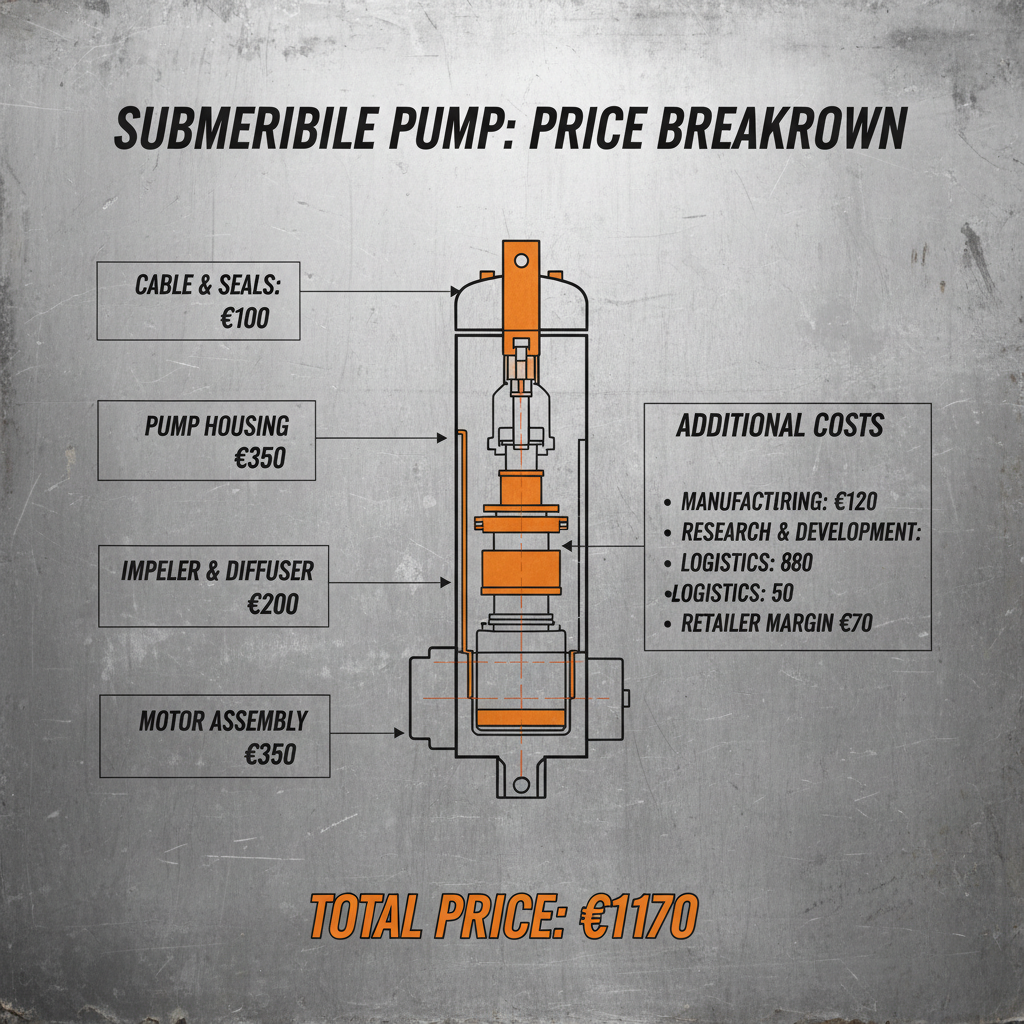 Factors Affecting the Price for Submersible Pump a Buyers GuideWhen investing in water management systems, understanding the price for submersible pump options is essential for balancing performance with budget. Whether you are managing a residential well, an industrial drainage project, or agricultural irrigation, the cost of a pump is rarely a flat fee; it is a reflection of the engineering, materials, and capacity required for your specific environment. In this guide, we will break down the factors that influence pricing and help you determine the best value for your investment to ensure long-term reliability and efficiency.Detail
 -
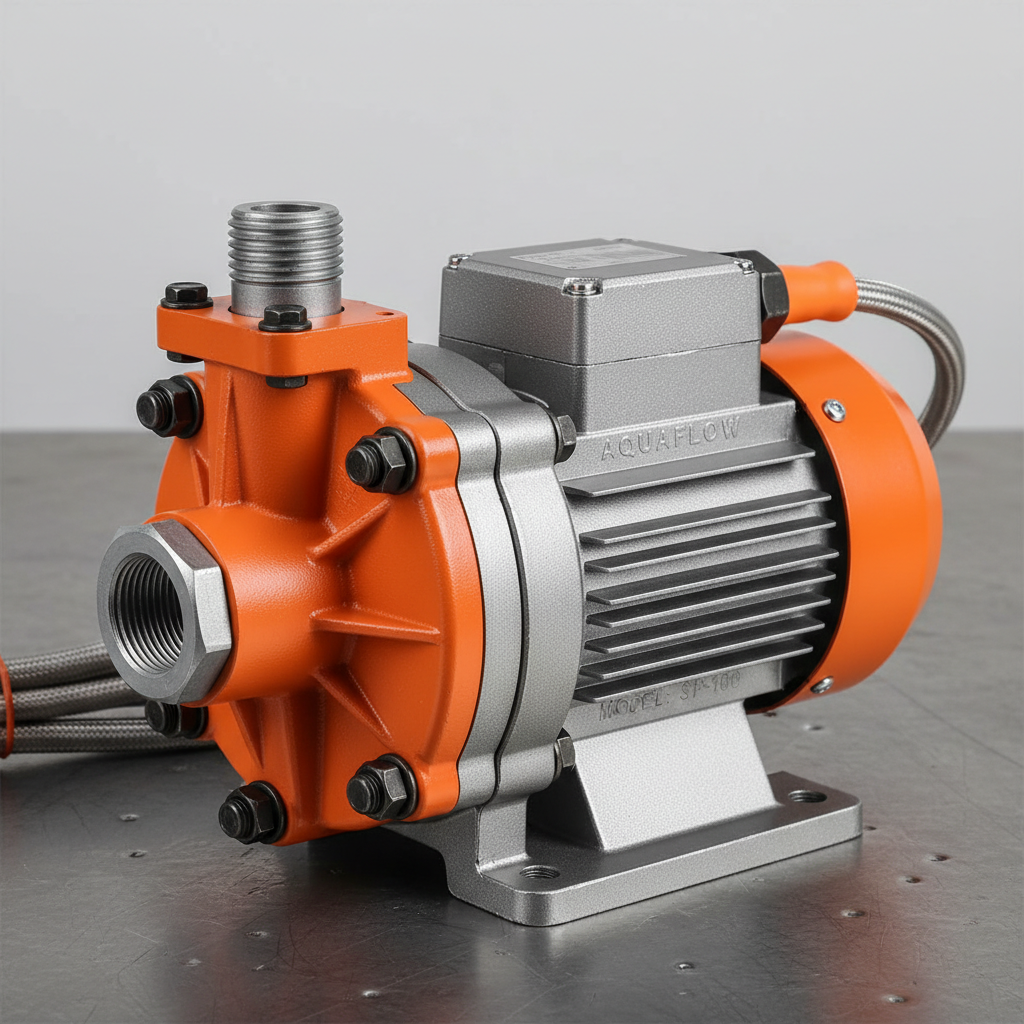 Choosing the Right Mini Submersible Fountain Pump for Optimal Water Feature PerformanceCreating a beautiful and relaxing water feature doesn't have to be complicated. A mini submersible fountain pump is the heart of any indoor or outdoor fountain, and selecting the right one is crucial for optimal performance and longevity. This article will guide you through the key considerations when choosing a mini submersible fountain pump, covering types, features, applications, and how to ensure you get the perfect pump for your project. We’ll also explore how Wellpumpact can provide you with the ideal solution.Detail
 Afrikaans
 Albanian
 Amharic
 Arabic
 Armenian
 Azerbaijani
 Basque
 Belarusian
 Bengali
 Bosnian
 Bulgarian
 Catalan
 Cebuano
 Corsican
 Croatian
 Czech
Czech
 Danish
 Dutch
Dutch
 Esperanto
 Estonian
 Finnish
 French
 Frisian
 Galician
 Georgian
 German
 Greek
Greek
 Gujarati
 Haitian Creole
 Hausa
Hausa
 Hawaiian
 Hebrew
 Hindi
Hindi
 Miao
Miao
 Hungarian
 Icelandic
 Igbo
Igbo
 Indonesian
 Irish
Irish
 Italian
 Japanese
 Javanese
 Kannada
 Kazakh
 Khmer
Khmer
 Rwandese
 Korean
 Kurdish
 Kyrgyz
 Lao
Lao
 Latin
Latin
 Latvian
 Lithuanian
 Luxembourgish
 Macedonian
 Malgashi
 Malay
Malay
 Malayalam
 Maltese
 Maori
Maori
 Marathi
 Mongolian
 Myanmar
 Nepali
 Norwegian
 Norwegian
 Occitan
 Pashto
 Persian
 Polish
 Portuguese
 Punjabi
 Romanian
 Russian
 Samoan
 Scottish Gaelic
 Serbian
 Sesotho
 Shona
Shona
 Sindhi
 Sinhala
 Slovak
 Slovenian
 Somali
 Spanish
 Sundanese
 Swahili
 Swedish
 Tagalog
 Tajik
Tajik
 Tamil
Tamil
 Tatar
Tatar
 Telugu
 Thai
Thai
 Turkish
 Turkmen
 Ukrainian
 Urdu
Urdu
 Uighur
 Uzbek
Uzbek
 Vietnamese
 Welsh
Welsh
 Bantu
Bantu
 Yiddish
 Yoruba
 Zulu
Zulu
 English