
Dec . 03, 2025 18:08 Back to list
What is Submersible Pump? Global Uses, Benefits & Technical Insights
What is Submersible Pump? Understanding Its Global Significance
At its core, what is submersible pump is a question about a device that quietly powers water systems around the world — from the wells in rural villages to the massive industrial plants pumping millions of liters under cities. Their hidden presence belies their critical role: ensuring access to water, supporting agriculture, safeguarding industries, and even enabling disaster recovery. Globally, understanding these pumps matters because they underpin sustainable water management, energy efficiency, and infrastructure resilience. In other words, grasping their function and applications is crucial—not just for engineers, but for policymakers and communities alike.
Mini takeaway: Submersible pumps quietly sustain vital water systems worldwide and are key to supporting sustainable development goals.
Global Context: Why Submersible Pumps Matter Today
Water demand has been rising steadily — in fact, UN Water reports that by 2025, half the world's population could face water stress. Industrial growth, urbanization, and climate change have only accelerated this pressure. Submersible pumps play a direct role in addressing these challenges by efficiently pumping water from deep underground or submerged sources with minimal energy loss. For agricultural regions in India or Africa, the right submersible pump can mean the difference between crop failure and food security. In industrial hubs in Europe and North America, these pumps help maintain continuous process flows and environmental compliance.
Yet, despite their importance, many regions still struggle with unreliable or outdated pumping technology, affecting livelihoods and ecosystem health. This gap is precisely why understanding what is submersible pump extends beyond simple machinery — it’s about solving real-world problems tied to water access and sustainability.
Mini takeaway: Submersible pumps address pressing global water and industrial challenges by offering efficient, reliable solutions critical to sustainable development.
Definition and Meaning: What is Submersible Pump?
So, what exactly is a submersible pump? Simply put, it’s a pump designed to be submerged completely underwater — usually in a well, tank, or body of water — to move liquids to the surface or another location. Unlike surface pumps, submersible pumps eliminate the need for noisy suction pipes and reduce the risk of pump cavitation. Typically, they contain a sealed motor close-coupled to the pump body, protecting the motor from fluid exposure.
Their design not only improves efficiency but also makes them ideal for modern industrial processes and humanitarian needs. For example, emergency water supply systems in disaster-hit zones often rely on rugged submersible pumps. Humanitarian agencies also use these pumps when drilling wells to provide safe drinking water to displaced populations.
Learn more about what is submersible pump and how these devices function mechanically and practically.
Mini takeaway: Submersible pumps are motorised pumps designed to work underwater, combining efficiency with durability to serve critical water and industrial needs.
Core Components and Key Factors of Submersible Pumps
Durability
One of the standout traits of submersible pumps is their robust construction. They are designed to withstand prolonged exposure to water — often including corrosive or abrasive fluids. Materials like stainless steel and thermoplastics are common, preventing rust and wear. For instance, pumps used in saltwater applications have special coatings or alloys to fight corrosion.
Energy Efficiency
Because the motor is submerged, these pumps avoid losses associated with suction and priming in surface pumps. This leads to higher energy efficiency, which in turn reduces operating costs and environmental footprints — a key factor especially when deployed at scale.
Scalability
Submersible pumps come in various sizes — from small units for household wells to huge industrial pumps capable of moving tens of thousands of liters per hour. This scalability ensures wide applicability, whether it’s irrigation in farming or cooling in power plants.
Maintenance and Accessibility
Although they operate underwater, submersible pumps are designed for relative ease of maintenance. Modular components, such as replaceable impellers and sealed motor units, allow technicians to perform repair without extensive downtime.
Cost Efficiency
The initial cost can vary widely depending on the specifications, but the long-term savings in maintenance and energy often justify the investment — making them attractive for government projects and private industries alike.
Mini takeaway: Submersible pumps combine durability, energy savings, scalability, and manageable maintenance to offer versatile, cost-effective pumping solutions.
Product Specifications: A Typical Submersible Pump
| Specification | Details |
|---|---|
| Motor Power | 5 HP (horsepower) |
| Material | Stainless Steel 304 |
| Max Flow Rate | 1800 Liters per Minute |
| Max Depth | 120 meters |
| Operating Voltage | 220/240 V |
Worldwide Applications of Submersible Pumps
You find submersible pumps in a dizzying array of sectors. In agriculture, they irrigate vast farmland in countries like India, China, and Egypt. Industries such as mining and oil extraction also use powerful submersibles to drain water or transfer oil safely.
In humanitarian relief, organizations deploy pumps after floods or earthquakes to rehabilitate water access quickly. Oddly enough, even the entertainment industry taps into submersible pumps for water features and fountains because of their quiet operation.
- Post-disaster relief: NGOs use them to restore clean water supplies where infrastructure is damaged.
- Remote Industrial Zones: Thanks to being self-contained, they function reliably in isolated locations.
- Urban Infrastructure: Utilities depend on submersible pumps for sewage and groundwater management.
This global deployment means expertise with submersible pumps is an international concern — so learning more helps any professional in environmental and engineering fields.
Mini takeaway: From farms to floods, submersible pumps are flexible tools used worldwide across humanitarian, agricultural, and industrial sectors.
Comparison of Popular Submersible Pump Vendors
| Vendor | Warranty | Typical Flow Rate (L/min) | Price Range (USD) | Best Use Case |
|---|---|---|---|---|
| Grundfos | 2 years | 1500 - 1800 | $800 - $1500 | Industrial/ Municipal |
| Franklin Electric | 3 years | 1200 - 1600 | $700 - $1300 | Agricultural/Residential |
| Xylem | 2 years | 1000 - 1700 | $750 - $1400 | Water Management/ Municipal |
Advantages and Long-Term Value
There’s something almost poetic about submersible pumps. They work deep beneath the surface, yet their impact is profound and visible. Efficiency translates into lower electricity bills, but there’s also the social side: delivering safe water means better health, dignity, and economic opportunity for communities. From an environmental perspective, they often have reduced leak risks and use materials designed for longevity, helping reduce waste.
Reliability is another major advantage — you trust these pumps to work for years with minimal fuss, which is priceless in many operations. Overall, investing in a good submersible pump isn’t just a technical choice; it’s a commitment to sustainability and human wellbeing.
Mini takeaway: Submersible pumps bring lasting value through efficiency, reliability, sustainability, and positive social impact.
Future Trends & Innovations
Looking ahead, the future of submersible pumps is exciting. Advances in smart technologies enable remote monitoring and automated control, reducing downtime and energy waste. On the material science front, ultra-durable composites and eco-friendly coatings are extending lifespans and lowering environmental impact.
Renewable energy pairing, such as solar-powered submersible pumps, is gaining momentum — particularly in off-grid locations — making water access greener and more autonomous. Additionally, policy initiatives encouraging water-saving technologies create incentives for broader adoption.
Challenges & Solutions
Of course, nothing is perfect. Challenges such as clogging, power supply issues, and upfront cost barriers still exist. Specialized filtration and regular maintenance schedules mitigate many problems, but awareness and training are crucial, especially in rural deployments. I’ve noticed some innovative NGOs now combine local training with remote diagnostics to keep pumps running smoothly.
FAQ: Frequently Asked Questions About What is Submersible Pump
- Q: How deep can a submersible pump operate effectively?
- A: Typically, submersible pumps can operate at depths ranging from 10 to over 150 meters, depending on model specifications. The depth rating is crucial to match the pump with well or source depth.
- Q: Are submersible pumps energy efficient compared to surface pumps?
- A: Yes, submersible pumps generally consume less energy because they avoid suction losses and cavitation issues, which improves hydraulic efficiency.
- Q: What maintenance is required for a submersible pump?
- A: Regular inspection of seals, cleaning of impellers, and ensuring proper electrical connections are key. Many pumps have modular parts to simplify repairs.
- Q: Can submersible pumps handle dirty or abrasive water?
- A: Certain models are designed with abrasion-resistant materials and special impellers to manage sediment-laden or slightly contaminated water, though extremely dirty fluids might require additional filtration.
Conclusion and Call to Action
In the big picture, what is submersible pump runs deeper than just technical specs. These pumps are silent heroes working behind the scenes in water management and industry worldwide. Their efficiency, adaptability, and durability make them indispensable for sustainable development and humanitarian progress. If you want to explore options or learn more, visiting https://www.wellpumpact.com is a great start.
Understanding these pumps equips you with a vital piece of the global water puzzle. And frankly, in a warming, thirsty world, that knowledge could never be more timely.
— A specialist with years in water tech passion, reflecting on how simple machines shape our infrastructure and lives.
References
-
Understanding the Price Submersible Pump and Buyer Guide
NewsApr.16,2026
-
Factors Affecting the Price for Submersible Pump a Buyers Guide
NewsApr.09,2026
-
Choosing the Right Mini Submersible Fountain Pump for Optimal Water Feature Performance
NewsApr.07,2026
-
A Detailed Guide to Installing a Submersible Pump for Optimal Performance
NewsApr.04,2026
-
Comprehensive Guide on How to Test a Submersible Water Well Pump Effectively
NewsMar.31,2026
-
Learn How to Replace a Submersible Well Pump Safely and Effectively
NewsMar.28,2026
-
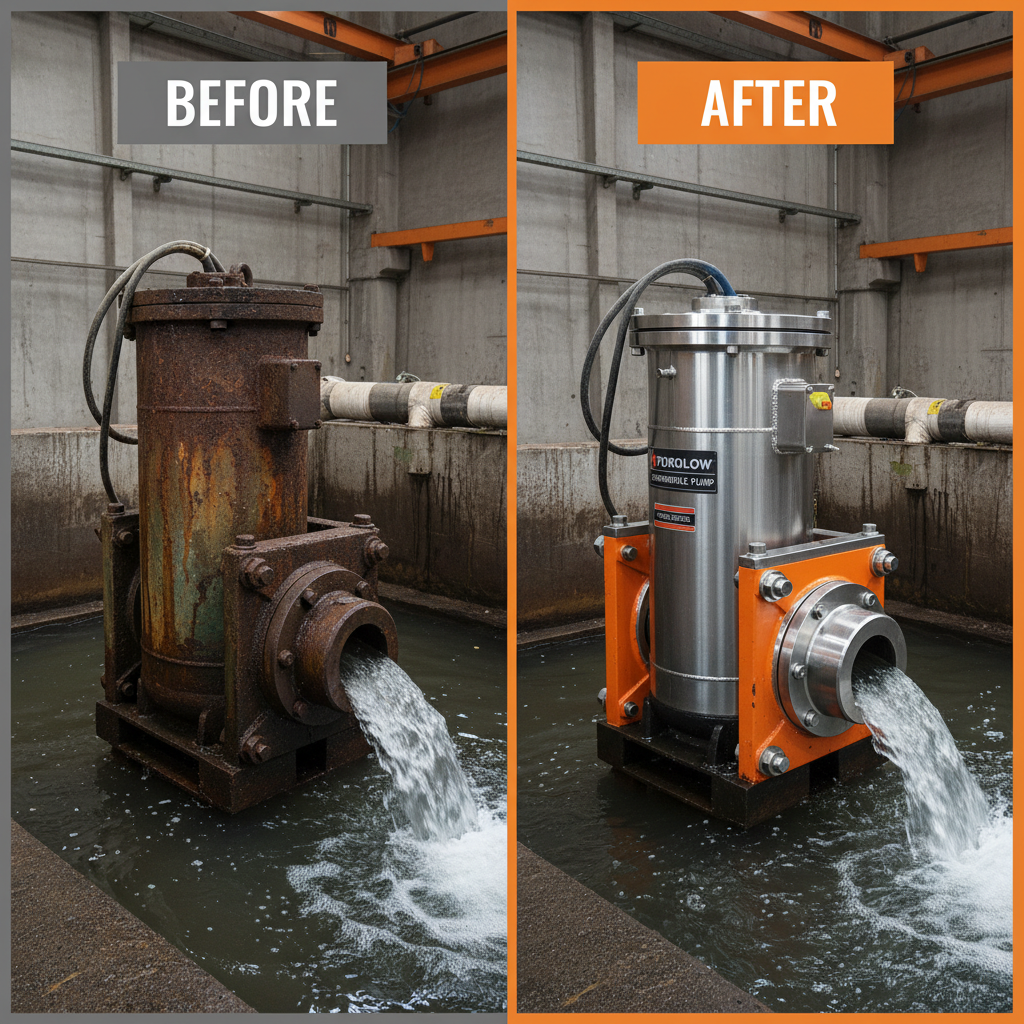 Understanding the Price Submersible Pump and Buyer GuideWhen searching for the ideal water management solution, understanding the price submersible pump options is crucial for balancing budget with performance. Whether you are dealing with a flooded basement, managing agricultural irrigation, or extracting water from a deep well, the cost of a submersible pump can vary significantly based on its build quality and capacity. Investing in a high-quality pump ensures long-term reliability and reduces the frequency of expensive replacements. In this guide, we will break down the factors that influence pricing and help you make an informed decision for your specific needs.Detail
 -
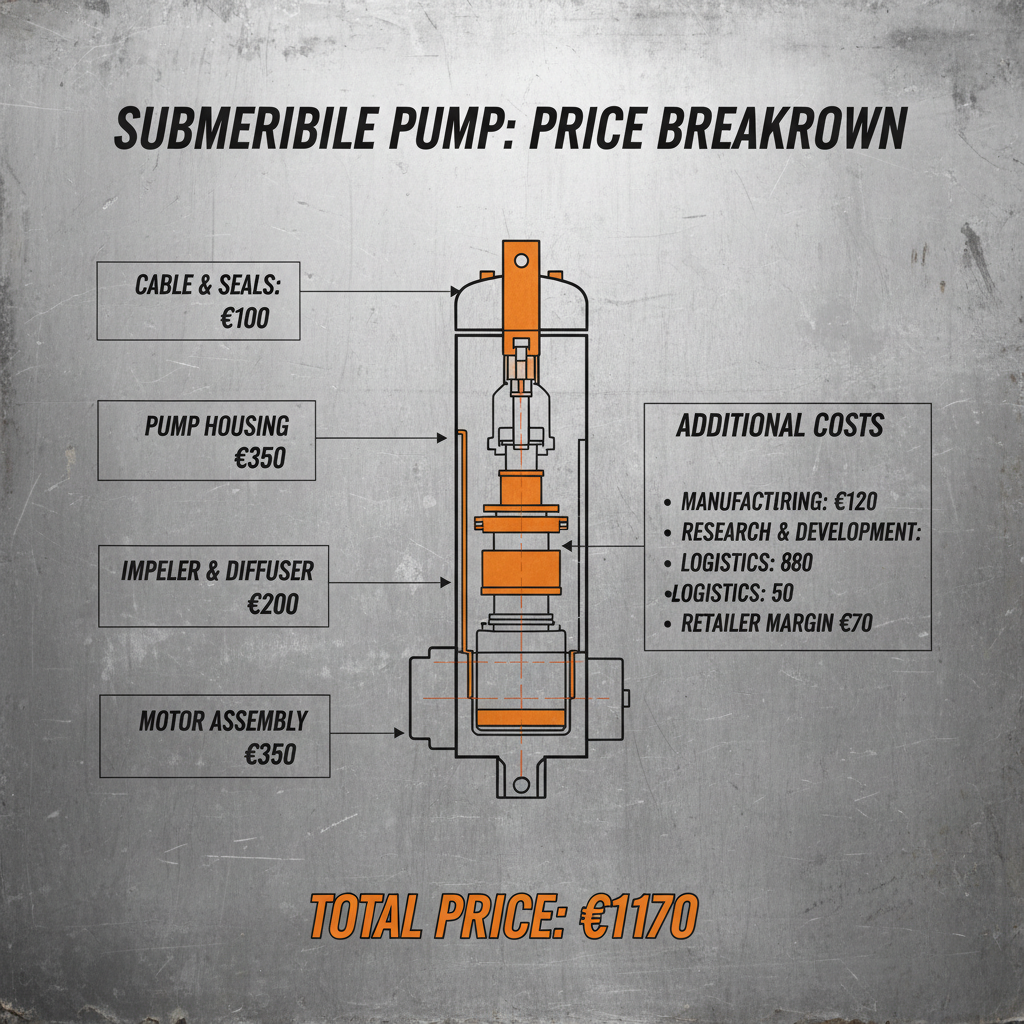 Factors Affecting the Price for Submersible Pump a Buyers GuideWhen investing in water management systems, understanding the price for submersible pump options is essential for balancing performance with budget. Whether you are managing a residential well, an industrial drainage project, or agricultural irrigation, the cost of a pump is rarely a flat fee; it is a reflection of the engineering, materials, and capacity required for your specific environment. In this guide, we will break down the factors that influence pricing and help you determine the best value for your investment to ensure long-term reliability and efficiency.Detail
 -
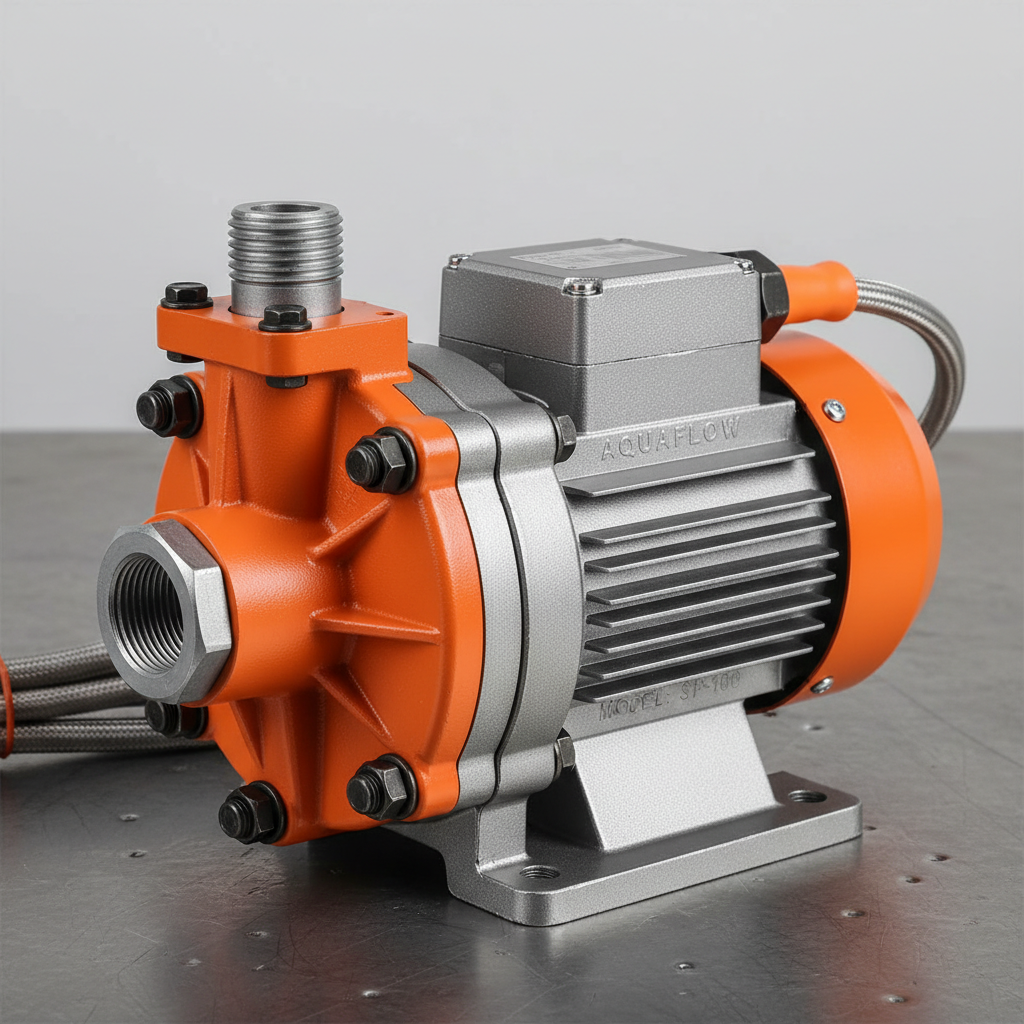 Choosing the Right Mini Submersible Fountain Pump for Optimal Water Feature PerformanceCreating a beautiful and relaxing water feature doesn't have to be complicated. A mini submersible fountain pump is the heart of any indoor or outdoor fountain, and selecting the right one is crucial for optimal performance and longevity. This article will guide you through the key considerations when choosing a mini submersible fountain pump, covering types, features, applications, and how to ensure you get the perfect pump for your project. We’ll also explore how Wellpumpact can provide you with the ideal solution.Detail
 Afrikaans
 Albanian
 Amharic
 Arabic
 Armenian
 Azerbaijani
 Basque
 Belarusian
 Bengali
 Bosnian
 Bulgarian
 Catalan
 Cebuano
 Corsican
 Croatian
 Czech
Czech
 Danish
 Dutch
Dutch
 Esperanto
 Estonian
 Finnish
 French
 Frisian
 Galician
 Georgian
 German
 Greek
Greek
 Gujarati
 Haitian Creole
 Hausa
Hausa
 Hawaiian
 Hebrew
 Hindi
Hindi
 Miao
Miao
 Hungarian
 Icelandic
 Igbo
Igbo
 Indonesian
 Irish
Irish
 Italian
 Japanese
 Javanese
 Kannada
 Kazakh
 Khmer
Khmer
 Rwandese
 Korean
 Kurdish
 Kyrgyz
 Lao
Lao
 Latin
Latin
 Latvian
 Lithuanian
 Luxembourgish
 Macedonian
 Malgashi
 Malay
Malay
 Malayalam
 Maltese
 Maori
Maori
 Marathi
 Mongolian
 Myanmar
 Nepali
 Norwegian
 Norwegian
 Occitan
 Pashto
 Persian
 Polish
 Portuguese
 Punjabi
 Romanian
 Russian
 Samoan
 Scottish Gaelic
 Serbian
 Sesotho
 Shona
Shona
 Sindhi
 Sinhala
 Slovak
 Slovenian
 Somali
 Spanish
 Sundanese
 Swahili
 Swedish
 Tagalog
 Tajik
Tajik
 Tamil
Tamil
 Tatar
Tatar
 Telugu
 Thai
Thai
 Turkish
 Turkmen
 Ukrainian
 Urdu
Urdu
 Uighur
 Uzbek
Uzbek
 Vietnamese
 Welsh
Welsh
 Bantu
Bantu
 Yiddish
 Yoruba
 Zulu
Zulu
 English