
Nov . 22, 2025 02:30 Back to list
Comprehensive Guide to 2 Inch Submersible Pumps - Applications & Benefits
What Is a 2 Inch Submersible Pump and Why Does It Matter?
You might wonder why a 2 inch submersible pump has earned a spot in global conversations about water management and industrial operations. Well, these little workhorses play a critical role in everything from agricultural irrigation in arid regions to emergency water supply in disaster zones. Given how crucial water and fluid transfer systems are to our daily lives—and economies—the right pump can mean the difference between drought and abundance, or crisis and recovery.
So understanding the ins and outs of these pumps isn’t just for engineers—it’s for anyone curious about how we move water efficiently and sustainably across the globe.
Understanding the Global Importance of the 2 Inch Submersible Pump
Globally, water scarcity and infrastructure challenges are intensifying. According to the United Nations, about 2.2 billion people lack safely managed drinking water services. In many rural or remote areas, centralized water infrastructure is impractical or absent altogether. That’s where compact, efficient pumps like the 2 inch submersible pump step in.
These pumps have become essential in diverse industries and regions—not just for civil water supply but also in mining, construction, and agricultural zones. Their small size yet powerful operation solves complex problems such as groundwater extraction and wastewater removal.
However, choosing the right pump requires balancing performance, durability, and costs—especially since many developing regions rely on these dependable machines to sustain livelihoods.
What Exactly Is a 2 Inch Submersible Pump?
Simply put, a 2 inch submersible pump is a water pump designed to be fully submerged in the fluid it’s tasked to move. The “2 inch” refers to the diameter of the pump’s outlet, which generally signals it’s a compact model suitable for narrow boreholes or modest flow requirements.
These pumps operate by pushing water upward through impellers inside a sealed motor housing that keeps the electrical components safe from water damage. The sealed design is vital because it allows the pump to function underwater — no leaks, no compromises.
Whether it’s raising water from wells for irrigation or draining flooded areas during emergencies, 2 inch submersible pumps pack a punch for their size.
Core Components and Key Factors Behind Their Effectiveness
1. Durability Underwater
One of the trickiest challenges with submersible pumps is the hostile environment. Constant exposure to water, sediment, and even corrosive chemicals can wear machines down fast. Most 2 inch submersible pumps feature toughened stainless steel bodies or thermoplastics specifically designed to resist rust and abrasion.
2. Energy Efficiency
Since many pumps run for hours, sometimes powered by solar panels in off-grid locales, energy consumption matters. Efficient motor designs and optimized hydraulic components reduce power needs, saving operational costs and helping sustainability goals.
3. Scalability and Compatibility
These pumps are built to fit a variety of borehole sizes and delivery requirements. Their 2 inch diameter combines flexibility with performance, making them adaptable in small farms to large-scale construction projects.
4. Cost and Maintenance
Practicality often outweighs flashy features in field conditions. Many models prioritize easy assembly and simple spare parts, so repairs and maintenance can be done quickly—sometimes even by local technicians with limited tools.
Summary:
- Robust materials resist corrosion and wear.
- Designed for low energy consumption.
- Adaptable to diverse pumping needs.
- Low maintenance demands for field conditions.
How Are 2 Inch Submersible Pumps Used Around the World?
The versatility of this pump style shows in its widespread use:
- Agriculture: Farmers in regions like Sub-Saharan Africa employ these pumps for drip irrigation systems, which maximize water efficiency amid unpredictable rainfall.
- Disaster Relief: In flood-prone areas or post-hurricane clean-ups, NGOs use portable 2 inch submersible pumps to pump out flooded basements and wells, restoring water access quickly.
- Mining and Construction: For dewatering operations where groundwater seeps into pits, compact pumps help keep sites safe and operational.
- Remote Communities: Off-grid villages worldwide depend on solar-powered pumps to supply potable water daily without expensive infrastructure.
Oddly enough, in some cases, these pumps become lifelines beyond just water: influencing health, education, and economic stability. When water access is reliable, communities thrive.
Typical Specifications of a 2 Inch Submersible Pump
| Feature | Specification |
|---|---|
| Pump Diameter | 2 inches (50 mm) |
| Flow Rate | Up to 100 gallons per minute (GPM) |
| Motor Power | 0.5 to 2 HP (horsepower) |
| Maximum Head (Vertical Lift) | Up to 150 feet (45 meters) |
| Materials | Stainless steel, thermoplastics |
| Power Source | Electrical or solar |
How Do Different Vendors Stack Up?
If you’re in the market for a 2 inch submersible pump, a quick vendor comparison can save you headache later:
| Vendor | Price Range | Warranty | Lead Time | Special Features |
|---|---|---|---|---|
| PumpCo | $150–$250 | 2 years | 2 weeks | Corrosion resistant motor |
| AquaFlow | $180–$300 | 3 years | 1 week | Solar compatible |
| WellPumpAct | $160–$280 | 2 years | 3 days | Energy efficient, easy installation |
Advantages and Long-Term Value of Investing in a 2 Inch Submersible Pump
From cost savings to social uplift, these pumps deliver far more than just moving water:
- Reliable Operation: You get consistent performance, cut downtime, and avoid costly failures.
- Energy Savings: Lower electricity or fuel use equals reduced operating expenses.
- Environmental Impact: Less power consumption and durable design reduce waste and emissions.
- Community Benefits: Greater water access boosts health, food security, and education, fostering dignity and hope.
Imagine the confidence a farmer feels when water flows predictably during dry spells, or the relief a community experiences when their water supply isn’t interrupted. It all ties back to this humble piece of engineering.
Looking Ahead: Future Trends in 2 Inch Submersible Pumps
Manufacturers and researchers are pursuing cleaner, smarter solutions for submersible pumps worldwide:
- Green Energy Integration: Solar-powered pumps coupled with smart controllers enable off-grid, eco-friendly water management.
- Advanced Materials: New composites and coatings extend lifespan and reduce maintenance.
- Digital Sensors and IoT: Real-time monitoring allows predictive maintenance and energy optimization.
- Modular Designs: Easier customization and rapid field repairs.
Frankly, watching this evolution is like seeing old-school craftsmanship meet the digital age—technology getting usable in the real world, where it counts.
Common Challenges & How Industry Experts Address Them
Despite their many benefits, 2 inch submersible pumps face typical challenges:
- Clogging: Sediment and debris can jam impellers, reducing efficiency. The solution? Pumps with built-in screens or vortex impellers that handle solids better.
- Power Accessibility: Remote sites may lack stable electricity. Integrating solar or hybrid power systems addresses this nicely.
- Maintenance Skills: In rural areas, repair can be tricky. Training locals and supplying simple, modular spares are critical approaches.
These tailored solutions ensure pumps don’t just sit idle… but keep running when it really matters.
FAQ: Your Questions on 2 Inch Submersible Pumps Answered
Q1: What are typical applications for a 2 inch submersible pump?
A: These pumps are commonly used for irrigation in small farms, draining flooded areas, groundwater extraction from boreholes, and supplying water to remote communities. Their small size makes them ideal where narrow well casings or limited space exist.
Q2: Can a 2 inch submersible pump be powered by solar energy?
A: Yes! Solar-compatible models are increasingly popular, especially where grid power is unreliable or unavailable. Pairing with solar panels and battery systems allows sustainable, off-grid operation.
Q3: How often does routine maintenance need to be done?
A: Generally, submersible pumps require inspection every 6–12 months depending on usage and water quality. Cleaning, checking cable insulation, and lubricating parts help extend service life.
Q4: What factors influence the cost of these pumps?
A: Price varies based on motor power, materials (e.g., stainless steel vs plastic), flow capacity, and additional features like corrosion resistance or solar compatibility.
Q5: How do I select the right 2 inch submersible pump for my needs?
A: Assess your pumping volume, depth of water source, power availability, and fluid type. Consult vendors or technical datasheets to match specifications with your unique requirements.
If you’d like to learn more about selecting and installing high-quality pumps, feel free to check out our detailed guides at 2 inch submersible pump.
Wrapping Up: Why the 2 Inch Submersible Pump Is Worth Your Attention
In real terms, these pumps embody resilience and adaptability—cornerstones of sustainable water management worldwide. From nourishing crops to powering recovery efforts after disasters, a well-chosen 2 inch submersible pump pays back more than its cost in reliability and community impact.
So whether you’re an engineer, farmer, or NGO worker, investing time to understand these machines is a smart move. For further insights and product options, feel free to visit our website.
Mini takeaway: Small but mighty, 2 inch submersible pumps fill critical niches globally — from farmlands to flood zones — proving that sometimes, size really doesn’t matter as much as design and durability.
References
-
Understanding the Price Submersible Pump and Buyer Guide
NewsApr.16,2026
-
Factors Affecting the Price for Submersible Pump a Buyers Guide
NewsApr.09,2026
-
Choosing the Right Mini Submersible Fountain Pump for Optimal Water Feature Performance
NewsApr.07,2026
-
A Detailed Guide to Installing a Submersible Pump for Optimal Performance
NewsApr.04,2026
-
Comprehensive Guide on How to Test a Submersible Water Well Pump Effectively
NewsMar.31,2026
-
Learn How to Replace a Submersible Well Pump Safely and Effectively
NewsMar.28,2026
-
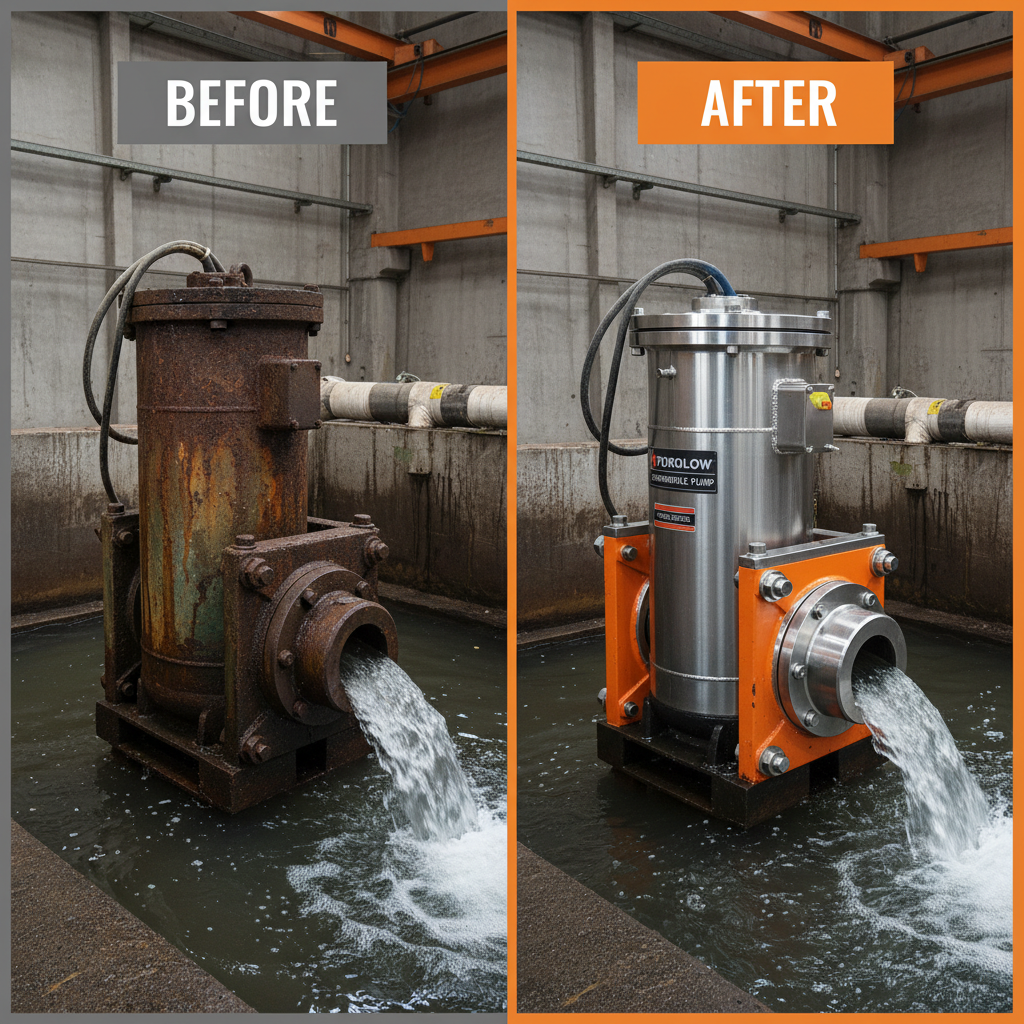 Understanding the Price Submersible Pump and Buyer GuideWhen searching for the ideal water management solution, understanding the price submersible pump options is crucial for balancing budget with performance. Whether you are dealing with a flooded basement, managing agricultural irrigation, or extracting water from a deep well, the cost of a submersible pump can vary significantly based on its build quality and capacity. Investing in a high-quality pump ensures long-term reliability and reduces the frequency of expensive replacements. In this guide, we will break down the factors that influence pricing and help you make an informed decision for your specific needs.Detail
 -
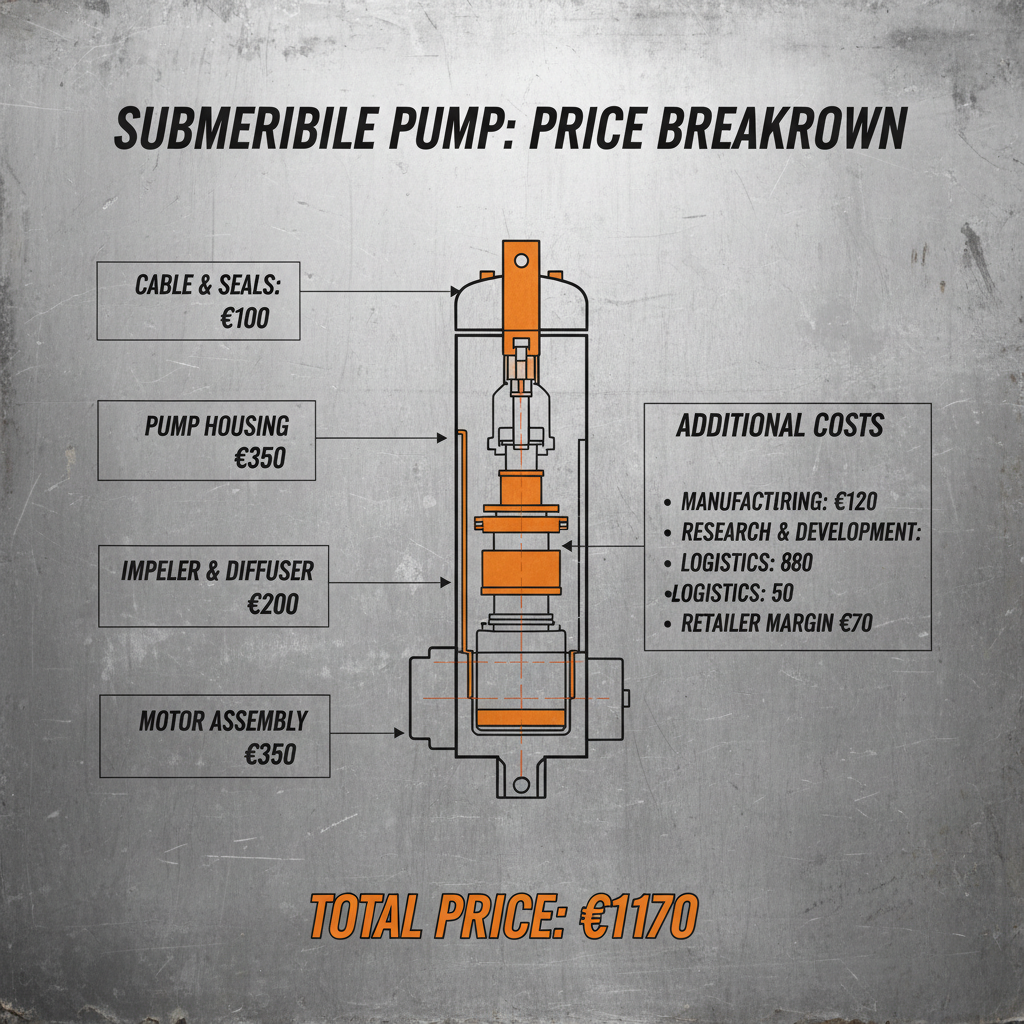 Factors Affecting the Price for Submersible Pump a Buyers GuideWhen investing in water management systems, understanding the price for submersible pump options is essential for balancing performance with budget. Whether you are managing a residential well, an industrial drainage project, or agricultural irrigation, the cost of a pump is rarely a flat fee; it is a reflection of the engineering, materials, and capacity required for your specific environment. In this guide, we will break down the factors that influence pricing and help you determine the best value for your investment to ensure long-term reliability and efficiency.Detail
 -
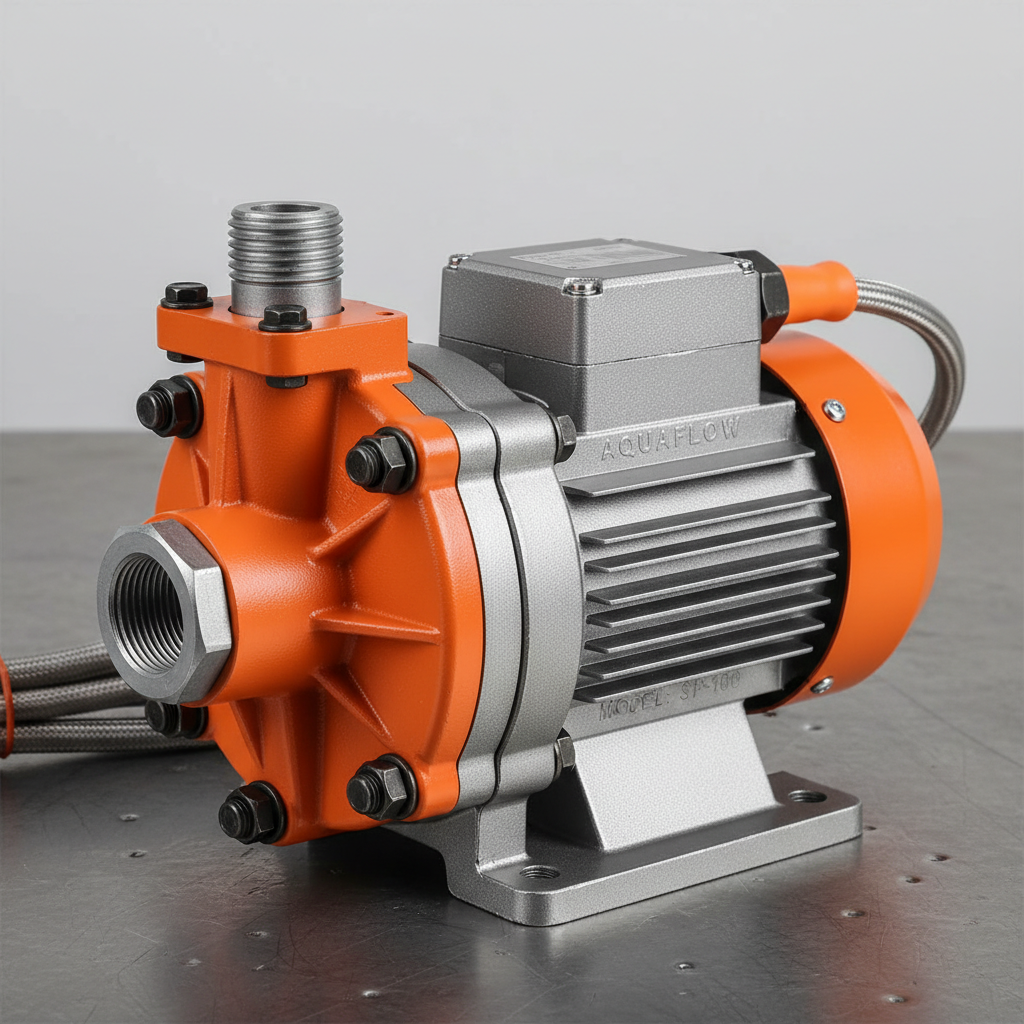 Choosing the Right Mini Submersible Fountain Pump for Optimal Water Feature PerformanceCreating a beautiful and relaxing water feature doesn't have to be complicated. A mini submersible fountain pump is the heart of any indoor or outdoor fountain, and selecting the right one is crucial for optimal performance and longevity. This article will guide you through the key considerations when choosing a mini submersible fountain pump, covering types, features, applications, and how to ensure you get the perfect pump for your project. We’ll also explore how Wellpumpact can provide you with the ideal solution.Detail
 Afrikaans
 Albanian
 Amharic
 Arabic
 Armenian
 Azerbaijani
 Basque
 Belarusian
 Bengali
 Bosnian
 Bulgarian
 Catalan
 Cebuano
 Corsican
 Croatian
 Czech
Czech
 Danish
 Dutch
Dutch
 Esperanto
 Estonian
 Finnish
 French
 Frisian
 Galician
 Georgian
 German
 Greek
Greek
 Gujarati
 Haitian Creole
 Hausa
Hausa
 Hawaiian
 Hebrew
 Hindi
Hindi
 Miao
Miao
 Hungarian
 Icelandic
 Igbo
Igbo
 Indonesian
 Irish
Irish
 Italian
 Japanese
 Javanese
 Kannada
 Kazakh
 Khmer
Khmer
 Rwandese
 Korean
 Kurdish
 Kyrgyz
 Lao
Lao
 Latin
Latin
 Latvian
 Lithuanian
 Luxembourgish
 Macedonian
 Malgashi
 Malay
Malay
 Malayalam
 Maltese
 Maori
Maori
 Marathi
 Mongolian
 Myanmar
 Nepali
 Norwegian
 Norwegian
 Occitan
 Pashto
 Persian
 Polish
 Portuguese
 Punjabi
 Romanian
 Russian
 Samoan
 Scottish Gaelic
 Serbian
 Sesotho
 Shona
Shona
 Sindhi
 Sinhala
 Slovak
 Slovenian
 Somali
 Spanish
 Sundanese
 Swahili
 Swedish
 Tagalog
 Tajik
Tajik
 Tamil
Tamil
 Tatar
Tatar
 Telugu
 Thai
Thai
 Turkish
 Turkmen
 Ukrainian
 Urdu
Urdu
 Uighur
 Uzbek
Uzbek
 Vietnamese
 Welsh
Welsh
 Bantu
Bantu
 Yiddish
 Yoruba
 Zulu
Zulu
 English