
Dec . 02, 2025 14:00 Back to list
Above Ground Bore Pump – Durable, Cost-Effective Water Access Solutions Worldwide
Above Ground Bore Pump: An Essential Solution for Global Water Access
At its core, an above ground bore pump is a game changer for accessing groundwater — especially in areas where sinking deep wells is either impractical or costly. Globally, water scarcity affects over two billion people, according to the United Nations, impacting agriculture, industry, and daily living. Pumps like these provide a lifeline, pulling water efficiently without complicated underground installations. Understanding them isn’t just for engineers — it can shape policies, humanitarian efforts, and sustainable development worldwide.
Introduction: Why Above Ground Bore Pumps Matter on a Global Scale
Across continents, from the arid Sahel region of Africa to remote rural outposts in Australia, we see a persistent challenge: accessing clean, reliable water sources. The World Bank estimates that agriculture accounts for nearly 70% of freshwater use globally, making efficient pumping systems critical. Above ground bore pumps offer a practical solution in places where deep wells require costly infrastructure or where below-ground setups are vulnerable to flooding or collapse. These pumps also reduce environmental disruption compared to traditional in-ground systems.
Yet, the challenge remains — how do we provide scalable, durable, and cost-effective groundwater extraction that fits varied environmental and economic contexts? This is where the above ground bore pump steps in, balancing function with accessibility.
Defining the Above Ground Bore Pump
Put simply, an above ground bore pump is a device installed at surface level that draws water up from boreholes or wells drilled below the earth. Unlike submersible pumps, which are placed inside the borehole, these units sit externally, often attached directly to the wellhead. This design simplifies maintenance and protects sensitive components from harsh underground environments.
In humanitarian contexts — like post-disaster relief operations — they can be deployed quickly to restore water access. Industrially, they are used for irrigation, mining, and municipal water supply with relative ease.
Key Components & Factors to Consider
- Durability: Since these pumps often operate in tough environments, corrosion resistance and rugged housing matter — stainless steel or industrial-grade polymers are common choices.
- Energy Source Flexibility: They can run on electricity, diesel, solar power, or even hand pumps, making them adaptable to off-grid locations.
- Flow Rate & Head: Depending on needs, pumps vary in how much water they can move per minute and how high they can lift it. Matching these specs ensures efficiency.
- Maintenance Ease: With all components accessible above ground, routine checks and repairs take less time and skill, crucial where technicians are scarce.
- Cost Efficiency: Installation and long-term energy costs must align with community budgets or business models — sometimes requiring compromises.
Each factor ties directly into practical needs on the ground — if durability is poor, downtime increases; if energy source options are limited, usage shrinks, and so forth.
Global Applications & Real-World Examples
In parts of sub-Saharan Africa, NGOs deploy solar-powered above ground bore pumps to bring safe irrigation water to drought-affected farms, boosting food security. In Australia’s mining towns, rugged diesel-driven units serve both water supply and mineral processing needs. Even in urban India, municipal projects have turned to these pumps to modernize aging well systems with minimal downtime.
One memorable case was in Nepal after the 2015 earthquake: relief agencies rapidly installed above ground bore pumps to provide clean water to displaced families — underscoring their quick-deployment advantage.
Advantages & Long-Term Value
Frankly, these pumps tick a lot of boxes. They minimize environmental disruption by avoiding deep excavation. Maintenance is simpler and less costly — which, in low-income regions, determines whether the system stays operational. From an emotional standpoint, providing reliable water access restores dignity and safety to communities, reducing burdens on women and children who often collect water.
Logically, investing in such pumps means longer asset life, less energy waste, and adaptability to future needs, including scaling up as communities grow. Plus, trust builds when residents see durable, locally supported solutions.
Future Trends & Innovations
We’re seeing exciting shifts. Solar-powered units now commonly incorporate smart sensors to monitor flow and detect leaks remotely — reducing downtime and improving resource management. Material science advances yield lighter, stronger pump frames with better corrosion resistance. Green energy integration continues, with hybrid models combining solar and grid power for reliability.
Regulatory bodies are also encouraging sustainable installation practices, pushing manufacturers toward eco-friendlier designs and end-of-life recyclability.
Challenges & Solutions
Of course, no solution is perfect. Challenges include:
- Energy reliability: Dependence on solar means variable output on cloudy days. Hybrid or battery backup solutions mitigate this.
- Water quality concerns: Pumps don’t filter water; additional treatment is often necessary — a factor sometimes overlooked.
- Technical skills: Did I mention spare parts availability and training can be limited in remote areas?
Addressing these issues requires integrated planning, from stakeholder engagement to supply chain development — underscoring the value of partnerships between manufacturers, NGOs, and local governments.
Product Specifications Snapshot
| Specification | Details |
|---|---|
| Pump Type | Above ground centrifugal or piston |
| Power Options | Electric, Diesel, Solar, Manual |
| Max Flow Rate | Up to 50 m³/hour |
| Max Head | Up to 150 meters |
| Material | Stainless steel housing, ABS components |
| Maintenance Interval | Every 6 months (typical) |
Vendor Comparison for Above Ground Bore Pumps
| Vendor | Power Options | Average Cost (USD) | Warranty | Best For |
|---|---|---|---|---|
| AquaLift Corp | Electric, Diesel | $3,500 - $5,000 | 2 years | Industrial use |
| SolarPump Solutions | Solar only | $4,000 - $6,500 | 3 years | Remote/off-grid |
| HydroFlow | Electric, Manual | $2,800 - $4,200 | 1 year | Small farms, community wells |
FAQs About Above Ground Bore Pumps
- Q: How easy is it to install an above ground bore pump compared to submersible pumps?
- A: Pretty straightforward. Because the pump sits on the surface, installation usually requires less specialized equipment, and you can often avoid deep excavation. This means faster setup and easier access for maintenance.
- Q: Can these pumps be powered by renewable energy?
- A: Absolutely. Many models are designed for solar power, which is ideal for remote or off-grid sites. Some use hybrid systems combining solar and grid power for reliability.
- Q: What’s the typical lifespan of an above ground bore pump?
- A: With proper maintenance, you’re looking at around 10-15 years. Material quality, usage intensity, and environmental conditions all factor in.
- Q: Are above ground bore pumps suitable for agricultural irrigation?
- A: Yes, they’re quite popular in agriculture. Their adaptability in flow rates and power sources makes them suitable for watering crops efficiently.
- Q: Do I need special permits to install one?
- A: This depends on local regulations. Usually, permits needed will relate to water extraction rights, not the pump itself. Always check with local authorities.
Conclusion: Why Choose an Above Ground Bore Pump?
In real-world terms, an above ground bore pump blends practicality, accessibility, and sustainability in a way few water systems can. Whether for a small farming community or a large-scale industrial project, these pumps offer tangible cost savings, ease of maintenance, and a lifeline to clean water. Their growing adoption worldwide underscores their importance in meeting future water challenges, especially in vulnerable or resource-scarce regions.
If you’re exploring reliable water solutions, consider the long-term benefits an above ground bore pump delivers. For detailed options and expert advice, visit our website at https://www.wellpumpact.com.
Mini takeaway: Above ground bore pumps are practical, easy-to-maintain technologies crucial for sustainable groundwater access globally — increasingly with smart, renewable power options.
References
-
Understanding the Price Submersible Pump and Buyer Guide
NewsApr.16,2026
-
Factors Affecting the Price for Submersible Pump a Buyers Guide
NewsApr.09,2026
-
Choosing the Right Mini Submersible Fountain Pump for Optimal Water Feature Performance
NewsApr.07,2026
-
A Detailed Guide to Installing a Submersible Pump for Optimal Performance
NewsApr.04,2026
-
Comprehensive Guide on How to Test a Submersible Water Well Pump Effectively
NewsMar.31,2026
-
Learn How to Replace a Submersible Well Pump Safely and Effectively
NewsMar.28,2026
-
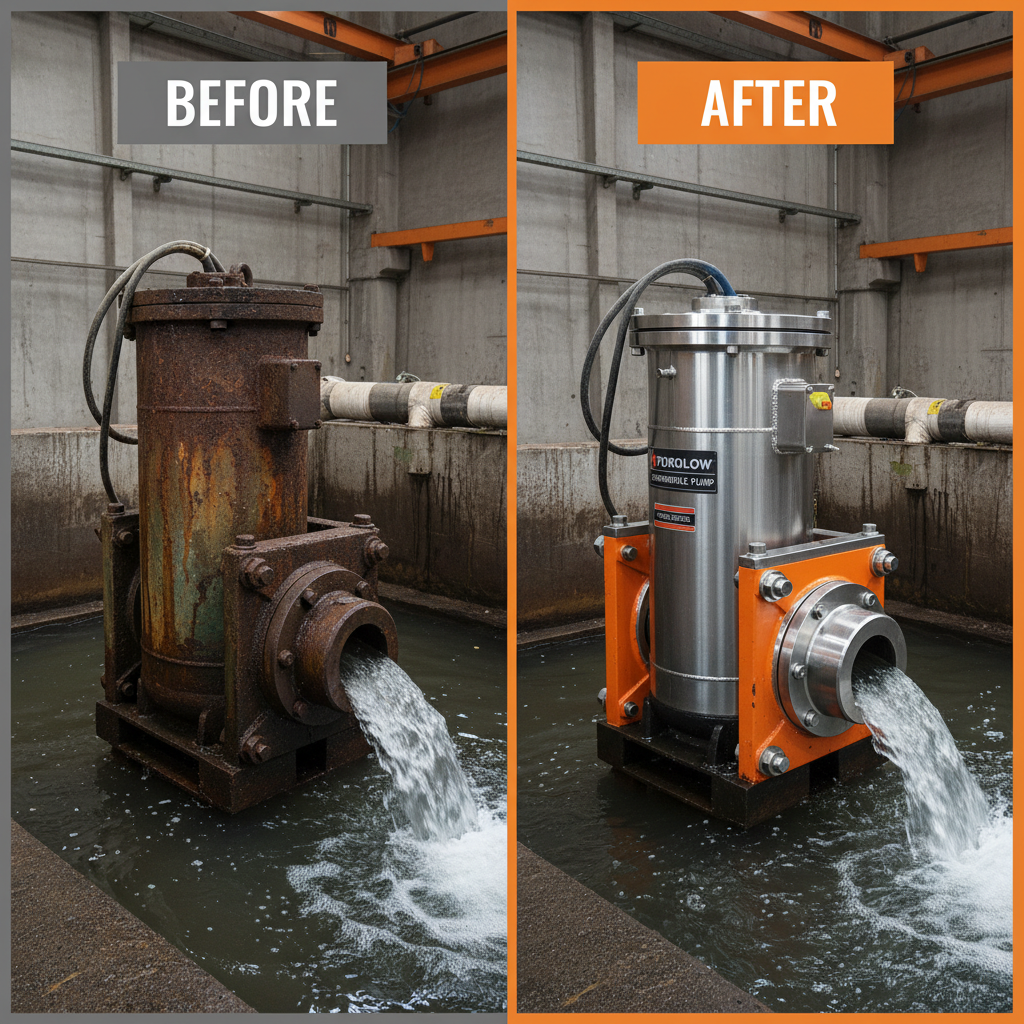 Understanding the Price Submersible Pump and Buyer GuideWhen searching for the ideal water management solution, understanding the price submersible pump options is crucial for balancing budget with performance. Whether you are dealing with a flooded basement, managing agricultural irrigation, or extracting water from a deep well, the cost of a submersible pump can vary significantly based on its build quality and capacity. Investing in a high-quality pump ensures long-term reliability and reduces the frequency of expensive replacements. In this guide, we will break down the factors that influence pricing and help you make an informed decision for your specific needs.Detail
 -
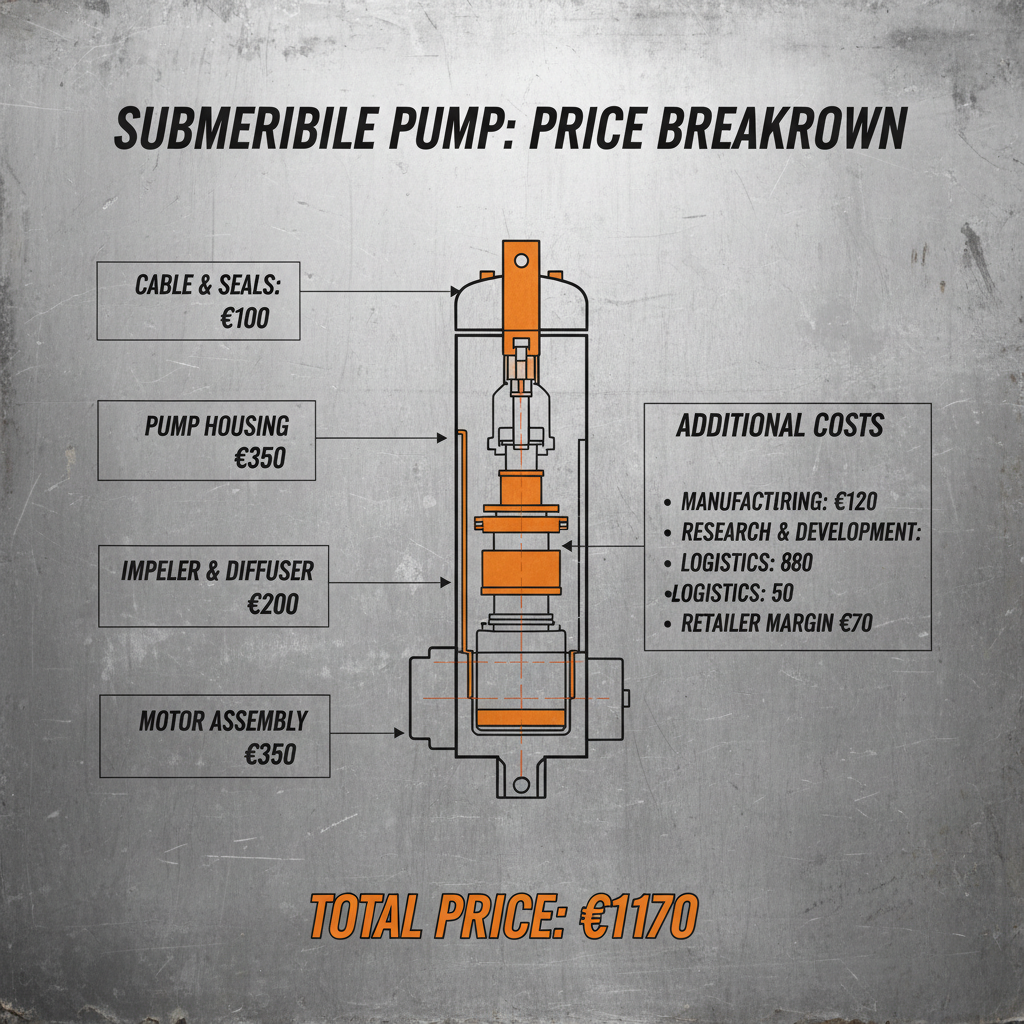 Factors Affecting the Price for Submersible Pump a Buyers GuideWhen investing in water management systems, understanding the price for submersible pump options is essential for balancing performance with budget. Whether you are managing a residential well, an industrial drainage project, or agricultural irrigation, the cost of a pump is rarely a flat fee; it is a reflection of the engineering, materials, and capacity required for your specific environment. In this guide, we will break down the factors that influence pricing and help you determine the best value for your investment to ensure long-term reliability and efficiency.Detail
 -
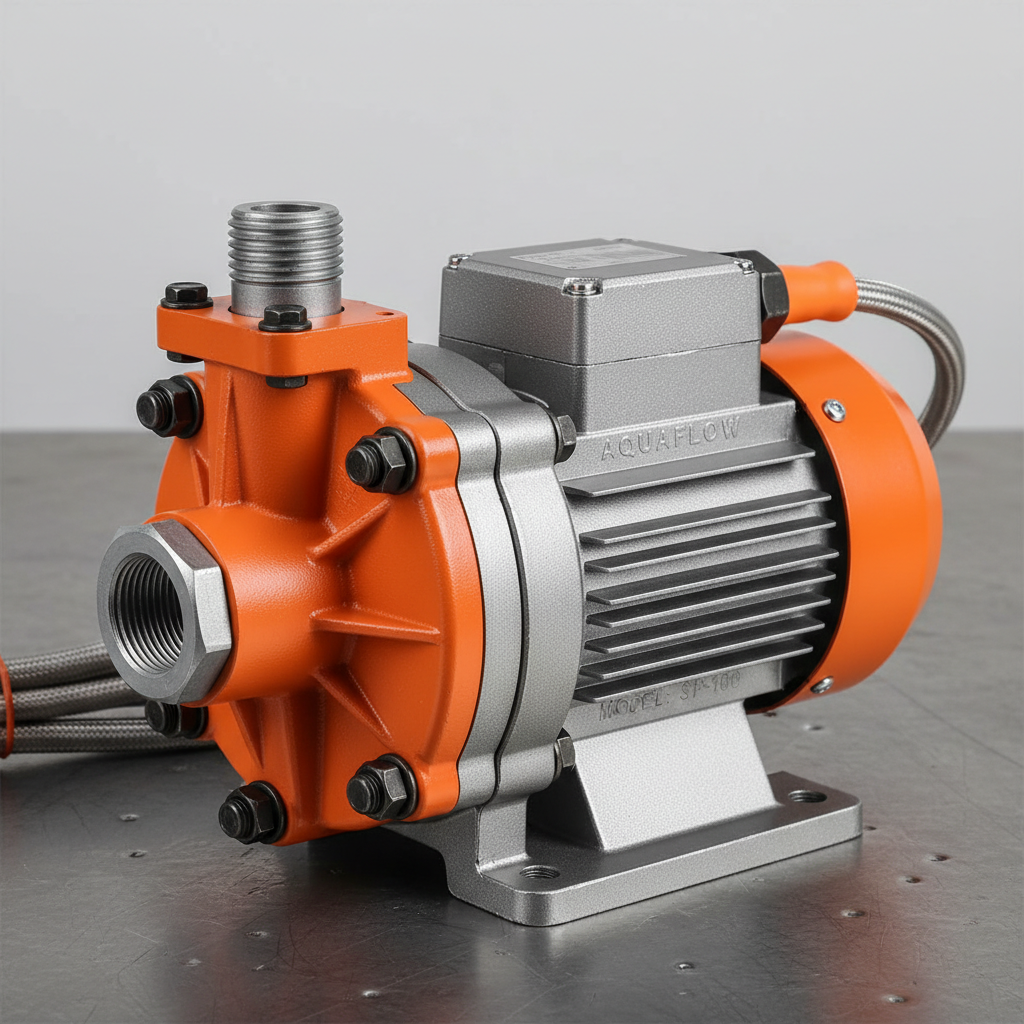 Choosing the Right Mini Submersible Fountain Pump for Optimal Water Feature PerformanceCreating a beautiful and relaxing water feature doesn't have to be complicated. A mini submersible fountain pump is the heart of any indoor or outdoor fountain, and selecting the right one is crucial for optimal performance and longevity. This article will guide you through the key considerations when choosing a mini submersible fountain pump, covering types, features, applications, and how to ensure you get the perfect pump for your project. We’ll also explore how Wellpumpact can provide you with the ideal solution.Detail
 Afrikaans
 Albanian
 Amharic
 Arabic
 Armenian
 Azerbaijani
 Basque
 Belarusian
 Bengali
 Bosnian
 Bulgarian
 Catalan
 Cebuano
 Corsican
 Croatian
 Czech
Czech
 Danish
 Dutch
Dutch
 Esperanto
 Estonian
 Finnish
 French
 Frisian
 Galician
 Georgian
 German
 Greek
Greek
 Gujarati
 Haitian Creole
 Hausa
Hausa
 Hawaiian
 Hebrew
 Hindi
Hindi
 Miao
Miao
 Hungarian
 Icelandic
 Igbo
Igbo
 Indonesian
 Irish
Irish
 Italian
 Japanese
 Javanese
 Kannada
 Kazakh
 Khmer
Khmer
 Rwandese
 Korean
 Kurdish
 Kyrgyz
 Lao
Lao
 Latin
Latin
 Latvian
 Lithuanian
 Luxembourgish
 Macedonian
 Malgashi
 Malay
Malay
 Malayalam
 Maltese
 Maori
Maori
 Marathi
 Mongolian
 Myanmar
 Nepali
 Norwegian
 Norwegian
 Occitan
 Pashto
 Persian
 Polish
 Portuguese
 Punjabi
 Romanian
 Russian
 Samoan
 Scottish Gaelic
 Serbian
 Sesotho
 Shona
Shona
 Sindhi
 Sinhala
 Slovak
 Slovenian
 Somali
 Spanish
 Sundanese
 Swahili
 Swedish
 Tagalog
 Tajik
Tajik
 Tamil
Tamil
 Tatar
Tatar
 Telugu
 Thai
Thai
 Turkish
 Turkmen
 Ukrainian
 Urdu
Urdu
 Uighur
 Uzbek
Uzbek
 Vietnamese
 Welsh
Welsh
 Bantu
Bantu
 Yiddish
 Yoruba
 Zulu
Zulu
 English