
Nov . 28, 2025 17:50 Back to list
Electric Well Pump: The Backbone of Modern Water Access
Why Electric Well Pumps Matter in Our Water-Hungry World
Water. It’s the lifeblood of civilizations, agriculture, and industries worldwide. But getting clean, reliable water isn’t always easy. Enter the electric well pump, a humble yet transformative device that has quietly revolutionized how communities access groundwater. With over 2 billion people relying on groundwater for drinking and farming, understanding these devices isn't just for engineers or farmers — it’s about grasping a key player in global water security and sustainability.
By learning the ins and outs of electric well pumps, from their basic mechanics to innovations shaping the future, we get a glimpse of a technology that quietly supports lives daily — from remote farms in Sub-Saharan Africa to suburban homes in California.
Global Context: Water Access and the Role of Electric Pumps
Globally, water scarcity is a growing crisis. According to the United Nations, by 2025, almost half the world’s population will live in water-stressed areas. Groundwater makes up roughly 30% of global freshwater and is vital for irrigation and drinking supply, especially in arid regions.
But tapping into that groundwater isn’t trivial. Manual methods like hand pumps or bucket drawing limit how much water can be fetched. Traditional mechanical pumps—think diesel engines—come with fuel costs, emissions, and maintenance headaches. That’s where electric well pumps step in, offering cleaner, more efficient, and scalable water access.
For instance, in India alone, millions of boreholes are powered by electric pumps, enabling smallholder farmers to grow crops year-round and improving food security significantly.
What Is an Electric Well Pump?
Simply put, an electric well pump is a device powered by electricity to extract water from underground wells and deliver it to the surface for use. It replaces manual or less efficient mechanical pumps by leveraging electrical energy for consistent water flow without requiring constant human effort or fuel.
Depending on the application and well depth, electric pumps vary widely—from shallow well jet pumps useful for wells 25 feet deep to submersible pumps that dive 1000+ feet underground.
In humanitarian settings or developing rural areas, these pumps serve a crucial function: enabling access to safe, potable water without polluting the environment or requiring costly fuel imports.
Core Components That Make Electric Well Pumps Work
1. Motor Efficiency
The heart of any electric well pump is its motor. Typically, centrifugal motors provide smooth, consistent rotation. More efficient motors save electricity — critical in remote areas where power is limited or costly.
2. Pump Design and Material
From stainless steel impellers to corrosion-resistant casings, the materials must endure harsh water chemistry for years. Poor quality materials can rapidly degrade, leading to repair woes.
3. Durability and Maintenance
Since well pumps often operate in remote or hard-to-access locations, durability matters. Sealed bearings, robust wiring, and easy-to-service designs prolong life and reduce downtime and costs.
4. Power Supply Compatibility
Flexible pumps that can run off grid-tied electricity, solar panels, or generators are game-changers. This adaptability widens where electric well pumps can function sustainably.
5. Water Flow and Pressure Specifications
Matching the pump’s capacity to the water demand and well characteristics ensures efficient energy use and system longevity.
Mini Takeaway:
The electric well pump packs many engineering decisions beneath its unassuming shell. Material choice, power compatibility, and motor design all come together to determine reliability in real-world conditions.
How Electric Well Pumps Make a Difference Globally
Let’s look beyond the specs. These pumps are transforming lives across multiple sectors and regions.
- Rural Agriculture: In drought-prone regions of Kenya and Pakistan, electric pumps enable farmers to irrigate crops efficiently, boosting yields and incomes.
- Urban Water Supply: Cities expanding into peri-urban zones now rely increasingly on groundwater extraction via electric pumps to meet growing demands.
- Disaster Relief: After earthquakes or floods, organizations deploy portable electric well pumps to restore water access fast.
- Industrial Uses: Mining sites and factories frequently use rugged electric pumps for water process needs, combining power with automation.
I recall reading about a remote village in Nepal, where a solar-powered electric well pump helped halve water collection time for women and children — literally changing daily life.
Advantages and the Value They Bring
Electric well pumps offer lots of tangible benefits:
- Cost Efficiency: Low operation costs compared to diesel pumps reduce the financial burden on users.
- Environmental Sustainability: Clean, quiet operation means less carbon emissions and fewer pollutants.
- Reliability: Consistent water supply with less mechanical breakdown thanks to improved technology.
- Safety and Dignity: Automated systems reduce manual labor and health risks.
Socially, the impact is profound — guaranteed water supply uplifts community health, education (kids miss fewer school days), and economic opportunities. It’s innovation with purpose.
Electric Well Pump: Specifications at a Glance
| Specification | Typical Range | Notes |
|---|---|---|
| Motor Power | 0.5 – 7.5 kW | Depends on depth & flow |
| Flow Rate | 10 – 1000 L/min | Varies by application |
| Max Depth | Up to 300 m | Submersible pumps |
| Power Supply | AC Grid / Solar / Generator | Flexible options |
| Material | Stainless Steel / Composite | Corrosion resistant |
Leading Vendors: How Do They Stack Up?
| Brand | Power Range | Material Quality | Price Range | Key Feature |
|---|---|---|---|---|
| Grundfos | 0.75 – 7 kW | High-grade stainless steel | $$$ | Excellent energy efficiency |
| Franklin Electric | 0.5 – 5.5 kW | Durable composite and steel | $$ | Wide solar pump options |
| Pedrollo | 0.75 – 3 kW | Stainless steel with composites | $ | Affordable standard pumps |
What’s Next? Trends and Innovations Shaping Electric Well Pumps
The future of electric well pumps is tightly linked to global sustainability goals and tech advances.
- Solar Integration: Solar-driven submersible pumps are gaining traction, reducing reliance on unstable grids.
- IoT & Remote Monitoring: Pumps with sensors and apps allow real-time monitoring to cut downtime and optimize usage.
- Material Science Advances: New corrosion-resistant alloys and protective coatings promise longer lifespans.
- Smart Energy Use: Variable speed drives tailor motor power exactly to demand, saving energy.
Honestly, these innovations make electric well pumps feel less like simple machines and more like smart water guardians.
Challenges Facing Electric Well Pump Usage—and How To Fix Them
No technology is perfect. Some common obstacles include:
- Power Access: In remote areas, grid power is unreliable or absent. Backup solar or batteries help, but costs still limit uptake.
- Maintenance Expertise: Pumps sometimes break down where technicians are scarce. Training locals and modular design improve repairability.
- Initial Costs: Buying and installing pumps can be expensive upfront, even if cheap over years. Financing programs and microloans can bridge this gap.
- Water Quality Corrosion: Acidic or high-mineral water can degrade pump parts. Selecting resilient materials and good filtration systems helps.
Frequently Asked Questions About Electric Well Pumps
Q1: How deep can an electric well pump draw water?
Depending on the model, submersible electric pumps can draw from depths exceeding 300 meters (about 1000 feet), while shallow well jet pumps typically work up to 9 meters (30 feet).
Q2: Can electric well pumps operate off-grid?
Yes. Many electric well pumps can be paired with solar panels or generators, making them ideal for rural or off-grid settings. Solar pumps especially offer sustainable, low-cost energy for water supply.
Q3: What maintenance is typically required?
Routine checks include inspecting wiring, cleaning filters, and monitoring bearings and seals to prevent wear. Periodic servicing every 6–12 months helps ensure longevity.
Q4: Are electric well pumps environmentally friendly?
Compared to diesel or gasoline-powered pumps, electric pumps emit less pollution, especially when powered by renewables. Their quiet operation also reduces noise pollution.
Q5: How to choose the right pump for my well?
Assess factors like well depth, water demand, power availability, and water chemistry. Consulting with professionals or vendors can tailor the perfect match for your needs.
Wrapping It Up
In the grand scheme, electric well pumps play a quieter but crucial role in tackling water scarcity, sustainable farming, and reliable household supply. Their evolving technology and growing accessibility hint at a future where more people can literally draw life-giving water with the flip of a switch.
Curious to learn more or find the best electric well pump for your needs? Visit our site at https://www.wellpumpact.com to explore detailed options and expert advice.
References
-
Understanding the Price Submersible Pump and Buyer Guide
NewsApr.16,2026
-
Factors Affecting the Price for Submersible Pump a Buyers Guide
NewsApr.09,2026
-
Choosing the Right Mini Submersible Fountain Pump for Optimal Water Feature Performance
NewsApr.07,2026
-
A Detailed Guide to Installing a Submersible Pump for Optimal Performance
NewsApr.04,2026
-
Comprehensive Guide on How to Test a Submersible Water Well Pump Effectively
NewsMar.31,2026
-
Learn How to Replace a Submersible Well Pump Safely and Effectively
NewsMar.28,2026
-
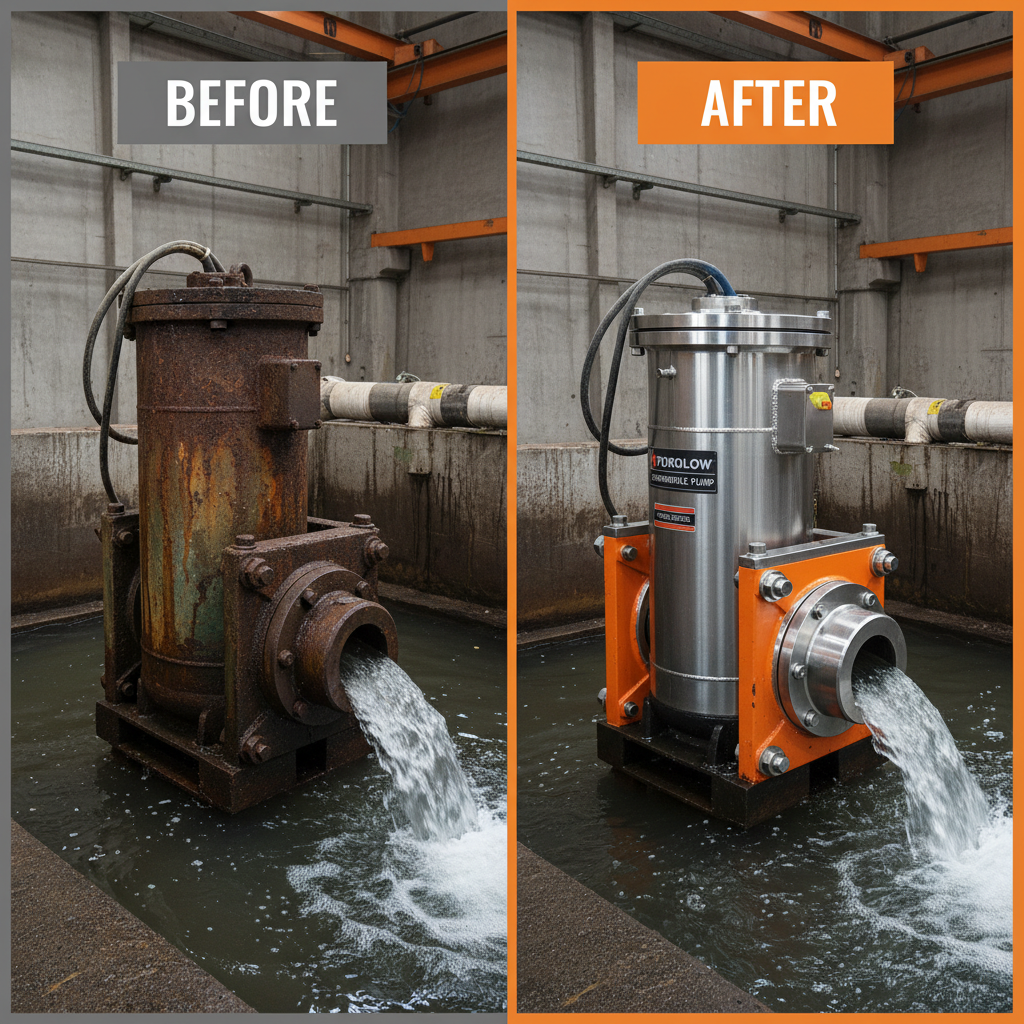 Understanding the Price Submersible Pump and Buyer GuideWhen searching for the ideal water management solution, understanding the price submersible pump options is crucial for balancing budget with performance. Whether you are dealing with a flooded basement, managing agricultural irrigation, or extracting water from a deep well, the cost of a submersible pump can vary significantly based on its build quality and capacity. Investing in a high-quality pump ensures long-term reliability and reduces the frequency of expensive replacements. In this guide, we will break down the factors that influence pricing and help you make an informed decision for your specific needs.Detail
 -
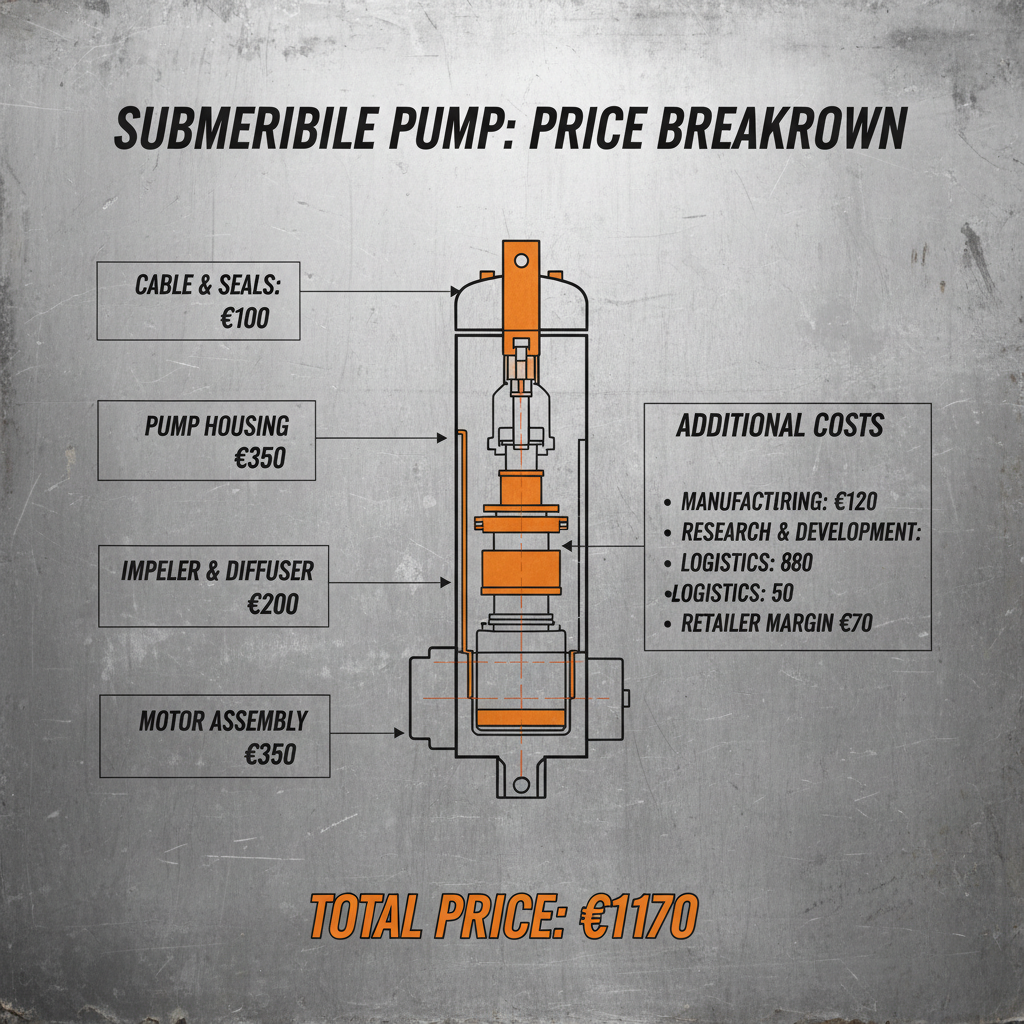 Factors Affecting the Price for Submersible Pump a Buyers GuideWhen investing in water management systems, understanding the price for submersible pump options is essential for balancing performance with budget. Whether you are managing a residential well, an industrial drainage project, or agricultural irrigation, the cost of a pump is rarely a flat fee; it is a reflection of the engineering, materials, and capacity required for your specific environment. In this guide, we will break down the factors that influence pricing and help you determine the best value for your investment to ensure long-term reliability and efficiency.Detail
 -
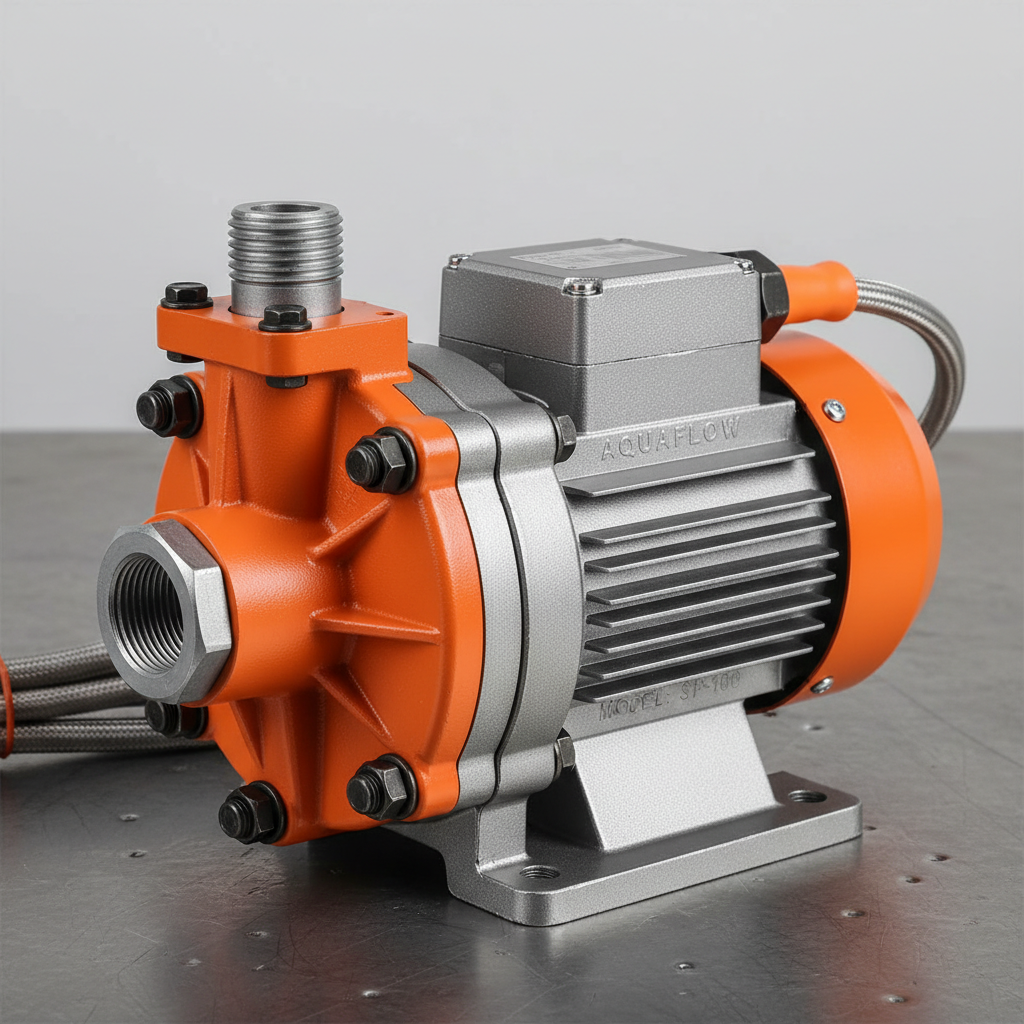 Choosing the Right Mini Submersible Fountain Pump for Optimal Water Feature PerformanceCreating a beautiful and relaxing water feature doesn't have to be complicated. A mini submersible fountain pump is the heart of any indoor or outdoor fountain, and selecting the right one is crucial for optimal performance and longevity. This article will guide you through the key considerations when choosing a mini submersible fountain pump, covering types, features, applications, and how to ensure you get the perfect pump for your project. We’ll also explore how Wellpumpact can provide you with the ideal solution.Detail
 Afrikaans
 Albanian
 Amharic
 Arabic
 Armenian
 Azerbaijani
 Basque
 Belarusian
 Bengali
 Bosnian
 Bulgarian
 Catalan
 Cebuano
 Corsican
 Croatian
 Czech
Czech
 Danish
 Dutch
Dutch
 Esperanto
 Estonian
 Finnish
 French
 Frisian
 Galician
 Georgian
 German
 Greek
Greek
 Gujarati
 Haitian Creole
 Hausa
Hausa
 Hawaiian
 Hebrew
 Hindi
Hindi
 Miao
Miao
 Hungarian
 Icelandic
 Igbo
Igbo
 Indonesian
 Irish
Irish
 Italian
 Japanese
 Javanese
 Kannada
 Kazakh
 Khmer
Khmer
 Rwandese
 Korean
 Kurdish
 Kyrgyz
 Lao
Lao
 Latin
Latin
 Latvian
 Lithuanian
 Luxembourgish
 Macedonian
 Malgashi
 Malay
Malay
 Malayalam
 Maltese
 Maori
Maori
 Marathi
 Mongolian
 Myanmar
 Nepali
 Norwegian
 Norwegian
 Occitan
 Pashto
 Persian
 Polish
 Portuguese
 Punjabi
 Romanian
 Russian
 Samoan
 Scottish Gaelic
 Serbian
 Sesotho
 Shona
Shona
 Sindhi
 Sinhala
 Slovak
 Slovenian
 Somali
 Spanish
 Sundanese
 Swahili
 Swedish
 Tagalog
 Tajik
Tajik
 Tamil
Tamil
 Tatar
Tatar
 Telugu
 Thai
Thai
 Turkish
 Turkmen
 Ukrainian
 Urdu
Urdu
 Uighur
 Uzbek
Uzbek
 Vietnamese
 Welsh
Welsh
 Bantu
Bantu
 Yiddish
 Yoruba
 Zulu
Zulu
 English