
Dec . 02, 2025 06:35 Back to list
Submersible Agricultural Irrigation Pump: Global Benefits and Innovations for Modern Farming
Understanding the Submersible Agricultural Irrigation Pump: A Global Agricultural Gamechanger
In a world increasingly challenged by water scarcity, climate change, and food security concerns, the humble submersible agricultural irrigation pump is quietly transforming how farmers irrigate their crops. This technology is not just a piece of machinery but a tangible solution that helps sustain agriculture across diverse landscapes, from drought-prone Africa to expansive farmlands in Asia. Understanding its role and benefits is more critical than ever, especially as the global population surges and pressures on freshwater resources intensify.
Introduction: Why the Submersible Agricultural Irrigation Pump Matters Globally
The Food and Agriculture Organization (FAO) estimates that irrigated agriculture contributes to over 40% of global food production while using just 20% of the world’s cultivated land. Yet, most countries confront serious water management challenges. Irrigation pumps—particularly submersible types—offer a powerful way to improve water use efficiency, reduce labor, and support sustainable farming. According to UN Water reports, reliable irrigation systems can increase crop yields by 100% to 400%, which is vital for feeding growing populations.
However, many rural regions suffer from unreliable power supplies or inaccessible water sources, presenting a big challenge for traditional irrigation equipment. This is where submersible agricultural irrigation pumps step in: they operate underwater, withstand tough conditions, and can tap water from deep wells or reservoirs with minimal surface infrastructure.
What Is a Submersible Agricultural Irrigation Pump?
Simply put, a submersible agricultural irrigation pump is an electrically driven pump designed to be submerged under water—usually in wells or water bodies—to push water to crop fields. Unlike surface pumps, these pumps operate fully underwater, eliminating the need for priming and reducing noise and vibration.
From an agricultural perspective, their design ensures a consistent, reliable water supply even in hard-to-reach places. Whether it’s pumping groundwater or boosting water pressure for sprinkler systems, these pumps play a pivotal role in modern irrigation, humanitarian aid, and sustainable farming practices worldwide.
Key Factors & Core Components of Submersible Agricultural Irrigation Pumps
1. Durability & Corrosion Resistance
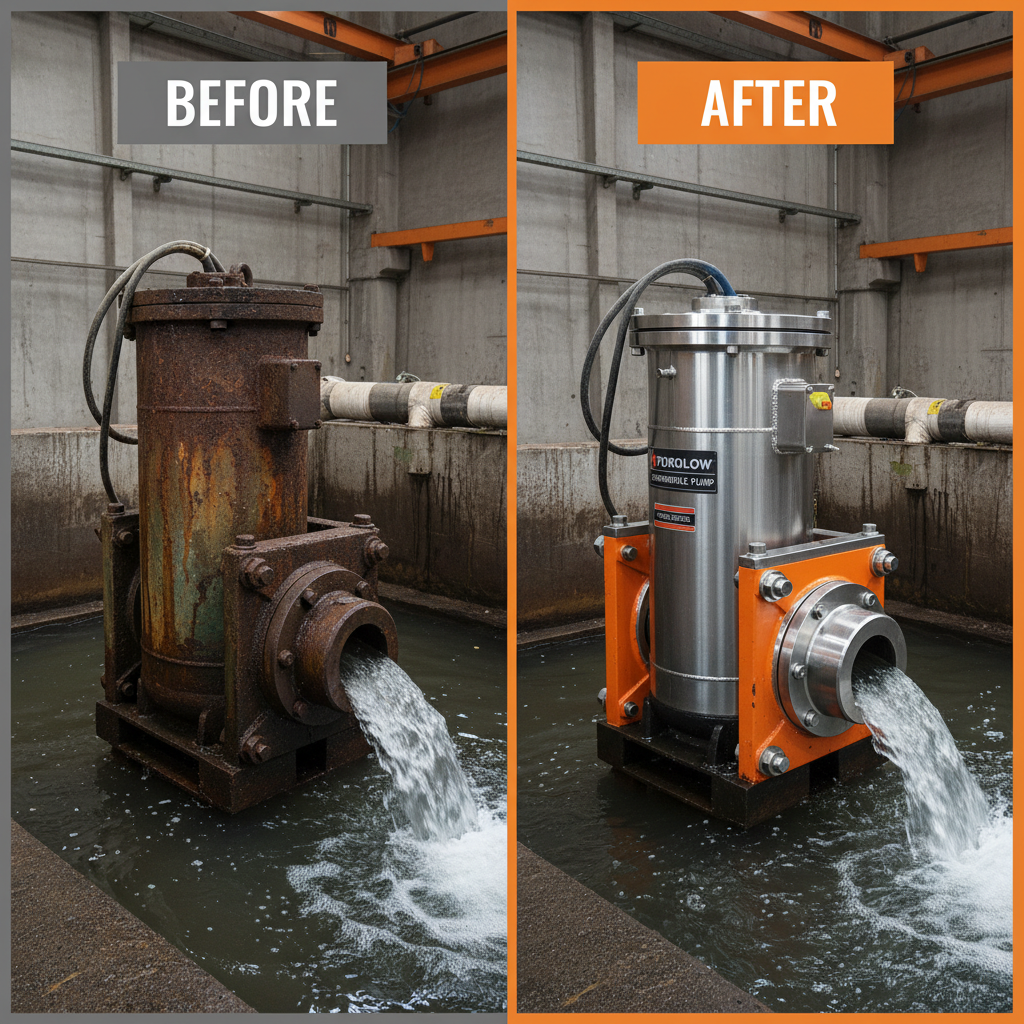
Agricultural environments are harsh—think abrasive soils, mineral-rich waters, and fluctuating temperatures. Submersible pumps are often made with stainless steel or treated alloys to prevent rust and corrosion, significantly extending their lifespan.
2. Energy Efficiency
Given that many farms operate off-grid or with limited electricity access, pumps are engineered to consume less power. Some models even integrate solar-powered motors, reflecting a shift toward greener solutions.
3. Depth and Head Capacity
The ability to pump water from deep wells (sometimes over 100 meters) without losing efficiency is crucial. Pumps differ in how much vertical head they can handle, impacting what types of farms and irrigation systems they can support.
4. Scalability & Modularity
Farmers often need flexible setups: smaller units for family farms, larger pumps for commercial agriculture. Many manufacturers offer modular designs—allowing easy upgrades or repairs—a real practical bonus for minimizing downtime.
5. Cost Efficiency
Initial investment and ongoing maintenance costs matter. Pumps vary widely here, so finding a balance between upfront price and durability is key for widespread adoption.
Typical Specifications of a Popular Submersible Agricultural Irrigation Pump Model
| Feature | Specification |
|---|---|
| Power Source | Electric (Solar compatible) |
| Motor Power | 1.5 – 7.5 kW |
| Max Head | 120 meters |
| Max Flow Rate | 60 m³/hour |
| Material | Stainless Steel 304 |
| Weight | 35 kg approx. |
Global Applications & Use Cases
Submersible pumps have made significant inroads across continents:
- Africa: In East African countries such as Kenya and Ethiopia, farmers rely on these pumps for irrigation to combat erratic rainfall patterns.
- Asia: India and China use them extensively in rice paddies and vegetable farming, supporting millions of smallholder farmers.
- Latin America: From Argentina’s soybean farms to Mexico’s highland vineyards, these pumps promote efficient water use.
- Humanitarian Efforts: In areas hit by drought or conflict, international NGOs deploy submersible pumps to secure clean water sources, often where surface water is unavailable or contaminated.
Interestingly, some industrial zones integrate these pumps within closed-loop systems, showcasing their versatility beyond just agriculture.
Advantages & Long-Term Value
Aside from boosting crop yields and irrigation reliability, the pumps offer sustainability benefits by reducing water wastage and energy consumption. Farmers often report improved safety, as submersible pumps are quieter and safer than surface alternatives, reducing risks of accidents or contamination.
There’s also a dignity factor here. Reliable water access fosters food security, empowers rural communities, and promotes long-term social stability. You begin to see the technology less as a mechanical tool and more as a foundation for trust and innovation in agriculture.
Future Trends & Innovations
Technology is moving fast. We’re seeing:
- Smart Pumps: IoT-enabled submersible pumps that monitor water levels and usage and adjust flow automatically.
- Green Energy Integration: Solar-powered pumps are becoming affordable and scalable, significantly reducing carbon footprints.
- Material Advances: Composite coatings and carbon-fiber parts are improving durability while cutting weight.
- Policy & Subsidies: Governments worldwide are increasingly recognizing irrigation pumps as part of climate-smart agriculture, offering incentives.
Challenges & Possible Solutions
Still, hurdles remain. High upfront costs can deter small-scale farmers, while technical knowledge to operate and maintain pumps is often lacking in remote areas. Water table depletion is another concern—over-extraction risks long-term sustainability.
Solutions include microfinance programs to fund equipment, training initiatives for pump maintenance, and improved groundwater monitoring to avoid resource depletion. Collaboration between NGOs, governments, and manufacturers is essential to overcoming these obstacles.
Frequently Asked Questions About Submersible Agricultural Irrigation Pumps
- Q1: How deep can a submersible agricultural irrigation pump operate?
- A typical submersible pump can operate efficiently at depths of more than 100 meters, making it suitable for deep wells and low water tables. However, the exact depth depends on the pump’s head capacity and model specifications.
- Q2: Are submersible pumps more energy-efficient than surface pumps?
- Generally, yes. Because submersible pumps push water up rather than pulling it, they tend to have less energy loss, especially in deep wells. Modern designs incorporating variable-speed drives improve efficiency further.
- Q3: Can these pumps be powered by solar energy?
- Absolutely. Many models now offer compatibility with solar panels, enabling off-grid operations that are perfect for remote farmland with unreliable electricity.
- Q4: What maintenance is required for submersible pumps?
- Regular inspection of motor windings, seals, and impellers is recommended, typically annually or biannually depending on usage. Proper maintenance prolongs pump life and prevents costly breakdowns.
- Q5: How can smallholder farmers afford these pumps?
- Various microfinance schemes, subsidies, and NGO support programs help farmers finance purchase and installation, making these pumps more accessible.
Vendor Comparison: Leading Submersible Agricultural Irrigation Pump Manufacturers
| Manufacturer | Material Quality | Energy Efficiency | Price Range | Global Presence |
|---|---|---|---|---|
| AquaMatic | High-grade stainless steel | Excellent (solar compatible) | $$$ | Africa, Asia, Latin America |
| FlowTech | Corrosion-resistant alloys | Good | $$ | Global |
| GreenPump Solutions | Composite materials | Very High (solar optimized) | $$$$ | Emerging markets |
Conclusion: Embracing the Promise of Submersible Agricultural Irrigation Pumps
So, what’s the takeaway here? Submersible agricultural irrigation pumps are more than just mechanical wonders; they’re enablers of food security, rural development, and sustainable water management worldwide. They make a measurable difference in how farmers cope with uncertain climates and scarce resources.
If you’re interested in exploring further or investing in reliable irrigation solutions, be sure to visit our website for detailed insights, specifications, and expert consultations. After all, the future of agriculture may well depend on the pumps that quietly draw life-giving water from below.
Oddly enough, sometimes the smallest devices hold the biggest keys to global challenges.
References
-
Understanding the Price Submersible Pump and Buyer Guide
NewsApr.16,2026
-
Factors Affecting the Price for Submersible Pump a Buyers Guide
NewsApr.09,2026
-
Choosing the Right Mini Submersible Fountain Pump for Optimal Water Feature Performance
NewsApr.07,2026
-
A Detailed Guide to Installing a Submersible Pump for Optimal Performance
NewsApr.04,2026
-
Comprehensive Guide on How to Test a Submersible Water Well Pump Effectively
NewsMar.31,2026
-
Learn How to Replace a Submersible Well Pump Safely and Effectively
NewsMar.28,2026
-
 Understanding the Price Submersible Pump and Buyer GuideWhen searching for the ideal water management solution, understanding the price submersible pump options is crucial for balancing budget with performance. Whether you are dealing with a flooded basement, managing agricultural irrigation, or extracting water from a deep well, the cost of a submersible pump can vary significantly based on its build quality and capacity. Investing in a high-quality pump ensures long-term reliability and reduces the frequency of expensive replacements. In this guide, we will break down the factors that influence pricing and help you make an informed decision for your specific needs.Detail
 -
 Factors Affecting the Price for Submersible Pump a Buyers GuideWhen investing in water management systems, understanding the price for submersible pump options is essential for balancing performance with budget. Whether you are managing a residential well, an industrial drainage project, or agricultural irrigation, the cost of a pump is rarely a flat fee; it is a reflection of the engineering, materials, and capacity required for your specific environment. In this guide, we will break down the factors that influence pricing and help you determine the best value for your investment to ensure long-term reliability and efficiency.Detail
 -
 Choosing the Right Mini Submersible Fountain Pump for Optimal Water Feature PerformanceCreating a beautiful and relaxing water feature doesn't have to be complicated. A mini submersible fountain pump is the heart of any indoor or outdoor fountain, and selecting the right one is crucial for optimal performance and longevity. This article will guide you through the key considerations when choosing a mini submersible fountain pump, covering types, features, applications, and how to ensure you get the perfect pump for your project. We’ll also explore how Wellpumpact can provide you with the ideal solution.Detail
 Afrikaans
 Albanian
 Amharic
 Arabic
 Armenian
 Azerbaijani
 Basque
 Belarusian
 Bengali
 Bosnian
 Bulgarian
 Catalan
 Cebuano
 Corsican
 Croatian
 Czech
Czech
 Danish
 Dutch
Dutch
 Esperanto
 Estonian
 Finnish
 French
 Frisian
 Galician
 Georgian
 German
 Greek
Greek
 Gujarati
 Haitian Creole
 Hausa
Hausa
 Hawaiian
 Hebrew
 Hindi
Hindi
 Miao
Miao
 Hungarian
 Icelandic
 Igbo
Igbo
 Indonesian
 Irish
Irish
 Italian
 Japanese
 Javanese
 Kannada
 Kazakh
 Khmer
Khmer
 Rwandese
 Korean
 Kurdish
 Kyrgyz
 Lao
Lao
 Latin
Latin
 Latvian
 Lithuanian
 Luxembourgish
 Macedonian
 Malgashi
 Malay
Malay
 Malayalam
 Maltese
 Maori
Maori
 Marathi
 Mongolian
 Myanmar
 Nepali
 Norwegian
 Norwegian
 Occitan
 Pashto
 Persian
 Polish
 Portuguese
 Punjabi
 Romanian
 Russian
 Samoan
 Scottish Gaelic
 Serbian
 Sesotho
 Shona
Shona
 Sindhi
 Sinhala
 Slovak
 Slovenian
 Somali
 Spanish
 Sundanese
 Swahili
 Swedish
 Tagalog
 Tajik
Tajik
 Tamil
Tamil
 Tatar
Tatar
 Telugu
 Thai
Thai
 Turkish
 Turkmen
 Ukrainian
 Urdu
Urdu
 Uighur
 Uzbek
Uzbek
 Vietnamese
 Welsh
Welsh
 Bantu
Bantu
 Yiddish
 Yoruba
 Zulu
Zulu
 English