
Feb . 25, 2026 02:05 Back to list
Understanding 12 2 Submersible Pump Wire for Optimal Well System Performance
Understanding 12/2 Submersible Pump Wire: A Comprehensive Guide
Choosing the right wiring for your submersible pump is crucial for safety, efficiency, and longevity. 12/2 submersible pump wire is a common choice, but understanding its specifications and applications is essential. This article will delve into the details of 12/2 wire, its uses, installation considerations, and how it compares to other options, guiding you toward the best solution for your well pump needs. Selecting the correct wire prevents electrical hazards and ensures your pump operates reliably for years to come.
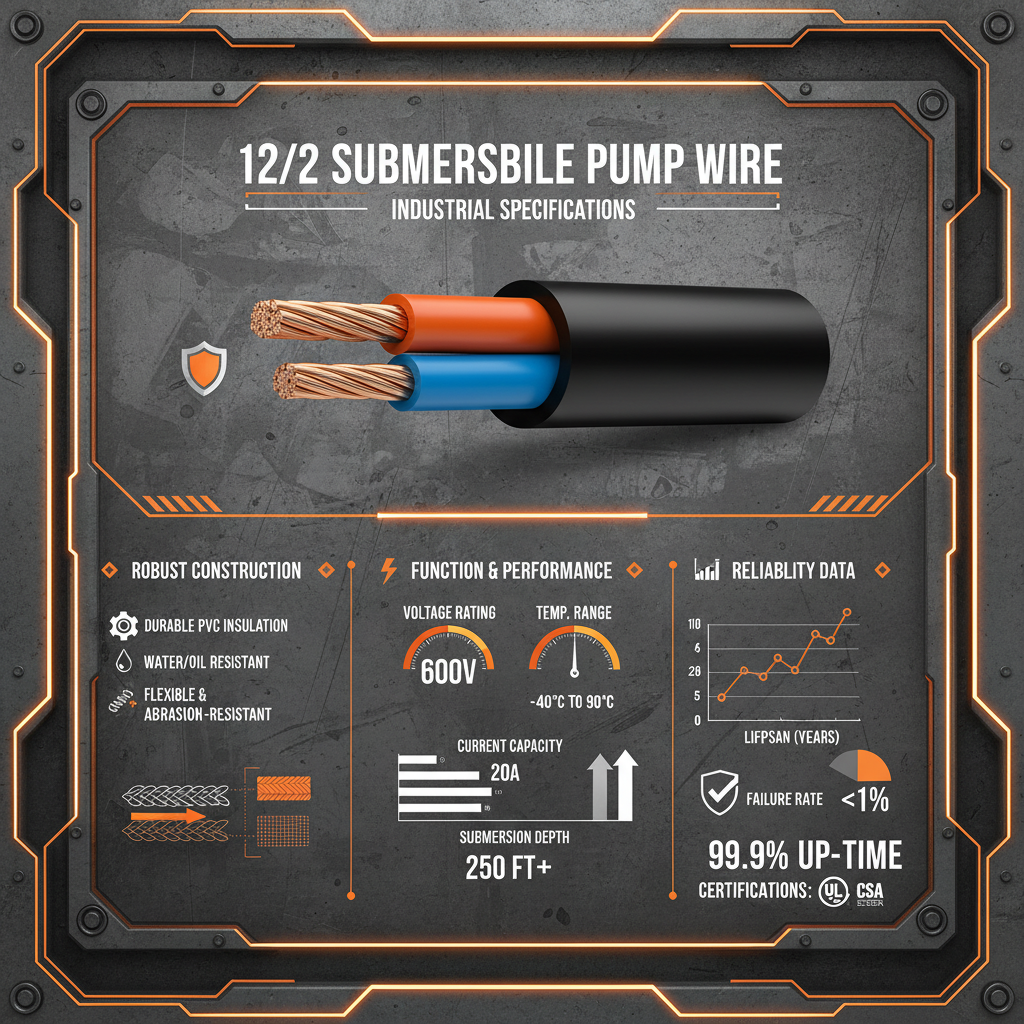
What Does 12/2 Wire Mean? Decoding the Specifications
The designation "12/2" refers to the wire's gauge and conductor count. "12" indicates the American Wire Gauge (AWG), which signifies the wire's diameter – a lower number means a thicker wire. Thicker wires can handle more electrical current with less voltage drop. "2" signifies that the wire contains two conductors: one black (hot) and one white (neutral). These wires are typically encased in a water-resistant jacket, making them suitable for submersible pump applications. Choosing the correct gauge is vital; using a wire that's too thin can cause overheating and potential fire hazards. You can find high-quality submersible pump wire at WellPumpAct.com.
Key Takeaway: 12/2 wire provides a reliable and safe connection for submersible pumps when properly installed and suited to the pump's electrical requirements.
Applications: When is 12/2 Submersible Pump Wire the Right Choice?
12/2 submersible pump wire is commonly used for pumps drawing up to 15 amps. This makes it suitable for many residential well pumps and smaller irrigation systems. However, always verify your pump's amperage draw before selecting the wire gauge. It is important to consider the length of the wire run as longer runs will experience voltage drop, which could necessitate a heavier gauge wire. Using the correct wire size minimizes energy loss and extends the life of your pump and electrical system. For pumps requiring higher amperage, 10/2 or 8/2 wire may be necessary. Consult a qualified electrician to determine the appropriate wire gauge for your specific application.
Important Considerations:
• Verify your pump's amperage draw.
• Calculate the wire run length and potential voltage drop.
• Consult a qualified electrician for complex installations.
12/2 vs. Other Gauges: A Comparative Overview
Choosing the correct wire gauge is critical for safety and performance. Here’s a comparison of common submersible pump wire gauges:
Installation Best Practices for 12/2 Submersible Pump Wire
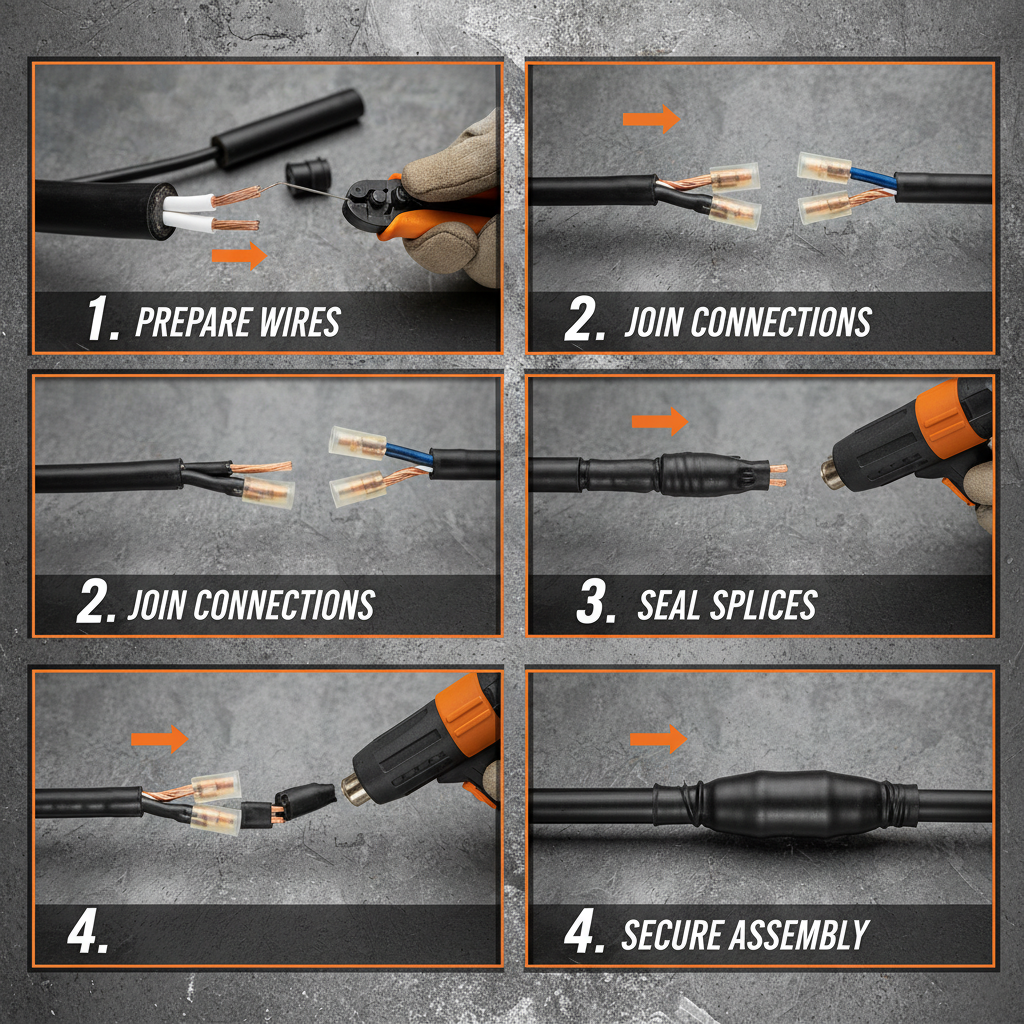
Proper installation is just as important as selecting the right wire. Always use approved submersible connectors and ensure they are properly sealed to prevent water intrusion. Secure the wire to the pump and well casing to prevent strain and damage. Avoid sharp bends or kinks in the wire. It is critical to follow local electrical codes and regulations. If you are not comfortable working with electricity, hire a qualified electrician. Remember that improper installation can create hazardous conditions and void your pump's warranty. WellPumpAct.com offers a variety of submersible wiring accessories to ensure a safe and reliable installation.
Safety First: Important Considerations When Working with Submersible Pump Wire
Working with electricity near water requires extreme caution. Always disconnect power to the pump before performing any maintenance or wiring work. Use a voltage tester to confirm that the power is off. Wear appropriate personal protective equipment (PPE), including insulated gloves and safety glasses. Never work alone and ensure someone is aware of your location and the task you are performing. If you encounter any issues or are unsure about any aspect of the installation, consult a qualified electrician. Prioritizing safety is paramount to prevent electrical shock and potential injury.
Conclusion: Choosing the Right Wire for a Reliable Pump System
Selecting the right 12/2 submersible pump wire, or another suitable gauge, is a critical step in ensuring the long-term reliability and safety of your well pump system. By understanding the specifications, applications, and installation best practices, you can make an informed decision and avoid potential hazards. Remember to always prioritize safety and consult a qualified electrician when needed. A well-maintained and properly wired pump system will provide years of dependable service.
Frequently Asked Questions (FAQs)
What is the maximum distance I can run 12/2 submersible pump wire?
The maximum run length for 12/2 wire depends on several factors, including the pump's amperage draw and the allowable voltage drop. Generally, it’s best to keep the run length as short as possible. A common rule of thumb is to stay under 100 feet, but this can vary. Longer runs will experience greater voltage drop, which can reduce pump efficiency and potentially damage the motor. Use a voltage drop calculator to determine the appropriate wire gauge for your specific application and run length. For longer runs, you may need to upgrade to a heavier gauge wire, like 10/2 or 8/2.
Can I repair damaged submersible pump wire?
No, you should never attempt to repair damaged submersible pump wire. Any damage to the insulation can compromise the wire's water resistance and create a severe electrical hazard. The wire must be replaced in its entirety. Using temporary fixes or splicing damaged sections is extremely dangerous and can lead to electrical shock or fire. Always disconnect power before removing damaged wire and install a new, properly sized and rated replacement.
What type of connectors should I use for submersible pump wire?
You should use specifically designed submersible wire connectors that are waterproof and rated for underground use. These connectors create a watertight seal to prevent corrosion and electrical shorts. Avoid using standard wire nuts or electrical tape, as these are not sufficient for submersible applications. Look for connectors that are compatible with the gauge of your wire and that are listed for wet locations. WellPumpAct.com offers a selection of submersible wire connectors to ensure a secure and reliable connection.
How often should I inspect my submersible pump wire?
It's recommended to inspect your submersible pump wire at least annually, or more frequently if the wire is exposed to harsh conditions. Check for any signs of damage, such as cracks, cuts, or abrasions in the insulation. Also, inspect the connectors for corrosion or looseness. If you notice any damage, replace the wire immediately. Regular inspections can help identify potential problems before they become serious safety hazards.
-
Understanding the Price Submersible Pump and Buyer Guide
NewsApr.16,2026
-
Factors Affecting the Price for Submersible Pump a Buyers Guide
NewsApr.09,2026
-
Choosing the Right Mini Submersible Fountain Pump for Optimal Water Feature Performance
NewsApr.07,2026
-
A Detailed Guide to Installing a Submersible Pump for Optimal Performance
NewsApr.04,2026
-
Comprehensive Guide on How to Test a Submersible Water Well Pump Effectively
NewsMar.31,2026
-
Learn How to Replace a Submersible Well Pump Safely and Effectively
NewsMar.28,2026
-
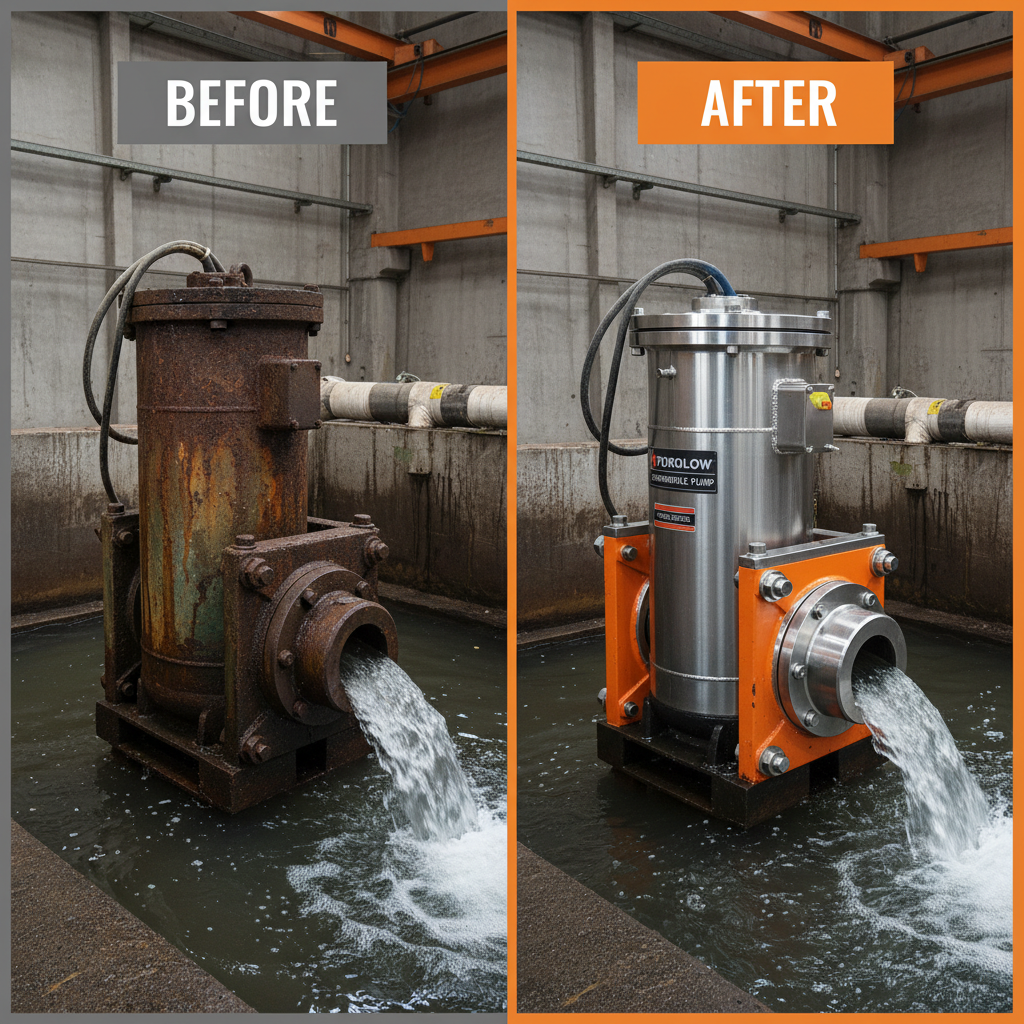 Understanding the Price Submersible Pump and Buyer GuideWhen searching for the ideal water management solution, understanding the price submersible pump options is crucial for balancing budget with performance. Whether you are dealing with a flooded basement, managing agricultural irrigation, or extracting water from a deep well, the cost of a submersible pump can vary significantly based on its build quality and capacity. Investing in a high-quality pump ensures long-term reliability and reduces the frequency of expensive replacements. In this guide, we will break down the factors that influence pricing and help you make an informed decision for your specific needs.Detail
 -
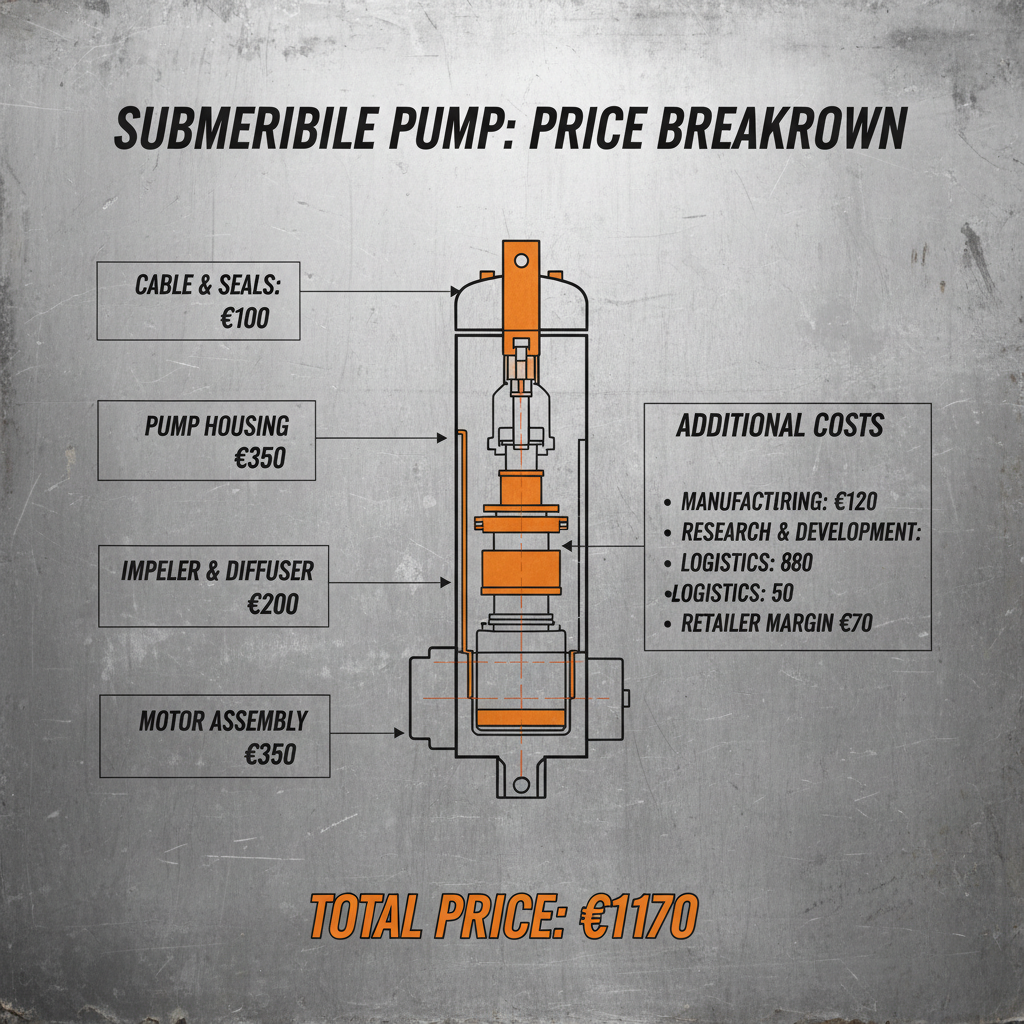 Factors Affecting the Price for Submersible Pump a Buyers GuideWhen investing in water management systems, understanding the price for submersible pump options is essential for balancing performance with budget. Whether you are managing a residential well, an industrial drainage project, or agricultural irrigation, the cost of a pump is rarely a flat fee; it is a reflection of the engineering, materials, and capacity required for your specific environment. In this guide, we will break down the factors that influence pricing and help you determine the best value for your investment to ensure long-term reliability and efficiency.Detail
 -
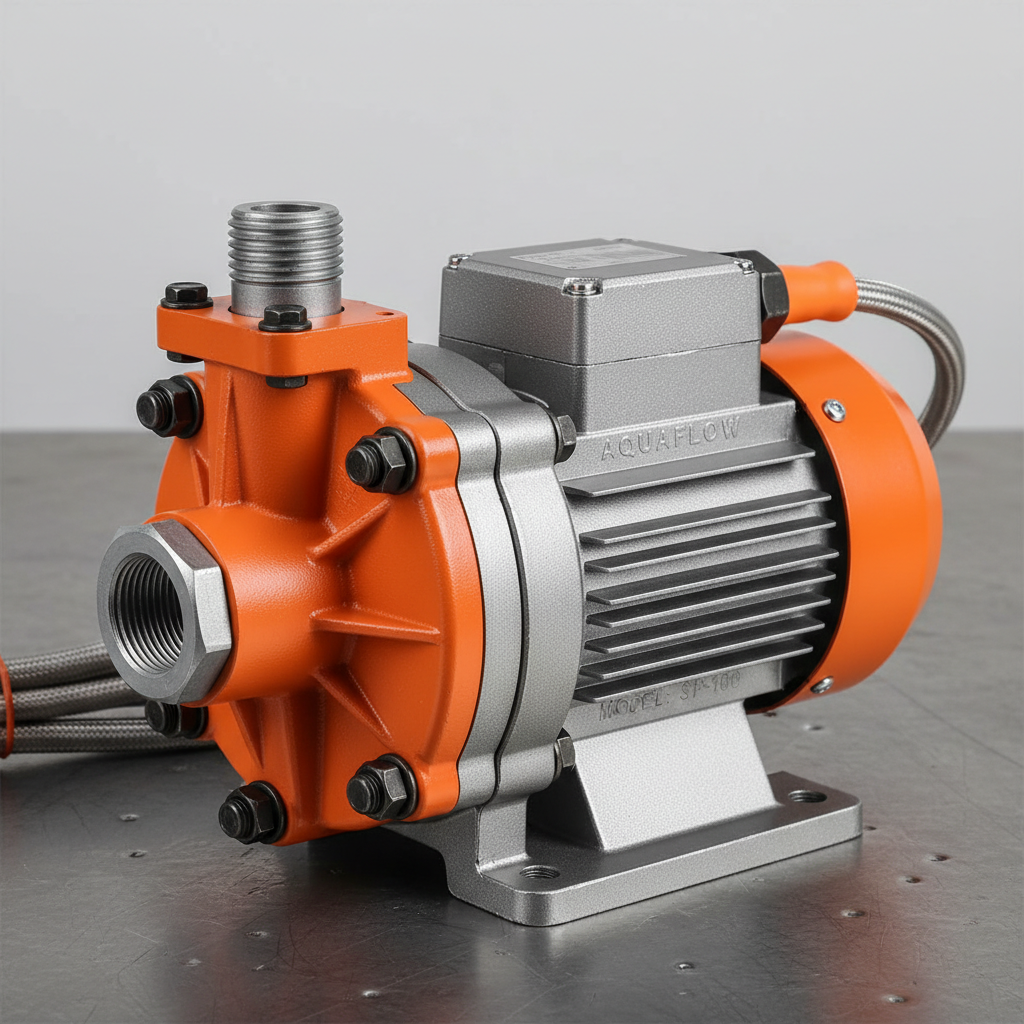 Choosing the Right Mini Submersible Fountain Pump for Optimal Water Feature PerformanceCreating a beautiful and relaxing water feature doesn't have to be complicated. A mini submersible fountain pump is the heart of any indoor or outdoor fountain, and selecting the right one is crucial for optimal performance and longevity. This article will guide you through the key considerations when choosing a mini submersible fountain pump, covering types, features, applications, and how to ensure you get the perfect pump for your project. We’ll also explore how Wellpumpact can provide you with the ideal solution.Detail
 Afrikaans
 Albanian
 Amharic
 Arabic
 Armenian
 Azerbaijani
 Basque
 Belarusian
 Bengali
 Bosnian
 Bulgarian
 Catalan
 Cebuano
 Corsican
 Croatian
 Czech
Czech
 Danish
 Dutch
Dutch
 Esperanto
 Estonian
 Finnish
 French
 Frisian
 Galician
 Georgian
 German
 Greek
Greek
 Gujarati
 Haitian Creole
 Hausa
Hausa
 Hawaiian
 Hebrew
 Hindi
Hindi
 Miao
Miao
 Hungarian
 Icelandic
 Igbo
Igbo
 Indonesian
 Irish
Irish
 Italian
 Japanese
 Javanese
 Kannada
 Kazakh
 Khmer
Khmer
 Rwandese
 Korean
 Kurdish
 Kyrgyz
 Lao
Lao
 Latin
Latin
 Latvian
 Lithuanian
 Luxembourgish
 Macedonian
 Malgashi
 Malay
Malay
 Malayalam
 Maltese
 Maori
Maori
 Marathi
 Mongolian
 Myanmar
 Nepali
 Norwegian
 Norwegian
 Occitan
 Pashto
 Persian
 Polish
 Portuguese
 Punjabi
 Romanian
 Russian
 Samoan
 Scottish Gaelic
 Serbian
 Sesotho
 Shona
Shona
 Sindhi
 Sinhala
 Slovak
 Slovenian
 Somali
 Spanish
 Sundanese
 Swahili
 Swedish
 Tagalog
 Tajik
Tajik
 Tamil
Tamil
 Tatar
Tatar
 Telugu
 Thai
Thai
 Turkish
 Turkmen
 Ukrainian
 Urdu
Urdu
 Uighur
 Uzbek
Uzbek
 Vietnamese
 Welsh
Welsh
 Bantu
Bantu
 Yiddish
 Yoruba
 Zulu
Zulu
 English