
Nov . 22, 2025 23:30 Back to list
Small Submersible Water Pumps: Compact Solutions for Global Water Challenges
The Essential Role of Small Submersible Water Pumps in Today’s World
Small submersible water pumps might not get the spotlight like flashy industrial machines, but their role globally is quite significant. These compact devices quietly keep water flowing where it matters—from rural wells in Africa to urban basement pumps in Europe. Understanding them means appreciating a piece of technology that bridges access to clean water, agriculture sustainability, and emergency relief efforts. In real terms, they are a tiny yet mighty contributor to both industry and humanitarian missions.
Why Small Submersible Water Pumps Matter on a Global Scale
Water scarcity challenges are escalating worldwide, with over 2 billion people lacking safe drinking water, according to UN reports. Small submersible water pumps address this head on by delivering reliable water extraction solutions in locations difficult to access or with modest energy resources. The World Bank notes increasing investments in small-scale water infrastructure to support agriculture and sanitation — areas where these pumps are particularly crucial.
Yet, challenges remain, particularly for communities in remote or disaster-stricken zones. How do we ensure pumps remain durable, affordable, and easy to maintain? This question fuels innovation and fuels a steady demand for these devices worldwide.
What Exactly is a Small Submersible Water Pump?
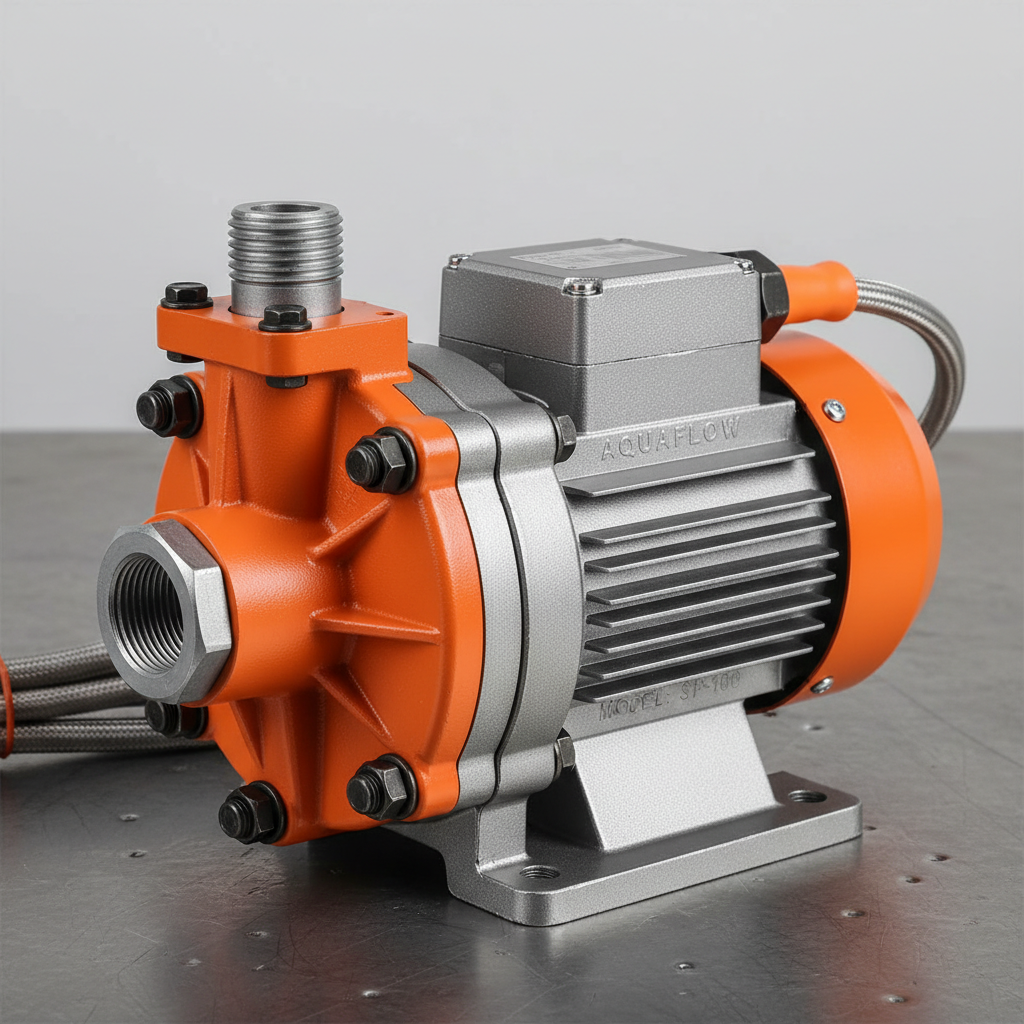
Put simply, a small submersible water pump is a compact, waterproof device designed to be placed underwater to move water upward or sideways. Unlike surface pumps, these work submerged inside wells, tanks, or flooded areas, minimizing noise and maximizing efficiency.
In industry, they support irrigation, wastewater management, and cooling systems. Meanwhile, aid organizations employ them for quick water supply restoration following disasters. These pumps embody a practical, elegant solution to ensuring water reliability across diverse contexts.
Core Components and Key Factors to Consider
1. Durability and Material Quality
Many engineers emphasize that a small submersible water pump's success often hinges on its robust construction. Stainless steel casings, corrosion-resistant coatings, and sealed electrical components allow it to function in harsh conditions for years.
2. Power Efficiency and Size
Energy consumption is crucial, especially in off-grid areas relying on solar or limited electricity. Compact motors paired with efficient impellers help reduce power draw while maintaining strong flow rates — a sweet spot many manufacturers strive to perfect.
3. Flow Rate and Head Capacity
These parameters dictate how much water the pump moves and how high or far it can pump water. Depending on the application — say, a modest irrigation setup versus basement drainage — this influences model selection and pricing significantly.
4. Ease of Installation and Maintenance
A pump that's fiddly to install or requires specialized tools may not fare well in remote locations. User-friendly designs with quick-connect fittings, simple wiring, and intuitive manuals often make a world of difference in practical scenarios.
5. Safety Features and Certifications
Electrical safety, waterproof ratings (usually IP68), and compliance with international standards (like ISO) help users feel confident. You want pumps that can run safely unattended and withstand exposure to unpredictable elements.
Mini takeaway: When choosing a small submersible water pump, balancing durability, efficiency, and ease of use is like juggling three spinning plates — but get it right and you’ve got yourself a dependable workhorse.
Practical Uses Around the World
Oddly enough, these tiny gadgets perform big jobs across continents:
- In agriculture: Farmers in South Asia use them for drip irrigation, boosting yields while conserving water.
- Disaster relief: Post-flood operations in Southeast Asia rely on portable pumps to clear waterlogged homes and restore supplies.
- Remote mining camps: Operators pump out groundwater to keep shafts dry and equipment safe.
- Urban infrastructure: Submersible pumps manage water levels in basements and sump pits, preventing costly damage.
For example, in Kenya, NGOs distribute solar-powered small submersible pumps to improve safe water access in rural wells, drastically reducing the daily workload on women and children. In Europe’s developed markets, these pumps quietly handle wastewater tasks without fuss.
Small Submersible Water Pump: Specification Table
| Specification | Typical Range | Notes |
|---|---|---|
| Power Consumption | 150W - 500W | Varies with motor size and load |
| Flow Rate | 300 - 1500 liters/hour | Depends on model specifics |
| Maximum Head | 10 - 50 meters | Critical for deep wells |
| Weight | 2 - 6 kg | Portable, lightweight design |
| Material | Stainless steel, polypropylene | Corrosion and rust resistant |
Which Vendors Lead the Pack?
| Vendor | Product Range | Price Range (USD) | Special Features |
|---|---|---|---|
| AquaFlow Technologies | 150W - 400W pumps | $120 - $320 | Solar compatibility, IP68 rating |
| WellPura Industrial | 200W - 500W heavy-duty | $250 - $600 | Anti-corrosion coating, extended warranties |
| ClearWater Pumps Inc. | 300W compact series | $180 - $350 | Low noise operation, easy installation kits |
Why Investing in a Small Submersible Water Pump Pays Off in the Long Run
Sure, buying a pump is an upfront expense, but the returns — financially, environmentally, socially — are compelling. For starters, the energy savings alone can cut operational costs significantly. Then there’s the pump’s sustainability footprint: often constructed from recyclable materials and designed for long life, they reduce waste and resource strain.
Beyond numbers, these pumps preserve health and dignity by improving water access and reducing the need for manual water hauling. Knowing your water source is reliable fosters peace of mind and trust in technology — important but sometimes overlooked benefits.
What’s Next? Trends Shaping the Future of Small Submersible Water Pumps
We’re beginning to see integration with smart sensors and IoT platforms, allowing real-time monitoring of pump performance and early fault detection. This digitization promises to lower downtime and maintenance costs.
Green energy compatibility is also rising — solar-powered submersible pumps are becoming a mainstream choice in off-grid farming communities, aligning with global sustainability goals.
Material science advances, like the use of titanium alloys and composites, are poised to enhance durability even further without sacrificing weight.
Common Challenges and How Experts Suggest Overcoming Them
Despite their versatility, small submersible water pumps face hurdles. Wear and tear from abrasive particles, sediment clogging, and power supply instability are perennial issues.
Many tech teams recommend installing fine mesh pre-filters and voltage stabilizers as first-line defenses. On the design front, modular pump components eases repair and replacement even in low-resource areas.
Training local technicians also continues to be a favored approach to ensure long-term usability, making pumps less of a “black box” and more of an embedded tool in communities.
Frequently Asked Questions About Small Submersible Water Pumps
- Q1: How deep can a small submersible water pump operate effectively?
- A1: Most small submersible pumps can operate efficiently down to depths between 10 to 50 meters, depending on the model. For deeper wells, specialized pumps with higher head capacity are recommended to maintain consistent water flow without overburdening the motor.
- Q2: Can these pumps be powered by solar energy?
- A2: Absolutely. Many models on the market today are designed to be solar-compatible, enabling off-grid operation where electricity access is limited. Solar-powered options often incorporate DC motors optimized for variable sunlight conditions.
- Q3: Are small submersible water pumps suitable for pumping wastewater?
- A3: Some pumps are built specifically for clean water, but models with robust impellers and corrosion-resistant materials can handle wastewater or slightly dirty water. Always check the manufacturer's guidelines to ensure suitability for the intended fluid.
- Q4: How often should maintenance be performed on these pumps?
- A4: Maintenance frequency depends on use and environment, but a general recommendation is to perform routine checks every 6 to 12 months. This includes cleaning filters, inspecting seals, and testing electrical components to prevent unexpected failures.
- Q5: What’s the typical lifespan of a small submersible water pump?
- A5: With proper maintenance, these pumps can last between 5 to 10 years. Usage intensity, water quality, and build quality significantly influence longevity, so investing in a pump with good reviews and certifications is wise.
Wrapping Up: Small Submersible Water Pumps Are a Big Deal
From delivering life-critical water access to supporting modern industry, small submersible water pumps quietly power a large part of our water management solutions. Their blend of compact efficiency, durability, and adaptability makes them indispensable worldwide. For anyone interested in reliable, long-term water solutions, learning about these pumps is just the first step—because the technology behind them keeps evolving and improving. So, if you need one, or simply want to understand the water tech landscape better, consider checking out our detailed offerings and guidance at small submersible water pump. You might be surprised how much these unassuming devices can do.
Mini takeaway: When small tech meets big water challenges, innovation and reliability propel progress.
References:
-
Understanding the Price Submersible Pump and Buyer Guide
NewsApr.16,2026
-
Factors Affecting the Price for Submersible Pump a Buyers Guide
NewsApr.09,2026
-
Choosing the Right Mini Submersible Fountain Pump for Optimal Water Feature Performance
NewsApr.07,2026
-
A Detailed Guide to Installing a Submersible Pump for Optimal Performance
NewsApr.04,2026
-
Comprehensive Guide on How to Test a Submersible Water Well Pump Effectively
NewsMar.31,2026
-
Learn How to Replace a Submersible Well Pump Safely and Effectively
NewsMar.28,2026
-
 Understanding the Price Submersible Pump and Buyer GuideWhen searching for the ideal water management solution, understanding the price submersible pump options is crucial for balancing budget with performance. Whether you are dealing with a flooded basement, managing agricultural irrigation, or extracting water from a deep well, the cost of a submersible pump can vary significantly based on its build quality and capacity. Investing in a high-quality pump ensures long-term reliability and reduces the frequency of expensive replacements. In this guide, we will break down the factors that influence pricing and help you make an informed decision for your specific needs.Detail
 -
 Factors Affecting the Price for Submersible Pump a Buyers GuideWhen investing in water management systems, understanding the price for submersible pump options is essential for balancing performance with budget. Whether you are managing a residential well, an industrial drainage project, or agricultural irrigation, the cost of a pump is rarely a flat fee; it is a reflection of the engineering, materials, and capacity required for your specific environment. In this guide, we will break down the factors that influence pricing and help you determine the best value for your investment to ensure long-term reliability and efficiency.Detail
 -
 Choosing the Right Mini Submersible Fountain Pump for Optimal Water Feature PerformanceCreating a beautiful and relaxing water feature doesn't have to be complicated. A mini submersible fountain pump is the heart of any indoor or outdoor fountain, and selecting the right one is crucial for optimal performance and longevity. This article will guide you through the key considerations when choosing a mini submersible fountain pump, covering types, features, applications, and how to ensure you get the perfect pump for your project. We’ll also explore how Wellpumpact can provide you with the ideal solution.Detail
 Afrikaans
 Albanian
 Amharic
 Arabic
 Armenian
 Azerbaijani
 Basque
 Belarusian
 Bengali
 Bosnian
 Bulgarian
 Catalan
 Cebuano
 Corsican
 Croatian
 Czech
Czech
 Danish
 Dutch
Dutch
 Esperanto
 Estonian
 Finnish
 French
 Frisian
 Galician
 Georgian
 German
 Greek
Greek
 Gujarati
 Haitian Creole
 Hausa
Hausa
 Hawaiian
 Hebrew
 Hindi
Hindi
 Miao
Miao
 Hungarian
 Icelandic
 Igbo
Igbo
 Indonesian
 Irish
Irish
 Italian
 Japanese
 Javanese
 Kannada
 Kazakh
 Khmer
Khmer
 Rwandese
 Korean
 Kurdish
 Kyrgyz
 Lao
Lao
 Latin
Latin
 Latvian
 Lithuanian
 Luxembourgish
 Macedonian
 Malgashi
 Malay
Malay
 Malayalam
 Maltese
 Maori
Maori
 Marathi
 Mongolian
 Myanmar
 Nepali
 Norwegian
 Norwegian
 Occitan
 Pashto
 Persian
 Polish
 Portuguese
 Punjabi
 Romanian
 Russian
 Samoan
 Scottish Gaelic
 Serbian
 Sesotho
 Shona
Shona
 Sindhi
 Sinhala
 Slovak
 Slovenian
 Somali
 Spanish
 Sundanese
 Swahili
 Swedish
 Tagalog
 Tajik
Tajik
 Tamil
Tamil
 Tatar
Tatar
 Telugu
 Thai
Thai
 Turkish
 Turkmen
 Ukrainian
 Urdu
Urdu
 Uighur
 Uzbek
Uzbek
 Vietnamese
 Welsh
Welsh
 Bantu
Bantu
 Yiddish
 Yoruba
 Zulu
Zulu
 English