
Mar . 08, 2026 02:10 Back to list
Choosing The Right Bilge Pump Submersible For Vessel Safety And Longevity
Choosing the Right Bilge Pump Submersible: A Comprehensive Guide
Maintaining a dry bilge is crucial for the safety and longevity of any vessel, from small boats to large ships. A reliable bilge pump submersible effectively removes accumulated water, preventing corrosion, mold growth, and potential sinking hazards. This guide provides a detailed overview of submersible bilge pumps, covering their types, features, selection criteria, and maintenance tips. We'll explore how to choose the right pump for your specific needs and ensure years of dependable operation. Understanding your options is the first step towards protecting your investment and staying safe on the water.
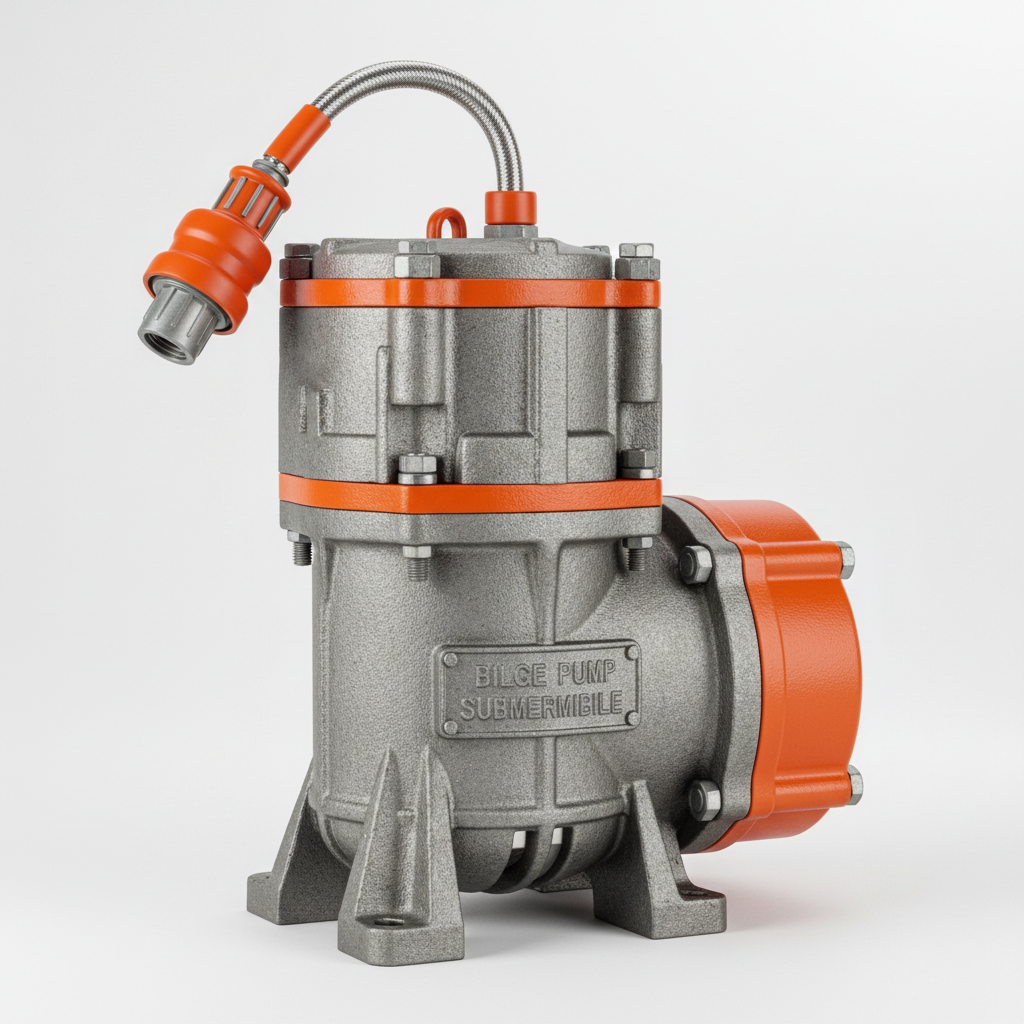
Understanding Submersible Bilge Pumps
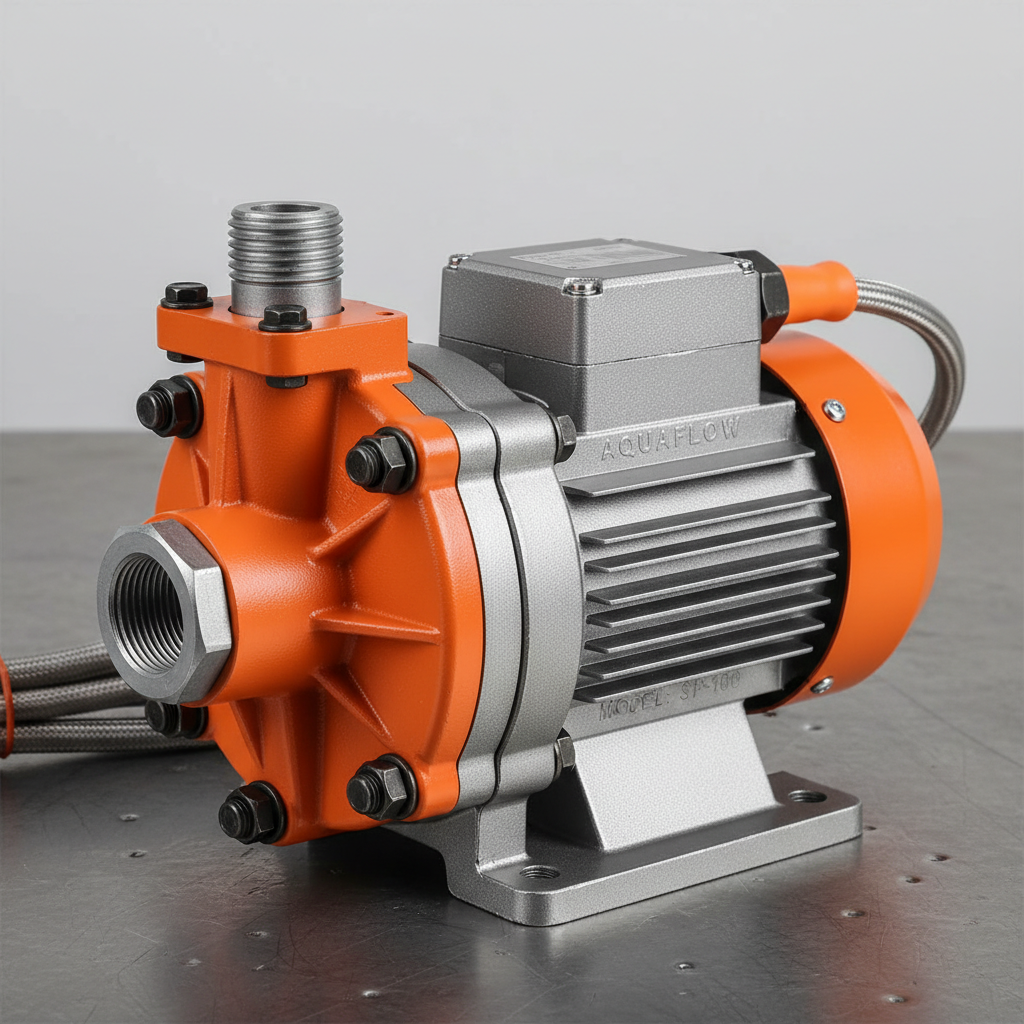
Submersible bilge pumps are designed to be fully immersed in water, making them ideal for removing water from the lowest points of a boat's bilge. Unlike surface-mounted pumps, they operate quietly and efficiently, as the water is directly lifted to the discharge outlet. These pumps typically feature a built-in strainer to prevent debris from clogging the impeller. Key features to consider include the pump's flow rate (gallons per hour or GPH), power consumption (amps), discharge hose size, and whether it's automatic or manual. Choosing a pump with the right specifications is essential for effective bilge management. Wellpumpact.com offers a wide range of submersible pumps to fit diverse boating needs.
Key Benefits: Quiet operation, efficient water removal, automatic or manual options, compact design, and durable construction.
Choosing the Right Bilge Pump Submersible: Factors to Consider
Selecting the appropriate submersible bilge pump requires careful consideration of several factors. First, determine the total volume of your bilge. Next, assess the typical sources of water ingress – rainwater, waves, leaks, etc. This will help you estimate the required pump capacity (GPH). Consider the length of the discharge hose, as longer hoses reduce flow rate. Also, decide whether you need an automatic pump (with a built-in float switch) or a manual pump. Automatic pumps are ideal for unattended operation, while manual pumps offer greater control. Finally, consider the power source available on your boat (12V DC is common). Wellpumpact provides detailed specifications and guidance to assist you in making the right choice.
Essential Considerations:
• Bilge Volume
• Water Ingress Rate
• Discharge Hose Length
• Automatic vs. Manual Operation
Comparing Bilge Pump Types: Diaphragm vs. Impeller
Submersible bilge pumps primarily utilize two types of pumping mechanisms: diaphragm and impeller. Diaphragm pumps are self-priming and can handle small solids without damage, making them suitable for boats with occasional debris. Impeller pumps, on the other hand, offer higher flow rates and are more efficient for pumping clean water. However, they are more susceptible to clogging if debris enters the pump. Understanding these differences is crucial for selecting the right pump for your specific boating environment. For demanding applications, a robust impeller pump from Wellpumpact.com may be the ideal choice.
Bilge Pump Installation and Maintenance
Proper installation and regular maintenance are essential for ensuring the long-term reliability of your bilge pump submersible. Ensure the pump is securely mounted in a location that allows for unrestricted water intake. Use the correct diameter discharge hose to maximize flow rate. Regularly inspect the pump for debris and clean the strainer as needed. Periodically test the pump's operation to confirm it's functioning correctly. Following these simple steps will help prevent premature failure and maintain a dry bilge. Consider a winterization procedure for pumps in colder climates.
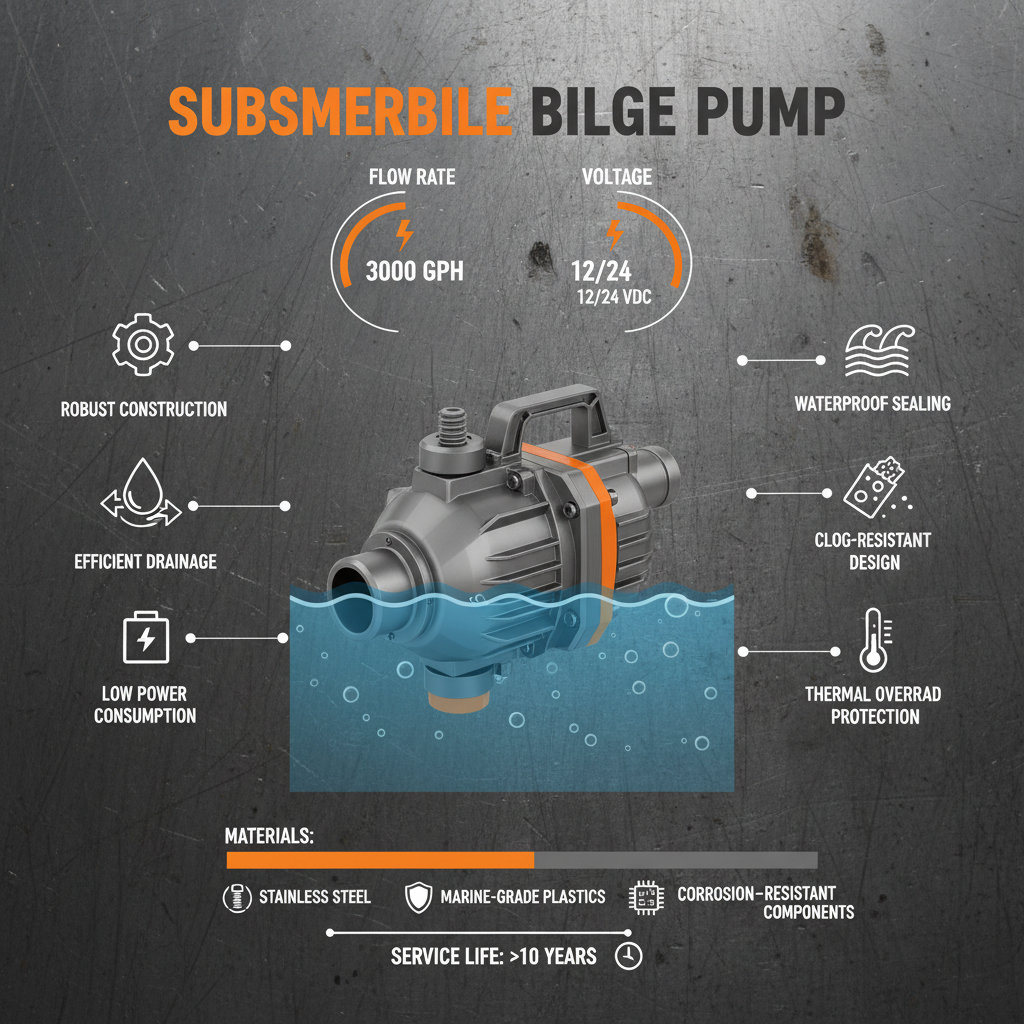
Product Specifications: Wellpumpact 750 GPH Bilge Pump
Here's a detailed look at the specifications for our popular Wellpumpact 750 GPH Bilge Pump:
Conclusion: Ensuring a Dry and Safe Bilge
Choosing the right bilge pump submersible is a vital investment in the safety and longevity of your vessel. By understanding the different types, key features, and proper installation procedures, you can ensure a dry, clean, and safe bilge for years to come. Explore the comprehensive selection of high-quality bilge pumps available at Wellpumpact.com and find the perfect solution for your boating needs.
Frequently Asked Questions (FAQs)
How often should I replace my bilge pump?
While a well-maintained bilge pump can last for several years, it's generally recommended to replace it every 5-7 years, even if it appears to be functioning correctly. The internal components can degrade over time, reducing efficiency and potentially leading to unexpected failure. Factors such as usage frequency, water quality, and exposure to harsh chemicals can also impact the pump's lifespan. Regular inspection and testing are essential, but proactive replacement is the best way to ensure reliable operation.
What size discharge hose should I use with my bilge pump?
Using the correct size discharge hose is crucial for maximizing the pump's flow rate. Most bilge pumps are designed to work with a specific hose diameter, typically 1.25" or 1.5". Using a hose that is too small will create back pressure and reduce the pump's efficiency. Consult the pump's specifications or the manufacturer's instructions to determine the appropriate hose size.
What is a bilge pump float switch and how does it work?
A bilge pump float switch is a device that automatically activates the pump when the water level in the bilge rises to a predetermined level. It typically consists of a buoyant switch that rises with the water level and closes an electrical circuit to turn on the pump. Once the water level drops, the switch opens the circuit and shuts off the pump. This ensures that the pump only runs when needed, conserving battery power and preventing unnecessary wear and tear.
How can I prevent my bilge pump from clogging?
Preventing clogging is essential for maintaining the pump's performance. Install a high-quality strainer on the pump's intake to capture debris. Regularly inspect and clean the strainer. Avoid allowing large objects or excessive amounts of sediment to enter the bilge. Consider using a bilge cleaner to help dissolve organic matter and prevent buildup. Inspect the pump impeller periodically for damage or wear and replace it if necessary.
-
Understanding the Price Submersible Pump and Buyer Guide
NewsApr.16,2026
-
Factors Affecting the Price for Submersible Pump a Buyers Guide
NewsApr.09,2026
-
Choosing the Right Mini Submersible Fountain Pump for Optimal Water Feature Performance
NewsApr.07,2026
-
A Detailed Guide to Installing a Submersible Pump for Optimal Performance
NewsApr.04,2026
-
Comprehensive Guide on How to Test a Submersible Water Well Pump Effectively
NewsMar.31,2026
-
Learn How to Replace a Submersible Well Pump Safely and Effectively
NewsMar.28,2026
-
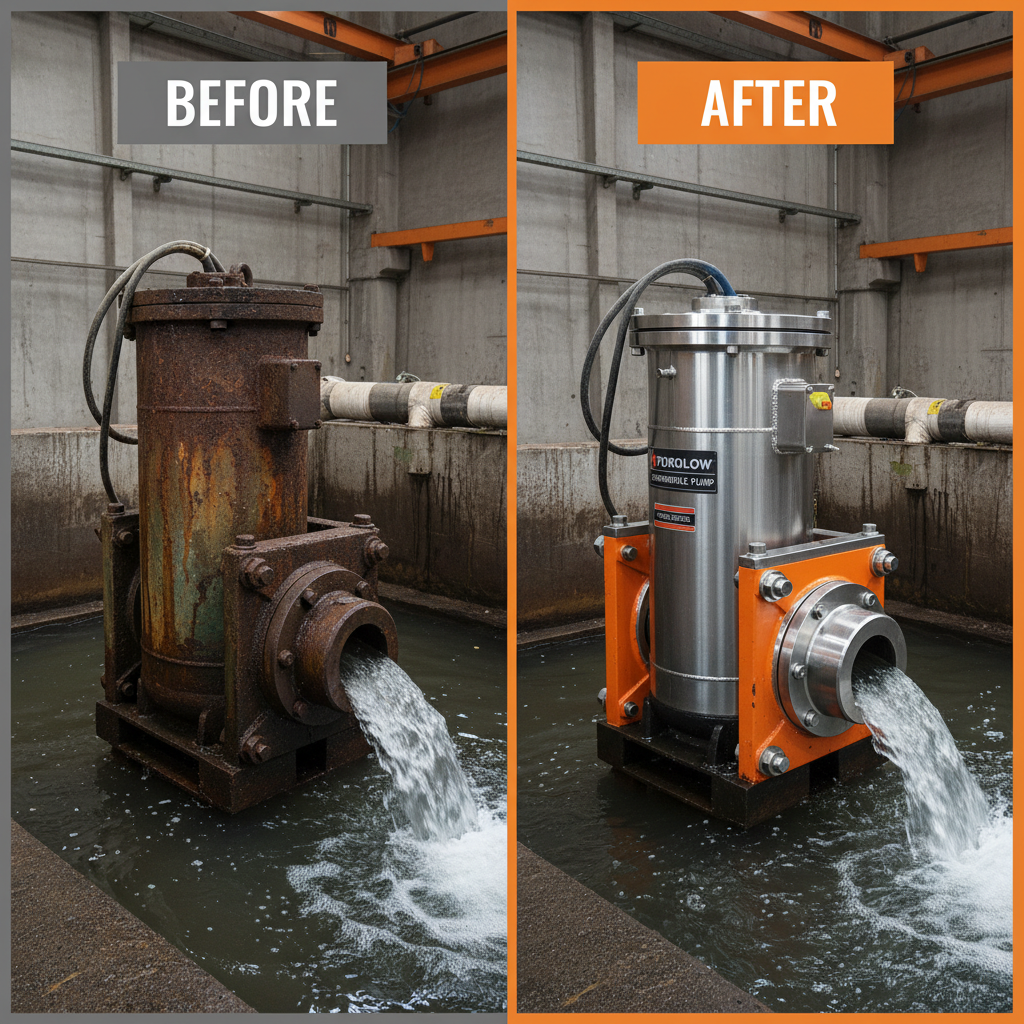 Understanding the Price Submersible Pump and Buyer GuideWhen searching for the ideal water management solution, understanding the price submersible pump options is crucial for balancing budget with performance. Whether you are dealing with a flooded basement, managing agricultural irrigation, or extracting water from a deep well, the cost of a submersible pump can vary significantly based on its build quality and capacity. Investing in a high-quality pump ensures long-term reliability and reduces the frequency of expensive replacements. In this guide, we will break down the factors that influence pricing and help you make an informed decision for your specific needs.Detail
 -
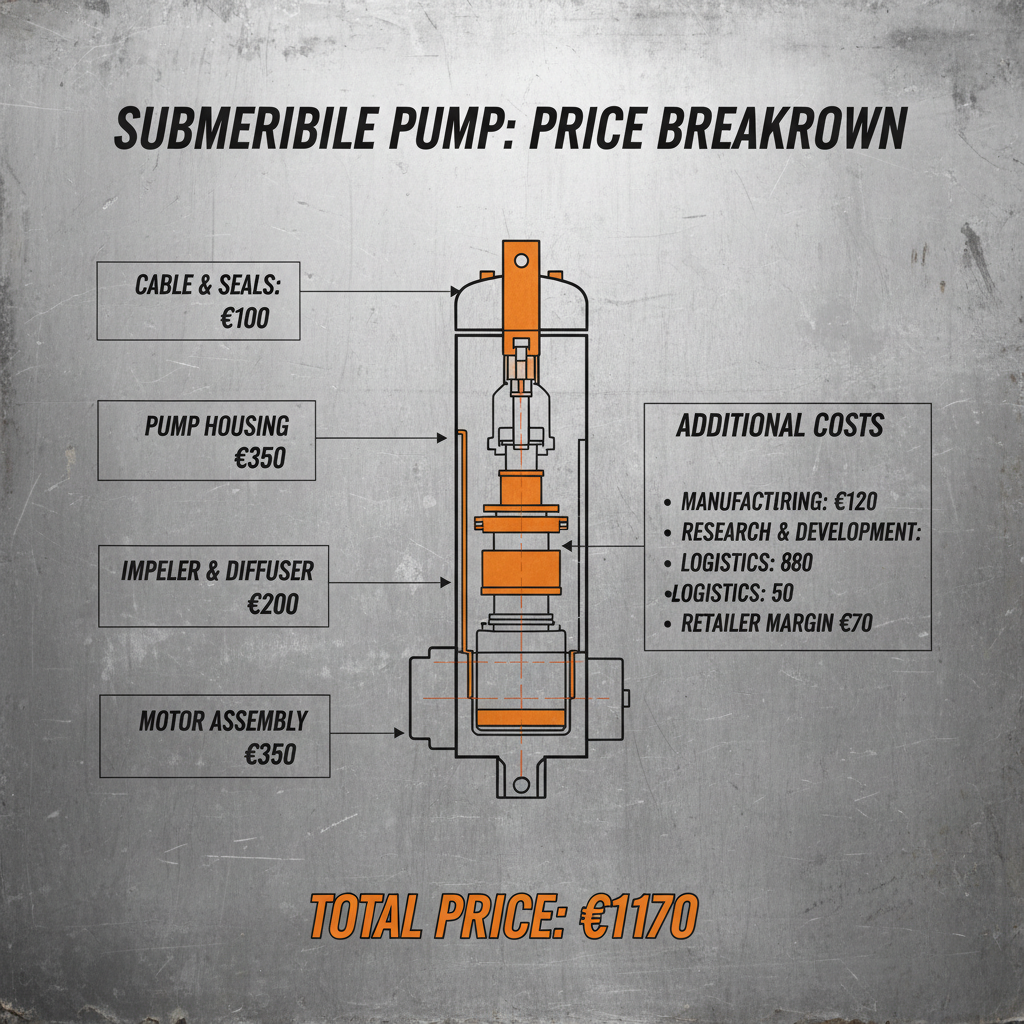 Factors Affecting the Price for Submersible Pump a Buyers GuideWhen investing in water management systems, understanding the price for submersible pump options is essential for balancing performance with budget. Whether you are managing a residential well, an industrial drainage project, or agricultural irrigation, the cost of a pump is rarely a flat fee; it is a reflection of the engineering, materials, and capacity required for your specific environment. In this guide, we will break down the factors that influence pricing and help you determine the best value for your investment to ensure long-term reliability and efficiency.Detail
 -
 Choosing the Right Mini Submersible Fountain Pump for Optimal Water Feature PerformanceCreating a beautiful and relaxing water feature doesn't have to be complicated. A mini submersible fountain pump is the heart of any indoor or outdoor fountain, and selecting the right one is crucial for optimal performance and longevity. This article will guide you through the key considerations when choosing a mini submersible fountain pump, covering types, features, applications, and how to ensure you get the perfect pump for your project. We’ll also explore how Wellpumpact can provide you with the ideal solution.Detail
 Afrikaans
 Albanian
 Amharic
 Arabic
 Armenian
 Azerbaijani
 Basque
 Belarusian
 Bengali
 Bosnian
 Bulgarian
 Catalan
 Cebuano
 Corsican
 Croatian
 Czech
Czech
 Danish
 Dutch
Dutch
 Esperanto
 Estonian
 Finnish
 French
 Frisian
 Galician
 Georgian
 German
 Greek
Greek
 Gujarati
 Haitian Creole
 Hausa
Hausa
 Hawaiian
 Hebrew
 Hindi
Hindi
 Miao
Miao
 Hungarian
 Icelandic
 Igbo
Igbo
 Indonesian
 Irish
Irish
 Italian
 Japanese
 Javanese
 Kannada
 Kazakh
 Khmer
Khmer
 Rwandese
 Korean
 Kurdish
 Kyrgyz
 Lao
Lao
 Latin
Latin
 Latvian
 Lithuanian
 Luxembourgish
 Macedonian
 Malgashi
 Malay
Malay
 Malayalam
 Maltese
 Maori
Maori
 Marathi
 Mongolian
 Myanmar
 Nepali
 Norwegian
 Norwegian
 Occitan
 Pashto
 Persian
 Polish
 Portuguese
 Punjabi
 Romanian
 Russian
 Samoan
 Scottish Gaelic
 Serbian
 Sesotho
 Shona
Shona
 Sindhi
 Sinhala
 Slovak
 Slovenian
 Somali
 Spanish
 Sundanese
 Swahili
 Swedish
 Tagalog
 Tajik
Tajik
 Tamil
Tamil
 Tatar
Tatar
 Telugu
 Thai
Thai
 Turkish
 Turkmen
 Ukrainian
 Urdu
Urdu
 Uighur
 Uzbek
Uzbek
 Vietnamese
 Welsh
Welsh
 Bantu
Bantu
 Yiddish
 Yoruba
 Zulu
Zulu
 English