
Dec . 03, 2025 11:02 Back to list
What Are Electric Submersible Pumps? Benefits, Uses, and Trends
Electric Submersible Pumps: Lifelines Beneath the Surface
When you think of the invisible workhorses behind water supply systems, irrigation, and oil extraction, electric submersible pumps often don’t come to mind — yet these devices quietly power critical global infrastructure. They enable water to flow from deep wells, under lakes or seas, and in remote industrial zones where surface pumps simply can’t reach. Understanding their design, application, and evolution can shed light on how modern societies maintain vital fluid movement while advancing sustainability and efficiency.
Global Importance of Electric Submersible Pumps
Worldwide, about 2.2 billion people lack safely managed drinking water services according to the UN Water reports. Here’s where electric submersible pumps really matter: they make extracting groundwater feasible and affordable, unlocking crucial resources in both agricultural and humanitarian contexts. Globally, water management drives food security and health—especially in drought-prone or developing regions.
Beyond water, these pumps are prominent in the oil and gas industry. The World Bank estimates that more than 60% of American oil wells use some form of submersible pumping technology to maintain efficient production. The challenge? Designing pumps that are durable and energy-efficient enough to operate in harsh environments without constant maintenance.
What Exactly Are Electric Submersible Pumps?
Simply put, an electric submersible pump (ESP) is a specialized device that pushes fluid from deep underwater or underground sources to the surface. Unlike conventional pumps, ESPs operate fully submerged, which cools the motor and prevents cavitation—a damage caused by vapor bubbles. They’re typically cylindrical, with an electric motor and impeller stacked together.
In practical terms, this means they’re crucial where other pumps fail: deep wells, seawater desalination plants, or even hazardous industrial seepage control. They link modern industry’s need for relentless, reliable pumping with humanitarian goals like clean water access.
Core Components and Key Aspects of Electric Submersible Pumps
1. Durability
Designed to endure corrosive liquids, high pressures, and abrasive sediments, quality ESPs employ stainless steel and ceramic bearings. This robustness helps them last years, even in unforgiving conditions—think desert oil fields or brackish aquifers.
2. Scalability
From small residential use to large-scale industrial setups, pumps vary greatly. You can find them delivering a few gallons per minute or thousands—depending on impeller size and motor power. This adaptability serves everything from domestic wells to mega desalination.
3. Energy Efficiency
Electricity cost is a big deal in pump operations. Modern designs optimize motor windings and impeller geometry to reduce consumption, satisfying rising green standards and cutting operating costs.
4. Automation Compatibility
Linking submersible pumps with sensors and control units allows real-time monitoring. This reduces downtime and tailors output to demand, a must for smart water grids or offshore rigs.
5. Maintenance and Accessibility
Though embedded deep underwater, many ESP units are modular, allowing sections to be serviced or swapped without complete extraction. This lowers downtime and repair costs, which frankly can be shockingly high otherwise.
Applications Around the Globe
- Agriculture: Irrigation across dry regions like California’s Central Valley relies heavily on ESPs pumping from groundwater sources to fields.
- Oil & Gas: Offshore and onshore sites—from the Gulf of Mexico to Middle East deserts—use ESPs for secondary oil recovery efforts.
- Municipal: Cities draw from deep wells to supply clean water, especially in areas with limited surface reservoirs.
- Disaster Relief: In floods or drought-hit zones, temporary ESP setups quickly resume water access, assisting NGOs and governments in urgent needs.
Interestingly, countries in Sub-Saharan Africa and South Asia have ramped up ESP deployment as part of sustainable rural water supply initiatives, often supported by international funding bodies.
Advantages and Long-Term Benefits of Electric Submersible Pumps
Their key advantage is reliability. These pumps run continuously for years, with minimal failure rates when properly installed and maintained. They promote water security and agricultural productivity, which translates to economic stability and health improvements.
On the emotional side, having access to steady water flow feels fundamentally reassuring to communities. It means children can attend school instead of hauling buckets, clinics can operate properly, and crops grow consistently. It’s innovation that supports dignity.
Cost wise, while initial investments can be steep, the lifecycle expenses tend to be lower than alternatives—thanks to energy savings and reduced mechanical failures.
Technical Specifications of a Typical Industrial Electric Submersible Pump
| Specification | Details |
|---|---|
| Flow Rate | Up to 10,000 gallons per minute (gpm) |
| Motor Power | Range: 5 to 500+ horsepower (HP) |
| Voltage | 220V to 4,160V (varies by region and application) |
| Material | Stainless steel, corrosion-resistant alloys |
| Max Depth Capability | Up to 10,000 feet |
Vendor Comparison: Leading Electric Submersible Pump Manufacturers
| Brand | Industry Focus | Energy Efficiency | Global Reach | Typical Applications |
|---|---|---|---|---|
| Schlumberger | Oil & Gas | High | Extensive | Deep oil wells, offshore rigs |
| Grundfos | Water & Wastewater | Very High | Global | Agriculture, municipal water |
| Flowserve | Industrial & Oil | High | Widespread | Chemical plants, oil fields |
| Franklin Electric | Agriculture & Domestic | Moderate | Strong in Americas | Residential wells, irrigation |
Emerging Trends and Innovations
It’s odd but refreshing how the humble electric submersible pump is embracing high tech. We’re seeing integration with IoT sensors for predictive maintenance, cutting downtime by alerting operators before failures. Also, the push toward ISO 25754 standards for energy efficiency is prompting manufacturers to experiment with dielectric materials and advanced impeller designs that cut energy use by 15–20%.
Green energy is also finding its way into submersible pumps—solar-powered ESPs for rural water access are gaining ground, especially in sun-drenched developing countries, providing off-grid solutions that are cost-effective and eco-friendly.
Challenges and How the Industry is Tackling Them
Clearly, harsh operating environments — extreme depths, corrosive fluids, and challenging logistics — complicate ESP deployment. One persistent issue is motor failure due to overheating. But using advanced cooling techniques, like encapsulated stator windings, is mitigating this risk.
Installation can be tricky, too—requiring skilled labor and robust infrastructure. Increasingly, modular designs and plug-and-play electronics help reduce time on site and make repairs less daunting.
FAQ: Your Practical Questions Answered
Q1: How long do electric submersible pumps typically last in harsh environments?
A1: With proper maintenance, ESPs can last 3–5 years even in corrosive settings like saltwater wells. Using corrosion-resistant materials and regular inspections extends service life significantly.
Q2: Can these pumps handle sand or sediment-heavy water?
A2: Yes, specialized ESPs are designed to tolerate abrasives by using hardened impellers and wear-resistant coatings, but heavy sediment requires frequent maintenance to avoid clogging.
Q3: Are electric submersible pumps energy intensive?
A3: They can be, but modern models prioritize energy efficiency through improved motor designs and variable speed drives. Opting for the right pump size and controls can greatly reduce electricity usage.
Q4: What industries benefit most from electric submersible pumps?
A4: Major beneficiaries include oil & gas extraction, agriculture (irrigation), municipal water supply, and emergency relief operations needing rapid water access at difficult sites.
Q5: How easy is it to monitor and control these pumps remotely?
A5: Increasingly straightforward. With IoT-enabled controls, many ESPs can be remotely monitored and adjusted via cloud-based platforms, improving reliability and reducing field visits.
Conclusion: Why Electric Submersible Pumps Matter Now More Than Ever
Electric submersible pumps quietly underpin much of our water supply, agriculture, and energy infrastructure. Their continuing evolution supports sustainability goals, improves reliability, and helps communities worldwide gain safe water access — a cornerstone of human dignity. To dive deeper into selecting or deploying electric submersible pumps suited to your needs, visit our website and explore solutions tailored to your projects.
It feels like these pumps don’t get their due credit — but with every drop they move, they keep the modern world flowing.
References
-
Understanding the Price Submersible Pump and Buyer Guide
NewsApr.16,2026
-
Factors Affecting the Price for Submersible Pump a Buyers Guide
NewsApr.09,2026
-
Choosing the Right Mini Submersible Fountain Pump for Optimal Water Feature Performance
NewsApr.07,2026
-
A Detailed Guide to Installing a Submersible Pump for Optimal Performance
NewsApr.04,2026
-
Comprehensive Guide on How to Test a Submersible Water Well Pump Effectively
NewsMar.31,2026
-
Learn How to Replace a Submersible Well Pump Safely and Effectively
NewsMar.28,2026
-
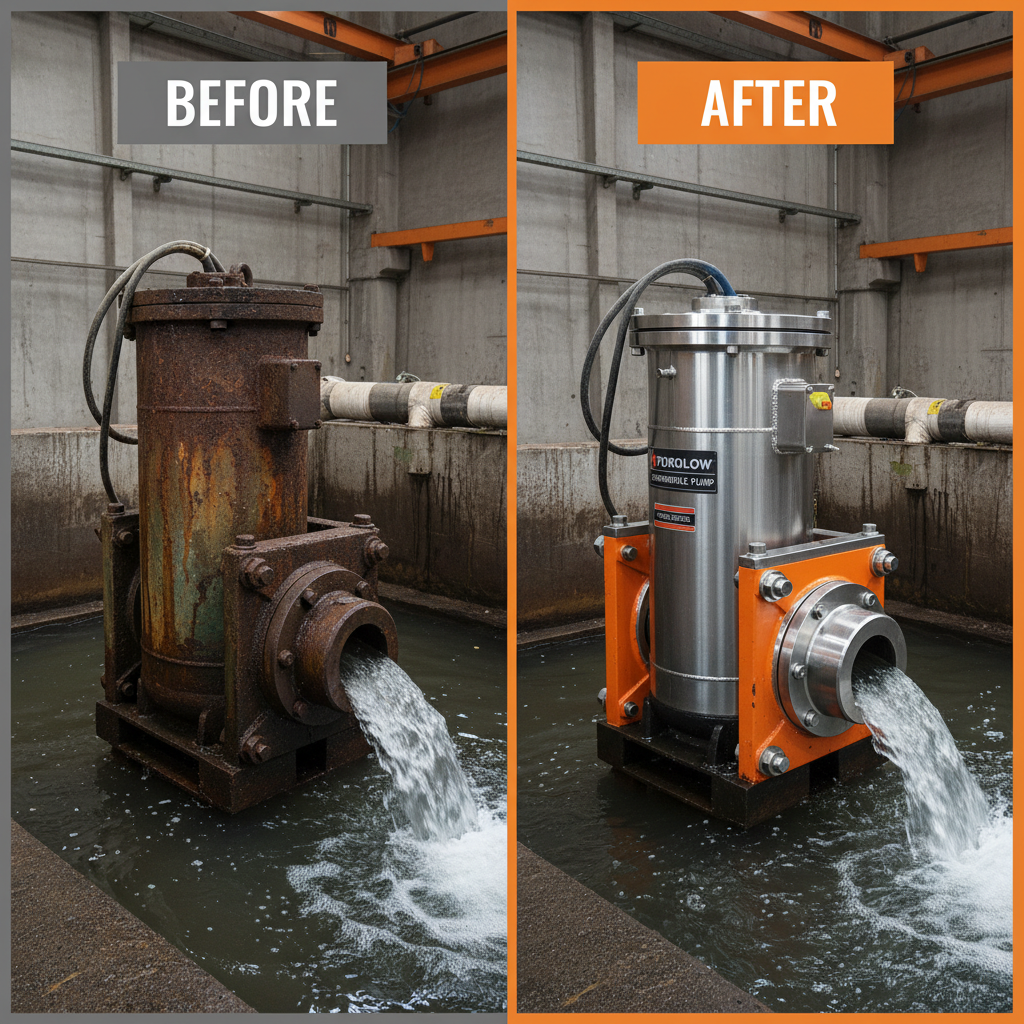 Understanding the Price Submersible Pump and Buyer GuideWhen searching for the ideal water management solution, understanding the price submersible pump options is crucial for balancing budget with performance. Whether you are dealing with a flooded basement, managing agricultural irrigation, or extracting water from a deep well, the cost of a submersible pump can vary significantly based on its build quality and capacity. Investing in a high-quality pump ensures long-term reliability and reduces the frequency of expensive replacements. In this guide, we will break down the factors that influence pricing and help you make an informed decision for your specific needs.Detail
 -
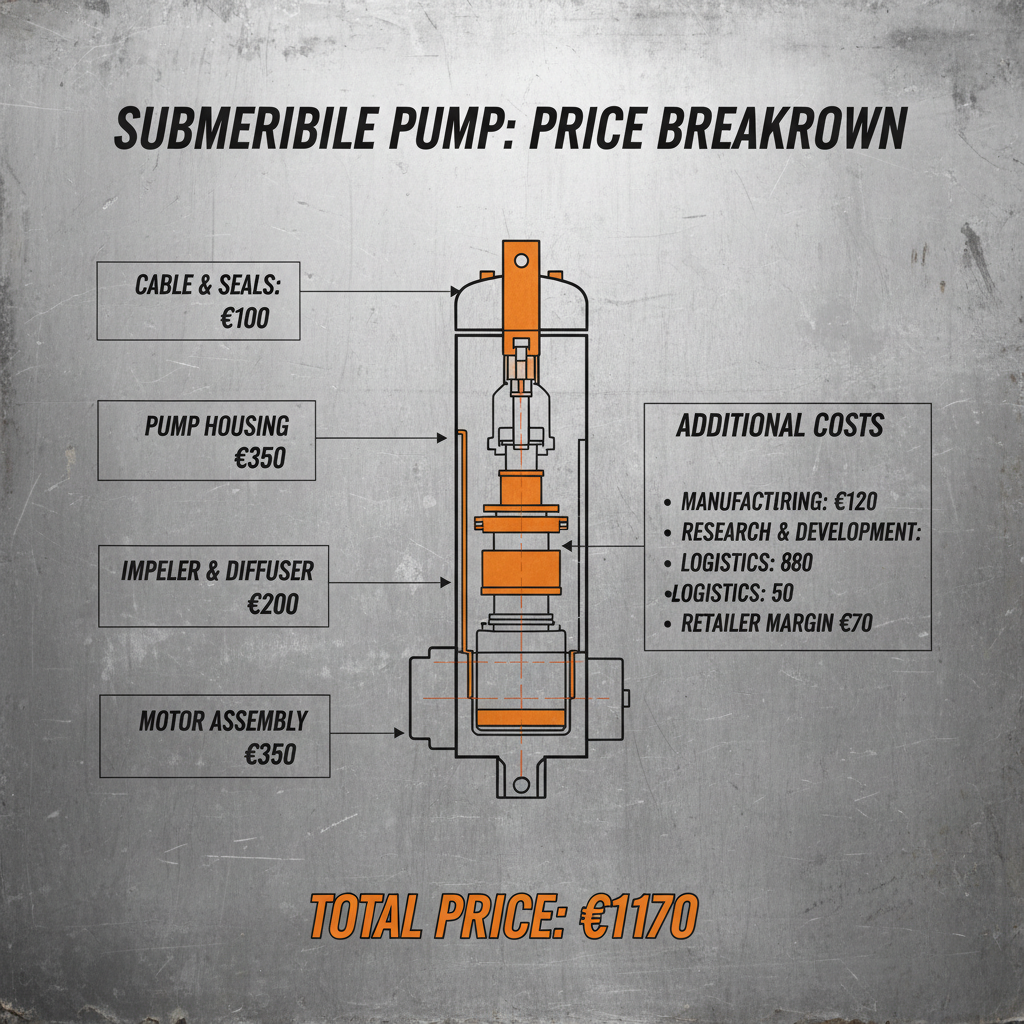 Factors Affecting the Price for Submersible Pump a Buyers GuideWhen investing in water management systems, understanding the price for submersible pump options is essential for balancing performance with budget. Whether you are managing a residential well, an industrial drainage project, or agricultural irrigation, the cost of a pump is rarely a flat fee; it is a reflection of the engineering, materials, and capacity required for your specific environment. In this guide, we will break down the factors that influence pricing and help you determine the best value for your investment to ensure long-term reliability and efficiency.Detail
 -
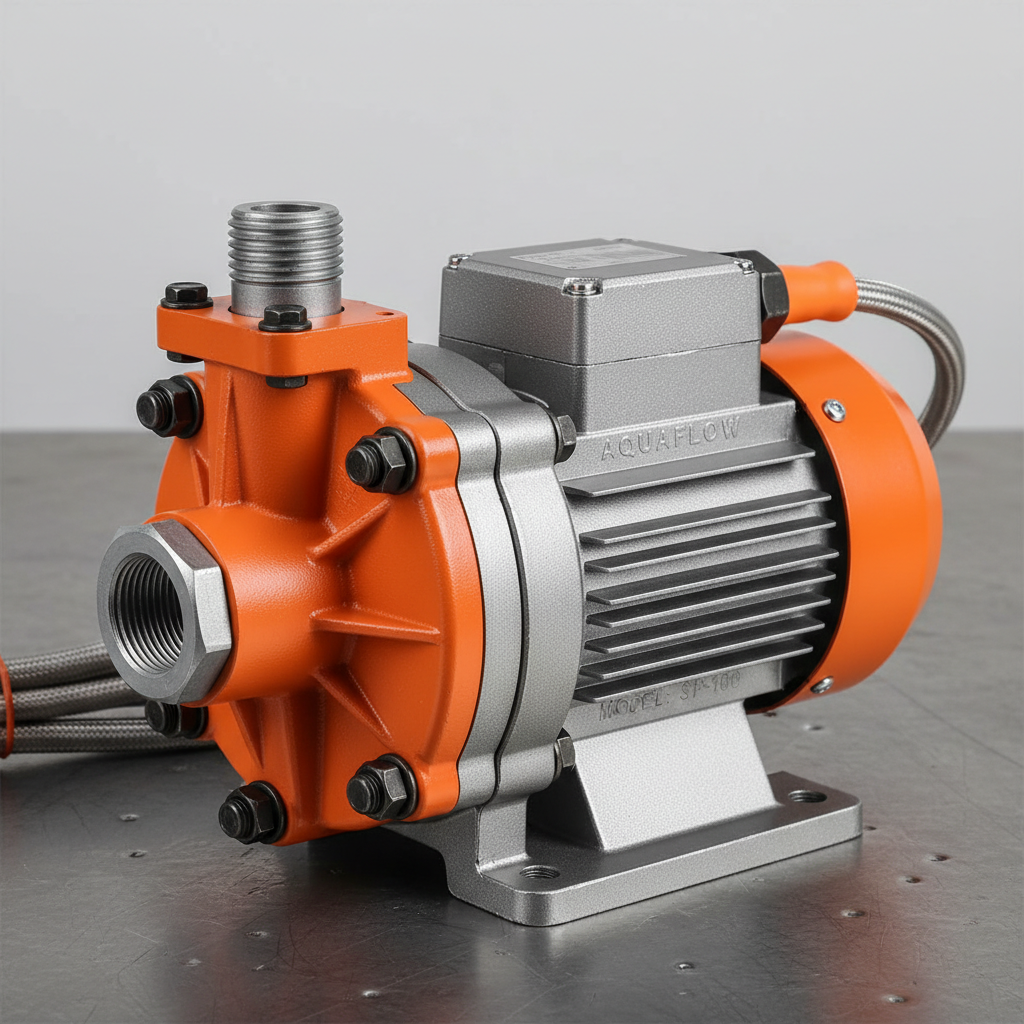 Choosing the Right Mini Submersible Fountain Pump for Optimal Water Feature PerformanceCreating a beautiful and relaxing water feature doesn't have to be complicated. A mini submersible fountain pump is the heart of any indoor or outdoor fountain, and selecting the right one is crucial for optimal performance and longevity. This article will guide you through the key considerations when choosing a mini submersible fountain pump, covering types, features, applications, and how to ensure you get the perfect pump for your project. We’ll also explore how Wellpumpact can provide you with the ideal solution.Detail
 Afrikaans
 Albanian
 Amharic
 Arabic
 Armenian
 Azerbaijani
 Basque
 Belarusian
 Bengali
 Bosnian
 Bulgarian
 Catalan
 Cebuano
 Corsican
 Croatian
 Czech
Czech
 Danish
 Dutch
Dutch
 Esperanto
 Estonian
 Finnish
 French
 Frisian
 Galician
 Georgian
 German
 Greek
Greek
 Gujarati
 Haitian Creole
 Hausa
Hausa
 Hawaiian
 Hebrew
 Hindi
Hindi
 Miao
Miao
 Hungarian
 Icelandic
 Igbo
Igbo
 Indonesian
 Irish
Irish
 Italian
 Japanese
 Javanese
 Kannada
 Kazakh
 Khmer
Khmer
 Rwandese
 Korean
 Kurdish
 Kyrgyz
 Lao
Lao
 Latin
Latin
 Latvian
 Lithuanian
 Luxembourgish
 Macedonian
 Malgashi
 Malay
Malay
 Malayalam
 Maltese
 Maori
Maori
 Marathi
 Mongolian
 Myanmar
 Nepali
 Norwegian
 Norwegian
 Occitan
 Pashto
 Persian
 Polish
 Portuguese
 Punjabi
 Romanian
 Russian
 Samoan
 Scottish Gaelic
 Serbian
 Sesotho
 Shona
Shona
 Sindhi
 Sinhala
 Slovak
 Slovenian
 Somali
 Spanish
 Sundanese
 Swahili
 Swedish
 Tagalog
 Tajik
Tajik
 Tamil
Tamil
 Tatar
Tatar
 Telugu
 Thai
Thai
 Turkish
 Turkmen
 Ukrainian
 Urdu
Urdu
 Uighur
 Uzbek
Uzbek
 Vietnamese
 Welsh
Welsh
 Bantu
Bantu
 Yiddish
 Yoruba
 Zulu
Zulu
 English