
Nov . 30, 2025 22:55 Back to list
Comprehensive Guide to 110v Submersible Water Pumps - Features, Uses & Buying Tips
Understanding the 110v Submersible Water Pump: A Small Device with Huge Impact
You might not think much about the humble 110v submersible water pump—after all, it’s just a piece of machinery submerged underwater to push water out. But this reliable device quietly plays a critical role, not just in homes and farms but across global industries, disaster relief, and sustainable development efforts. Getting a grip on how these pumps work and why they've become so essential worldwide opens a window into practical solutions that address water management challenges—a matter that touches billions.
Whether for irrigation in parched regions or emergency water extraction after floods, understanding these pumps isn’t just niche tech talk; it’s about appreciating a lifeline that keeps communities moving forward.
Introduction: Why the 110v Submersible Pump Matters Globally
The global water crisis, according to the United Nations, affects over 2 billion people who lack safely managed drinking water services. This staggering statistic highlights the pressing need for efficient water extraction and transfer technologies. Enter the 110v submersible water pump, a practical, relatively low-voltage solution that is accessible for residential, agricultural, and humanitarian applications.
In industrializing regions, this pump type allows for reliable groundwater access where power infrastructure is limited or unstable. A 110-volt system, common in North America and many developing areas, balances power consumption and performance without the complexity of high-voltage setups. Yet challenges like pump durability in harsh conditions or costs can sometimes limit their implementation — but engineers and manufacturers are evolving fast to meet those needs.
What Exactly Is a 110v Submersible Water Pump?
In plain terms, a 110v submersible water pump is an electrically powered pump designed to be submerged directly in water, typically groundwater or clean water sources. It draws water through an intake at the base and pushes it up through a pipe to the surface for use.
These pumps use a 110-volt power supply, making them compatible with standard household and small industrial power grids. Unlike surface pumps, they avoid priming issues and are generally quieter due to their underwater placement.
For industries like agriculture, municipal water supply, or emergency services distributing clean water after disasters, this contactless pumping approach reduces contamination risks and can improve efficiency dramatically.
Core Features: What Makes These Pumps Tick?
1. Durability and Material Quality
The best 110v submersible pumps come with corrosion-resistant materials—usually stainless steel or thermoplastic—allowing them to handle varied water chemistries without premature wear. It’s the difference between a pump lasting 3 years or 10 years in a rural well. In saltwater or heavily mineralized water, material choice is crucial.
2. Power and Efficiency
Operating on 110 volts makes the pump accessible but also limits the power available. Manufacturers optimize motor design for a balance of power draw and flow rate, often including sealed motors to avoid short circuits and overheating.
3. Scalability and Size Options
Pumps come in diverse sizes — from small units pulling a few gallons per minute to heavy-duty models fitting large farms or industrial sites. This flexibility means a 110v submersible water pump can suit homes, small farms, or remote stations alike, without the overhead of bigger electrical systems.
4. Installation and Maintenance
The submersible style often means simpler installation compared to surface pumps — no priming, less noise, and safer electrical setup since most components are sealed off from the external environment. Maintenance usually involves periodic checks and cleaning intake screens or impellers.
5. Cost-Effectiveness
These pumps combine affordability with performance. Their moderate power needs translate into lower electricity costs — a key consideration especially where power is costly or intermittent.
Practical Applications Across the Globe
The versatility of the 110v submersible pump shows in its wide-ranging uses:
- Rural farming in Africa and Asia: Farmers depend on these pumps to irrigate crops without costly diesel or complex electrical infrastructure.
- Disaster relief zones: After floods or earthquakes, NGOs deploy these pumps quickly to provide clean water. Their submersible nature prevents contamination typical with surface pumps.
- Residential water supply: In North America, small-scale well systems commonly use 110v pumps for basement sump pits or household wells.
- Industrial settings: Remote mining or construction sites use these pumps to manage groundwater inflow efficiently.
Consider a remote village in Southeast Asia, where a solar-charged 110v submersible water pump is the difference between drought desperation and sustainable farming. Or a hurricane-affected coastal US town where emergency crews deploy these reliable units within hours. The application scope feels simultaneously local and global — a small product with outsized impact.
Advantages That Stand the Test of Time
Why do so many engineers and NGOs prefer 110v submersible pumps? Here are a few long-term benefits:
- Energy efficiency & lower running costs: Compared to diesel or 220v systems, moderate voltage pumps keep bills manageable yet deliver solid performance.
- Robust and safe: Submersion minimizes electrical hazards and mechanical wear, reducing downtime.
- Social and environmental sustainability: Easier access to clean water supports health, dignity, and economic productivity.
- Adaptability: These pumps can be combined with renewable power sources like solar panels to further green their footprint.
It’s not just numbers and specs — there’s a quiet dignity in giving communities and industries reliable water access that spurs progress.
Product Specifications Comparison
| Specification | Sample Model A | Sample Model B | Sample Model C |
|---|---|---|---|
| Voltage | 110 V | 110 V | 110 V |
| Flow Rate | 5 GPM | 10 GPM | 8 GPM |
| Max Depth | 25 ft | 50 ft | 40 ft |
| Material | Stainless steel | Thermoplastic | Stainless steel |
| Weight | 8 lbs | 6.5 lbs | 7 lbs |
Vendor Comparison: Picking Your Pump Partner
| Vendor | Warranty | Price Range | Customer Service Rating | Eco-Friendly Options |
|---|---|---|---|---|
| AquaFlow Pumps | 3 Years | $$ | 4.5/5 | Yes |
| PumpMaster Co. | 2 Years | $ | 4.0/5 | Limited |
| WellPro Supplies | 5 Years | $$$ | 4.8/5 | Yes |
Trends, Innovations, and What’s Next
Innovation isn't a buzzword here — it’s real life. We’re seeing integration of smart sensors with 110v submersible water pump units that monitor performance and fault detection remotely. This saves technicians from unnecessary site visits and proactively prevents failures.
On the materials front, lightweight composites and nano-coatings improve lifespan and energy efficiency. Sustainable power combinations like solar-charged 110v pumps reduce the carbon footprint, particularly important in off-grid or developing regions.
Policy-wise, governments and NGOs are increasingly funding pump solutions aimed at sustainable water access, pushing manufacturers toward greener, affordable models.
Overcoming Challenges
Not all is perfect: common complaints include limited flow capacity under 110 volts, risk of clogs or debris damaging the impeller, and maintenance difficulties in remote areas. Yet clever designs—like modular impeller units, improved filtration at intake, and easily replaceable parts—are addressing these issues smoothly.
FAQs About 110v Submersible Water Pumps
- Q: Can I use a 110v submersible pump for deep wells?
- A: Typically, these pumps work best for moderate depths (up to about 50 ft). For deeper wells, higher voltage or multistage pumps might be needed for sufficient pressure.
- Q: Are 110v submersible pumps energy efficient?
- A: Yes, compared with higher voltage alternatives, they offer a good balance of power use and flow rate, keeping operational costs down.
- Q: How often should I perform maintenance on these pumps?
- A: A general rule is checking at least twice a year, inspecting impellers, seals, and electrical connections to avoid unexpected failures.
- Q: Can these pumps handle dirty or sediment-laden water?
- A: Most 110v submersible pumps are designed for clean or slightly sandy water. For heavy sediment, specialized pumps with robust filtration are recommended.
Final Thoughts & Next Steps
Picking a 110v submersible water pump is about more than specs or price—it’s about investing in a trusted ally for managing one of the planet’s most precious resources: water. The right pump supports sustainable farming, aids disaster-stricken areas, and simply makes life easier and safer.
If you want to explore models, pricing, or installation advice, visit https://www.wellpumpact.com where you’ll find comprehensive guidance tailored to your needs.
Water runs life—make sure your pump keeps it flowing smoothly.
References:
1. United Nations Water Report, 2023
2. ISO Standards on Water Pumps, ISO 9906:2012
3. World Bank - Global Water Crisis Statistics 2022
-
Understanding the Price Submersible Pump and Buyer Guide
NewsApr.16,2026
-
Factors Affecting the Price for Submersible Pump a Buyers Guide
NewsApr.09,2026
-
Choosing the Right Mini Submersible Fountain Pump for Optimal Water Feature Performance
NewsApr.07,2026
-
A Detailed Guide to Installing a Submersible Pump for Optimal Performance
NewsApr.04,2026
-
Comprehensive Guide on How to Test a Submersible Water Well Pump Effectively
NewsMar.31,2026
-
Learn How to Replace a Submersible Well Pump Safely and Effectively
NewsMar.28,2026
-
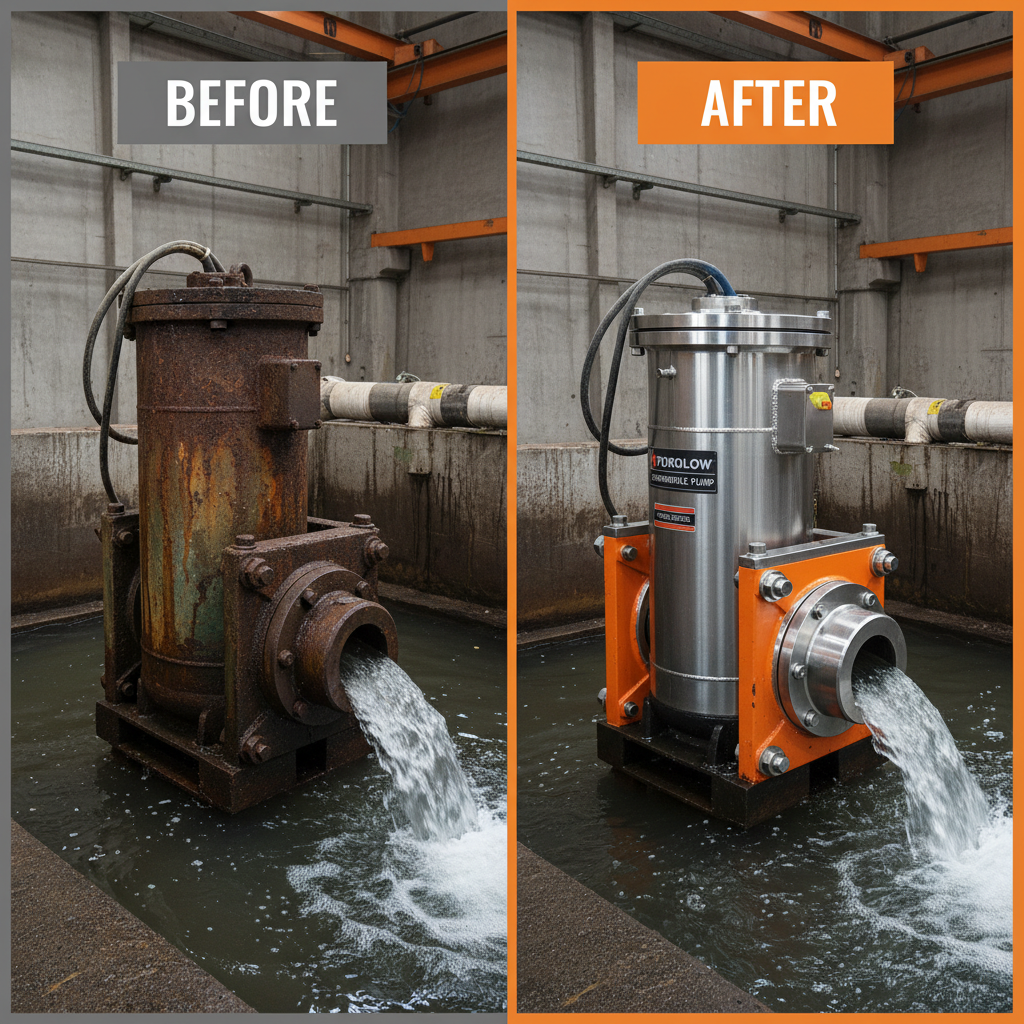 Understanding the Price Submersible Pump and Buyer GuideWhen searching for the ideal water management solution, understanding the price submersible pump options is crucial for balancing budget with performance. Whether you are dealing with a flooded basement, managing agricultural irrigation, or extracting water from a deep well, the cost of a submersible pump can vary significantly based on its build quality and capacity. Investing in a high-quality pump ensures long-term reliability and reduces the frequency of expensive replacements. In this guide, we will break down the factors that influence pricing and help you make an informed decision for your specific needs.Detail
 -
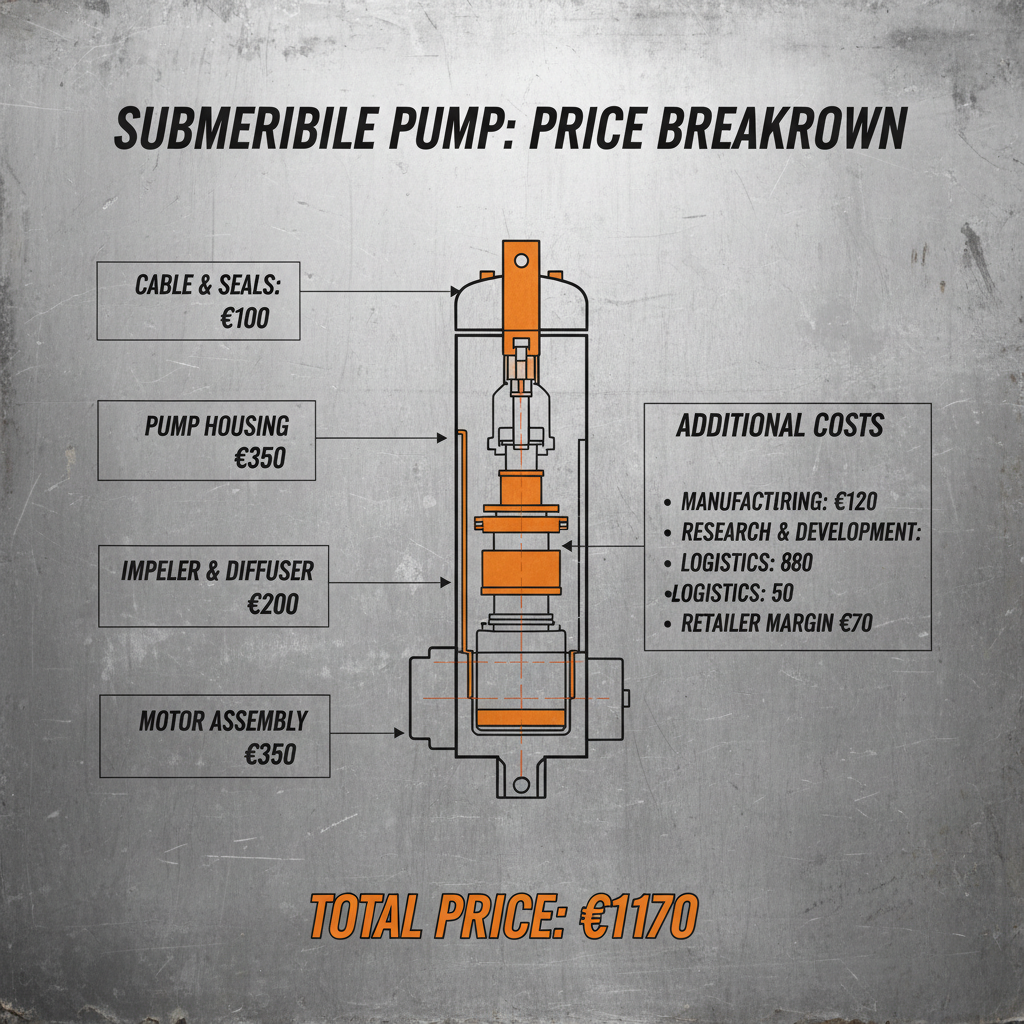 Factors Affecting the Price for Submersible Pump a Buyers GuideWhen investing in water management systems, understanding the price for submersible pump options is essential for balancing performance with budget. Whether you are managing a residential well, an industrial drainage project, or agricultural irrigation, the cost of a pump is rarely a flat fee; it is a reflection of the engineering, materials, and capacity required for your specific environment. In this guide, we will break down the factors that influence pricing and help you determine the best value for your investment to ensure long-term reliability and efficiency.Detail
 -
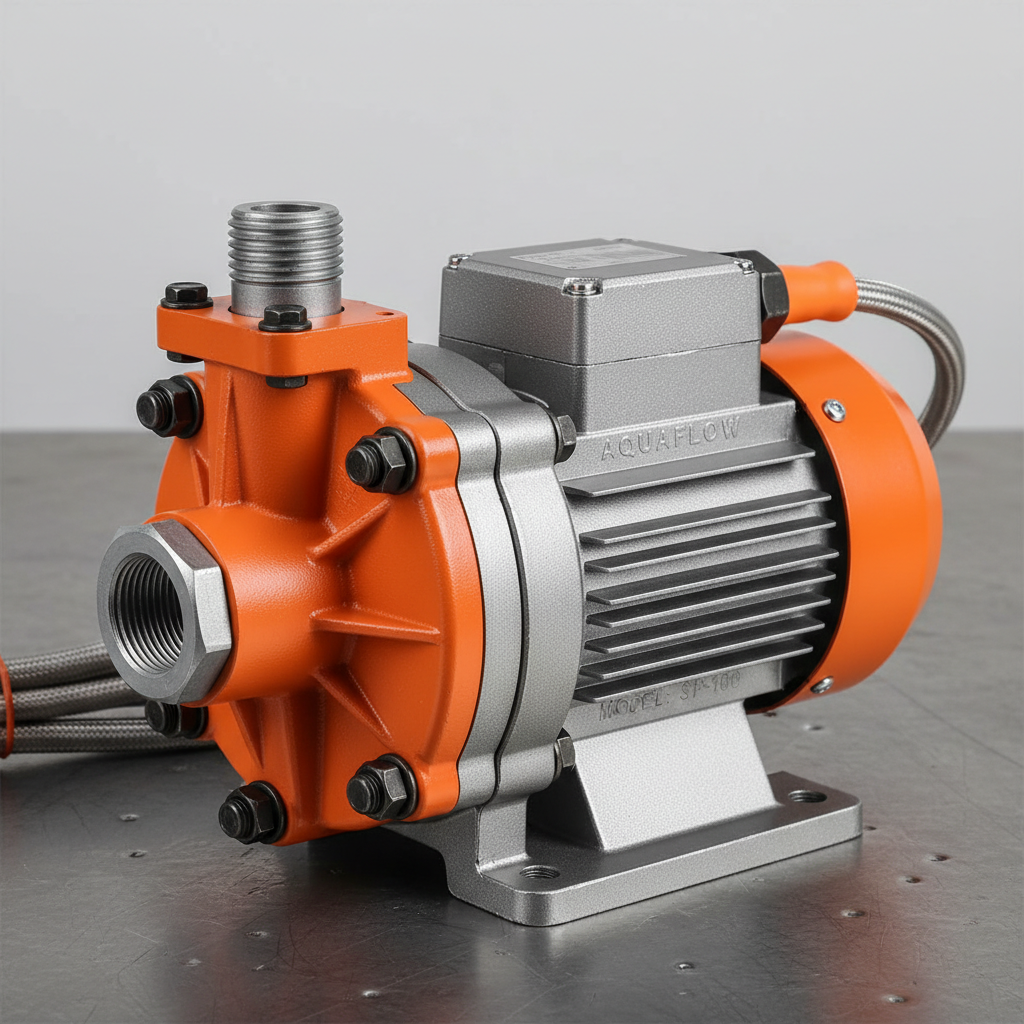 Choosing the Right Mini Submersible Fountain Pump for Optimal Water Feature PerformanceCreating a beautiful and relaxing water feature doesn't have to be complicated. A mini submersible fountain pump is the heart of any indoor or outdoor fountain, and selecting the right one is crucial for optimal performance and longevity. This article will guide you through the key considerations when choosing a mini submersible fountain pump, covering types, features, applications, and how to ensure you get the perfect pump for your project. We’ll also explore how Wellpumpact can provide you with the ideal solution.Detail
 Afrikaans
 Albanian
 Amharic
 Arabic
 Armenian
 Azerbaijani
 Basque
 Belarusian
 Bengali
 Bosnian
 Bulgarian
 Catalan
 Cebuano
 Corsican
 Croatian
 Czech
Czech
 Danish
 Dutch
Dutch
 Esperanto
 Estonian
 Finnish
 French
 Frisian
 Galician
 Georgian
 German
 Greek
Greek
 Gujarati
 Haitian Creole
 Hausa
Hausa
 Hawaiian
 Hebrew
 Hindi
Hindi
 Miao
Miao
 Hungarian
 Icelandic
 Igbo
Igbo
 Indonesian
 Irish
Irish
 Italian
 Japanese
 Javanese
 Kannada
 Kazakh
 Khmer
Khmer
 Rwandese
 Korean
 Kurdish
 Kyrgyz
 Lao
Lao
 Latin
Latin
 Latvian
 Lithuanian
 Luxembourgish
 Macedonian
 Malgashi
 Malay
Malay
 Malayalam
 Maltese
 Maori
Maori
 Marathi
 Mongolian
 Myanmar
 Nepali
 Norwegian
 Norwegian
 Occitan
 Pashto
 Persian
 Polish
 Portuguese
 Punjabi
 Romanian
 Russian
 Samoan
 Scottish Gaelic
 Serbian
 Sesotho
 Shona
Shona
 Sindhi
 Sinhala
 Slovak
 Slovenian
 Somali
 Spanish
 Sundanese
 Swahili
 Swedish
 Tagalog
 Tajik
Tajik
 Tamil
Tamil
 Tatar
Tatar
 Telugu
 Thai
Thai
 Turkish
 Turkmen
 Ukrainian
 Urdu
Urdu
 Uighur
 Uzbek
Uzbek
 Vietnamese
 Welsh
Welsh
 Bantu
Bantu
 Yiddish
 Yoruba
 Zulu
Zulu
 English