
Mar . 09, 2026 02:05 Back to list
Comprehensive Guide to DC Submersible Water Pumps and Their Applications
Understanding DC Submersible Water Pumps: A Comprehensive Guide
DC submersible water pumps are becoming increasingly popular for a wide range of applications, from irrigation and aquaculture to off-grid water supply and even emergency drainage. These versatile pumps offer numerous advantages over traditional AC-powered pumps, particularly in situations where access to mains electricity is limited or unavailable. This article will explore the functionality, benefits, applications, and important considerations when choosing a DC submersible water pump. We will delve into the technical aspects and practical uses to help you make an informed decision.
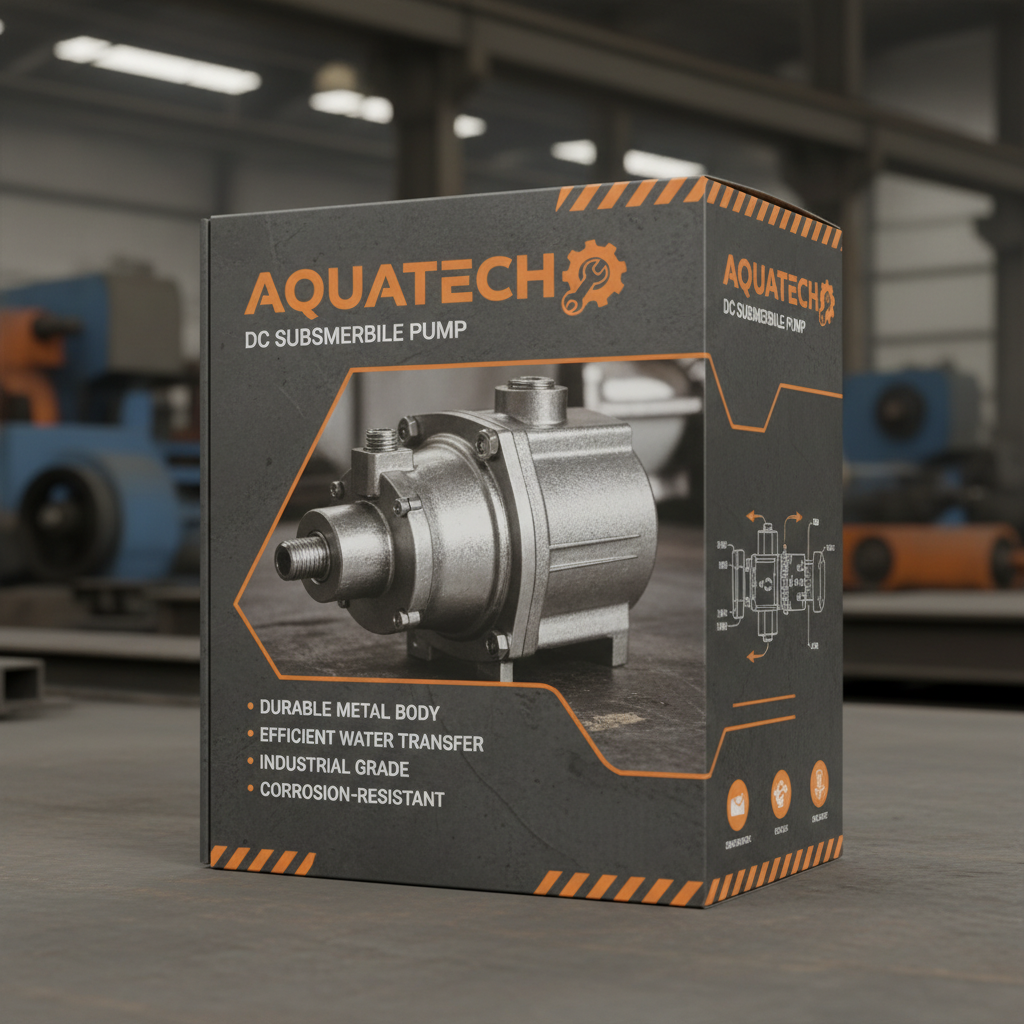
How Do DC Submersible Water Pumps Work?
Unlike AC pumps that require alternating current, DC submersible pumps operate on direct current, making them ideal for use with batteries, solar panels, or DC power supplies. These pumps are designed to be fully submerged in the water they are pumping, eliminating the need for priming and reducing the risk of cavitation. A DC motor powers an impeller, which creates centrifugal force, drawing water into the pump and expelling it through an outlet port. The sealed construction protects the motor from water damage, ensuring reliable operation even when fully submerged. Their compact size and efficient design contribute to their growing popularity for both domestic and industrial applications.
Key Highlights: Operate on direct current, suitable for batteries & solar. Sealed construction protects motor. Compact & efficient design.
Benefits of Choosing a DC Submersible Water Pump
DC submersible pumps offer a compelling set of advantages. They are remarkably energy-efficient, especially when paired with renewable energy sources like solar power. Their compact size and lightweight design make them easy to install and transport. Crucially, they operate quietly, minimizing noise pollution, and are generally more durable than AC pumps due to their simpler construction and lack of complex electrical components. Furthermore, they can operate in both vertical and horizontal positions, providing flexibility in installation. This makes them a preferred choice for a wide array of scenarios where AC power is unavailable or impractical. You can find a wide range of options at WellPumpAct.
Key Benefits:
• Energy Efficient
• Compact & Lightweight
• Quiet Operation
• Durable & Reliable
DC Submersible Water Pump Applications
The versatility of DC submersible pumps makes them suitable for numerous applications. In agriculture, they are used for irrigation, livestock watering, and pond aeration. In aquaculture, they maintain water circulation and oxygen levels. Off-grid homes and cabins utilize them for well water extraction and domestic water supply. They are also employed in emergency drainage situations, such as flood control and dewatering construction sites. Furthermore, their compact size makes them ideal for RVs, boats, and other mobile applications. The possibilities are vast, and the demand for reliable DC water pumping solutions continues to grow.
Choosing the Right DC Submersible Water Pump: Key Considerations
Selecting the appropriate DC submersible pump involves considering several key factors. The required flow rate (gallons per minute or liters per hour) and head (the vertical distance the pump needs to lift the water) are paramount. The power source (battery voltage, solar panel output) must be compatible with the pump's specifications. The water quality, including the presence of sand or debris, will dictate the need for a pump with a built-in filter or pre-filter. Finally, the durability and reliability of the pump, as well as the manufacturer's warranty, are important considerations. WellPumpAct offers a range of pumps suitable for diverse needs, with detailed specifications to assist in your selection.
Maintenance and Longevity of Your Pump
Proper maintenance is crucial for extending the lifespan of your DC submersible pump. Regularly inspect the pump for any signs of damage, such as cracks or leaks. Clean the filter or pre-filter as needed to prevent clogging and maintain optimal flow rate. Avoid running the pump dry, as this can damage the impeller and motor. Store the pump in a dry and protected location during periods of inactivity. Following these simple maintenance steps will ensure years of reliable performance.
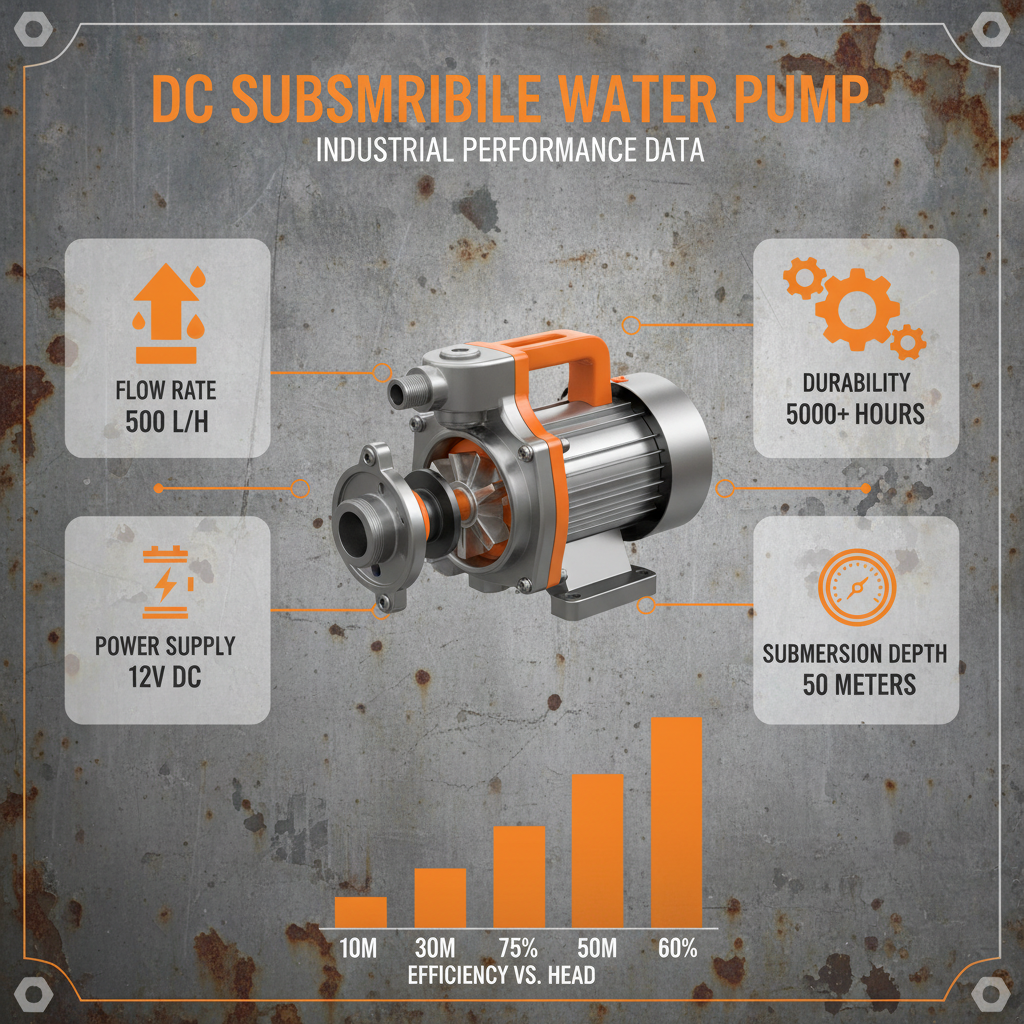
Conclusion: Powering Your Needs with DC Submersible Technology
DC submersible water pumps offer a practical, efficient, and reliable solution for a wide range of water pumping applications. With their ease of use, low energy consumption, and adaptability, they are becoming increasingly popular for both residential and commercial use. Explore the diverse selection of DC submersible pumps at WellPumpAct to find the perfect fit for your specific needs. Investing in a quality DC submersible pump is an investment in efficiency and reliability.
Frequently Asked Questions (FAQs)
What is the typical lifespan of a DC submersible pump?
The lifespan of a DC submersible pump can vary depending on usage, maintenance, and water quality. However, with proper care, a well-maintained pump can easily last 5-10 years or even longer. Factors that can shorten the lifespan include running the pump dry, pumping abrasive materials, and exposure to harsh chemicals. Regular inspections and preventative maintenance, such as cleaning the filter and checking for leaks, can significantly extend the pump's operational life. The quality of the pump itself also plays a vital role - pumps from reputable manufacturers like WellPumpAct are designed for durability and longevity.
Can I use a DC submersible pump with solar panels?
Yes, DC submersible pumps are ideally suited for use with solar panels. You will need to ensure the voltage output of the solar panel system matches the voltage requirement of the pump. Often, a charge controller is used to regulate the voltage and protect the pump from voltage fluctuations. A solar-powered DC pump provides an environmentally friendly and cost-effective solution for water pumping in remote locations where grid electricity is unavailable. WellPumpAct provides compatible pumps and can offer guidance on integrating them with solar power systems.
What should I do if my DC submersible pump stops working?
If your DC submersible pump stops working, first check the power source to ensure it is providing sufficient voltage. Then, inspect the pump for any visible damage or obstructions. Clean the filter or pre-filter if it is clogged. If the pump still doesn't work, check the impeller for any debris or damage. You can also test the motor with a multimeter to check for continuity. If you are unable to diagnose the problem yourself, it is best to consult a qualified technician or contact the manufacturer for assistance. WellPumpAct provides technical support to assist with troubleshooting.
How deep can a DC submersible pump be submerged?
The maximum submersion depth of a DC submersible pump varies depending on the model and its design. Generally, most pumps are rated for submersion depths ranging from 10 to 30 feet (3 to 9 meters). It’s critical to always check the manufacturer's specifications for the specific pump you are using. Exceeding the recommended submersion depth can damage the pump and void the warranty. Also, ensure the pump's cable is long enough to reach the power source without being stressed.
-
Understanding the Price Submersible Pump and Buyer Guide
NewsApr.16,2026
-
Factors Affecting the Price for Submersible Pump a Buyers Guide
NewsApr.09,2026
-
Choosing the Right Mini Submersible Fountain Pump for Optimal Water Feature Performance
NewsApr.07,2026
-
A Detailed Guide to Installing a Submersible Pump for Optimal Performance
NewsApr.04,2026
-
Comprehensive Guide on How to Test a Submersible Water Well Pump Effectively
NewsMar.31,2026
-
Learn How to Replace a Submersible Well Pump Safely and Effectively
NewsMar.28,2026
-
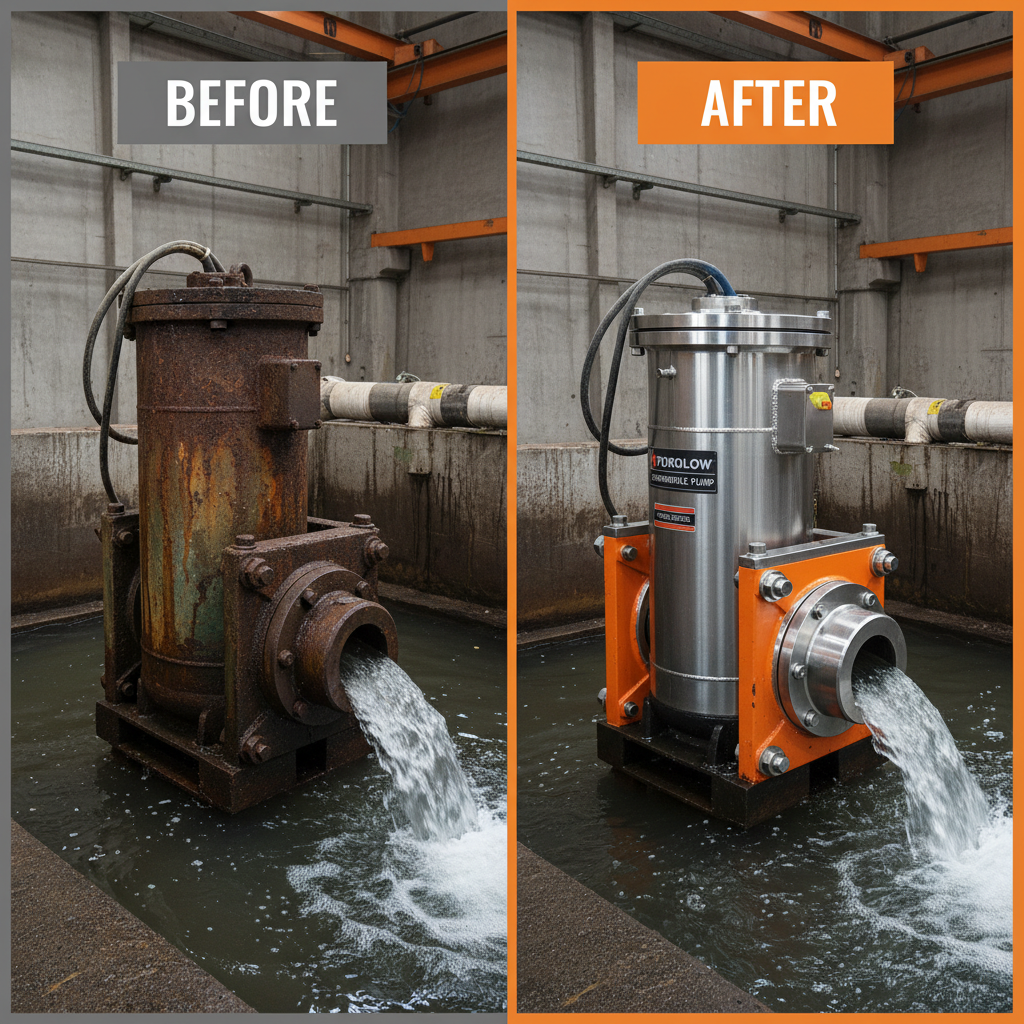 Understanding the Price Submersible Pump and Buyer GuideWhen searching for the ideal water management solution, understanding the price submersible pump options is crucial for balancing budget with performance. Whether you are dealing with a flooded basement, managing agricultural irrigation, or extracting water from a deep well, the cost of a submersible pump can vary significantly based on its build quality and capacity. Investing in a high-quality pump ensures long-term reliability and reduces the frequency of expensive replacements. In this guide, we will break down the factors that influence pricing and help you make an informed decision for your specific needs.Detail
 -
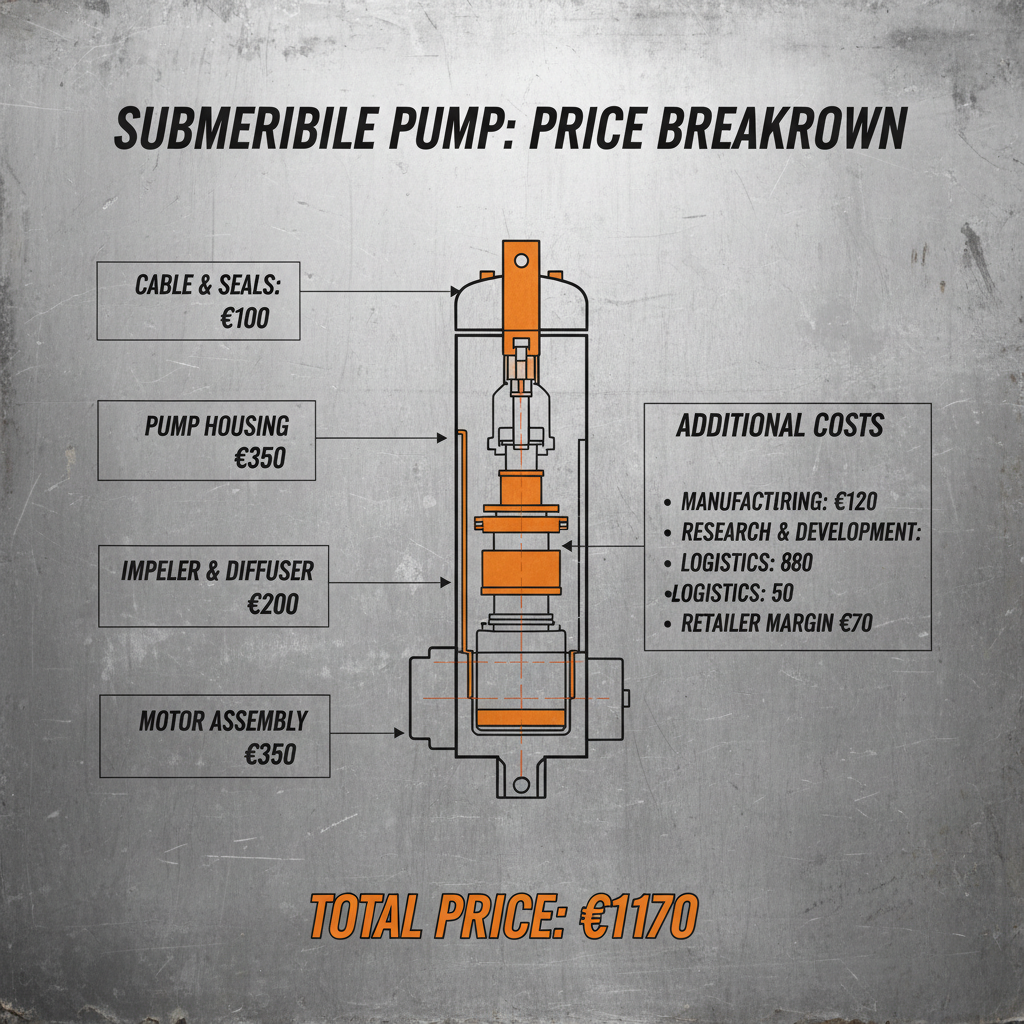 Factors Affecting the Price for Submersible Pump a Buyers GuideWhen investing in water management systems, understanding the price for submersible pump options is essential for balancing performance with budget. Whether you are managing a residential well, an industrial drainage project, or agricultural irrigation, the cost of a pump is rarely a flat fee; it is a reflection of the engineering, materials, and capacity required for your specific environment. In this guide, we will break down the factors that influence pricing and help you determine the best value for your investment to ensure long-term reliability and efficiency.Detail
 -
 Choosing the Right Mini Submersible Fountain Pump for Optimal Water Feature PerformanceCreating a beautiful and relaxing water feature doesn't have to be complicated. A mini submersible fountain pump is the heart of any indoor or outdoor fountain, and selecting the right one is crucial for optimal performance and longevity. This article will guide you through the key considerations when choosing a mini submersible fountain pump, covering types, features, applications, and how to ensure you get the perfect pump for your project. We’ll also explore how Wellpumpact can provide you with the ideal solution.Detail
 Afrikaans
 Albanian
 Amharic
 Arabic
 Armenian
 Azerbaijani
 Basque
 Belarusian
 Bengali
 Bosnian
 Bulgarian
 Catalan
 Cebuano
 Corsican
 Croatian
 Czech
Czech
 Danish
 Dutch
Dutch
 Esperanto
 Estonian
 Finnish
 French
 Frisian
 Galician
 Georgian
 German
 Greek
Greek
 Gujarati
 Haitian Creole
 Hausa
Hausa
 Hawaiian
 Hebrew
 Hindi
Hindi
 Miao
Miao
 Hungarian
 Icelandic
 Igbo
Igbo
 Indonesian
 Irish
Irish
 Italian
 Japanese
 Javanese
 Kannada
 Kazakh
 Khmer
Khmer
 Rwandese
 Korean
 Kurdish
 Kyrgyz
 Lao
Lao
 Latin
Latin
 Latvian
 Lithuanian
 Luxembourgish
 Macedonian
 Malgashi
 Malay
Malay
 Malayalam
 Maltese
 Maori
Maori
 Marathi
 Mongolian
 Myanmar
 Nepali
 Norwegian
 Norwegian
 Occitan
 Pashto
 Persian
 Polish
 Portuguese
 Punjabi
 Romanian
 Russian
 Samoan
 Scottish Gaelic
 Serbian
 Sesotho
 Shona
Shona
 Sindhi
 Sinhala
 Slovak
 Slovenian
 Somali
 Spanish
 Sundanese
 Swahili
 Swedish
 Tagalog
 Tajik
Tajik
 Tamil
Tamil
 Tatar
Tatar
 Telugu
 Thai
Thai
 Turkish
 Turkmen
 Ukrainian
 Urdu
Urdu
 Uighur
 Uzbek
Uzbek
 Vietnamese
 Welsh
Welsh
 Bantu
Bantu
 Yiddish
 Yoruba
 Zulu
Zulu
 English