
Dec . 12, 2024 15:47 Back to list
oil filled vs water filled submersible pump
Oil-Filled vs. Water-Filled Submersible Pumps A Comprehensive Overview
When it comes to choosing a submersible pump for various applications, two common types often come into consideration oil-filled and water-filled pumps. Each design has distinct characteristics that cater to different operational needs, making it essential to understand their similarities and differences when selecting the right pump for your project.
Understanding Submersible Pumps
Submersible pumps are designed to operate while submerged in the fluid they are pumping. Unlike surface pumps, which draw water into the system, submersible pumps are placed directly in the liquid reservoir, allowing for more efficient operation, especially in deep water applications. These pumps are commonly used in sewage systems, water wells, industrial applications, and agricultural irrigation.
Oil-Filled Submersible Pumps
Oil-filled submersible pumps are equipped with a sealed motor that is submerged in an oil-filled housing. The oil serves multiple purposes it lubricates the motor, dissipates heat, and protects the motor components from the surrounding fluid.
Advantages of Oil-Filled Pumps
1. Heat Dissipation The oil assists in absorbing and distributing the heat generated by the motor during operation. This feature increases the lifespan of the pump, particularly in high-demand environments. 2. Reduced Risk of Contamination The oil barrier helps prevent the ingress of contaminants into the motor compartment, thus reducing the risk of corrosion and wear.
3. Higher Efficiency Oil-filled pumps tend to be more energy-efficient than their water-filled counterparts, allowing for longer operational periods without overheating.
Disadvantages of Oil-Filled Pumps
1. Maintenance Challenges If a leak occurs, it can lead to oil contamination of the fluid being pumped, which may not be acceptable in certain applications, such as drinking water. Regular checks are necessary to ensure that the seals are intact.
2. Cost Typically, oil-filled pumps are more expensive due to their complex construction and the need for additional components.
3. Weight and Size These pumps can be bulkier and heavier, which may affect installation and maneuverability in some situations.
oil filled vs water filled submersible pump
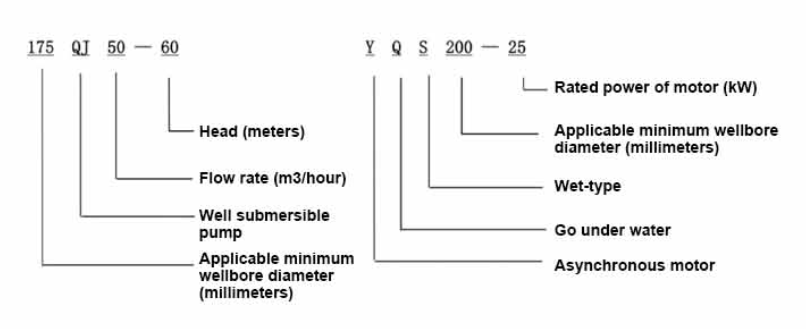
Water-Filled Submersible Pumps
Water-filled submersible pumps, on the other hand, utilize the liquid they are pumping for cooling and lubrication. The motor is directly exposed to the water, and while this can lead to certain efficiencies, it comes with its own set of challenges.
Advantages of Water-Filled Pumps
1. Simplicity and Cost Water-filled pumps generally have a simpler design, making them less expensive and easier to manufacture. This often translates to lower purchase costs for the end user.
2. Lightweight These pumps are typically lighter and more compact, making them easier to transport and install in various settings.
3. Environmentally Friendly There is no risk of oil contamination, making water-filled pumps suitable for applications involving potable water or environmentally sensitive areas.
Disadvantages of Water-Filled Pumps
1. Heat Management Because they rely on the pumped liquid for cooling, they can overheat if the surrounding water temperatures increase or if the pump runs dry.
2. Limited Lifespan The exposure of the motor to water can increase the likelihood of corrosion and wear over time, potentially shortening the lifespan of the pump.
3. Efficiency at Depth The performance of water-filled pumps can decrease at considerable depths, which may limit their use in deep well applications compared to oil-filled models.
Conclusion
In summary, both oil-filled and water-filled submersible pumps have their respective advantages and disadvantages. The decision on which type to use largely depends on the specific application and operational environment. For projects requiring high efficiency and where temperature management is crucial, oil-filled pumps may be the better choice. Conversely, for applications where cost, simplicity, and environmental considerations are paramount, water-filled pumps often present a more suitable alternative.
When selecting a submersible pump, it is essential to evaluate the specific needs of your project, including fluid type, depth of application, and budgetary constraints, to ensure optimal performance and longevity of the equipment.
-
Understanding the Price Submersible Pump and Buyer Guide
NewsApr.16,2026
-
Factors Affecting the Price for Submersible Pump a Buyers Guide
NewsApr.09,2026
-
Choosing the Right Mini Submersible Fountain Pump for Optimal Water Feature Performance
NewsApr.07,2026
-
A Detailed Guide to Installing a Submersible Pump for Optimal Performance
NewsApr.04,2026
-
Comprehensive Guide on How to Test a Submersible Water Well Pump Effectively
NewsMar.31,2026
-
Learn How to Replace a Submersible Well Pump Safely and Effectively
NewsMar.28,2026
-
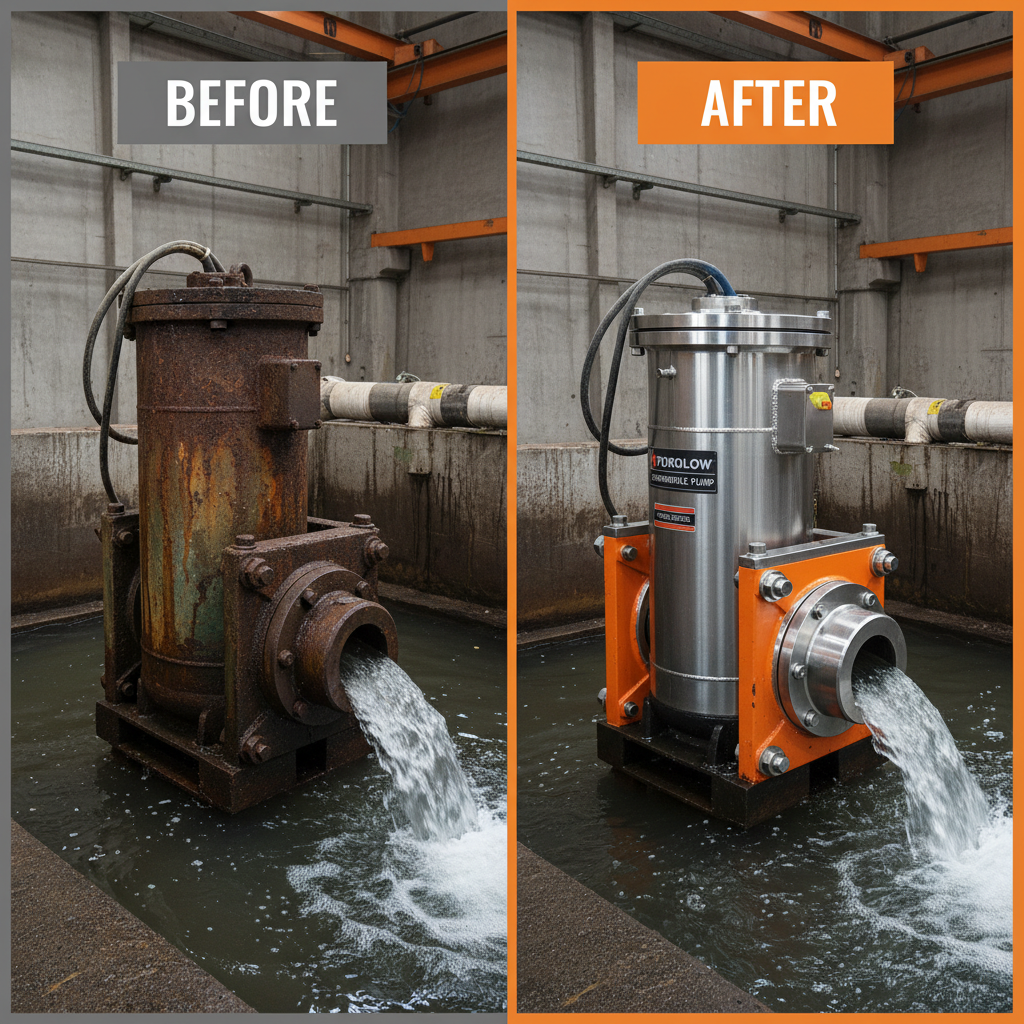 Understanding the Price Submersible Pump and Buyer GuideWhen searching for the ideal water management solution, understanding the price submersible pump options is crucial for balancing budget with performance. Whether you are dealing with a flooded basement, managing agricultural irrigation, or extracting water from a deep well, the cost of a submersible pump can vary significantly based on its build quality and capacity. Investing in a high-quality pump ensures long-term reliability and reduces the frequency of expensive replacements. In this guide, we will break down the factors that influence pricing and help you make an informed decision for your specific needs.Detail
 -
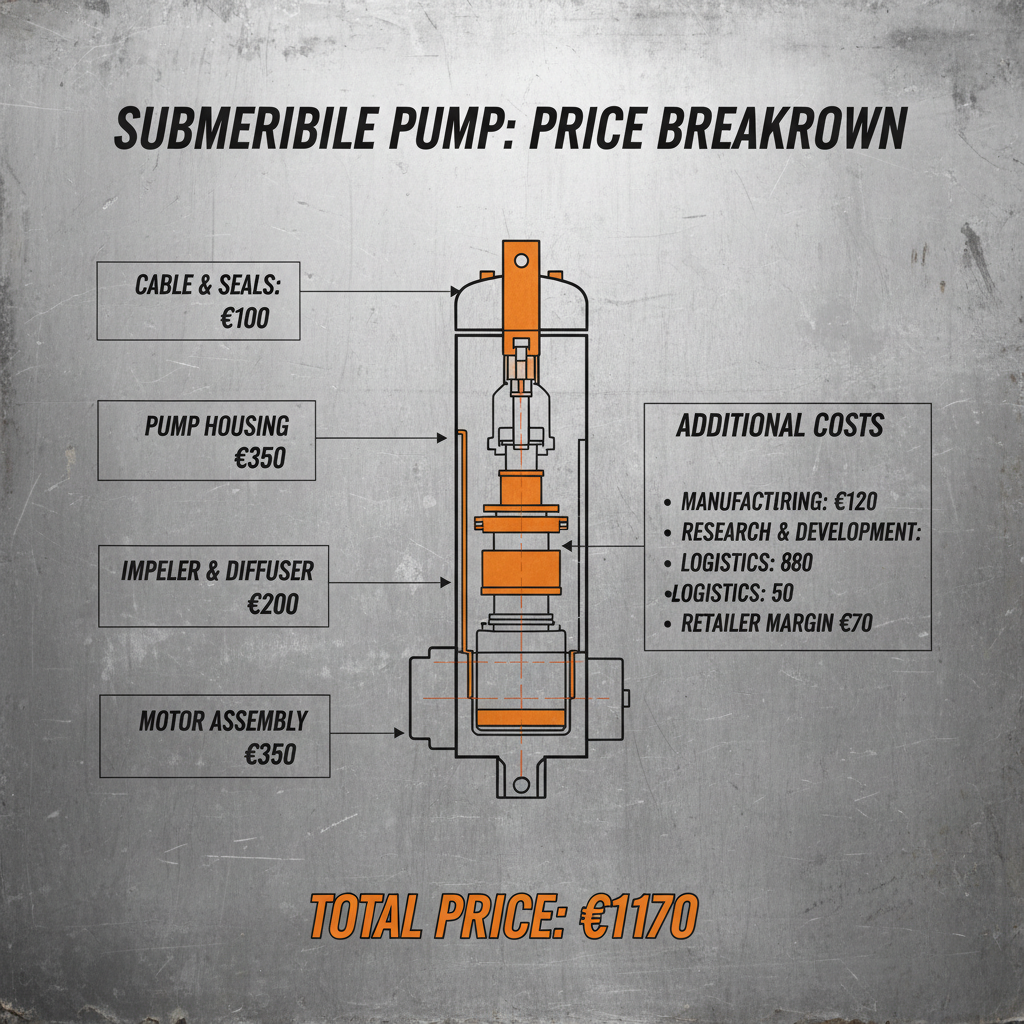 Factors Affecting the Price for Submersible Pump a Buyers GuideWhen investing in water management systems, understanding the price for submersible pump options is essential for balancing performance with budget. Whether you are managing a residential well, an industrial drainage project, or agricultural irrigation, the cost of a pump is rarely a flat fee; it is a reflection of the engineering, materials, and capacity required for your specific environment. In this guide, we will break down the factors that influence pricing and help you determine the best value for your investment to ensure long-term reliability and efficiency.Detail
 -
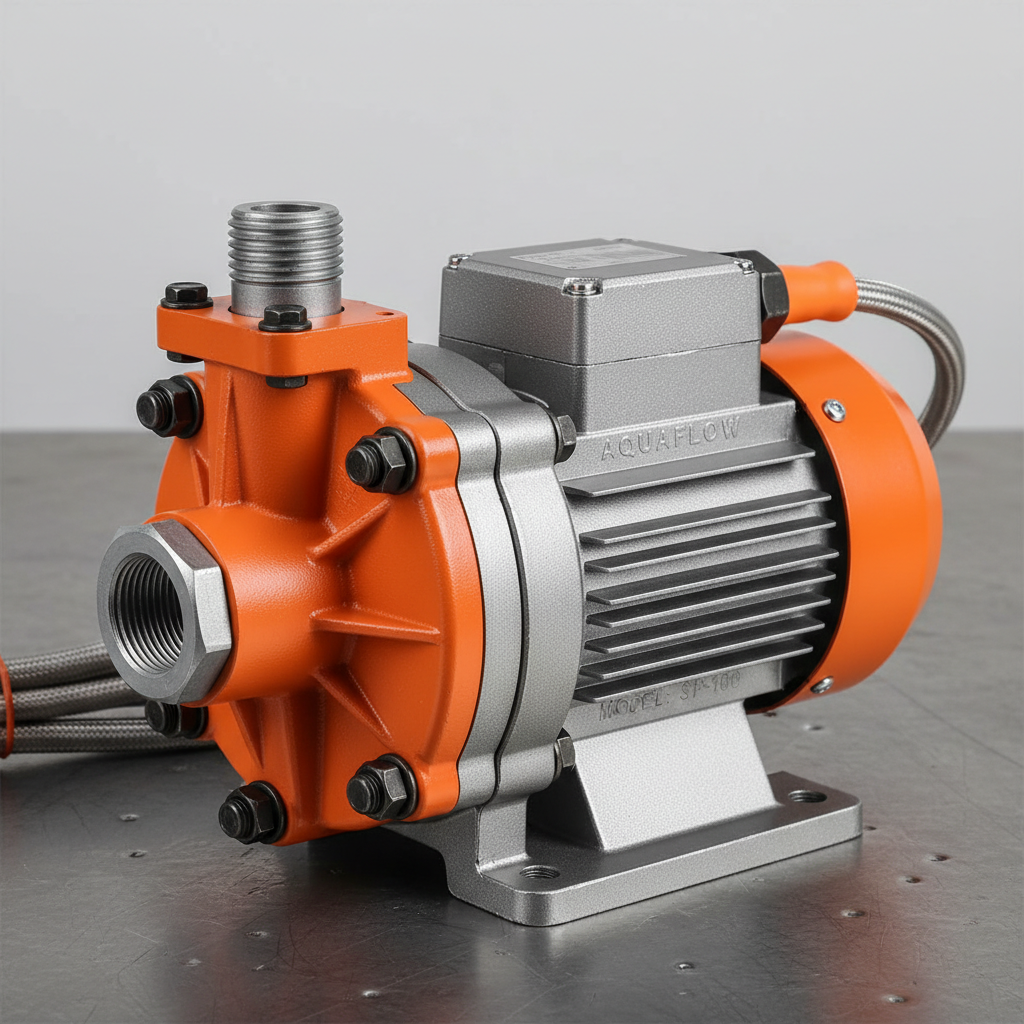 Choosing the Right Mini Submersible Fountain Pump for Optimal Water Feature PerformanceCreating a beautiful and relaxing water feature doesn't have to be complicated. A mini submersible fountain pump is the heart of any indoor or outdoor fountain, and selecting the right one is crucial for optimal performance and longevity. This article will guide you through the key considerations when choosing a mini submersible fountain pump, covering types, features, applications, and how to ensure you get the perfect pump for your project. We’ll also explore how Wellpumpact can provide you with the ideal solution.Detail
 Afrikaans
 Albanian
 Amharic
 Arabic
 Armenian
 Azerbaijani
 Basque
 Belarusian
 Bengali
 Bosnian
 Bulgarian
 Catalan
 Cebuano
 Corsican
 Croatian
 Czech
Czech
 Danish
 Dutch
Dutch
 Esperanto
 Estonian
 Finnish
 French
 Frisian
 Galician
 Georgian
 German
 Greek
Greek
 Gujarati
 Haitian Creole
 Hausa
Hausa
 Hawaiian
 Hebrew
 Hindi
Hindi
 Miao
Miao
 Hungarian
 Icelandic
 Igbo
Igbo
 Indonesian
 Irish
Irish
 Italian
 Japanese
 Javanese
 Kannada
 Kazakh
 Khmer
Khmer
 Rwandese
 Korean
 Kurdish
 Kyrgyz
 Lao
Lao
 Latin
Latin
 Latvian
 Lithuanian
 Luxembourgish
 Macedonian
 Malgashi
 Malay
Malay
 Malayalam
 Maltese
 Maori
Maori
 Marathi
 Mongolian
 Myanmar
 Nepali
 Norwegian
 Norwegian
 Occitan
 Pashto
 Persian
 Polish
 Portuguese
 Punjabi
 Romanian
 Russian
 Samoan
 Scottish Gaelic
 Serbian
 Sesotho
 Shona
Shona
 Sindhi
 Sinhala
 Slovak
 Slovenian
 Somali
 Spanish
 Sundanese
 Swahili
 Swedish
 Tagalog
 Tajik
Tajik
 Tamil
Tamil
 Tatar
Tatar
 Telugu
 Thai
Thai
 Turkish
 Turkmen
 Ukrainian
 Urdu
Urdu
 Uighur
 Uzbek
Uzbek
 Vietnamese
 Welsh
Welsh
 Bantu
Bantu
 Yiddish
 Yoruba
 Zulu
Zulu
 English