
Nov . 24, 2025 19:00 Back to list
Essential Guide to Puddle Pumps: Global Uses, Benefits & Innovations
Unveiling Puddle Pumps: Why They Matter in a Global Context
If you’re not already familiar, puddle pumps might sound niche, but they’re actually a silent hero in water management worldwide. From remote industrial sites to disaster-stricken communities, these compact, robust pumps play a key role in tackling one of humanity's oldest enemies: standing water. Understanding puddle pumps is more than just grasping a piece of hardware—it’s about appreciating a global challenge in water control, infrastructure maintenance, and even public health.
Why does it matter globally? According to the UN, water-related disasters affect hundreds of millions yearly, and standing water ramps up risks like flooding, mosquito-borne diseases, and structural erosion. Puddle pumps provide an efficient, scaled-down solution to manage water accumulation in difficult terrain or tight spaces where bigger pumps just won’t fit.
Mini takeaway: Puddle pumps aren’t just gadgets; they’re essential tools in sustainable water management and emergency response worldwide.
The Growing Importance of Puddle Pumps Globally
The global water pump market is expected to reach $28.6 billion by 2027 (source: MarketWatch), and while large pumps dominate, puddle pumps fill a unique gap. Think of industrial mining sites in Australia, low-lying urban neighborhoods in Southeast Asia, or remote aid projects in sub-Saharan Africa— all places where puddle pumps quietly keep things dry.
Floods and stagnant water pose ongoing challenges for infrastructure and health. The World Health Organization has linked standing water to endemic diseases in over 100 countries. So, puddle pumps address a pressing challenge: how do you efficiently remove small but persistent water accumulations in precarious environments?
In short, puddle pumps provide a niche yet globally relevant solution, a small piece in the vast puzzle of resilient infrastructure.
Mini takeaway: These pumps meet a very specific need in water management that larger systems can’t effectively address.
What Are Puddle Pumps? Breaking Down the Basics
Simply put, puddle pumps are portable, high-efficiency pumping devices designed to remove small accumulations of water—often “puddles” or shallow depressions—that create problems on construction sites, agricultural fields, and in emergency relief zones.
They’re typically compact, lightweight, and built to operate in tight spaces where larger pumps are impractical or too costly. While most pumps in water management aim to move large volumes, puddle pumps specialize in precision and portability.
These devices are essential for modern industry and humanitarian efforts alike. For example, NGOs often deploy puddle pumps in disaster zones to quickly clear floodwater from access roads and temporary camps.
Mini takeaway: Puddle pumps combine portability with power to meet very specific pumping needs, bridging gaps others can’t.
Core Features That Define Puddle Pumps
1. Durability
Puddle pumps must withstand harsh conditions—think gritty mud, debris, unpredictable weather. Many feature corrosion-resistant materials, sealed motors, and rugged casings. This isn’t your run-of-the-mill garden pump; it’s an asset that often works 24/7 until the job is done.
2. Scalability & Portability
Engineers balance power with size, making puddle pumps easy to transport in rugged terrain. You can tote them by hand or load quick-release clamping mechanisms into trucks. Their scalability means they fit a range of volumes—small enough for puddles, yet capable of heavy-duty throughput.
3. Cost Efficiency
Especially for NGOs and small contractors, affordability counts. Puddle pumps are less expensive than large-scale pumps and require less energy, reducing operational costs significantly.
4. Energy Options
Some puddle pumps run on traditional diesel or electric motors. Others integrate battery tech or solar power, which is a game changer in sunny, off-grid locales.
5. Ease of Maintenance
Given the conditions they operate in, puddle pumps are designed for straightforward repair, often with modular components that can be swapped in the field — no specialist needed.
Mini takeaway: Puddle pumps manage to be hardy, efficient, and user-friendly — a trio any field operator deeply appreciates.
Where Are Puddle Pumps Making a Real Difference?
The applications span many industries and regions:
- Disaster Relief: After floods in Southeast Asia, puddle pumps help clear standing water in temporary shelters and transport routes.
- Mining: In Australia and Canada, they assist in dewatering sites where larger pumps can’t reach.
- Agriculture: Drain marshy patches or clear irrigation overflow on farms worldwide.
- Urban Infrastructure: Cities use them to maintain subway entrances, tunnels, and basements prone to seepage.
- Military & Remote Installations: Fast, portable pumps are crucial for camps in demanding environments.
Mini takeaway: Versatility is the name of the game for puddle pumps — from jungles to urban jungles, they’re quietly at work.
Advantages That Extend Beyond the Pump Itself
Besides the obvious, puddle pumps carry real long-term benefits:
- Cost Savings: Lower initial investment plus reduced fuel and maintenance expenses.
- Environmental Sustainability: Alternatives powered by solar reduce carbon footprints, aligning with green goals.
- Improved Safety & Health: Quick removal of pooling water lowers risks of accidents and water-borne illnesses.
- Community Trust and Dignity: In humanitarian scenarios, clean, dry places help restore dignity after disasters.
Frankly, it’s the blend of logical and emotional benefits that makes puddle pumps invaluable in both commercial and humanitarian sectors.
The Future: Innovations Propelling Puddle Pumps Ahead
What’s next? The industry is buzzing about:
- Smart Pumps: Remote monitoring via IoT for predictive maintenance and optimized performance.
- Green Power Integration: Enhanced solar cells and battery packs extending field operation without traditional fuel.
- Lightweight Advanced Materials: Use of composites reducing weight while boosting durability.
- Automated Operation: AI-enabled systems that adjust flow rates dynamically based on environmental sensors.
It feels like puddle pumps will keep shrinking in size but growing in intelligence and eco-friendliness.
Overcoming Challenges: Common Issues and Solutions
Despite their knack for handling awkward water build-up, puddle pumps aren’t magic.
- Clogging: Dirt and debris can jam pumps. The solution? Improved intake filters and self-cleaning impellers.
- Power Supply: Remote areas may lack electricity, but solar and battery innovations bridge the gap.
- Durability Under Stress: Constant exposure wears parts. Modular designs and readily available spares ease repairs.
- Training: Operators sometimes lack field expertise. Vendor-led workshops and digital tutorials are expanding.
Every problem has a corresponding leap forward, if the tech and training keep pace.
Practical FAQs About Puddle Pumps
- Q: How quickly can a puddle pump be deployed in an emergency?
- A: Most puddle pumps are designed for rapid setup, often operational within 15–30 minutes. Their lightweight design and simple connections allow first responders to act fast, crucial in flood situations where delays can be costly.
- Q: Are puddle pumps suitable for saltwater or only freshwater?
- A: Many models feature corrosion-resistant parts enabling use in brackish or saltwater environments. However, regular maintenance is critical to avoid long-term damage.
- Q: Can puddle pumps operate off-grid reliably?
- A: Yes. Battery and solar-powered puddle pumps are specifically developed for remote sites with no grid access. They often have energy-efficient designs maximizing runtime and reducing refueling logistics.
- Q: How do puddle pumps compare cost-wise with traditional pump systems?
- A: Generally, they’re more affordable both upfront and in operations. Smaller size means less fuel and lower maintenance, making them appealing for budget-conscious projects.
- Q: Can NGOs easily import puddle pumps for field projects?
- A: Most reputable suppliers offer international shipping and compliance with import regulations. It’s advised to work with vendors experienced in overseas logistics to avoid delays.
Product Specification Table: Example Puddle Pump Model
| Specification | Model PX300 |
|---|---|
| Max Flow Rate | 350 liters/min |
| Max Head | 15 meters |
| Power Type | Lithium-ion Battery / Solar Compatible |
| Weight | 8.5 kg |
| Material | Composite polymer & stainless steel |
| Estimated Runtime | 6 hours (battery) |
Vendor Comparison: Leading Puddle Pump Providers
| Feature / Vendor | PumpCo | AquaTech | HydroSwift |
|---|---|---|---|
| Battery Options | Yes (Lithium-ion) | No, Diesel/Electric Only | Yes (Solar Hybrid) |
| Average Price (USD) | $1,500 | $1,200 | $1,750 |
| Weight | 9 kg | 11 kg | 8.2 kg |
| Warranty | 3 Years | 2 Years | 3 Years |
| Global Shipping | Yes | Limited | Yes |
Looking Ahead and Wrapping Up
In summary, puddle pumps may seem like humble workhorses, but their role is increasingly vital in a world grappling with water challenges on multiple fronts. The ability to deploy rugged, portable pumping solutions quickly and efficiently supports everything from disaster resilience to industrial operations.
For anyone working in water management, relief, agriculture, or urban maintenance, keeping an eye on innovations in puddle pump technology is a smart move — especially as green energy and automation start to redefine the field.
To dive deeper and explore top-tier puddle pumps that fit your needs, visit our website and browse our latest offerings.
References & Further Reading
-
Understanding the Price Submersible Pump and Buyer Guide
NewsApr.16,2026
-
Factors Affecting the Price for Submersible Pump a Buyers Guide
NewsApr.09,2026
-
Choosing the Right Mini Submersible Fountain Pump for Optimal Water Feature Performance
NewsApr.07,2026
-
A Detailed Guide to Installing a Submersible Pump for Optimal Performance
NewsApr.04,2026
-
Comprehensive Guide on How to Test a Submersible Water Well Pump Effectively
NewsMar.31,2026
-
Learn How to Replace a Submersible Well Pump Safely and Effectively
NewsMar.28,2026
-
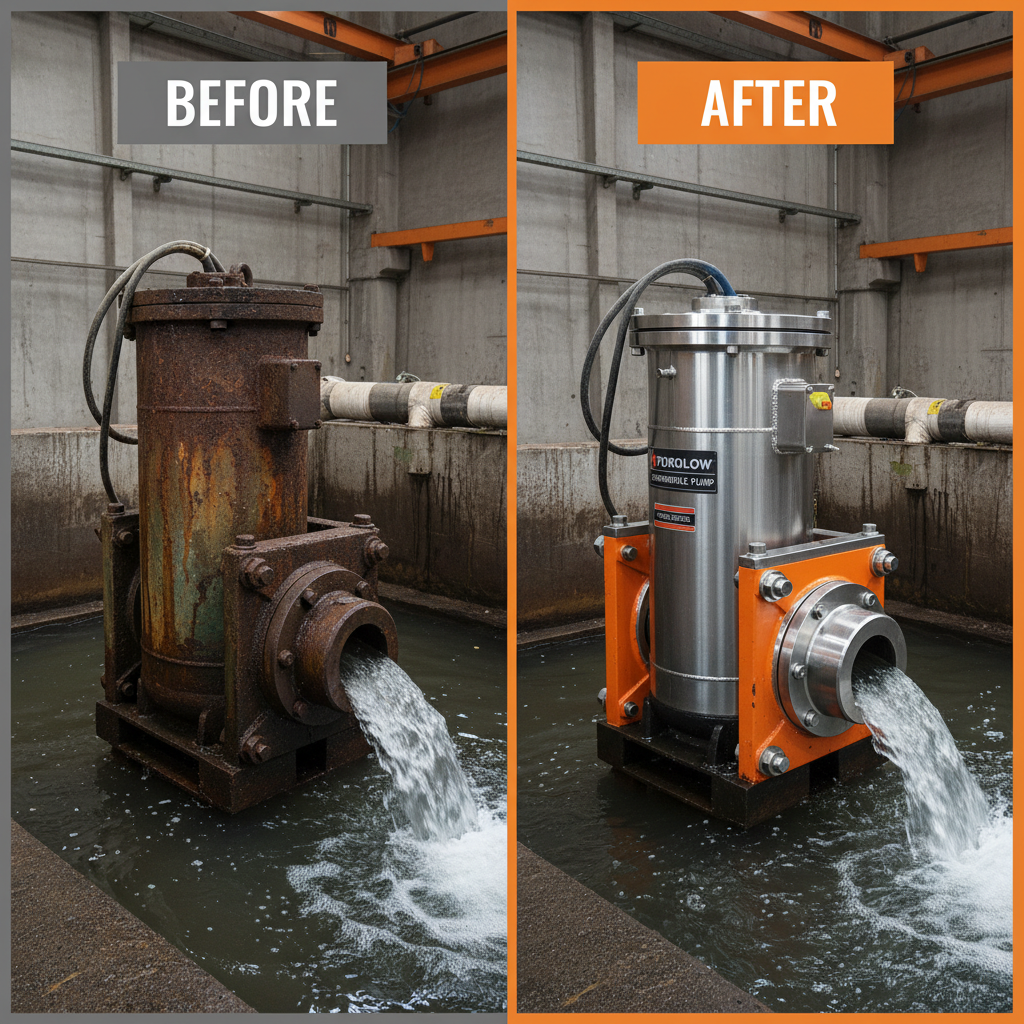 Understanding the Price Submersible Pump and Buyer GuideWhen searching for the ideal water management solution, understanding the price submersible pump options is crucial for balancing budget with performance. Whether you are dealing with a flooded basement, managing agricultural irrigation, or extracting water from a deep well, the cost of a submersible pump can vary significantly based on its build quality and capacity. Investing in a high-quality pump ensures long-term reliability and reduces the frequency of expensive replacements. In this guide, we will break down the factors that influence pricing and help you make an informed decision for your specific needs.Detail
 -
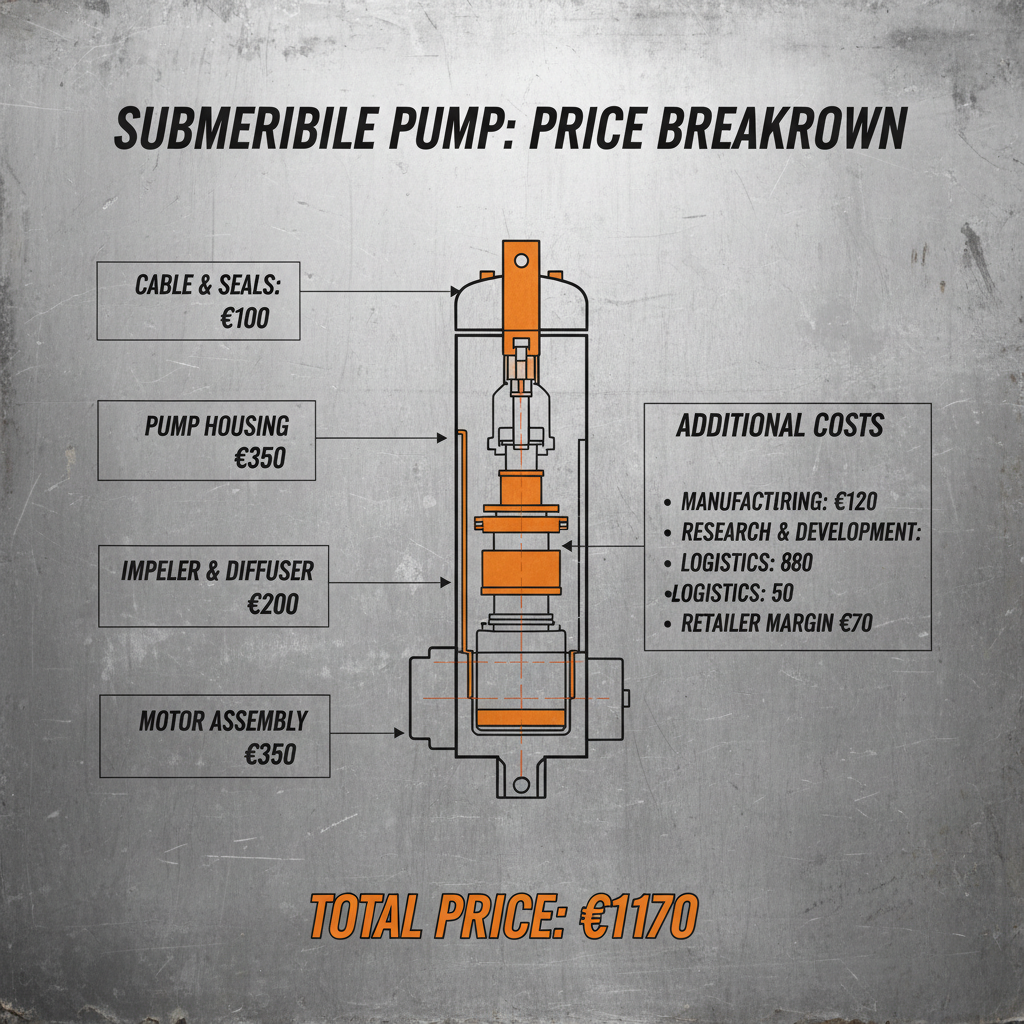 Factors Affecting the Price for Submersible Pump a Buyers GuideWhen investing in water management systems, understanding the price for submersible pump options is essential for balancing performance with budget. Whether you are managing a residential well, an industrial drainage project, or agricultural irrigation, the cost of a pump is rarely a flat fee; it is a reflection of the engineering, materials, and capacity required for your specific environment. In this guide, we will break down the factors that influence pricing and help you determine the best value for your investment to ensure long-term reliability and efficiency.Detail
 -
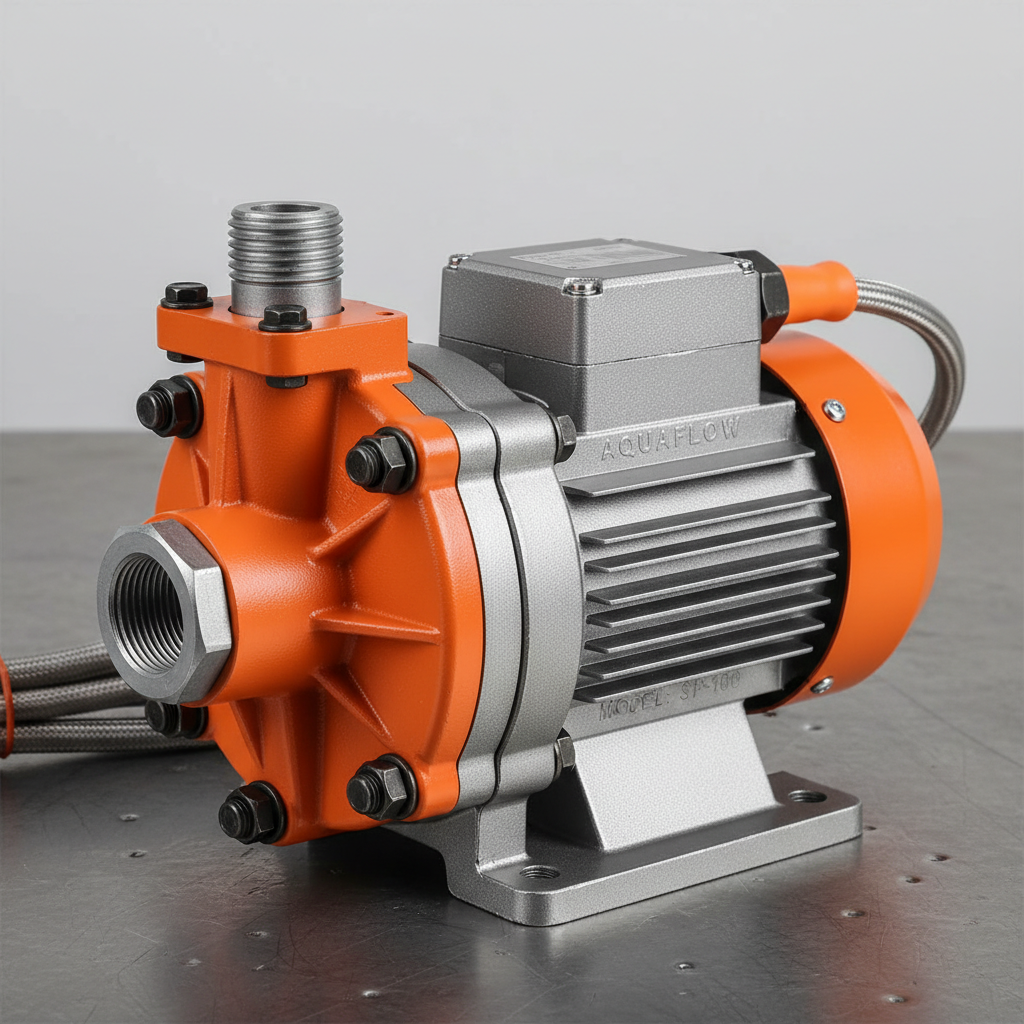 Choosing the Right Mini Submersible Fountain Pump for Optimal Water Feature PerformanceCreating a beautiful and relaxing water feature doesn't have to be complicated. A mini submersible fountain pump is the heart of any indoor or outdoor fountain, and selecting the right one is crucial for optimal performance and longevity. This article will guide you through the key considerations when choosing a mini submersible fountain pump, covering types, features, applications, and how to ensure you get the perfect pump for your project. We’ll also explore how Wellpumpact can provide you with the ideal solution.Detail
 Afrikaans
 Albanian
 Amharic
 Arabic
 Armenian
 Azerbaijani
 Basque
 Belarusian
 Bengali
 Bosnian
 Bulgarian
 Catalan
 Cebuano
 Corsican
 Croatian
 Czech
Czech
 Danish
 Dutch
Dutch
 Esperanto
 Estonian
 Finnish
 French
 Frisian
 Galician
 Georgian
 German
 Greek
Greek
 Gujarati
 Haitian Creole
 Hausa
Hausa
 Hawaiian
 Hebrew
 Hindi
Hindi
 Miao
Miao
 Hungarian
 Icelandic
 Igbo
Igbo
 Indonesian
 Irish
Irish
 Italian
 Japanese
 Javanese
 Kannada
 Kazakh
 Khmer
Khmer
 Rwandese
 Korean
 Kurdish
 Kyrgyz
 Lao
Lao
 Latin
Latin
 Latvian
 Lithuanian
 Luxembourgish
 Macedonian
 Malgashi
 Malay
Malay
 Malayalam
 Maltese
 Maori
Maori
 Marathi
 Mongolian
 Myanmar
 Nepali
 Norwegian
 Norwegian
 Occitan
 Pashto
 Persian
 Polish
 Portuguese
 Punjabi
 Romanian
 Russian
 Samoan
 Scottish Gaelic
 Serbian
 Sesotho
 Shona
Shona
 Sindhi
 Sinhala
 Slovak
 Slovenian
 Somali
 Spanish
 Sundanese
 Swahili
 Swedish
 Tagalog
 Tajik
Tajik
 Tamil
Tamil
 Tatar
Tatar
 Telugu
 Thai
Thai
 Turkish
 Turkmen
 Ukrainian
 Urdu
Urdu
 Uighur
 Uzbek
Uzbek
 Vietnamese
 Welsh
Welsh
 Bantu
Bantu
 Yiddish
 Yoruba
 Zulu
Zulu
 English