
Dec . 07, 2025 16:55 Back to list
Understanding 4 Submersible Pumps: Efficiency, Applications & Future Trends
4 Submersible Pump: A Vital Tool for Global Water Management
When we talk about water extraction and management, 4 submersible pump systems often come up as a reliable, efficient solution. These underwater workhorses quietly power essential services—from agricultural irrigation fields in India to emergency relief efforts in drought-hit East Africa. Oddly enough, the technology behind these pumps feels both simple yet so crucial on a global scale. Understanding it doesn’t just benefit engineers but anyone invested in sustainable water use or humanitarian aid.
Why the 4 Submersible Pump Matters Globally
Around 2.2 billion people worldwide lack access to safely managed drinking water sources (WHO/UNICEF Joint Monitoring Programme, 2023). Submersible pumps are part of tackling this challenge—they power deep borehole extraction where surface water is scarce or contaminated. The specific design of the 4 submersible pump category often indicates units tailored for moderate flow and pressure needs, which fits many domestic, agricultural, and light industrial applications. Frankly, without such technology, many regions would face serious hurdles just to move water effectively from underground sources.
Defining a 4 Submersible Pump
So, what exactly is a 4 submersible pump? In essence, it’s a pumping device fully submerged in the liquid it moves—usually water. The "4" here often denotes either a model series or a capacity range suited for certain flow rates and power inputs, depending on the manufacturer. You can picture it as a sealed electric pump ready to operate under the water surface, pushing water upwards through attached pipes.
This type of pump is integral to modern industry and humanitarian needs alike because it minimizes contamination risks, reduces noise, and avoids priming issues common with surface pumps.
Core Components and Key Features
1. Durability
These pumps are engineered for underwater operation, so corrosion resistance is a must. Materials like stainless steel and specialized polymers prevent rust, especially critical in saline or chemically variable environments.
2. Motor Efficiency
High efficiency motors reduce power consumption—a huge plus for off-grid or solar-powered installations. Many modern designs incorporate brushless or sealed motors optimized for continuous use.
3. Compactness & Scalability
The "4" model often reflects a size that fits both small-scale farming and urban water supply. This adaptability lets operators scale their deployment without switching technologies.
4. Installation Flexibility
Submersible pumps are easy to install inside a well or reservoir, eliminating the need for complicated surface setups—ideal in crowded or difficult terrain.
Product Specification Snapshot
| Feature | Typical 4 Submersible Pump Specs |
|---|---|
| Flow Rate | 4-6 m³/hour |
| Power Consumption | 0.75-1.1 kW |
| Max Depth | 50-100 meters |
| Material | Stainless Steel with Polymers |
| Weight | Around 25-35 kg |
Global Applications of 4 Submersible Pumps
Around the world, these pumps quietly sustain daily life and industry. In parts of Asia, such as Bangladesh and India, submersible pumps irrigate smallholder farms, supporting food security. In Africa, NGOs use them extensively for borehole water extraction during drought relief programs—saving countless lives. In urban settings, many municipalities rely on compact submersibles for pressure boosting or sewage pumping.
- Post-disaster relief: Quick deployment in flooded or drought-affected zones.
- Remote industrial zones: Access to underground water where surface sources lack.
- Rural households: Providing sustainable, low-maintenance water supply.
4 submersible pump technologies continue to evolve partly because of these diverse uses; manufacturers learn on the ground about what works best in real conditions.
Advantages and Long-Term Value
What makes the 4 submersible pump so valuable? For starters, reliability. The pumps are designed for continuous operation, often unattended. That means fewer maintenance headaches for users—a winning feature in low-resource regions.
Cost-wise, although initial expenses might seem higher than surface pumps, the long-term savings from energy efficiency and durability balance out – and then some. Beyond economics, these pumps support dignity—clean water access means better health, less time spent fetching water, and improved sanitation standards.
Vendor Comparison for 4 Submersible Pumps
| Vendor | Power Range (kW) | Material Quality | Warranty | Typical Price Range |
|---|---|---|---|---|
| AquaFlow Corp. | 0.75 - 1.1 | 316 Stainless Steel | 2 Years | $450 - $700 |
| HydroPump Ltd. | 0.9 - 1.2 | High-Grade Polymer Composite | 3 Years | $480 - $720 |
| EcoStream Solutions | 0.7 - 1.0 | Stainless Steel & ABS | 1.5 Years | $420 - $680 |
Future Trends & Innovations in 4 Submersible Pumps
Innovations such as solar-powered submersible pumps are gaining traction, reducing reliance on costly or unavailable electricity grids. Smart sensors that monitor performance remotely also promise to cut down downtime. From materials perspective, biodegradable and eco-friendly plastics could complement stainless steel for cost reduction without compromising durability.
Digital automation—think IoT-enabled pumps that self-adjust flow based on water table depth—will redefine efficiency in the near future. Oddly enough, these seemingly “basic” pumps are becoming a canvas for cutting-edge tech that helps tackle water scarcity and climate change adaptation.
Challenges & How to Overcome Them
Despite many advantages, using 4 submersible pump units comes with challenges. Electrical failures due to water ingress, cost barriers for small communities, and maintenance bottlenecks are commonly reported. However, training local technicians and integrating simple remote diagnostics can mitigate much of this.
Furthermore, smart design choices—like sealed cable entries and corrosion-proof coatings—are improving lifespan and reliability, which frankly is key to long-term water security.
FAQ: Common Questions About 4 Submersible Pumps
-
Q: How deep can a typical 4 submersible pump operate?
A: Most range comfortably between 50 to 100 meters, depending on model and power. This suits most domestic wells and agricultural boreholes. -
Q: Can these pumps run on solar power?
A: Yes, many 4 submersible pumps are compatible with solar-powered setups, especially those with efficient motors designed for variable power inputs. -
Q: How often should maintenance happen?
A: Generally, an inspection every 6 months to a year, including checking seals and electrical connections, helps avoid unexpected failures. -
Q: Are 4 submersible pumps suitable for saltwater?
A: Some models with specialized corrosion-resistant materials are suitable for brackish or slightly saline water, but pure seawater may cause faster wear.
In Conclusion: Why 4 Submersible Pumps Deserve Your Attention
The steady, silent work of a 4 submersible pump continues to sustain millions worldwide. Whether you’re in agriculture, remote water supply, or emergency response, these pumps represent a blend of engineering reliability and social impact. Investing in good design, local capacity building, and embracing future tech means better water access today and tomorrow.
For more insights, solutions, and detailed product options, visit our website: www.wellpumpact.com.
Mini takeaway: Sustainable water pumping solutions like the 4 submersible pump are quietly revolutionary—powering resilience, health, and growth worldwide.
- WHO/UNICEF Joint Monitoring Programme for Water Supply, Sanitation and Hygiene, 2023.
- Wikipedia: Submersible pump
- International Organization for Standardization (ISO)
-
Understanding the Price Submersible Pump and Buyer Guide
NewsApr.16,2026
-
Factors Affecting the Price for Submersible Pump a Buyers Guide
NewsApr.09,2026
-
Choosing the Right Mini Submersible Fountain Pump for Optimal Water Feature Performance
NewsApr.07,2026
-
A Detailed Guide to Installing a Submersible Pump for Optimal Performance
NewsApr.04,2026
-
Comprehensive Guide on How to Test a Submersible Water Well Pump Effectively
NewsMar.31,2026
-
Learn How to Replace a Submersible Well Pump Safely and Effectively
NewsMar.28,2026
-
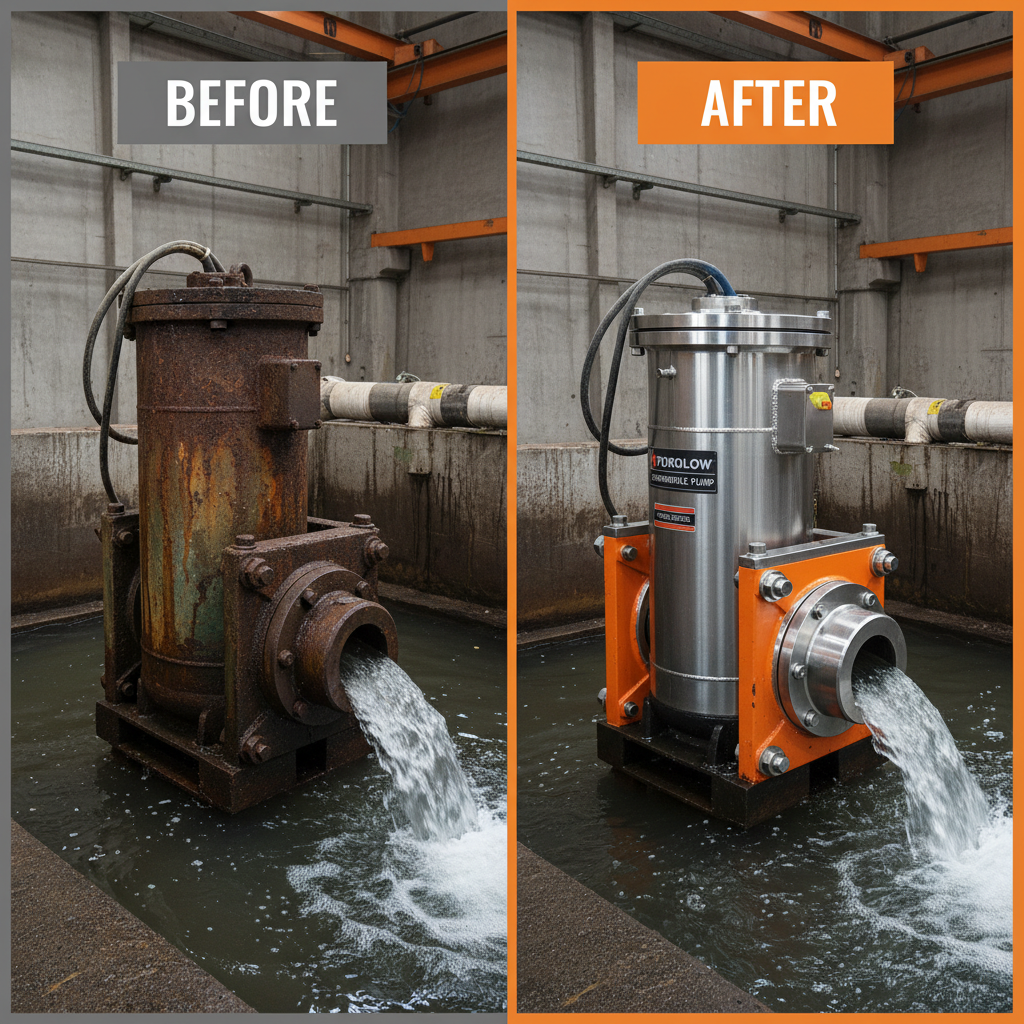 Understanding the Price Submersible Pump and Buyer GuideWhen searching for the ideal water management solution, understanding the price submersible pump options is crucial for balancing budget with performance. Whether you are dealing with a flooded basement, managing agricultural irrigation, or extracting water from a deep well, the cost of a submersible pump can vary significantly based on its build quality and capacity. Investing in a high-quality pump ensures long-term reliability and reduces the frequency of expensive replacements. In this guide, we will break down the factors that influence pricing and help you make an informed decision for your specific needs.Detail
 -
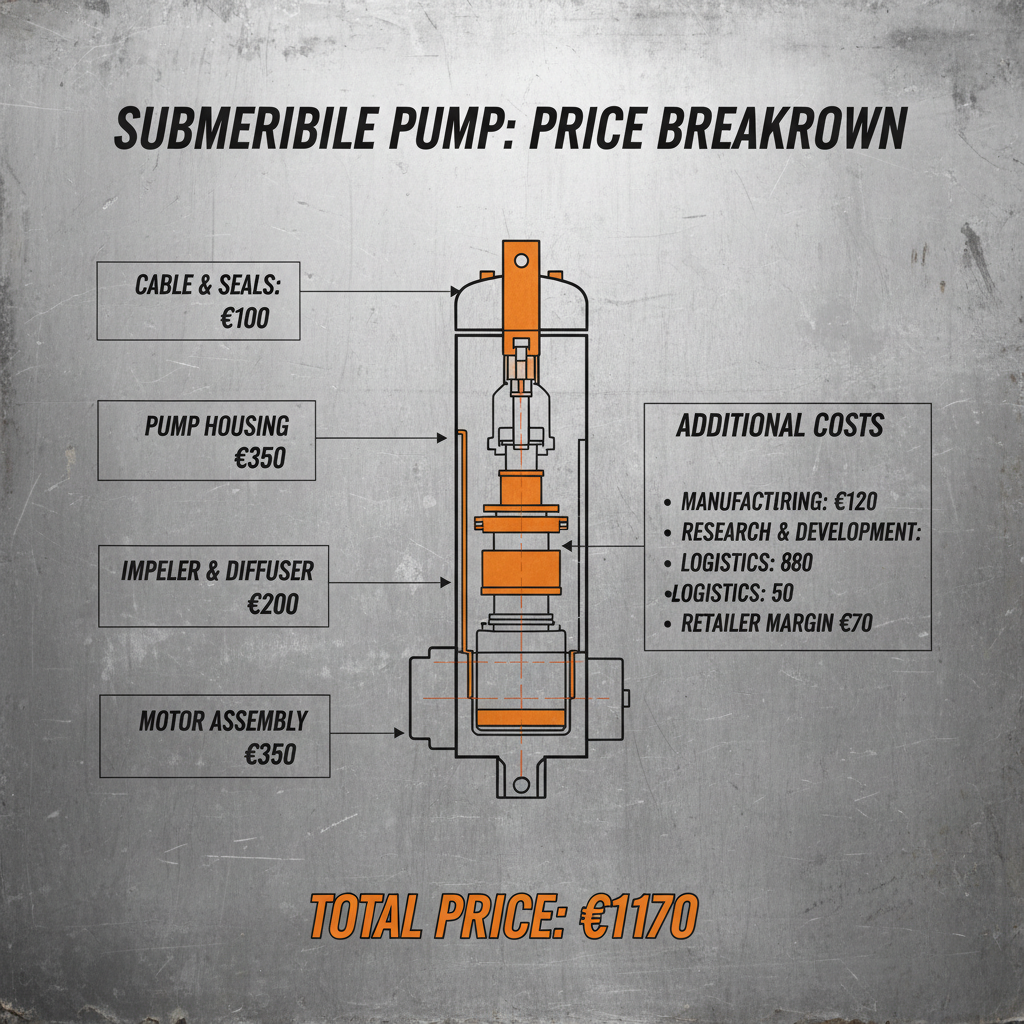 Factors Affecting the Price for Submersible Pump a Buyers GuideWhen investing in water management systems, understanding the price for submersible pump options is essential for balancing performance with budget. Whether you are managing a residential well, an industrial drainage project, or agricultural irrigation, the cost of a pump is rarely a flat fee; it is a reflection of the engineering, materials, and capacity required for your specific environment. In this guide, we will break down the factors that influence pricing and help you determine the best value for your investment to ensure long-term reliability and efficiency.Detail
 -
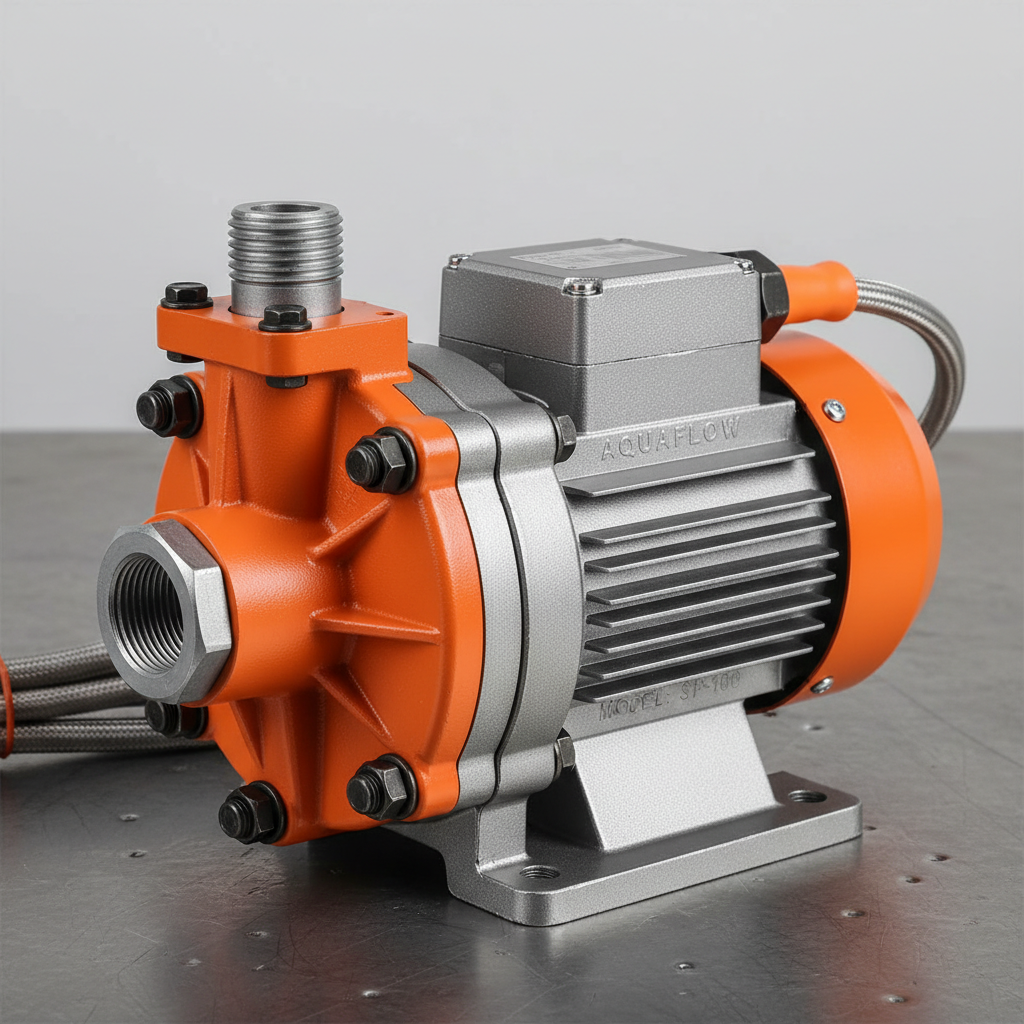 Choosing the Right Mini Submersible Fountain Pump for Optimal Water Feature PerformanceCreating a beautiful and relaxing water feature doesn't have to be complicated. A mini submersible fountain pump is the heart of any indoor or outdoor fountain, and selecting the right one is crucial for optimal performance and longevity. This article will guide you through the key considerations when choosing a mini submersible fountain pump, covering types, features, applications, and how to ensure you get the perfect pump for your project. We’ll also explore how Wellpumpact can provide you with the ideal solution.Detail
 Afrikaans
 Albanian
 Amharic
 Arabic
 Armenian
 Azerbaijani
 Basque
 Belarusian
 Bengali
 Bosnian
 Bulgarian
 Catalan
 Cebuano
 Corsican
 Croatian
 Czech
Czech
 Danish
 Dutch
Dutch
 Esperanto
 Estonian
 Finnish
 French
 Frisian
 Galician
 Georgian
 German
 Greek
Greek
 Gujarati
 Haitian Creole
 Hausa
Hausa
 Hawaiian
 Hebrew
 Hindi
Hindi
 Miao
Miao
 Hungarian
 Icelandic
 Igbo
Igbo
 Indonesian
 Irish
Irish
 Italian
 Japanese
 Javanese
 Kannada
 Kazakh
 Khmer
Khmer
 Rwandese
 Korean
 Kurdish
 Kyrgyz
 Lao
Lao
 Latin
Latin
 Latvian
 Lithuanian
 Luxembourgish
 Macedonian
 Malgashi
 Malay
Malay
 Malayalam
 Maltese
 Maori
Maori
 Marathi
 Mongolian
 Myanmar
 Nepali
 Norwegian
 Norwegian
 Occitan
 Pashto
 Persian
 Polish
 Portuguese
 Punjabi
 Romanian
 Russian
 Samoan
 Scottish Gaelic
 Serbian
 Sesotho
 Shona
Shona
 Sindhi
 Sinhala
 Slovak
 Slovenian
 Somali
 Spanish
 Sundanese
 Swahili
 Swedish
 Tagalog
 Tajik
Tajik
 Tamil
Tamil
 Tatar
Tatar
 Telugu
 Thai
Thai
 Turkish
 Turkmen
 Ukrainian
 Urdu
Urdu
 Uighur
 Uzbek
Uzbek
 Vietnamese
 Welsh
Welsh
 Bantu
Bantu
 Yiddish
 Yoruba
 Zulu
Zulu
 English