
Nov . 11, 2025 20:00 Back to list
Expert Tips for Submersible Deep Well Pump Installation
Getting to Know Submersible Deep Well Pump Installation
After spending more than a decade in the industrial equipment sector, particularly with water well systems, I’ve learned there’s a bit more art to submersible deep well pump installation than just dropping a pump in a hole. It’s about understanding how the specs match your well’s unique parameters, anticipating challenges in the field, and frankly, having that gut instinct from experience.
Why Proper Installation Matters: Beyond the Manual
Sure, you can follow a manual step-by-step, and often I recommend doing just that. But each site is subtly different. I’ve seen pumps installed the right way but still underperform because the local water table was underestimated or the motor specs didn’t quite match the pump depth. It reminds me of a project in Nebraska where an otherwise solid pump became a headache simply due to skipped voltage checks. Details matter.
Installing a submersible deep well pump isn’t just about dropping it into the water. It’s about precision around pipe alignment, cable protection, and ensuring the pump is suspended at just the right depth—usually about 25 feet above the well bottom to avoid sediment suction, though sometimes that measurement shifts. Of course, local water chemistry and temperature changes are factors too — oddly enough, warmer water can help but sometimes results in scaling that ruins pump efficiency if you’re not careful.
Key Specification Considerations for Submersible Pumps
From my hands-on days and conversations with engineers, a few specs always stand out as crucial:
- Horsepower (HP): Essential for knowing the pump’s power, especially when lifting water from deep wells exceeding 200 feet.
- Flow Rate (GPM): Gallons per minute demand usually governs what kind of motor you need — high flow might be great, but it can be a problem if the well can’t keep up.
- Voltage and Phase: Single vs. three-phase power can impact efficiency and longevity — I’ve noticed industrial sites favor three-phase almost universally.
- Discharge Size: The pipe diameter affects flow efficiency and pressure losses — just a 1-inch change can make a notable difference.
- Maximum Depth: Depth rating tells you what sucker-rod load the pump can handle and indirectly how durable the motor’s insulation is.
Here’s a sample specs table to get a feel for typical submersible pump models I usually recommend:
| Model | Horsepower (HP) | Max Depth (feet) | Flow Rate (GPM) | Voltage | Discharge Size (inches) |
|---|---|---|---|---|---|
| AquaPro 5500 | 5 | 350 | 40 | 230V / 3-Phase | 4 |
| DeepFlow D600 | 6 | 400 | 50 | 460V / 3-Phase | 6 |
| H2ORes QX4 | 4 | 280 | 35 | 230V / 1-Phase | 3 |
Vendor Comparison: Picking a Reliable Submersible Pump Partner
In the field, I’ve dealt with a handful of vendors. Some stand out with consistent quality, others... well, not so much. For those starting out, here’s a quick rundown I keep bookmarked from firsthand projects:
| Vendor | Product Range | Warranty | Customer Support | Typical Lead Time |
|---|---|---|---|---|
| WellPump Pro | Wide variety (3HP-15HP) | 2 years | Responsive, knowledgeable | 2 weeks |
| HydroTech Supplies | Mid-range (4HP-10HP) | 1 year | Good but slow on weekends | 3 weeks |
| Aqua Dynamics | Premium line (5HP-20HP) | 3 years | Excellent, 24/7 support | 1-2 weeks |
What’s invaluable here is building a relationship with your supplier. In one long-haul job, I remember how the pump vendor’s rapid support during a tight project deadline saved the day. A simple supply delay could have tanked two weeks of work.
Installation Tips from the Field
- Always start with a thorough inspection of the well casing and ensure the well depth measurement is spot-on.
- Double-check power availability and match motor specifications with the power supply—no surprises there.
- Protect those electrical cables with proper conduit to avoid moisture and abrasion damage — water is sneaky.
- Suspend the pump properly. Too low and sediment gets in; too high and you lose efficiency.
- Test the pump at varying loads early to catch any hiccups before finalizing the installation.
Oddly enough, the “last inch” during installation, meaning the final drop and alignment in the well, is where patience and calm really pay off. It’s a quiet moment, sure, but one you can’t rush.
In short, if you keep these points in mind and rely on reliable specs and vendors, your submersible deep well pump installation will be smoother and set the stage for years of dependable operation.
Final Thoughts
When it comes down to it, each installation is unique — and that’s part of the job’s charm. Getting to understand the quirks of a well site, matching it thoughtfully to pump specs and vendor offerings, is what makes this industry rewarding to me. And if you ask any seasoned engineer, they’ll probably say the same: knowing your gear inside out is half the battle; the other half is real-world intuition.
References and thoughts:
- Field notes from various water well projects (2010–2023)
- Vendor datasheets and user manuals, personal collection
- Conversations with pump installation experts, informal interviews
-
Understanding the Price Submersible Pump and Buyer Guide
NewsApr.16,2026
-
Factors Affecting the Price for Submersible Pump a Buyers Guide
NewsApr.09,2026
-
Choosing the Right Mini Submersible Fountain Pump for Optimal Water Feature Performance
NewsApr.07,2026
-
A Detailed Guide to Installing a Submersible Pump for Optimal Performance
NewsApr.04,2026
-
Comprehensive Guide on How to Test a Submersible Water Well Pump Effectively
NewsMar.31,2026
-
Learn How to Replace a Submersible Well Pump Safely and Effectively
NewsMar.28,2026
-
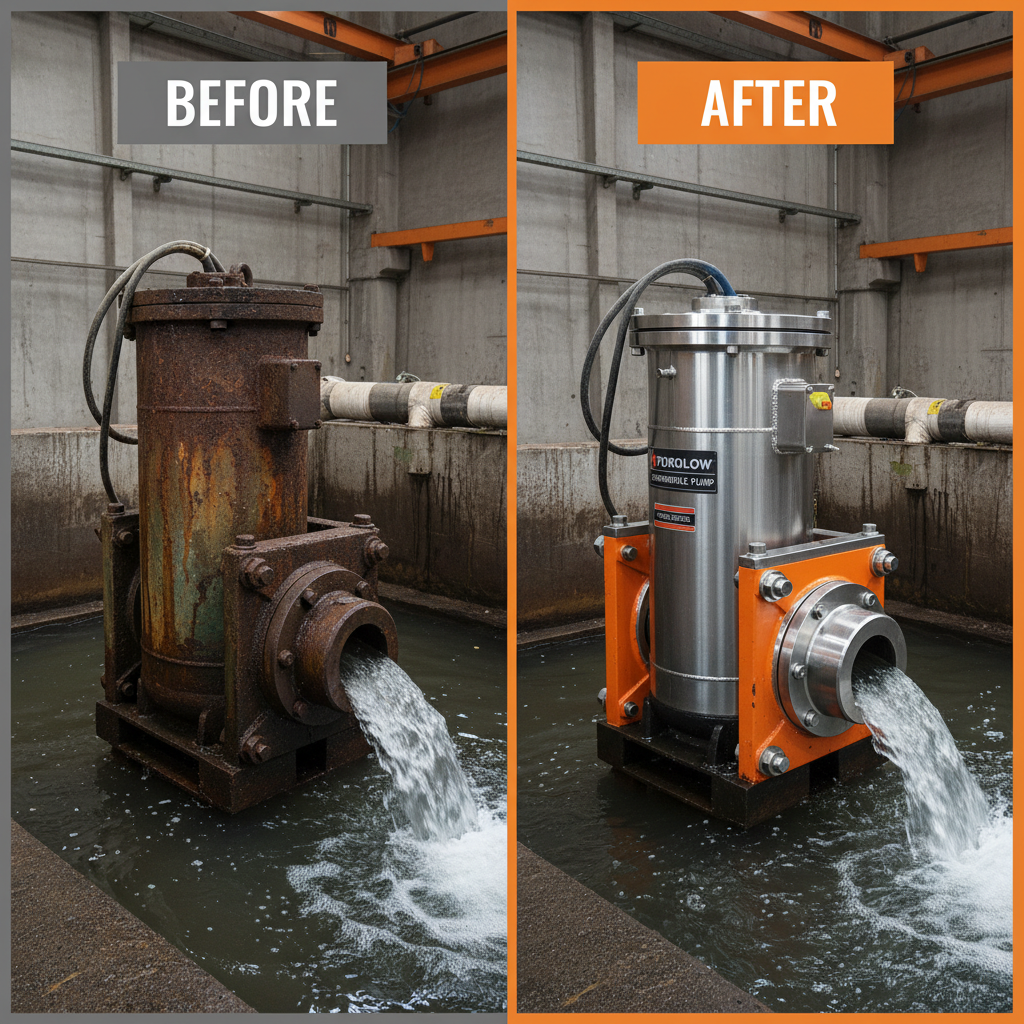 Understanding the Price Submersible Pump and Buyer GuideWhen searching for the ideal water management solution, understanding the price submersible pump options is crucial for balancing budget with performance. Whether you are dealing with a flooded basement, managing agricultural irrigation, or extracting water from a deep well, the cost of a submersible pump can vary significantly based on its build quality and capacity. Investing in a high-quality pump ensures long-term reliability and reduces the frequency of expensive replacements. In this guide, we will break down the factors that influence pricing and help you make an informed decision for your specific needs.Detail
 -
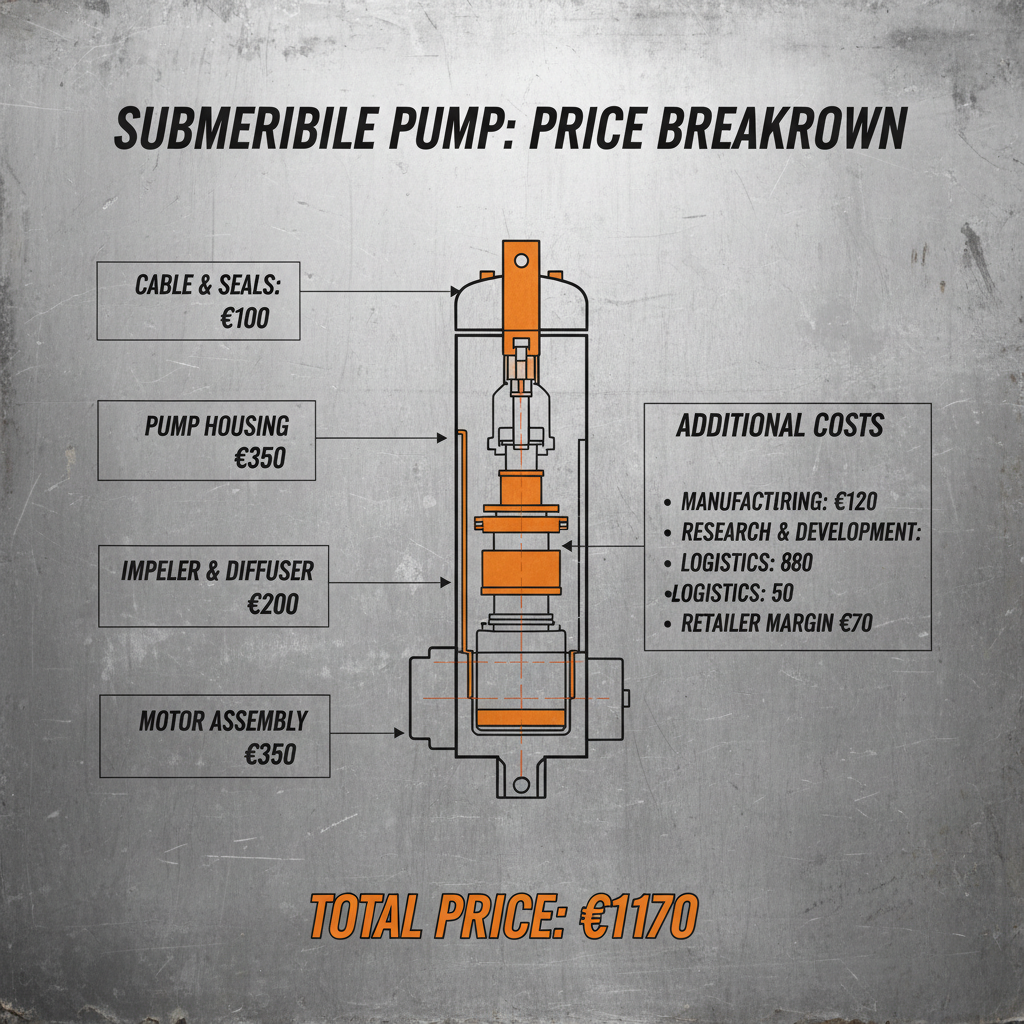 Factors Affecting the Price for Submersible Pump a Buyers GuideWhen investing in water management systems, understanding the price for submersible pump options is essential for balancing performance with budget. Whether you are managing a residential well, an industrial drainage project, or agricultural irrigation, the cost of a pump is rarely a flat fee; it is a reflection of the engineering, materials, and capacity required for your specific environment. In this guide, we will break down the factors that influence pricing and help you determine the best value for your investment to ensure long-term reliability and efficiency.Detail
 -
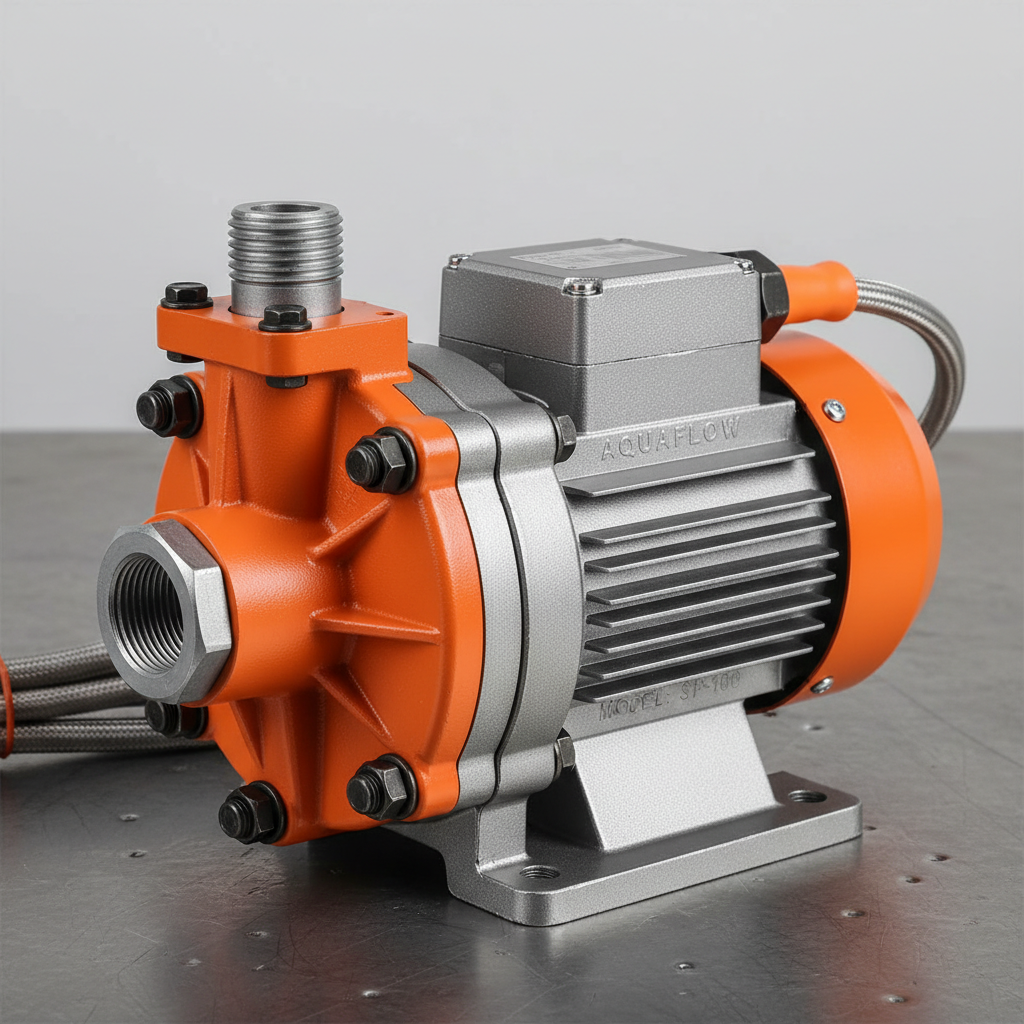 Choosing the Right Mini Submersible Fountain Pump for Optimal Water Feature PerformanceCreating a beautiful and relaxing water feature doesn't have to be complicated. A mini submersible fountain pump is the heart of any indoor or outdoor fountain, and selecting the right one is crucial for optimal performance and longevity. This article will guide you through the key considerations when choosing a mini submersible fountain pump, covering types, features, applications, and how to ensure you get the perfect pump for your project. We’ll also explore how Wellpumpact can provide you with the ideal solution.Detail
 Afrikaans
 Albanian
 Amharic
 Arabic
 Armenian
 Azerbaijani
 Basque
 Belarusian
 Bengali
 Bosnian
 Bulgarian
 Catalan
 Cebuano
 Corsican
 Croatian
 Czech
Czech
 Danish
 Dutch
Dutch
 Esperanto
 Estonian
 Finnish
 French
 Frisian
 Galician
 Georgian
 German
 Greek
Greek
 Gujarati
 Haitian Creole
 Hausa
Hausa
 Hawaiian
 Hebrew
 Hindi
Hindi
 Miao
Miao
 Hungarian
 Icelandic
 Igbo
Igbo
 Indonesian
 Irish
Irish
 Italian
 Japanese
 Javanese
 Kannada
 Kazakh
 Khmer
Khmer
 Rwandese
 Korean
 Kurdish
 Kyrgyz
 Lao
Lao
 Latin
Latin
 Latvian
 Lithuanian
 Luxembourgish
 Macedonian
 Malgashi
 Malay
Malay
 Malayalam
 Maltese
 Maori
Maori
 Marathi
 Mongolian
 Myanmar
 Nepali
 Norwegian
 Norwegian
 Occitan
 Pashto
 Persian
 Polish
 Portuguese
 Punjabi
 Romanian
 Russian
 Samoan
 Scottish Gaelic
 Serbian
 Sesotho
 Shona
Shona
 Sindhi
 Sinhala
 Slovak
 Slovenian
 Somali
 Spanish
 Sundanese
 Swahili
 Swedish
 Tagalog
 Tajik
Tajik
 Tamil
Tamil
 Tatar
Tatar
 Telugu
 Thai
Thai
 Turkish
 Turkmen
 Ukrainian
 Urdu
Urdu
 Uighur
 Uzbek
Uzbek
 Vietnamese
 Welsh
Welsh
 Bantu
Bantu
 Yiddish
 Yoruba
 Zulu
Zulu
 English