
Nov . 27, 2025 19:40 Back to list
Comprehensive Guide to Submersible Waterfall Pumps: Features, Uses, and Future Trends
What is a Submersible Waterfall Pump and Why It Matters Worldwide
Before diving into the nuts and bolts, let's get one thing clear: a submersible waterfall pump isn’t just some niche gadget for garden enthusiasts. It’s a small but mighty piece of technology with applications that stretch from decorative water features to vital industrial and humanitarian projects. These pumps quietly drive water flows with efficiency and reliability, playing a part in sustaining ecosystems, creating ambiance, and powering infrastructure globally.
Understanding these pumps is essential in a world increasingly focused on sustainability and water management. With climate change and urbanization shifting how we use water, reliable equipment like the submersible waterfall pump helps us meet demands while ensuring care for the environment.
Mini takeaway: These pumps may seem modest, but their global benefits—from aesthetic fountains to disaster relief water supply—are surprisingly significant.
Submersible Waterfall Pumps: A Global Viewpoint
Worldwide, water features are more than ornamental. According to the International Organization for Standardization (ISO 14415), energy-efficient water pumps like these support conservation efforts. And beyond beauty, in places like Southeast Asia or parts of Africa, submersible waterfall pumps contribute to irrigation systems, wastewater management, and portable water solutions.
Water scarcity affects nearly 2 billion people globally (UN Water, 2023), which makes technologies that optimize water movement — especially with minimal energy loss — invaluable. The submersible waterfall pump addresses this by offering an energy-conscious and durable option, particularly in remote or underdeveloped areas.
Mini takeaway: From urban landscapes to critical water infrastructures in developing regions, these pumps respond to crucial challenges in water management.
Defining the Submersible Waterfall Pump
So what exactly is a submersible waterfall pump? Simply put, it’s a sealed electric pump designed to sit underwater, moving water upwards to create waterfalls or circulate water in ponds. Unlike traditional pumps that sit outside the water source, these are fully submerged, which minimizes noise and increases efficiency.
They’re a mix of practical and elegant technology — bridging the gap between utility and design. Their waterproof motors allow them to operate quietly and safely under water, making them especially popular for naturalistic waterfall setups. But modern uses extend far beyond decoration: they can power hydroponic irrigation, small-scale hydropower, and emergency water delivery systems.
submersible waterfall pump designs have evolved to blend ruggedness and flexibility, often fitting neatly within compact installations or scalable industrial projects.
Mini takeaway: It’s about efficient water movement with design finesse — a workhorse that’s as quiet as it is capable.
Core Components and Key Aspects of Submersible Waterfall Pumps
1. Durability and Waterproofing
Because these pumps work while fully immersed, their construction must prevent water ingress and corrosion. Many are coated with epoxy or stainless steel casings, ensuring long lives even in harsh mineral-rich water.
2. Energy Efficiency
These pumps often leverage brushless motors or permanent magnet motors, which reduce energy consumption markedly. In applications where power costs or supply are limiting factors, efficiency becomes a dealbreaker.
3. Flow Rate and Head Height
Practically speaking, a pump’s flow rate (volume of water moved per minute) and head height (how high it can push water) are the defining specs. These determine whether the pump creates a tumble or a roaring waterfall, or meets irrigation pressure requirements.
4. Easy Installation and Maintenance
Most are designed for plug-and-play use with simple filters and impellers that can be cleaned without specialized tools. This minimizes downtime, especially critical in emergency or continuous-demand scenarios.
5. Noise Level
Submersible design means noise is muffled by water — allowing for quiet operation which is valued in residential settings and wildlife habitats alike.
Product Specification Table: A Snapshot
| Specification | Typical Value | Notes |
|---|---|---|
| Power Consumption | 50 - 300 Watts | Varies by model size |
| Max Flow Rate | 3000 - 15,000 L/hr | Higher rates for industrial variants |
| Head Height | 1 - 20 meters | Determines waterfall height |
| Material | Stainless steel, plastic composites | Corrosion resistant |
| Noise Level | Ideal for quiet zones |
Global Applications and Real-World Use Cases
The use cases for submersible waterfall pumps are surprisingly broad:
- Urban Landscaping: City parks around the world incorporate these pumps in fountains and waterfalls to soften harsh concrete environments and support urban wildlife.
- Industrial Zones: Factories in remote areas rely on them to circulate cooling water or handle wastewater without external power-intensive setups.
- Post-Disaster Relief: Organizations like the Red Cross have deployed portable pumps for temporary water distribution systems during floods or droughts, capitalizing on their simplicity and reliability.
- Agriculture: Small farms in drought-prone regions use submersible pumps to irrigate crops efficiently, often powered by solar arrays.
For example, a small community in rural India uses solar-powered submersible waterfall pumps to support fish farming and irrigation simultaneously, highlighting innovation bridging economic development and sustainability.
Mini takeaway: This isn’t just about decoration—it’s about life, livelihood, and sometimes survival.
Advantages and Long-Term Value of Using Submersible Waterfall Pumps
Why do so many industries, organizations, and individuals favor these pumps? Several reasons:
- Cost Efficiency: Reduced maintenance, quiet operation, and energy savings keep budget overruns at bay.
- Sustainability: Energy-efficient designs and compatibility with solar power offer eco-friendly solutions.
- Reliability: Sealed designs ensure continuous operation in harsh environments.
- Social Impact: By improving water access or aesthetic environments, these pumps enhance both quality of life and economic opportunity.
Emotionally, it’s also about trust: when a submersible pump runs quietly under your pond or irrigation canal, it quietly backs your peace of mind. And there’s something elegant about technology that just blends in, doing its job without fuss.
Future Trends and Innovations in Water Pump Technology
Looking ahead, submersible waterfall pumps aren’t standing still. Here are some promising directions:
- Green Energy Integration: Standalone solar-pump combos with battery backups for 24/7 water flow.
- Smart Automation: Sensors and IoT connectivity to monitor flow rates, energy usage, and maintenance needs remotely.
- Advanced Materials: Nanocoatings to improve lifespan and biofouling resistance.
- Modular Designs: Easily scalable pumps for both tiny gardens and substantial industrial needs without swapping entire units.
Oddly enough, as these pumps get smarter and greener, they become increasingly accessible to rural and underserved communities—mirroring a hopeful trend of technology democratization.
Challenges and Practical Solutions
Of course, it’s not all smooth sailing. Current downsides include:
- Initial Cost: Higher upfront expense can deter some buyers.
- Maintenance in Remote Areas: While simpler than many machines, occasional repairs require skill or parts availability.
- Power Supply: Pumps still need consistent energy; solar or battery options help but aren’t universal.
Experts suggest that bundle solutions with local technician training and spare parts kits help overcome these hurdles. Plus, manufacturers producing standardized components make maintenance easier.
Vendor Comparison: Which One Fits Your Needs?
| Feature | PumpCo | HydroFlo | EcoPump |
|---|---|---|---|
| Power Range | 100-250W | 50-150W | 80-200W |
| Max Head Height | 15m | 10m | 20m |
| Noise Level (dB) | 38 | 35 | 40 |
| Warranty | 3 Years | 2 Years | 4 Years |
| Price Range | $$$ | $$ | $$$ |
FAQ: Common Questions About Submersible Waterfall Pumps
Q: Can a submersible waterfall pump run continuously without overheating?
A: Yes, most modern submersible waterfall pumps are designed for continuous operation. Their sealing and cooling mechanisms, aided by the surrounding water, prevent overheating. However, proper sizing and maintenance are crucial to prevent strain, especially in larger installations.
Q: What power sources are compatible with these pumps in remote areas?
A: Aside from standard electrical supply, solar panels are commonly paired with submersible pumps for off-grid use. Batteries or generators can provide backup, making the system versatile for rural or emergency applications.
Q: How often is maintenance required?
A: It varies by usage and water quality, but generally, cleaning the impeller and checking seals every 6 to 12 months suffices to ensure long life. Sediment-heavy water may require more frequent checks.
Q: Are these pumps safe for aquatic life?
A: When installed correctly and with proper screening, submersible pumps pose minimal risk. Their quiet operating noise and gentle water flow often support fish and plants better than surface pumps.
Q: How do I choose the right submersible waterfall pump for my project?
A: Consider your required flow rate, head height, energy availability, and environment. Matching these specs to pump models will ensure efficiency and longevity. Consulting experts or product datasheets, like those on our site, can streamline selection.
Conclusion: A Small Device with Big Impact
At the end of the day, submersible waterfall pumps are a fantastic example of how subtle engineering touches can ripple into significant real-world benefits—from making a tranquil backyard to sustaining vital water flows in challenging places. Their durability, efficiency, and quiet power make them a trusted tool for anyone who cares about water management or aesthetic design.
Interested in exploring options or learning more? Feel free to visit our website: https://www.wellpumpact.com and discover how your project can benefit from these adaptable pumps.
Reference notes:
- UN Water. (2023). Water Scarcity Facts. https://www.unwater.org/water-facts/scarcity
- International Organization for Standardization. ISO 14415: Pumps for Water Management.
- Red Cross Humanitarian Water Projects Overview. https://www.redcross.org/water-relief
-
Understanding the Price Submersible Pump and Buyer Guide
NewsApr.16,2026
-
Factors Affecting the Price for Submersible Pump a Buyers Guide
NewsApr.09,2026
-
Choosing the Right Mini Submersible Fountain Pump for Optimal Water Feature Performance
NewsApr.07,2026
-
A Detailed Guide to Installing a Submersible Pump for Optimal Performance
NewsApr.04,2026
-
Comprehensive Guide on How to Test a Submersible Water Well Pump Effectively
NewsMar.31,2026
-
Learn How to Replace a Submersible Well Pump Safely and Effectively
NewsMar.28,2026
-
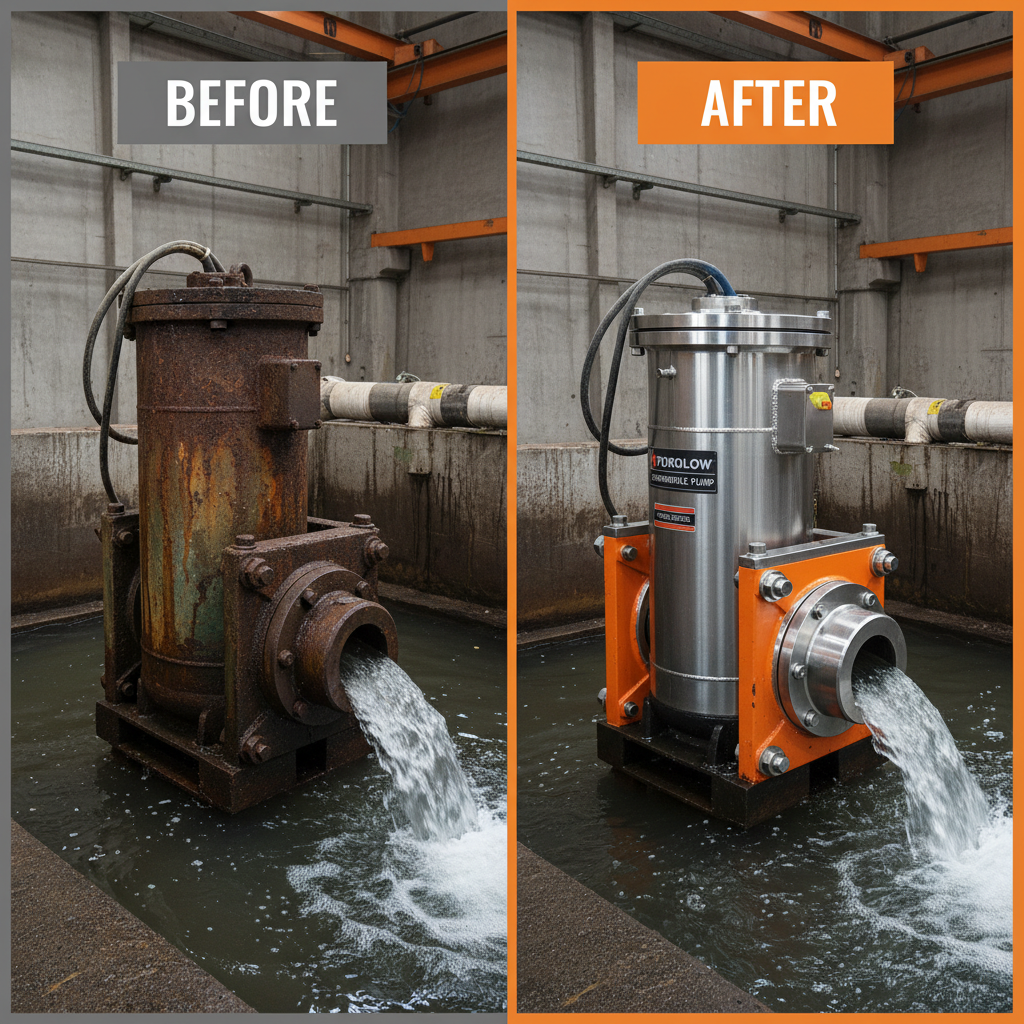 Understanding the Price Submersible Pump and Buyer GuideWhen searching for the ideal water management solution, understanding the price submersible pump options is crucial for balancing budget with performance. Whether you are dealing with a flooded basement, managing agricultural irrigation, or extracting water from a deep well, the cost of a submersible pump can vary significantly based on its build quality and capacity. Investing in a high-quality pump ensures long-term reliability and reduces the frequency of expensive replacements. In this guide, we will break down the factors that influence pricing and help you make an informed decision for your specific needs.Detail
 -
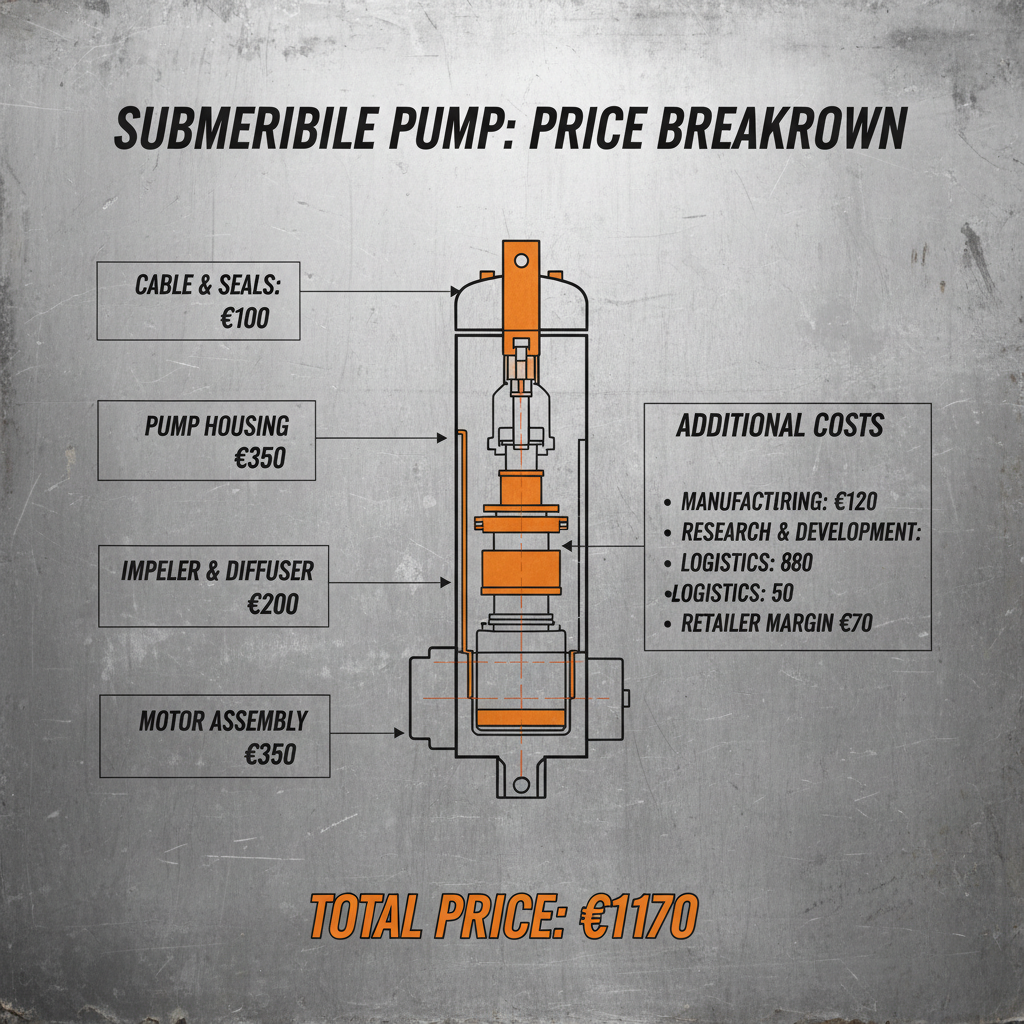 Factors Affecting the Price for Submersible Pump a Buyers GuideWhen investing in water management systems, understanding the price for submersible pump options is essential for balancing performance with budget. Whether you are managing a residential well, an industrial drainage project, or agricultural irrigation, the cost of a pump is rarely a flat fee; it is a reflection of the engineering, materials, and capacity required for your specific environment. In this guide, we will break down the factors that influence pricing and help you determine the best value for your investment to ensure long-term reliability and efficiency.Detail
 -
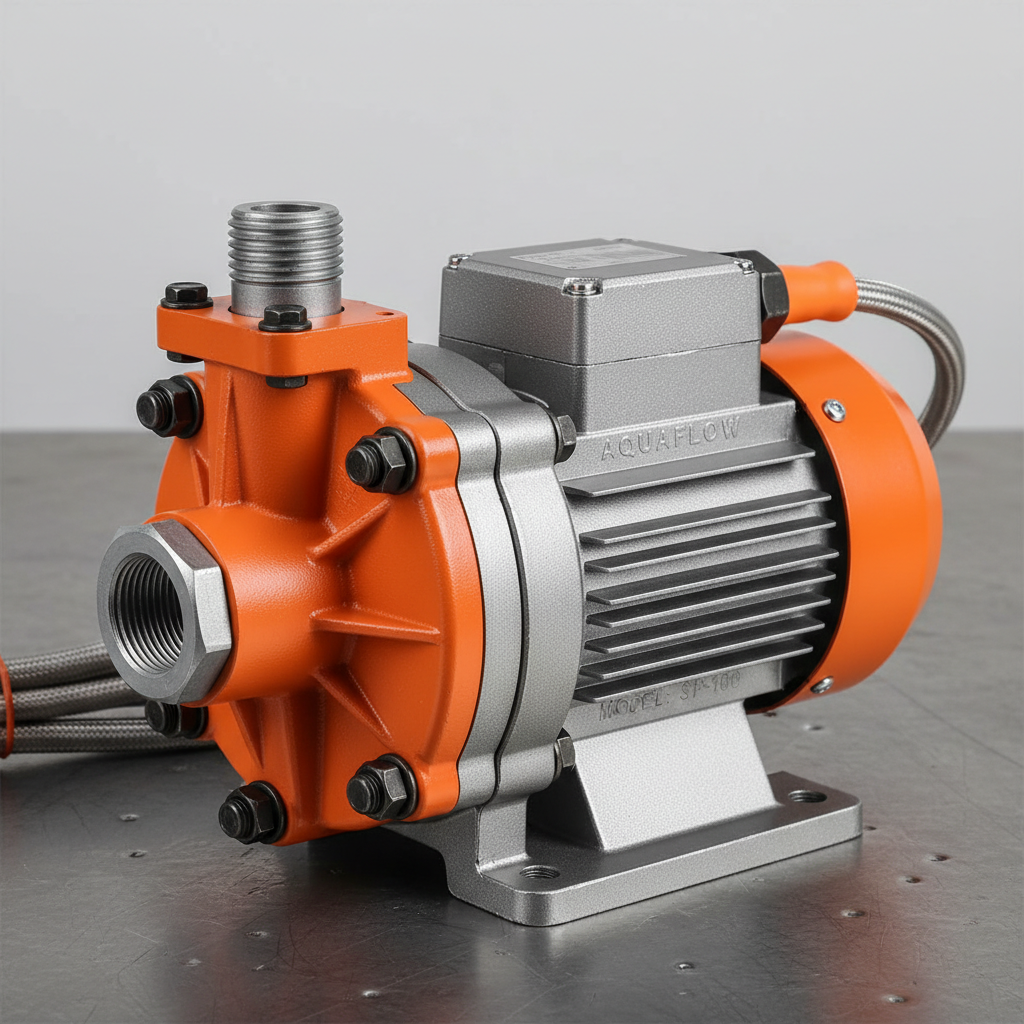 Choosing the Right Mini Submersible Fountain Pump for Optimal Water Feature PerformanceCreating a beautiful and relaxing water feature doesn't have to be complicated. A mini submersible fountain pump is the heart of any indoor or outdoor fountain, and selecting the right one is crucial for optimal performance and longevity. This article will guide you through the key considerations when choosing a mini submersible fountain pump, covering types, features, applications, and how to ensure you get the perfect pump for your project. We’ll also explore how Wellpumpact can provide you with the ideal solution.Detail
 Afrikaans
 Albanian
 Amharic
 Arabic
 Armenian
 Azerbaijani
 Basque
 Belarusian
 Bengali
 Bosnian
 Bulgarian
 Catalan
 Cebuano
 Corsican
 Croatian
 Czech
Czech
 Danish
 Dutch
Dutch
 Esperanto
 Estonian
 Finnish
 French
 Frisian
 Galician
 Georgian
 German
 Greek
Greek
 Gujarati
 Haitian Creole
 Hausa
Hausa
 Hawaiian
 Hebrew
 Hindi
Hindi
 Miao
Miao
 Hungarian
 Icelandic
 Igbo
Igbo
 Indonesian
 Irish
Irish
 Italian
 Japanese
 Javanese
 Kannada
 Kazakh
 Khmer
Khmer
 Rwandese
 Korean
 Kurdish
 Kyrgyz
 Lao
Lao
 Latin
Latin
 Latvian
 Lithuanian
 Luxembourgish
 Macedonian
 Malgashi
 Malay
Malay
 Malayalam
 Maltese
 Maori
Maori
 Marathi
 Mongolian
 Myanmar
 Nepali
 Norwegian
 Norwegian
 Occitan
 Pashto
 Persian
 Polish
 Portuguese
 Punjabi
 Romanian
 Russian
 Samoan
 Scottish Gaelic
 Serbian
 Sesotho
 Shona
Shona
 Sindhi
 Sinhala
 Slovak
 Slovenian
 Somali
 Spanish
 Sundanese
 Swahili
 Swedish
 Tagalog
 Tajik
Tajik
 Tamil
Tamil
 Tatar
Tatar
 Telugu
 Thai
Thai
 Turkish
 Turkmen
 Ukrainian
 Urdu
Urdu
 Uighur
 Uzbek
Uzbek
 Vietnamese
 Welsh
Welsh
 Bantu
Bantu
 Yiddish
 Yoruba
 Zulu
Zulu
 English