
Dec . 01, 2025 08:45 Back to list
Efficient Small Submersible Water Pump 240V Solutions for Global Water Needs
What is a Small Submersible Water Pump 240V and Why It Matters
At first glance, a small submersible water pump 240v might sound like just another plumbing gadget. But in reality, it holds a key place worldwide in sectors ranging from agricultural irrigation to disaster relief. These compact machines quietly, yet efficiently, keep water flowing where it matters most — whether that's a rural farm in East Africa or an industrial site in Europe.
The global water crisis, affecting billions (UN estimates nearly 2 billion people lack safe drinking water), highlights why understanding and leveraging such pumps makes a real difference. With reliable 240-volt power options, these pumps bridge the gap between complex infrastructure and real-world needs — often running silently underwater, powering wells, drainage systems, or flood controls without fuss.
The Global Context: Tackling Water Access with Small Submersible Pumps
Globally, the demand for efficient, durable water pumps is on the rise. According to the World Bank, by 2030 water scarcity could affect nearly half of the global population. Enter small submersible pumps powered by 240 volts — a voltage standard for many residential and industrial circuits worldwide. They offer a practical solution especially in regions where reliable surface water sources are unreliable or contaminated.
For example, in regions like Southeast Asia or Sub-Saharan Africa, timely water access for irrigation or drinking purposes can drastically impact livelihoods. These pumps are also pivotal in smart agriculture initiatives and urban water recycling projects that generally leverage standard electrical systems.
However, common challenges remain: power consistency, pump durability in harsh environments, and cost efficiency for low-income communities. This makes the right choice in pump technology crucial.
What Exactly Is a Small Submersible Water Pump 240V?
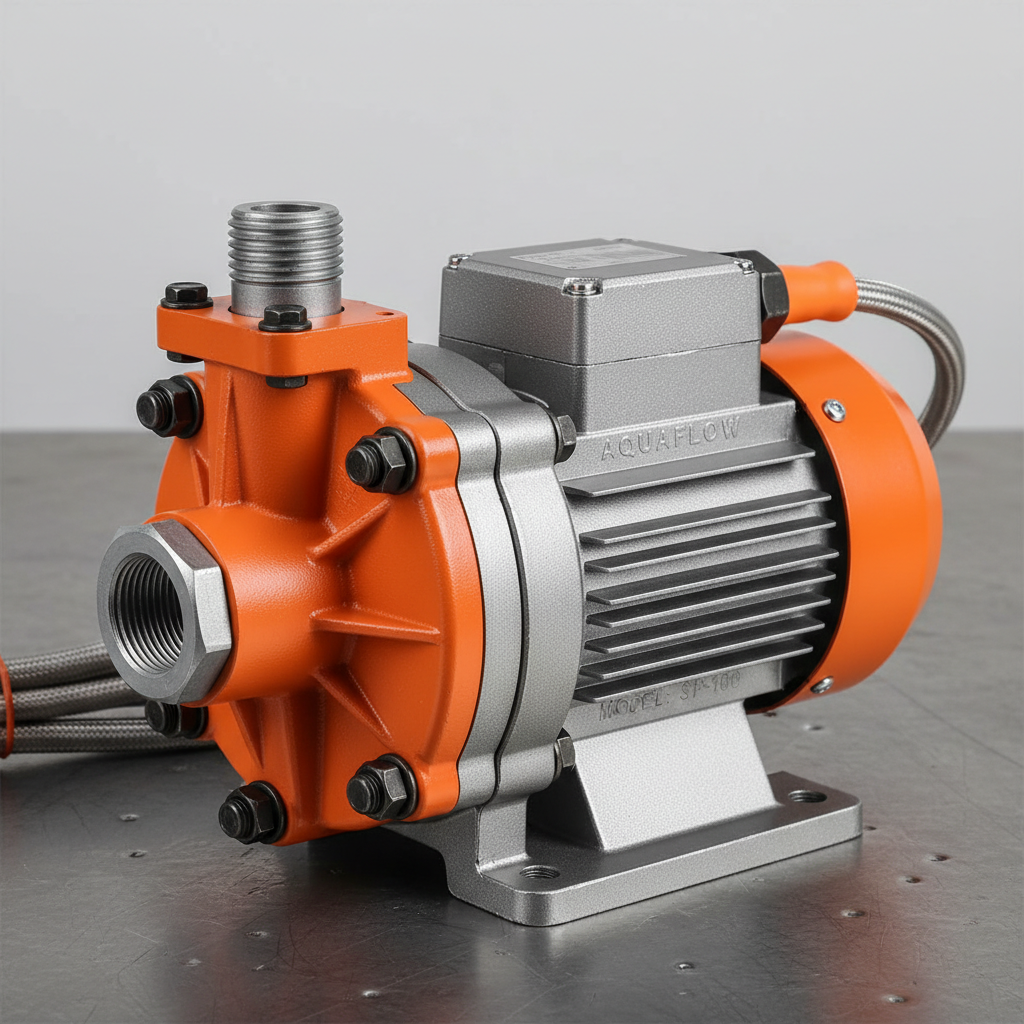
At its core, a small submersible water pump 240v is a device designed to move water by being fully submerged in it, powered specifically by a 240-volt electric supply. Unlike centrifugal pumps or surface pumps, these are placed underwater — which makes them cooler running and less noisy, a win-win.
Typically compact, these pumps combine an electric motor sealed (water-tight) with an impeller to force water upward or outward. This basic principle underlies many modern systems, supplying water for homes, farms, factories, and even emergency operations.
Because they run on 240 volts, these pumps align nicely with common residential and industrial electrical setups across Europe, Australia, and parts of Asia, which is not just practical but cost-saving in wiring and installation.
Key Factors to Consider in Small Submersible Pump Selection
Durability & Material Quality
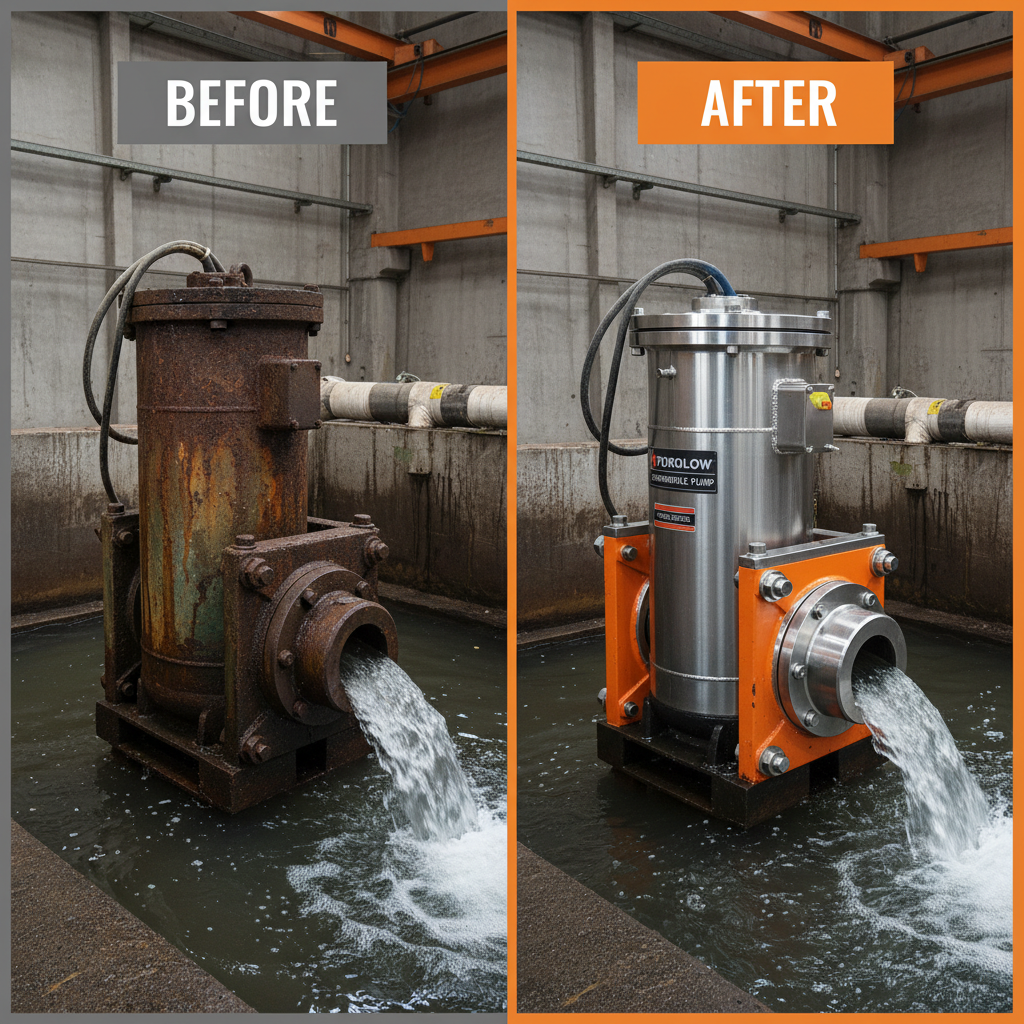
Most small submersible pumps feature stainless steel or cast iron components — materials robust enough to resist corrosion from prolonged water exposure or debris presence. For anyone who has worked with submersible units, this is essential; a rusty motor housing is the last thing you want in a water source.
Power Efficiency
240 volts is a sweet spot in terms of power supply; not too low to compromise output, not too high to blow fuses. Pumps designed with brushless motors or energy-efficient designs save operating costs, particularly for users running pumps continuously during irrigation seasons or constant water recycling.
Flow Rate and Head Height
Roughly speaking, the flow rate (e.g., liters per minute) and maximum lift (called head height) define how much water and how far a pump can move it. Selecting a pump that matches your water needs is critical — overkill means wasted energy; underpowered models cause frustration.
Ease of Maintenance
Since these pumps live underwater, quick access and minimal parts replacement times translate into less downtime. Some models even have replaceable seals without fully pulling the pump out — a true time saver.
Portability and Size
Many users appreciate the compact nature of smaller submersible pumps — they can be carried easily to remote well sites or emergency setups. Portability often goes hand-in-hand with versatility, enabling diversified use cases.
Real-World Uses of Small Submersible Water Pump 240V
- Agricultural Irrigation: In dry seasons, farmers in Mediterranean climates rely on these pumps to draw groundwater for drip irrigation.
- Disaster Relief Efforts: NGOs deploy them post-floods to drain stagnant water or supply potable water quickly.
- Industrial Water Management: Used in remote mines or manufacturing plants to manage runoff or supply process water.
- Residential Water Supply: Homeowners in rural areas use them for wells, especially when municipal water is unreliable.
- Aquaculture: Keeping fish tanks aerated and water circulating to ensure healthy aquatic life.
One might say their flexibility is part of their charm — adaptable enough for humanitarian missions and reliable enough for heavy-duty industrial use.
Mini takeaway: If you’re looking for a single pump to cover multiple needs, the 240V small submersible water pump ticks many boxes.
Advantages and Long-Term Value
Why do professionals keep choosing these pumps year after year? It’s not just the specs; it’s the combination of:
- Reliability: Fewer moving parts exposed, less downtime.
- Cost-Effectiveness: Reasonable upfront cost matched with low energy consumption.
- Environmental Impact: Less noise pollution and more energy-efficient operation compared to diesel alternatives.
- Social Benefit: Enhanced water access improves community health and agricultural yields, impacting livelihoods and dignity.
It’s a classic case of smart engineering supporting big-picture goals, from sustainability targets (ISO 14001) to Universal Safe Water objectives.
Future Trends: What’s Next for 240V Submersible Pumps?
Oddly enough, these humble pumps are catching waves in the innovation tide:
- Solar-Integrated Systems: Pumps marrying 240V electrical specs with solar panels for off-grid operation.
- Smart Monitoring: IoT-enabled pumps that send maintenance alerts, reducing downtime and unexpected failures.
- Advanced Materials: Use of composites reducing weight but increasing corrosion resistance to salty or polluted waters.
- Energy Efficiency Standards: New directives push manufacturers toward pumps consuming less electricity per m³ of water moved.
Challenges in Small Submersible Pump Usage and How to Overcome Them
It’s not all smooth sailing. Some common issues practitioners bump into include:
- Voltage Fluctuations: Can damage motors; manufacturers increasingly use built-in voltage stabilizers.
- Blockages: Debris or sediment clogging pumps is common in less filtered waters.
- Maintenance Access: Sometimes, pumps are installed in hard-to-reach wells.
Experts advise pairing these pumps with pre-filters, easy-access wellheads, or remote monitoring systems to sidestep a lot of headaches.
Specification Table of a Typical Small Submersible Water Pump 240V
| Specification | Value |
|---|---|
| Power Supply | 240V AC, 50/60 Hz |
| Motor Power | 0.5 - 1.5 kW |
| Max Flow Rate | 50 - 150 L/min |
| Max Head Height | 30 - 60 meters |
| Material | Stainless Steel / Cast Iron |
| Weight | 6 - 12 kg |
| Protection Rating | IP68 (Waterproof) |
Vendor Comparison for Small Submersible Water Pumps (240V)
| Feature / Vendor | AquaFlow | PumpMaster | WaterWorks |
|---|---|---|---|
| Price Range | $$ | $$$ | $ |
| Max Flow Rate (L/min) | 120 | 150 | 100 |
| Warranty | 2 Years | 3 Years | 1 Year |
| Material | Stainless Steel | Cast Iron | Plastic Housing |
| Ease of Maintenance | High (modular parts) | Medium | Low (sealed unit) |
FAQ: Your Small Submersible Water Pump 240V Questions Answered
- Q: How do I know if a 240V submersible pump fits my well’s depth?
- A: Check the pump’s max head height specification and ensure it exceeds your well depth plus some overage for flow loss. A pump rated for 50 meters won’t perform optimally at 70 meters depth.
- Q: Can these pumps operate continuously for irrigation all day?
- A: Many small submersible pumps designed for 240V power can run for extended periods, but it’s good practice to monitor temperature and flow to avoid motor burnout. Some models have built-in thermal protection.
- Q: What maintenance steps can extend pump life?
- Regularly inspect for debris buildup, check seals for leaks, and ensure power supply is stable. Using pre-filters also reduces sediment damage. Easy access models make filter cleaning simpler.
- Q: Are these pumps suitable for saltwater or brackish water?
- Standard models often aren’t designed for corrosive saltwater environments, but higher-end pumps with special alloys or coatings may be. Always check manufacturer specs.
- Q: Where can I find reliable 240V small submersible pumps?
- Several vendors specialize in these, but for trusted options and regional availability, consider checking marketplaces or trade platforms that sell products with good warranty policies, like small submersible water pump 240v.
Wrapping It All Up — Why These Pumps Matter Long-Term
In the grand water challenge faced by billions worldwide, the humble but mighty small submersible water pump 240v quietly plays a central role. It’s about accessibility, durability, and smart tech meshed with simple physics underwater. As a solution bridging efficiency and sustainability, investing in the right model with the correct specs can pay dividends in reliability and community impact.
Curious to explore more or ready to find your pump? Visit our expert resources and product range at small submersible water pump 240v to take the next step.
References
-
Understanding the Price Submersible Pump and Buyer Guide
NewsApr.16,2026
-
Factors Affecting the Price for Submersible Pump a Buyers Guide
NewsApr.09,2026
-
Choosing the Right Mini Submersible Fountain Pump for Optimal Water Feature Performance
NewsApr.07,2026
-
A Detailed Guide to Installing a Submersible Pump for Optimal Performance
NewsApr.04,2026
-
Comprehensive Guide on How to Test a Submersible Water Well Pump Effectively
NewsMar.31,2026
-
Learn How to Replace a Submersible Well Pump Safely and Effectively
NewsMar.28,2026
-
 Understanding the Price Submersible Pump and Buyer GuideWhen searching for the ideal water management solution, understanding the price submersible pump options is crucial for balancing budget with performance. Whether you are dealing with a flooded basement, managing agricultural irrigation, or extracting water from a deep well, the cost of a submersible pump can vary significantly based on its build quality and capacity. Investing in a high-quality pump ensures long-term reliability and reduces the frequency of expensive replacements. In this guide, we will break down the factors that influence pricing and help you make an informed decision for your specific needs.Detail
 -
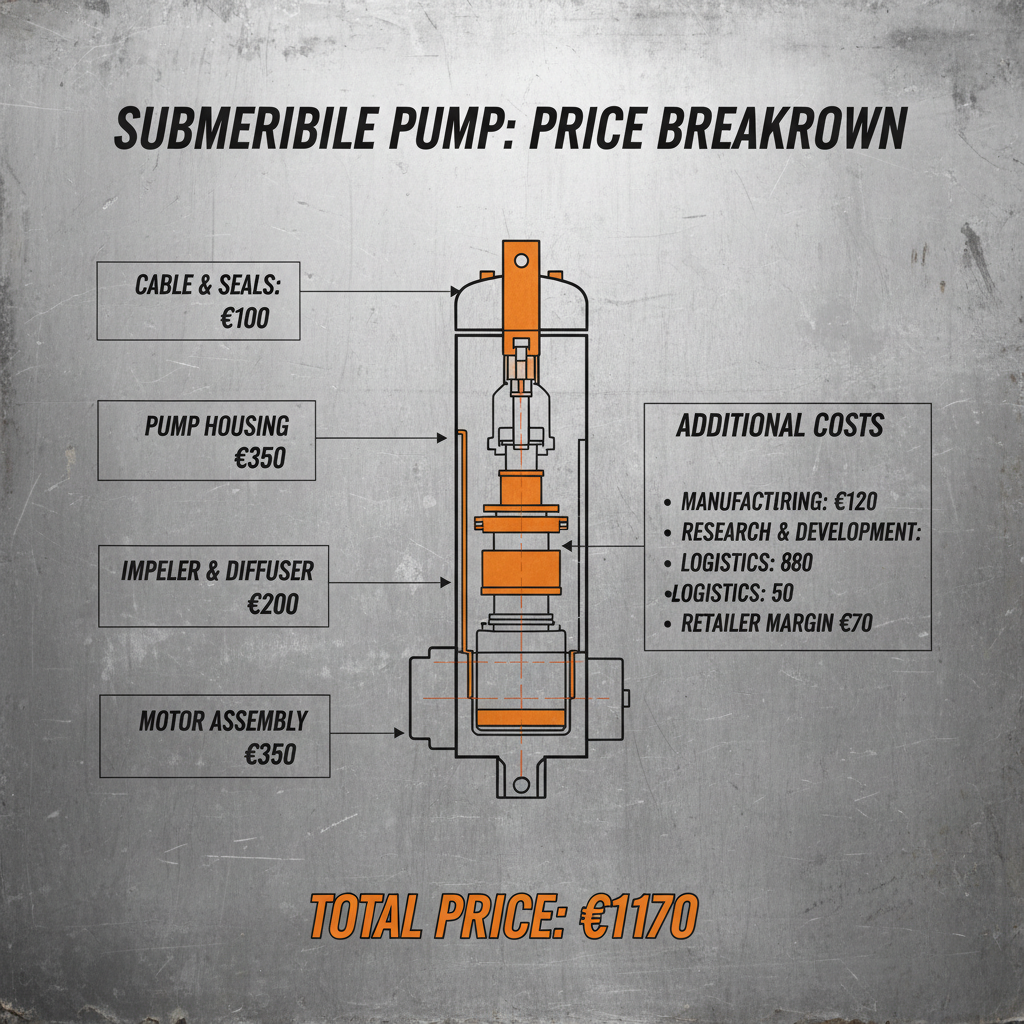 Factors Affecting the Price for Submersible Pump a Buyers GuideWhen investing in water management systems, understanding the price for submersible pump options is essential for balancing performance with budget. Whether you are managing a residential well, an industrial drainage project, or agricultural irrigation, the cost of a pump is rarely a flat fee; it is a reflection of the engineering, materials, and capacity required for your specific environment. In this guide, we will break down the factors that influence pricing and help you determine the best value for your investment to ensure long-term reliability and efficiency.Detail
 -
 Choosing the Right Mini Submersible Fountain Pump for Optimal Water Feature PerformanceCreating a beautiful and relaxing water feature doesn't have to be complicated. A mini submersible fountain pump is the heart of any indoor or outdoor fountain, and selecting the right one is crucial for optimal performance and longevity. This article will guide you through the key considerations when choosing a mini submersible fountain pump, covering types, features, applications, and how to ensure you get the perfect pump for your project. We’ll also explore how Wellpumpact can provide you with the ideal solution.Detail
 Afrikaans
 Albanian
 Amharic
 Arabic
 Armenian
 Azerbaijani
 Basque
 Belarusian
 Bengali
 Bosnian
 Bulgarian
 Catalan
 Cebuano
 Corsican
 Croatian
 Czech
Czech
 Danish
 Dutch
Dutch
 Esperanto
 Estonian
 Finnish
 French
 Frisian
 Galician
 Georgian
 German
 Greek
Greek
 Gujarati
 Haitian Creole
 Hausa
Hausa
 Hawaiian
 Hebrew
 Hindi
Hindi
 Miao
Miao
 Hungarian
 Icelandic
 Igbo
Igbo
 Indonesian
 Irish
Irish
 Italian
 Japanese
 Javanese
 Kannada
 Kazakh
 Khmer
Khmer
 Rwandese
 Korean
 Kurdish
 Kyrgyz
 Lao
Lao
 Latin
Latin
 Latvian
 Lithuanian
 Luxembourgish
 Macedonian
 Malgashi
 Malay
Malay
 Malayalam
 Maltese
 Maori
Maori
 Marathi
 Mongolian
 Myanmar
 Nepali
 Norwegian
 Norwegian
 Occitan
 Pashto
 Persian
 Polish
 Portuguese
 Punjabi
 Romanian
 Russian
 Samoan
 Scottish Gaelic
 Serbian
 Sesotho
 Shona
Shona
 Sindhi
 Sinhala
 Slovak
 Slovenian
 Somali
 Spanish
 Sundanese
 Swahili
 Swedish
 Tagalog
 Tajik
Tajik
 Tamil
Tamil
 Tatar
Tatar
 Telugu
 Thai
Thai
 Turkish
 Turkmen
 Ukrainian
 Urdu
Urdu
 Uighur
 Uzbek
Uzbek
 Vietnamese
 Welsh
Welsh
 Bantu
Bantu
 Yiddish
 Yoruba
 Zulu
Zulu
 English