
Dec . 03, 2025 10:24 Back to list
Understanding the Cost of Replacing Submersible Well Pumps: A Global Perspective
Understanding the Cost of Replacing Submersible Well Pumps: What You Need to Know
Submersible well pumps aren’t just a niche piece of equipment — globally, they are vital for delivering clean water from the depths underground to homes, farms, and industries. Considering the cost of replacing submersible well pumps matters a great deal, especially as water scarcity and infrastructure aging become more urgent world challenges. Grasping these costs isn't just about budgeting; it’s about ensuring continuous access to water and maintaining resilient infrastructure.
Introduction: Why the Cost of Replacing Submersible Well Pumps Matters Worldwide
Water pumps powered by submerged motors are integral to fresh water extraction in many countries. According to the UN’s World Water Development Report (2023), nearly 2 billion people depend on groundwater for drinking water. Pumps help tap these reserves. Yet, replacing a submersible well pump can be unexpectedly expensive and complex, particularly in rural or economically developing regions.
Globally, the demand for affordable and reliable pump replacements is rising, driven by industrial growth, agricultural expansion, and climate stress on water resources. Unfortunately, many communities face prolonged downtime due to high costs or installation challenges — impacting livelihoods and health. So, understanding the components that drive costs and looking for innovative solutions is an increasingly critical conversation.
Defining the Cost of Replacing a Submersible Well Pump
At its core, the cost of replacing a submersible well pump refers to the total expenditure involved when an existing pump fails or reaches end-of-life, and you need a new system installed in the well. This includes the price of the pump unit itself, labor, potential well servicing, electrical components, and often the logistical challenges of accessing the pumping site.
In many industries and humanitarian projects — like disaster relief or rural water systems development — this cost can be a limiting factor. Being able to budget accurately can help stakeholders plan upgrades that minimize outages and ensure safe, sustainable water access.
Key Factors Affecting the Cost of Replacing Submersible Well Pumps
1. Pump Durability and Material Quality
Good pumps are built to last — stainless steel shafts, corrosion-resistant motors, and rugged seals increase upfront cost but extend service life, reducing replacement frequency. In salty or mineral-heavy water, investing in corrosion-resistant materials is a must, even though the initial price tag rises.
2. Well Depth and Pump Capacity
Deeper wells require pumps with higher capacity and power ratings, which naturally cost more. The type of water (clean, sandy, or silty) also affects wear and pump design, influencing replacement frequency. Oddly enough, a more robust initial purchase often saves money long-term.
3. Installation and Labor Complexity
Extracting and reinstalling pumps in wells can be tricky, with varying labor costs depending on location. Remote areas or wells in difficult terrain raise costs significantly. Economies of scale matter here; some companies offer package deals including installation — handy for budgeting.
4. Electrical and Control Systems
Modern submersible pumps often feature smart controls and protection circuitry, adding upfront cost but improving reliability and reducing failures. Replacing older systems with these newer technologies may seem pricey at first but can prevent frequent replacements.
5. Vendor and Warranty Considerations
Choosing a reputable supplier can affect the purchase price and after-sales support. Warranties and maintenance agreements often improve long-term costs by offsetting unexpected repairs.
Product Specification Snapshot
| Specification | Typical Value / Range |
|---|---|
| Pump Capacity | 5 - 30 GPM (gallons per minute) |
| Pump Power | 0.5 - 5 HP (horsepower) |
| Maximum Depth | Up to 1000 ft |
| Material | Stainless Steel / High-grade Polymers |
| Typical Lifespan | 7-15 years (variable) |
Global Applications & Use Cases
Submersible pumps find uses everywhere water is essential but not easily accessible. In arid parts of Australia and Africa, farmers rely on deep groundwater extraction for irrigation. Industrial sites in remote Alaska or Canada employ pumps for consistent water supply despite harsh conditions. Even disaster relief agencies tap portable pumps to rapidly restore water access after floods or earthquakes.
For instance, the Red Cross reported that during flooding in Southeast Asia, replacing submersible well pumps within weeks prevented disease outbreaks by ensuring clean water supply to displaced communities. It’s a vivid example of how the cost and availability of pump replacements directly affect human wellbeing.
Vendor Comparison: Popular Submersible Well Pump Suppliers
| Vendor | Price Range (USD) | Warranty | Special Features |
|---|---|---|---|
| WellMaster Pro | $1200 - $3000 | 5 years | Smart motor diagnostics |
| HydroFlow Systems | $1000 - $2800 | 3 years | Corrosion-resistant coating |
| AquaPumps International | $1300 - $3200 | 5 years | Energy-efficient motors |
Advantages & Long-Term Value
Replacing a submersible well pump may seem like a costly affair up front, but it brings important benefits. Reliable pumps ensure continuous water access, crucial for safety, hygiene, and agriculture. Sustainable and well-built pumps reduce waste and downtime, which saves money and stress. Emotionally, it's about protecting families, maintaining peace of mind, and supporting communities.
Choosing smart, durable pumps with warranty support ultimately builds trust between users and suppliers, fostering confidence in water security. Because, frankly, water is life — and the means to get it deserve the best investments we can make.
Future Trends & Innovations
Looking ahead, green energy integration is transforming submersible pumps. Solar-powered models reduce dependence on grid electricity and cut operational costs. Developers are also embedding IoT controls to predict failures before they happen, improving maintenance scheduling.
Materials innovation, such as composite plastics and advanced alloys, promises longer-life pumps resistant to corrosion and wear. Plus, digital marketplaces enable easier sourcing worldwide, bringing competitive pricing and better vendor transparency.
Challenges & Solutions
Common challenges include the high initial replacement cost, limited local expertise for installation, and logistical hurdles in remote or disaster-affected areas. However, modular pump designs simplify replacements, and training programs empower local technicians — practical ways the industry is evolving.
Moreover, subsidies or financing plans often help communities afford quality pumps, ensuring sustainability isn’t a luxury but a norm. Frankly, collaboration between governments, NGOs, and manufacturers is essential to meet these challenges head-on.
Frequently Asked Questions About Cost of Replacing Submersible Well Pumps
- What influences the cost most when replacing a submersible well pump?
The depth of the well, pump capacity, material quality, and installation complexity are the main drivers. Remote sites or specialized motors add to the cost. - How often should I expect to replace a submersible well pump?
Typical lifespans range from 7 to 15 years depending on usage, water quality, and maintenance. Routine servicing can extend this timeframe. - Are more expensive pumps worth the investment?
Yes, higher initial costs usually mean better materials and technology, which reduce breakdowns and replacements long-term. - Can I replace my pump myself to save money?
Unless you have proper tools and expertise, it’s safer to hire professionals to avoid damage or safety hazards. - Where can I find reliable pricing for replacement pumps?
Visit dedicated resources like cost of replacing submersible well pump to compare quotes and get guidance tailored to your needs.
Conclusion
Ultimately, understanding the cost of replacing submersible well pumps isn’t just about numbers; it’s about making informed decisions that safeguard water access for communities and industries alike. Investing in quality pumps and proactive maintenance translates into long-term savings, sustainability, and peace of mind. If you’re navigating the complexities of pump replacement, visit our website for detailed cost guides, expert advice, and local vendor connections.
Thanks for reading — water truly is one of humanity’s most precious resources, and a reliable pump is its faithful guardian beneath the surface.
A small takeaway: Keep in mind, a thoughtful pump investment ripples out benefits far beyond the price tag.
-
Understanding the Price Submersible Pump and Buyer Guide
NewsApr.16,2026
-
Factors Affecting the Price for Submersible Pump a Buyers Guide
NewsApr.09,2026
-
Choosing the Right Mini Submersible Fountain Pump for Optimal Water Feature Performance
NewsApr.07,2026
-
A Detailed Guide to Installing a Submersible Pump for Optimal Performance
NewsApr.04,2026
-
Comprehensive Guide on How to Test a Submersible Water Well Pump Effectively
NewsMar.31,2026
-
Learn How to Replace a Submersible Well Pump Safely and Effectively
NewsMar.28,2026
-
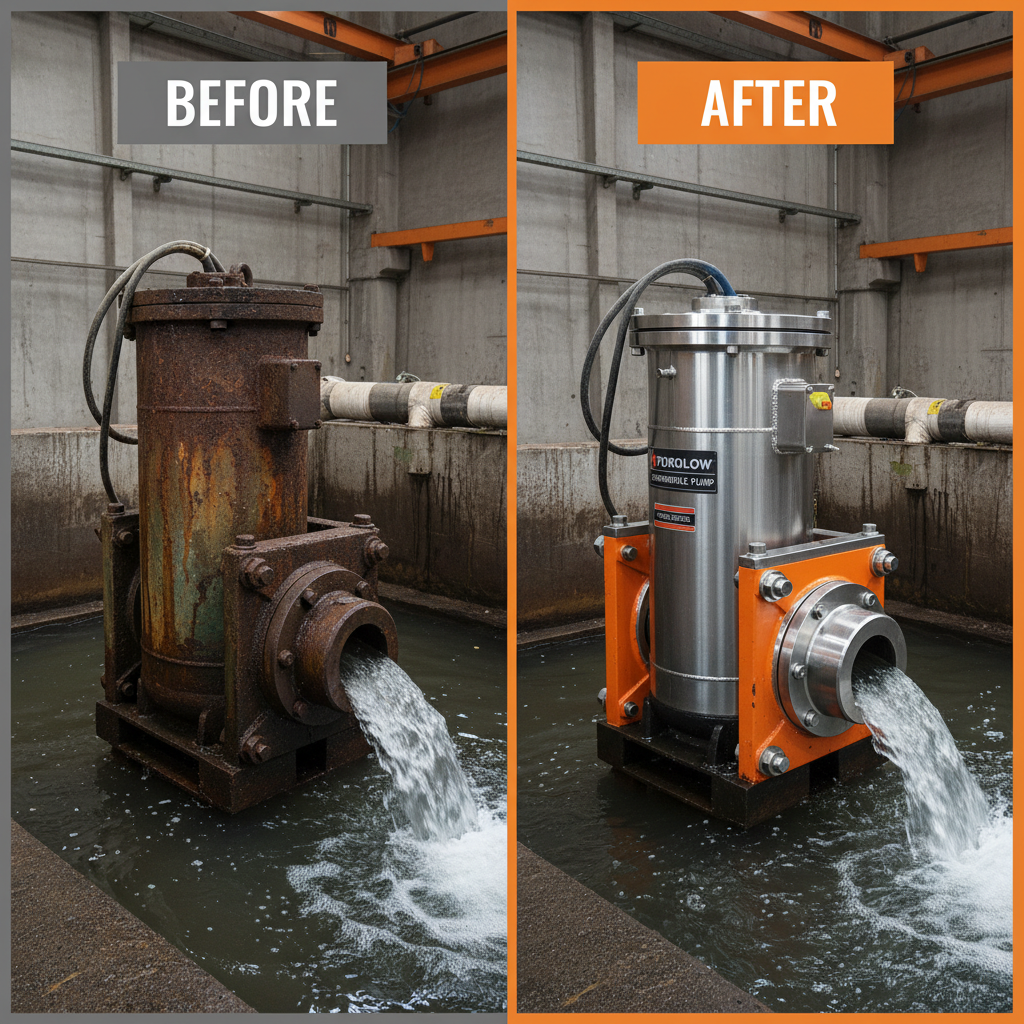 Understanding the Price Submersible Pump and Buyer GuideWhen searching for the ideal water management solution, understanding the price submersible pump options is crucial for balancing budget with performance. Whether you are dealing with a flooded basement, managing agricultural irrigation, or extracting water from a deep well, the cost of a submersible pump can vary significantly based on its build quality and capacity. Investing in a high-quality pump ensures long-term reliability and reduces the frequency of expensive replacements. In this guide, we will break down the factors that influence pricing and help you make an informed decision for your specific needs.Detail
 -
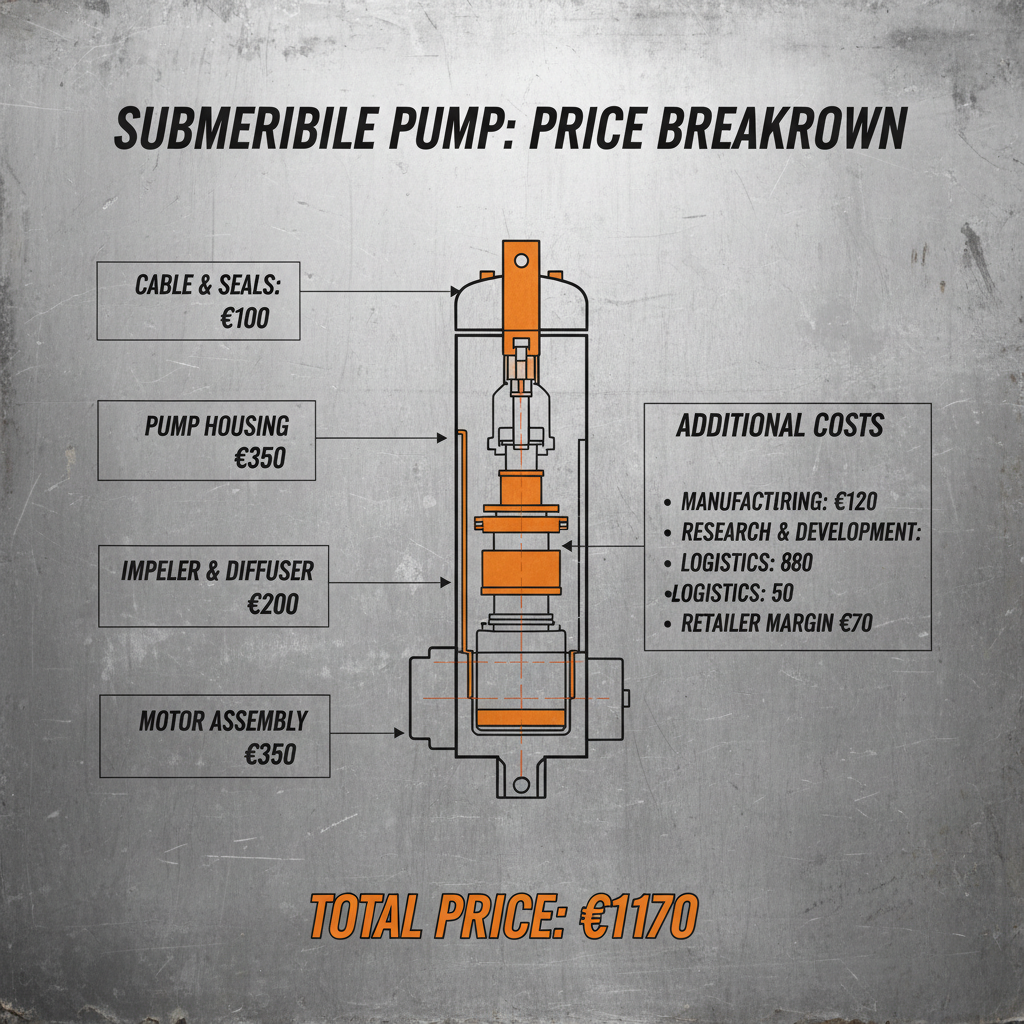 Factors Affecting the Price for Submersible Pump a Buyers GuideWhen investing in water management systems, understanding the price for submersible pump options is essential for balancing performance with budget. Whether you are managing a residential well, an industrial drainage project, or agricultural irrigation, the cost of a pump is rarely a flat fee; it is a reflection of the engineering, materials, and capacity required for your specific environment. In this guide, we will break down the factors that influence pricing and help you determine the best value for your investment to ensure long-term reliability and efficiency.Detail
 -
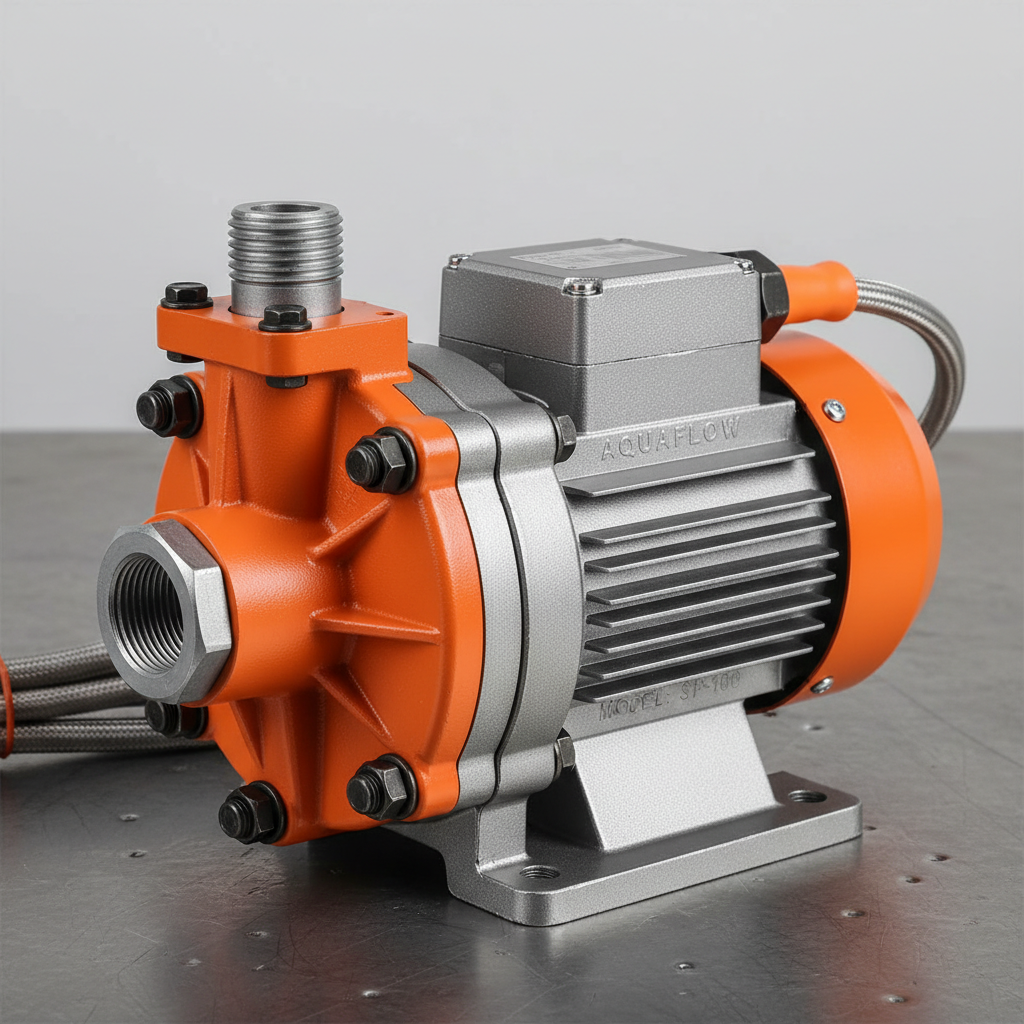 Choosing the Right Mini Submersible Fountain Pump for Optimal Water Feature PerformanceCreating a beautiful and relaxing water feature doesn't have to be complicated. A mini submersible fountain pump is the heart of any indoor or outdoor fountain, and selecting the right one is crucial for optimal performance and longevity. This article will guide you through the key considerations when choosing a mini submersible fountain pump, covering types, features, applications, and how to ensure you get the perfect pump for your project. We’ll also explore how Wellpumpact can provide you with the ideal solution.Detail
 Afrikaans
 Albanian
 Amharic
 Arabic
 Armenian
 Azerbaijani
 Basque
 Belarusian
 Bengali
 Bosnian
 Bulgarian
 Catalan
 Cebuano
 Corsican
 Croatian
 Czech
Czech
 Danish
 Dutch
Dutch
 Esperanto
 Estonian
 Finnish
 French
 Frisian
 Galician
 Georgian
 German
 Greek
Greek
 Gujarati
 Haitian Creole
 Hausa
Hausa
 Hawaiian
 Hebrew
 Hindi
Hindi
 Miao
Miao
 Hungarian
 Icelandic
 Igbo
Igbo
 Indonesian
 Irish
Irish
 Italian
 Japanese
 Javanese
 Kannada
 Kazakh
 Khmer
Khmer
 Rwandese
 Korean
 Kurdish
 Kyrgyz
 Lao
Lao
 Latin
Latin
 Latvian
 Lithuanian
 Luxembourgish
 Macedonian
 Malgashi
 Malay
Malay
 Malayalam
 Maltese
 Maori
Maori
 Marathi
 Mongolian
 Myanmar
 Nepali
 Norwegian
 Norwegian
 Occitan
 Pashto
 Persian
 Polish
 Portuguese
 Punjabi
 Romanian
 Russian
 Samoan
 Scottish Gaelic
 Serbian
 Sesotho
 Shona
Shona
 Sindhi
 Sinhala
 Slovak
 Slovenian
 Somali
 Spanish
 Sundanese
 Swahili
 Swedish
 Tagalog
 Tajik
Tajik
 Tamil
Tamil
 Tatar
Tatar
 Telugu
 Thai
Thai
 Turkish
 Turkmen
 Ukrainian
 Urdu
Urdu
 Uighur
 Uzbek
Uzbek
 Vietnamese
 Welsh
Welsh
 Bantu
Bantu
 Yiddish
 Yoruba
 Zulu
Zulu
 English