
Nov . 19, 2025 17:30 Back to list
Bore Pump Technology | Global Water Solutions & Efficient Water Extraction
Discovering the World of Bore Pumps: Why They Matter More Than Ever
Water: the ever-essential elixir for life, industry, and agriculture, yet accessing it isn't always straightforward. That's where the bore pump comes in—a humble yet powerful device that quietly supports billions worldwide. Whether you're managing an agricultural estate or providing safe drinking water in remote communities, bore pumps silently keep the wheels turning. Understanding them is a gateway to appreciating how technology meets basic human need in clever ways.
Global Perspective: Why Bore Pumps Are Vital Today
According to the United Nations, roughly 2 billion people lack access to safely managed drinking water at home — a staggering figure. The rise in global population, expanding farming demands, and climate change-induced droughts place increasing pressure on groundwater sources. Bore pumps pump life into the solution by enabling access to underground aquifers where surface water is scarce.
World Bank data also highlight that agricultural water use accounted for more than 70% of freshwater withdrawals worldwide. Efficient bore pump systems can be the difference between crop success and failure, helping secure food supplies. Yet, countless challenges remain—like energy costs, equipment reliability, and environmental sustainability—that bore pumps address in varying degrees.
Mini takeaway: Bore pumps sit at the intersection of water scarcity issues, development goals, and sustainable resource management, playing a crucial role globally.
What Exactly Is a Bore Pump?
Simply put, a bore pump is a mechanical device designed to extract water from deep underground wells or boreholes. Powered often by electric motors or diesel engines, they are specifically engineered to fit narrow spaces and provide consistent, high-volume water flow. These pumps tap aquifers that surface pumps cannot reach, making otherwise inaccessible water usable.
In modern industry and humanitarian work, bore pumps are indispensable. Think about rural water supply projects in parts of Africa or irrigation setups in arid zones—without bore pumps, such systems would be far less effective or even impossible. They are the unseen backbone of both emergency relief scenarios and everyday agricultural success.
Core Components That Define Bore Pumps
Durability
Bore pumps often operate in harsh, abrasive environments—think sandy or mineral-heavy water. Their materials and sealing systems must withstand this wear and tear for extended service. Stainless steel parts and corrosion-resistant coatings are common. I always notice how longevity saves money in the long run—the less downtime, the better.
Efficiency
Energy consumption is a constant headache for operators. High-efficiency motors and optimized impeller designs reduce power needs—a huge cost saver. In regions where electricity is scarce or costly, this means bore pumps can keep pumping without breaking the bank.
Scalability
From small domestic units serving a handful of households to large industrial pumps drawing thousands of liters per minute, bore pumps come in many sizes. This scalability makes them adaptable to diverse needs, whether for a remote village or a sprawling plantation.
Cost Effectiveness
Beyond the obvious purchase price, factors like installation ease, maintenance frequency, and spare parts availability influence total life-cycle cost. Smart buyers weigh these carefully. Sometimes a higher upfront cost pays off if the equipment saves headaches down the road.
Control and Automation
Modern bore pumps can integrate sensors and IoT tech—offering remote monitoring, flow adjustment, and fault alerts. This digital edge makes management more precise and less guesswork-heavy, a neat bonus for larger operations.
Environmental Impact
Responsible bore pump design now increasingly focuses on minimizing groundwater depletion and energy use, aligning with sustainability goals.
Summary of Key Factors:
- Robust construction for harsh conditions
- Energy efficiency to cut operational costs
- Flexible sizes for all water needs
- Long-term affordability
- Smart tech for improved control
- Eco-conscious design principles
Real-World Applications of Bore Pumps
Bore pumps play starring roles in agriculture, urban water supply, mining, and emergency relief. For example, in the Sahel region of Africa, NGOs install solar-powered bore pumps to provide clean water to communities suffering drought-driven shortages. Meanwhile, in Australia’s outback, large bore pumps irrigate crops across vast distances.
Industry-wise, mining operations rely heavily on bore pumps for dewatering mines, maintaining safety. Even municipal water systems tap boreholes where rivers or reservoirs aren't close. The versatility is remarkable, really.
One interesting case: after a cyclone hit Southeast Asia, relief teams deployed portable bore pumps quickly to replace damaged surface water systems. Such rapid response gave survivors immediate access to safe water, highlighting the humanitarian importance beyond standard agriculture or industry.
Advantages and Enduring Value of Bore Pumps
Boiling down the benefits, bore pumps offer:
- Cost savings: Efficient water extraction reduces operational expenses.
- Reliability: Time-tested tech ensures steady water supply.
- Social impact: Elevated health outcomes where drinking water becomes cleaner and more accessible.
- Environmental sustainability: When designed correctly, bore pumps preserve surface ecosystems by reducing the need for open water withdrawals.
- Community dignity: People appreciate safe water access without lengthy treks to distant sources.
It’s a sort of unsung hero effect. Bore pumps quietly underpin safety, growth, and progress. They’re a reminder that sometimes technology’s greatest triumphs are the ones we barely notice, like a well running smoothly in the background.
Looking Ahead: Future Trends in Bore Pump Technology
Innovation in bore pumps is accelerating. Solar-powered units are becoming more affordable and reliable, bringing energy independence to off-grid areas. Smart sensors integrated with mobile apps allow remote monitoring and predictive maintenance, meaning fewer unexpected breakdowns.
Additionally, new composite materials reduce weight without sacrificing strength, making installation easier and extending service life. Countries are also responding with water extraction regulations, pushing manufacturers toward sustainable designs that prevent aquifer depletion.
In real terms, the bore pump of the future won't just be a pump—it'll be part of an intelligent ecosystem balancing human needs with ecological health.
Common Challenges and How Experts Are Tackling Them
Of course, bore pumps come with challenges:
- Energy availability: Particularly in remote regions, reliable power is scarce.
- Maintenance expertise: Local operators might lack training for troubleshooting complex units.
- Wear and tear: Abrasive water damages parts faster.
- Groundwater sustainability: Over-pumping risks depleting aquifers.
Innovative solutions include solar hybrid systems combining renewable and backup power, modular designs simplifying repairs, improved materials resisting wear, and smart controls that monitor extraction rates to safeguard groundwater. Plus, many organizations run training programs to empower local technicians.
It's a dynamic field, adapting constantly to field realities.
Frequently Asked Questions About Bore Pumps
Q1: How deep can bore pumps typically extract water from?
A: Most submersible bore pumps handle depths from 30 meters up to 300 meters, depending on model and power. Deep wells require robust designs and suitable motors to maintain flow rates effectively.
Q2: What's the difference between a submersible bore pump and a surface pump?
A: Submersible pumps sit inside the well underwater, pushing water up, which reduces cavitation and energy loss. Surface pumps remain above ground and pull water up, generally suited for shallow wells.
Q3: Can bore pumps work with renewable energy sources?
A: Absolutely, solar-bore pump combos are increasingly common, especially in off-grid areas. They lower operational costs and environmental impact.
Q4: How often do bore pumps need maintenance?
A: Routine checks every 6-12 months are advisable. Filters, bearings, and seals wear out over time, especially in abrasive water environments.
Q5: Are bore pumps expensive to install?
A: Initial costs vary widely based on depth and capacity but are generally offset by long-term benefits like reliable water access and low energy use.
Product Specifications for a Typical Bore Pump
| Specification | Value / Range |
|---|---|
| Pump Type | Submersible |
| Flow Rate | 5 to 50 m³/hour |
| Max Depth | Up to 300 meters |
| Power Source | Electric motor (single or three-phase), solar compatible |
| Material | Stainless steel 304/316, polymer components |
| Control Features | Built-in overload protection, remote monitoring optional |
| Weight | 15 - 60 kg depending on model |
Vendor Comparison: Choosing the Right Bore Pump Supplier
| Vendor | Product Range | After-Sales Support | Warranty | Pricing |
|---|---|---|---|---|
| AquaPump Co. | Domestic to industrial bore pumps | 24/7 hotline, local technicians | 3 years | Mid-range |
| EcoWater Solutions | Solar-compatible bore pumps | Online support and training | 5 years | Premium pricing |
| WellFlow Inc. | Heavy-duty mining & irrigation pumps | On-site support with custom solutions | 2 years | Economical |
In Closing: Why Now Is the Time to Invest in Bore Pumps
So where does that leave us? Bore pumps aren’t just pieces of equipment, but lifelines—tools that turn underground water from a potential resource into a practical reality. Thinking ahead, they’ll become smarter, greener, and more adaptive to global challenges.
For businesses, communities, and NGOs aiming to solve water-access issues, they represent a sustainable, cost-effective answer with broad-reaching social impacts. If you’re interested in upgrading or installing bore pump systems, consider the options carefully with an eye on durability, efficiency, and support. It truly is a small investment for a long-term solution.
Ready to explore? Visit our website for comprehensive bore pump solutions and expert advice: https://www.wellpumpact.com
References
-
Understanding the Price Submersible Pump and Buyer Guide
NewsApr.16,2026
-
Factors Affecting the Price for Submersible Pump a Buyers Guide
NewsApr.09,2026
-
Choosing the Right Mini Submersible Fountain Pump for Optimal Water Feature Performance
NewsApr.07,2026
-
A Detailed Guide to Installing a Submersible Pump for Optimal Performance
NewsApr.04,2026
-
Comprehensive Guide on How to Test a Submersible Water Well Pump Effectively
NewsMar.31,2026
-
Learn How to Replace a Submersible Well Pump Safely and Effectively
NewsMar.28,2026
-
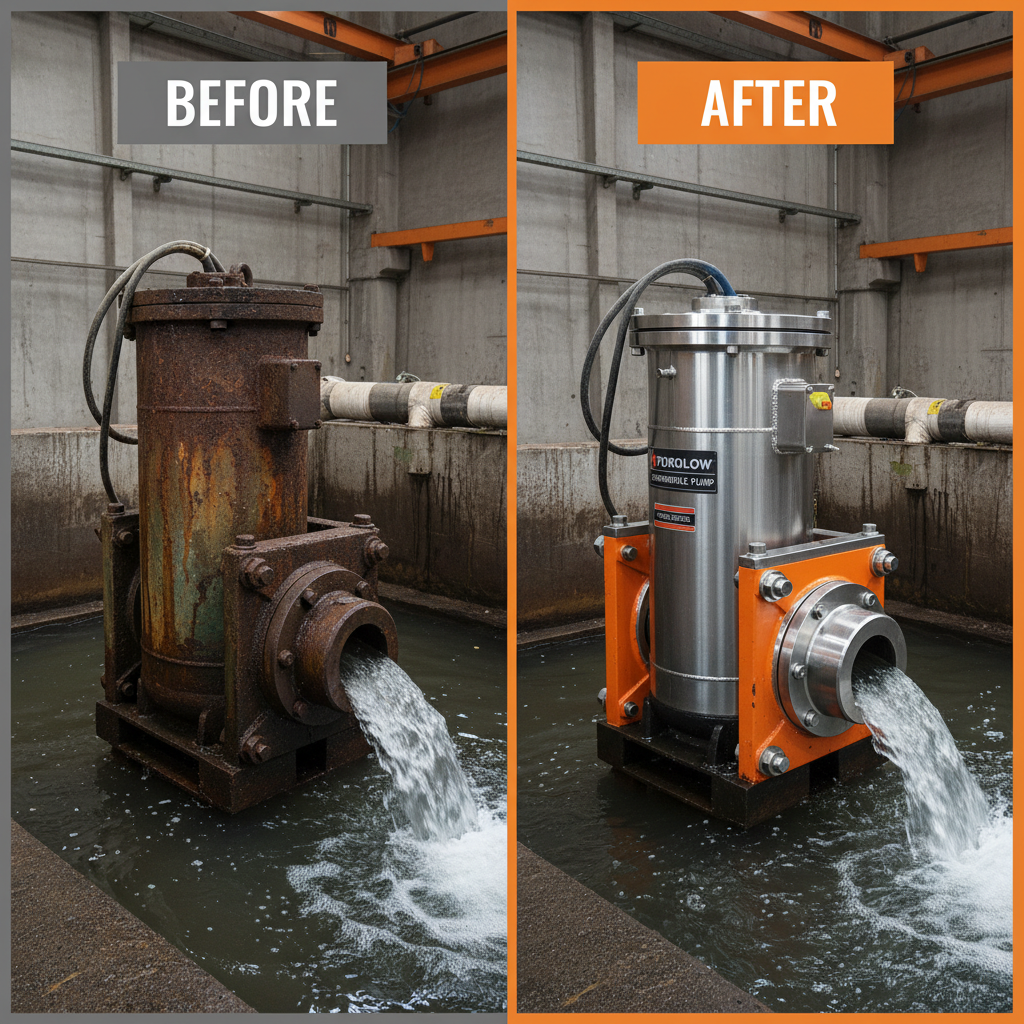 Understanding the Price Submersible Pump and Buyer GuideWhen searching for the ideal water management solution, understanding the price submersible pump options is crucial for balancing budget with performance. Whether you are dealing with a flooded basement, managing agricultural irrigation, or extracting water from a deep well, the cost of a submersible pump can vary significantly based on its build quality and capacity. Investing in a high-quality pump ensures long-term reliability and reduces the frequency of expensive replacements. In this guide, we will break down the factors that influence pricing and help you make an informed decision for your specific needs.Detail
 -
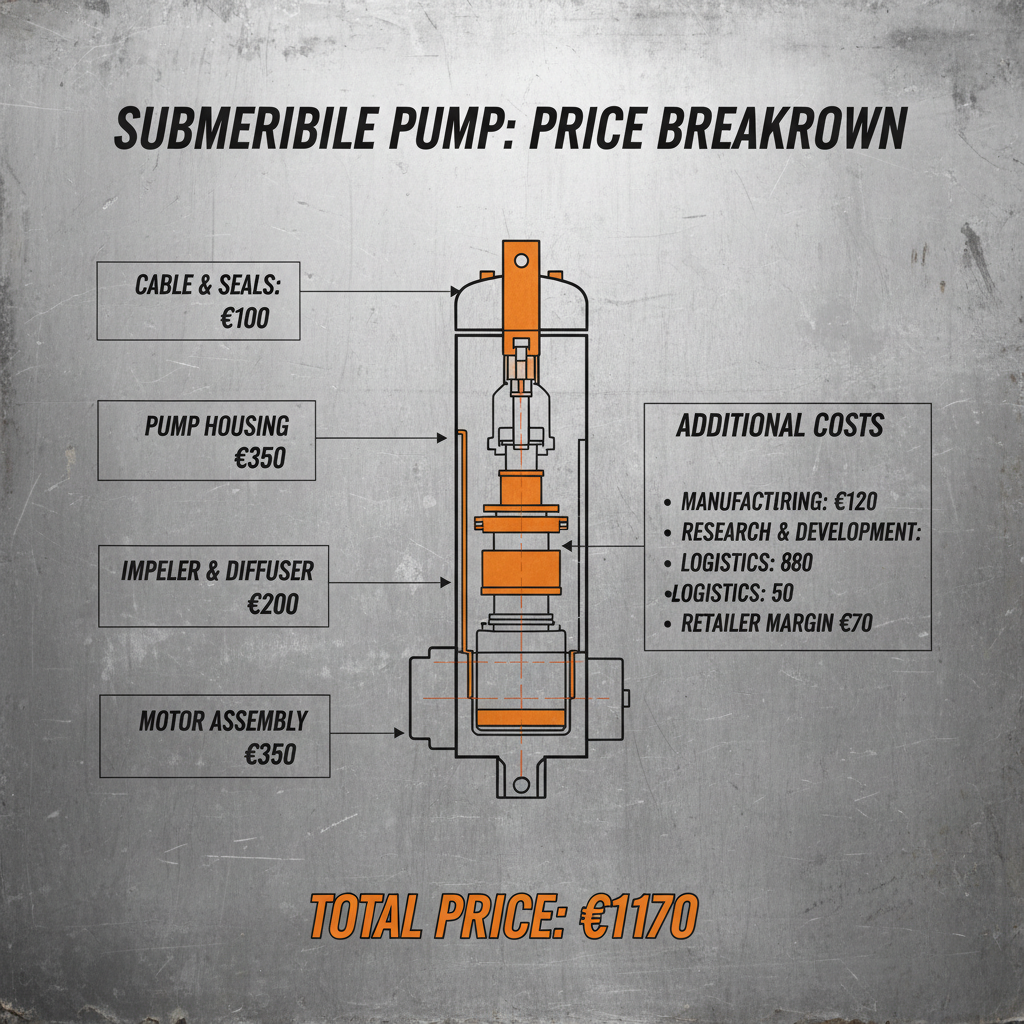 Factors Affecting the Price for Submersible Pump a Buyers GuideWhen investing in water management systems, understanding the price for submersible pump options is essential for balancing performance with budget. Whether you are managing a residential well, an industrial drainage project, or agricultural irrigation, the cost of a pump is rarely a flat fee; it is a reflection of the engineering, materials, and capacity required for your specific environment. In this guide, we will break down the factors that influence pricing and help you determine the best value for your investment to ensure long-term reliability and efficiency.Detail
 -
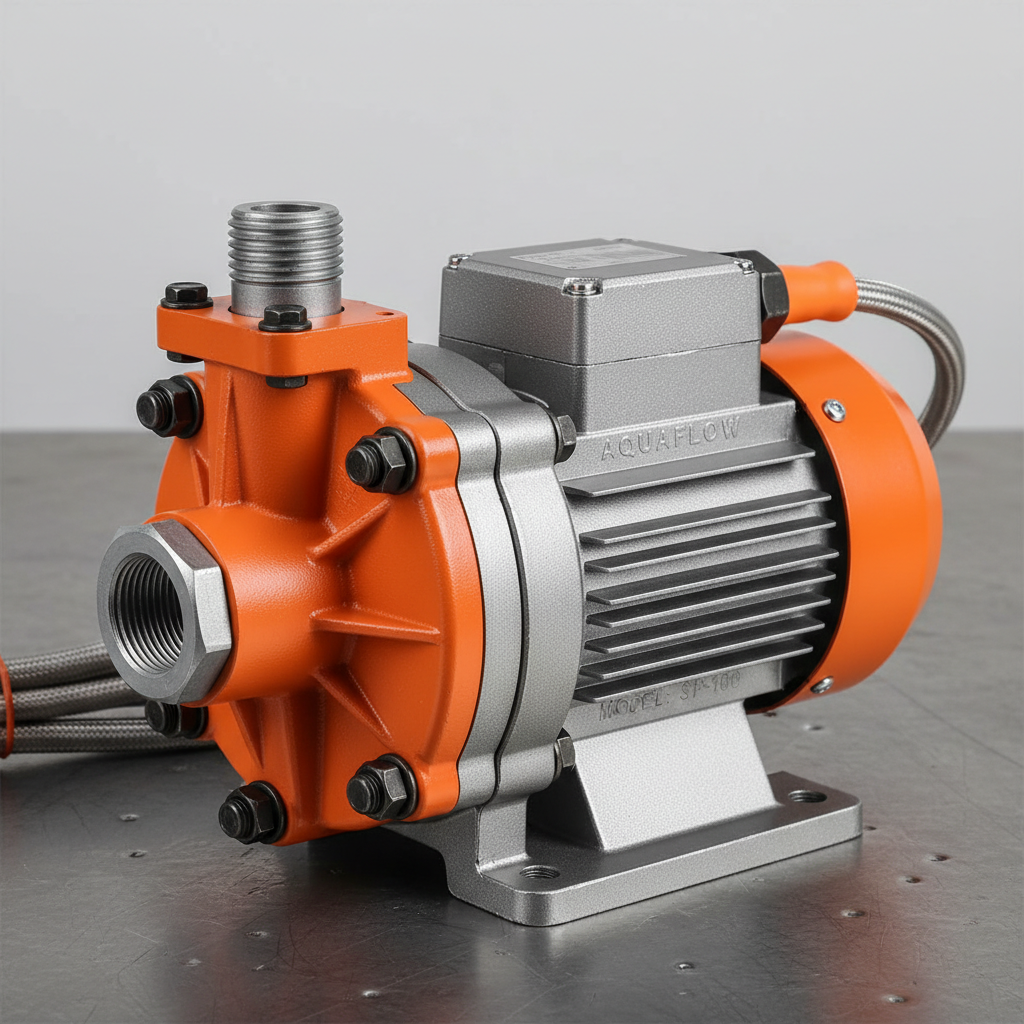 Choosing the Right Mini Submersible Fountain Pump for Optimal Water Feature PerformanceCreating a beautiful and relaxing water feature doesn't have to be complicated. A mini submersible fountain pump is the heart of any indoor or outdoor fountain, and selecting the right one is crucial for optimal performance and longevity. This article will guide you through the key considerations when choosing a mini submersible fountain pump, covering types, features, applications, and how to ensure you get the perfect pump for your project. We’ll also explore how Wellpumpact can provide you with the ideal solution.Detail
 Afrikaans
 Albanian
 Amharic
 Arabic
 Armenian
 Azerbaijani
 Basque
 Belarusian
 Bengali
 Bosnian
 Bulgarian
 Catalan
 Cebuano
 Corsican
 Croatian
 Czech
Czech
 Danish
 Dutch
Dutch
 Esperanto
 Estonian
 Finnish
 French
 Frisian
 Galician
 Georgian
 German
 Greek
Greek
 Gujarati
 Haitian Creole
 Hausa
Hausa
 Hawaiian
 Hebrew
 Hindi
Hindi
 Miao
Miao
 Hungarian
 Icelandic
 Igbo
Igbo
 Indonesian
 Irish
Irish
 Italian
 Japanese
 Javanese
 Kannada
 Kazakh
 Khmer
Khmer
 Rwandese
 Korean
 Kurdish
 Kyrgyz
 Lao
Lao
 Latin
Latin
 Latvian
 Lithuanian
 Luxembourgish
 Macedonian
 Malgashi
 Malay
Malay
 Malayalam
 Maltese
 Maori
Maori
 Marathi
 Mongolian
 Myanmar
 Nepali
 Norwegian
 Norwegian
 Occitan
 Pashto
 Persian
 Polish
 Portuguese
 Punjabi
 Romanian
 Russian
 Samoan
 Scottish Gaelic
 Serbian
 Sesotho
 Shona
Shona
 Sindhi
 Sinhala
 Slovak
 Slovenian
 Somali
 Spanish
 Sundanese
 Swahili
 Swedish
 Tagalog
 Tajik
Tajik
 Tamil
Tamil
 Tatar
Tatar
 Telugu
 Thai
Thai
 Turkish
 Turkmen
 Ukrainian
 Urdu
Urdu
 Uighur
 Uzbek
Uzbek
 Vietnamese
 Welsh
Welsh
 Bantu
Bantu
 Yiddish
 Yoruba
 Zulu
Zulu
 English