
Dec . 01, 2025 15:10 Back to list
Comprehensive Guide to the 110 Submersible Pump – Applications & Innovations
Understanding the 110 Submersible Pump: Why It Matters Globally
At first glance, a 110 submersible pump might sound like just another piece of industrial hardware — but in reality, it's a crucial player in water management around the world. Whether ensuring reliable irrigation in arid regions or supporting emergency drinking water access after natural disasters, these pumps help keep communities and industries running smoothly. As global water demands rise, and climate challenges grow more severe, understanding the key benefits, design, and applications of the 110 submersible pump isn't just technical trivia; it’s a global necessity.
Why exactly? Well, consider this: According to the UN-Water data, over two billion people globally lack safely managed drinking water services, and improving that situation often hinges on reliable pumping technology. The 110 submersible pump—small, powerful, and efficient—has become widely used in well systems, municipal water supply, and industrial applications, especially in developing regions.
Mini takeaway: A 110 submersible pump is more than a motor in water—it’s a modest but essential tool directly tied to health, agriculture, and economic development worldwide.
Global Context: The Role of 110 Submersible Pumps in Water Management
International organizations, from the World Bank to ISO, stress the importance of sustainable water infrastructure. Despite advances in sanitation and water technologies, many rural and peri-urban areas still struggle with inconsistent water access due to power shortages or equipment failures.
The 110 submersible pump stands out for its compact size, moderate horsepower (around 1.5 to 3 HP depending on model), and ability to operate submerged within boreholes and wells up to 110 mm in diameter. Such specs mean it can be deployed in a variety of crazy conditions without needing complicated surface equipment.
For instance, in sub-Saharan Africa, small-scale farmers often use the pump for irrigation. In Southeast Asia, NGOs rely on these pumps during post-disaster recovery to swiftly restore water flow. And in industrial mining or construction sites scattered in remote areas, these pumps provide a dependable water source without the noise and space demands of traditional pumps.
But here’s a challenge: power availability can be erratic in many places needing these solutions the most, and that’s where innovations around solar-powered versions or hybrid models start playing a big role.
Mini takeaway: The 110 submersible pump's adaptability helps solve real-world water problems — but it’s not a silver bullet; deployment context matters.
What Exactly Is a 110 Submersible Pump?
In simple terms: a 110 submersible pump is a waterproof pump designed to be fully submerged in water. Its name typically refers to the pump’s compatibility with boreholes or wells that have a diameter of about 110 mm (approximately 4.3 inches). The pump is built to push water up vertically from depths that can stretch from a few meters to sometimes well over 50 meters.
Mechanically, it contains an electric motor directly coupled to an impeller that pushes water upwards through the pump column. Because it's submerged, the pump works quietly and efficiently, protected from environmental contaminants that might damage surface pumps. This design also reduces cavitation risks and mechanical wear.
Importantly, beyond just industry, these pumps meet humanitarian needs. For example, delivering clean water in refugee camps or remote settlements where traditional infrastructure is absent demands durable, portable, and energy-smart solutions — all of which the 110 submersible pump addresses in its own way.
Core Components & Factors That Make 110 Submersible Pumps Tick
1. Durability & Material Quality
Most high-grade 110 submersible pumps are crafted from stainless steel and corrosion-resistant alloys. The harsh underground environments—with varying pH, temperature, and suspended solids—make durability essential. Many engineers swear by the use of AISI 304 or 316 stainless here for longevity.
2. Energy Efficiency
Thanks to their submerged design, these pumps minimize energy loss. When paired with optimized impeller designs and often Class F insulated motors, they can achieve efficiencies upwards of 75%. In regions with high energy costs or intermittent supply, that efficiency translates to real savings.
3. Scalability & Size Compatibilities
By sticking to a standard 110 mm diameter, manufacturers ensure broad compatibility with existing boreholes, reducing custom installation costs. However, pumps come in many flow rates and head heights, from light domestic models to heavier-duty industrial versions.
4. Cost-Effectiveness
Because of their standardized size and mass production, 110 submersible pumps tend to be more affordable than larger or custom models. When maintenance, energy use, and lifespan are factored in, many users find them quite cost-effective.
5. Ease of Installation and Maintenance
Submergible pumps can be lowered directly into wells without complex rigging, and modular design often enables quick motor or impeller swaps. This ease reduces downtime—critical in industrial or emergency humanitarian use.
| Specification | Typical Value | Notes |
|---|---|---|
| Diameter | 110 mm (4.3 inches) | Fits standard boreholes |
| Power | 1.5 - 3 HP (1.1-2.2 kW) | Depending on model |
| Flow Rate | 10 - 60 m³/h | Variable by impeller size |
| Max Head | 50 - 100 meters | Pump vertical output height |
| Material | Stainless steel (304/316) | Corrosion resistant builds |
| Power Source | Electric (230-400V), Solar (optional) | Grid or off-grid adapted |
Real-World Applications: Where the 110 Submersible Pump Shines
In agriculture, the pump is the unquestioned backbone of small-to-medium farm irrigation. I've seen farming communities in India use solar-powered 110 submersible pumps to grow vegetables year-round, transforming livelihoods. Meanwhile, in the mining sector, these pumps efficiently dewater small pits, ensuring safety while limiting surface footprint.
Post-disaster relief is another story: after typhoons sweep the Philippines, emergency teams deploy these pumps to quickly restore water supply lines. Likewise, NGOs operating in refugee camps across the Middle East often rely on 110 diameter submersibles due to their modularity and robust construction.
Industrial zones in South America and remote construction sites worldwide benefit as well. Their compactness means pumping stations can be set up nearly anywhere without requiring large plant rooms or complex logistics.
Mini takeaway: The 110 submersible pump is the Swiss Army knife of water pumping — its diverse applications make it invaluable from fields to construction sites.
The Advantages & Lasting Value of Using 110 Submersible Pumps
- Cost savings: Upfront affordability combined with energy-efficient operation means real dollars saved over many years.
- Sustainability: Corrosion resistance and ruggedness lead to longer operational life, reducing waste and replacement frequency.
- Reliability: Because they operate submerged, the risk of mechanical breakdown from dust or overheating drops.
- Social Impact: Clean water access through improved pumping influences health, education, and economic opportunity—especially in developing nations.
- Emotional resonance: Knowing that a humble pump quietly sustains a community’s daily life adds a layer of human dignity behind the technology.
Emerging Trends: What’s Next for 110 Submersible Pumps?
Looking ahead, the industry is buzzing about green power integrations. Solar submersible pumps are gaining momentum, especially combined with smart sensors that regulate operation based on water demand or power availability. Automation and remote monitoring technologies now allow operators to detect faults before they cause system shutdowns.
Materials science innovations are bringing lighter, stronger composites into play to reduce weight without sacrificing durability. There’s also talk about IoT-enabled pumps being integrated into regional water grids, allowing data-driven management.
Plus, evolving ISO standards are pushing manufacturers toward better energy efficiency and sustainability certifications, making it easier for buyers to choose environmentally responsible options.
Common Challenges and How Experts Address Them
A few issues still persist with these pumps, though. Clogging by silt or sand remains a headache in high-sediment zones, sometimes leading to wear or failure. Power supply instability can also lead to motor burnout in some remote settings without proper surge protection.
Innovative approaches include:
- Pre-filtration systems or sump chambers to reduce sediment intake.
- Use of variable frequency drives (VFDs) that adapt motor performance dynamically.
- Robust motor windings with thermal protection and improved insulation classes.
According to industry veterans, proactive maintenance schedules and training local operators pay huge dividends in extending pump life and minimizing downtime.
Vendor Comparison: Picking the Right 110 Submersible Pump Supplier
| Vendor | Product Range | Warranty | Energy Efficiency | Price Range | Support / Training |
|---|---|---|---|---|---|
| AquaFlow Ltd. | Standard, Solar models | 3 years | High (IE3 motors) | $$ | Full training & regional support |
| WaterTech Solutions | Heavy-duty & custom | 5 years | Medium | $$$ | Onsite tech support |
| EcoPump Inc. | Solar & hybrid | 2 years | Very High (Green certified) | $$$ | E-learning & remote helpdesk |
FAQ: Quick Answers to Common Questions on 110 Submersible Pumps
- Q1: What is the ideal depth range for a 110 submersible pump?
- The pump generally works best in wells or boreholes from about 10 to 50 meters deep, but models can be customized up to 100 meters. Beyond that, efficiency drops, and larger diameter pumps may be preferred.
- Q2: Can I use a 110 submersible pump with solar energy?
- Absolutely. Many modern 110 submersible pumps are designed or retrofitted with solar-compatible motors, making them a perfect fit for off-grid or unreliable power areas.
- Q3: How often do these pumps require maintenance?
- With proper filtration and operation, routine maintenance every 6–12 months is recommended, focusing on checking seals, motor winding health, and cleaning or replacing worn impellers.
- Q4: Are these pumps suitable for saltwater?
- Standard 110 submersibles are generally designed for freshwater. Saltwater usage requires special corrosion-resistant materials and coatings to avoid rapid degradation.
- Q5: What’s the expected lifespan of a 110 submersible pump?
- Depending on build quality and environmental conditions, lifespans typically range from 5 to 10 years, sometimes longer with diligent maintenance.
Final Thoughts: Why the 110 Submersible Pump Deserves Your Attention
So here’s the takeaway: the 110 submersible pump quietly powers a huge chunk of global water infrastructure. Its balance of affordability, durability, and adaptability means it plays a vital role in everything from small farms in Africa to emergency water relief across Asia. The future looks bright too, as makers invest in green tech and smart monitoring.
Want to explore more or find a pump that perfectly fits your needs? Take a look at 110 submersible pump for detailed specs, vendor contacts, and the latest innovations.
References:
-
Understanding the Price Submersible Pump and Buyer Guide
NewsApr.16,2026
-
Factors Affecting the Price for Submersible Pump a Buyers Guide
NewsApr.09,2026
-
Choosing the Right Mini Submersible Fountain Pump for Optimal Water Feature Performance
NewsApr.07,2026
-
A Detailed Guide to Installing a Submersible Pump for Optimal Performance
NewsApr.04,2026
-
Comprehensive Guide on How to Test a Submersible Water Well Pump Effectively
NewsMar.31,2026
-
Learn How to Replace a Submersible Well Pump Safely and Effectively
NewsMar.28,2026
-
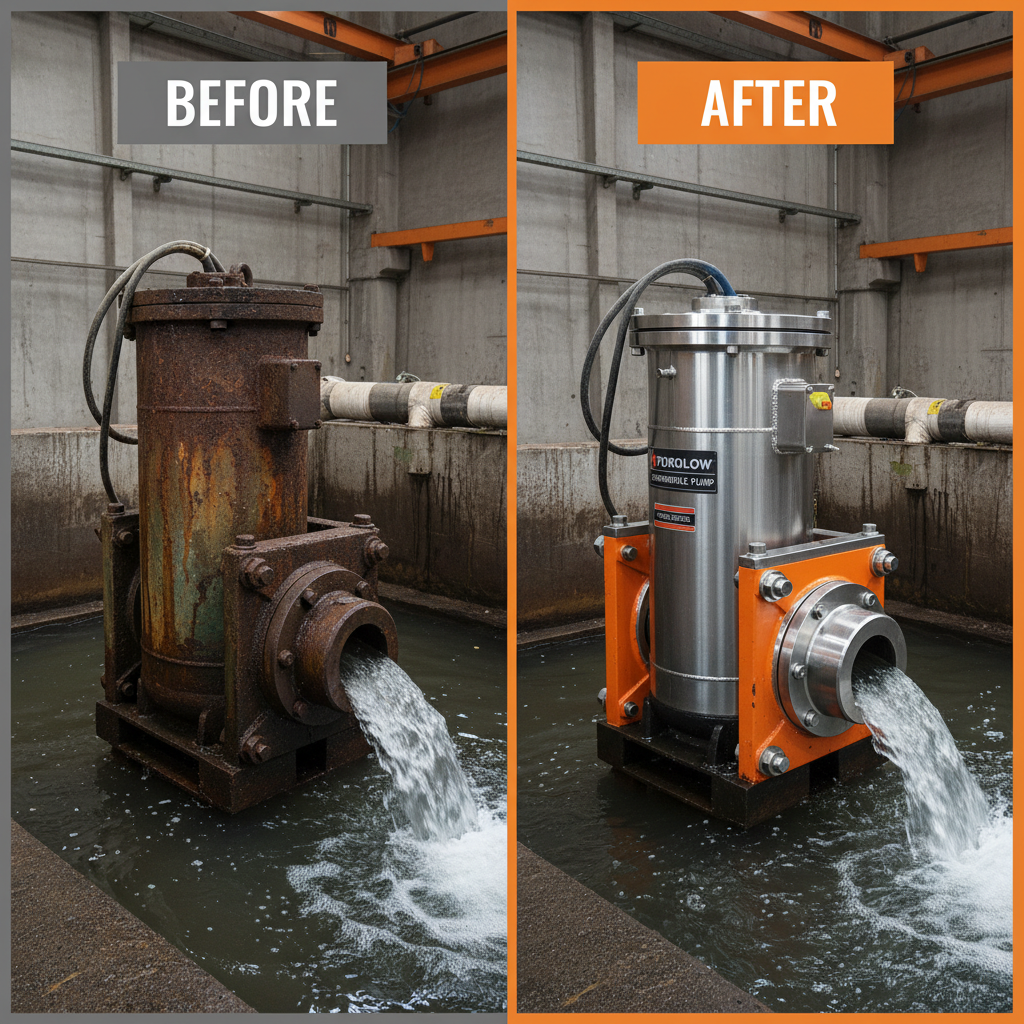 Understanding the Price Submersible Pump and Buyer GuideWhen searching for the ideal water management solution, understanding the price submersible pump options is crucial for balancing budget with performance. Whether you are dealing with a flooded basement, managing agricultural irrigation, or extracting water from a deep well, the cost of a submersible pump can vary significantly based on its build quality and capacity. Investing in a high-quality pump ensures long-term reliability and reduces the frequency of expensive replacements. In this guide, we will break down the factors that influence pricing and help you make an informed decision for your specific needs.Detail
 -
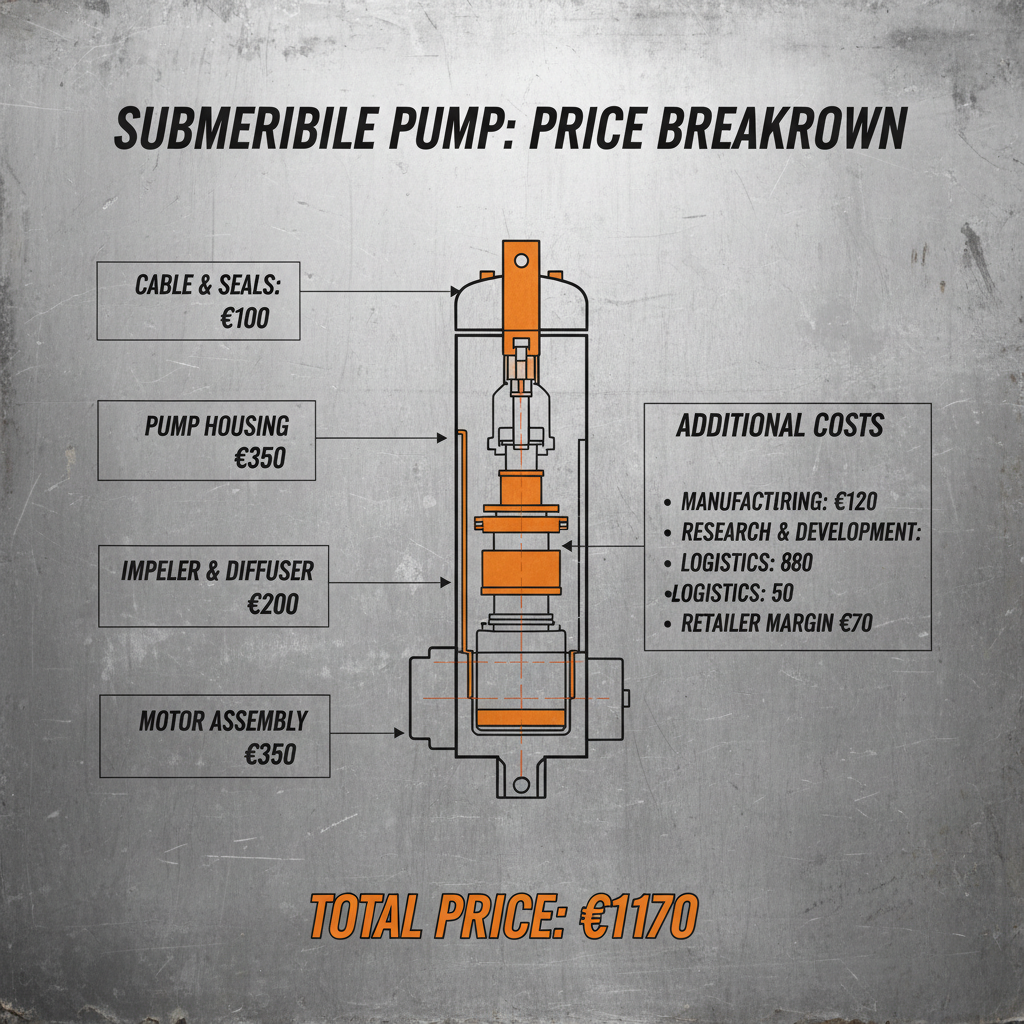 Factors Affecting the Price for Submersible Pump a Buyers GuideWhen investing in water management systems, understanding the price for submersible pump options is essential for balancing performance with budget. Whether you are managing a residential well, an industrial drainage project, or agricultural irrigation, the cost of a pump is rarely a flat fee; it is a reflection of the engineering, materials, and capacity required for your specific environment. In this guide, we will break down the factors that influence pricing and help you determine the best value for your investment to ensure long-term reliability and efficiency.Detail
 -
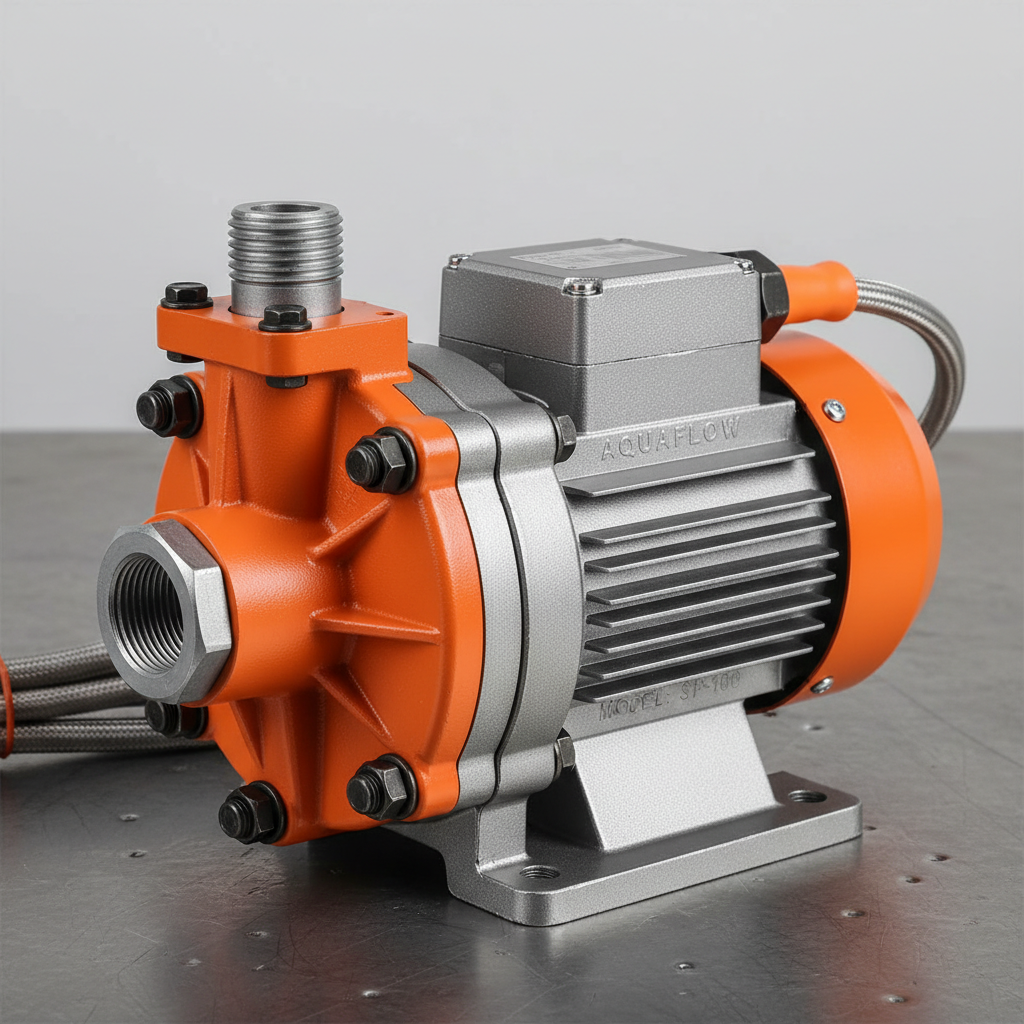 Choosing the Right Mini Submersible Fountain Pump for Optimal Water Feature PerformanceCreating a beautiful and relaxing water feature doesn't have to be complicated. A mini submersible fountain pump is the heart of any indoor or outdoor fountain, and selecting the right one is crucial for optimal performance and longevity. This article will guide you through the key considerations when choosing a mini submersible fountain pump, covering types, features, applications, and how to ensure you get the perfect pump for your project. We’ll also explore how Wellpumpact can provide you with the ideal solution.Detail
 Afrikaans
 Albanian
 Amharic
 Arabic
 Armenian
 Azerbaijani
 Basque
 Belarusian
 Bengali
 Bosnian
 Bulgarian
 Catalan
 Cebuano
 Corsican
 Croatian
 Czech
Czech
 Danish
 Dutch
Dutch
 Esperanto
 Estonian
 Finnish
 French
 Frisian
 Galician
 Georgian
 German
 Greek
Greek
 Gujarati
 Haitian Creole
 Hausa
Hausa
 Hawaiian
 Hebrew
 Hindi
Hindi
 Miao
Miao
 Hungarian
 Icelandic
 Igbo
Igbo
 Indonesian
 Irish
Irish
 Italian
 Japanese
 Javanese
 Kannada
 Kazakh
 Khmer
Khmer
 Rwandese
 Korean
 Kurdish
 Kyrgyz
 Lao
Lao
 Latin
Latin
 Latvian
 Lithuanian
 Luxembourgish
 Macedonian
 Malgashi
 Malay
Malay
 Malayalam
 Maltese
 Maori
Maori
 Marathi
 Mongolian
 Myanmar
 Nepali
 Norwegian
 Norwegian
 Occitan
 Pashto
 Persian
 Polish
 Portuguese
 Punjabi
 Romanian
 Russian
 Samoan
 Scottish Gaelic
 Serbian
 Sesotho
 Shona
Shona
 Sindhi
 Sinhala
 Slovak
 Slovenian
 Somali
 Spanish
 Sundanese
 Swahili
 Swedish
 Tagalog
 Tajik
Tajik
 Tamil
Tamil
 Tatar
Tatar
 Telugu
 Thai
Thai
 Turkish
 Turkmen
 Ukrainian
 Urdu
Urdu
 Uighur
 Uzbek
Uzbek
 Vietnamese
 Welsh
Welsh
 Bantu
Bantu
 Yiddish
 Yoruba
 Zulu
Zulu
 English