
Nov . 29, 2025 17:50 Back to list
Battery Powered Submersible Pumps: Portable Water Solutions for Remote & Emergency Needs
Understanding the Battery Powered Submersible Pump: Why It Matters More Than You Think
Water is the essence of life, but getting it where it's needed—especially in remote, off-grid, or disaster-hit areas—can be surprisingly tricky. The battery powered submersible pump has quietly become a game-changer worldwide, tackling water accessibility challenges through reliable, portable, and efficient means. Whether powering irrigation in dry farmlands or aiding relief missions after a flood, understanding how these pumps work, their benefits, and future potential is crucial for industries and humanitarian efforts alike.
Setting the Stage: Global Importance of Battery Powered Submersible Pumps
According to the United Nations World Water Development Report (2023), more than 2 billion people still lack access to safely managed drinking water. In parallel, industries such as agriculture, mining, and construction often operate in environments where regular power sources are minimal or unreliable.
This is where battery powered submersible pumps step up. They offer a lifeline, enabling water extraction without dependency on grid electricity. The World Bank also highlights that improved water extraction technology directly reduces labor costs and boosts productivity, contributing strongly to sustainable development goals (SDGs).
But here’s the rub: many traditional pumps falter when power isn’t accessible. This gap has propelled battery powered submersible pumps into the spotlight.
What Exactly is a Battery Powered Submersible Pump?
At its core, a battery powered submersible pump is a compact, waterproof pump designed to operate while fully submerged in fluid (usually water). Unlike traditional electric pumps tied to mains power, these units draw from rechargeable batteries, making them highly portable and versatile.
Think of them as the perfect partners in places where power grids are unreliable, like rural villages without strong infrastructure or disaster zones where quick, autonomous water access is critical.
Core Components That Make These Pumps Tick
1. Battery Power Source
The heart of these pumps is their battery system—usually lithium-ion these days for their high energy density and light weight. This allows for longer runs and quicker recharge cycles compared to older lead-acid types.
2. Submersible Motor
The motor is sealed to withstand prolonged immersion. Durability here means less downtime and fewer service trips.
3. Pump Mechanism
Typically centrifugal, this mechanism forces water upward and out through the discharge pipe. Precision engineering here ensures efficiency and reliable flow rates.
4. Control Systems & Safety Features
Modern models often feature built-in protections against overheating, dry running, and low battery. Smart controllers may even allow remote monitoring.
5. Materials & Build Quality
Corrosion resistant metals and plastics extend pump life, especially when dealing with harsh environments or saline water.
Mini takeaway: The intersection of powerful batteries, robust motors, and smart controls makes these pumps truly adaptable and dependable.
Real-World Uses of Battery Powered Submersible Pumps Around the Globe
What really brings this tech to life is seeing where it’s actually used.
- Emergency Relief & Disaster Response: After floods or earthquakes, rapid water access saves lives. NGOs and governments deploy battery powered submersible pumps to clear floodwaters or provide clean water when infrastructure is down.
- Remote Agriculture & Irrigation: Off-grid farmers in Africa, Asia, and Latin America rely on these pumps to irrigate crops without waiting for electrification.
- Mining & Industrial Sites: In remote extraction sites, battery powered pumps move groundwater or dewatering fluids quickly without bulky power rigs.
- Residential Use in Off-Grid Areas: Households off the grid use these pumps for well water access, blending sustainability with convenience.
For example, in Kenya’s arid regions, community water projects have noted a 40% improvement in water availability during dry seasons after adopting solar-battery-powered submersible pumps. Just goes to show, the impact…
What Makes Battery Powered Submersible Pumps Worth the Investment?
- Cost-Effectiveness: No need for fuel or grid power reduces operating costs over time.
- Sustainability: Integration with solar charging can create almost zero-emission water solutions.
- Reliability: Durable designs and intelligent safety features mean less maintenance and downtime.
- Social Impact: Enables communities to maintain dignity and health with easier access to clean water.
- Portability & Flexibility: Easy to move between sites as needs shift.
Oddly enough, beyond specs, many operators rave about the peace of mind these pumps bring: knowing you have water even if the power flickers out. It’s a simple human reassurance.
Keeping an Eye on Tomorrow: Innovations Shaping Battery Powered Submersible Pumps
“Green energy” buzzwords aside, manufacturers are pushing boundaries with:
- Smart IoT Integration: Real-time status tracking for predictive maintenance.
- Advanced Battery Tech: Solid-state batteries promising longer life and faster charging on the horizon.
- Lightweight Composite Materials: To reduce weight without compromising durability.
- Hybrid Energy Systems: Combining solar, wind, and battery in modular packages.
- Automated Flow Controls: Adjusting output based on demand for energy efficiency.
In real terms, this means pumps will be smarter, greener, and even more user-friendly in the near future.
Acknowledging the Hurdles—and How They’re Being Tackled
Nothing is perfect (excluding coffee on a Monday). Battery powered pumps grapple with:
- Battery Life Limitations: Keeping runtime long enough for extended use remains a challenge.
- Cost Barriers: Upfront expenses can deter small-scale users.
- Maintenance in Harsh Environments: Corrosion, sediment build-up, and technical servicing can be tricky in remote locations.
- Charging Infrastructure: Access to reliable solar or charging stations is not universal.
But solutions abound: modular battery packs let operators swap and recharge independently, service training programs for technicians help maintain them, and NGOs often partner with suppliers to subsidize costs.
Product Specification Snapshot
| Feature | Typical Value |
|---|---|
| Battery Type | Lithium-ion 12V / 24V |
| Max Flow Rate | 8,000 L/h (Liters per hour) |
| Max Head (Lift Height) | 45 meters |
| Weight | 7–12 kg (depending on model) |
| Operational Time per Charge | 3–6 hours (variable by load) |
| Waterproof Rating | IP68 (Fully submersible) |
Vendor Showdown: Comparing Leading Battery Powered Submersible Pump Providers
| Vendor | Price Range (USD) | Battery Type | Max Flow (L/h) | Special Features |
|---|---|---|---|---|
| HydroTech Solutions | $450–650 | Lithium-ion | 8,000 | Smart app controls, IP68 |
| PumpMasters Inc. | $500–700 | Nickel-metal Hydride | 7,500 | Quick swap battery packs |
| AquaZap Co. | $400–600 | Lithium-ion | 7,800 | Solar charge compatible |
Common Questions About Battery Powered Submersible Pumps
Q1: How long can a battery powered submersible pump typically operate on a full charge?
A: Most models run between 3 to 6 hours depending on operational load, water depth, and battery capacity. Newer lithium-ion packs tend to offer longer times. Some units support battery swapping for extended use.
Q2: Are these pumps suitable for salty or contaminated water?
A: Many pumps use corrosion-resistant materials and are rated for various water qualities, but highly saline or contaminated water may reduce longevity. Specialized models exist for harsh fluids with additional sealing and materials.
Q3: What are the charging options for these pumps in remote areas?
A: Charging can be done via solar panels, portable generators, or grid power if available. Solar integration is increasingly popular, making these pumps truly off-grid capable.
Q4: Can these pumps handle high lift heights for deep wells?
A: Yes, most battery powered submersible pumps can lift water up to 45 meters or more; however, efficiency and runtime vary with depth and flow rates.
Q5: How do I maintain a battery powered submersible pump?
A: Regular cleaning to prevent sediment buildup, ensuring battery health through proper charging, and periodic checks of seals and cables are essential. Many vendors provide maintenance guides or service plans.
Wrapping It Up: The Last Word on Battery Powered Submersible Pumps
For anyone invested in water management, agriculture, disaster relief, or simply off-grid living, the battery powered submersible pump represents a solid stride forward. It’s a bridge between technology and human necessity, blending mobility, clean energy, and smart engineering to unlock water where it's needed, when it's needed.
So if you’re ready to explore robust, flexible water solutions, check out our detailed offerings at battery powered submersible pump — it might just be the tool that changes the game for your next project.
References
-
Understanding the Price Submersible Pump and Buyer Guide
NewsApr.16,2026
-
Factors Affecting the Price for Submersible Pump a Buyers Guide
NewsApr.09,2026
-
Choosing the Right Mini Submersible Fountain Pump for Optimal Water Feature Performance
NewsApr.07,2026
-
A Detailed Guide to Installing a Submersible Pump for Optimal Performance
NewsApr.04,2026
-
Comprehensive Guide on How to Test a Submersible Water Well Pump Effectively
NewsMar.31,2026
-
Learn How to Replace a Submersible Well Pump Safely and Effectively
NewsMar.28,2026
-
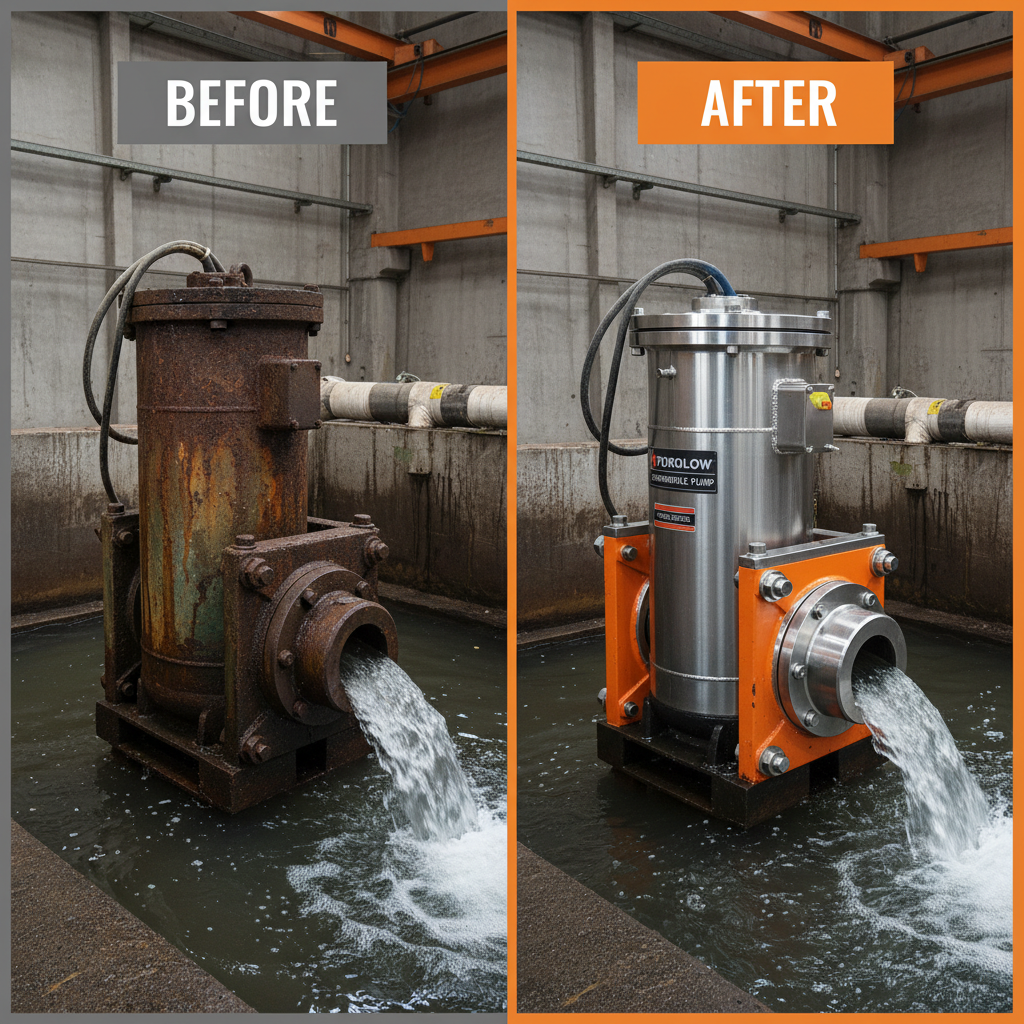 Understanding the Price Submersible Pump and Buyer GuideWhen searching for the ideal water management solution, understanding the price submersible pump options is crucial for balancing budget with performance. Whether you are dealing with a flooded basement, managing agricultural irrigation, or extracting water from a deep well, the cost of a submersible pump can vary significantly based on its build quality and capacity. Investing in a high-quality pump ensures long-term reliability and reduces the frequency of expensive replacements. In this guide, we will break down the factors that influence pricing and help you make an informed decision for your specific needs.Detail
 -
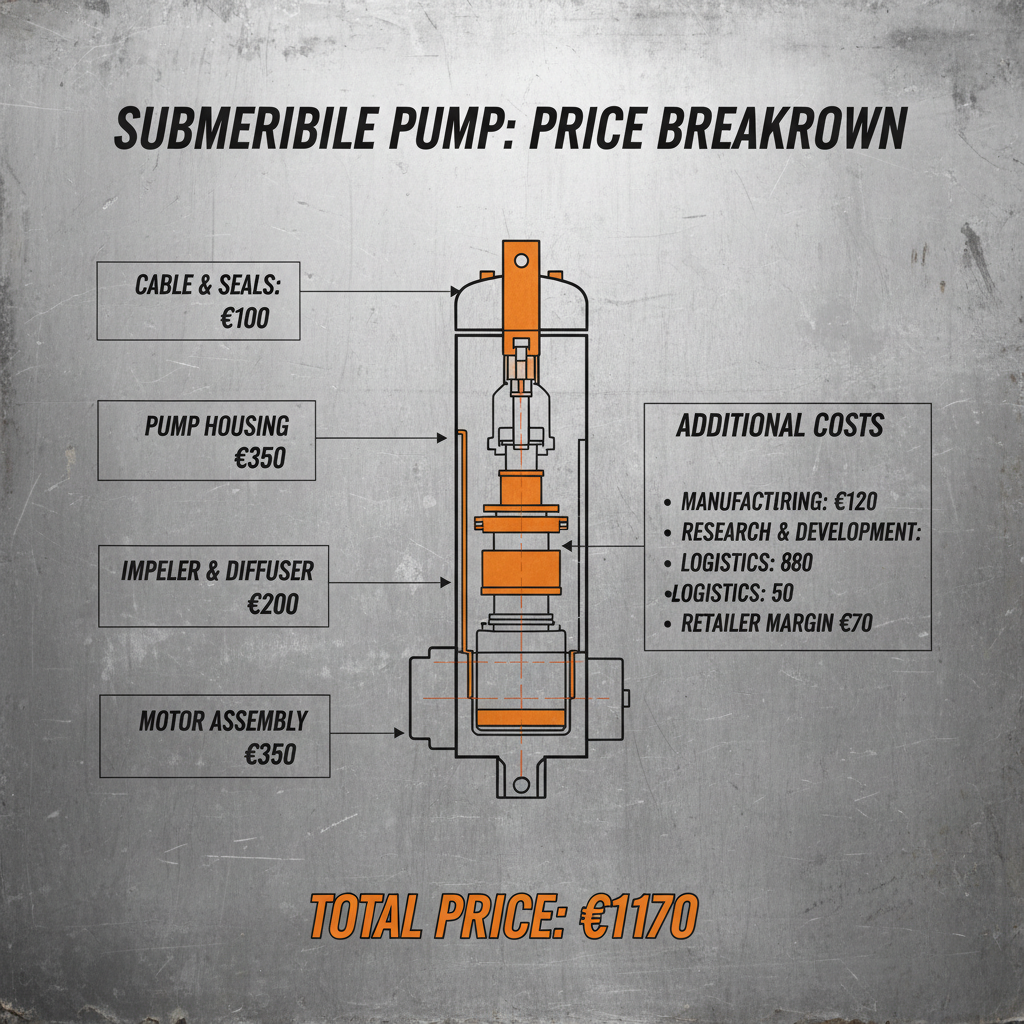 Factors Affecting the Price for Submersible Pump a Buyers GuideWhen investing in water management systems, understanding the price for submersible pump options is essential for balancing performance with budget. Whether you are managing a residential well, an industrial drainage project, or agricultural irrigation, the cost of a pump is rarely a flat fee; it is a reflection of the engineering, materials, and capacity required for your specific environment. In this guide, we will break down the factors that influence pricing and help you determine the best value for your investment to ensure long-term reliability and efficiency.Detail
 -
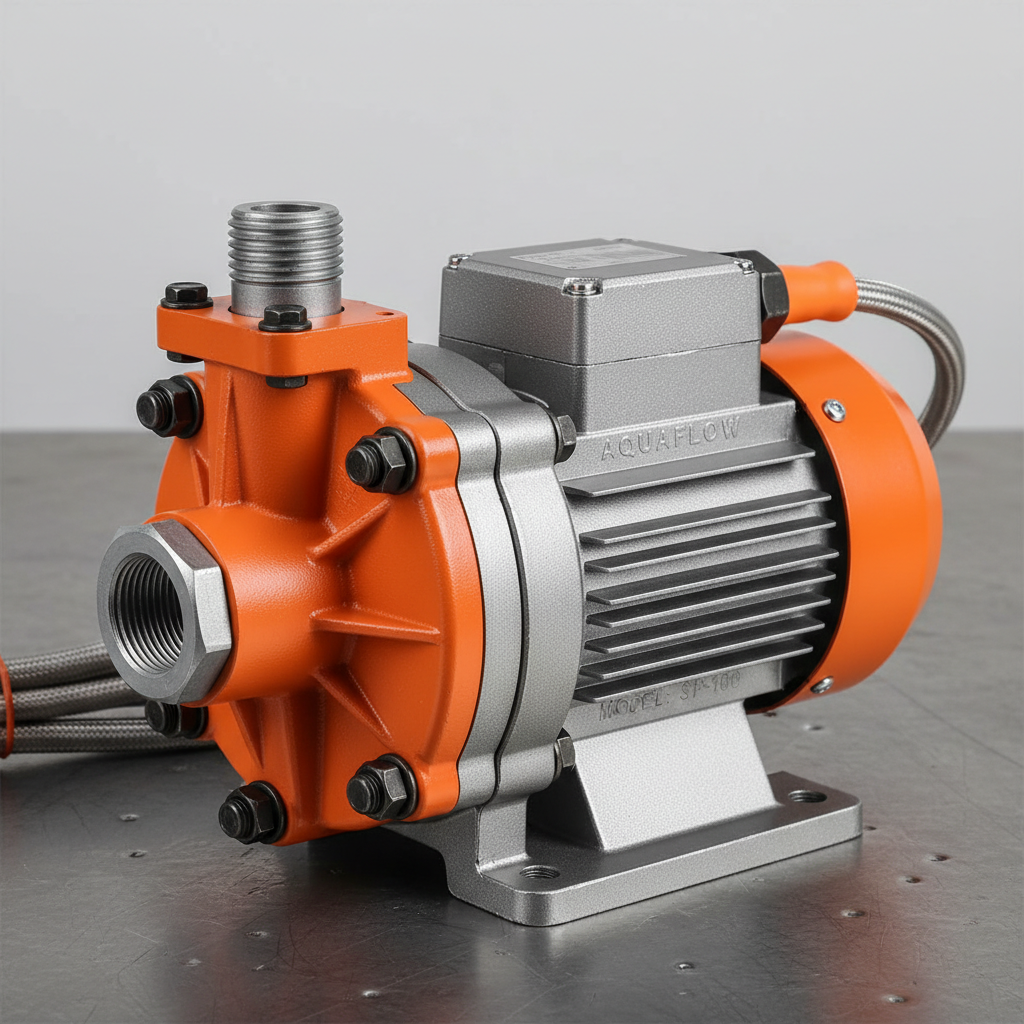 Choosing the Right Mini Submersible Fountain Pump for Optimal Water Feature PerformanceCreating a beautiful and relaxing water feature doesn't have to be complicated. A mini submersible fountain pump is the heart of any indoor or outdoor fountain, and selecting the right one is crucial for optimal performance and longevity. This article will guide you through the key considerations when choosing a mini submersible fountain pump, covering types, features, applications, and how to ensure you get the perfect pump for your project. We’ll also explore how Wellpumpact can provide you with the ideal solution.Detail
 Afrikaans
 Albanian
 Amharic
 Arabic
 Armenian
 Azerbaijani
 Basque
 Belarusian
 Bengali
 Bosnian
 Bulgarian
 Catalan
 Cebuano
 Corsican
 Croatian
 Czech
Czech
 Danish
 Dutch
Dutch
 Esperanto
 Estonian
 Finnish
 French
 Frisian
 Galician
 Georgian
 German
 Greek
Greek
 Gujarati
 Haitian Creole
 Hausa
Hausa
 Hawaiian
 Hebrew
 Hindi
Hindi
 Miao
Miao
 Hungarian
 Icelandic
 Igbo
Igbo
 Indonesian
 Irish
Irish
 Italian
 Japanese
 Javanese
 Kannada
 Kazakh
 Khmer
Khmer
 Rwandese
 Korean
 Kurdish
 Kyrgyz
 Lao
Lao
 Latin
Latin
 Latvian
 Lithuanian
 Luxembourgish
 Macedonian
 Malgashi
 Malay
Malay
 Malayalam
 Maltese
 Maori
Maori
 Marathi
 Mongolian
 Myanmar
 Nepali
 Norwegian
 Norwegian
 Occitan
 Pashto
 Persian
 Polish
 Portuguese
 Punjabi
 Romanian
 Russian
 Samoan
 Scottish Gaelic
 Serbian
 Sesotho
 Shona
Shona
 Sindhi
 Sinhala
 Slovak
 Slovenian
 Somali
 Spanish
 Sundanese
 Swahili
 Swedish
 Tagalog
 Tajik
Tajik
 Tamil
Tamil
 Tatar
Tatar
 Telugu
 Thai
Thai
 Turkish
 Turkmen
 Ukrainian
 Urdu
Urdu
 Uighur
 Uzbek
Uzbek
 Vietnamese
 Welsh
Welsh
 Bantu
Bantu
 Yiddish
 Yoruba
 Zulu
Zulu
 English