
Dec . 02, 2025 11:30 Back to list
Comprehensive Guide to Hot Water Submersible Pumps: Uses, Benefits & Vendors
Understanding Hot Water Submersible Pumps: Essential Insights and Global Importance
Hot water submersible pumps might sound niche, but their impact ripples across industries and humanitarian efforts worldwide. Simply put, these devices are specialized pumps designed to operate underwater while handling hot liquids—often above 60°C (140°F). Whether it's supplying warm water in industrial processes or providing reliable hot water solutions in emergency scenarios, understanding these pumps equips engineers, procurement specialists, and policy makers with tools to tackle operational challenges in harsh conditions.
Globally, water infrastructure demands are changing rapidly; climate shifts and energy needs raise the stakes on efficient, resilient equipment. Companies and organizations that embrace hot water submersible pumps can often save money, reduce downtime, and contribute to sustainable resource management. It’s an underappreciated yet vital piece of the puzzle.
Introduction: Why Hot Water Submersible Pumps Matter Worldwide
To grasp the global relevance of hot water submersible pumps, consider this: the UN reports that over 2 billion people still lack safely managed drinking water services. Industrial sectors, including energy and manufacturing, simultaneously demand efficient thermal fluid movement to optimize productivity.
Hot water submersible pumps bridge these two worlds — they’re crucial where conventional pumps fail due to elevated temperatures or submersion challenges. Industries such as geothermal energy, desalination plants, and chemical processing count on their reliable operation. Oddly enough, they also appear in post-disaster responses, where piping hot water safely can mean the difference between disease control and outbreaks.
What Is a Hot Water Submersible Pump?
At its core, a hot water submersible pump is a motorized device that sits submerged in fluid—and in this case, the fluid is heated. Unlike standard submersible pumps designed for cool or ambient temperatures, these units use materials and electric insulation capable of withstanding sustained hot water exposure without degrading.
Think of them as underwater workhorses engineered specifically for hotter environments, combining waterproofing with thermal durability. This specialization extends their lifespan and ensures stable flow rates, critical for modern industry and humanitarian water needs.
Key Features and Components of Hot Water Submersible Pumps
1. Durability and Heat Resistance
These pumps utilize heat-resistant materials like stainless steel and specialized polymers, paired with high-temp-rated electric motors sealed with premium insulation. This means they won’t warp, corrode, or short-circuit even after prolonged exposure to temperatures well above 60°C.
2. Power and Efficiency
In real terms, a pump that drains or circulates hot water must work efficiently to avoid energy waste and reduce strain on power grids. Variable frequency drives (VFDs) often help modulate power usage, matching pump speed with demand.
3. Sealing Technology
Reliable shaft seals prevent leaks and contamination. Many hot water submersible pumps employ mechanical seals with ceramic or carbon faces to withstand temperature variations without losing integrity.
4. Scalability and Customization
Manufacturers offer units from a few kilowatts to several hundred, adaptable to diverse volumes and depths—whether in a small hot water well or an industrial tank.
Technical Specifications of a Typical Hot Water Submersible Pump
| Specification | Details |
|---|---|
| Max Operating Temperature | 90°C (194°F) |
| Motor Power | 3 kW – 150 kW |
| Flow Rate | Up to 1500 m³/hr |
| Material | Stainless Steel & Heat-resistant Polymers |
| Protection Class | IP68 (Waterproof) |
| Voltage | 380 – 690 V |
Mini Takeaway: Understanding key components like heat-resistant materials and sealing technology clarifies why these pumps stand out in high-temperature underwater applications.
Global Applications and Use Cases
Hot water submersible pumps have quite a range of uses. In geothermal power plants—say, in Iceland or New Zealand—these pumps circulate heated fluids to generate electricity. The HVAC industry uses them to maintain hot water circulation in large buildings while preventing heat loss. Then there’s their role in petrochemical plants, where constant hot fluid movement is critical.
Humanitarian organizations also deploy these pumps in remote or disaster-affected areas where hot water supply can be life-saving. Oddly enough, I've seen cases in cold regions where these pumps ensure hot water delivery to field hospitals or refugee camps, helping reduce disease transmission.
Leading Vendors Comparison
| Vendor | Max Temp (°C) | Power Range (kW) | Material Focus | Notable Strength |
|---|---|---|---|---|
| AquaTherm Pumps | 90 | 5-120 | Stainless Steel | Excellent corrosion resistance |
| HeatFlow Tech | 85 | 3-80 | Polymer composites | Lightweight, energy efficient |
| SubmersiPro | 95 | 10-150 | High-grade alloys | Top sealing systems |
Advantages and Long-Term Benefits of Hot Water Submersible Pumps
The big draw? Reliability. These pumps promise constant hot water delivery with minimal downtime, which is critical in industry where interruptions can mean hefty losses. Cost efficiency follows because you're not replacing expensive parts due to heat damage every other season.
Environmentally, energy-efficient models help reduce carbon footprints, aligning with global sustainability goals. Emotionally, they safeguard lives in healthcare or disaster settings by ensuring hygienic hot water access. Innovation, in that sense, really meets human dignity.
Future Trends and Innovations
Hot water pump technology is marching toward greener, smarter solutions. Imagine integrated sensors that remotely monitor pump health and predict failures before they happen—reducing costly replacements. Materials research is pushing boundaries on polymers to tolerate even hotter environments, broadening application scopes.
On the policy front, ISO certification standards for high-temp water pumps are evolving to better ensure safety and compatibility. Plus, digital twin simulations allow engineers to test pumps “virtually” in harsh conditions, accelerating innovation.
Challenges and Practical Solutions
One hurdle? Hot water can quickly wear down seals and electrical insulation if subpar parts are used. Plus, in turbulent or debris-filled water, pumps can jam. Experts recommend tailored filtration systems and high-grade seal materials to prolong life.
Furthermore, training operators on proper installation and maintenance drastically improves longevity. Many engineers also advise modular components — so if a part fails, it’s swapped swiftly without scrapping the entire pump.
FAQ About Hot Water Submersible Pumps
- Q: Can hot water submersible pumps handle temperatures above 90°C safely?
A: Most standard hot water submersible pumps are rated up to 90°C; exceeding this requires specialized pumps with enhanced materials. Always verify manufacturer specifications to avoid equipment damage. - Q: How often do these pumps need maintenance in industrial settings?
A: Generally, semi-annual inspections focusing on seals, electrical insulation, and impellers are recommended, but high-demand environments might require more frequent checks. - Q: Are hot water submersible pumps energy efficient?
A: Many modern models incorporate variable frequency drives (VFDs) to optimize power use, significantly improving energy efficiency compared to older units. - Q: Can these pumps be used in emergency humanitarian water supply operations?
A: Absolutely, their robust design suits unpredictable environments. For quick deployment, lightweight polymer models are often preferred.
Conclusion
Hot water submersible pumps, while specialized, hold a broader importance that touches many vital sectors. They represent a blend of engineering prowess, sustainable design, and practical durability. Whether climbing the geothermal hills of Iceland or enabling safe water delivery in crisis zones, their role is quietly powerful.
So, if you’re seeking reliable, long-lasting hot water submersible pump solutions, visit our website to explore options that suit your demanding needs.
A tiny reflection: it’s curious how such heavy-duty tech quietly sustains life and industry, often unnoticed unless something goes wrong. Maybe that’s the mark of truly good engineering.
References
-
Understanding the Price Submersible Pump and Buyer Guide
NewsApr.16,2026
-
Factors Affecting the Price for Submersible Pump a Buyers Guide
NewsApr.09,2026
-
Choosing the Right Mini Submersible Fountain Pump for Optimal Water Feature Performance
NewsApr.07,2026
-
A Detailed Guide to Installing a Submersible Pump for Optimal Performance
NewsApr.04,2026
-
Comprehensive Guide on How to Test a Submersible Water Well Pump Effectively
NewsMar.31,2026
-
Learn How to Replace a Submersible Well Pump Safely and Effectively
NewsMar.28,2026
-
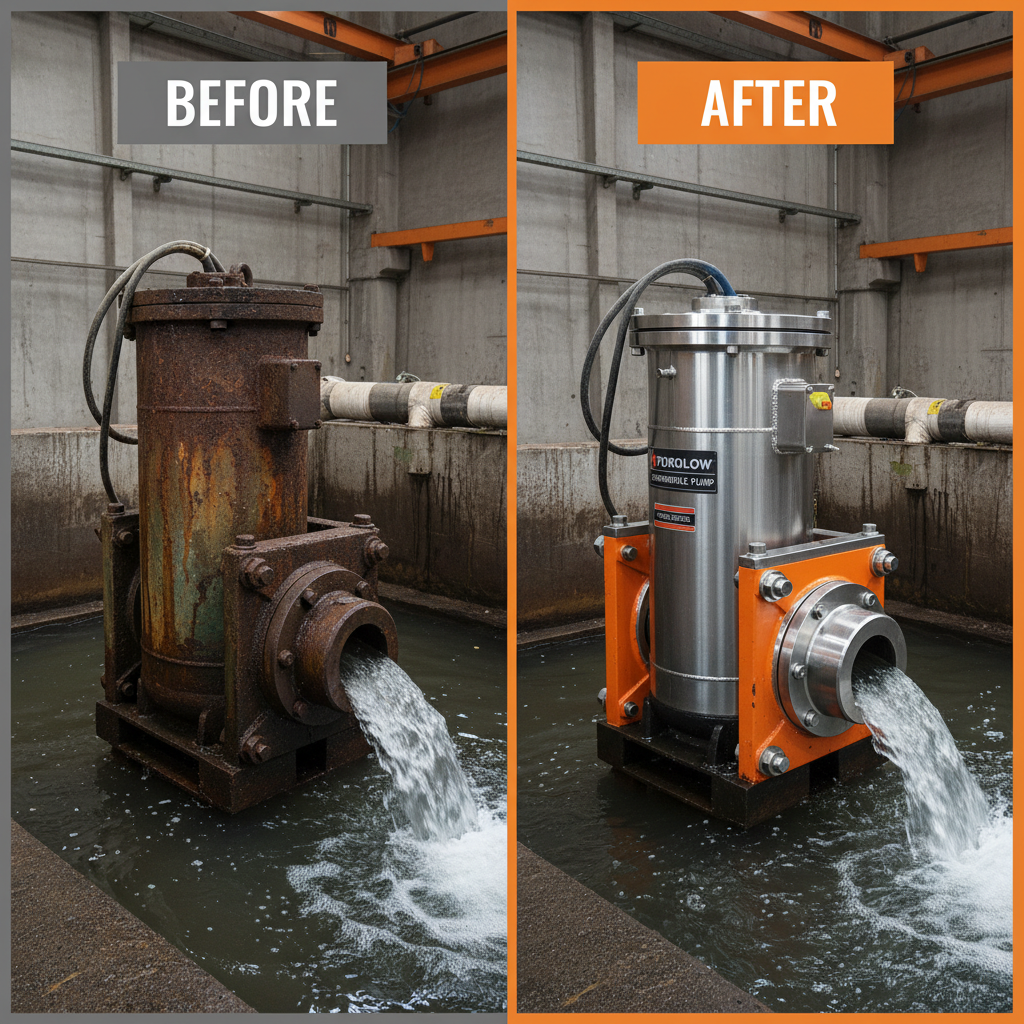 Understanding the Price Submersible Pump and Buyer GuideWhen searching for the ideal water management solution, understanding the price submersible pump options is crucial for balancing budget with performance. Whether you are dealing with a flooded basement, managing agricultural irrigation, or extracting water from a deep well, the cost of a submersible pump can vary significantly based on its build quality and capacity. Investing in a high-quality pump ensures long-term reliability and reduces the frequency of expensive replacements. In this guide, we will break down the factors that influence pricing and help you make an informed decision for your specific needs.Detail
 -
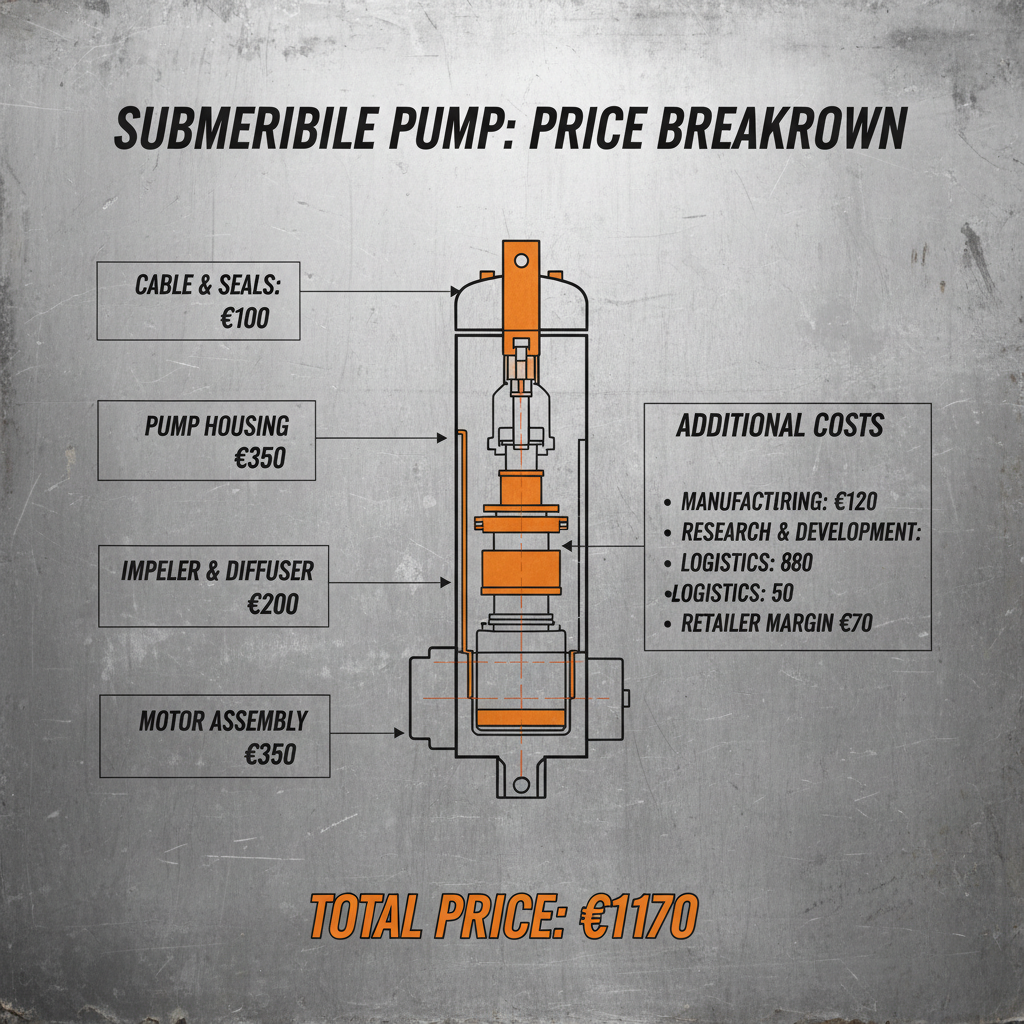 Factors Affecting the Price for Submersible Pump a Buyers GuideWhen investing in water management systems, understanding the price for submersible pump options is essential for balancing performance with budget. Whether you are managing a residential well, an industrial drainage project, or agricultural irrigation, the cost of a pump is rarely a flat fee; it is a reflection of the engineering, materials, and capacity required for your specific environment. In this guide, we will break down the factors that influence pricing and help you determine the best value for your investment to ensure long-term reliability and efficiency.Detail
 -
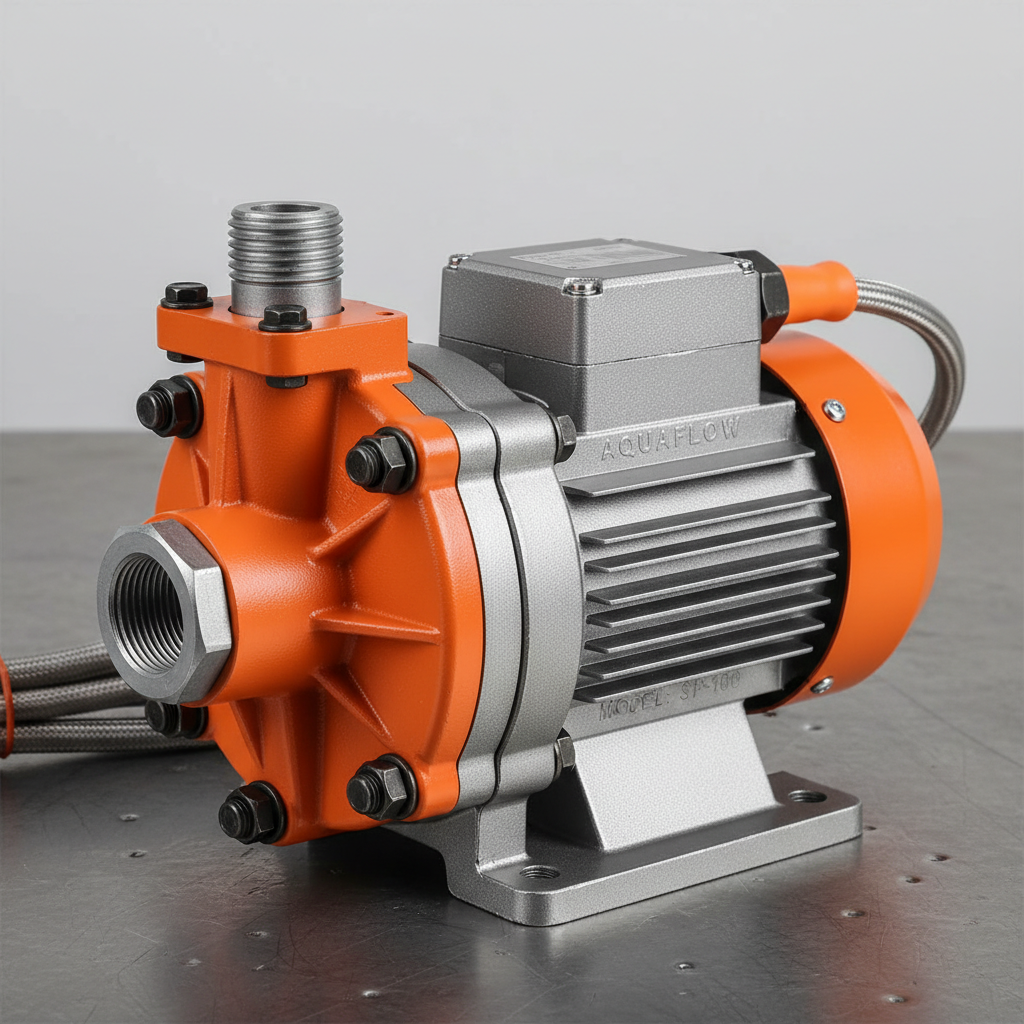 Choosing the Right Mini Submersible Fountain Pump for Optimal Water Feature PerformanceCreating a beautiful and relaxing water feature doesn't have to be complicated. A mini submersible fountain pump is the heart of any indoor or outdoor fountain, and selecting the right one is crucial for optimal performance and longevity. This article will guide you through the key considerations when choosing a mini submersible fountain pump, covering types, features, applications, and how to ensure you get the perfect pump for your project. We’ll also explore how Wellpumpact can provide you with the ideal solution.Detail
 Afrikaans
 Albanian
 Amharic
 Arabic
 Armenian
 Azerbaijani
 Basque
 Belarusian
 Bengali
 Bosnian
 Bulgarian
 Catalan
 Cebuano
 Corsican
 Croatian
 Czech
Czech
 Danish
 Dutch
Dutch
 Esperanto
 Estonian
 Finnish
 French
 Frisian
 Galician
 Georgian
 German
 Greek
Greek
 Gujarati
 Haitian Creole
 Hausa
Hausa
 Hawaiian
 Hebrew
 Hindi
Hindi
 Miao
Miao
 Hungarian
 Icelandic
 Igbo
Igbo
 Indonesian
 Irish
Irish
 Italian
 Japanese
 Javanese
 Kannada
 Kazakh
 Khmer
Khmer
 Rwandese
 Korean
 Kurdish
 Kyrgyz
 Lao
Lao
 Latin
Latin
 Latvian
 Lithuanian
 Luxembourgish
 Macedonian
 Malgashi
 Malay
Malay
 Malayalam
 Maltese
 Maori
Maori
 Marathi
 Mongolian
 Myanmar
 Nepali
 Norwegian
 Norwegian
 Occitan
 Pashto
 Persian
 Polish
 Portuguese
 Punjabi
 Romanian
 Russian
 Samoan
 Scottish Gaelic
 Serbian
 Sesotho
 Shona
Shona
 Sindhi
 Sinhala
 Slovak
 Slovenian
 Somali
 Spanish
 Sundanese
 Swahili
 Swedish
 Tagalog
 Tajik
Tajik
 Tamil
Tamil
 Tatar
Tatar
 Telugu
 Thai
Thai
 Turkish
 Turkmen
 Ukrainian
 Urdu
Urdu
 Uighur
 Uzbek
Uzbek
 Vietnamese
 Welsh
Welsh
 Bantu
Bantu
 Yiddish
 Yoruba
 Zulu
Zulu
 English