
Dec . 02, 2025 01:05 Back to list
Comprehensive Guide to Submersible Water Feature Pumps – Global Use & Future Trends
Understanding the Submersible Water Feature Pump: A Global Perspective
Submersible water feature pumps are quietly playing a massive role in how we design, maintain, and enjoy water installations worldwide. Whether it’s a tranquil backyard pond, a cascading waterfall in a luxury hotel, or decorative fountains in bustling city squares, these pumps keep the water moving – silently, efficiently, and reliably. But beyond aesthetics, the technology behind these pumps ties into larger issues like energy efficiency, sustainability, and humanitarian usage, which is why understanding them matters globally.
Frankly, as our urban environments grow and water-conscious designs become more mainstream, the demand for versatile, durable, and cost-efficient submersible water feature pumps continues to rise. They’re more than just pretty props; they’re solutions to real-world challenges in water management and decorative design.
Global Context and Rising Demand
Globally, urban water features are projected to increase with urbanization rates hitting nearly 60% by 2030 according to UN Habitat reports. This growth pushes the need for sustainable water recirculation and pumping solutions. The submersible water feature pump market has responded accordingly, offering more energy-efficient and quieter models that reduce maintenance headaches and environmental impact.
However, challenges remain. Many traditional pumps waste energy or require constant upkeep. In arid areas or disaster-affected zones, water features often double as practical tools for water movement, making reliable pumps a necessity beyond decoration.
What Exactly Is a Submersible Water Feature Pump?
Simply put, a submersible water feature pump is a device placed underwater to circulate water through fountains, waterfalls, or ponds. Unlike external pumps that must be housed separately and connected via hoses, these pumps live underwater, preventing noise and keeping the installation sleek. Their waterproof design often uses sealed motors to ensure durability and performance under continuous immersion.
In modern industry and humanitarian contexts, these pumps aid in recirculating water for irrigation, water purification systems, and even small-scale aquaculture. They can be lifesavers—literally—where supplying reliable water flow is crucial.
Key Components and Factors That Matter
Durability and Waterproofing
This is obvious, yet crucial. The pump’s casing needs to withstand constant water exposure, debris, and in some cases, freezing temperatures. High-quality seals, corrosion-resistant metals, or plastics are standard. You don’t want a rusty pump spoiling your urban oasis.
Energy Efficiency
Since these pumps often run 24/7, energy consumption is a major consideration. Modern models employ brushless motors or variable speed controls to keep electricity bills low without sacrificing flow rate.
Scalability and Flow Rate
Whether you’re working on a small tabletop fountain or a multi-tier waterfall, the pump must match your water volume needs. Flow rate is measured in gallons per hour (GPH) or liters per minute (L/min). A mismatch here can mean either a dribble or an overwhelming cascade.
Noise Level
Many people install submersible pumps near patios or bedrooms, so quiet operation is important. Pump vibration and motor design affect ambient noise.
Ease of Maintenance
Filters or impellers can clog with algae or dirt, so pumps designed for quick cleaning reduce downtime. Some models even have detachable, washable parts.
| Specification | Example Model X100 | Example Model A200 |
|---|---|---|
| Max Flow Rate | 1200 GPH | 1500 GPH |
| Power Consumption | 40 Watts | 47 Watts |
| Max Head Height | 8 Feet | 10 Feet |
| Noise Level | 45 dB | 48 dB |
| Warranty | 3 Years | 2 Years |
Global Applications & Use Cases
- Urban Landscaping: Submersible pumps power fountains in plazas—think New York’s Rockefeller Center or Singapore’s Marina Bay.
- Hospitality Industry: Hotels rely on these pumps for calming water features that attract guests while using low water and electricity.
- Environmental Projects: Wetland restoration efforts use pumps for recirculating water and improving biodiversity.
- Humanitarian Use: In areas with disrupted infrastructure—say post-hurricane zones—portable submersible pumps help manage flooded areas or provide water circulation in temporary relief ponds.
Oddly enough, despite their invisible nature, these pumps have a surprisingly broad footprint globally.
Vendor Comparison
| Vendor | Price Range | Energy Efficiency | Noise Level | Availability |
|---|---|---|---|---|
| EcoFlow Pumps | $$$ | High | Low (40 dB) | Global |
| WaterMagic Co. | $$ | Medium | Medium (47 dB) | North America, Europe |
| BasicFlow Pumps | $ | Low | High (55 dB) | Local Markets |
Advantages & Long-Term Value
The rational gains are easy to see: energy savings, less noise pollution, and minimal maintenance frees up time and lowers costs. On an emotional level, there’s something soothing and dignified about a quietly running water feature enhancing daily life in homes or public spaces. Innovation in this sector also builds trust — buyers feel confident investing in pumps that last and don’t disrupt their vision.
Emerging Trends & the Road Ahead
We’re now seeing submersible water feature pumps integrating smart technology—IoT-enabled pumps that automatically adjust flow for water conservation or self-diagnose malfunctions. Solar-powered submersible pumps are gaining traction, especially in off-grid and disaster-relief scenarios where electricity is scarce. Materials science is pushing toward more eco-friendly casings derived from recycled plastics or biodegradable composites.
Sustainability is more than a buzzword here; it’s reshaping product development and usage worldwide.
Challenges and Expert Solutions
Yes, these pumps aren't perfect. Their waterproof seals can degrade over time and lead to failures. Debris clogging and sediment buildup remain persistent problems in natural water bodies. In response, some engineers suggest modular pump designs that allow for easy seal replacement or self-cleaning impellers that reduce downtime. Also, user education on routine maintenance can’t be overstated; many failures stem from neglect rather than design flaws.
FAQ: Frequently Asked Questions About Submersible Water Feature Pumps
-
Q: How do I choose the right flow rate for my fountain?
A: Estimate your water feature’s volume and desired water turnover rate. Typically, the pump should circulate the full volume at least once every 1–2 hours. Manufacturers often provide flow rate charts; matching these with your feature size helps avoid under or overpowering your design. -
Q: Can submersible pumps run continuously without overheating?
A: Most modern submersible pumps are designed for continuous operation with built-in thermal overload protection. However, adequate water around the pump for cooling is essential to prevent overheating. -
Q: Are energy-efficient pumps more expensive initially?
A: Generally, yes, but they save money long-term through reduced power consumption and longer lifespans. Think of it as an investment in sustainability and reliability. -
Q: How often should I perform maintenance on my pump?
A: Inspect pumps monthly for debris and clean filters every 3–6 months depending on water quality. More frequent maintenance might be needed in natural ponds or dusty environments.
Conclusion
Submersible water feature pumps might seem like small cogs in grand urban or environmental designs, but their influence is huge. They deliver practical benefits with an elegant touch, support sustainable water management, and continuously adapt to future demands. Their quiet reliability shapes how water flows through our cities and lives.
If you’re looking to update or install new water features, exploring the latest submersible water feature pump options can be a game-changer. Dive in and discover efficient, quiet, and durable pumps built for today’s challenges and tomorrow’s innovations.
Thanks for reading — it feels good to understand the quiet forces behind the splashes...
References:
-
Understanding the Price Submersible Pump and Buyer Guide
NewsApr.16,2026
-
Factors Affecting the Price for Submersible Pump a Buyers Guide
NewsApr.09,2026
-
Choosing the Right Mini Submersible Fountain Pump for Optimal Water Feature Performance
NewsApr.07,2026
-
A Detailed Guide to Installing a Submersible Pump for Optimal Performance
NewsApr.04,2026
-
Comprehensive Guide on How to Test a Submersible Water Well Pump Effectively
NewsMar.31,2026
-
Learn How to Replace a Submersible Well Pump Safely and Effectively
NewsMar.28,2026
-
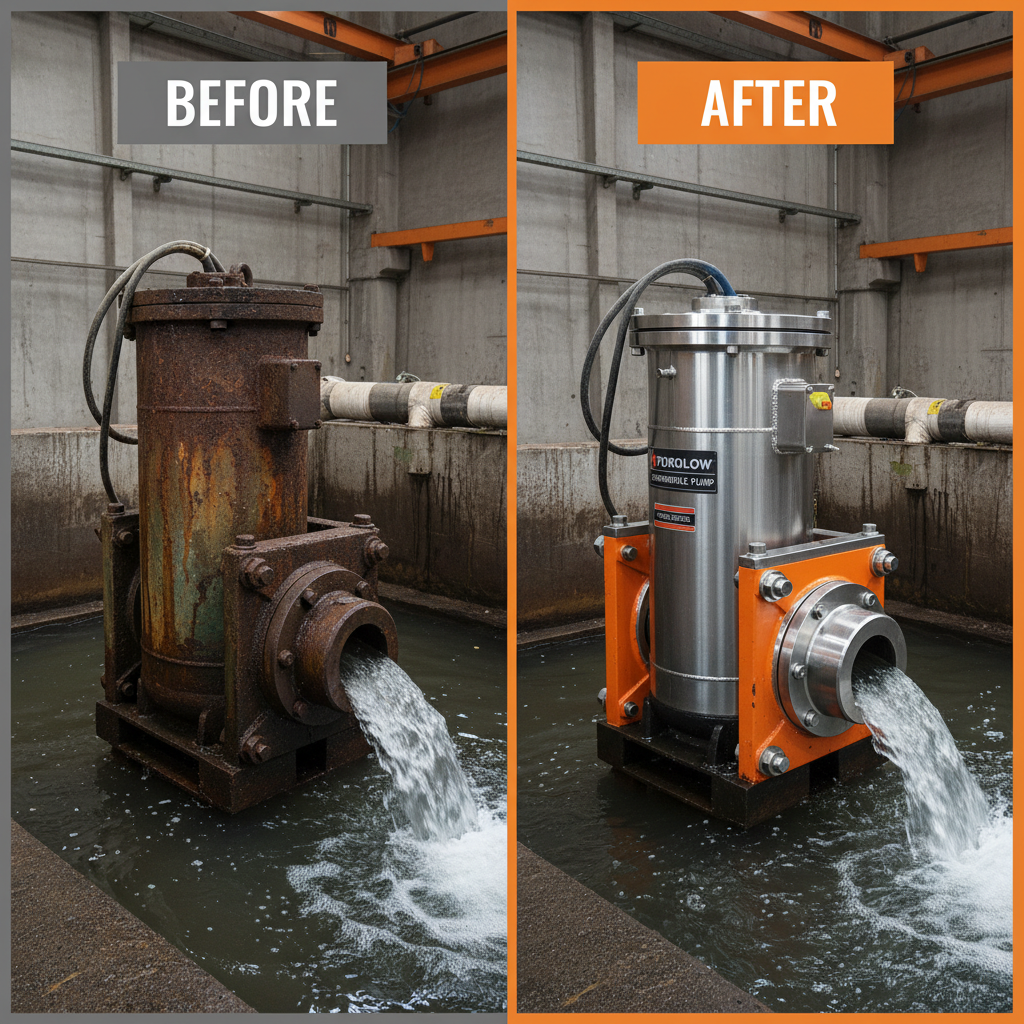 Understanding the Price Submersible Pump and Buyer GuideWhen searching for the ideal water management solution, understanding the price submersible pump options is crucial for balancing budget with performance. Whether you are dealing with a flooded basement, managing agricultural irrigation, or extracting water from a deep well, the cost of a submersible pump can vary significantly based on its build quality and capacity. Investing in a high-quality pump ensures long-term reliability and reduces the frequency of expensive replacements. In this guide, we will break down the factors that influence pricing and help you make an informed decision for your specific needs.Detail
 -
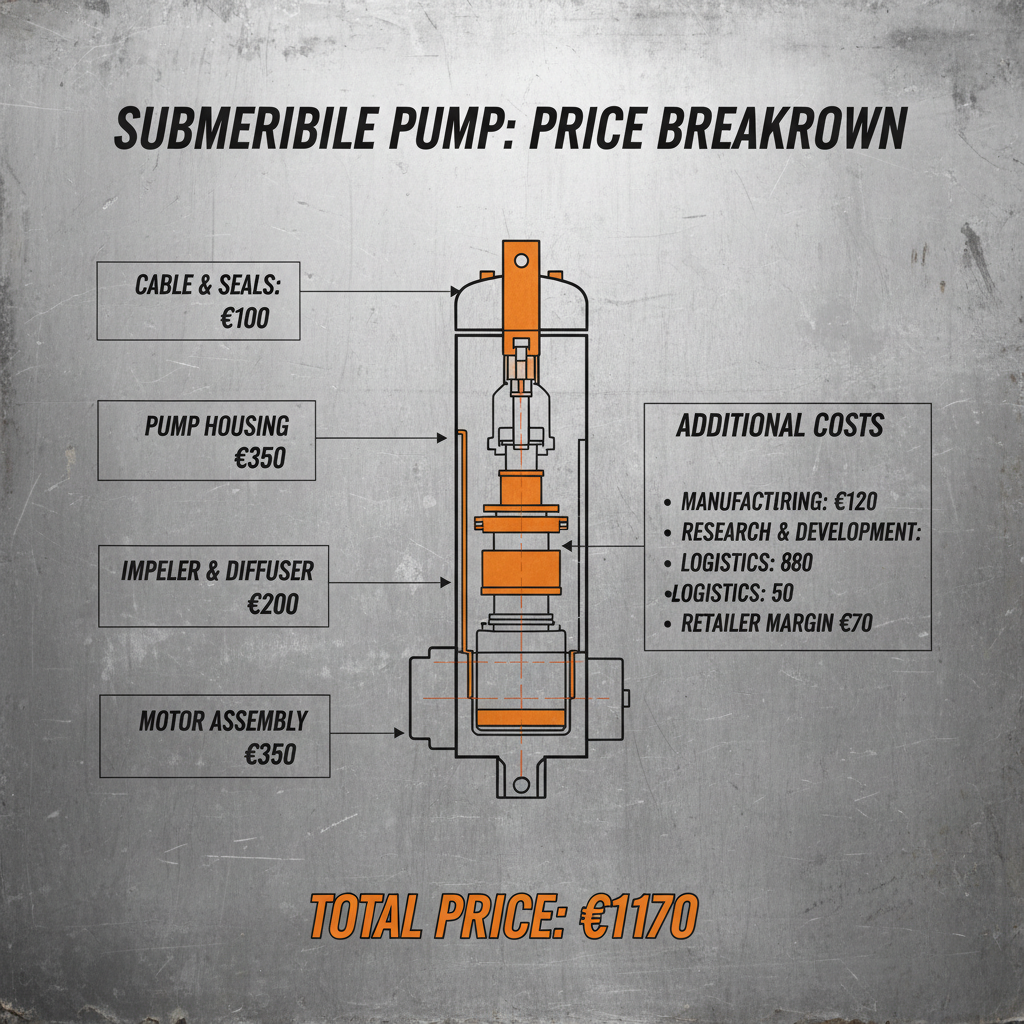 Factors Affecting the Price for Submersible Pump a Buyers GuideWhen investing in water management systems, understanding the price for submersible pump options is essential for balancing performance with budget. Whether you are managing a residential well, an industrial drainage project, or agricultural irrigation, the cost of a pump is rarely a flat fee; it is a reflection of the engineering, materials, and capacity required for your specific environment. In this guide, we will break down the factors that influence pricing and help you determine the best value for your investment to ensure long-term reliability and efficiency.Detail
 -
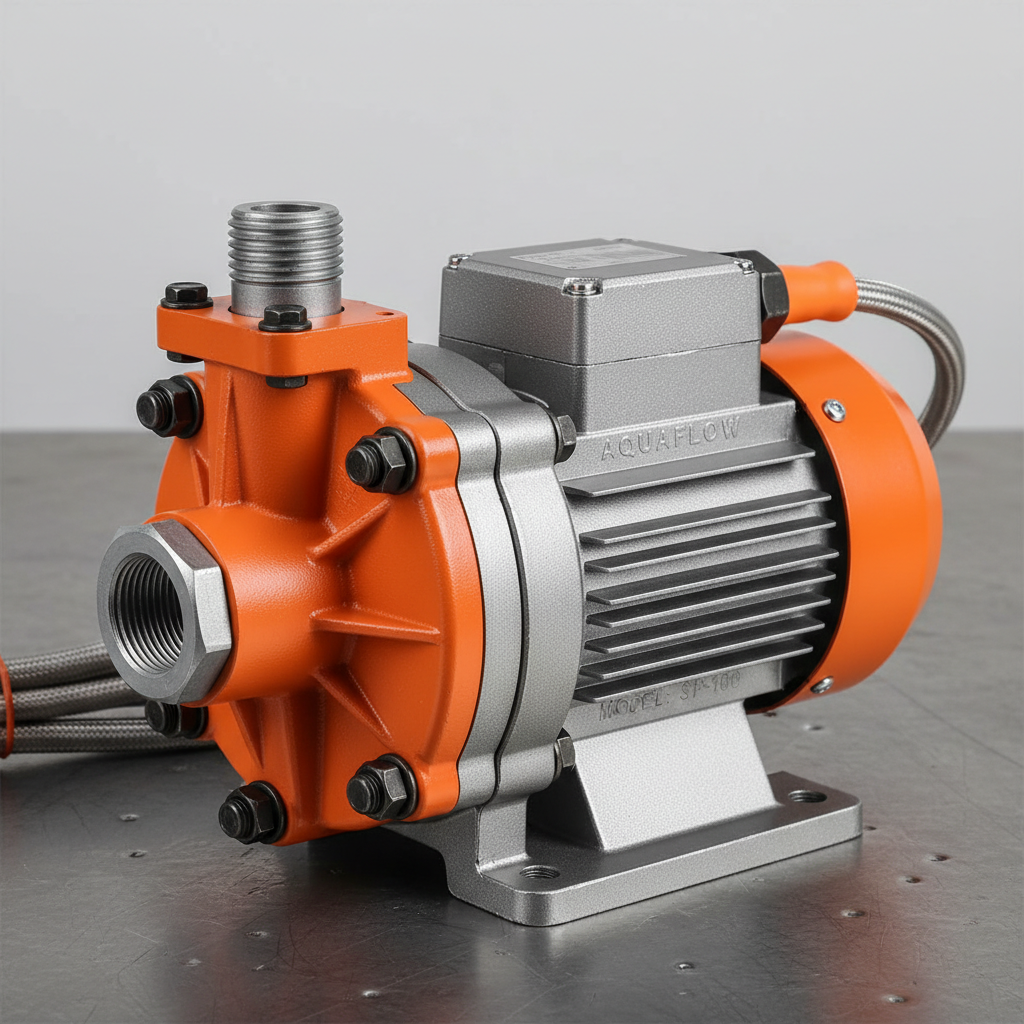 Choosing the Right Mini Submersible Fountain Pump for Optimal Water Feature PerformanceCreating a beautiful and relaxing water feature doesn't have to be complicated. A mini submersible fountain pump is the heart of any indoor or outdoor fountain, and selecting the right one is crucial for optimal performance and longevity. This article will guide you through the key considerations when choosing a mini submersible fountain pump, covering types, features, applications, and how to ensure you get the perfect pump for your project. We’ll also explore how Wellpumpact can provide you with the ideal solution.Detail
 Afrikaans
 Albanian
 Amharic
 Arabic
 Armenian
 Azerbaijani
 Basque
 Belarusian
 Bengali
 Bosnian
 Bulgarian
 Catalan
 Cebuano
 Corsican
 Croatian
 Czech
Czech
 Danish
 Dutch
Dutch
 Esperanto
 Estonian
 Finnish
 French
 Frisian
 Galician
 Georgian
 German
 Greek
Greek
 Gujarati
 Haitian Creole
 Hausa
Hausa
 Hawaiian
 Hebrew
 Hindi
Hindi
 Miao
Miao
 Hungarian
 Icelandic
 Igbo
Igbo
 Indonesian
 Irish
Irish
 Italian
 Japanese
 Javanese
 Kannada
 Kazakh
 Khmer
Khmer
 Rwandese
 Korean
 Kurdish
 Kyrgyz
 Lao
Lao
 Latin
Latin
 Latvian
 Lithuanian
 Luxembourgish
 Macedonian
 Malgashi
 Malay
Malay
 Malayalam
 Maltese
 Maori
Maori
 Marathi
 Mongolian
 Myanmar
 Nepali
 Norwegian
 Norwegian
 Occitan
 Pashto
 Persian
 Polish
 Portuguese
 Punjabi
 Romanian
 Russian
 Samoan
 Scottish Gaelic
 Serbian
 Sesotho
 Shona
Shona
 Sindhi
 Sinhala
 Slovak
 Slovenian
 Somali
 Spanish
 Sundanese
 Swahili
 Swedish
 Tagalog
 Tajik
Tajik
 Tamil
Tamil
 Tatar
Tatar
 Telugu
 Thai
Thai
 Turkish
 Turkmen
 Ukrainian
 Urdu
Urdu
 Uighur
 Uzbek
Uzbek
 Vietnamese
 Welsh
Welsh
 Bantu
Bantu
 Yiddish
 Yoruba
 Zulu
Zulu
 English