
Nov . 28, 2025 22:25 Back to list
Reliable 240v Submersible Pumps for Sustainable Water Solutions | WellPumpAct
Understanding the 240v Submersible Pump: Why It Matters Globally
Whether we realize it or not, water is arguably the most critical resource across the globe. And if you’re involved in agricultural irrigation, municipal water supply, or industrial fluid management, then the humble yet powerful 240v submersible pump is a game changer. These devices quietly work beneath the surface—literally—pumping water when demand peaks or infrastructure demands reliability. As populations grow and regions face increased water stress, understanding this type of pump isn’t just technical trivia; it’s an insight into sustainable water management and energy efficiency on a global stage.
Introduction: The Global Relevance of 240v Submersible Pumps
According to the UN, over 2 billion people live in countries experiencing high water stress. The need for robust and efficient water pumping solutions, like the 240v submersible pump, has never been more critical. These pumps are instrumental in delivering reliable water access, especially in rural or off-grid areas where traditional grid infrastructure might be weak or non-existent.
Consider that 240 volts — the typical supply voltage for many residential and light commercial applications — offers an ideal balance of power and energy efficiency for these submersible pumps. This voltage range allows equipment to remain compact yet powerful enough to handle deep wells or large-volume water transfers without burning excessive energy or requiring unwieldy electrical setups.
However, challenges remain, especially with long-term durability under harsh conditions, varying water quality, and fluctuating power supplies. It’s a problem that engineers, NGOs, and water utility companies worldwide are keen to solve.
What Exactly Is a 240v Submersible Pump?
In simplest terms, a 240v submersible pump is an electrically powered device designed to be submerged in water or other fluids to push water to the surface or a needed location. The “240v” denotes the voltage at which it operates, making it compatible with common supply sources outside the heavy industrial range.
Unlike surface pumps, these devices sit underwater — often at the bottom of boreholes or wells — which helps reduce noise, avoid cavitation, and pump efficiently from depths that would otherwise pose significant challenges.
From an industry viewpoint, these pumps support everything from irrigation in emerging economies to drinking water access in remote communities and even wastewater management in urban areas. Frankly, it feels like the unsung hero of water tech, quietly moving enormous volumes of fluid day in, day out.
Key Components and Important Factors for 240v Submersible Pumps
1. Durability and Materials
One key aspect to consider is the pump’s build materials. Stainless steel components versus thermoplastics, for instance, can mean the difference between rust after one rainy season or a decade of service. Pumps used in saline or chemically aggressive environments require special coatings or design features to prevent corrosion.
2. Power Efficiency
At 240 volts, these pumps strike a balance between power delivery and energy consumption. Many manufacturers use brushless motors or improved winding technology to maximize output while minimizing losses—which benefits both utility bills and carbon footprints.
3. Scalability and Application Range
Whether you’re pumping a few gallons per minute for a small garden or thousands per hour for industrial needs, the 240v submersible pump can be sized and adapted for various flow rates and head pressures. This scalability is vital because water needs are so context-dependent.
4. Installation and Maintenance Simplification
I’ve noticed that pumps designed with plug-and-play features or modular components dramatically reduce downtime and simplify field servicing—a big plus in remote or resource-strapped locations where expert technicians aren’t always on call.
Typical Specifications of a 240v Submersible Pump
| Specification | Typical Value | Notes |
|---|---|---|
| Voltage | 240 V AC | Standard single or split-phase supply |
| Power Rating | 0.5 to 5 HP | Adaptable to flow requirements |
| Maximum Depth | 100 – 200 meters | Dependent on cable length & pump design |
| Flow Rate | up to 100 m³/hr | Varies by impeller size |
| Materials | Stainless Steel, Noryl, Rubber | Corrosion & abrasion resistant |
Mini takeaway: When selecting a 240v submersible pump, pay particular attention to your application environment and power supply stability. That’s where reliability starts.
Global Applications: Who’s Using These Pumps—and Why?
In real terms, these pumps have become essential across a remarkable spread of sectors and locations. In sub-Saharan Africa and South Asia, NGOs often deploy them for community wells that bring clean water to villages with unreliable electricity grids. In industrial zones across Europe and North America, they handle everything from groundwater management to sewage pumping.
For example, during emergency flood relief operations in parts of Southeast Asia, rapidly deploying 240v submersible pumps can help evacuate water from submerged homes, avoiding further damage and health risks. Oddly enough, in agriculture-heavy regions of South America, these pumps reduce the burden on diesel-run alternatives, significantly cutting pollution while increasing farmers' productivity.
Comparing Popular 240v Submersible Pump Vendors
| Vendor | Range (HP) | Warranty | Typical Cost | Special Features |
|---|---|---|---|---|
| PumpMax Pro | 0.5 – 3 HP | 2 years | $350 – $900 | Energy-efficient motor, built-in thermal protection |
| HydroStream | 1 – 5 HP | 3 years | $500 – $1,200 | Advanced corrosion resistance, modular design |
| AquaFlow Basic | 0.75 – 2 HP | 1 year | $280 – $600 | Low price, simple design for easy maintenance |
Why 240v Submersible Pumps Are Worth the Investment
Beyond just moving water, these pumps come with benefits that ripple through social, economic, and environmental layers. Cost-wise, their energy-efficient motors reduce electricity bills — a serious boon in places where power is expensive or rationed. Sustainably, reducing diesel generator use cuts emissions.
On a social level, reliable water supply urgently improves community health, sanitation, and dignity. As someone once pointed out, “There’s no water, no life, no future.” These pumps help enable that future. And honestly, from an innovation standpoint, they showcase how smart tech can be both simple and transformative.
Emerging Trends and Future Innovations
Looking ahead, several exciting trends are shaping the 240v submersible pump landscape:
- Smart pumps: IoT connectivity allows real-time monitoring, predictive maintenance, and remote control to minimize downtime.
- Eco-friendly designs: New materials reduce weight and extend lifespan, while energy consumption continues to be optimized.
- Solar integration: Combining 240v motors with solar inverters opens possibilities for off-grid sustainable pumping.
It’s kind of thrilling to think that something as steady and utilitarian as a water pump could become part of a smarter, greener ecosystem.
Common Challenges and How to Address Them
No product is perfect, of course. Common issues with 240v submersible pumps include cable damage, clogging from debris, and motor overheating. Perhaps less obvious is the challenge of inconsistent power supply affecting reliability.
Experts often recommend protective casings, use of filter screens, and installation of voltage stabilizers to keep pumps running smoothly. Additionally, training local operators improves equipment longevity. It’s sort of a lesson in combining technology with good practices.
FAQ: Frequently Asked Questions About 240v Submersible Pumps
Q1: Can I power a 240v submersible pump from a standard residential outlet?
A1: Most residential outlets provide 120v in many regions, so a 240v pump typically requires a dedicated circuit or transformer. It’s important to verify local electrical standards and possibly consult a qualified electrician before installation.
Q2: How deep can a 240v submersible pump effectively pump water?
A2: Typically, these pumps can operate efficiently up to depths of 100 to 200 meters, depending on the model and cable length. Selecting the right pump depends on your well or borehole depth and flow needs.
Q3: What maintenance does a 240v submersible pump usually require?
A3: Regular inspections for cable wear, debris in intake screens, and seals are common maintenance points. Some models include thermal overload protection to prevent motor damage during overheating.
Q4: Are 240v submersible pumps suitable for saline water?
A4: Saline or brackish water requires pumps with corrosion-resistant materials, like special stainless steels or polymer coatings, to ensure durability over time.
Wrapping Up: Why Invest in a 240v Submersible Pump?
Ultimately, the 240v submersible pump is a versatile, efficient, and crucial piece of equipment globally—from urban utilities to remote villages. It taps into a balance of power, efficiency, and reliability that meets modern water demands with fewer downsides. If you’re considering expanding or upgrading your water infrastructure, these pumps are worth a closer look.
Want to learn more or find the right pump for your needs? Visit https://www.wellpumpact.com for expert advice, detailed product info, and top vendor options.
References
-
Understanding the Price Submersible Pump and Buyer Guide
NewsApr.16,2026
-
Factors Affecting the Price for Submersible Pump a Buyers Guide
NewsApr.09,2026
-
Choosing the Right Mini Submersible Fountain Pump for Optimal Water Feature Performance
NewsApr.07,2026
-
A Detailed Guide to Installing a Submersible Pump for Optimal Performance
NewsApr.04,2026
-
Comprehensive Guide on How to Test a Submersible Water Well Pump Effectively
NewsMar.31,2026
-
Learn How to Replace a Submersible Well Pump Safely and Effectively
NewsMar.28,2026
-
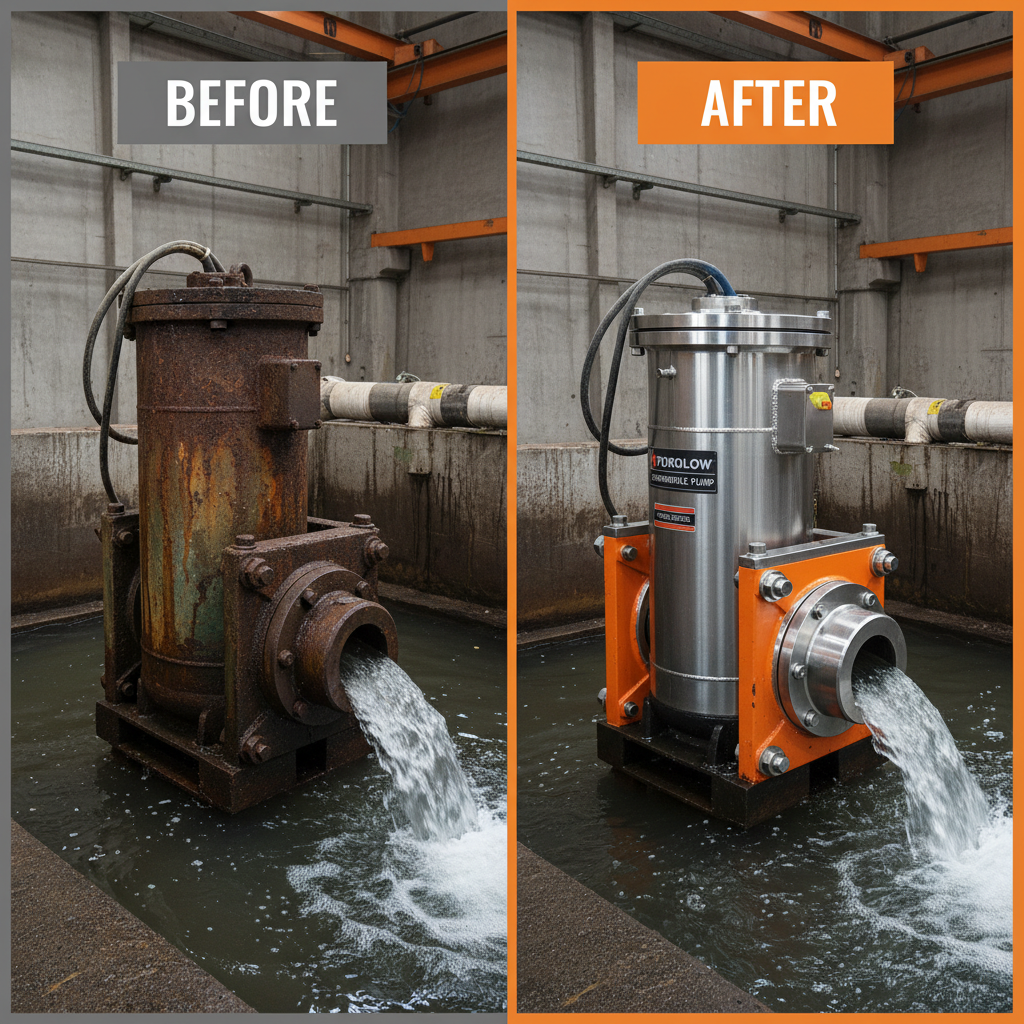 Understanding the Price Submersible Pump and Buyer GuideWhen searching for the ideal water management solution, understanding the price submersible pump options is crucial for balancing budget with performance. Whether you are dealing with a flooded basement, managing agricultural irrigation, or extracting water from a deep well, the cost of a submersible pump can vary significantly based on its build quality and capacity. Investing in a high-quality pump ensures long-term reliability and reduces the frequency of expensive replacements. In this guide, we will break down the factors that influence pricing and help you make an informed decision for your specific needs.Detail
 -
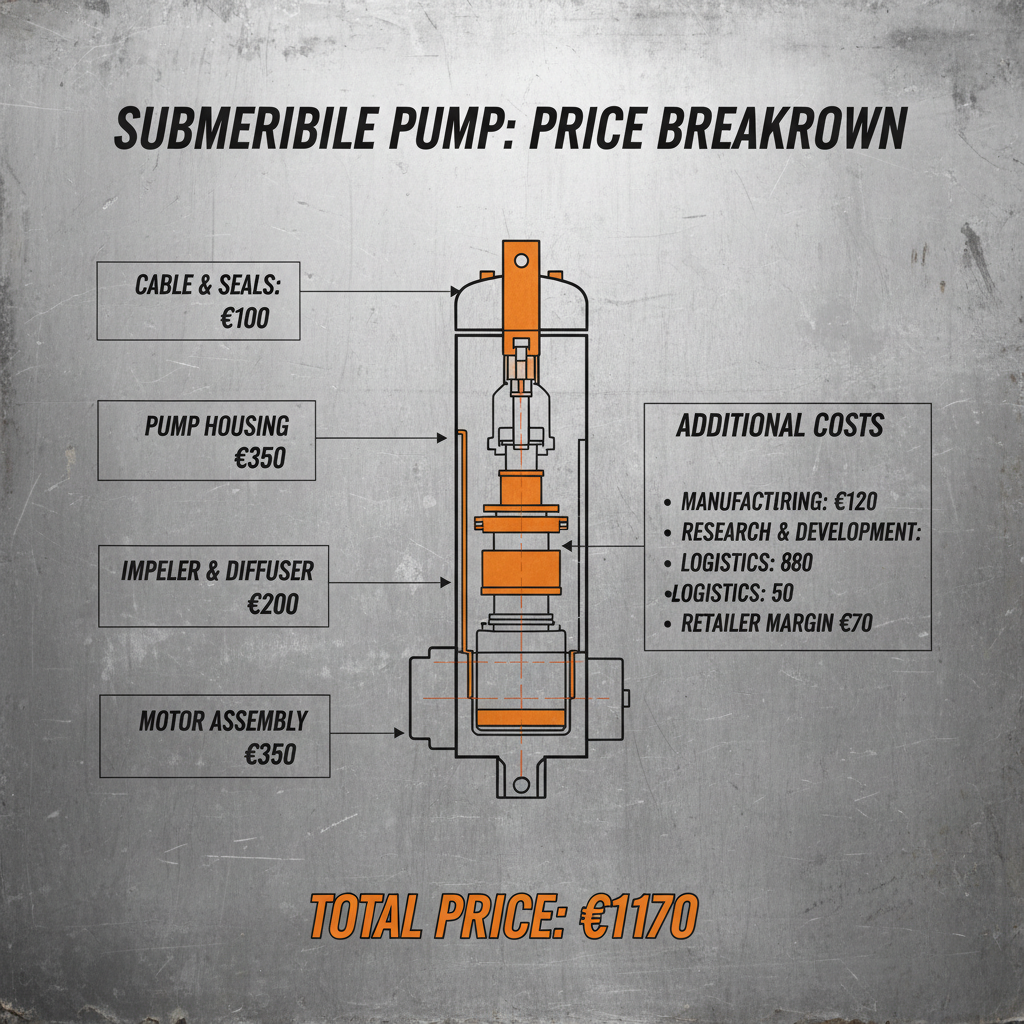 Factors Affecting the Price for Submersible Pump a Buyers GuideWhen investing in water management systems, understanding the price for submersible pump options is essential for balancing performance with budget. Whether you are managing a residential well, an industrial drainage project, or agricultural irrigation, the cost of a pump is rarely a flat fee; it is a reflection of the engineering, materials, and capacity required for your specific environment. In this guide, we will break down the factors that influence pricing and help you determine the best value for your investment to ensure long-term reliability and efficiency.Detail
 -
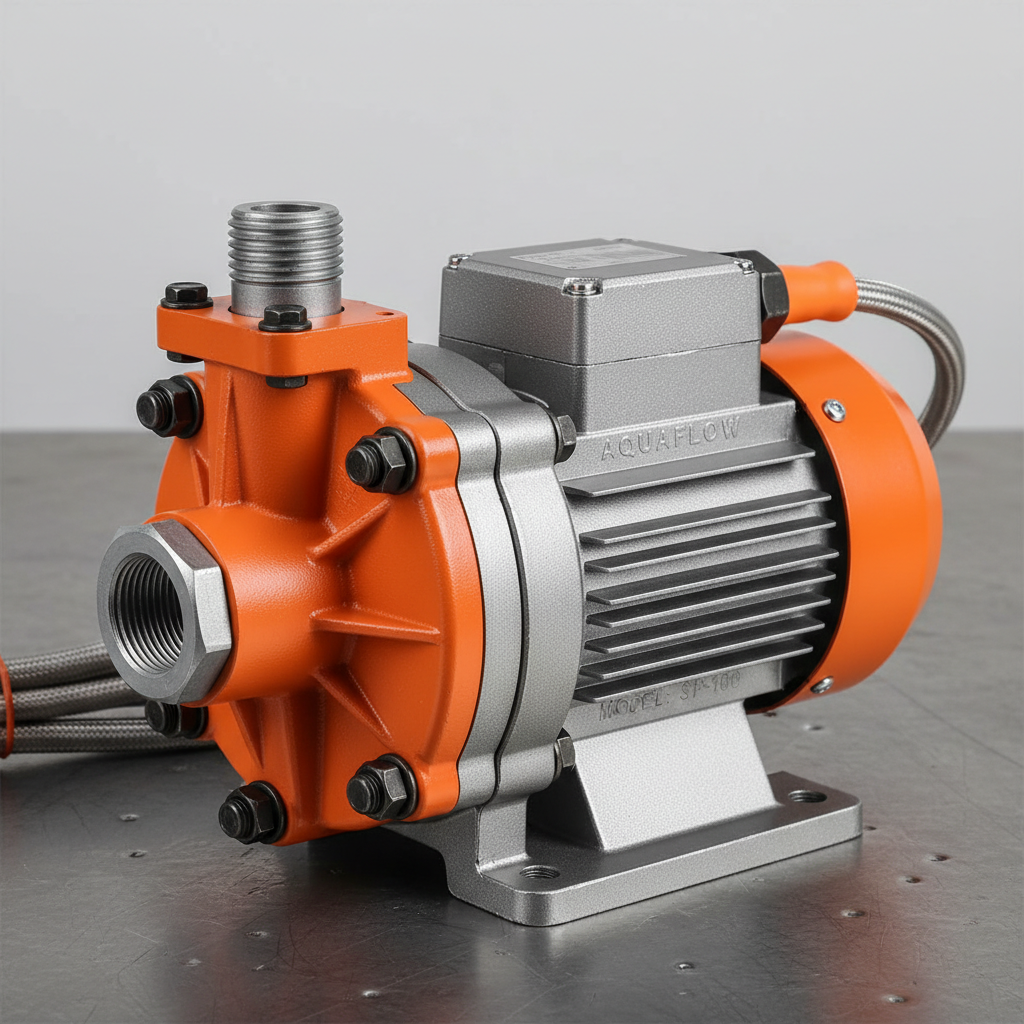 Choosing the Right Mini Submersible Fountain Pump for Optimal Water Feature PerformanceCreating a beautiful and relaxing water feature doesn't have to be complicated. A mini submersible fountain pump is the heart of any indoor or outdoor fountain, and selecting the right one is crucial for optimal performance and longevity. This article will guide you through the key considerations when choosing a mini submersible fountain pump, covering types, features, applications, and how to ensure you get the perfect pump for your project. We’ll also explore how Wellpumpact can provide you with the ideal solution.Detail
 Afrikaans
 Albanian
 Amharic
 Arabic
 Armenian
 Azerbaijani
 Basque
 Belarusian
 Bengali
 Bosnian
 Bulgarian
 Catalan
 Cebuano
 Corsican
 Croatian
 Czech
Czech
 Danish
 Dutch
Dutch
 Esperanto
 Estonian
 Finnish
 French
 Frisian
 Galician
 Georgian
 German
 Greek
Greek
 Gujarati
 Haitian Creole
 Hausa
Hausa
 Hawaiian
 Hebrew
 Hindi
Hindi
 Miao
Miao
 Hungarian
 Icelandic
 Igbo
Igbo
 Indonesian
 Irish
Irish
 Italian
 Japanese
 Javanese
 Kannada
 Kazakh
 Khmer
Khmer
 Rwandese
 Korean
 Kurdish
 Kyrgyz
 Lao
Lao
 Latin
Latin
 Latvian
 Lithuanian
 Luxembourgish
 Macedonian
 Malgashi
 Malay
Malay
 Malayalam
 Maltese
 Maori
Maori
 Marathi
 Mongolian
 Myanmar
 Nepali
 Norwegian
 Norwegian
 Occitan
 Pashto
 Persian
 Polish
 Portuguese
 Punjabi
 Romanian
 Russian
 Samoan
 Scottish Gaelic
 Serbian
 Sesotho
 Shona
Shona
 Sindhi
 Sinhala
 Slovak
 Slovenian
 Somali
 Spanish
 Sundanese
 Swahili
 Swedish
 Tagalog
 Tajik
Tajik
 Tamil
Tamil
 Tatar
Tatar
 Telugu
 Thai
Thai
 Turkish
 Turkmen
 Ukrainian
 Urdu
Urdu
 Uighur
 Uzbek
Uzbek
 Vietnamese
 Welsh
Welsh
 Bantu
Bantu
 Yiddish
 Yoruba
 Zulu
Zulu
 English