
Dec . 02, 2025 04:45 Back to list
Submersible Electric Motor: A Global Guide to Durable, Efficient Underwater Power Solutions
The Essential Guide to Submersible Electric Motors: Powering Our World from Below
Across the globe, submersible electric motors play an often overlooked yet pivotal role in keeping industries, communities, and even ecosystems functioning smoothly. These ingenious devices are quietly powering wells, pumps, and various underwater applications—sometimes deep beneath our feet. Understanding what submersible electric motors are, why they matter, and their benefits helps appreciate their global impact, especially as demand for clean water, energy efficiency, and resilient infrastructure grows.
Introduction: The Global Significance of Submersible Electric Motors
According to the United Nations, over 2 billion people currently lack access to safely managed drinking water services worldwide.[1] Submersible electric motors are essential in many water extraction and pumping systems that help bridge this gap. Likewise, industries such as oil & gas, mining, and marine engineering depend heavily on submersible motors engineered to withstand harsh underwater environments.
Yet, there’s a challenge: delivering reliable, efficient, and durable motors that maintain performance even in extreme conditions. Failures can lead to costly downtime or worse, contamination of water supplies. That’s why advances in submersible electric motor technology resonate globally, shaping how communities access resources and industries meet sustainability requirements.
What Is a Submersible Electric Motor?
At its core, a submersible electric motor is an electric motor designed to operate submerged in liquid—usually water or oil. Unlike conventional motors, these must resist corrosion, handle pressure, and cool themselves efficiently without external airflow. They're commonly coupled directly to pumps, facilitating fluid movement underground or underwater.
Modern submersible electric motors are crucial in everything from irrigating parched agricultural lands to powering wastewater treatment plants and oil extraction rigs. In humanitarian contexts, they enable more reliable water access after natural disasters or in remote regions.
Key Aspects to Understand About Submersible Electric Motors
1. Durability & Sealing
The sealing technology is a matter of life or death—for the motor. If water seeps into the stator windings, the motor dies quickly. Robust seals, often double or even triple layered, plus corrosion-resistant materials like stainless steel or epoxy coatings, ensure long-lasting operation.
2. Cooling Mechanisms
Being submerged actually helps cooling, as the liquid surrounds the motor and draws heat away. But, engineers have to ensure the motor generates just the right amount of heat so the surrounding medium can absorb it without overheating sections. Some advanced designs pump fluid internally for better thermal management.
3. Power & Efficiency
Submersible motors vary widely—from small fractional horsepower units used in residential wells to huge multi-horsepower beasts powering industrial pumps. Efficiency standards, like those set by the ISO, enhance energy savings especially important given the motors’ often continuous duty cycles.
4. Scalability and Customization
Manufacturers tailor designs depending on depth, voltage availability, and flow requirements. This flexibility means submersible motors can be found underwater offshore, or a few meters below an urban water table. The options are surprisingly broad.
5. Electrical Insulation & Safety
Insulation materials must be moisture resistant and mechanically sound. Often these motors come with built-in thermal and torque protection, so they don't burn out should something go wrong.
Product Specifications Snapshot
| Specification | Typical Range |
|---|---|
| Horsepower (HP) | 0.5 HP to 100+ HP |
| Voltage | 110V to 480V AC (3-phase common) |
| Max Depth | Up to 600 meters (about 2,000 feet) |
| Material | Stainless steel, epoxy resin insulated windings |
| Operating Temperature | -20°C to 40°C (ambient water temp) |
Global Applications and Real-World Use Cases
Submersible electric motors find application across continents and sectors:
- Agriculture: In arid regions of Africa and Asia, farmers rely on these motors to pump groundwater for irrigation, stabilizing food production despite unpredictable rainfall.
- Oil & Gas: Offshore rigs and subsea operations use high-horsepower, corrosion-resistant submersible motors to support extraction and processing equipment.
- Municipal Water Systems: Cities in North America and Europe deploy them for well water pumping and sewage management, thanks to their compact design and reliability.
- Disaster Relief: Post-hurricane or earthquake recovery efforts often install portable water systems centered on submersible motors to restore clean water access quickly.
- Mining: Remote mining sites utilize robust submersible motors for dewatering operations, ensuring safer working environments.
One interesting example I came across involved a remote village in India where a locally sourced submersible electric motor pump revived a community well that had been dry for years — something that truly changed daily life.
Vendor Comparison: Leading Submersible Electric Motor Manufacturers
| Brand | Horsepower Range | Key Feature | Typical Industry | Warranty |
|---|---|---|---|---|
| Grundfos | 0.5–75 HP | Integrated thermal protection | Municipal, agriculture | 2 years |
| Franklin Electric | 0.5–100+ HP | Epoxy-coated windings | Oil & gas, mining | 3 years |
| Ebara | 1–50 HP | High corrosion resistance | Industrial, municipal | 2 years |
Advantages and Long-Term Value
Why invest in submersible electric motors? Well, their primary advantage is reliability under harsh conditions, which translates to less downtime and lower maintenance costs. Environmentally, their improved efficiencies reduce energy usage. In humanitarian terms, they empower communities with dependable water access—restoring dignity and health.
There's also a safety element: fully submerged motors reduce fire hazards and electrical risks compared to surface-mounted equipment. When you think about it, that's quite a lot packed into something that most people never see!
The Horizon: Future Trends in Submersible Electric Motors
Technology marches on, and so do these motors. We’re seeing integration of smart sensors allowing remote monitoring of temperature, vibrations, and load conditions in real-time. These “digital twins” help predict maintenance needs before failures happen. Materials science is also pushing limits, with composites offering weight and corrosion improvements.
Moreover, with sustainability at the forefront, incorporating green energy-compatible designs—like better inverter compatibility for solar or wind-powered pumping—is a growing trend.
Challenges and Cutting-Edge Solutions
As robust as they are, submersible electric motors face challenges, such as seal deterioration over time, abrasion from particulates in water, and the complexities of repair in remote underwater settings. Engineers tackle these by innovating new sealing compounds, modular designs for easier servicing, and even self-healing coatings.
Oddly enough, some research programs focus on nanotechnology-inspired materials to extend lifespans dramatically, though commercial applications can take a few years to catch up.
FAQ: Frequently Asked Questions About Submersible Electric Motors
- Q: What factors determine the depth rating of a submersible electric motor?
- A: Depth rating depends on the motor casing strength, sealing integrity, and insulation capabilities. Greater depths mean higher water pressure, requiring reinforced housings and more rigorous sealing to prevent water ingress.
- Q: How energy efficient are submersible electric motors compared to surface motors?
- A: Submersible motors often outperform surface motors in pumping applications since they eliminate the need for transmission shafts and have better cooling, resulting in efficiencies that can be several percentage points higher.
- Q: Can submersible electric motors handle sandy or debris-filled water?
- A: While some models include protective designs or filters to handle particulates, excessive debris can cause abrasion or clogging. Choosing motors with abrasion-resistant materials and appropriate intake screens is key.
- Q: What maintenance is required for submersible electric motors?
- A: Generally low but important. Regular inspections involve checking electrical insulation, seals, motor temperature, and vibration levels. Advanced motors with monitoring systems can alert operators to issues early.
- Q: Are submersible motors compatible with renewable energy sources?
- A: Yes, many modern submersible motors work well with variable-speed drives and can be powered by solar or wind energy systems, enhancing sustainability.
Conclusion: Why Submersible Electric Motors Matter Now and Tomorrow
In sum, submersible electric motors underpin critical global infrastructure, from ensuring water access to powering industry. Their durable, efficient design aligns with today's sustainability goals while offering practical reliability. As technology advances, they'll only become more integral—but it’s their proven track record in both developing and developed contexts that really stands out.
If you want to explore how submersible electric motors can fit your needs—be it agriculture, municipal, or industrial—visit our website: https://www.wellpumpact.com. There, you’ll find detailed resources and expert advice tailored for your projects.
Reflecting on the evolution of submersible motors, it's clear they are not just mechanical devices but vital enablers of modern life, quietly protecting health and prosperity around the globe.
References
-
Understanding the Price Submersible Pump and Buyer Guide
NewsApr.16,2026
-
Factors Affecting the Price for Submersible Pump a Buyers Guide
NewsApr.09,2026
-
Choosing the Right Mini Submersible Fountain Pump for Optimal Water Feature Performance
NewsApr.07,2026
-
A Detailed Guide to Installing a Submersible Pump for Optimal Performance
NewsApr.04,2026
-
Comprehensive Guide on How to Test a Submersible Water Well Pump Effectively
NewsMar.31,2026
-
Learn How to Replace a Submersible Well Pump Safely and Effectively
NewsMar.28,2026
-
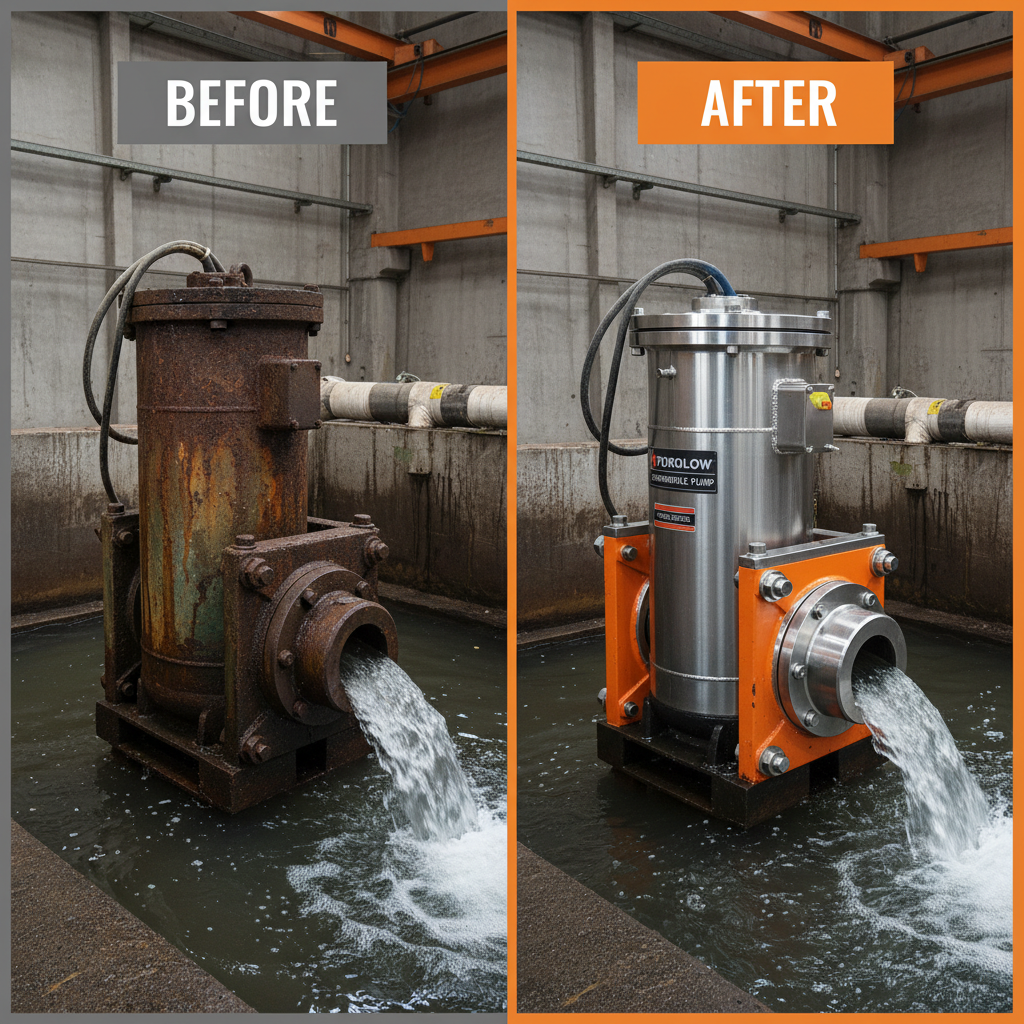 Understanding the Price Submersible Pump and Buyer GuideWhen searching for the ideal water management solution, understanding the price submersible pump options is crucial for balancing budget with performance. Whether you are dealing with a flooded basement, managing agricultural irrigation, or extracting water from a deep well, the cost of a submersible pump can vary significantly based on its build quality and capacity. Investing in a high-quality pump ensures long-term reliability and reduces the frequency of expensive replacements. In this guide, we will break down the factors that influence pricing and help you make an informed decision for your specific needs.Detail
 -
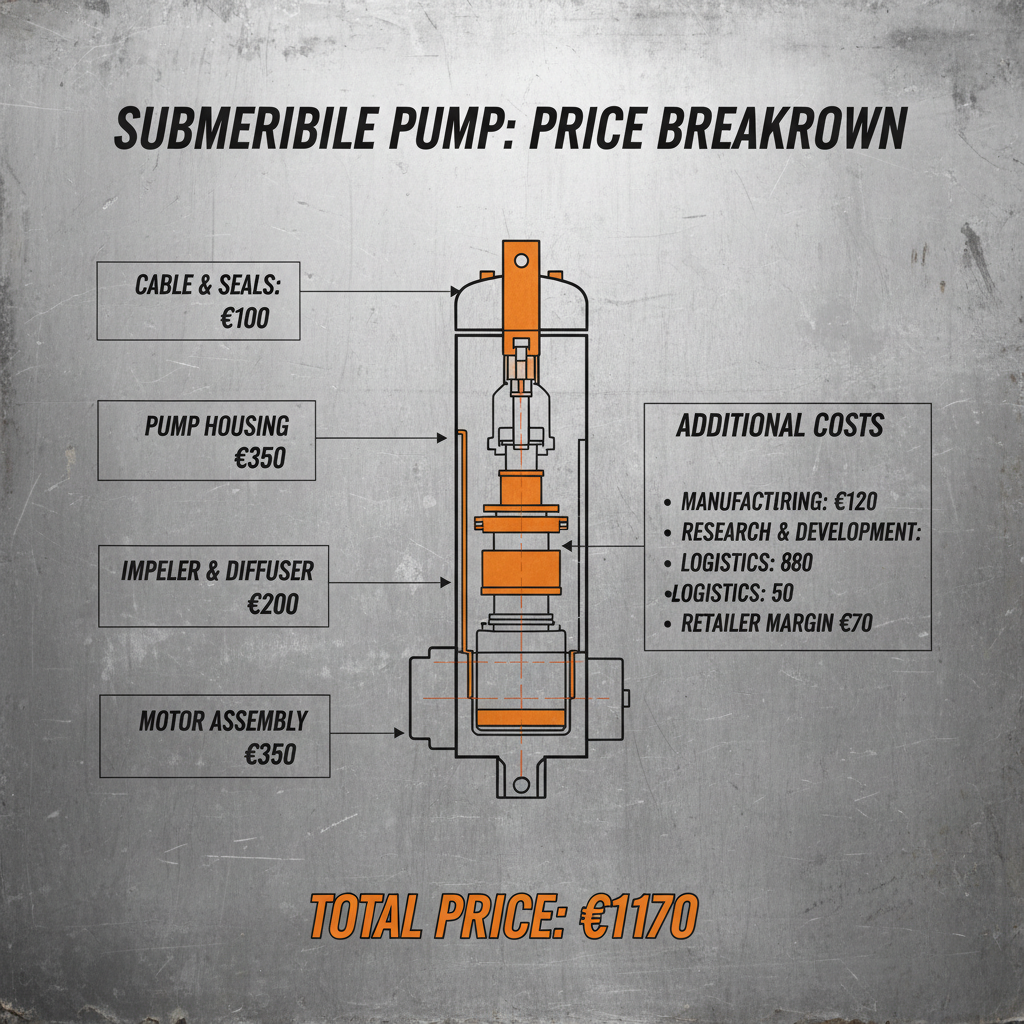 Factors Affecting the Price for Submersible Pump a Buyers GuideWhen investing in water management systems, understanding the price for submersible pump options is essential for balancing performance with budget. Whether you are managing a residential well, an industrial drainage project, or agricultural irrigation, the cost of a pump is rarely a flat fee; it is a reflection of the engineering, materials, and capacity required for your specific environment. In this guide, we will break down the factors that influence pricing and help you determine the best value for your investment to ensure long-term reliability and efficiency.Detail
 -
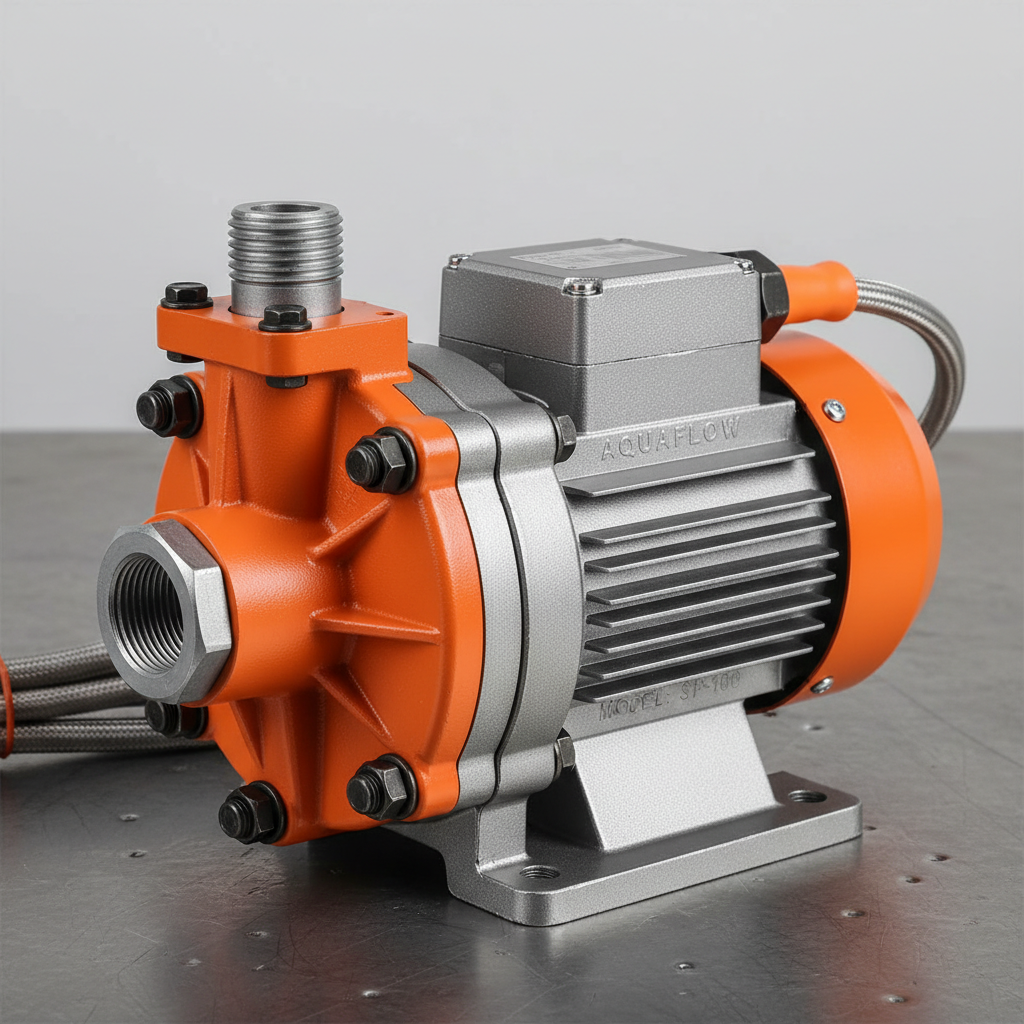 Choosing the Right Mini Submersible Fountain Pump for Optimal Water Feature PerformanceCreating a beautiful and relaxing water feature doesn't have to be complicated. A mini submersible fountain pump is the heart of any indoor or outdoor fountain, and selecting the right one is crucial for optimal performance and longevity. This article will guide you through the key considerations when choosing a mini submersible fountain pump, covering types, features, applications, and how to ensure you get the perfect pump for your project. We’ll also explore how Wellpumpact can provide you with the ideal solution.Detail
 Afrikaans
 Albanian
 Amharic
 Arabic
 Armenian
 Azerbaijani
 Basque
 Belarusian
 Bengali
 Bosnian
 Bulgarian
 Catalan
 Cebuano
 Corsican
 Croatian
 Czech
Czech
 Danish
 Dutch
Dutch
 Esperanto
 Estonian
 Finnish
 French
 Frisian
 Galician
 Georgian
 German
 Greek
Greek
 Gujarati
 Haitian Creole
 Hausa
Hausa
 Hawaiian
 Hebrew
 Hindi
Hindi
 Miao
Miao
 Hungarian
 Icelandic
 Igbo
Igbo
 Indonesian
 Irish
Irish
 Italian
 Japanese
 Javanese
 Kannada
 Kazakh
 Khmer
Khmer
 Rwandese
 Korean
 Kurdish
 Kyrgyz
 Lao
Lao
 Latin
Latin
 Latvian
 Lithuanian
 Luxembourgish
 Macedonian
 Malgashi
 Malay
Malay
 Malayalam
 Maltese
 Maori
Maori
 Marathi
 Mongolian
 Myanmar
 Nepali
 Norwegian
 Norwegian
 Occitan
 Pashto
 Persian
 Polish
 Portuguese
 Punjabi
 Romanian
 Russian
 Samoan
 Scottish Gaelic
 Serbian
 Sesotho
 Shona
Shona
 Sindhi
 Sinhala
 Slovak
 Slovenian
 Somali
 Spanish
 Sundanese
 Swahili
 Swedish
 Tagalog
 Tajik
Tajik
 Tamil
Tamil
 Tatar
Tatar
 Telugu
 Thai
Thai
 Turkish
 Turkmen
 Ukrainian
 Urdu
Urdu
 Uighur
 Uzbek
Uzbek
 Vietnamese
 Welsh
Welsh
 Bantu
Bantu
 Yiddish
 Yoruba
 Zulu
Zulu
 English